Tourism boards often highlight beauty and adventure, but some destinations are perilous despite their allure. Many of these sites are flagged by organizations like the World Health Organization, UNESCO, and local safety advisories due to extreme climates, wildlife risks, or natural hazards. From volcanic landscapes with lethal gases to isolated regions with high crime or hostile terrain, these locations require caution—and in some cases, specialized permits or protective gear—before visiting.
Cape Town – Beauty Shadowed by Crime Rates
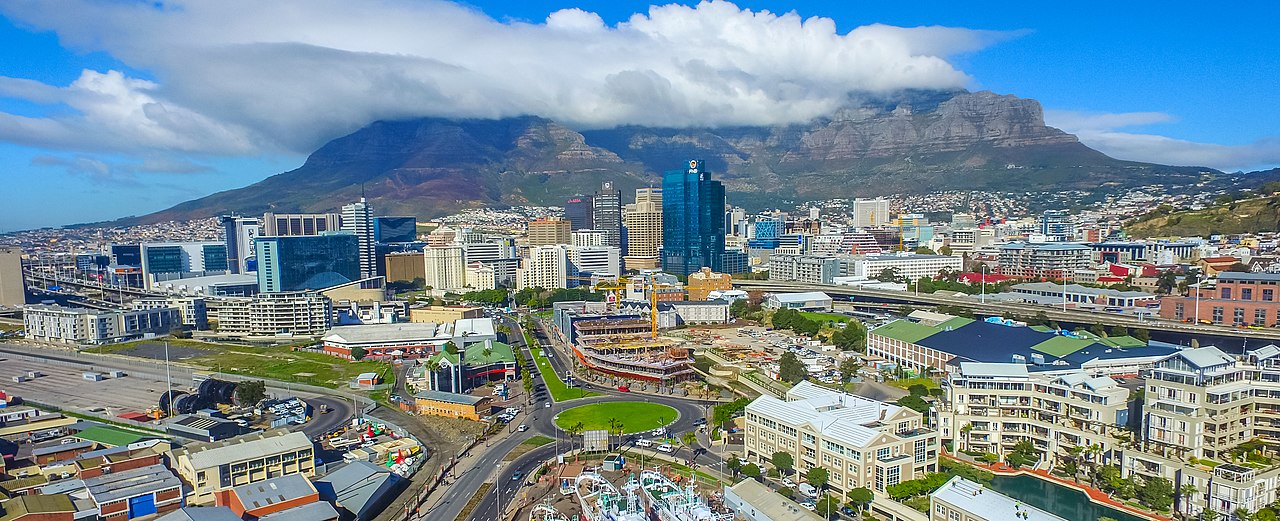
Cape Town ranks among the most violent cities in the world, with a homicide rate of 62.22 per 100,000 residents in 2023, according to the Citizen Council for Public Security and Criminal Justice. Tourists are often targeted in armed robberies, particularly around Table Mountain trails and airport transit routes. Despite its dramatic scenery, South African police data highlight that theft, carjacking, and violent assaults remain persistent risks for visitors.
Darien Gap – The World’s Deadliest Jungle Crossing

The Darien Gap, a 100-mile swath of dense jungle between Panama and Colombia, is notorious for being nearly impassable. UN migration data recorded over 500,000 crossings in 2023, with thousands reporting robberies, assaults, and drownings. The area lacks infrastructure, is riddled with rivers prone to flash floods, and is heavily patrolled by criminal groups, making it one of the most dangerous regions for travelers attempting overland passage.
Skeleton Coast – Namibia’s Treacherous Shoreline
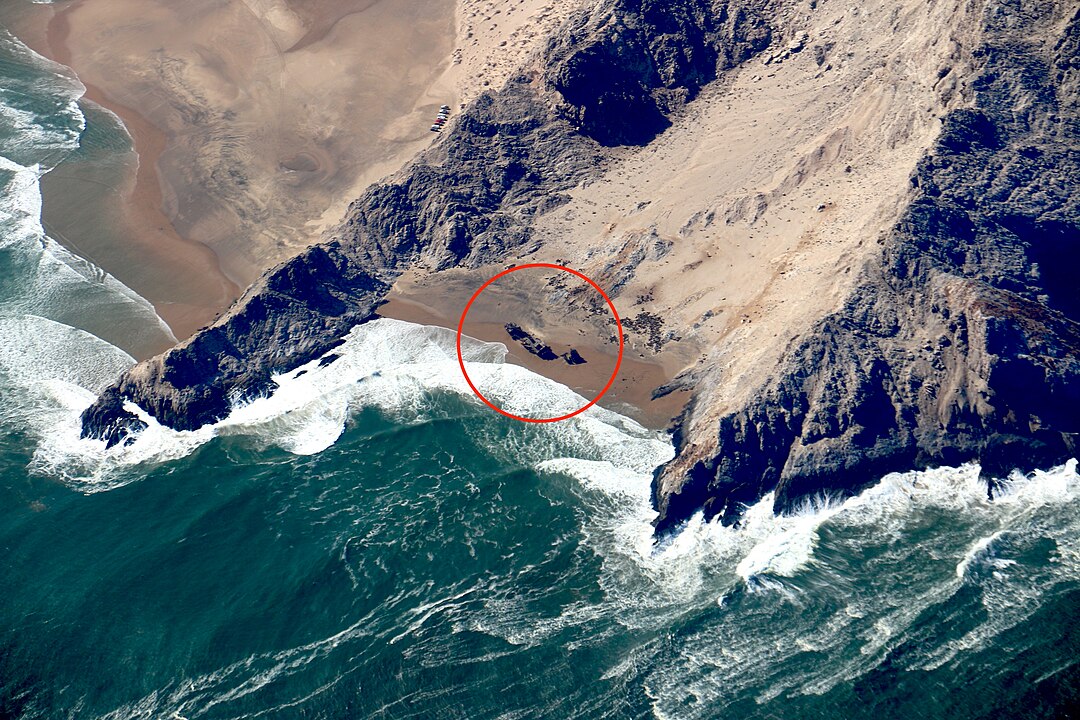
The Skeleton Coast of Namibia stretches over 500 kilometers, marked by shipwrecks, shifting fogs, and dangerous surf. Historic records show over 1,000 vessels wrecked along its shores due to the Benguela Current and dense coastal fog. The region’s remoteness adds risk—temperatures swing drastically, wildlife such as lions and hyenas roam inland, and rescue operations are severely limited due to lack of infrastructure.
Danakil Depression – The Hottest Place on Earth
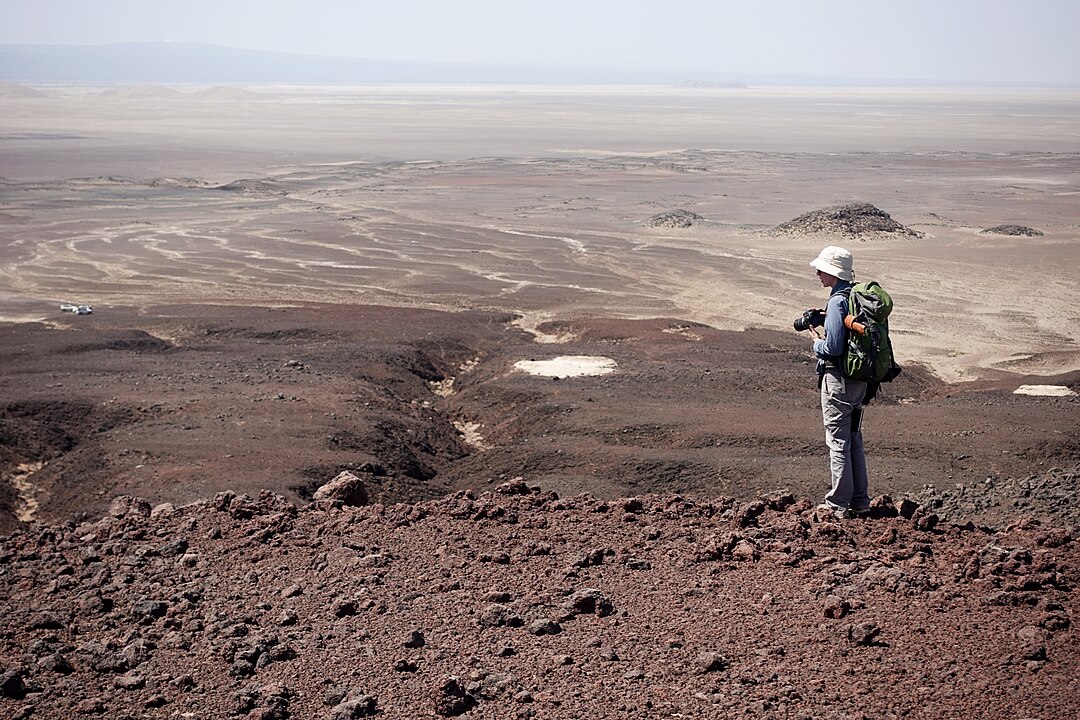
Ethiopia’s Danakil Depression is one of the harshest inhabited environments. NASA data report average annual temperatures above 34°C, with peaks reaching 55°C. Visitors face hazards from toxic gases emitted by active volcanoes like Erta Ale, unstable salt flats, and severe dehydration risks. Despite its surreal landscape of sulfur springs and lava lakes, the area is considered by geologists and travel authorities as one of Earth’s most extreme and dangerous destinations.
Snake Island – Home to the World’s Deadliest Serpents

Ilha da Queimada Grande, better known as Snake Island off Brazil’s coast, harbors an estimated 2,000–4,000 golden lancehead vipers (Bothrops insularis). The species’ venom can kill in under an hour, causing hemorrhaging and organ failure. Due to its extreme risk, the Brazilian Navy prohibits civilian landings. Research permits are tightly controlled, making the island officially one of the most restricted—and hazardous—tourist sites in the world.
Lake Natron – Waters That Turn Life to Stone
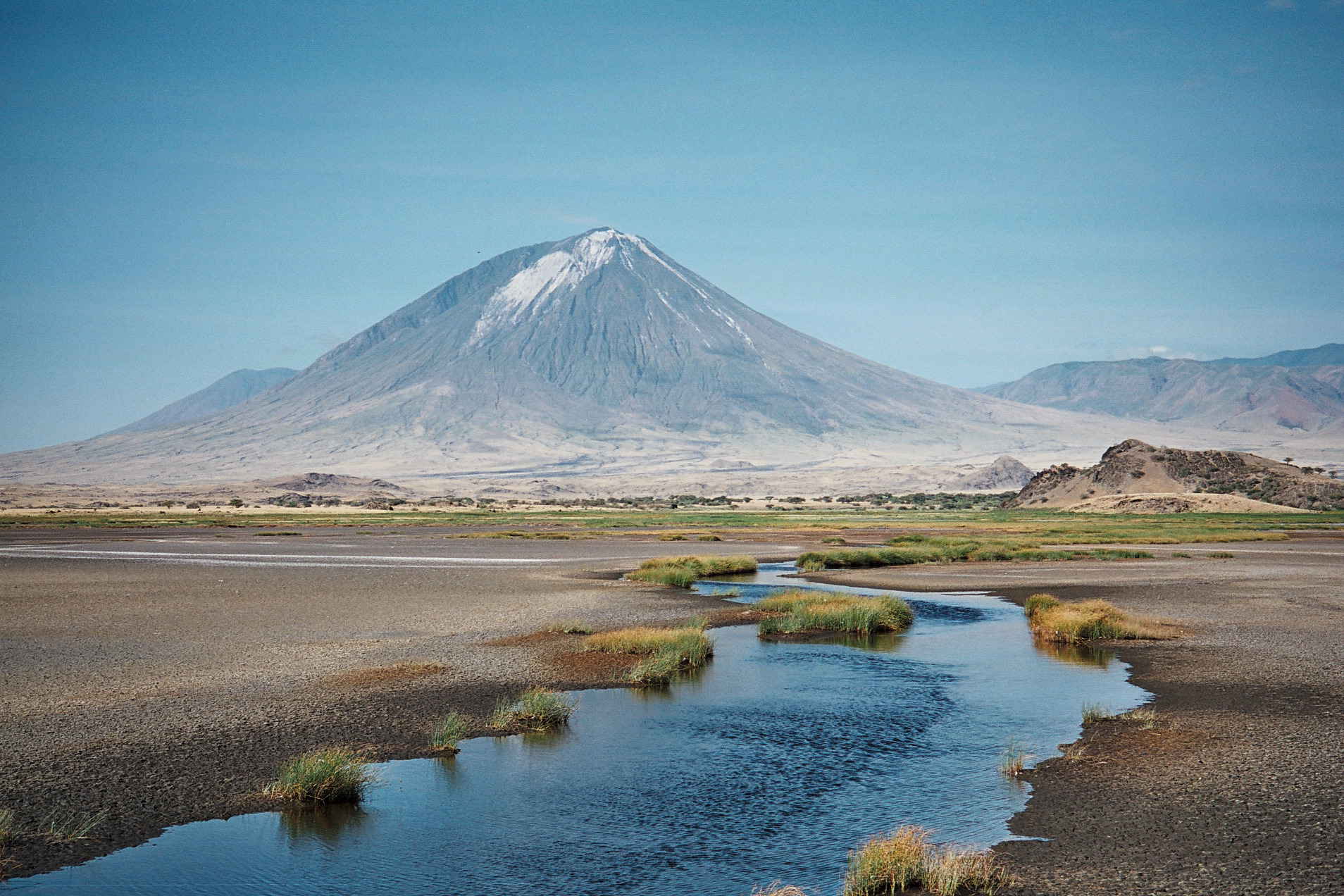
Located in northern Tanzania, Lake Natron is highly alkaline, with surface water reaching a pH of up to 10.5 and temperatures near 60°C. The lake’s mineral-rich composition preserves animals that die in its waters, calcifying them into eerie statues. While it provides vital breeding grounds for flamingos, direct human contact with the lake can cause severe burns and eye damage, making it a biological hazard rather than a safe destination.
K’gari (Fraser Island) – Australia’s Deadly Paradise
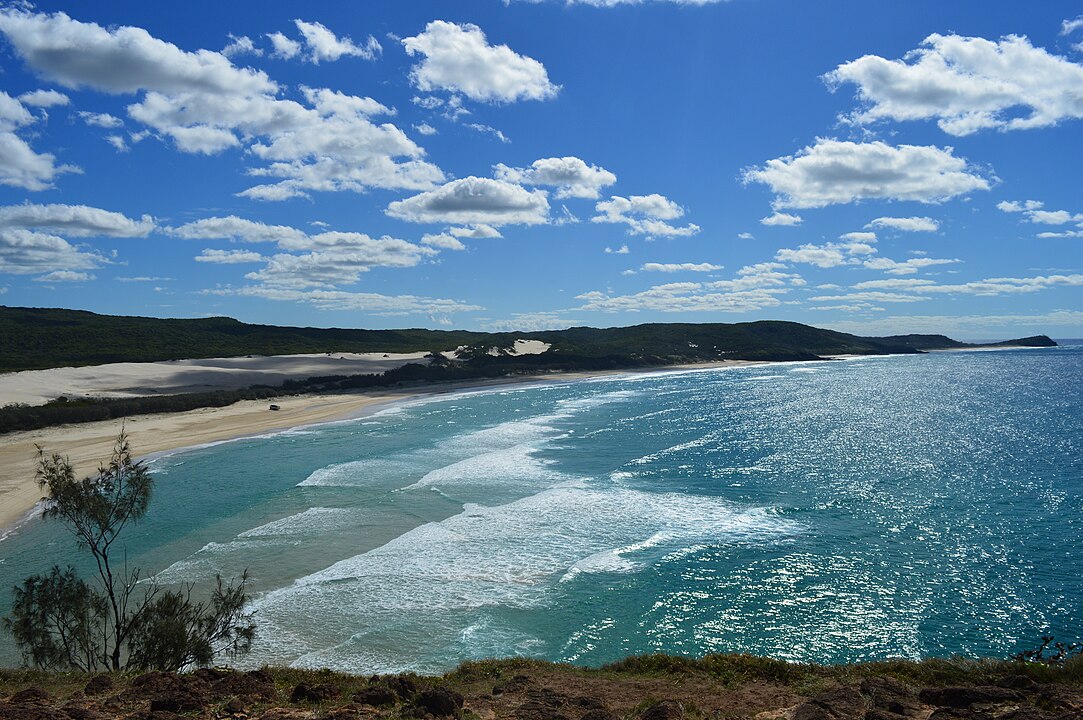
K’gari, formerly Fraser Island, is the world’s largest sand island and a UNESCO site, but it’s also perilous. It has one of the highest densities of dingoes in Australia, with documented attacks on tourists, including a fatal mauling in 2001. The island’s beaches face strong riptides and shark-infested waters, while inland, Irukandji jellyfish stings and toxic funnel-web spiders add to the dangers. Australian authorities enforce strict visitor safety guidelines.
Death Valley – Scorching Temperatures That Kill
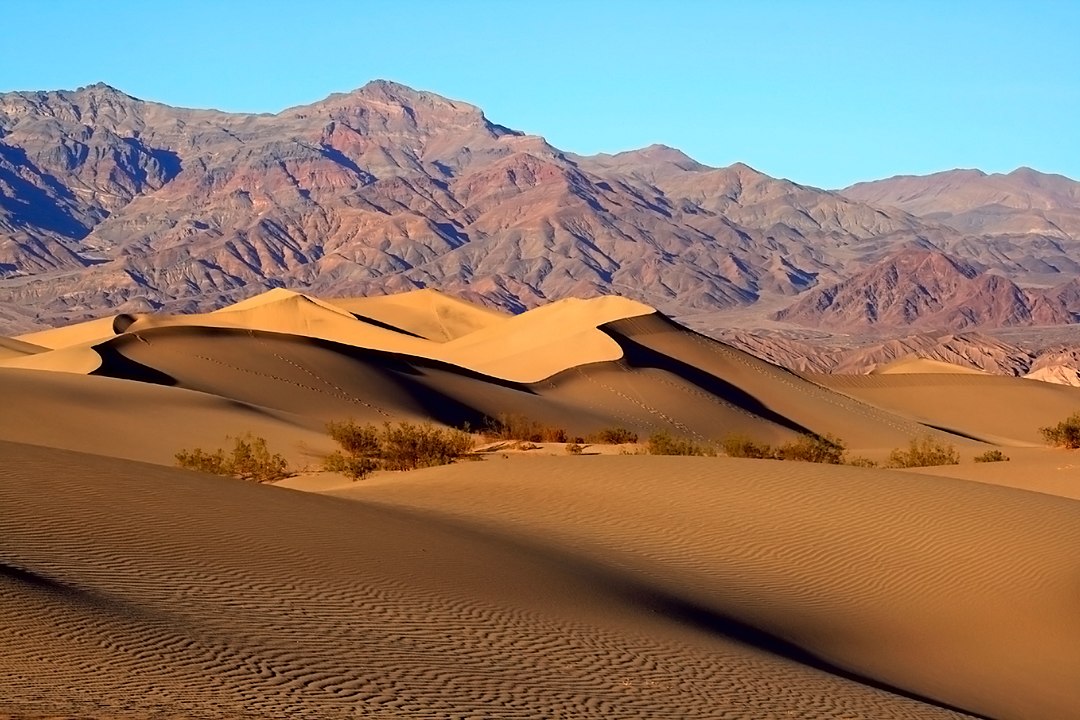
Death Valley in California holds the record for the highest air temperature ever reliably recorded on Earth: 56.7°C (134°F) at Furnace Creek in 1913. Even in recent years, summer highs average 47–50°C. According to the U.S. National Park Service, heatstroke, dehydration, and vehicle breakdowns account for numerous fatalities annually. Limited cell coverage and extreme conditions make unprepared travel particularly life-threatening.
Darvaza Gas Crater – The “Door to Hell”
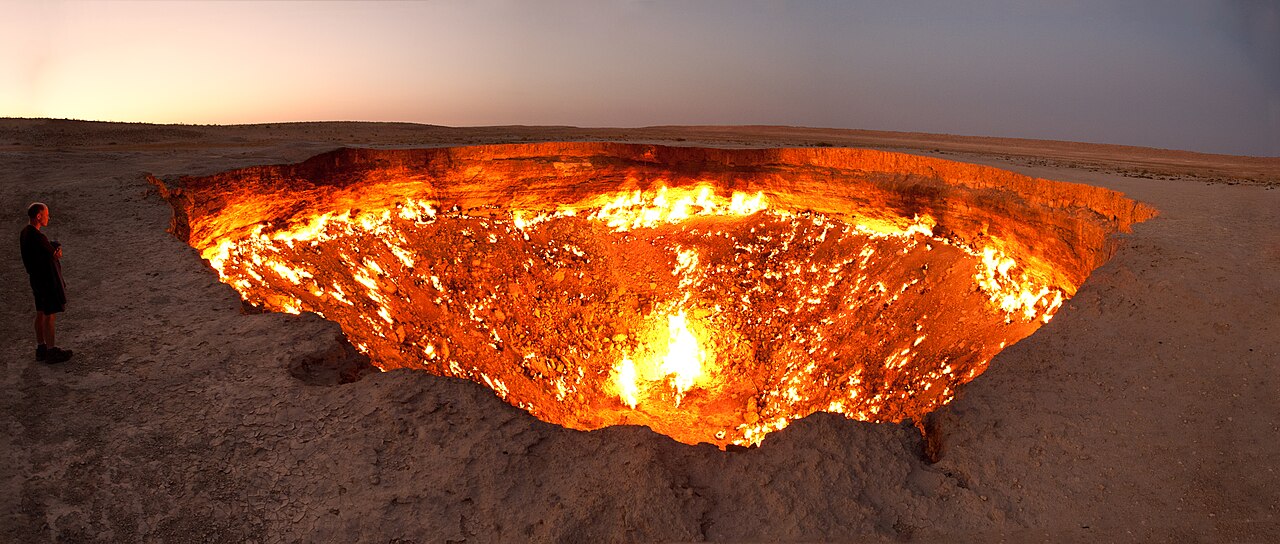
The Darvaza Gas Crater in Turkmenistan has been burning continuously since 1971 after a Soviet drilling accident ignited natural gas reserves. The crater measures about 70 meters wide and 30 meters deep, producing toxic fumes and intense heat. Though a striking sight, standing too close risks inhalation of methane and other gases. The Turkmen government has occasionally discussed sealing it, citing environmental and safety concerns for both residents and visitors.
Karijini National Park – Australia’s Treacherous Gorges
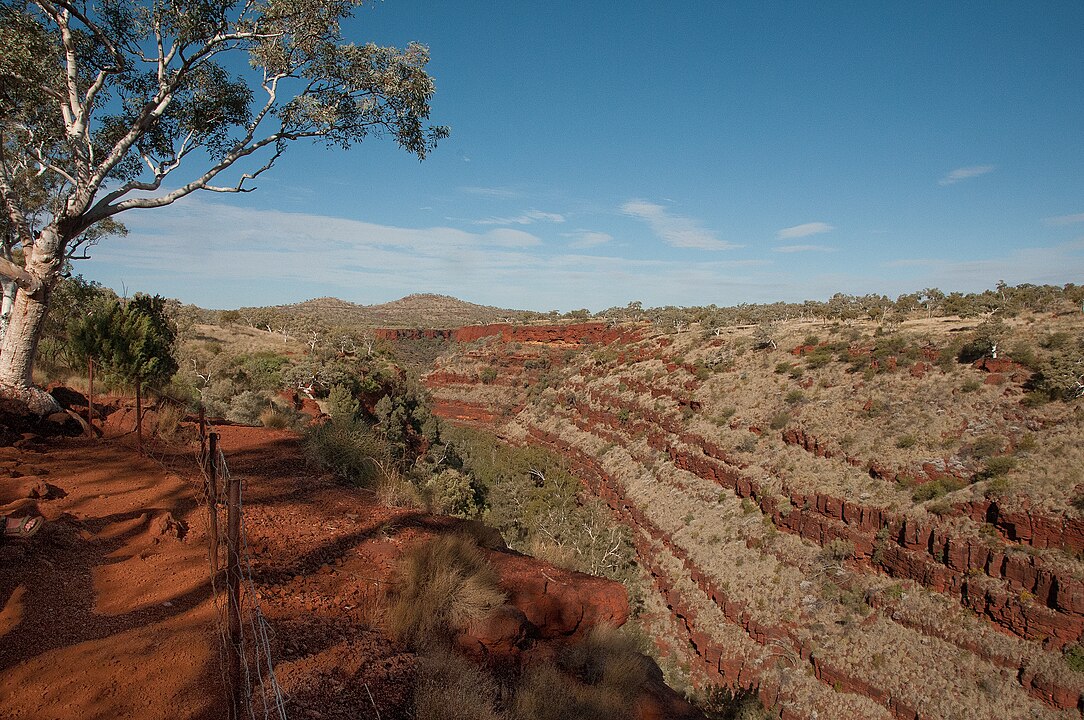
Western Australia’s Karijini National Park draws adventure seekers to its red gorges and natural pools. However, its narrow chasms, sudden floods, and steep rock faces make rescues extremely difficult. The park records frequent injuries from falls and hypothermia from cold water in deep pools. Emergency helicopters are often required, but due to the park’s isolation, response times can exceed several hours, significantly increasing survival risks for stranded visitors.