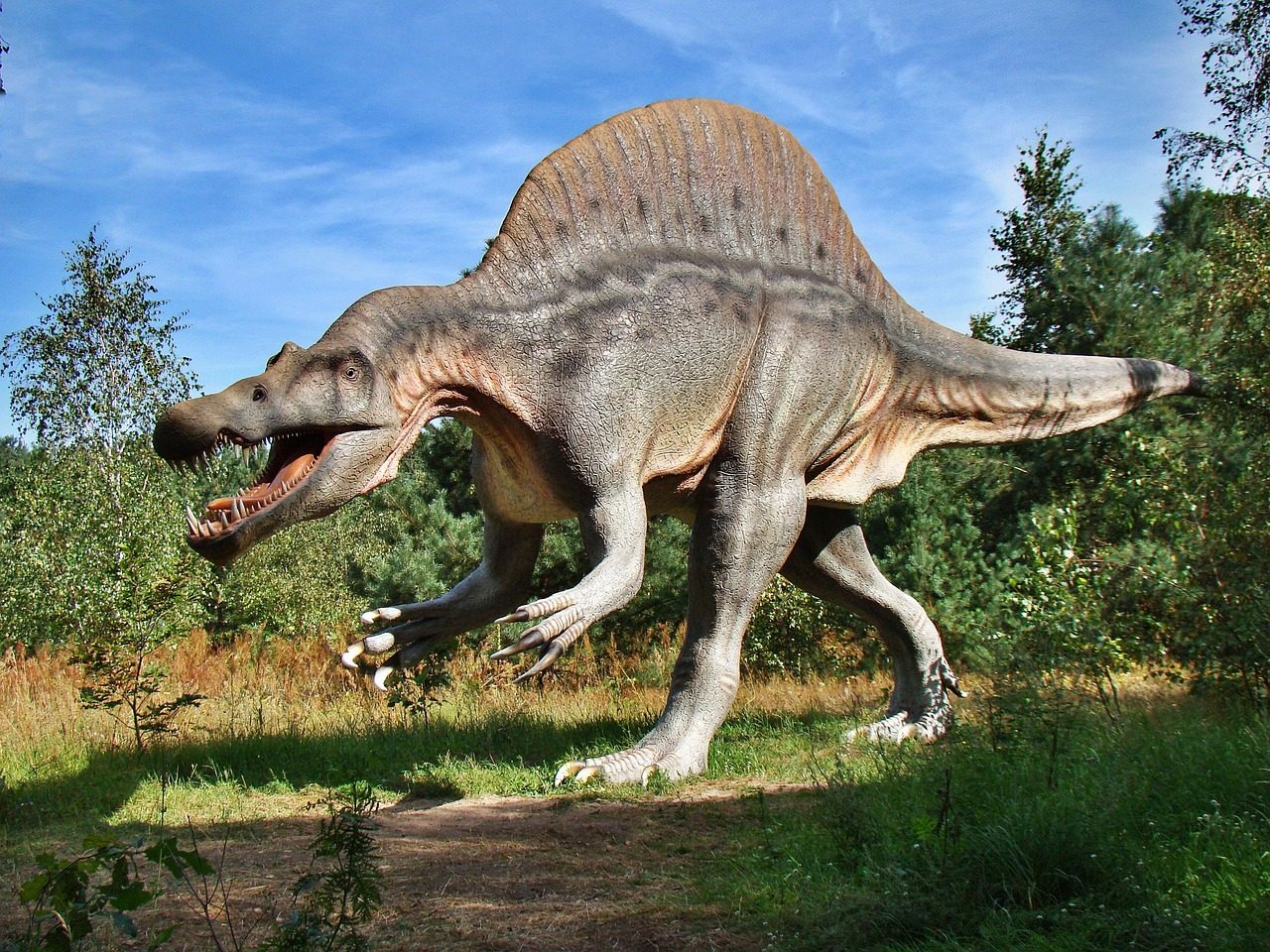
The most dangerous dinosaurs that once ruled the world fascinate scientists and enthusiasts alike due to their sheer power. These prehistoric beasts dominated their ecosystems through brute strength and specialized hunting adaptations that allowed them to thrive. Paleontologists continue to uncover fossils that reveal the terrifying capabilities of these ancient apex predators across different continents. Museums display their massive skeletons to showcase the evolutionary engineering that made them such efficient killing machines. Understanding their physical attributes helps experts reconstruct the violent daily lives of these incredible creatures. This list explores the specific dinosaurs that defined the top of the food chain.
Tyrannosaurus Rex
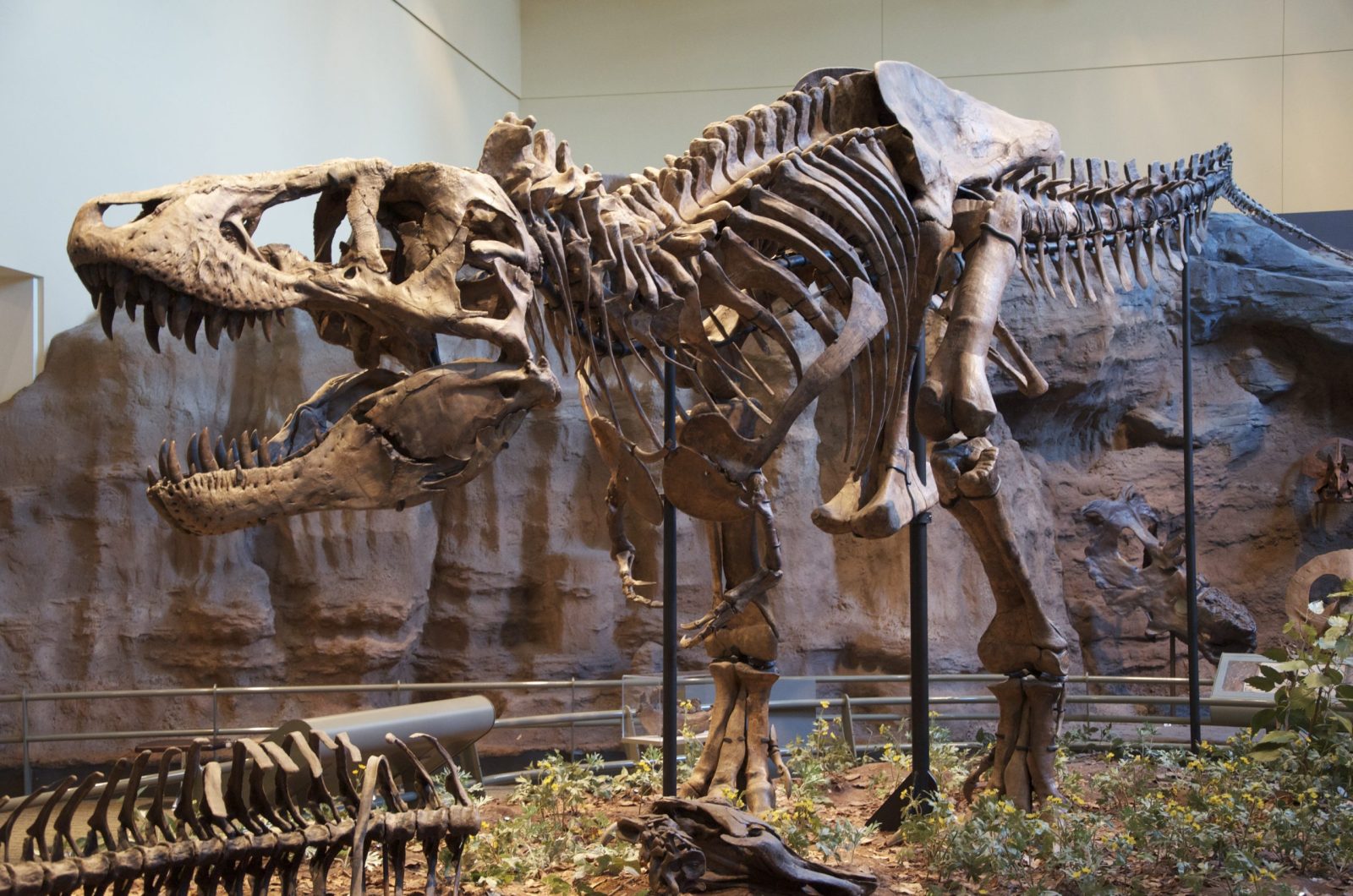
The Tyrannosaurus Rex remains the ultimate symbol of prehistoric power thanks to its massive skull and bone-crushing jaws. This apex predator possessed the strongest bite force of any land animal to have existed on Earth. Its serrated teeth were designed to puncture thick armor and snap heavy bones with terrifying ease during a hunt. Recent studies suggest that this giant also possessed excellent binocular vision, which made it a highly effective hunter. It ruled the late Cretaceous period in North America with absolute authority. This legendary dinosaur continues to capture the public imagination through film.
Spinosaurus
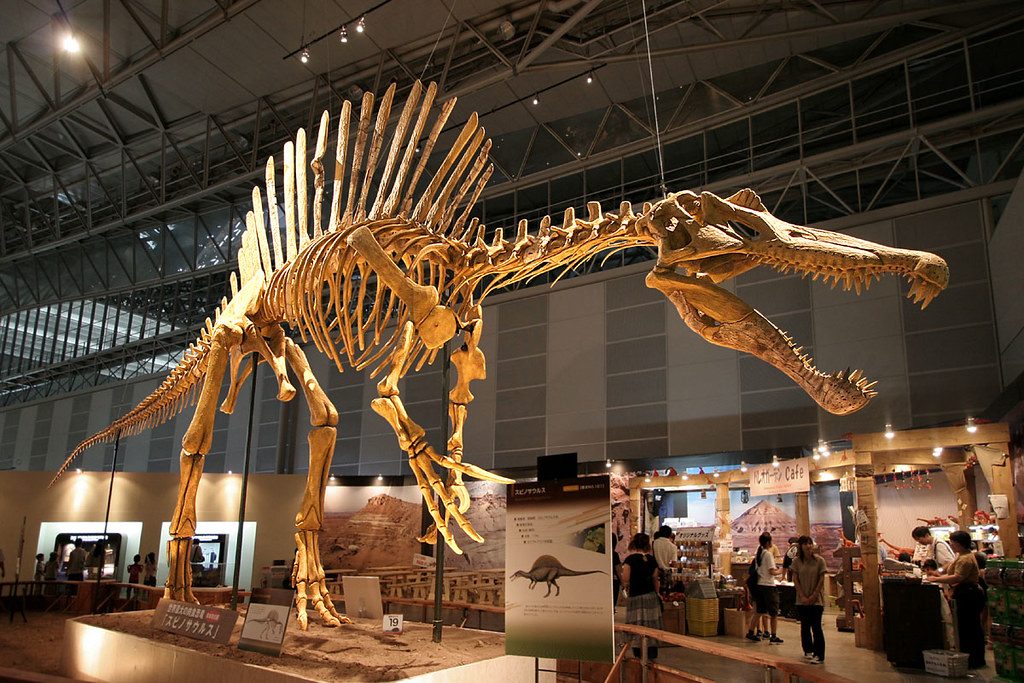
Spinosaurus stands out as the largest known carnivorous dinosaur, and it dominated the waterways of ancient North Africa. Its distinct sail structure likely aided thermoregulation or display, while its long snout was perfect for catching fish. Fossil evidence indicates that this massive predator was semi-aquatic and spent significant time hunting in deep rivers. Its dense bones allowed it to submerge and stalk prey beneath the surface like a modern crocodile. This unique adaptation gave it a distinct advantage over other large theropods in the region. It remains one of the most bizarre and deadly giants found.
Giganotosaurus
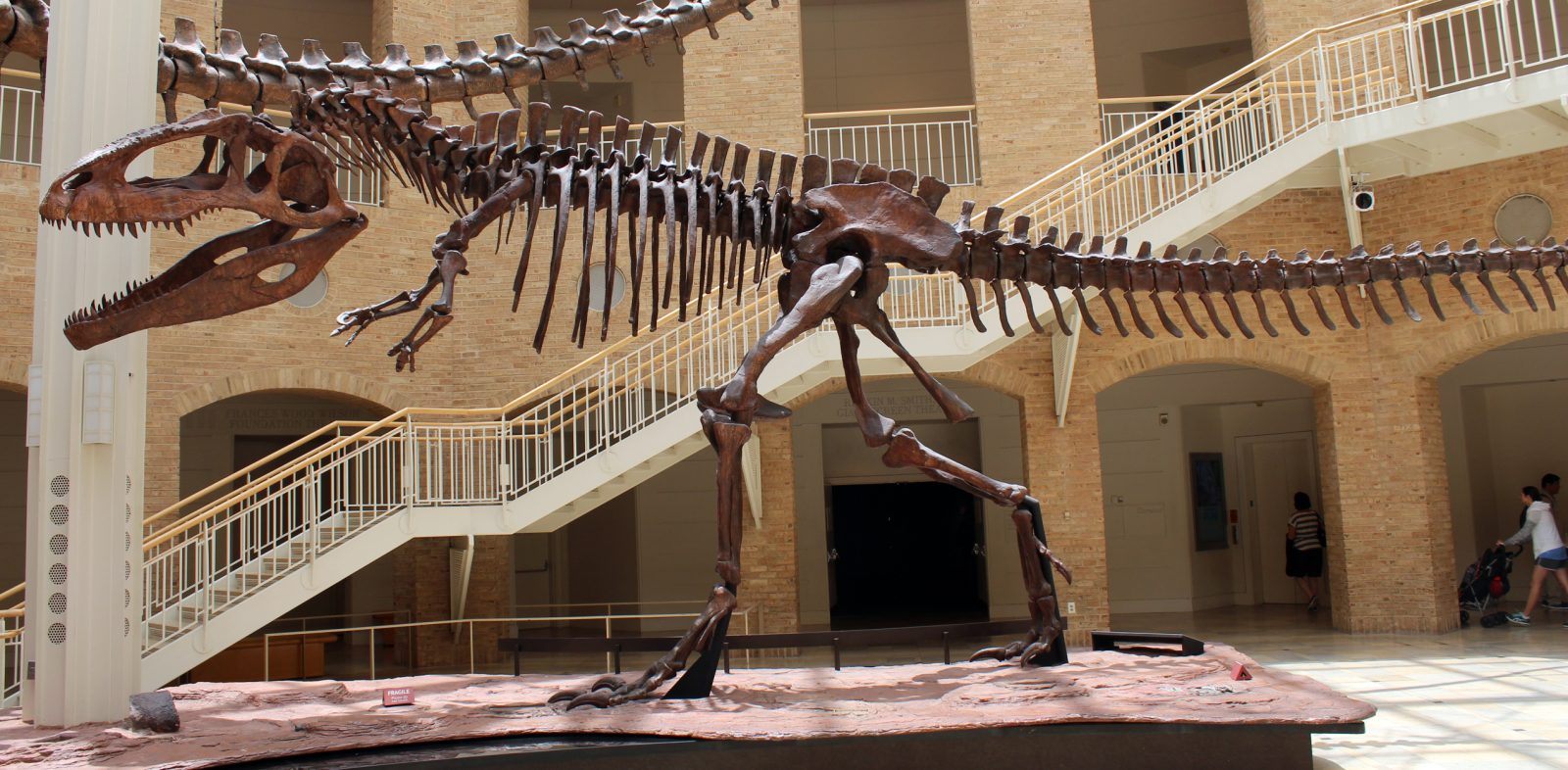
Giganotosaurus prowled the ancient landscapes of South America and rivaled the famous T-rex in sheer size and length. This massive theropod hunted immense sauropods by using its serrated teeth to inflict deep wounds that caused severe blood loss. Paleontologists believe that these predators may have hunted in packs to take down the largest plant eaters of the time. Its skull was incredibly large but lighter than that of its North American cousin due to extensive air pockets. Speed and agility allowed it to chase down prey across the open plains. It was truly a titan of the southern hemisphere.
Velociraptor
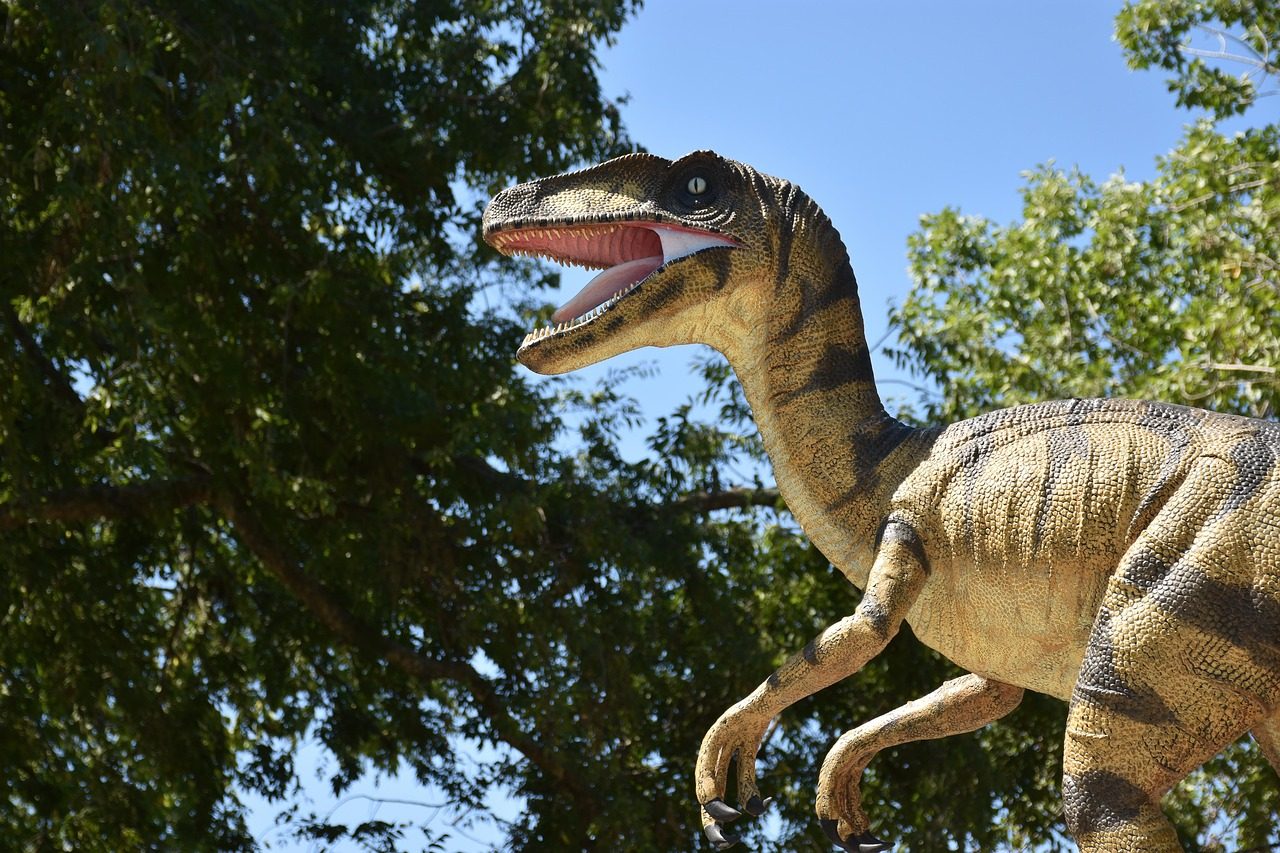
The Velociraptor was significantly smaller than its movie counterpart but was still a lethal hunter in the Mongolian deserts. This agile predator used a large sickle-shaped claw on each foot to puncture vital organs during an attack. Fossilized evidence of a Velociraptor locked in combat with a Protoceratops proves their aggressive nature and fighting capability. They likely relied on stealth and speed to ambush smaller prey items in the harsh prehistoric environment. Feathers covered their bodies, which linked them closely to modern birds of prey. Their intelligence and pack tactics made them dangerous despite their compact stature.
Allosaurus
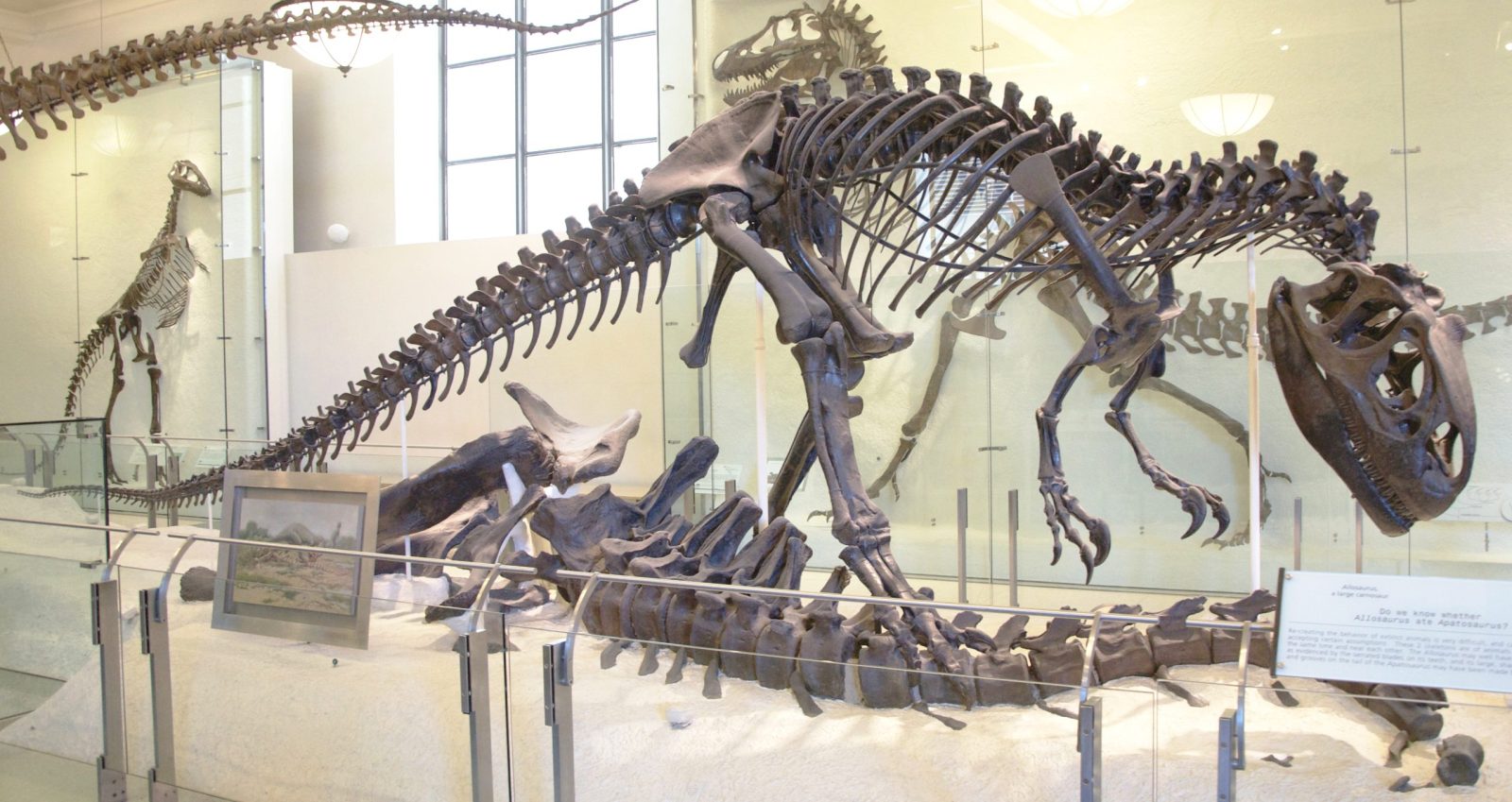
Allosaurus served as the apex predator of the Jurassic period, long before the Tyrannosaurus Rex appeared on the scene. This efficient hunter used its sharp claws and teeth to tear flesh from large herbivores like the Stegosaurus. Its skull was built to withstand high impact forces, which suggests it used its head like a hatchet against prey. Fossils show extensive injuries on Allosaurus bones, which indicates they lived violent lives filled with dangerous confrontations. They dominated the ecosystem of the Morrison Formation in North America for millions of years. It represents the quintessential large theropod of its distinct era.