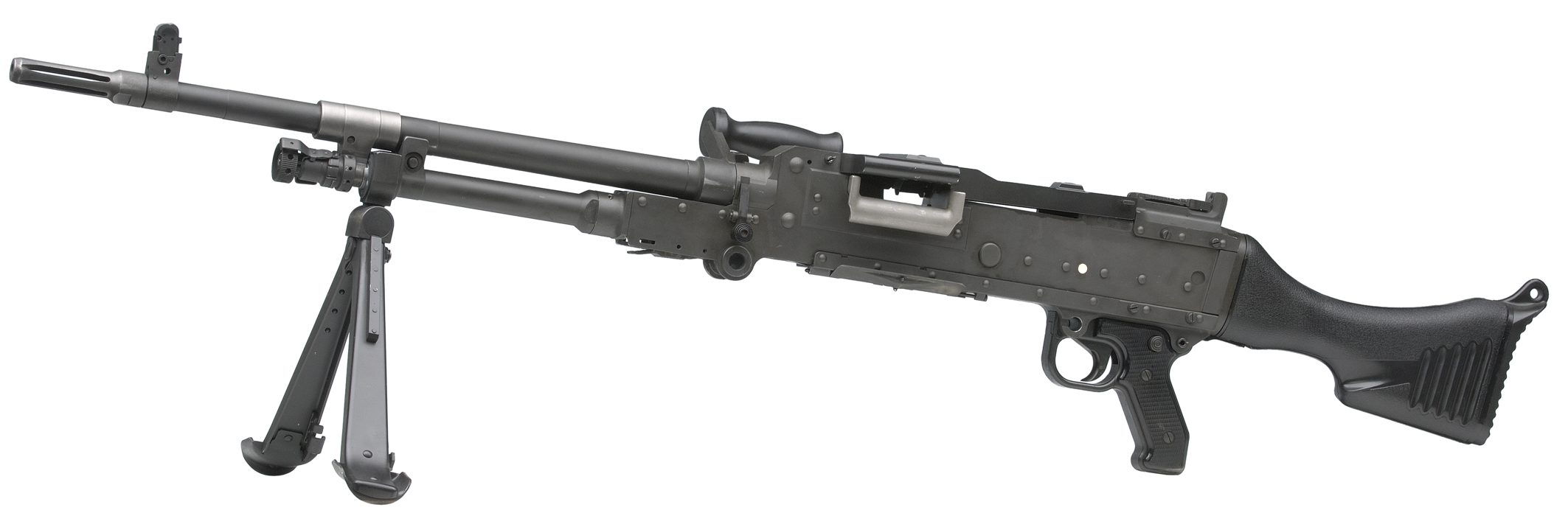
The FN MAG general-purpose machine gun stands as a testament to enduring mechanical engineering and tactical reliability. Developed in Belgium during the late fifties, it combined the best features of previous automatic weapons into one superior package. Armies across the globe adopted this steel powerhouse because it refused to fail under the most punishing combat conditions imaginable. It replaced countless other designs that simply could not match its durability or rate of fire in the field. This guide examines why this specific firearm remains the undisputed king of infantry support weapons after more than six decades of continuous service.
Revolutionary Design Origins
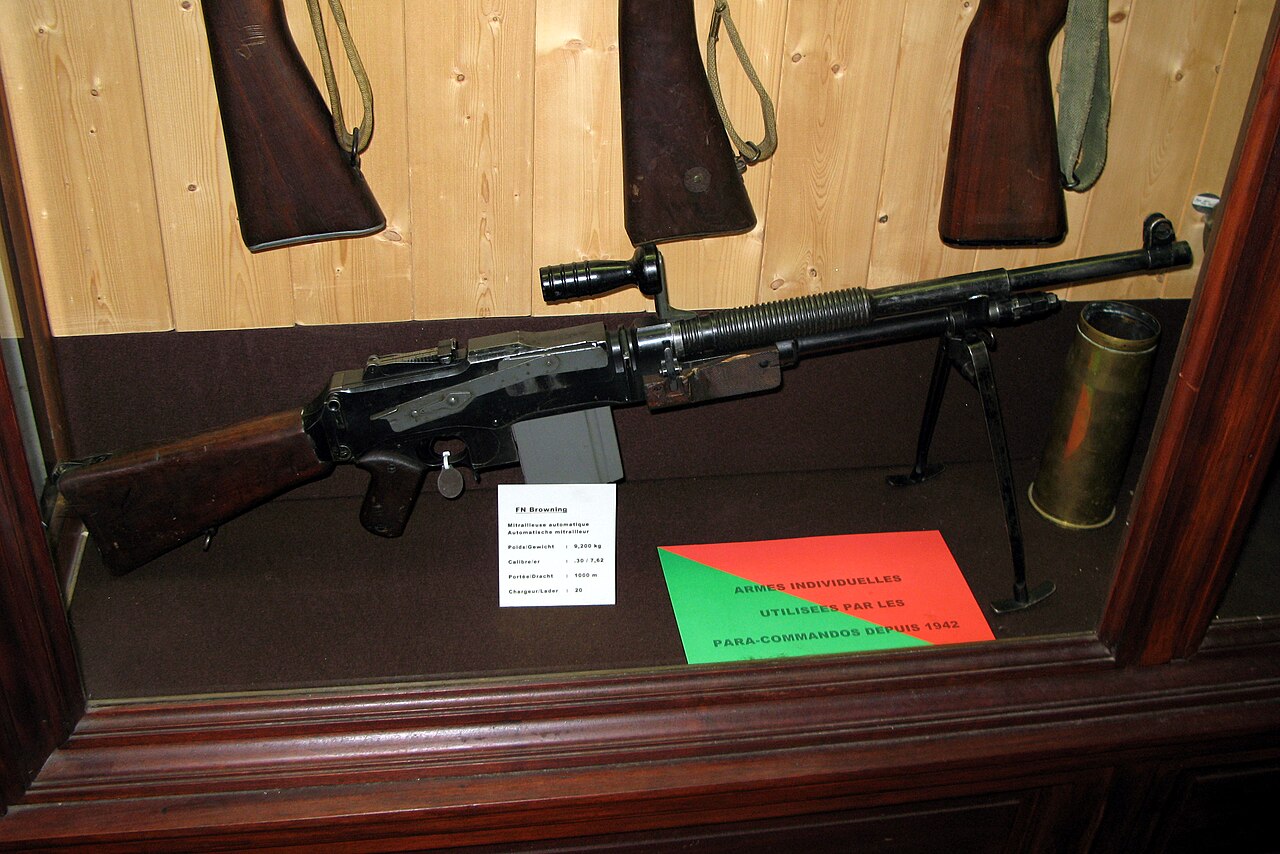
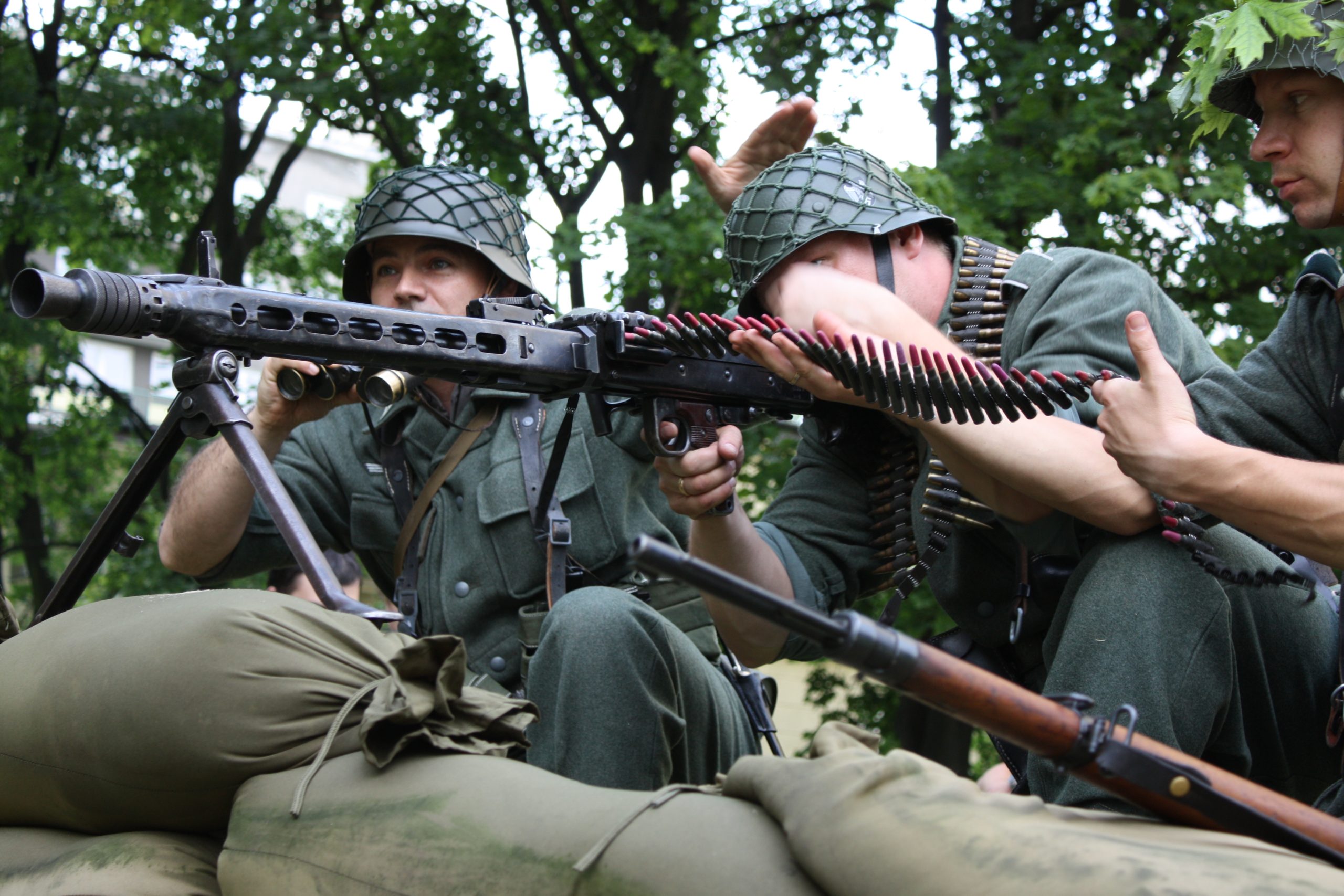
Ernest Vervier designed the FN MAG by taking inspiration from the locking mechanism of the Browning Automatic Rifle and the feed system of the MG42. This brilliant combination created a weapon that utilized a proven gas-operated piston to drive a belt-fed action with incredible smoothness. The engineers prioritized heavy steel construction to ensure that the receiver would never stretch or crack during sustained firing schedules. It was built to bridge the gap between heavy static machine guns and lighter squad automatic weapons. This hybrid approach resulted in a firearm that could handle any role on the modern battlefield effectively.
Unrivaled Reliability
Soldiers universally praise the FN MAG for its ability to function in environments that destroy lesser machine guns instantly. The gas regulator allows the operator to increase the pressure if the action becomes fouled with carbon or sand during a firefight. Its open bolt design ensures that the chamber remains cool between bursts, which prevents dangerous cook-offs of the ammunition. Reports from diverse conflict zones confirm that this weapon cycles seamlessly in the freezing Arctic and the scorching Middle Eastern deserts alike. Trust is the most valuable commodity in war, and this machine gun delivers it every time.
The American Evolution
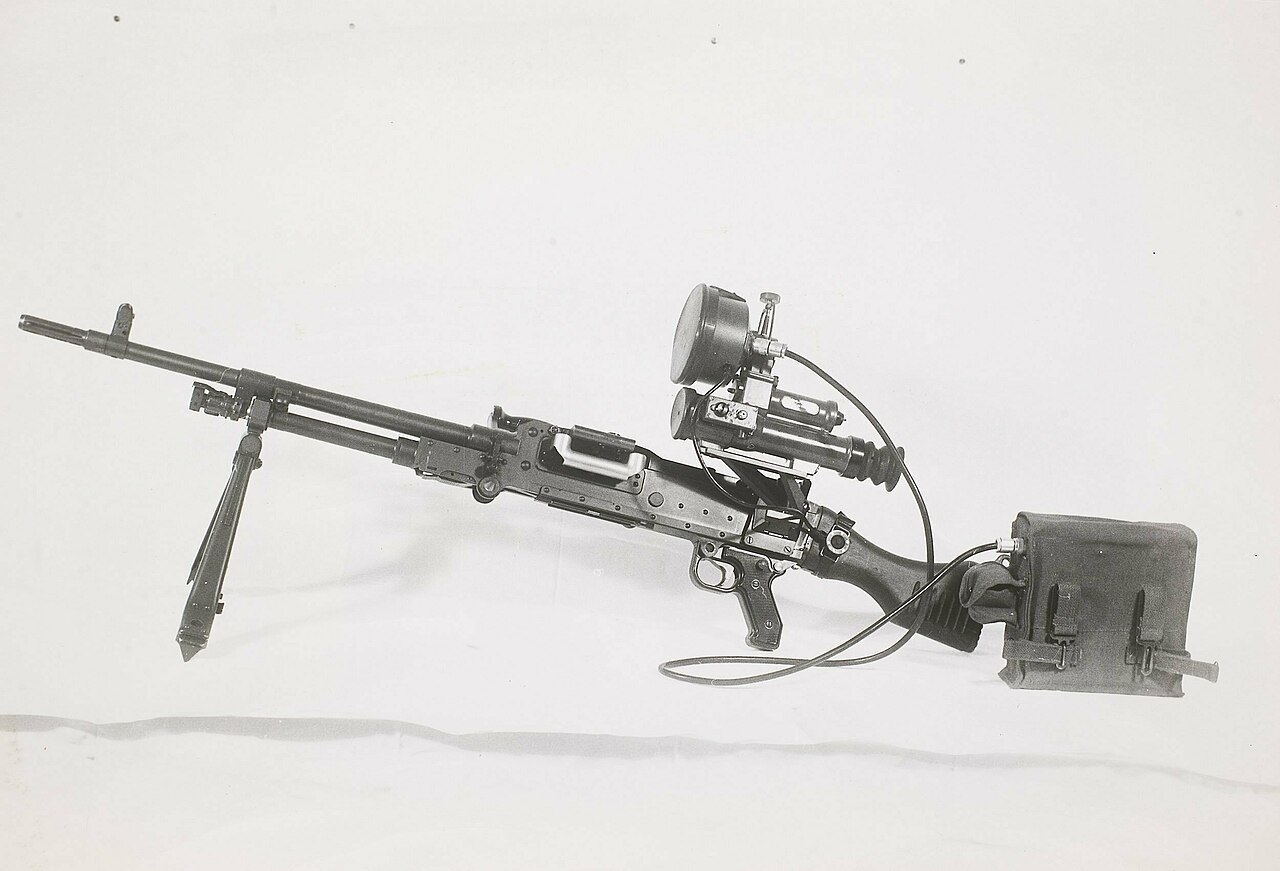
The United States military recognized the superiority of the Belgian design and adopted it as the M240 to replace the aging M60 family. American troops fell in love with the reliability of the new system despite it being heavier than its predecessor. The M240 became the backbone of platoon firepower and was mounted on everything from tanks to helicopters due to its versatility. Armorers appreciated that the riveted steel receiver was virtually indestructible and required fewer repairs than other inventory items. It successfully standardized the medium machine gun role across all branches of the armed forces for decades.
A Global Standard
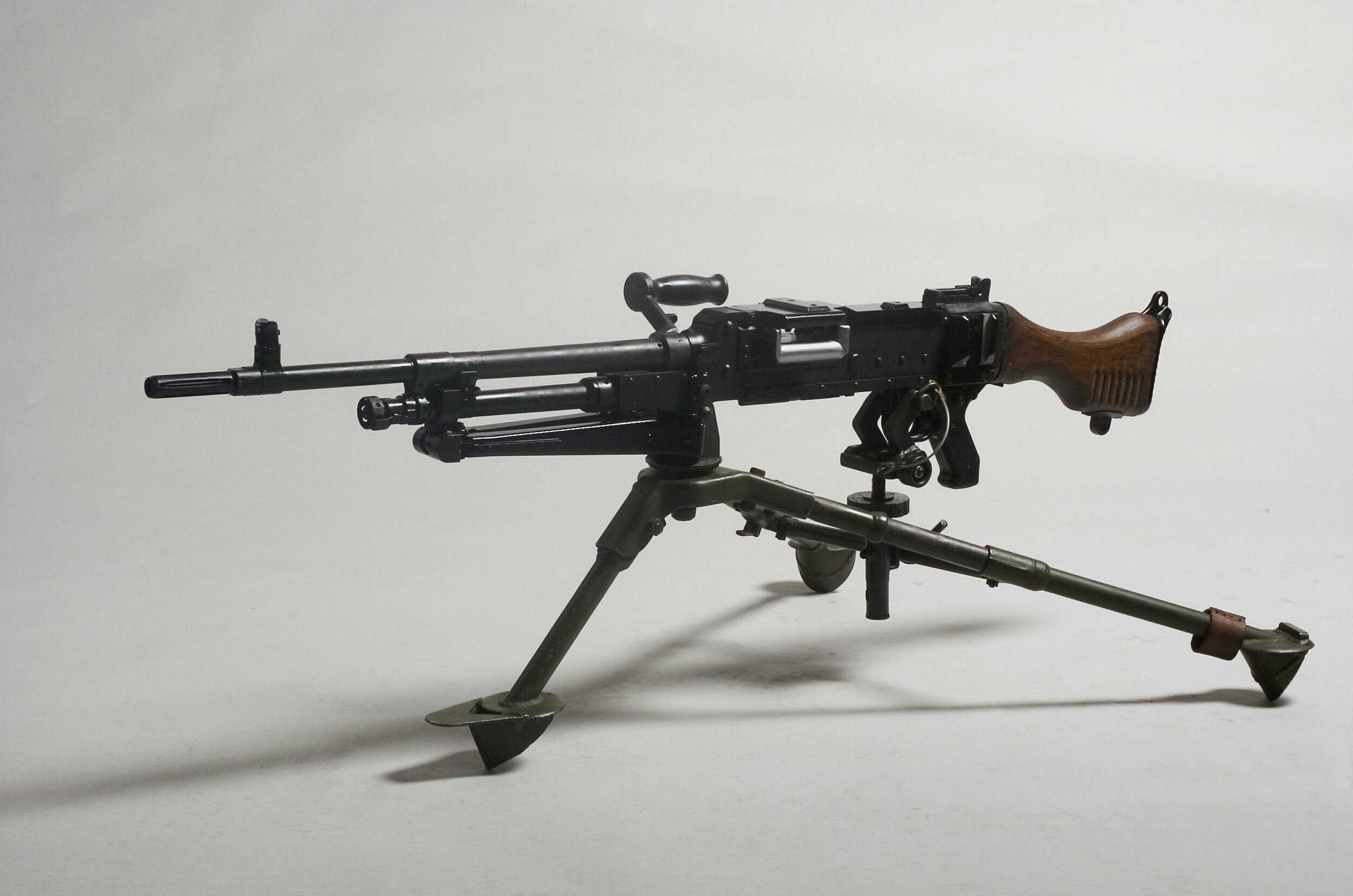
Over eighty nations eventually purchased the FN MAG for their own military forces, which solidified its status as the most widely used machine gun in history. The British Army designated it the L7 and used it effectively during the Falklands War to suppress enemy positions at long range. Its widespread adoption meant that allied forces could easily share ammunition and spare parts during multinational coalition operations. The weapon proved so effective that many countries produced it under license to ensure their own domestic supply. It became the universal language of fire superiority for the entire free world alliance.
Enduring Legacy
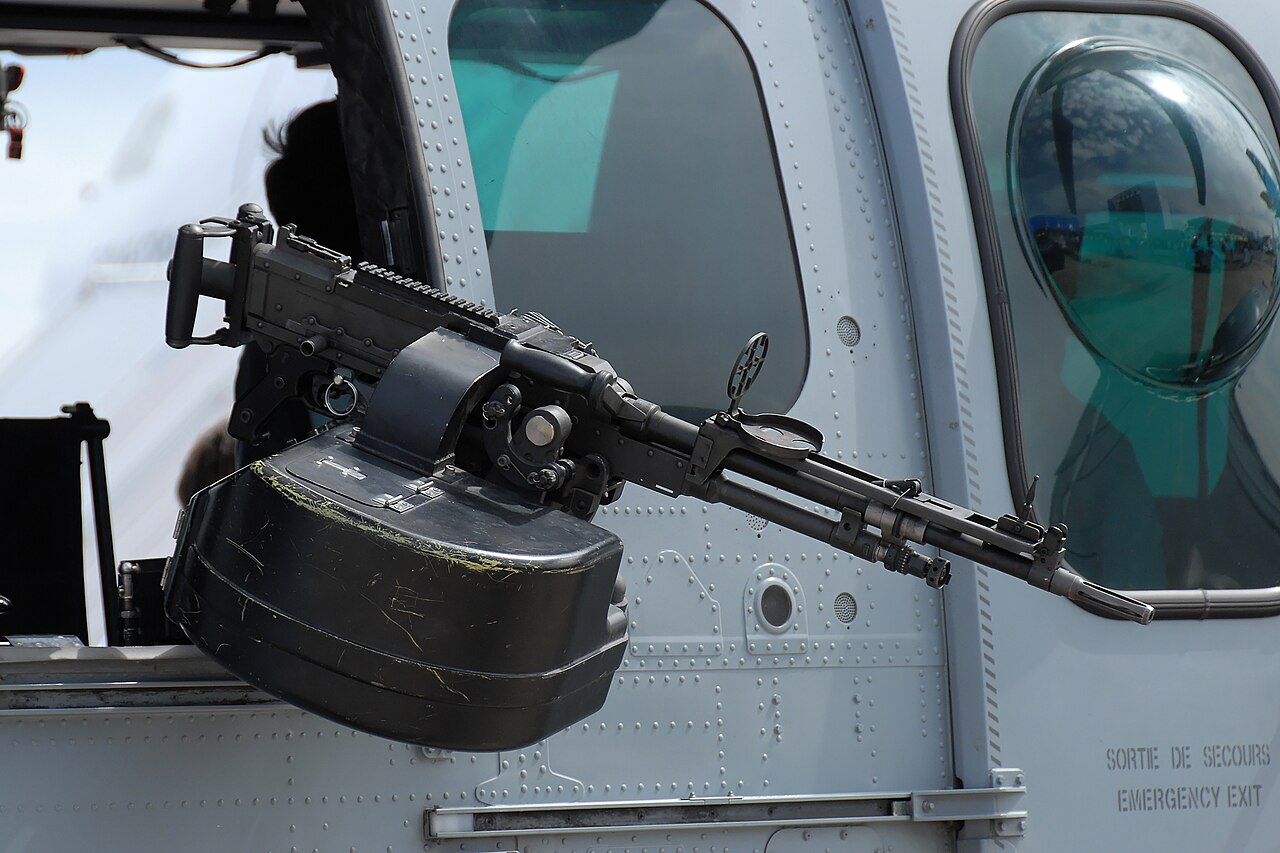
Modern armies continue to upgrade the FN MAG rather than replacing it with newer or lighter polymer designs. Recent variants feature titanium receivers and short barrels to reduce weight for dismounted infantry patrols in rugged terrain. Optical rails and infrared lasers have been added to extend the effective range of the weapon well into the night. The core operating system remains unchanged because engineers have yet to find a more reliable way to deliver belt-fed suppression. It is widely expected to serve on the front lines for another century due to its perfect balance of function and durability.