
The Appalachian Mountains have long inspired stories of resilience, isolation, and defiance. Rugged terrain, scattered settlements, and deep-rooted loyalties created conditions where legends could grow larger than life. In this landscape, certain figures emerged whose names traveled far beyond their hollows and ridgelines. Some were shaped by feuds, others by desperation or ambition, yet all became woven into regional folklore. Their lives blurred the boundary between history and myth, often leaving behind tales colored by rumor, fear, and admiration. The individuals below represent some of the most enduring outlaw narratives tied to Appalachia, each reflecting a complex mix of violence, survival, and cultural memory.
1. Devil Anse Hatfield
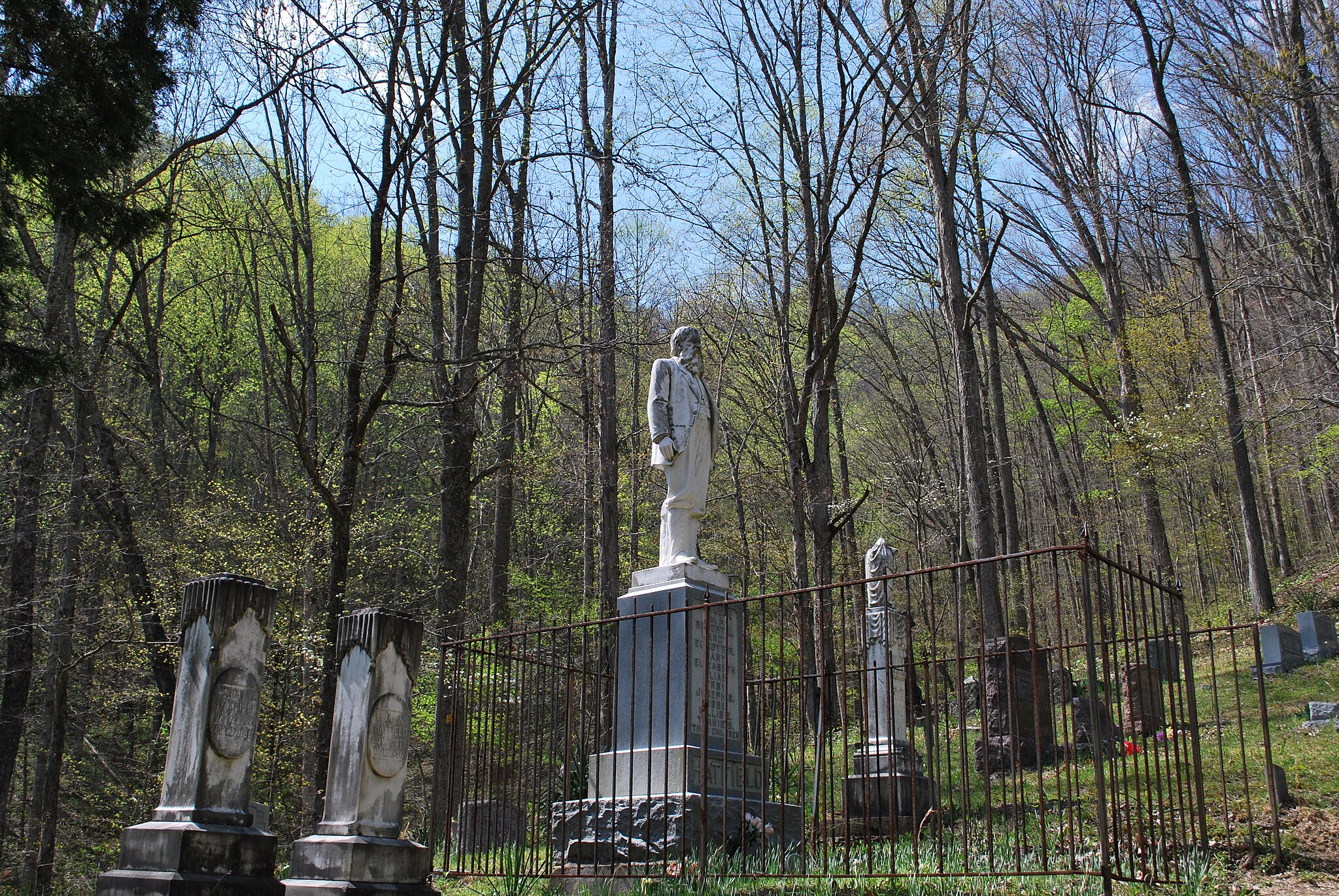
Devil Anse Hatfield became one of the most recognized names associated with the Appalachian conflict, largely due to the infamous Hatfield-McCoy feud. Living along the West Virginia-Kentucky border, he was viewed by some as a defender of family honor and by others as a ruthless instigator. Accounts describe a man of commanding presence, sharp instincts, and unyielding loyalty to kin. Violence surrounding the feud turned his reputation into something bordering on myth, with stories often exaggerating both his cruelty and cunning. While historical details remain debated, his name endures as a symbol of how isolation, pride, and mistrust could escalate disputes into generations of bloodshed within mountain communities.
2. Randolph McCoy

Randolph McCoy stands as the Hatfield family’s most famous rival, his life defined by the same bitter feud that immortalized Devil Anse. Unlike simplified portrayals, McCoy’s story reveals a man caught in cycles of retaliation and tragedy rather than pure villainy. Losses suffered by his family hardened attitudes and deepened divisions, fueling conflicts that spiraled beyond control. In regional memory, he embodies the destructive power of honor-driven violence in tightly knit societies. The feud’s legacy, magnified by newspapers and storytellers, transformed McCoy into a figure of fascination. His experience reflects broader Appalachian realities where personal disputes, limited legal reach, and fierce loyalty often collided with devastating consequences.
3. Johnse Hatfield

Johnse Hatfield, a son of Devil Anse, gained notoriety both for his role in the feud and for a series of controversial relationships that intensified hostilities. Often depicted as charismatic yet reckless, he became a lightning rod for tensions between families. Stories surrounding him frequently highlight impulsive behavior, romantic entanglements, and participation in violent episodes tied to the broader conflict. His reputation illustrates how individual actions could inflame already volatile situations within small mountain populations. Though later narratives sometimes drift into dramatization, Johnse remains emblematic of the feud’s human dimension, where pride, emotion, and personal choices carried consequences extending far beyond the individuals involved.
4. Ellison Hatfield
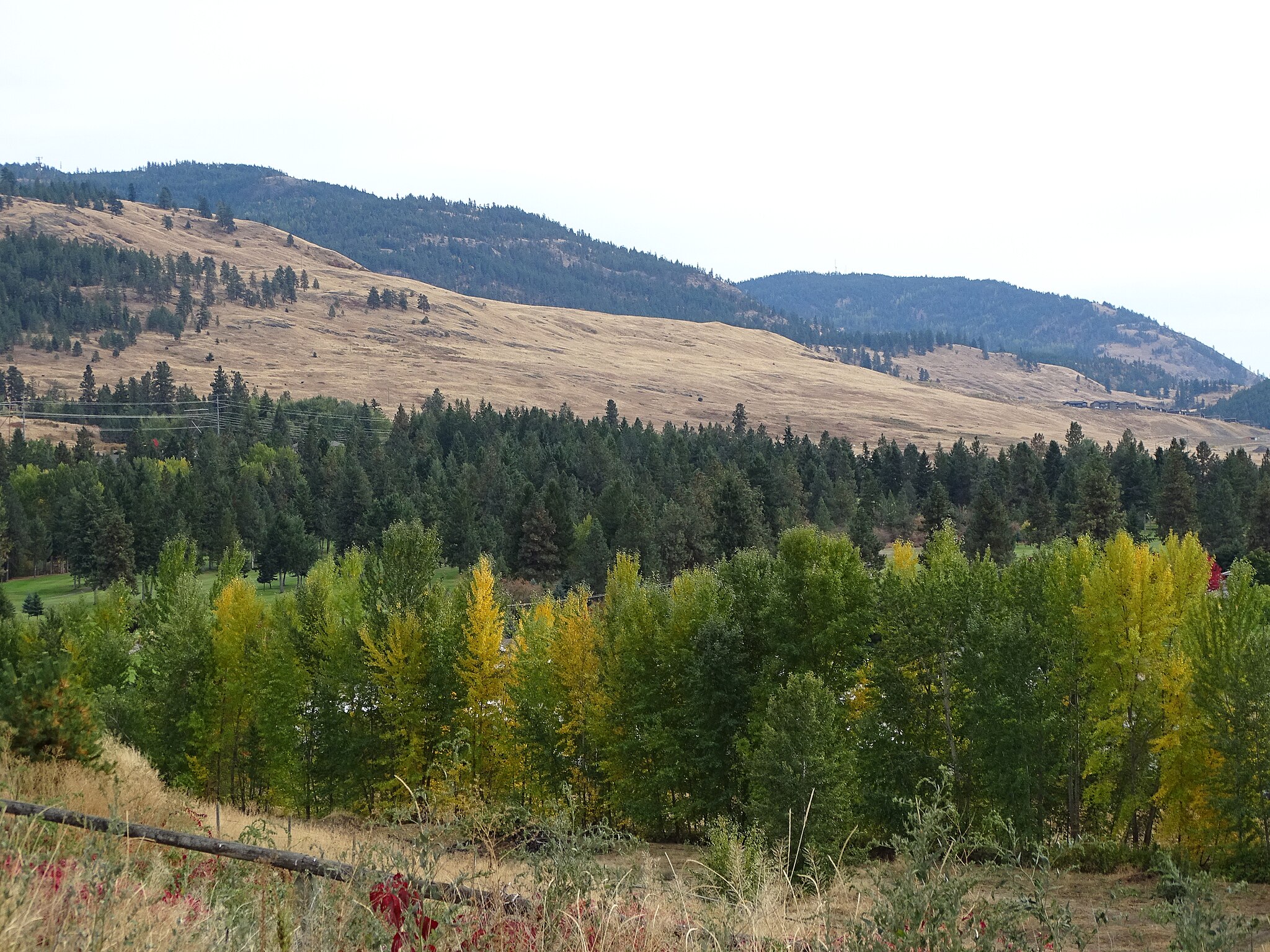
Ellison Hatfield’s death became one of the pivotal sparks that intensified the Hatfield-McCoy feud, transforming simmering animosity into open warfare. Accounts portray him as a respected family member whose killing provoked fierce retaliation. His fate underscores how singular acts of violence could reshape entire community dynamics in Appalachia’s isolated valleys. Newspapers of the time amplified the incident, contributing to a growing narrative of mountain savagery that often ignored underlying social pressures. Ellison’s story reflects a recurring theme in regional history where justice, revenge, and honor blurred together. His memory remains inseparable from the feud’s escalation and from the enduring mythology surrounding Appalachian conflicts.
5. Sid Hatfield

Sid Hatfield emerged during the turbulent coal mine struggles of West Virginia, where labor tensions and corporate power frequently erupted into violence. As the police chief of Matewan, he became known for his defiance of powerful interests, earning both admiration and hostility. His involvement in the Matewan conflict cemented his image as a bold, polarizing figure within Appalachian lore. Hatfield’s life illustrates the region’s volatile intersection of economics, law, and survival, where allegiances carried significant risk. Though interpretations of his actions vary, his name symbolizes resistance and controversy. The drama surrounding his career highlights how Appalachian outlaws were not always criminals in the traditional sense but complex actors in larger struggles.
6. Floyd Allen

Floyd Allen became infamous following the violent confrontation at the Hillsville courthouse in Virginia, an event that shocked the nation. Facing legal troubles, Allen’s courtroom altercation spiraled into deadly chaos, reinforcing stereotypes of Appalachian lawlessness. Contemporary reports often sensationalized the incident, overshadowing the nuances of personal grievance and community tensions. Allen’s story reflects how quickly local conflicts could escalate when pride, authority, and distrust collide. His legacy remains controversial, with historians debating motivations and responsibility. Regardless of interpretation, the Hillsville episode stands as a stark reminder of Appalachia’s complex social landscape, where disputes could ignite sudden, tragic violence that echoed far beyond mountain borders.
7. Tom Dooley
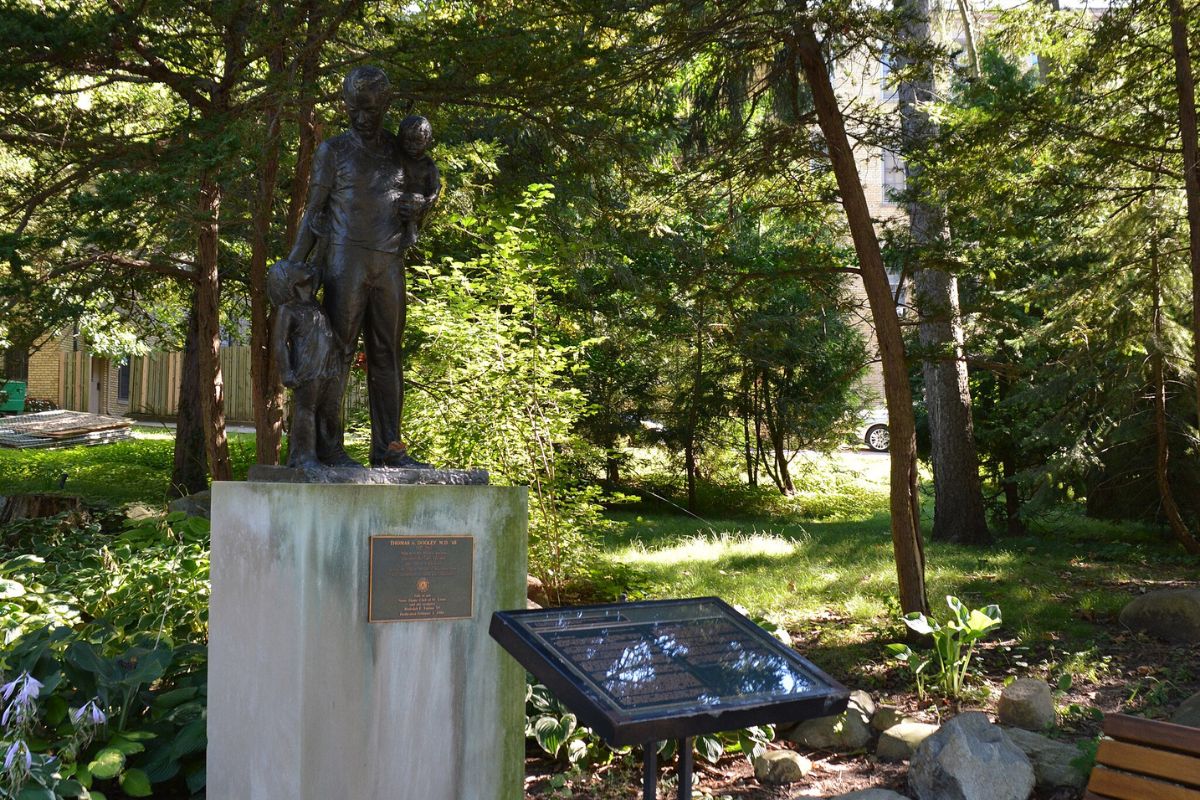
Tom Dooley’s name endures largely through song and storytelling, transforming a nineteenth century murder case into a lasting Appalachian legend. Accused and executed for killing Laura Foster, Dooley’s narrative blends documented history with layers of romanticized tragedy. Ballads and retellings reshaped public perception, often emphasizing mystery and doomed love rather than stark legal realities. His story illustrates how Appalachian folklore can elevate individuals into cultural symbols detached from precise facts. The persistence of his tale reflects the region’s oral traditions, where memory and imagination intertwine. Dooley remains a striking example of how crime, music, and myth combined to produce one of Appalachia’s most recognizable outlaw archetypes.
8. Otto Wood
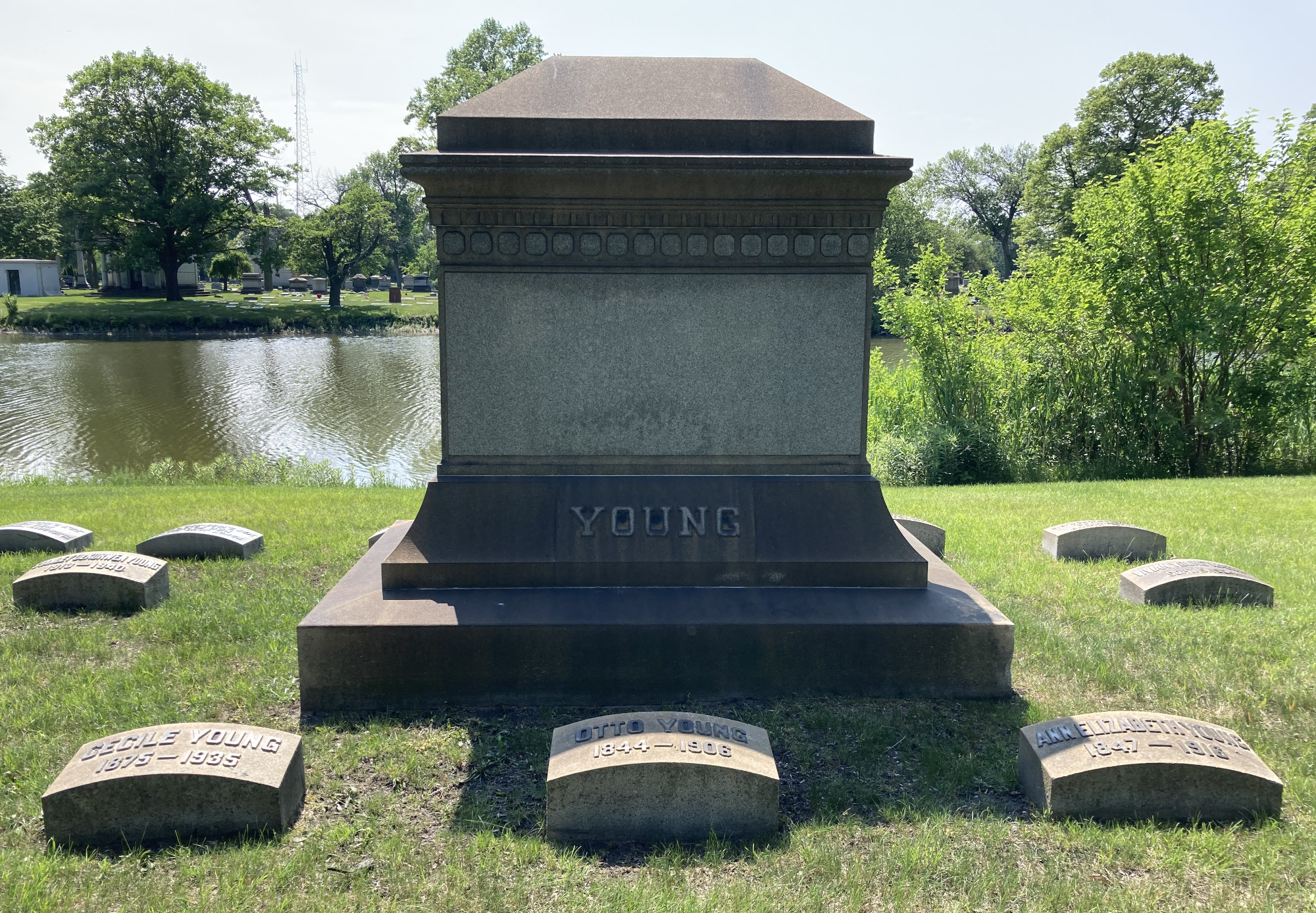
Otto Wood gained notoriety during the Great Depression, a period when economic hardship fueled both desperation and fascination with renegade figures. Known for theft, escapes, and a persistent defiance of authority, Wood became something of a folk antihero. His exploits captured public attention, reflecting broader anxieties about survival and injustice. Media portrayals often amplified his cunning and audacity, contributing to a mythic reputation that outgrew mundane criminal details. Wood’s story demonstrates how Appalachia’s social conditions and storytelling culture could transform offenders into legends. His life, marked by risk and eventual downfall, mirrors the precarious realities faced by many during one of America’s most challenging eras.
9. Ed Lewis

Ed Lewis became associated with violent episodes that reinforced the era’s fear of roaming mountain criminals. Sparse records and embellished accounts complicate efforts to separate fact from folklore, yet his name persists in regional memory. Stories describe a figure shaped by isolation, conflict, and shifting allegiances, reflecting common themes in Appalachian outlaw narratives. The mountains themselves often served as both refuge and amplifier of reputation, allowing rumors to flourish. Lewis’s legacy highlights how limited documentation and oral tradition can merge to create enduring, if sometimes distorted, portraits. His story exemplifies the blend of reality and myth that characterizes many lesser-known figures in Appalachian history.
10. Troy Lewis

Troy Lewis, frequently mentioned alongside Ed Lewis, occupies a similarly shadowed place in Appalachian lore. Recollections emphasize violence, evasion, and an uneasy relationship with law enforcement, though precise details vary widely. Such inconsistencies reveal how storytelling, fear, and local bias shape historical memory. Lewis’s reputation reflects broader regional anxieties about disorder and survival in remote communities. The persistence of his name demonstrates how Appalachia’s narrative traditions preserve certain figures long after factual clarity fades. Like many mountain outlaws, Troy Lewis exists at the intersection of history and legend, illustrating how environment, culture, and rumor combine to sustain tales of danger and defiance.