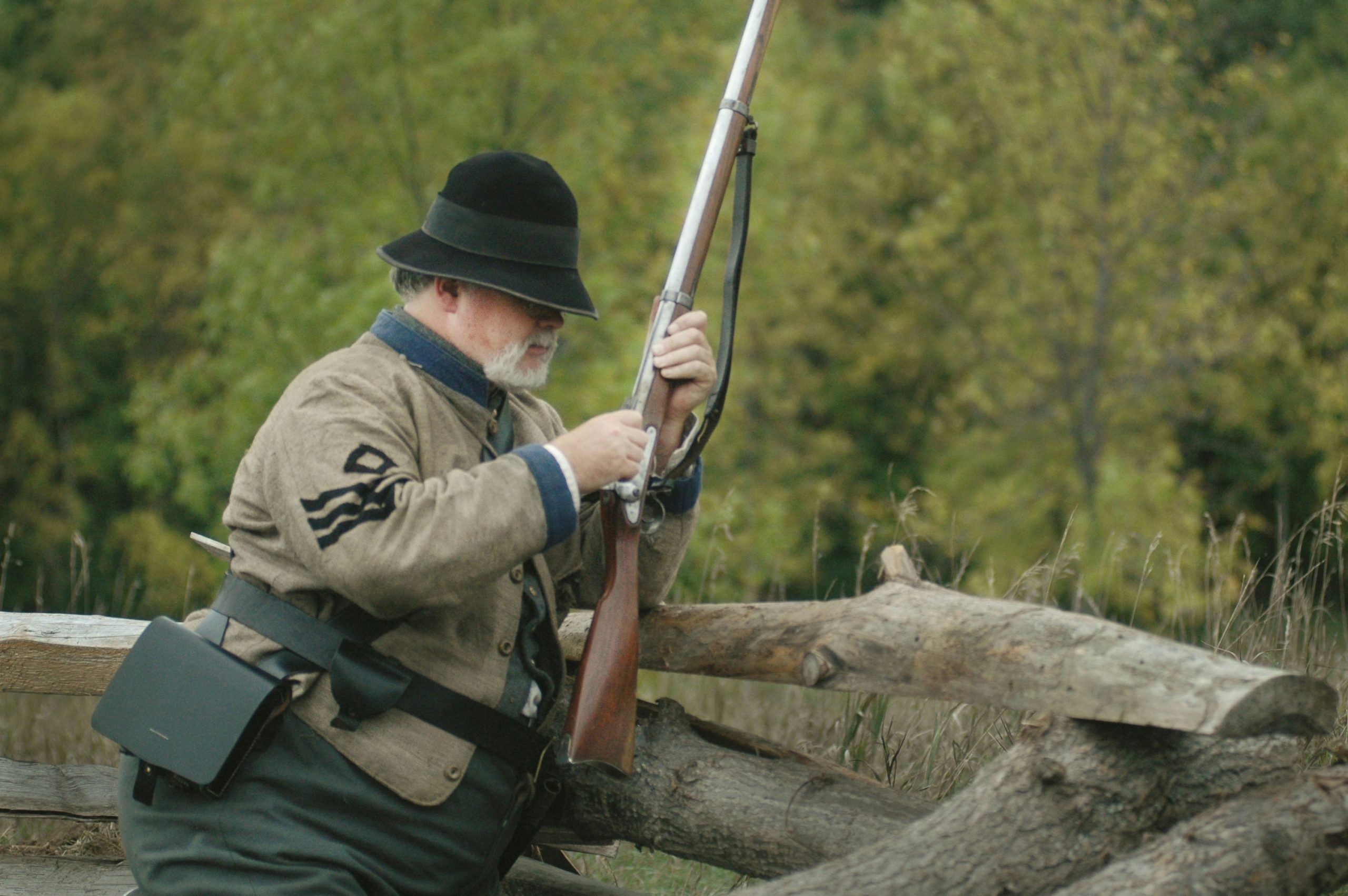
Solo hiking has never been more popular, and the conversation around trail-carried firearms has matured considerably alongside that growth. The decision to carry a gun on a solo hike is no longer the niche or controversial position it once was in outdoor communities. Wildlife encounters are genuinely increasing across multiple regions as animal populations recover and human trail use expands into territory that overlaps more directly with predator ranges than it did a generation ago. Cougar incidents have risen measurably across Western states. Black bear encounters on popular thru-hiking corridors have become routine enough that land management agencies now address them in standard trail briefings rather than exceptional incident reports. Human threat considerations on remote trails are real enough that solo hikers, particularly women hiking alone, have shifted the cultural conversation around trail carry toward practical evaluation rather than ideological debate. What follows is a specific, data-driven look at the ten firearms that solo hikers are actually choosing in 2026, with the weights, calibers, capacities, and field performance details that explain why each one earned its place on real trails rather than in marketing materials.
1. SIG Sauer P365 XL
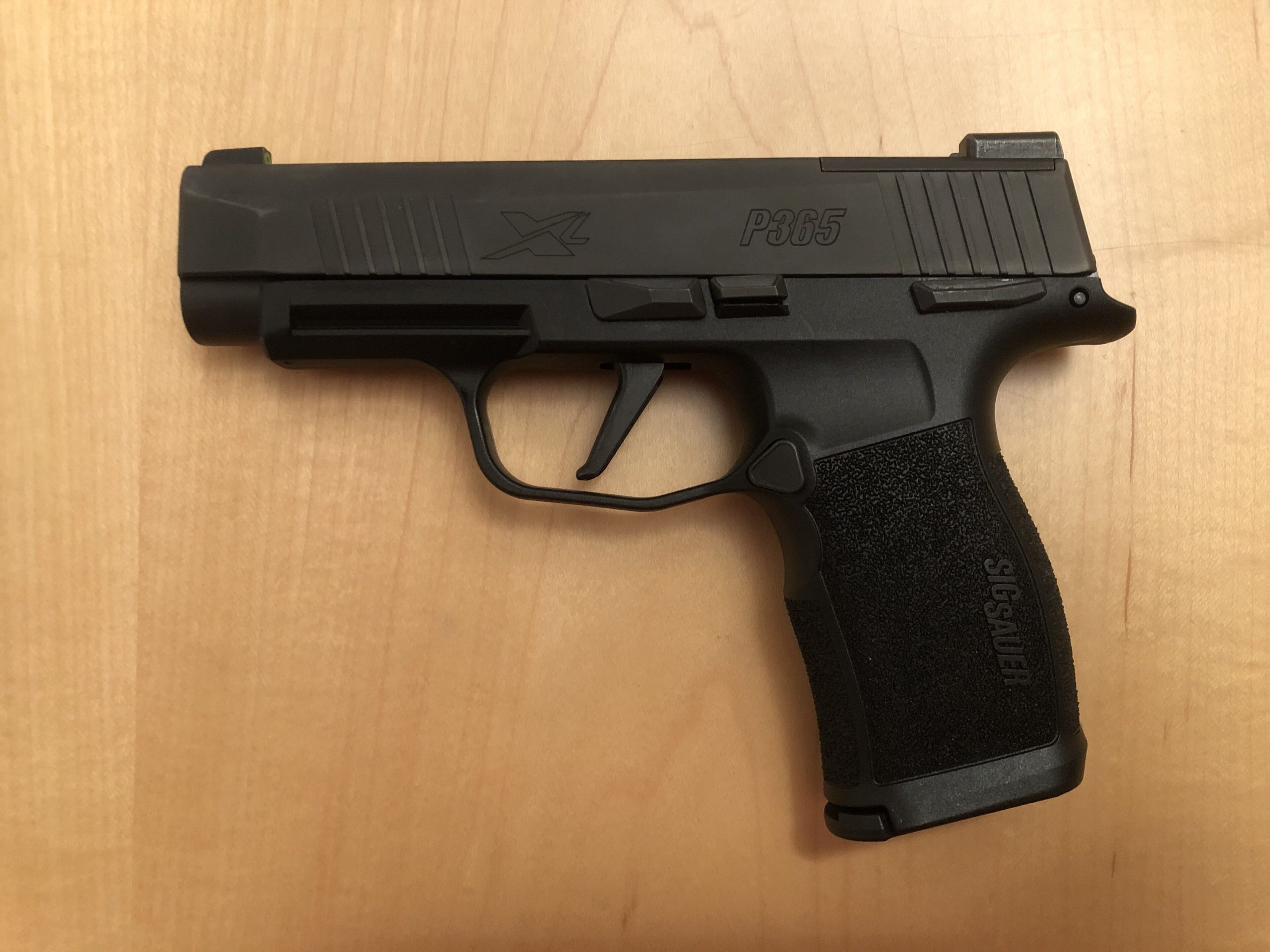
The SIG P365 XL has become arguably the most carried trail handgun among solo hikers who prioritize the balance between concealable dimensions and genuine defensive capability, and the reasons are measurable rather than arbitrary. The pistol weighs 20.7 ounces loaded with the standard 12-round magazine, fitting comfortably on a hip belt or chest holster without the fatigue that heavier options introduce across long mileage days. The 3.7-inch barrel pushes 124-grain 9mm loads to approximately 1,130 fps, generating around 352 foot-pounds of muzzle energy that handles human threat scenarios reliably and provides meaningful deterrent capability in black bear encounters when used with hard cast or solid copper defensive loads. The optics-ready slide accepts miniature red dot sights that several solo hikers have adopted specifically for the low-light dawn and dusk conditions where trail wildlife encounters peak statistically. The Romeo Zero Elite from SIG’s own lineup adds 28 grams. Trigger breaks consistently at 5.5 to 6 pounds with a positive reset that builds accuracy confidence during trail carry practice sessions. Retail pricing between $599 and $650 positions it as a serious investment that the platform’s field reliability fully justifies.
2. Glock 19 Gen 5
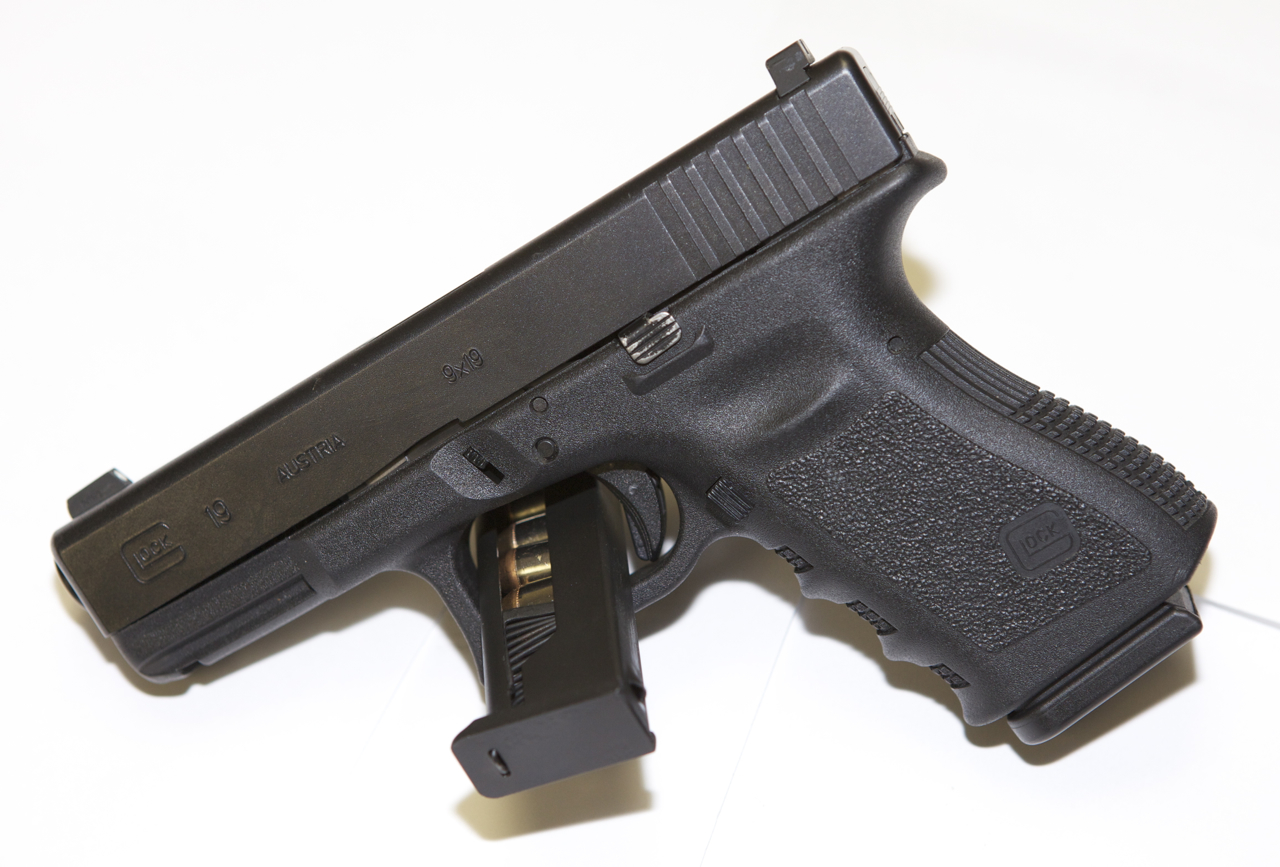
The Glock 19 Gen 5 remains the benchmark against which most trail carry handguns are evaluated in 2026, not because it is the lightest or the most powerful option available, but because it represents a combination of reliability, parts availability, aftermarket support, and shooter familiarity that no competitor has managed to simultaneously match across all four dimensions. Loaded with a 15-round magazine of 124-grain 9mm, the Gen 5 weighs approximately 855 grams and measures 187mm in length, dimensions that work comfortably in a dedicated trail holster on a hip belt or cross-draw chest rig. Muzzle velocity from the 4.02-inch barrel reaches approximately 1,150 fps with standard pressure loads, producing 364 foot-pounds of energy. The nDLC finish provides genuine corrosion resistance against the sweat, rain, and humidity that trail carry environments generate continuously. The Gen 5 trigger breaks at 5.5 pounds with the factory connector, and the absence of a thumb safety eliminates administrative fumbling during high-stress encounters. GLOCK’s documented mean rounds between failures exceeds 35,000 in independent testing, which is the reliability figure that trail hikers in genuinely remote locations care about most.
3. Ruger Super Redhawk .44 Magnum
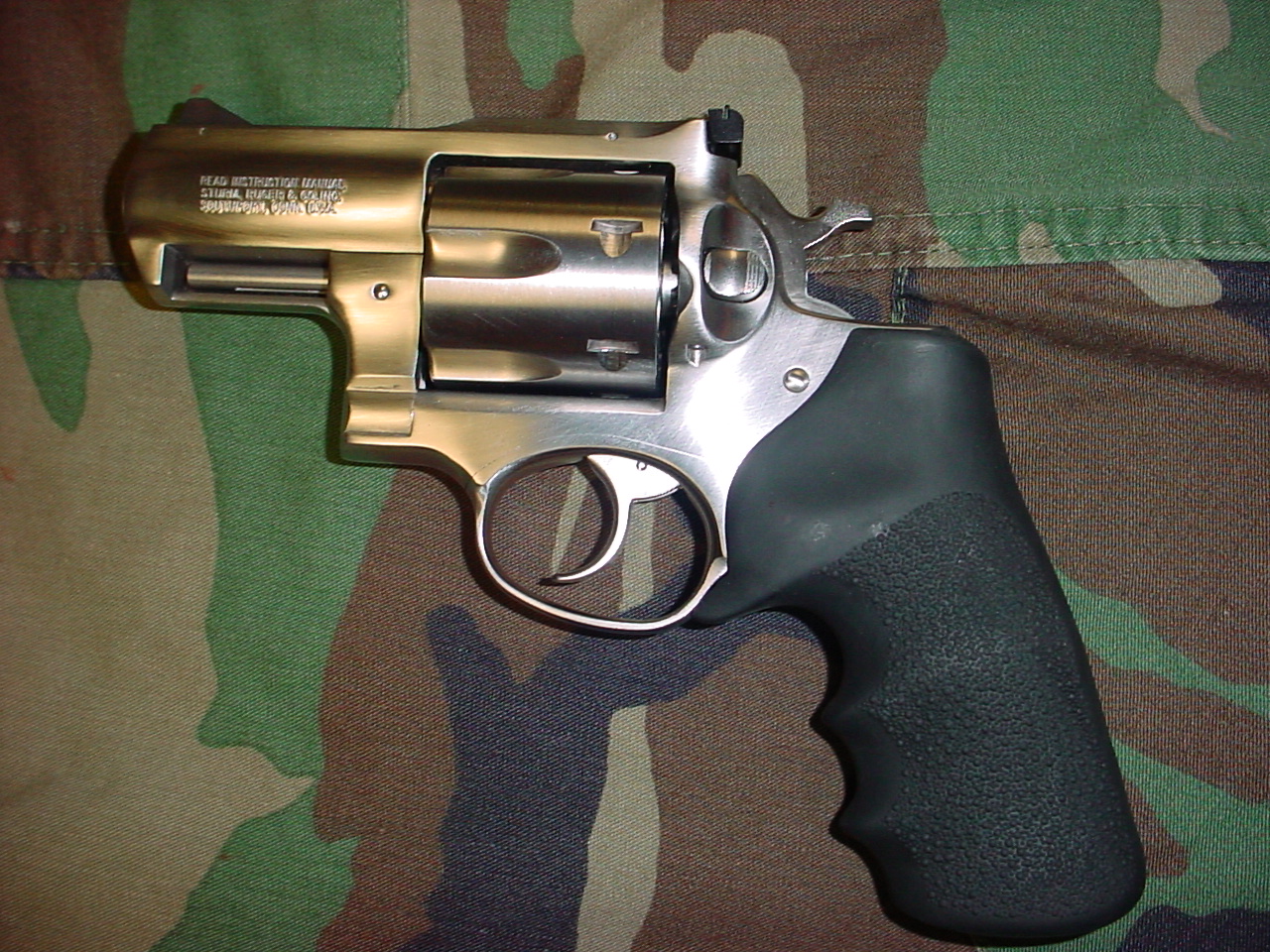
Solo hikers covering grizzly bear territory across Alaska, Wyoming, and Montana increasingly reach for the Ruger Super Redhawk in .44 Magnum as their primary trail companion, accepting its 1.6-kilogram loaded weight as a reasonable price for the stopping capability that brown bear country genuinely demands. The 7.5-inch barreled version pushes a 240-grain hard cast flat nose bullet to approximately 1,350 fps, generating around 971 foot-pounds of muzzle energy that wildlife professionals consider the realistic minimum for reliable brown bear stopping in defensive encounter scenarios. The Super Redhawk’s triple-locking cylinder and heavy frame construction handle sustained .44 Magnum use without the timing and endshake issues that lighter revolvers develop under high-pressure ammunition over time. The 6-round cylinder empties quickly under stress, making speedloader proficiency essential for anyone carrying this platform in serious predator country. Recoil is substantial but manageable with practice, averaging 18 to 20 foot-pounds of felt impulse with full-power loads. Retail pricing sits between $1,100 and $1,200. For hikers whose trails pass through documented grizzly habitat, the Super Redhawk’s capability advantage over lighter options is not theoretical. It is backed by decades of documented wildlife encounter outcomes.
4. Smith and Wesson Model 686 .357 Magnum
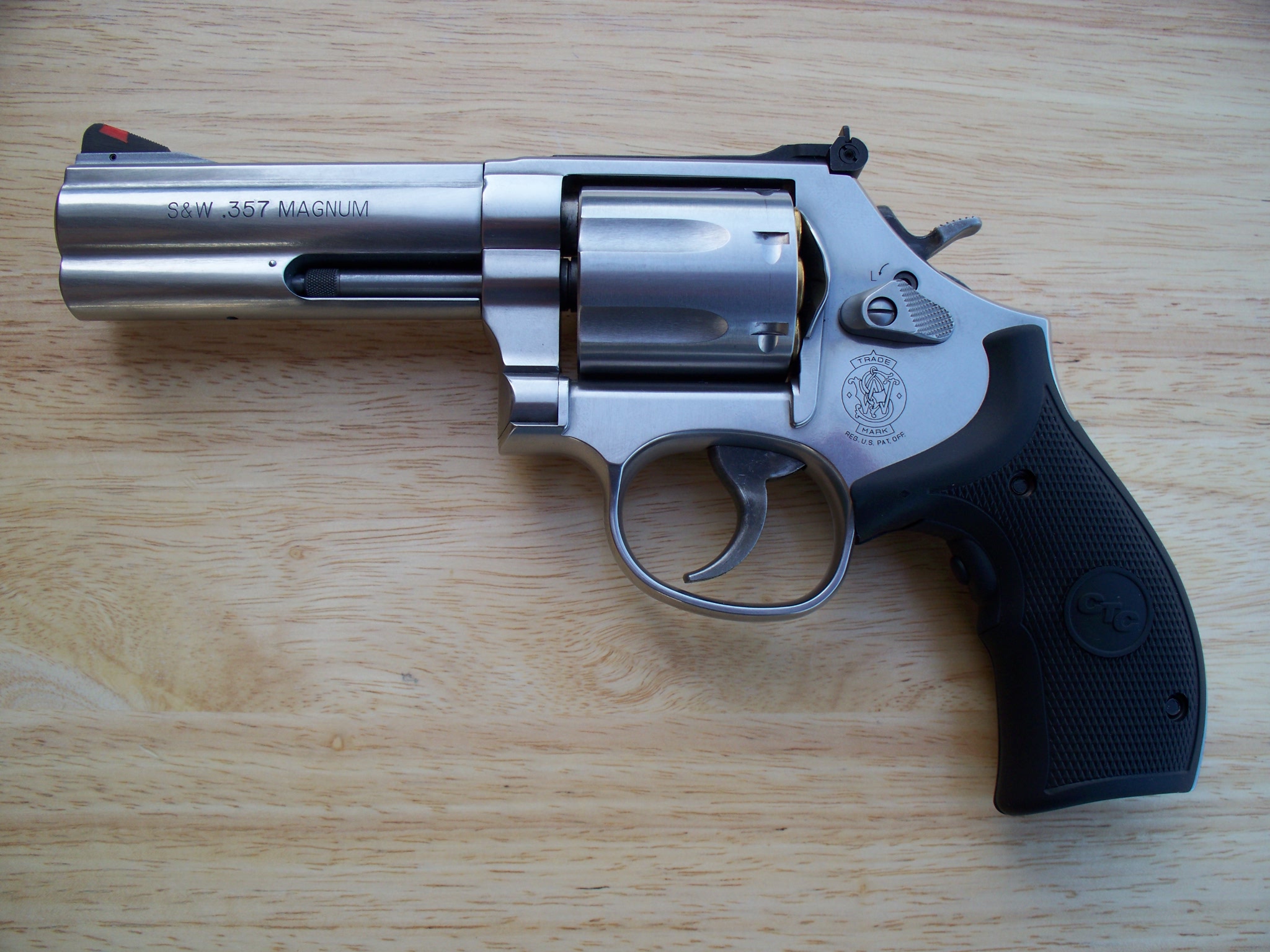
The Smith and Wesson 686 in .357 Magnum continues attracting solo hikers who want revolver reliability, meaningful stopping power, and the mechanical simplicity that eliminates the administrative complexity of semi-automatic manual of arms in high-stress situations. The 4-inch barreled 686 weighs approximately 1.08 kilograms unloaded, balancing trail packability against the full-steel construction that makes it genuinely durable under the rough handling that extended wilderness trips involve. The 7-round cylinder, a feature that distinguishes the 686 from traditional 6-shot .357 revolvers, provides one additional shot without any increase in frame dimensions. Full-power 158-grain .357 Magnum loads reach approximately 1,235 fps from the 4-inch barrel, generating around 535 foot-pounds of energy that handles black bear and human threat scenarios with genuine authority. The adjustable rear sight allows precise zeroing for specific defensive loads rather than accepting fixed sight regulation that may not align with the chosen ammunition. Double-action trigger pull averages 10 to 11 pounds with a smooth, consistent stroke that rewards practice. Retail pricing between $849 and $950 reflects the quality of fit and finish that Smith and Wesson’s Performance Center standards deliver consistently across production runs.
5. Springfield Armory Hellcat Pro
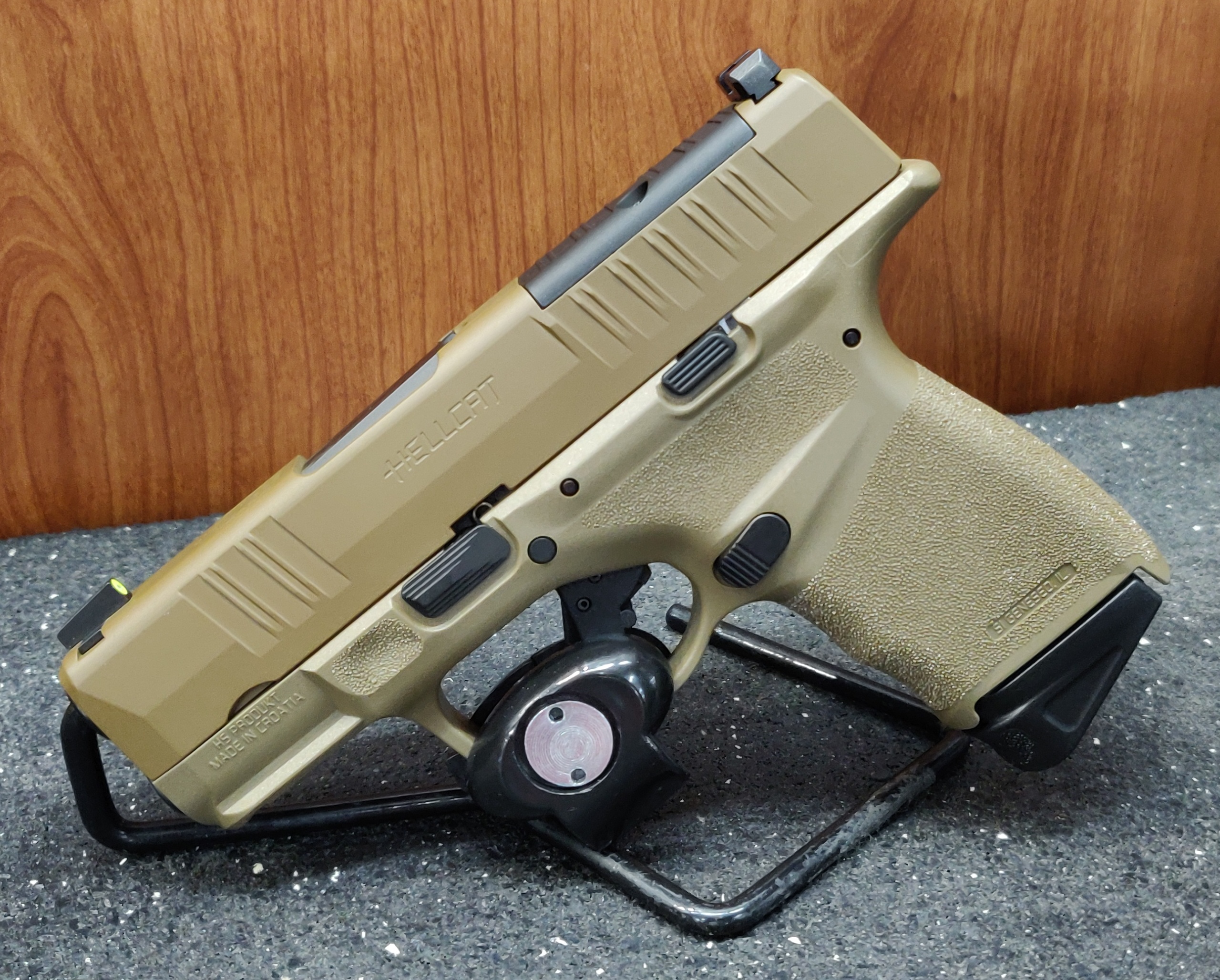
The Springfield Hellcat Pro entered the solo hiking carry conversation in 2022 and has steadily built a following among hikers who want the capacity advantages of a compact double-stack 9mm without the weight penalty that full-sized defensive handguns impose across long mileage days. The Hellcat Pro weighs 680 grams unloaded and carries 15 rounds in the flush magazine, a capacity figure that would have been considered implausible in a pistol this size just five years ago. The 3.7-inch barrel pushes 115-grain loads to approximately 1,100 fps, generating around 309 foot-pounds of energy. The OSP optics system cuts a direct mounting footprint into the slide for miniature red dot installation without adapter plates, keeping the sight picture as low as possible over the bore axis. The adaptive grip texture, described as aggressive but not skin-abrasive by most reviewers, maintains purchase security in rain and sweat conditions that smooth grip panels cannot replicate. Trigger breaks at 5 to 6 pounds with a consistent feel that builds confidence through repetition. At a retail price between $599 and $649, the Hellcat Pro delivers a capability package that outperforms several competitors priced $150 to $200 higher, which explains its consistent appearance on solo hiker gear lists in 2026.
6. Beretta APX Carry
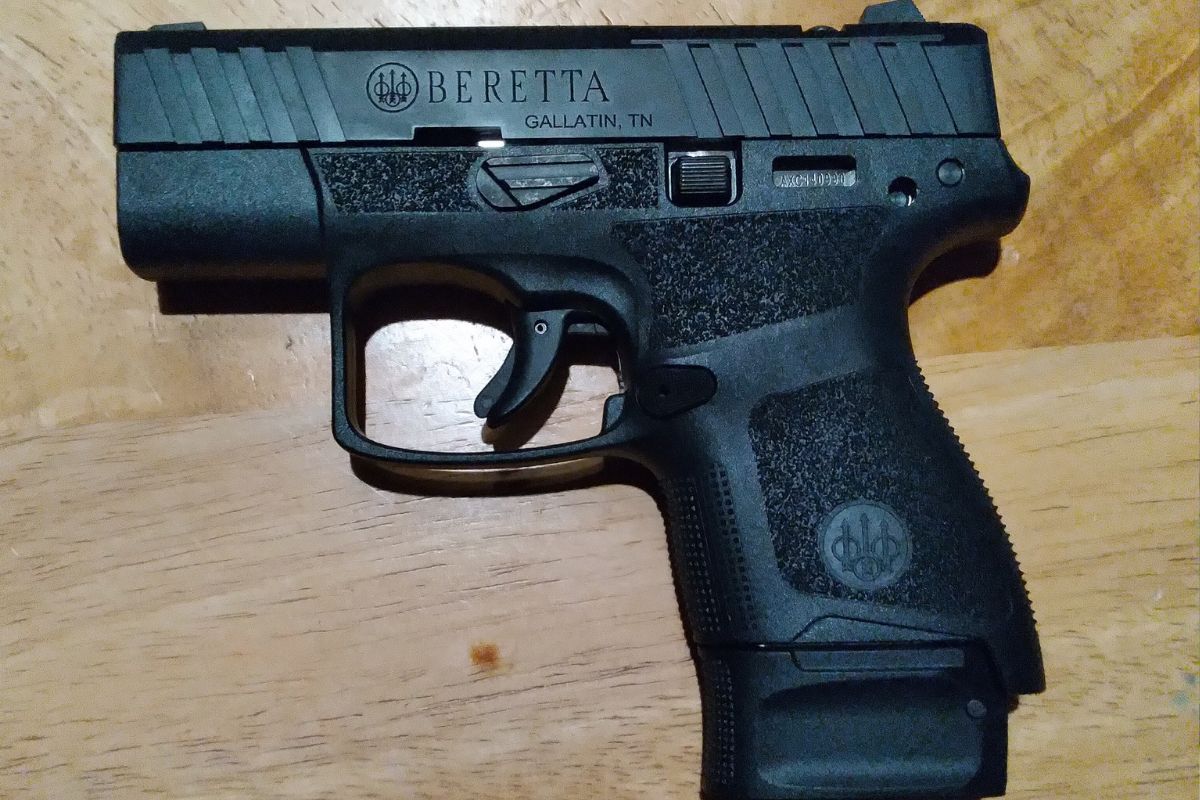
The Beretta APX Carry has quietly built a loyal following among solo hikers in 2026 who want Italian engineering precision in a genuinely packable 9mm platform that performs consistently across the humidity, temperature swings, and rough handling that extended trail use produces without the maintenance anxiety that more mechanically complex platforms generate. The APX Carry weighs 595 grams unloaded and measures 155mm in total length, making it one of the more genuinely compact options in the single-stack 9mm category without sacrificing the build quality that Beretta’s manufacturing standards consistently deliver. The 3.07-inch barrel pushes 115-grain loads to approximately 1,020 fps, generating around 266 foot-pounds of muzzle energy adequate for human threat scenarios and meaningful deterrence in black bear encounters with appropriate ammunition selection. The serialized chassis frame system allows complete disassembly without tools for field cleaning, a practical advantage when trail conditions deposit debris into the action after river crossings or dusty exposed ridge sections. Trigger pull breaks consistently at 6 to 6.5 pounds with a flat-faced shoe that most hikers find ergonomically comfortable during extended carry. The 8-round flush magazine keeps the grip compact, with a 10-round extended option adding approximately 15mm of grip length. Retail pricing between $299 and $349 delivers exceptional value against the category’s premium competitors.
7. Glock 20 10mm Auto
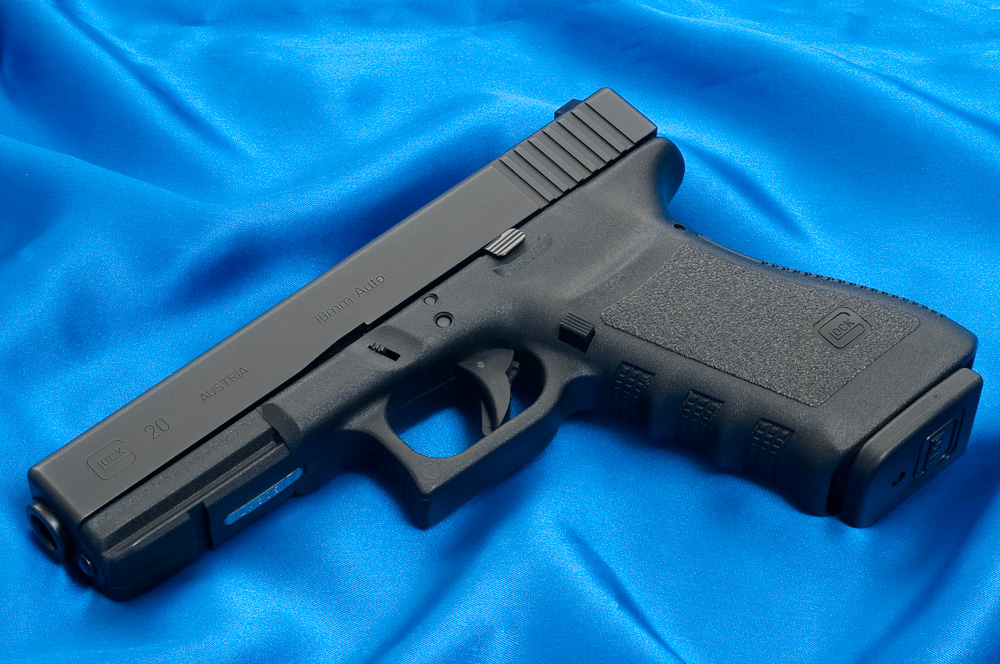
The Glock 20 in 10mm Auto has experienced a significant resurgence among serious solo hikers in 2026, driven by expanding grizzly bear range into previously brown-bear-free hiking corridors across Idaho, Washington, and Colorado, which has pushed hikers toward higher-energy handgun options without abandoning the semi-automatic platform advantages they train with regularly. The G20 weighs 1,025 grams loaded with its standard 15-round magazine, making it one of the heaviest options on this list, but one that distributes that weight across 15 rounds of genuinely capable ammunition rather than the modest payload lighter platforms carry. The 4.61-inch barrel pushes 180-grain hard cast loads to approximately 1,300 fps, generating around 676 foot-pounds of muzzle energy that wildlife professionals consider adequate for brown bear defense in a semi-automatic platform. Penetration with hard cast loads consistently exceeds 36 inches in ballistic gelatin, reaching the vital organ depth that stopping a charging large predator requires. The standard Glock trigger breaks at 5.5 pounds with the familiar reset that millions of trained shooters already know. Retail pricing between $580 and $630 makes the G20 one of the most accessible serious predator defense handguns available, delivering brown bear capable energy at a price point that dedicated revolver alternatives in equivalent power levels cannot approach.
8. Henry Repeating Arms Mare’s Leg .357 Magnum
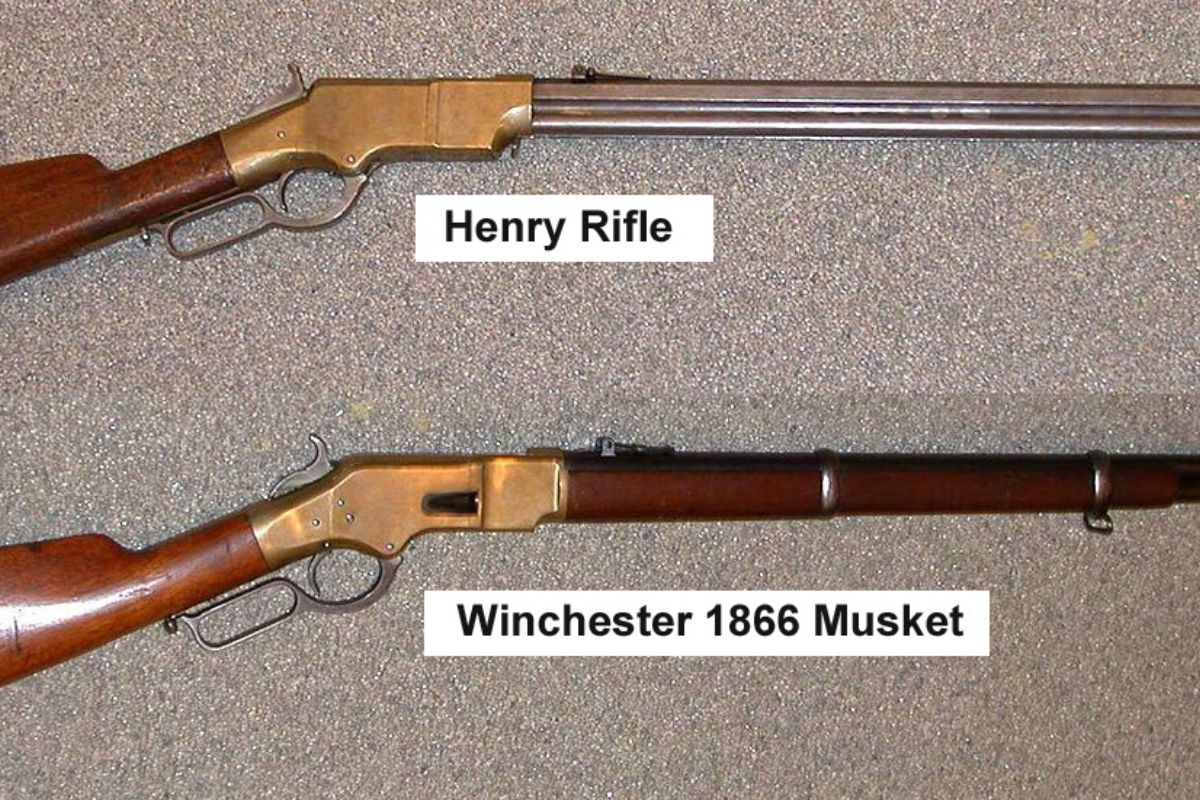
The Henry Mare’s Leg occupies a genuinely unique position in the solo hiking carry conversation as a lever-action pistol that legally classifies as a handgun while delivering rifle-like handling characteristics and the manual of arms simplicity that pure handgun platforms cannot match for certain shooter profiles. The Mare’s Leg in .357 Magnum weighs approximately 1.36 kilograms with its 12-inch barrel, which is heavier than compact handguns but delivers meaningfully enhanced ballistics from the longer tube. The 12-inch barrel pushes 158-grain .357 Magnum loads to approximately 1,450 fps, generating around 738 foot-pounds of energy that approaches the lower boundary of dedicated bear defense capability. The 5-round tubular magazine limits capacity compared to semi-automatic alternatives, but the lever-action cycling motion is instinctive for shooters with any rifle background and requires less fine motor precision under stress than slide manipulation on compact semi-automatics. Retail pricing between $900 and $950 reflects the quality of Henry’s American-made construction. The platform attracts solo hikers who find conventional handgun ergonomics uncomfortable for extended periods but want a legal trail-carry option that delivers more energy than standard handgun calibers provide from barrel lengths that holster-carry regulations require.
9. Mossberg MC2c
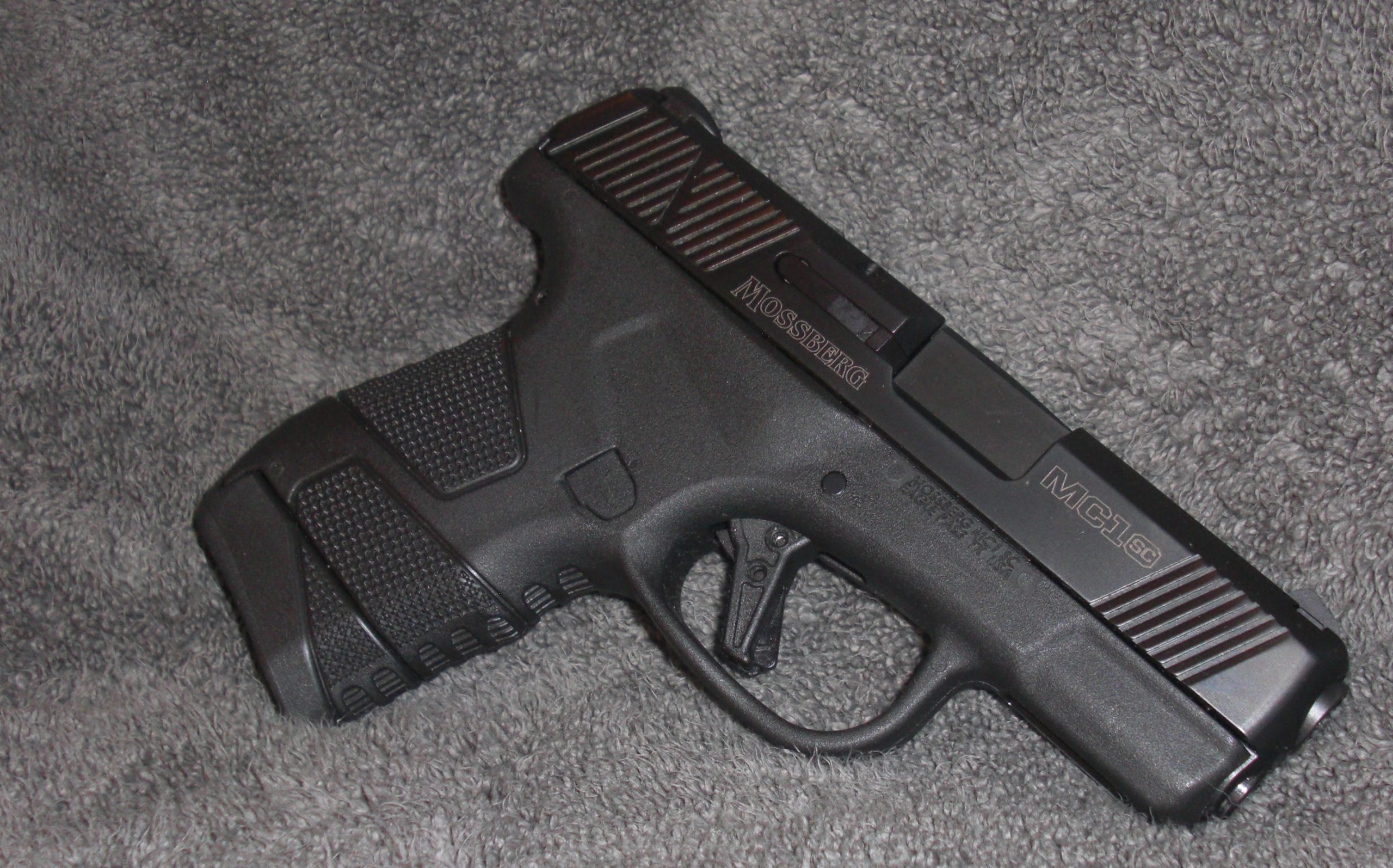
The Mossberg MC2c has carved out a niche among solo hikers who want the engineering credibility of an established American firearms manufacturer in a compact 9mm package without the premium pricing typically associated with legacy brands. The MC2c weighs 623 grams unloaded and measures 174mm in length, fitting comfortably in appendix carry or hip belt holster configurations across long trail days. The 3.9-inch barrel pushes 124-grain loads to approximately 1,130 fps, generating 352 foot-pounds of energy from a barrel length that extracts genuine ballistic advantage over shorter micro-compact alternatives. The standard magazine holds 13 rounds,s with a 15-round extended option providing additional capacity for hikers covering territory with elevated threat profiles. The flat-faced trigger breaks at 5.5 to 6 pounds with a positive reset that most reviewers describe as among the better factory triggers in the compact 9mm category. Cross-bolt safety and loaded chamber indicator add administrative features that some solo hikers specifically value for the ambiguous handling situations that trail carry produces more often than range environments. Retail pricing between $400 and $450 delivers genuine value against competitors charging $150 to $200 more for comparable field performance and similar factory accuracy guarantees.
10. Browning Buck Mark Camper .22 LR
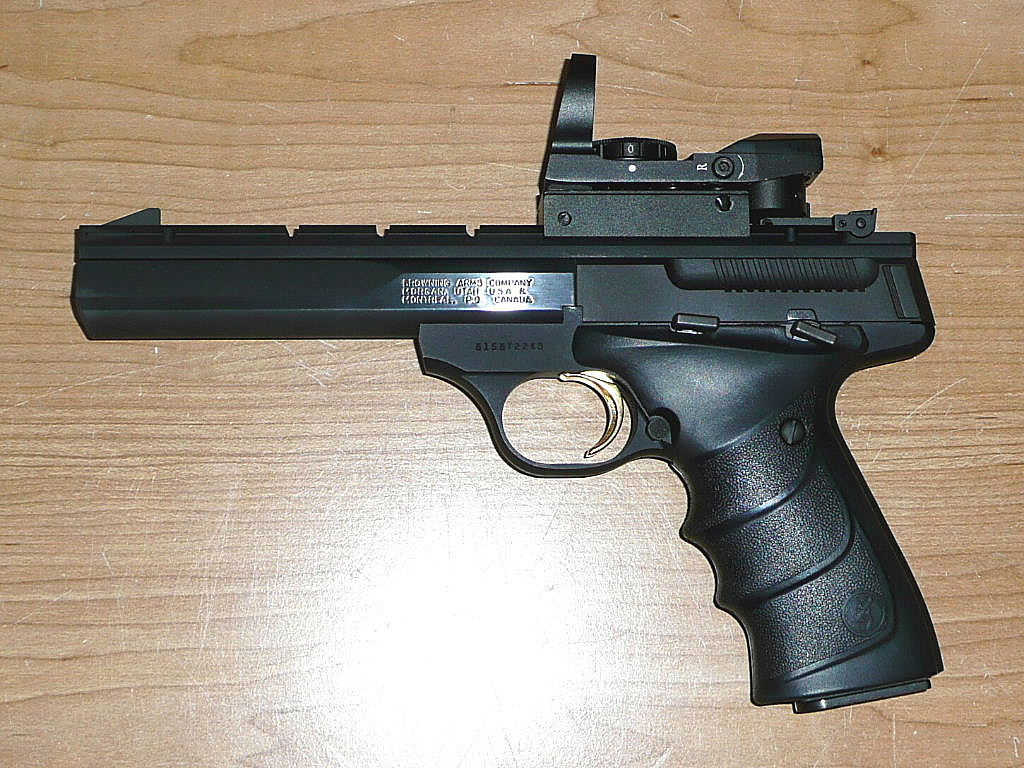
The Browning Buck Mark Camper closes this list, representing a specific and honestly framed solo hiking use case that the other nine entries do not fully address: the long-distance thru-hiker covering thousands of miles through predominantly black bear and pest-level threat terrain who needs the lightest possible armed option with the cheapest possible ammunition to sustain consistent practice throughout a multi-month trail commitment. The Buck Mark Camper weighs 964 grams loaded with a 10-round magazine of .22 LR ammunition that costs approximately $0.07 per round, making sustained practice economically viable in a way that 9mm at $0.25 to $0.35 per round is not across a five-month thru-hike budget. The 5.5-inch barrel pushes 40-grain high-velocity loads to approximately 1,080 fps, generating around 104 foot-pounds of muzzle energy. The adjustable rear sight allows a precise zero for specific load selection. The Ultragrip RX grip panels provide secure purchase in wet conditions. Retail pricing between $400 and $450 is honest for the quality delivered. Wildlife professionals are clear that .22 LR is inadequate for serious predator defense, and Buck Mark advocates who carry it in bear country acknowledge that limitation directly. For cougar deterrence, dog encounters, and human threat awareness on heavily traveled trails, the platform provides meaningful capability at minimum weight and cost.