Firearms history is filled with models that once dominated conversations, magazine covers, and gun shop displays, only to slowly fade from mainstream attention. Popularity in the gun world is rarely permanent. Shifts in technology, changing consumer preferences, evolving regulations, and new competitors can quickly reshape what shooters value. Some firearms disappear because they were flawed, while others simply get overshadowed by newer designs that capture the spotlight. Interestingly, many of these forgotten models were genuinely admired in their time, praised for innovation, affordability, or distinctive character. The following examples highlight firearms that once enjoyed widespread enthusiasm but now occupy a quieter corner of discussion, remembered mainly by long-time enthusiasts and collectors.
Remington 1100
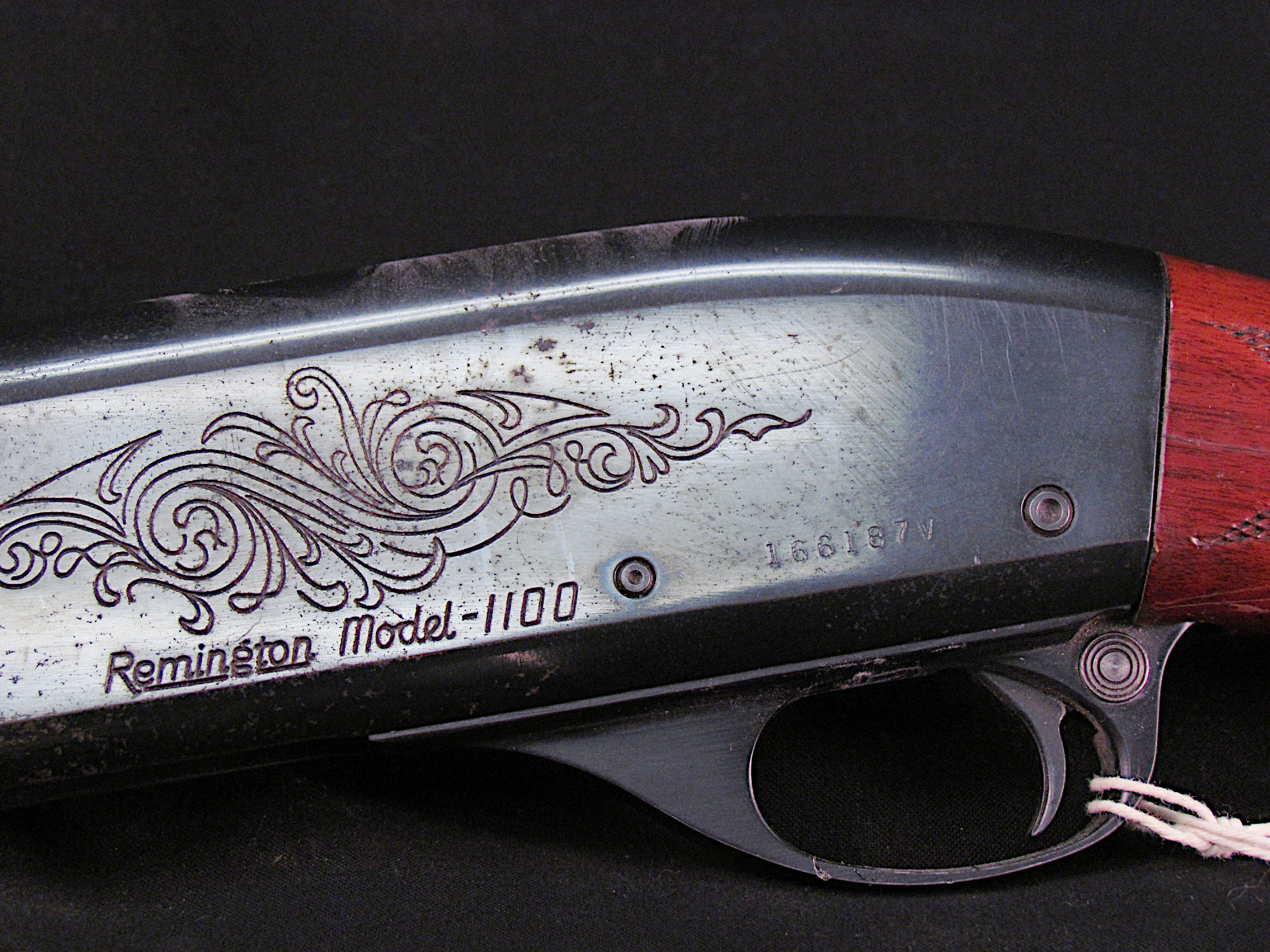
The Remington 1100 was once one of the most celebrated semi-automatic shotguns in America, admired for its smooth recoil and reliable gas-operated system. For decades, it earned loyalty among hunters and clay shooters who valued its comfortable shooting characteristics. The shotgun’s reputation for soft handling made it a frequent recommendation for newcomers. Over time, however, newer designs offering lighter weight, simpler maintenance, and modern materials began to dominate attention. While the 1100 remains respected, it rarely generates the excitement it once did. Its gradual disappearance from everyday conversation reflects how even highly successful firearms can be overshadowed as market priorities shift toward modularity and low-maintenance performance.
Winchester 94 Angle Eject Variants
Few rifles carried the cultural recognition of the Winchester 94, yet specific later variants, such as the Angle Eject models, no longer command the same enthusiasm. At one time, these rifles symbolized tradition blended with practical modernization, allowing easier optic mounting while preserving classic lines. Enthusiasts initially welcomed the update, seeing it as a bridge between heritage and contemporary use. As tactical styled rifles and synthetic stocked hunting platforms gained dominance, interest in lever action refinements waned. Though still beloved by dedicated fans, these models rarely dominate modern discussions. Their quieter presence highlights changing tastes, where nostalgia and practicality compete with evolving preferences for versatility and accessory compatibility.
Ruger P Series Pistols
Ruger’s P Series pistols once represented rugged dependability at an accessible price, earning praise for durability and straightforward function. These handguns became common recommendations for budget-conscious buyers seeking reliability without frills. Their robust construction inspired confidence, yet their bulky profiles and utilitarian aesthetics gradually fell out of favor as sleeker polymer-framed competitors surged in popularity. Although many examples continue to perform reliably, the series seldom attracts significant attention today. Shooters increasingly prioritize lighter weight and refined ergonomics, characteristics that newer designs deliver more effectively. The P Series remains a reminder that functional success does not always guarantee enduring visibility in a rapidly evolving handgun market.
Smith and Wesson Third Generation Pistols
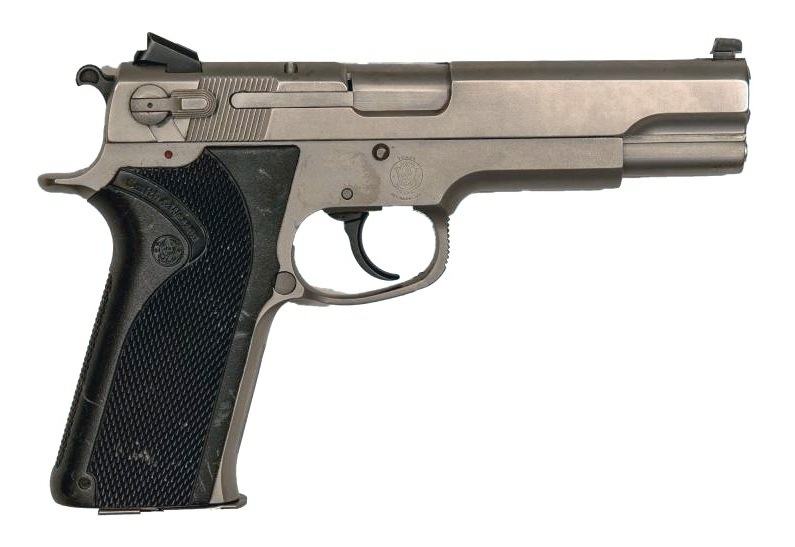
Smith and Wesson’s Third Generation semi automatic pistols once stood as serious contenders in law enforcement and civilian markets. Known for solid construction and mechanical reliability, they developed loyal followings during their peak years. Their metal-framed designs conveyed durability and traditional craftsmanship. As polymer-framed pistols redefined expectations for weight, capacity, and manufacturing efficiency, these models gradually retreated from widespread attention. While still appreciated by collectors and experienced shooters, they rarely dominate modern conversations. Their decline reflects broader industry transitions, where innovation and cost efficiency reshape preferences. The Third Generation pistols illustrate how once dominant service handguns can quickly become historical footnotes.
Colt Double Eagle
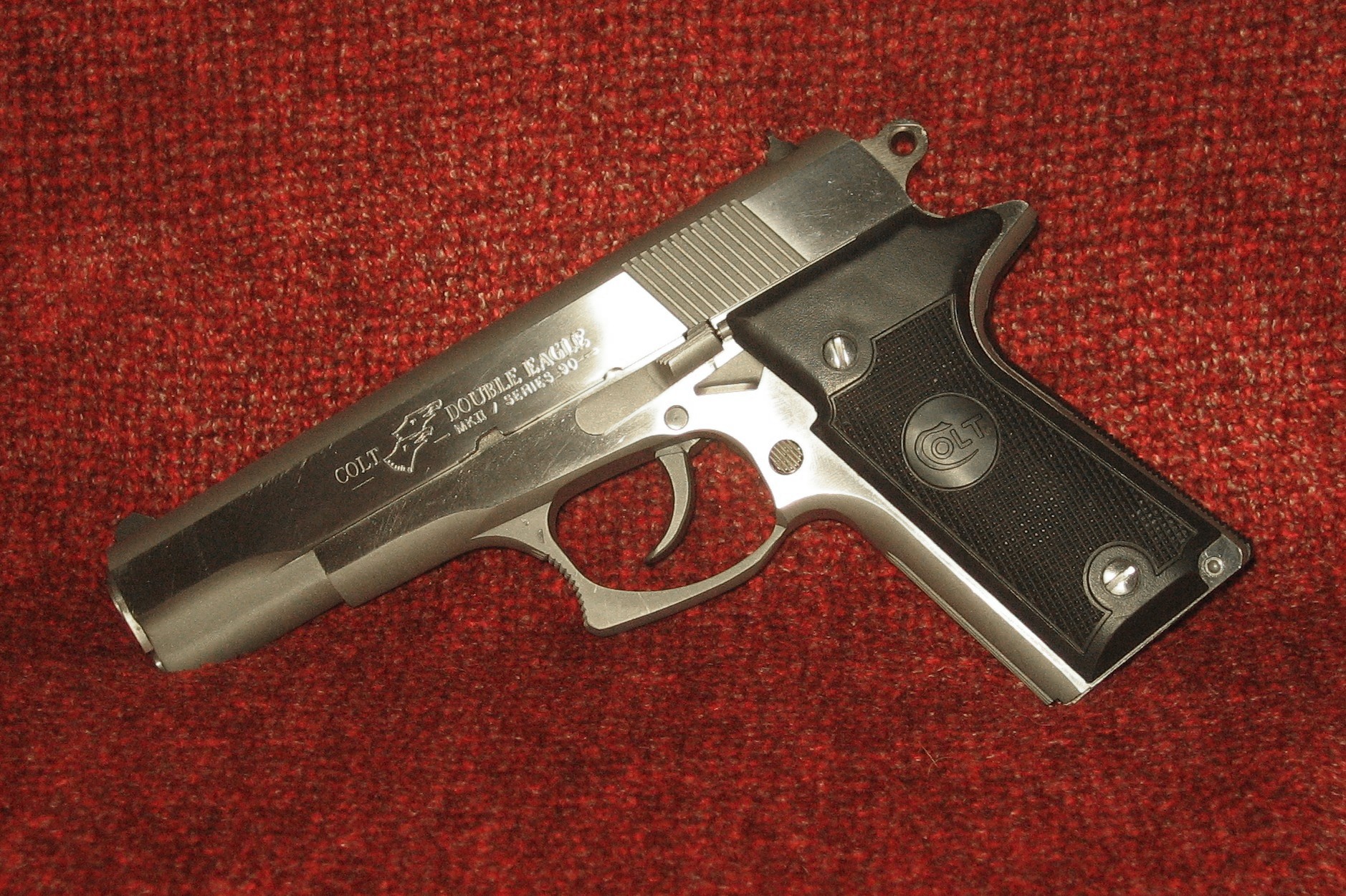
The Colt Double Eagle generated early interest by combining a respected brand name with double-action functionality, appealing to shooters seeking familiarity and modernization. Initial curiosity was strong, supported by Colt’s storied reputation. User impressions, however, varied, and the pistol struggled to maintain lasting enthusiasm. Competing designs offered lighter frames and more contemporary ergonomics, gradually capturing buyer attention. Today, the Double Eagle seldom appears in mainstream discussions despite its historical significance. Its relative obscurity highlights how brand heritage alone cannot secure enduring popularity. The model’s trajectory underscores the competitive pressures of the handgun market, where innovation, comfort, and user perception collectively determine long-term relevance.
Browning BDM
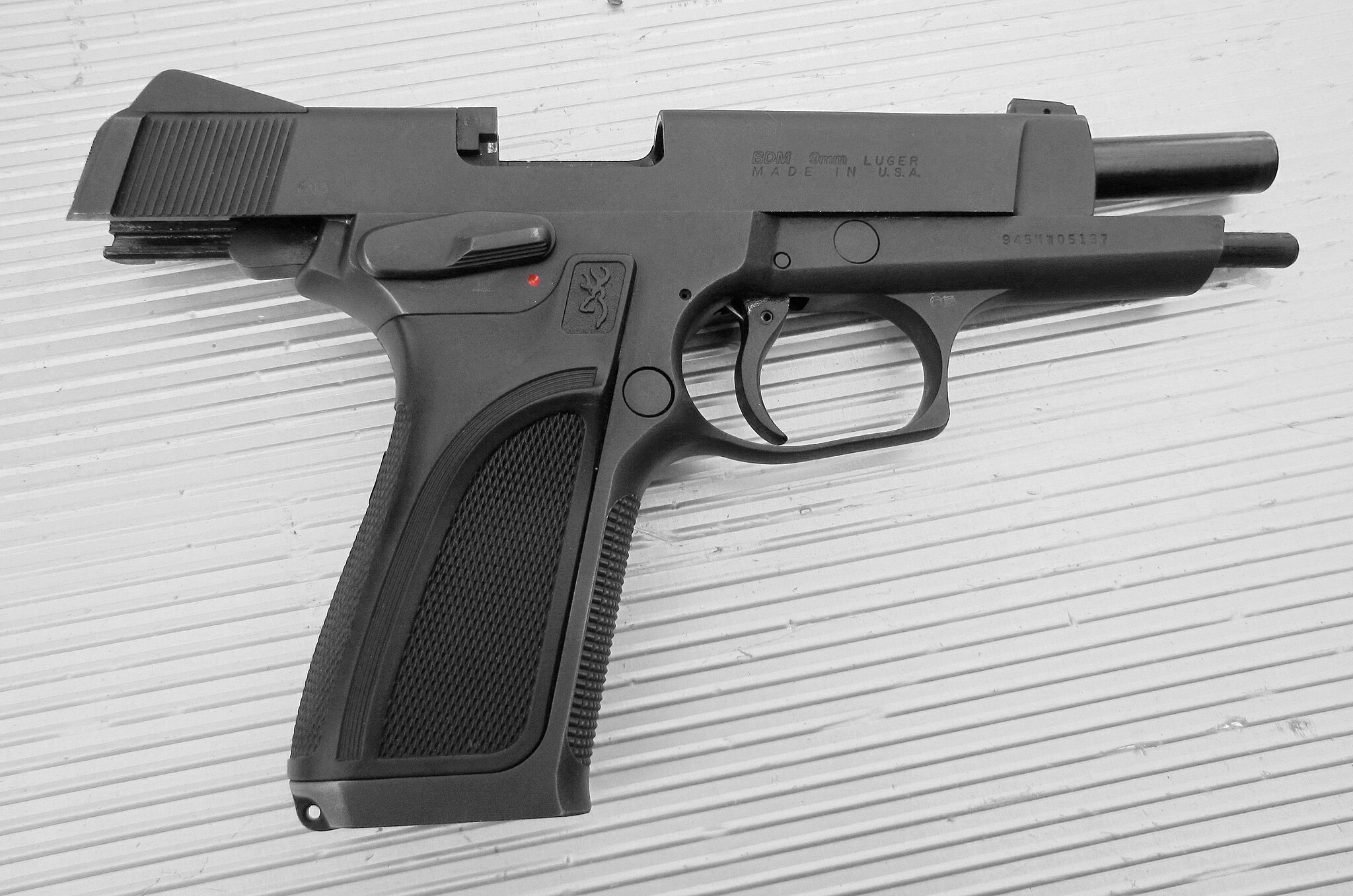
The Browning BDM arrived with ambitious intentions, presenting a sleek profile and adaptable firing modes intended to attract both civilian and professional users. Early reactions acknowledged its innovative features and distinctive styling. Despite these strengths, the pistol never achieved the lasting recognition many anticipated. Market competition intensified, with rival designs offering simpler operation and broader support. Over time, the BDM faded from everyday conversation, remembered mainly by enthusiasts familiar with its brief prominence. Its story reflects a common pattern in firearms history, where technically interesting models struggle to maintain visibility. Consumer preference often gravitates toward platforms with strong adoption, extensive accessories, and enduring institutional presence.
Remington 788
The Remington 788 once enjoyed a reputation as a remarkably accurate and affordable bolt-action rifle, earning praise from hunters and budget-minded shooters. Its performance often exceeded expectations, creating strong word-of-mouth admiration. Ironically, internal competition within Remington’s own lineup contributed to its eventual discontinuation. As production ceased, the rifle gradually slipped from widespread discussion despite continued appreciation among knowledgeable owners. The 788’s fading prominence demonstrates how commercial decisions and shifting marketing priorities influence which firearms remain visible. Though still respected in enthusiast circles, it rarely features in modern debates dominated by newer rifles emphasizing modularity, lightweight construction, and contemporary materials.
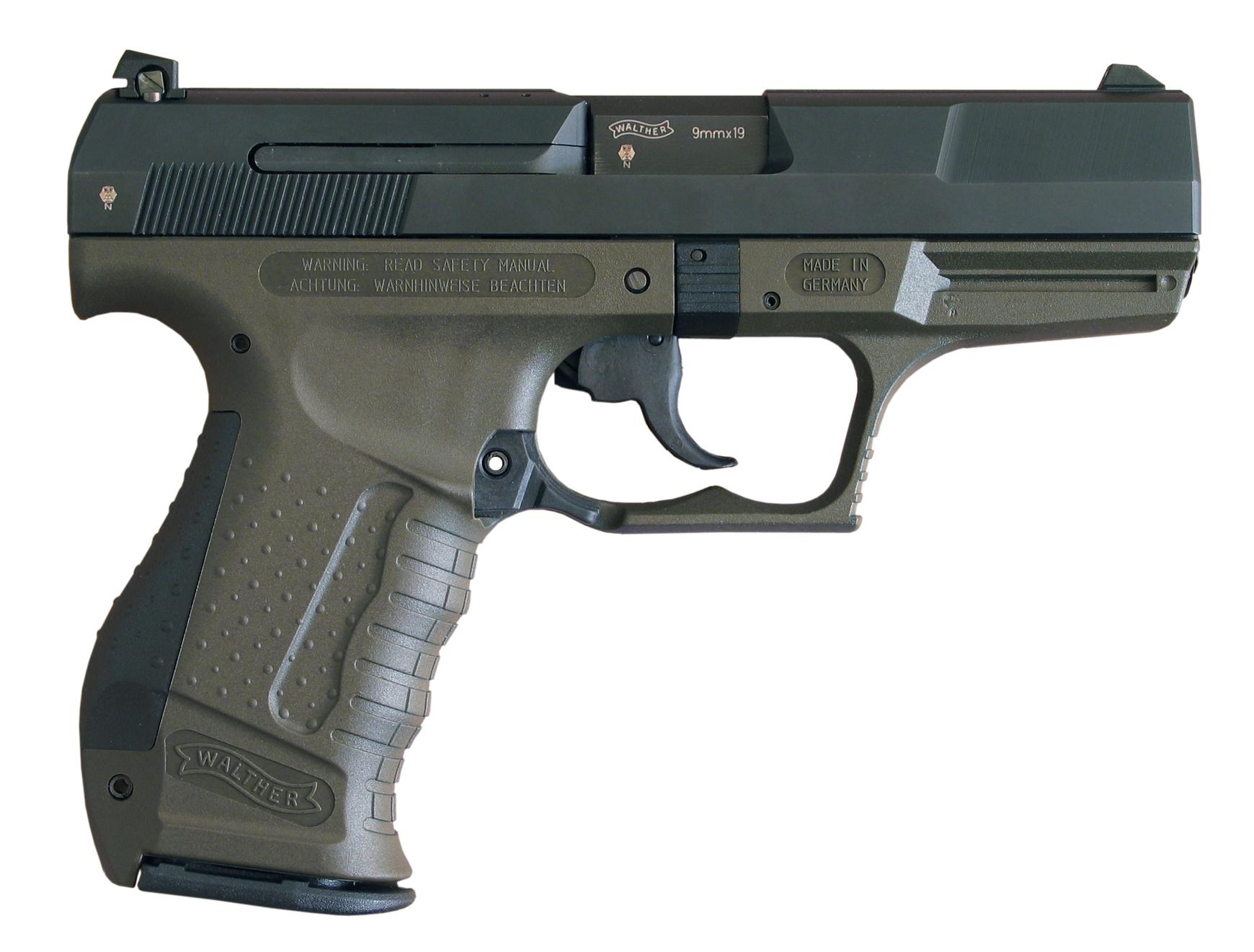
Walther P99
The Walther P99 once represented forward-thinking handgun design, admired for ergonomics, trigger innovation, and distinctive styling. Early adoption by various users reinforced its credibility and appeal. As years passed, newer striker-fired pistols captured greater market share, benefiting from aggressive marketing and expanded accessory ecosystems. While the P99 remains technically interesting and historically relevant, it no longer occupies the same spotlight. Discussions increasingly revolve around more recent platforms. The pistol’s reduced visibility illustrates how rapidly handgun preferences evolve. Even respected designs may recede from conversation as industry trends emphasize compatibility, aftermarket support, and widespread institutional adoption.
Marlin 1894
The Marlin 1894 once held a strong position among lever-action enthusiasts, valued for handling, reliability, and traditional aesthetics. These rifles frequently appeared in discussions of practical, enjoyable shooting platforms. Industry changes and production disruptions altered availability and consistency, influencing buyer confidence and visibility. As attention shifted toward modern sporting rifles and tactical configurations, mainstream conversation around lever actions diminished. Although the 1894 continues to attract dedicated admirers, it rarely commands the broader enthusiasm once observed. Its quieter status reflects evolving consumer focus rather than inherent shortcomings. Firearms’ popularity often follows trends shaped by versatility, modularity, and contemporary styling preferences.
Beretta PX4 Storm
The Beretta PX4 Storm entered the market with notable fanfare, offering rotating barrel mechanics and futuristic styling that drew early attention. Many shooters appreciated its innovative approach and distinctive appearance. Despite these attributes, the pistol gradually lost prominence as striker-fired designs dominated buyer interest. Weight, complexity, and competition influenced perceptions over time. Today, the PX4 Storm appears less frequently in mainstream discussions, though it retains a loyal niche following. Its trajectory highlights how innovation alone does not guarantee sustained popularity. Market momentum often favors platforms that combine simplicity, widespread adoption, and extensive aftermarket ecosystems. The PX4 Storm remains an intriguing but less discussed chapter in modern handgun history.