
Communities nationwide remain increasingly concerned about the three ghost gun loopholes states are racing to close before disaster hits. These untraceable weapons present a massive challenge for modern law enforcement agencies operating across the country. Buyers routinely purchase unfinished firearm components online without undergoing standard federal background checks. This dangerous regulatory gap allows prohibited individuals to bypass established safety laws and assemble fully functional weapons privately at home. State legislators currently face immense pressure to pass comprehensive legislation targeting these unregulated manufacturing kits immediately. Understanding these specific legal blind spots helps citizens grasp the evolving national public safety debate today.
The Unfinished Frame Exemption
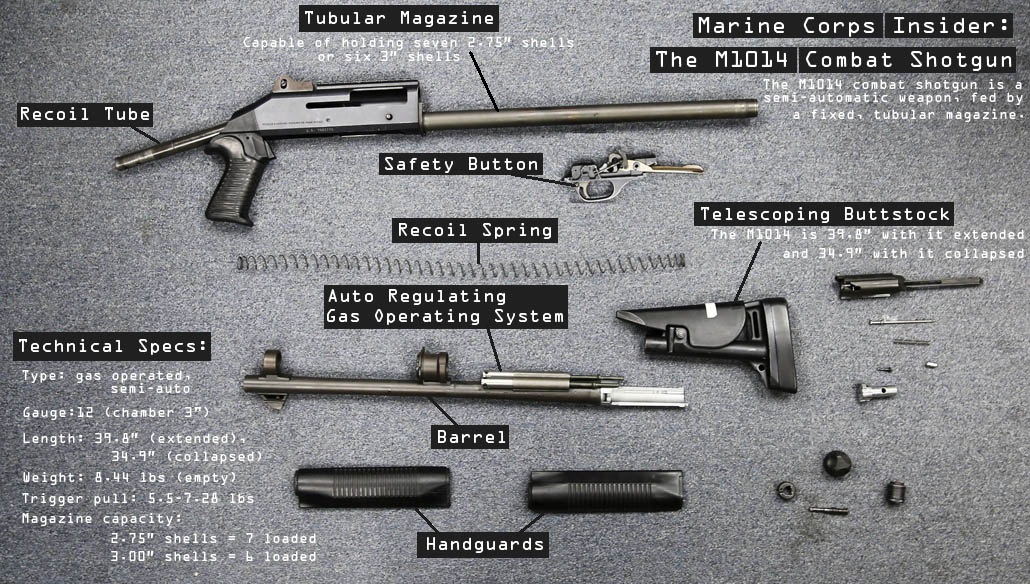
Current federal guidelines often classify firearm receivers missing just a few drilled holes as simple metal or plastic blocks. This massive technicality creates a booming online market for incomplete frames that require only basic household tools to finish properly. Vendors ship these controversial parts directly to residential doorsteps without ever requiring a standard commercial transfer through a licensed local dealer. Criminals easily exploit this massive oversight to acquire the core foundation of a deadly weapon completely anonymously. State governments now aggressively draft new bills demanding serial numbers and mandatory registration for all partially completed receiver kits sold within their borders.
The 3D Printing Technology Gap
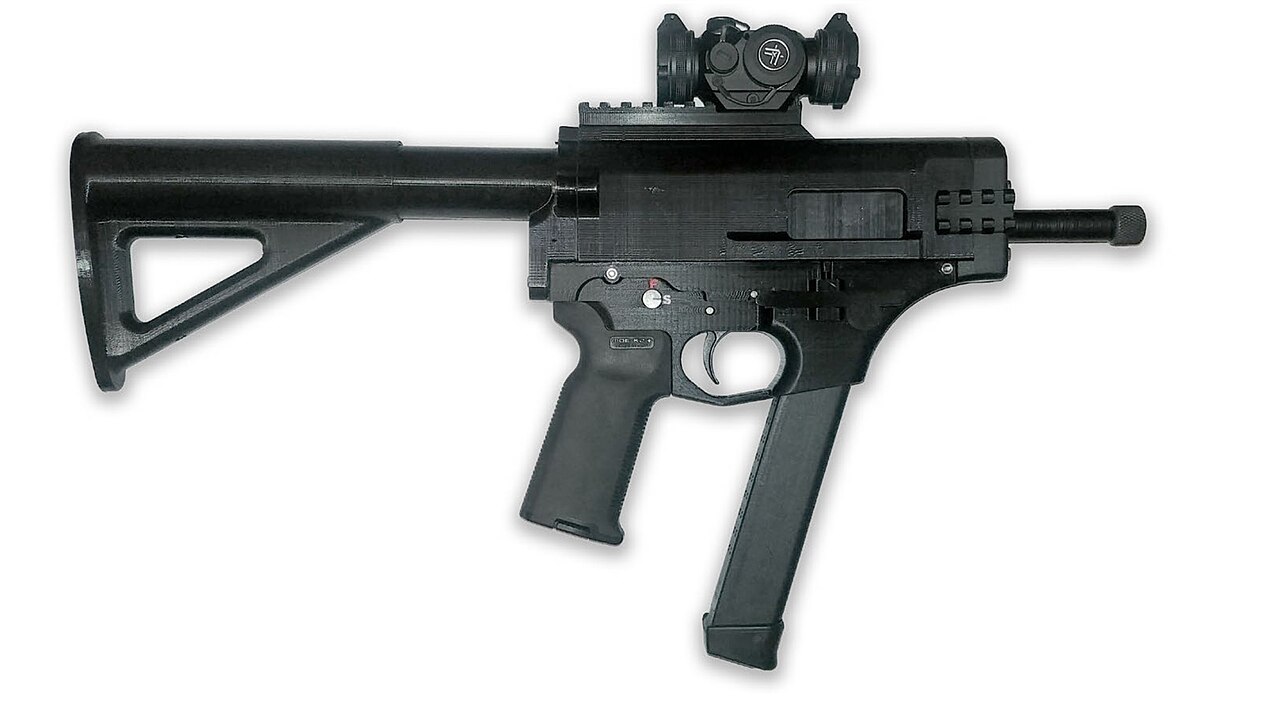
Advancements in commercial manufacturing technology present another deeply alarming vulnerability regarding modern firearm regulations. Anyone owning an affordable desktop printer can quickly download digital blueprints and manufacture untraceable weapon components overnight. Traditional metal detectors completely fail to identify these mostly plastic firearms during routine security screenings at crowded public venues. This terrifying reality forces lawmakers to scramble toward effectively banning the distribution of digital weapon files on the open internet. Several progressive states already categorize possessing these specific computer codes as a serious criminal offense in hopes of stopping illegal civilian manufacturing entirely before an unstoppable tragedy occurs nearby.
The Separated Component Sales
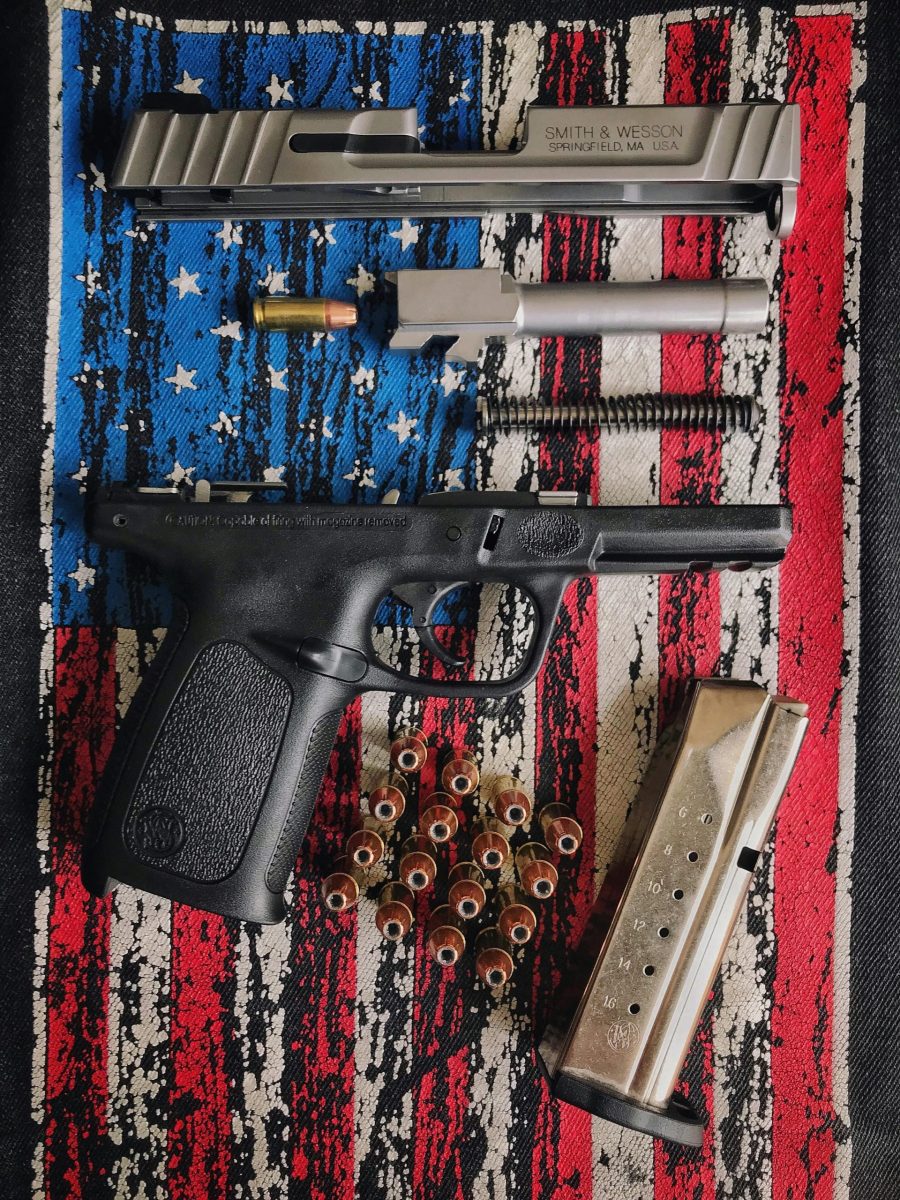
Retailers frequently skirt established federal laws by simply selling upper and lower receiver halves in two entirely separate financial transactions. Purchasing the lower assembly without an attached barrel legally avoids triggering mandatory federal background check procedures entirely. Buyers simply order the remaining matching components from different websites to assemble a fully operational rifle quickly at their kitchen table. Closing this blatant transactional loophole requires incredibly strict statutory language defining exactly what constitutes a complete firearm purchase today. Legislators must mandate comprehensive background checks for all essential operating parts, regardless of whether they arrive packaged together or shipped completely separately.