Outdoor skills often look convincing when shown briefly, yet long term effectiveness reveals important differences. Demonstration skills emphasize short performances, controlled conditions, and visible results that appear decisive. Sustained wilderness skills focus on endurance, adaptability, and decision making across extended periods outdoors. Weather shifts, fatigue, resource scarcity, and repetition expose weaknesses quickly. The difference matters for hikers, campers, guides, and survival learners alike. This article explains how these skill sets diverge in purpose and reliability. Understanding this contrast clarifies why appearing capable during a moment differs greatly from remaining capable over days or weeks in real wilderness environments through consistent practice and experience.
Demonstration Skills
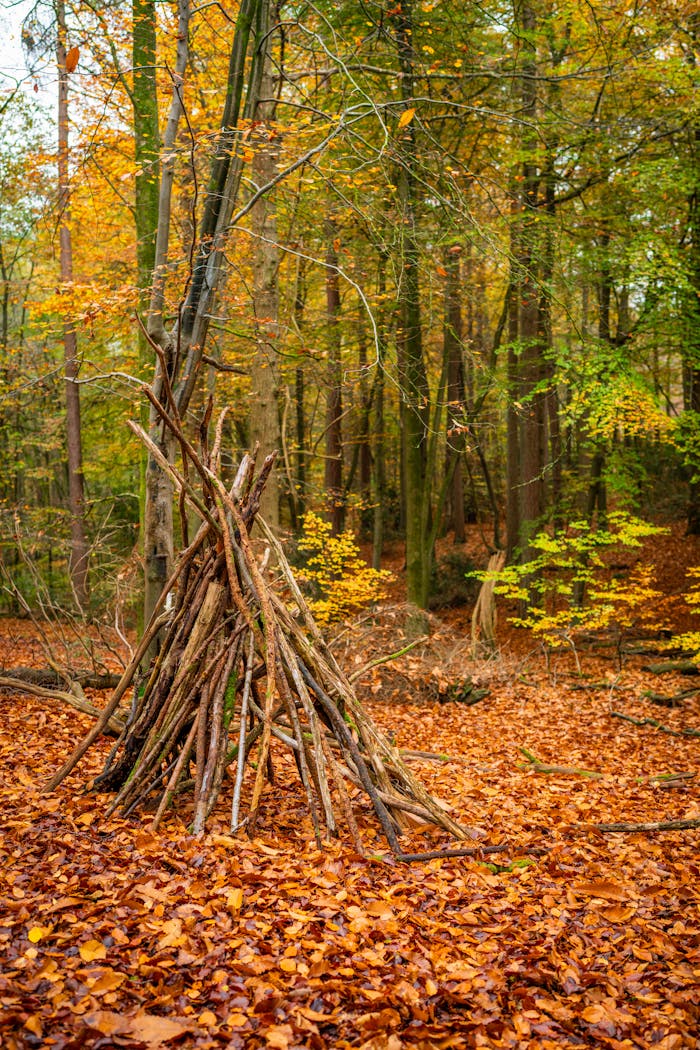
Demonstration skills emphasize visibility, efficiency, and immediate success. These skills commonly appear during classes, videos, or short outings where conditions remain predictable. Tasks like fire starting, shelter building, or knot tying occur once, often using ideal materials. Energy levels remain high, and mistakes carry minimal consequences. Demonstrations highlight technique rather than endurance. Tools, food, and rest stay readily available. Observers focus on clean results instead of sustainability. While demonstrations effectively teach fundamentals, they rarely reflect fatigue, weather change, repetition, or scarcity. They show what works briefly, not what continues working after multiple days of constant exposure and use.
Sustained Wilderness Skills
Sustained wilderness skills develop through prolonged exposure and repetition under changing conditions. These skills prioritize conservation, adaptability, and consistency rather than visual impact. Fire building considers daily fuel needs, moisture, and effort balance. Shelter design accounts for weather shifts, drainage, and long term comfort. Decision making weighs energy cost against necessity. Skills remain effective when tools break or materials differ. Fatigue, hunger, and stress shape every task. Success appears quiet and routine. These skills grow through experience, not performance. They reflect understanding limits and maintaining systems that function reliably over time, even as conditions worsen and small mistakes accumulate without reset or immediate assistance.
Training Environment Differences
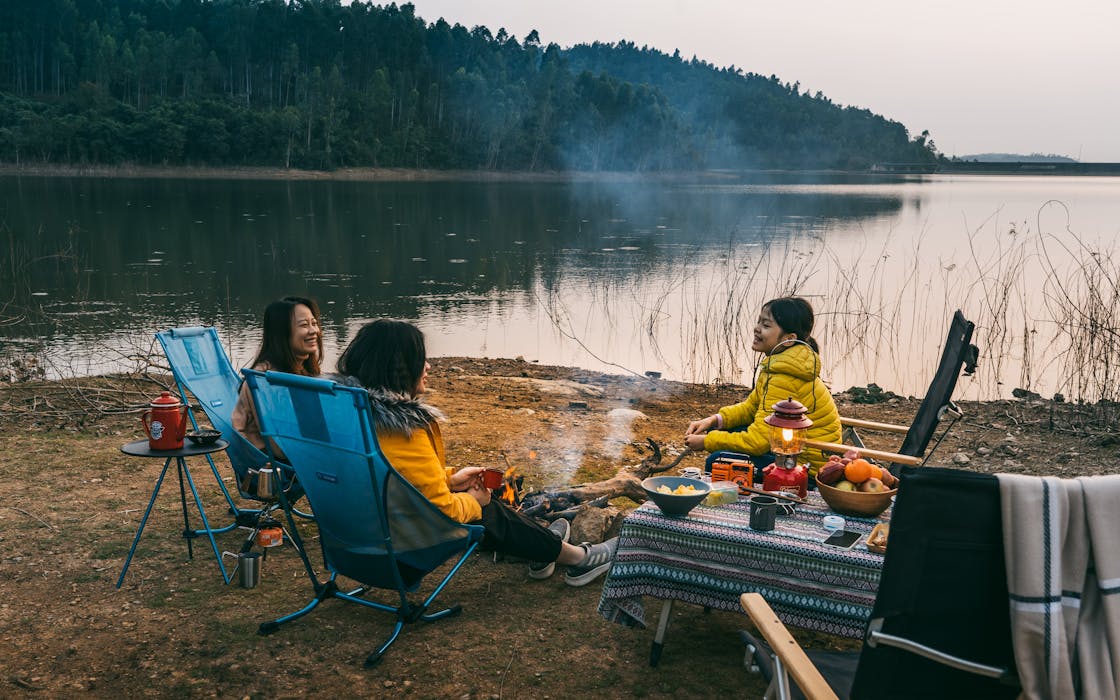
Training environments strongly influence which skills develop. Demonstration skills often emerge from workshops, courses, and curated scenarios designed for success. Conditions feel safe, time remains flexible, and instructors intervene when problems arise. Sustained skills require immersion in real settings where comfort decreases gradually. Extended trips expose learners to boredom, discomfort, and repeated decision making. Weather rarely cooperates, and recovery time shortens. Training that prioritizes realism builds patience and judgment. Without prolonged exposure, learners may confuse competence with performance. Environment shapes habits, and habits determine reliability. Real wilderness conditions reveal whether skills function consistently beyond structured lessons and controlled demonstrations over meaningful timeframes.
Resource Management Over Time
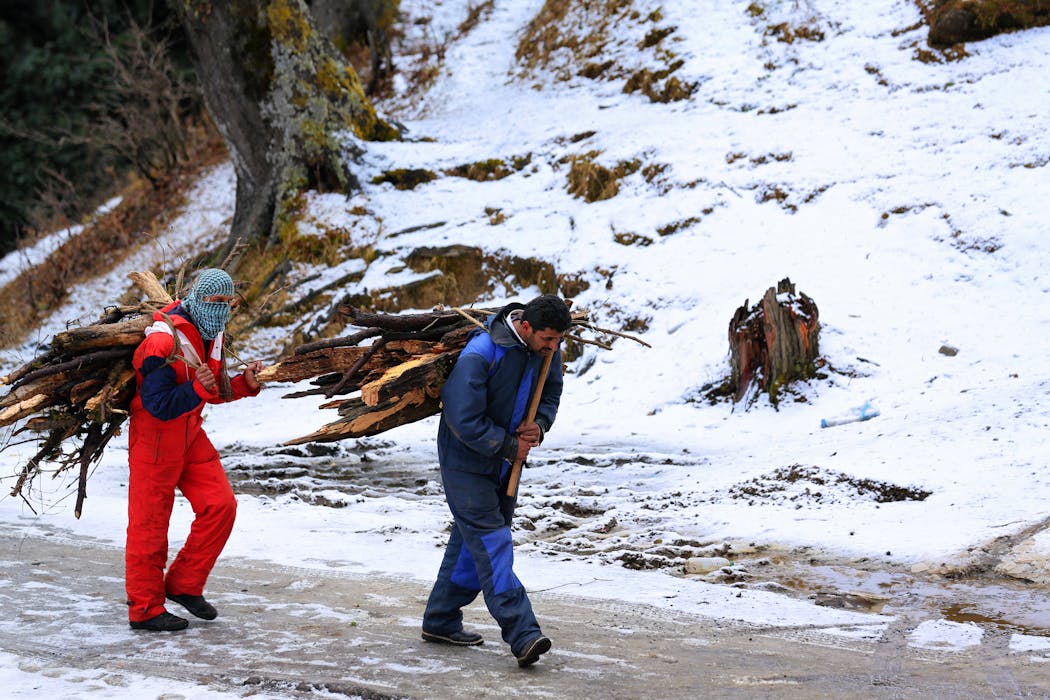
Resource management separates short term ability from long term competence. Demonstration scenarios rarely stress fuel, food, or tool durability. Materials appear plentiful and replaceable. Sustained wilderness skills demand careful tracking of calories, hydration, and supplies. Firewood collection affects energy reserves. Tool maintenance becomes essential rather than optional. Small inefficiencies compound daily. Waste shortens trip viability. Decision making shifts toward preservation instead of speed. Managing resources supports safety and morale. This skill grows slowly through experience. Understanding how consumption patterns affect endurance ensures survival tasks remain possible tomorrow, not just successful today, highlighting why long term planning matters more than single task execution outdoors.