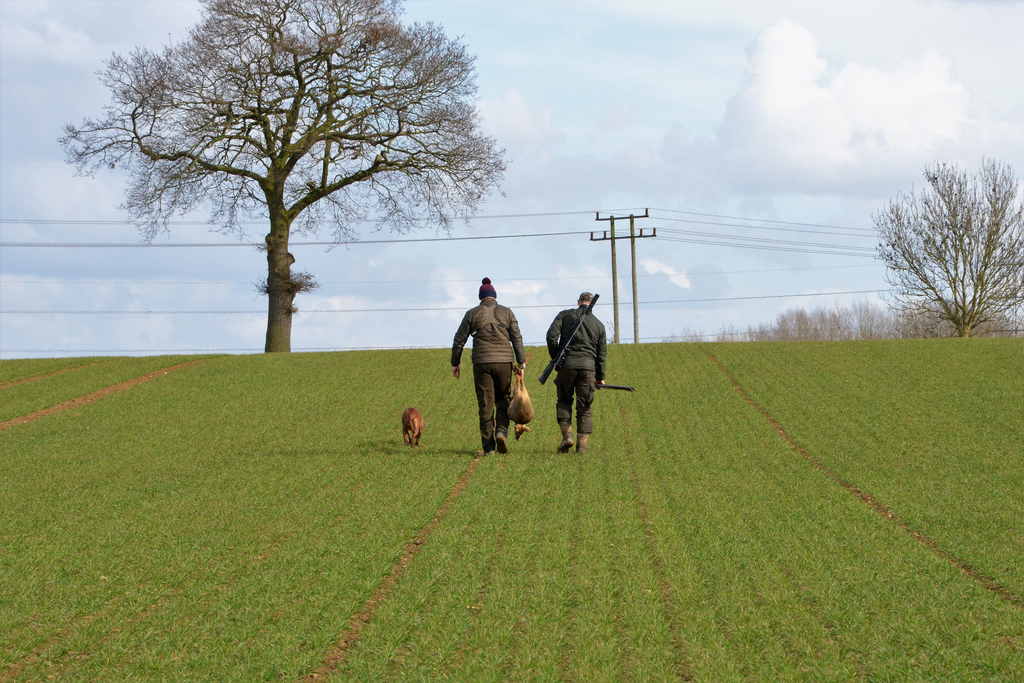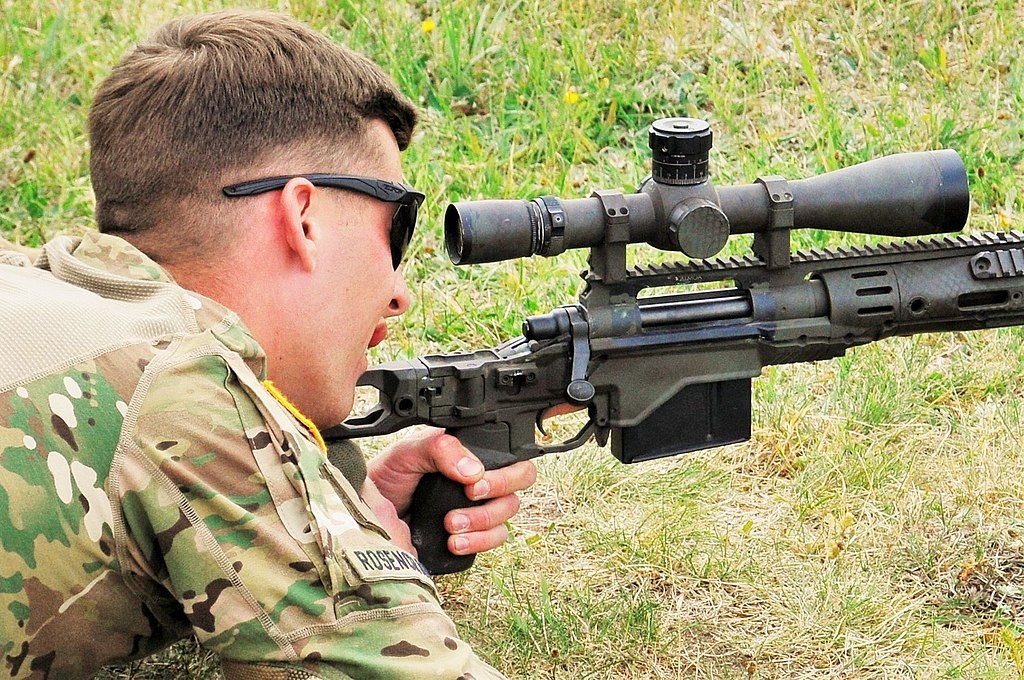
Battle rifles are a distinct class: full-power, shoulder-fired firearms developed for extended reach, durability, and battlefield reliability. This guide explains their history, defining traits, common calibers, ergonomics, roles compared with assault rifles and carbines, optics and accessories, maintenance routines, training emphasis, legal and ethical frameworks, selection considerations, and their place in modern military and specialized civilian contexts. It is educational and non-actionable, intended for readers seeking understanding, not practical instructions.
Definition and scope
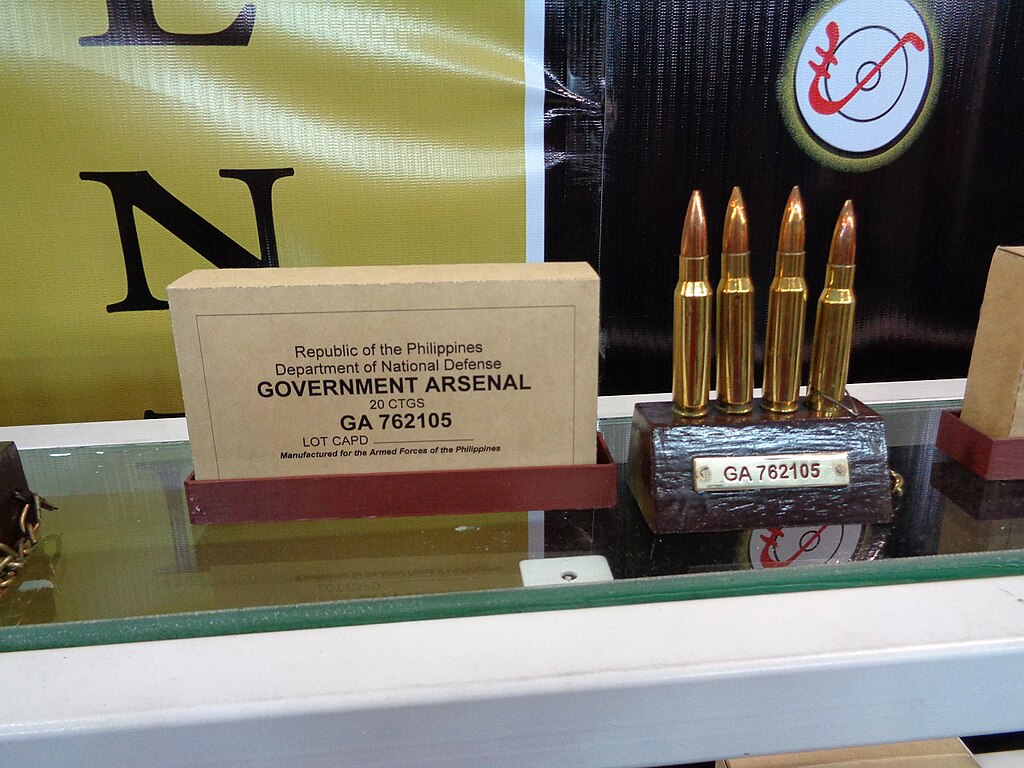
A battle rifle generally describes a service or combat shoulder firearm chambered in full-power cartridges such as 7.62×51mm NATO. These rifles emphasize extended effective range, penetration, and durability in harsh conditions. The term captures role and cartridge power rather than one exact mechanical layout, and it signals tradeoffs in weight and recoil for improved reach and terminal performance in designated roles. They suit tasks prioritizing reach over close-quarters agility.
Historical evolution
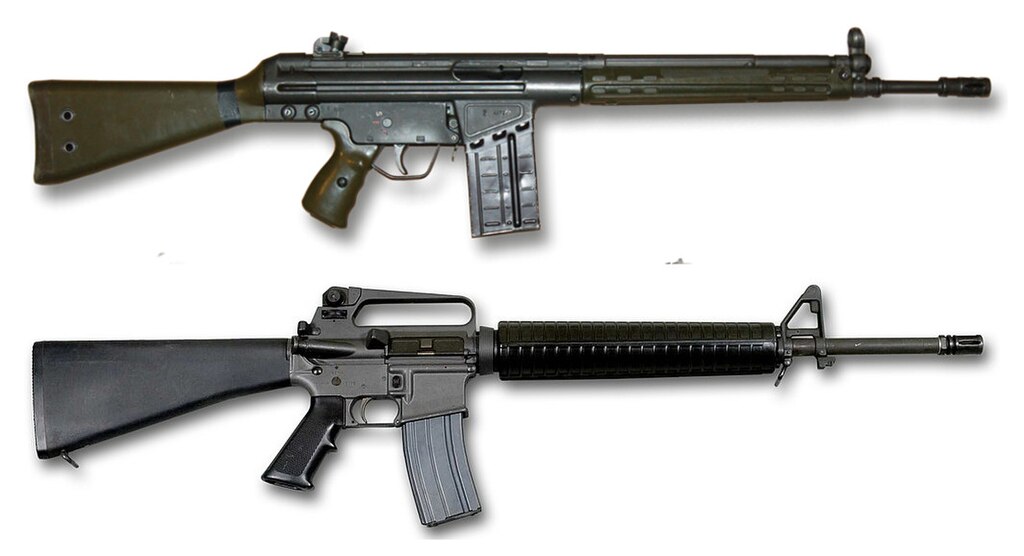
After World War II, many armies adopted semi-automatic or select-fire rifles in full-power cartridges to extend range and firepower compared with bolt-action arms. Mid-century battle rifles informed tactics and logistics, but operational lessons led to wider adoption of lighter, intermediate caliber rifles for general infantry. Still, battle rifles retained roles where range and penetration mattered, shaping later specialist and designated marksman systems. Examples from that era are studied for doctrinal influence.
Common calibers and ballistics
Battle rifles usually use full-power rounds like 7.62×51mm NATO or .30 06, offering greater muzzle energy and longer effective range than intermediate cartridges. That yields stronger barrier penetration and flatter long-range trajectories, but also heavier ammo and more recoil. Those tradeoffs matter for logistics, magazine capacity, and tactical employment where extended reach and terminal performance are required. Such cartridges often suit designated marksman or support roles.
Design and ergonomics
Battle rifles prioritize sturdy construction and shooting stability to support full-power calibers. Features commonly include heavier barrels, reinforced receivers, reliable optic mounts, and ergonomic stocks promoting a consistent cheek weld. Recoil mitigation, such as muzzle devices or stock geometry, reduces shooter fatigue. Control placement and ease of maintenance also shape practical ergonomics for users. Designers balance durability with handling, since mass stabilizes shots but increases carry weight.
Role compared with other classes
Battle rifles differ from assault rifles and carbines chiefly by cartridge power and intended range. Assault rifles typically use intermediate cartridges to balance controllable automatic fire with mobility, while battle rifles trade that mobility for greater range and penetration. Designated marksman rifles and modern support firearms may borrow battle rifle traits to fill niche roles that demand longer reach, accuracy, and terminal performance beyond standard infantry needs. These differences shape tactics and logistics.
High-level operation
Like other modern rifles, battle rifles cycle rounds via gas or recoil-operated mechanisms to extract, eject, and chamber the next cartridge, allowing semi or select fire modes in military designs. At this conceptual level, understanding feeding geometry, bolt locking, and sighting helps explain accuracy and reliability differences. This overview remains descriptive; practical disassembly, repair, or modifications require certified training and legal compliance and are not discussed here.
Optics, sights, and accessories
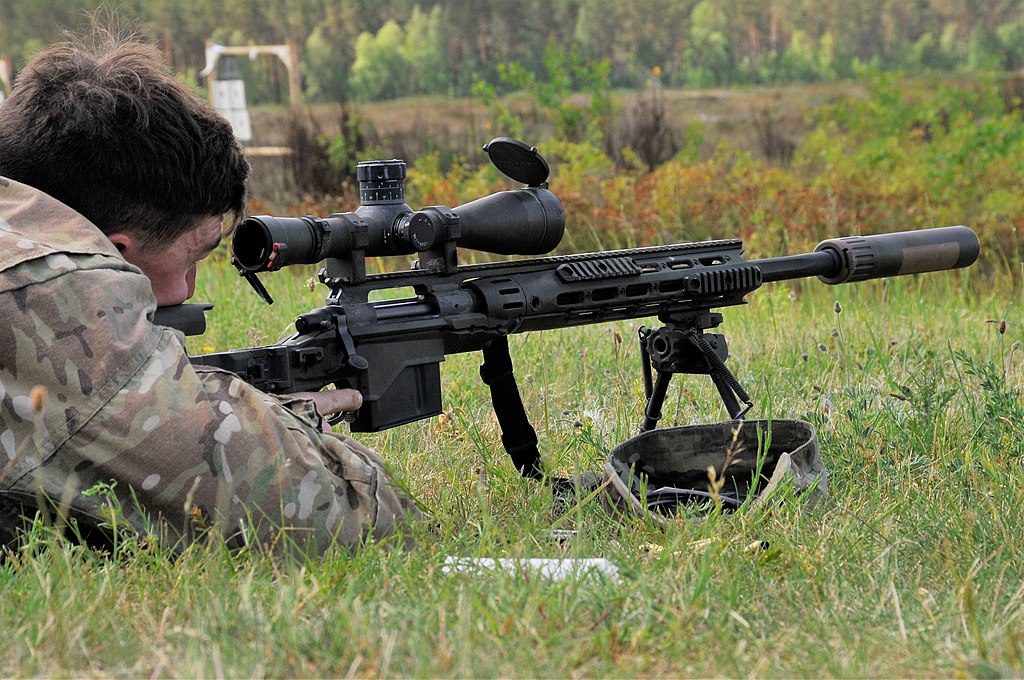
Optics, sights, and accessories: Battle rifles often pair durable low to mid-power optics with sturdy iron sight backups to cover varied ranges. Bipods, solid sling mounts, and proven mounting systems enhance stability and repeatable aiming. Muzzle devices help manage recoil and flash, aiding follow-up shots. Optic choices commonly fall into modest magnification bands that balance the field of view with long-range acquisition for intended roles. Prioritize accessories built for environmental resilience and simplicity.
Maintenance and storage
Regular, manufacturer-recommended care preserves reliability. Basic practices include routine inspection, cleaning after exposure to fouling or harsh environments, lubrication with appropriate products, and checking fasteners and mounts. Storage should be secure, climate-aware, and compliant with laws and safety norms. Serious repairs or alterations should be done by qualified professionals to ensure continued safety and function.
Legal, ethical, and safety considerations

Laws on ownership, transport, and use vary widely across jurisdictions; always check local, state, and national regulations before acquiring or handling such weapons. Ethically, prioritize secure storage, responsible training, and adherence to lawful uses. Consult certified professionals for compliance questions and avoid illicit markets; respect community safety and public trust. Many areas require background checks, permits, or registrations. Understand those processes upfront.
Choosing legacy and future context
Selecting a battle rifle conceptually means matching intended, lawful use to cartridge, ergonomics, and supportability. Consider logistics, recoil tolerance, accuracy needs, and availability of parts or expert service. Historic models remain influential for modern designs that blend power and precision; emerging materials and cartridge research may shape future balance between range, weight, and controllability. Study, training, and legal awareness guide responsible interest.