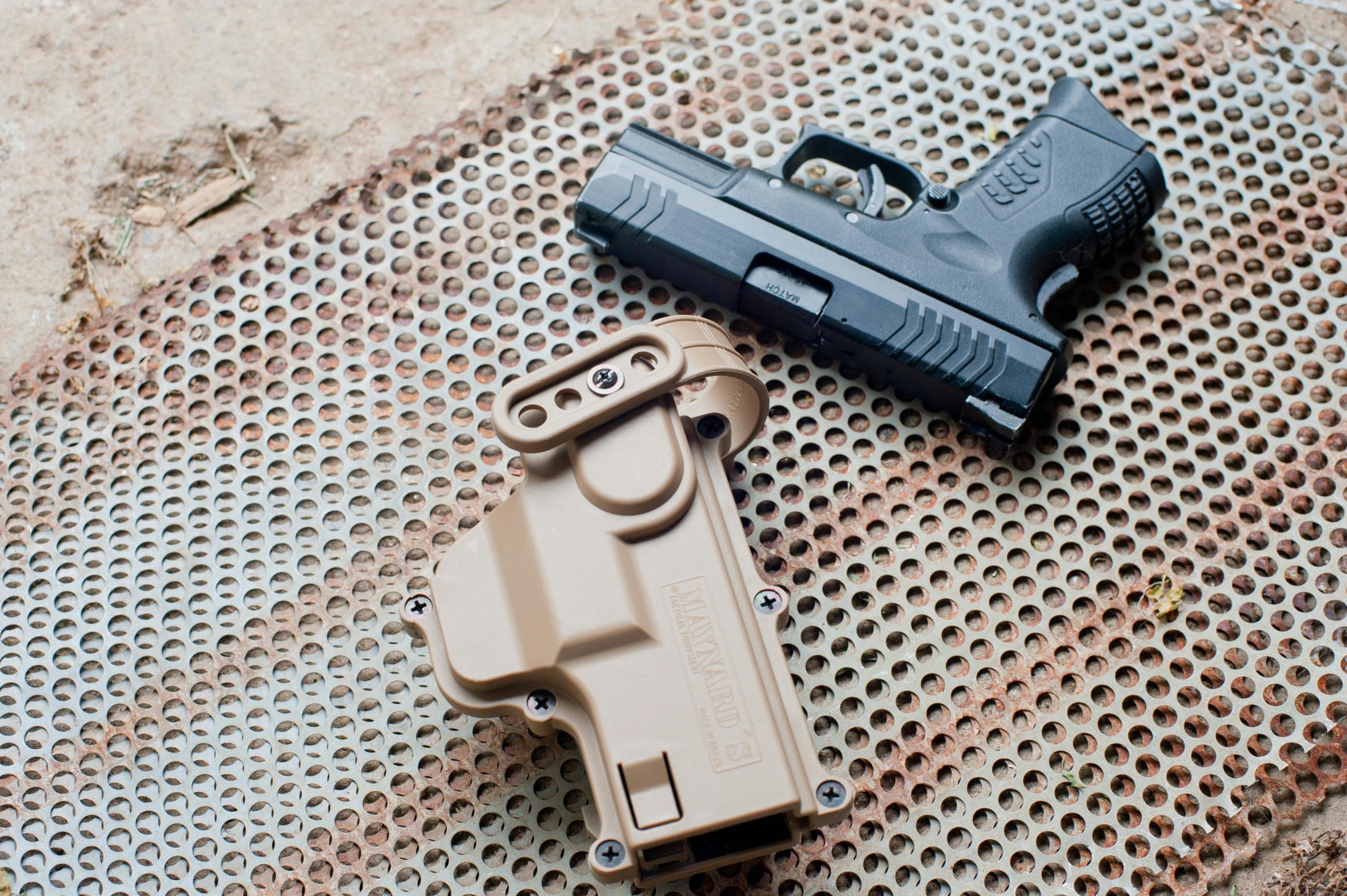
Conversations about concealed carry often drift toward impressive-sounding specifications. Enthusiasts compare numbers, materials, and marketing terms as if tiny differences define real-world performance. Yet daily carry is shaped far more by reliability, comfort, safety, and practical handling than by flashy features. Many commonly praised attributes provide little meaningful advantage once the firearm leaves the display case and enters normal life. Experienced carriers frequently discover that comfort, consistency, and training outweigh technical bragging points. Understanding which features matter less can save money, reduce confusion, and encourage smarter decisions. The following sections explore widely discussed characteristics that tend to receive disproportionate attention despite limited everyday impact.
Extreme Micro Weight Differences
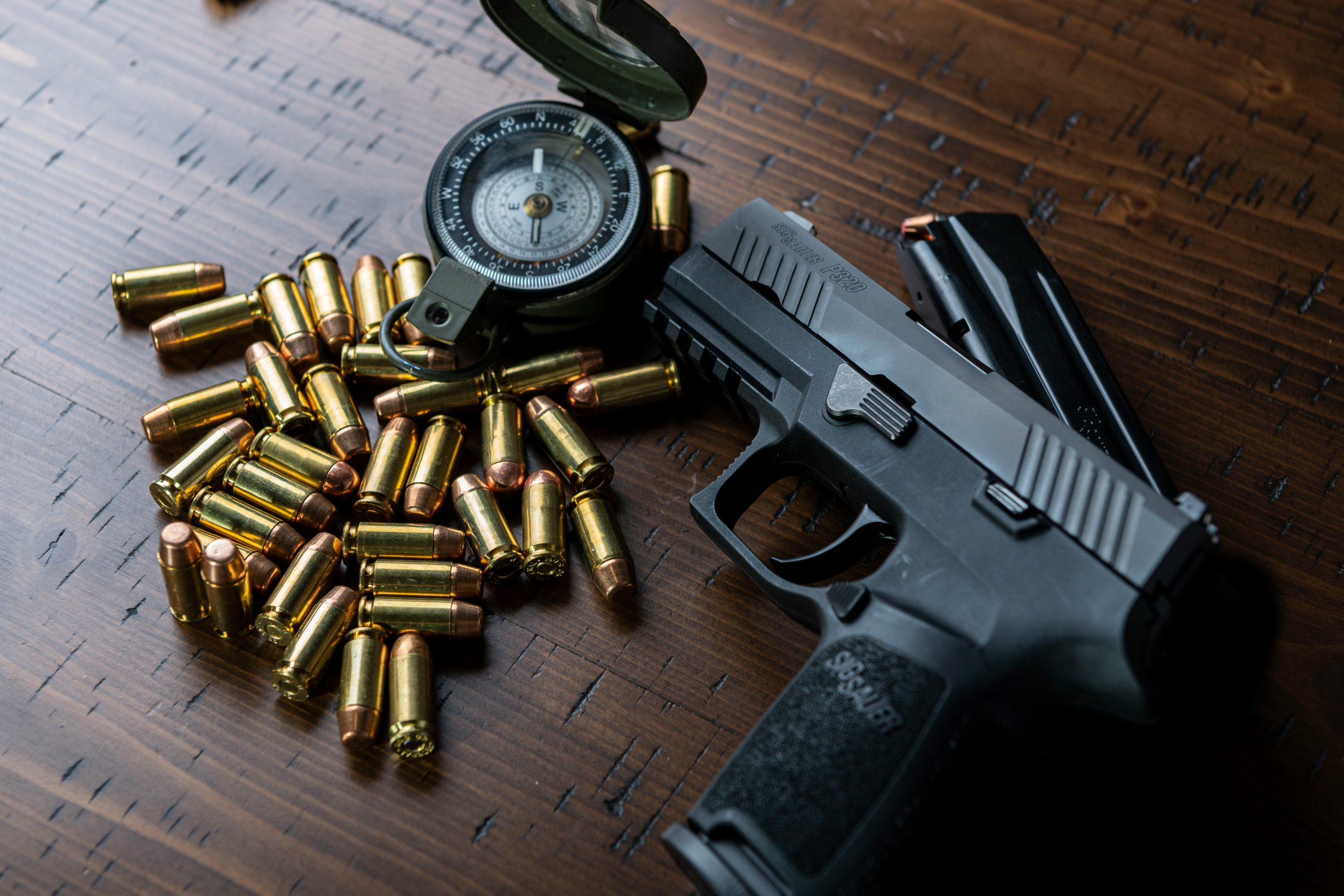
Tiny weight variations often dominate comparisons between similar models. A difference of a few ounces may appear significant on paper, but daily experience rarely reflects dramatic change. Holster design, belt quality, and carry position influence comfort more than marginal weight reductions. Stability and balance typically matter more than absolute lightness. An overly light firearm can even feel less controlled during recoil, affecting follow-up accuracy. Real comfort depends on distribution rather than minimal numbers. Carriers who obsess over micro-weight gaps sometimes overlook more impactful factors, like grip texture or concealment profile. In practical terms, consistency and secure carry usually overshadow fractional reductions that marketing materials emphasize heavily.
Slide Serration Aesthetics
Slide serrations often spark passionate debate, particularly when designs appear aggressive or distinctive. While functional serrations aid manipulation, most modern firearms already provide adequate traction. Additional patterns or stylized cuts rarely alter performance for typical users. Visual appeal often drives preference more than measurable benefit. Under stress, technique and familiarity outweigh cosmetic differences. Excessively sharp or decorative cuts may even accelerate holster wear or collect debris. The true value lies in consistent grip and safe handling rather than appearance. Practical manipulation depends on training and habit, not artistic variations. In everyday concealed carry, reliability and safe operation remain vastly more important than visually striking machining details.
Barrel Length Obsession
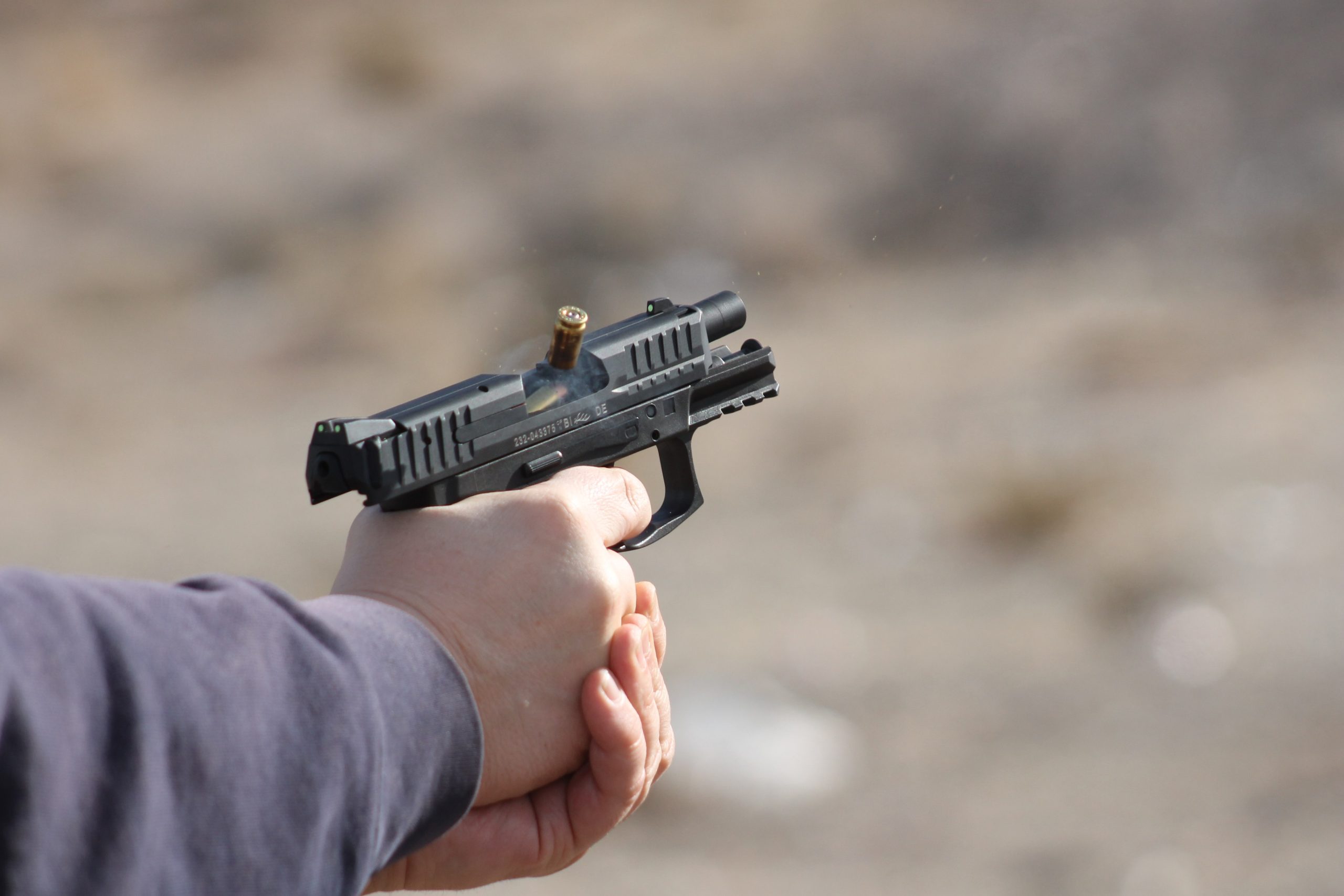
Barrel length comparisons generate endless discussion despite limited concealed carry relevance within common ranges. Small differences rarely produce noticeable changes in defensive accuracy at realistic distances. Concealment, draw comfort, and holster compatibility usually dominate user experience instead. Longer barrels may slightly influence velocity, but ammunition choice and shot placement remain far more consequential. Comfort during seated carry often matters more than marginal ballistic variation. Carriers focused heavily on barrel measurements sometimes ignore factors like grip size, which more strongly affect concealment challenges. In daily use, practical handling and consistent presentation tend to outweigh minimal length adjustments that appear critical only during theoretical evaluations.
High Capacity Bragging Rights
Magazine capacity frequently becomes a centerpiece of comparison and pride. While adequate capacity is important, extreme emphasis can distort priorities. Larger magazines often increase grip size, potentially complicating concealment and comfort. Most defensive scenarios emphasize awareness, avoidance, and accuracy rather than sustained engagement. Confidence and competence stem primarily from training, not numerical advantage. Overvaluing capacity may encourage neglect of reliability or ergonomics. Carry practicality involves balancing concealment with shootability. A comfortably carried firearm that encourages consistent practice offers greater real-world value than a marginally higher capacity that discourages daily use. Responsible preparation focuses on proficiency, situational judgment, and dependable equipment rather than headline numbers alone.
Exotic Material Marketing
Modern firearms advertising frequently highlights advanced alloys or specialized coatings. While material quality matters, reputable manufacturers already meet durability requirements for typical civilian carry. Incremental material differences often exceed practical needs. Environmental exposure, maintenance habits, and storage conditions influence longevity more significantly. Carriers may overestimate the daily impact of premium finishes while overlooking basic care practices. Scratches, holster wear, and cosmetic aging remain normal outcomes regardless of exotic terminology. Functional reliability and corrosion resistance matter far more than prestige value. A well-maintained standard firearm typically performs indistinguishably from heavily marketed alternatives. Real-world performance depends on upkeep, safe handling, and consistent use rather than branding emphasis.
Trigger Pull Micro Variations
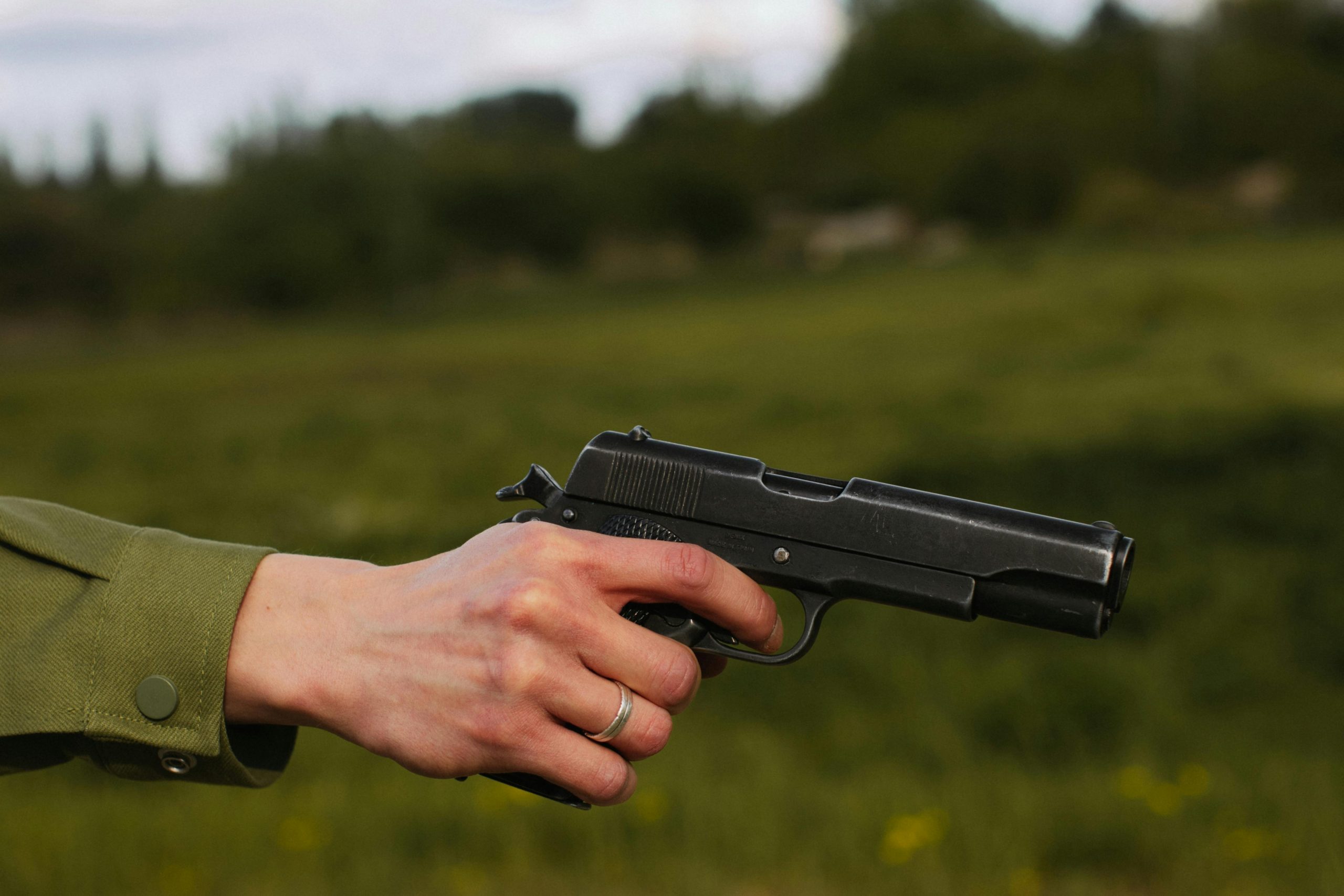
Trigger characteristics naturally affect shooting experience, yet minor pull weight differences often receive exaggerated attention. Practical defensive accuracy relies heavily on grip stability, sight alignment, and consistent practice. Slight pull variations rarely transform outcomes without disciplined training. Comfort and familiarity influence control more than small numerical distinctions. Excessive focus on pull weight can distract from safe trigger discipline and handling habits. Reliability and predictable reset behavior usually matter more than marginal adjustments. Many carriers adapt quickly through repetition. Skill development, not technical fine-tuning, produces meaningful improvement. In concealed carry contexts, confidence and consistency overshadow microscopic differences that appear dramatic only during specification comparisons.
Sight Color Debates
Sight color and style generate strong preferences despite limited impact on fundamental shooting performance. Visibility, durability, and familiarity typically outweigh aesthetic choices. Under stress, target focus and presentation consistency dominate perception. High contrast sights aid acquisition, but most modern options already meet practical needs. Lighting conditions, vision differences, and training habits shape effectiveness more than color selection. Carriers sometimes invest excessive energy comparing cosmetic variations instead of practicing presentation and alignment. Confidence grows from repetition rather than visual novelty. Functional clarity and durability matter far more than stylistic nuance. In daily carry, dependable performance and shooter familiarity remain far more influential than color-based distinctions.
Aggressive Texture Extremes
Grip texture often becomes a competitive feature, with increasingly aggressive patterns marketed as superior. While traction is important, excessively rough surfaces may reduce comfort during extended carry. Clothing abrasion and skin irritation can discourage consistent use. Balanced texture provides adequate control without unnecessary discomfort. Real handling stability derives from technique and grip strength rather than extreme roughness. Comfort strongly influences daily carry adherence. Carriers who prioritize practicality often prefer moderate textures that support both concealment and shooting control. Subtle ergonomics typically matter more than exaggerated patterns. A comfortably handled firearm encourages practice and confidence, delivering greater benefit than aggressive designs that complicate routine carry experiences.
Minimal Width Differences
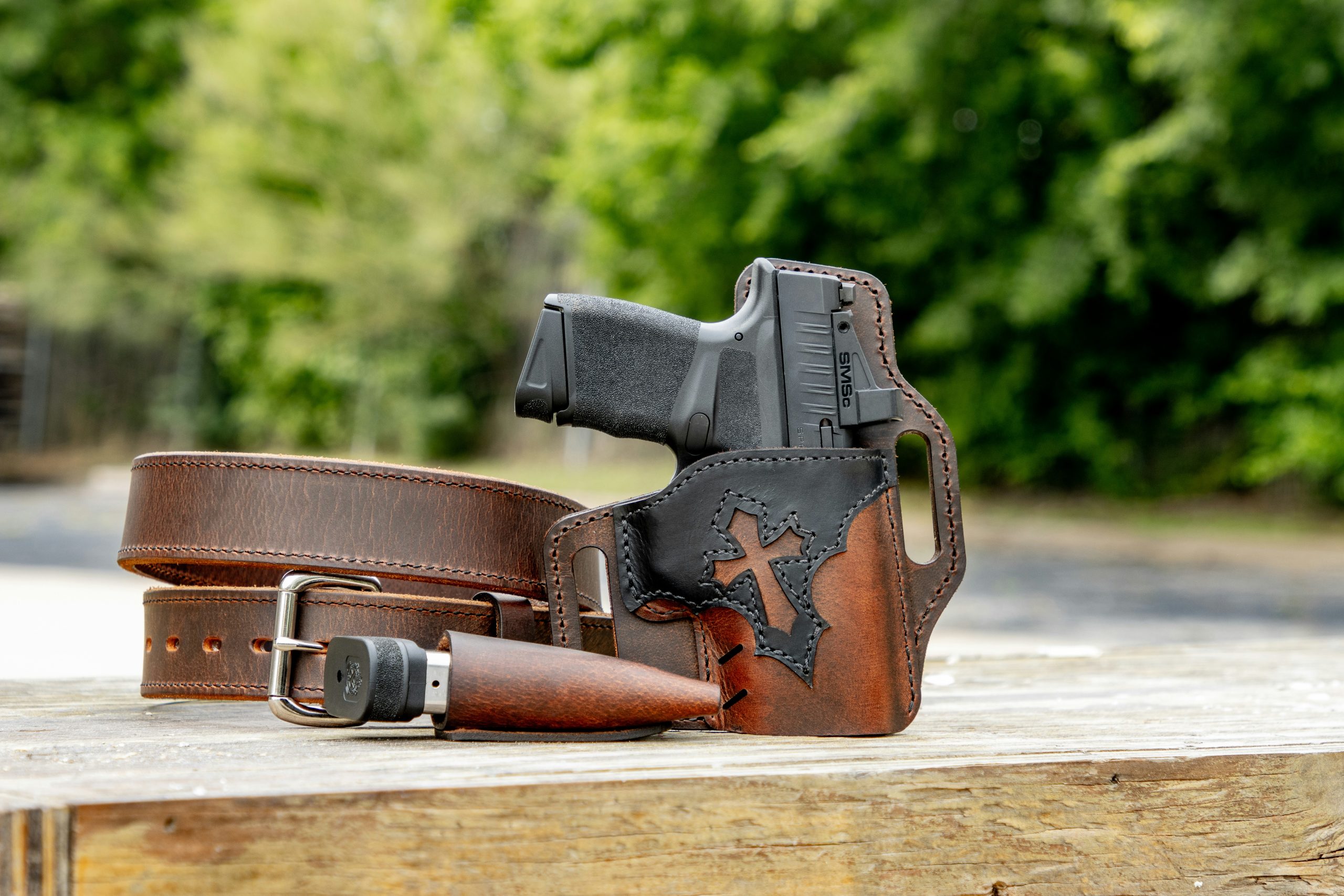
Firearm width comparisons frequently emphasize fractions of an inch as decisive factors. In reality, holster design, belt support, and body type exert far greater influence on concealment. Slight dimensional differences rarely produce dramatic changes without considering the overall carry setup. Comfort and stability depend on integration rather than isolated measurements. Carriers may misinterpret specifications without accounting for clothing choices or positioning. Practical concealment reflects system harmony rather than singular dimensions. Reliability, safe handling, and consistent accessibility matter far more. Width becomes meaningful only when differences are substantial. Minor variations generally fade against broader considerations shaping everyday comfort and concealment effectiveness.
Cosmetic Customization Focus
Visual customization often attracts attention and pride, yet practical concealed carry prioritizes function over appearance. Finish choices, engravings, and stylistic details rarely influence reliability or safe handling. Daily wear inevitably alters aesthetics regardless of initial perfection. Overemphasis on cosmetics may discourage regular practice or comfortable carry. Confidence grows from familiarity and competence rather than visual distinction. Functional upgrades differ from decorative alterations. Responsible carriers typically emphasize durability, comfort, and dependable operation. Appearance remains secondary to performance and safety. In realistic contexts, skill, awareness, and consistency outweigh cosmetic refinement. Practical effectiveness stems from preparation and discipline rather than visual individuality.