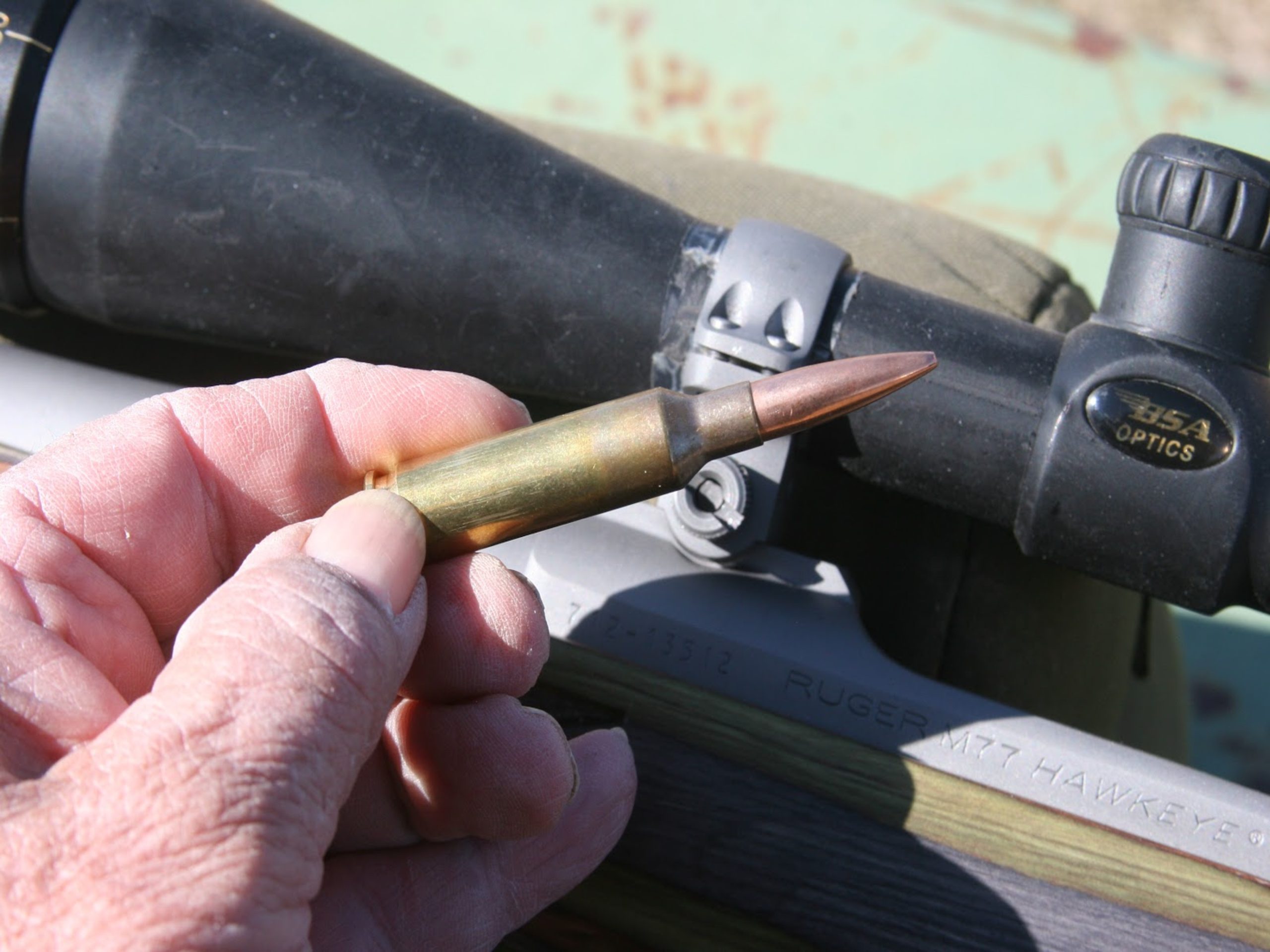
There’s a funny thing that happens in the shooting world. A shooter spends years chasing the newest, flashiest cartridge, convinced the next one will finally be perfect. Then, quietly, they circle back to something older.
Something proven. The calibers on this list aren’t here because of marketing.
They’re here because thousands of real-world shooters tested everything on the market and landed right back where they started.
Whether you’re hunting, competing, or building a home defense setup, these are the rounds that simply refuse to be replaced.
9mm Luger: The Round That Outran Its Critics
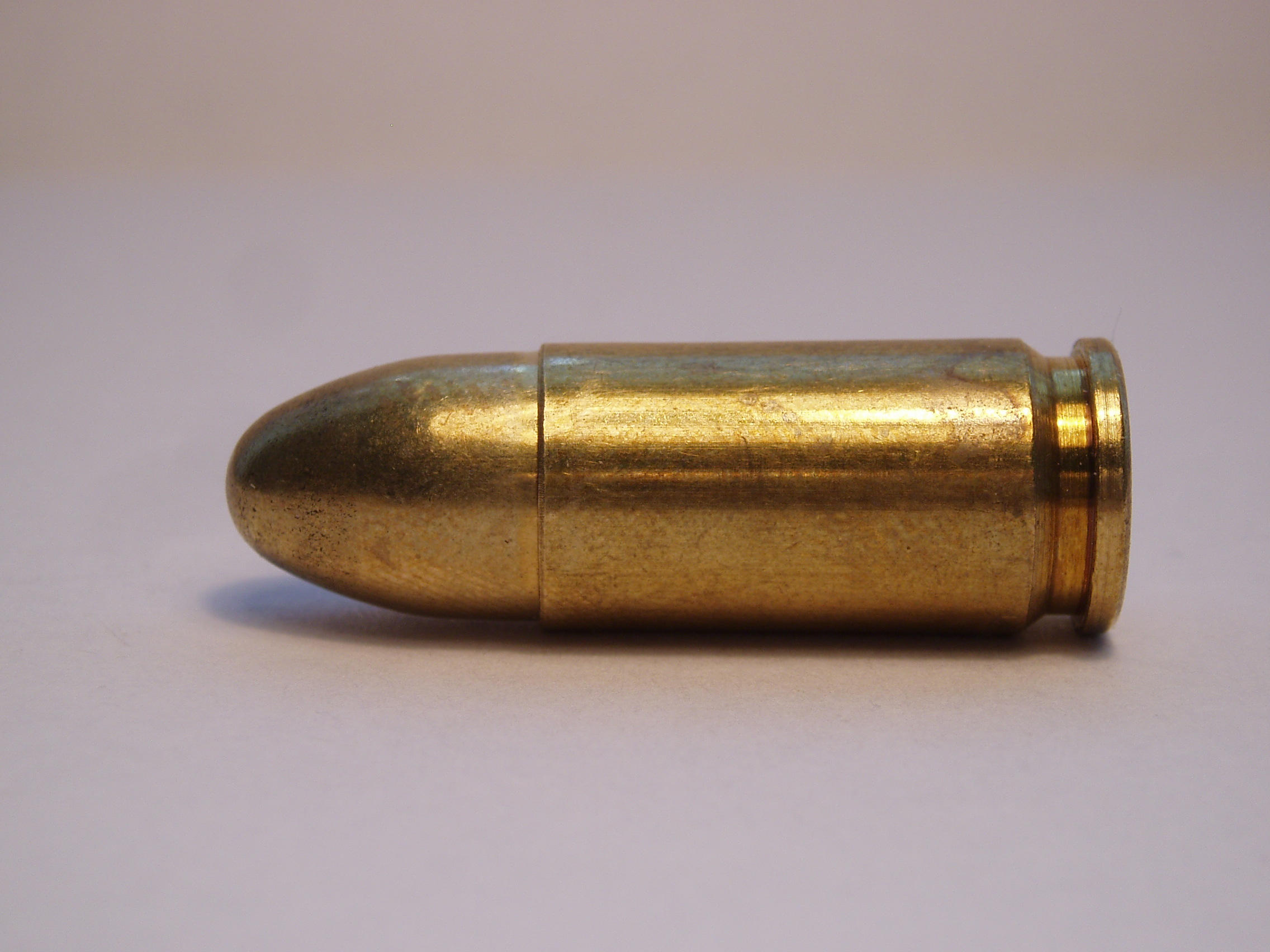
Few calibers have survived more death sentences than the 9mm Luger, developed in 1901 by Georg Luger.
For decades, critics called it underpowered against the .45 ACP.
Then the FBI’s landmark 1989 study, followed by their 2014 reversal back to 9mm, changed the conversation completely.
Modern 9mm hollow points now expand to nearly 1.5x their original diameter, delivering terminal performance that rivals larger cartridges.
A standard 115-grain round travels at roughly 1,180 fps, while +P loads push past 1,300 fps with ease.
Recoil stays low, magazine capacity stays high, and factory ammo costs roughly 30–50% less than .45 ACP.
Competitive shooters love it. New shooters survive it. Veterans trust it daily.
.308 Winchester: The Precision Cartridge That Does Everything
The .308 Winchester arrived in 1952 and immediately started making the .30-06 nervous about job security.
It delivers nearly identical downrange energy in a shorter, more efficient case that cycles faster in semi-auto platforms.
A 168-grain match-grade load exits the muzzle at around 2,650 fps, generating approximately 2,620 ft-lbs of energy.
The effective ethical hunting range sits at 600 yards for most rifles, with trained precision shooters stretching it past 1,000.
More bolt-action rifles are chambered in .308 than almost any other centerfire cartridge, creating an enormous aftermarket.
Factory ammunition is available across virtually every price point, from $0.80-per-round bulk packs to $3.00+ premium hunting loads.
Hunters, military snipers, and 3-gun competitors have all shared this cartridge without complaint for 70+ years.
.22 LR: The One Caliber Nobody Actually Quits
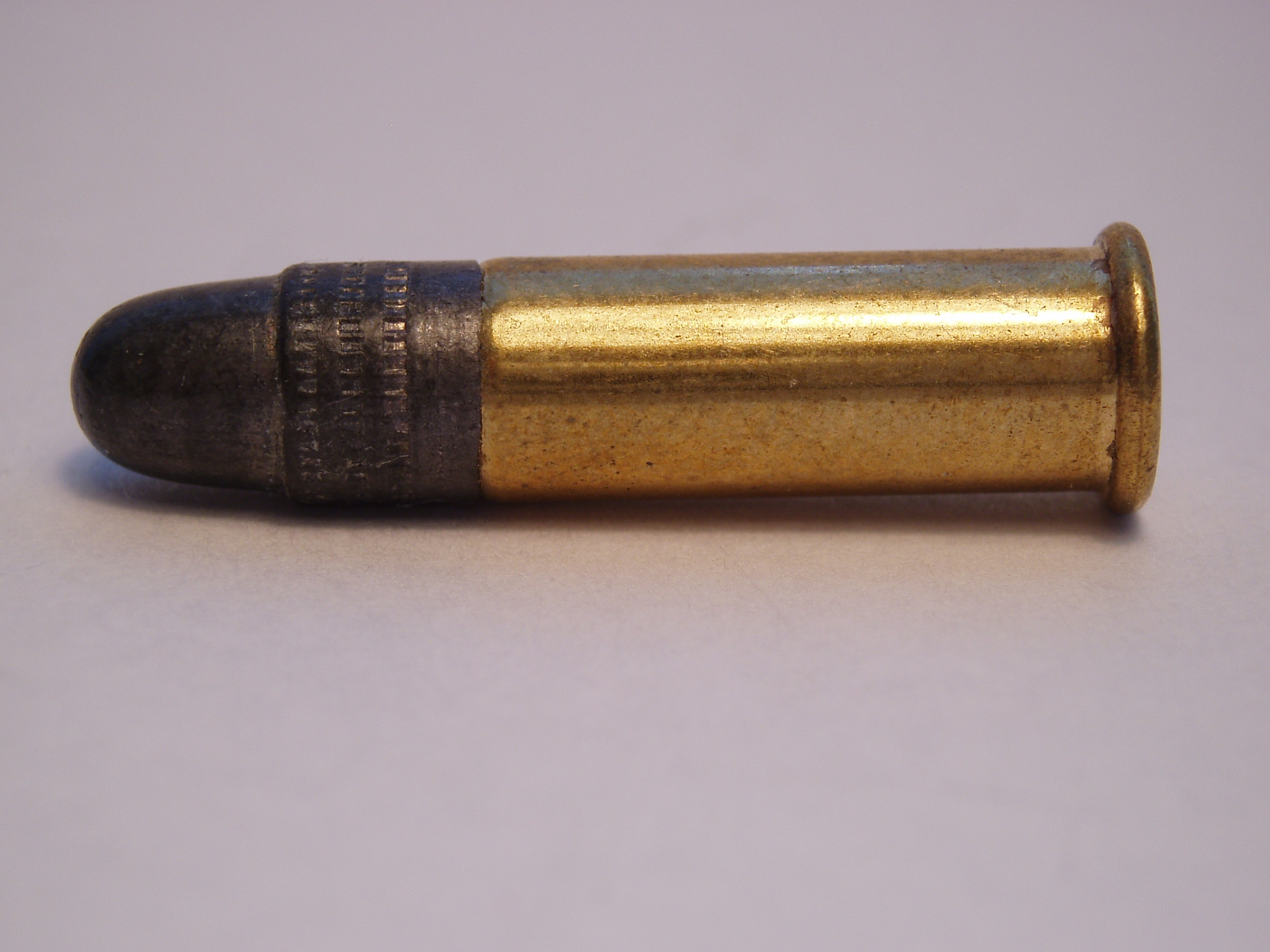
Shooters buy their first gun in .22 LR, then spend 20 years trying to move on, and most never fully do.
The .22 Long Rifle has existed since 1887, and its longevity makes every other caliber look like a newcomer.
A standard 40-grain round-nose bullet travels at approximately 1,080 fps, generating just 104 ft-lbs of muzzle energy.
That low energy translates directly into almost zero recoil, making it the universal training platform for new and experienced shooters alike.
Bulk packs of 500 rounds routinely sell for $25–$35, making it the most affordable centerfire-adjacent practice round available today.
Small game hunters rely on it for squirrel and rabbit at ranges under 100 yards.
No caliber on earth has taught more people to shoot, nd it still hasn’t been replaced.
.45 ACP: Old School Stopping Power With a Loyal Following
John Browning designed the .45 ACP in 1904, and it served the U.S. military for 75 straight years before the 9mm took over.
That kind of longevity doesn’t happen by accident; it happens because the cartridge genuinely works.
A standard 230-grain FMJ round moves at around 830 fps, generating roughly 356 ft-lbs of muzzle energy in a large, wide package.
The .45’s wide-diameter projectile measuring 0.452 inches creates a large permanent wound channel even without expansion.
1911 fans, IDPA competitors, and home defense advocates all return to this cartridge with consistent loyalty year after year.
Factory defensive loads from brands like Federal HST and Speer Gold Dot deliver reliable expansion to 0.70–0.80 inches after impact.
It’s slower than 9mm but still deeply respected by anyone who has shot it seriously.
5.56 NATO / .223 Remington: The AR Platform’s Heartbeat

The 5.56 NATO didn’t become the world’s most popular rifle cartridge by luck; it got there through decades of battlefield testing.
Adopted by NATO in 1980, it remains the standard infantry round for the U.S. military and 29 allied nations as of 2024.
A 55-grain FMJ exits the muzzle at approximately 3,240 fps, generating around 1,282 ft-lbs of energy in a lightweight, fast package.
That velocity creates dramatic fragmentation in soft tissue when the bullet tumbles, contributing to its well-documented terminal effectiveness.
For civilian AR-15 owners, .223 Remington ammunition is widely available, with bulk 1,000-round cases available for roughly $350–$450.
Varmint hunters use it effectively to 400 yards; 3-gun competitors run it all season without switching.
No other caliber dominates the semi-auto rifle space with the same combination of availability, performance, and platform support.
6.5 Creedmoor: The Newcomer That Earned Its Permanent Seat
The 6.5 Creedmoor was introduced by Hornady in 2007 and spent its first decade being called a gimmick by traditionalists.
By 2018, it had dethroned the .308 in long-range precision rifle competitions across North America.
A 143-grain ELD-X bullet exits at 2,700 fps, retaining a ballistic coefficient of 0.625, significantly better than most .308 loads.
At 1,000 yards, the 6.5 Creedmoor arrives with roughly 900 ft-lbs of energy, hitting harder at distance than comparable .308 loads.
Wind drift at 500 yards is approximately 25% less than a standard .308 Winchester round under identical conditions.
Hunters targeting elk, deer, and pronghorn at ranges between 400 and 00 yards consider it genuinely hard to beat.
It proved that a cartridge doesn’t need decades of history to earn a permanent place in a serious shooter’s safe.
12 Gauge: The Shotgun Round That Refuses Retirement
The 12 gauge has been ending debates about stopping power since the 1800s, and nothing in the intervening 150 years has changed that.
It remains the most popular shotgun gauge in North America, accounting for roughly 50% of all shotgun ammunition sold annually.
A standard 2¾-inch buckshot load delivers nine 00 pellets at approximately 1,325 fps, releasing over 2,000 ft-lbs of combined energy.
Slug loads punch even harder. A 1-ounce Foster slug hits approximately 1,600 fps, generating around 2,485 ft-lbs at the muzzle.
The platform’s versatility is unmatched: bird shot for upland game, buckshot for home defense, and slugs for large game up to 125 yards.
Law enforcement agencies across the U.S. still issue 12-gauge pump-action shotguns as primary patrol weapons in 2024.
Shooters who “move past” it almost always have one in the safe just in case.
.357 Magnum: The Revolver Round That Made History Twice
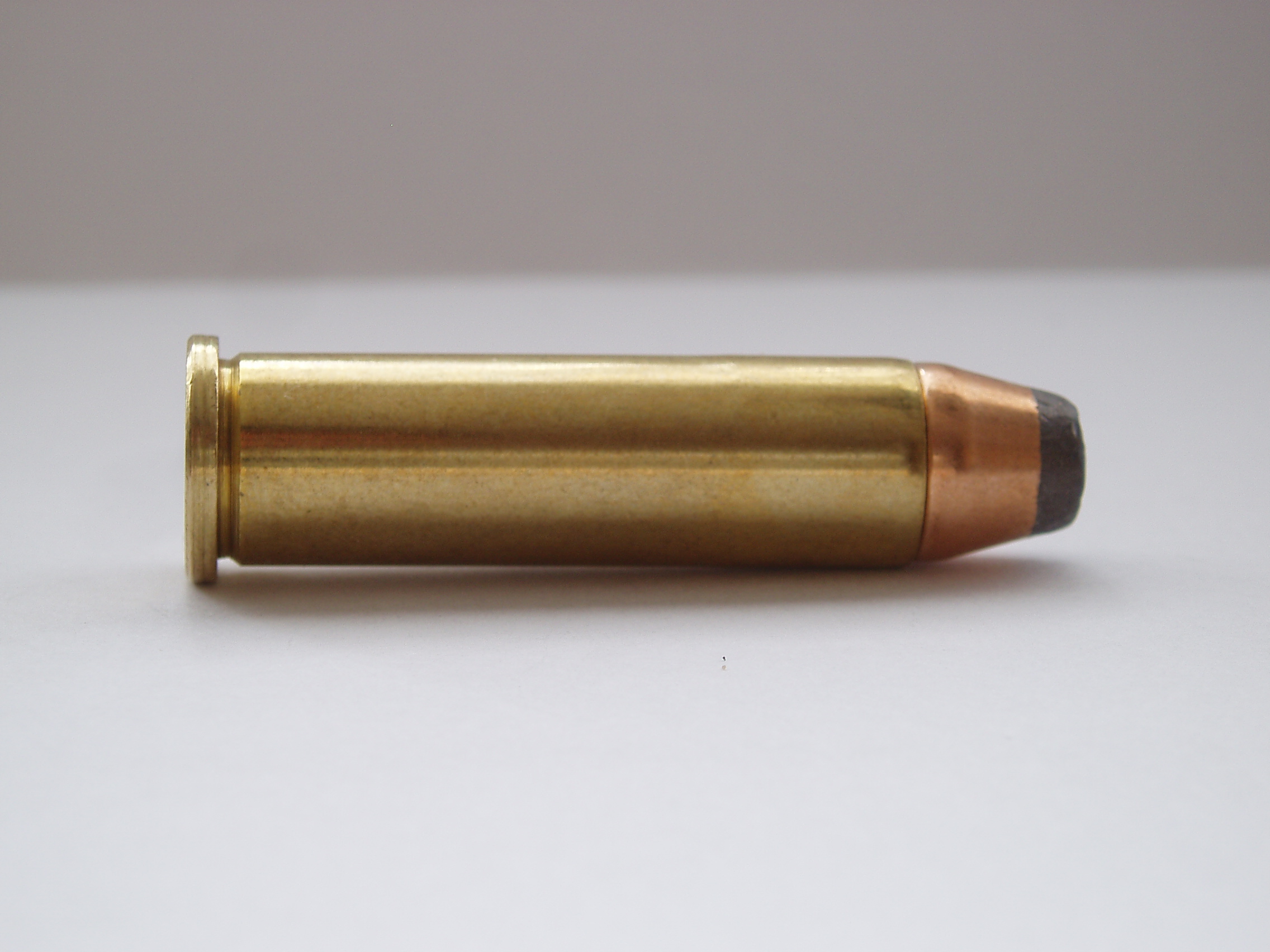
The .357 Magnum launched in 1935 as the most powerful handgun cartridge in the world, purpose-built to defeat early ballistic vests.
It held that title until the .44 Magnum arrived in 1955, and even then, it refused to become irrelevant.
A 158-grain jacketed soft point exits a 4-inch barrel at around 1,235 fps, delivering roughly 535 ft-lbs of muzzle energy.
That puts it firmly ahead of standard 9mm and well ahead of .45 ACP in raw kinetic output from comparable barrel lengths.
Revolvers chambered in .357 Magnum also shoot .38 Special, doubling ammunition compatibility and reducing practice costs significantly.
Hunters use it on deer-sized game inside 75 yards; handgun hunters report consistent one-shot results with proper shot placement.
Decades after its introduction, the .357 Magnum still gets recommended by instructors, relied on by guides, and trusted in the field.