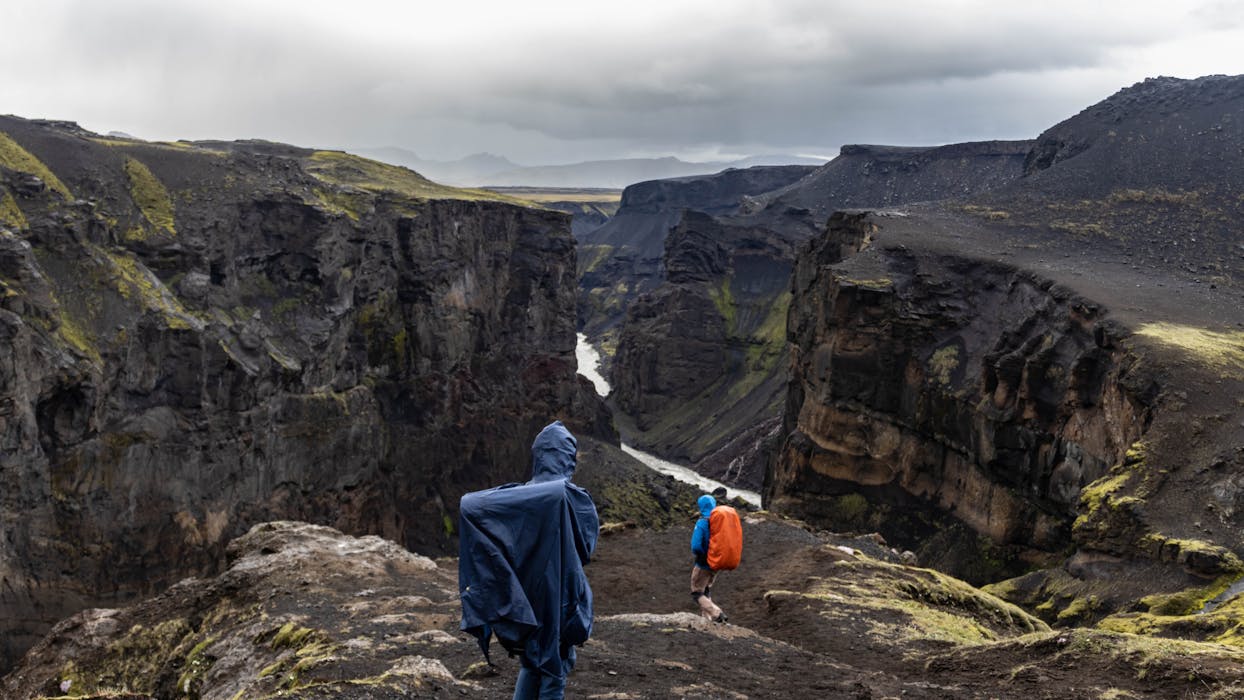
The experience of setting out on a trail often depends on the timing, and hikers across different regions have long recognized how the right start can shape comfort, energy, and overall enjoyment. Cooler temperatures help create a steadier pace, reduce strain, and offer clearer views unobstructed by midday haze or heat. Many outdoor enthusiasts appreciate how early or late starts align with natural rhythms, allowing landscapes to feel more peaceful and wildlife to appear more active. The shifting colors of early light or the soft calm of late afternoon create inviting conditions for both short walks and longer treks. Understanding how temperature patterns change throughout the day helps hikers plan routes that feel safer, more relaxing, and far more rewarding in varied terrain.
Early Morning Advantages
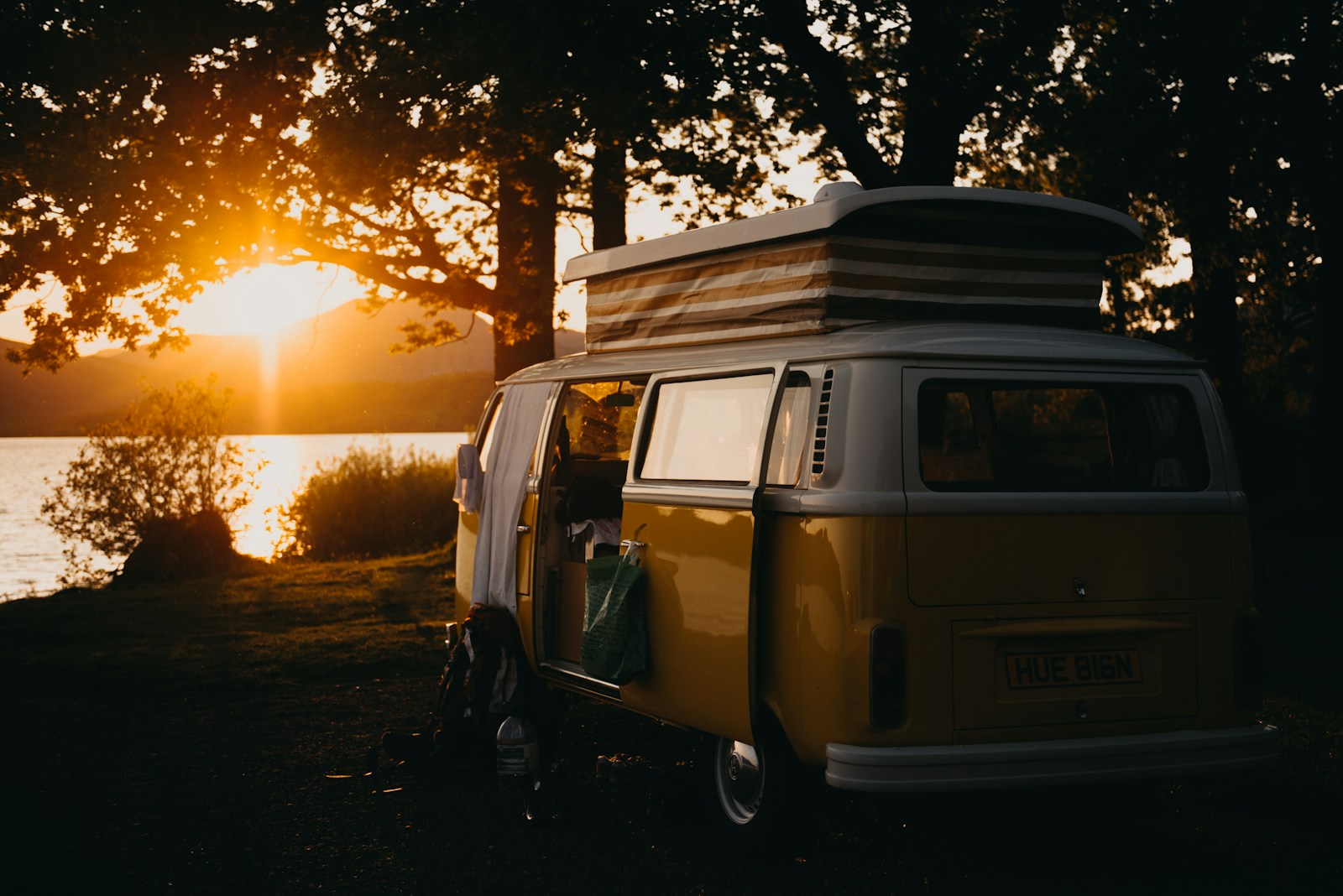
The early morning remains the most reliable time to begin a hike when cooler temperatures matter, as overnight conditions naturally lower heat levels and create a crisp atmosphere that supports comfortable movement. Many trails feel more inviting at this hour, with gentle breezes and reduced sun exposure helping hikers maintain steady progress without overheating. Wildlife activity often increases around dawn, adding moments of interest that enrich the overall experience. Morning light also enhances visibility while softening shadows, making navigation easier on unfamiliar paths. The reduced humidity common in early hours helps prevent fatigue, especially on longer routes or climbs. These combined benefits make early morning a preferred starting window for those who want cooler, more manageable trail conditions.
Late Afternoon Benefits
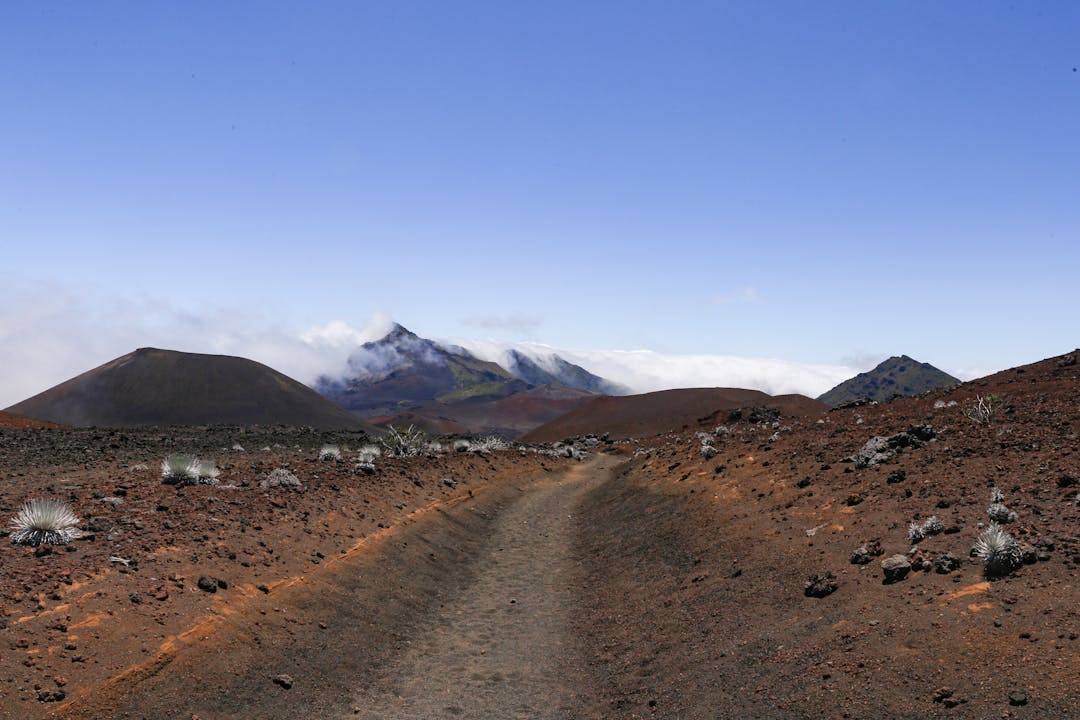
Late afternoon offers another appealing window for cooler hiking conditions as temperatures begin to fall after the day’s peak heat. Many trails become more comfortable as the sun dips lower, creating shaded stretches that ease the physical demands of walking. The atmosphere often feels calmer during this time, allowing hikers to enjoy changing colors across the landscape as the light softens. Breezes tend to pick up later in the day, providing natural cooling that supports steady movement without excessive exertion. This timing works especially well for shorter hikes or scenic routes planned around sunset views. The combination of fading warmth, shifting light, and quieter surroundings provides an inviting alternative for those who prefer not to begin their trek at daybreak.
Midday Conditions to Avoid
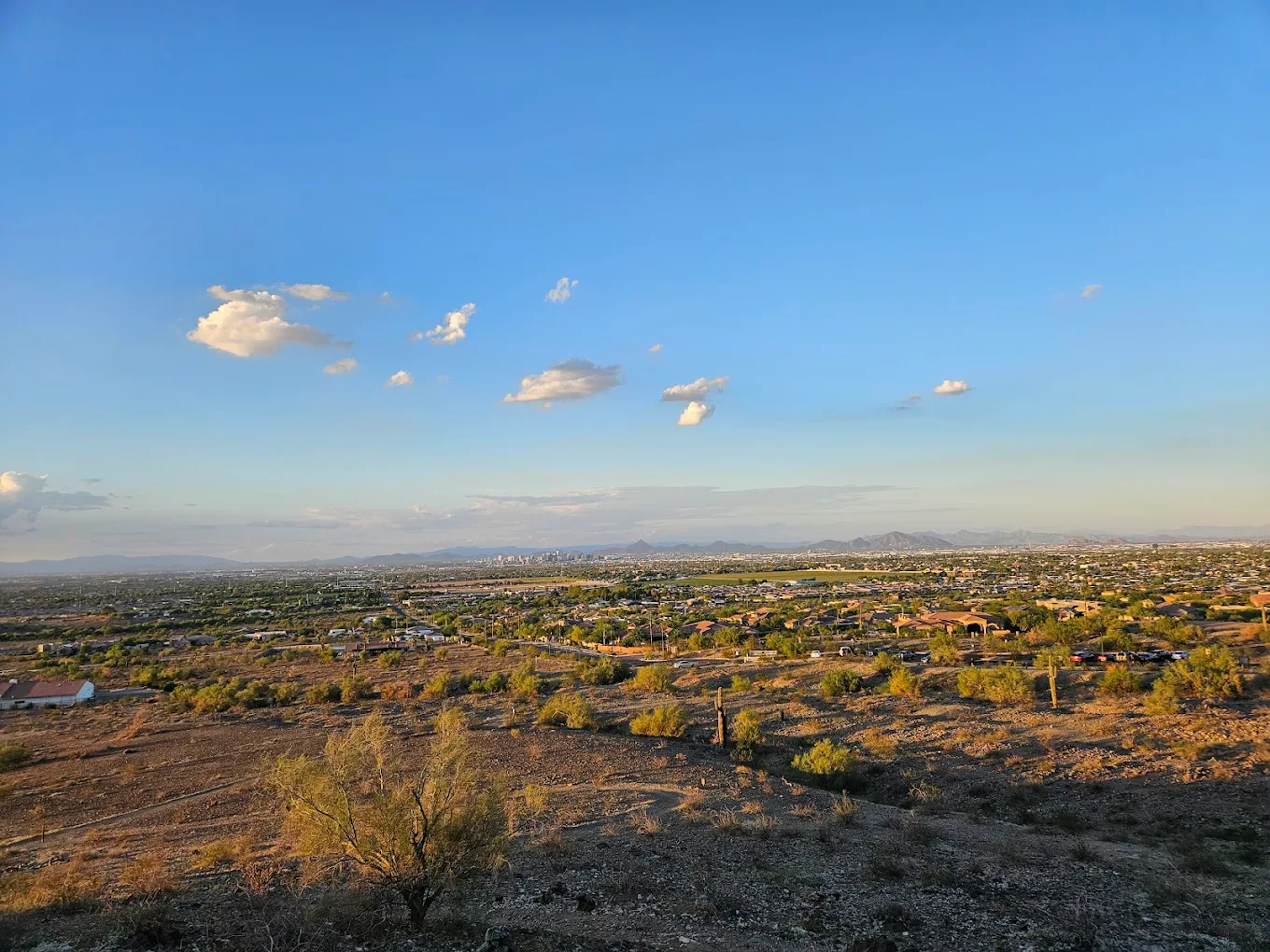
Midday remains the least favorable time to start a hike when cooler temperatures are a priority, as the sun reaches its highest point and intensifies heat across exposed terrain. Trails with limited shade become particularly challenging during this period, increasing the risk of discomfort and reduced stamina. Heat buildup can also amplify reflective surfaces such as rock formations or sandy paths, making conditions feel warmer than expected. Wildlife activity typically decreases under strong sunlight, reducing opportunities for natural encounters that enrich the experience. Even experienced hikers often adjust their schedules to avoid the strain associated with midday heat. For those aiming to enjoy a steadier pace and greater comfort, planning around this high-temperature window becomes essential in both warm and temperate climates.