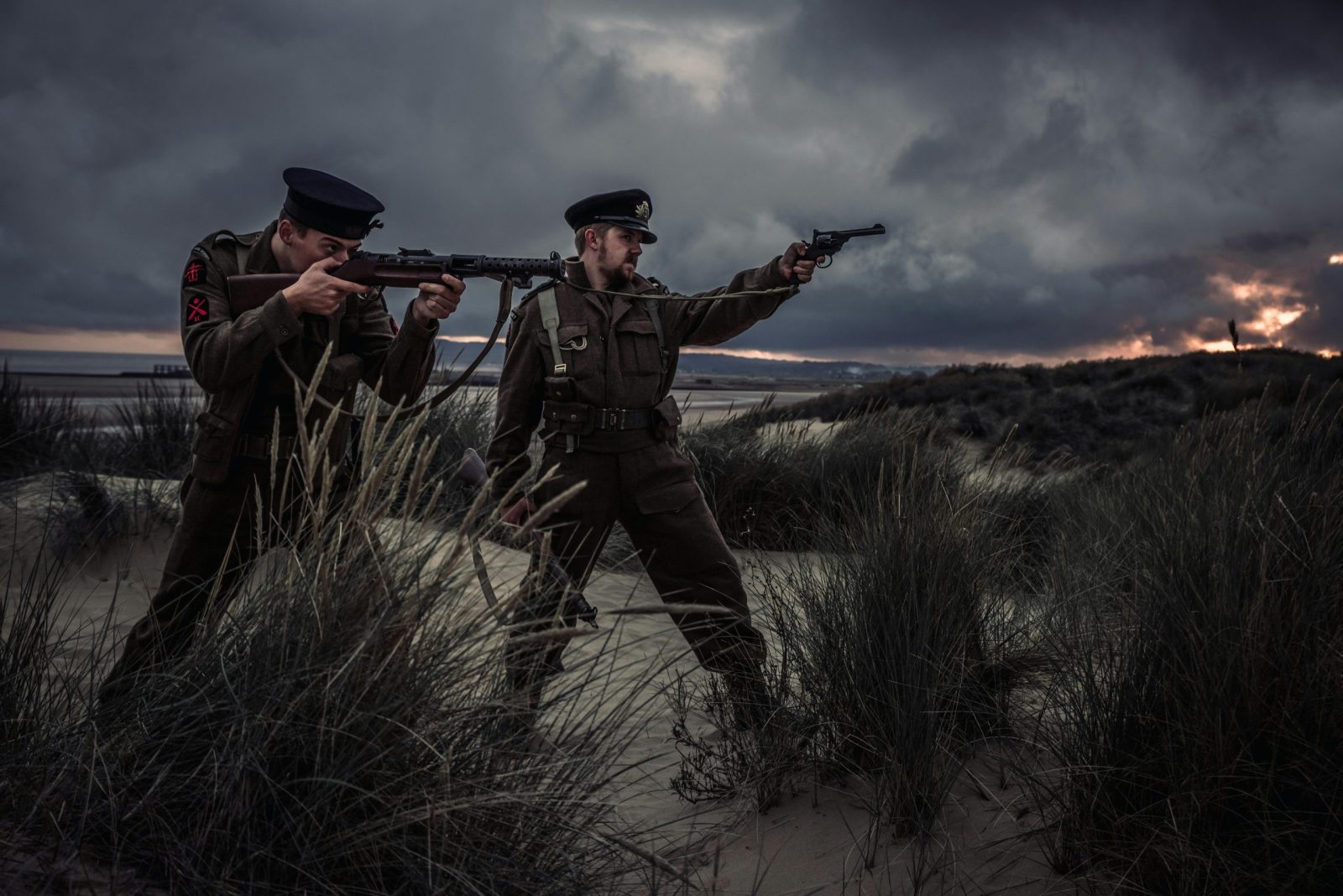
The Army knew this pistol was flawed, but it was too expensive to replace for several decades during the early twentieth century. This specific handgun served as the primary sidearm for American soldiers despite having several well-documented mechanical issues that compromised absolute reliability in the field. Budget constraints and the sheer scale of the military often forced leadership to maintain aging equipment rather than investing in a modern and superior design immediately. Understanding this historical dilemma provides a fascinating look at the logistical challenges that define the evolution of standard-issue weaponry for the modern and brave service members.
The M1892 Army Navy Revolver
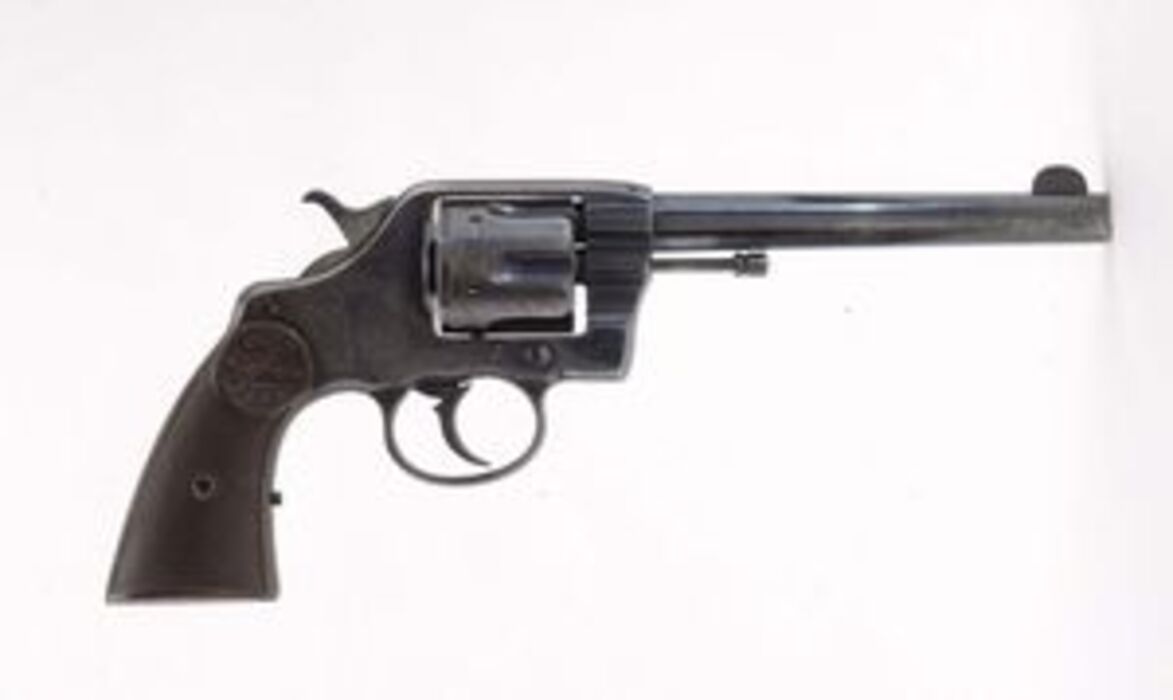
The M1892 Army-Navy revolver was the first double-action swing-out cylinder handgun issued to the troops during a very chaotic era. This weapon featured a cylinder that rotated in a clockwise direction, which often pushed the assembly out of proper alignment with the stationary barrel. Soldiers frequently complained about timing issues and the overall lack of stopping power provided by the relatively small and underpowered thirty-eight caliber cartridge. Despite these clear and dangerous flaws, the high cost of a total replacement meant that the military continued to issue this problematic and aging revolver for many long years.
Logistical Burden Of New Designs
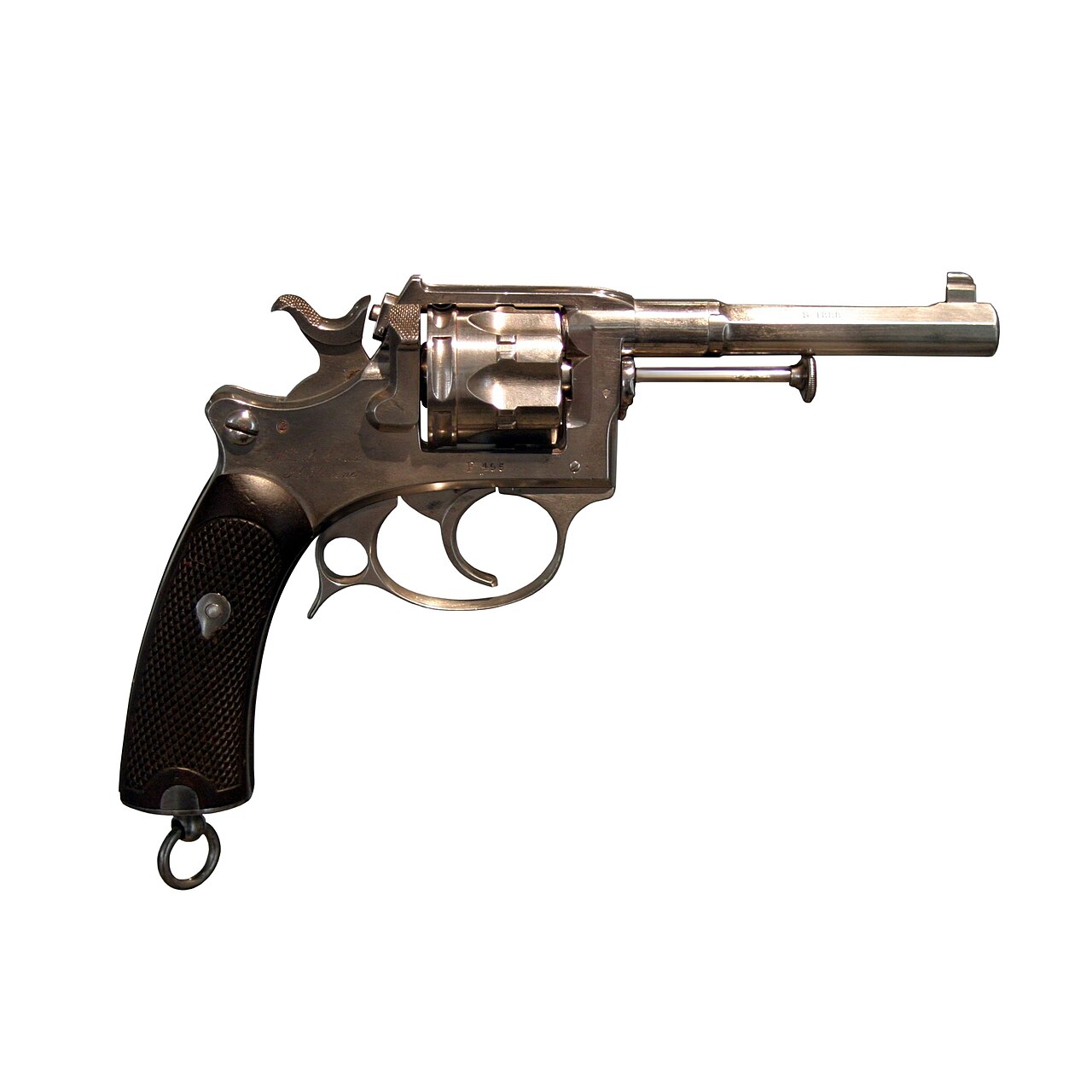
Introducing a completely new firearm platform requires an immense investment in specialized training and the procurement of massive amounts of compatible ammunition today. The Army leadership often hesitated to abandon existing stock because the financial burden of retooling factories and retraining thousands of soldiers was incredibly steep. This economic reality meant that flawed handguns remained in service much longer than the frontline troops found acceptable during their difficult missions. The bureaucracy of the military supply chain frequently moved much more slowly than the rapid technological advancements occurring in the private sector. Practicality often lost the battle against the sheer massive cost.
The Influence Of Manufacturing Politics
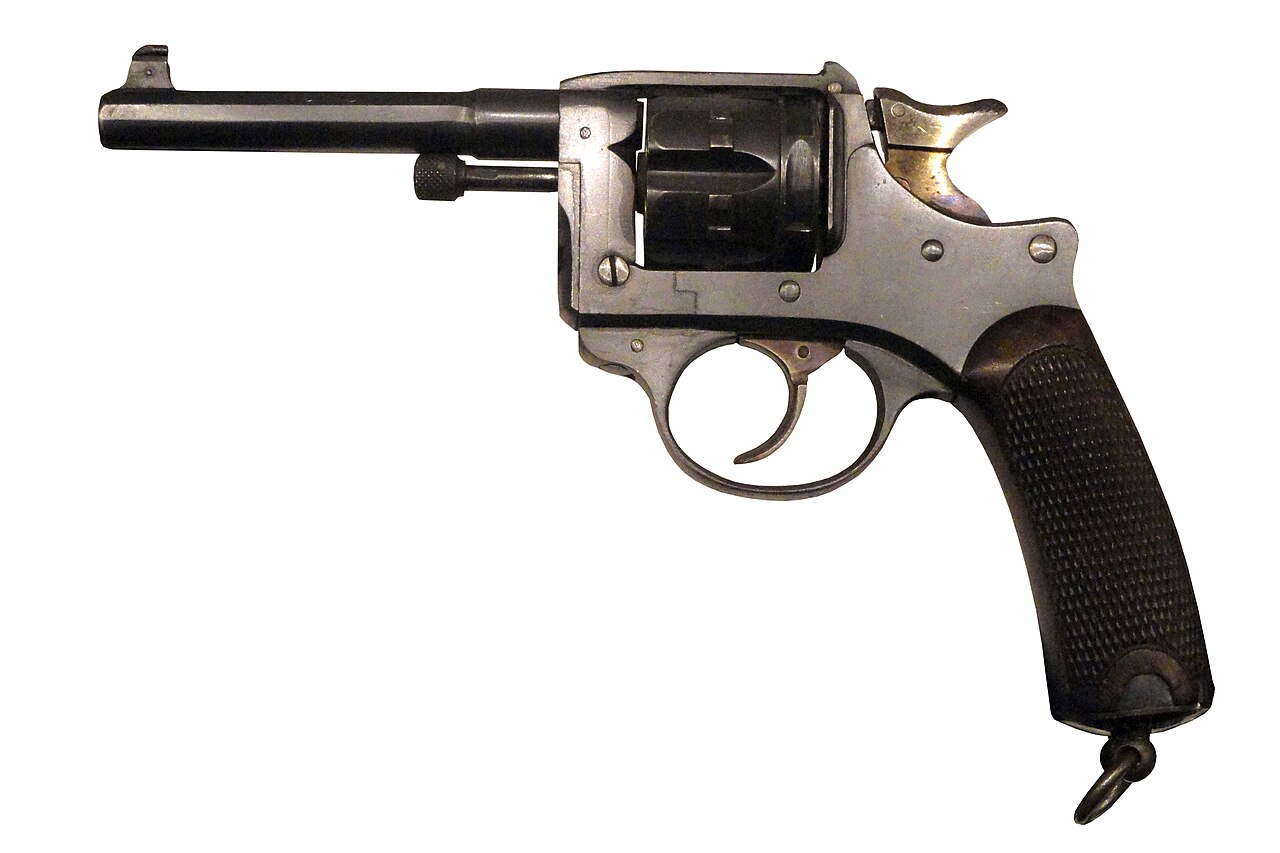
Political interests and large-scale manufacturing contracts often played a significant role in keeping aging and flawed firearms within the military arsenal. Influential companies lobbied to maintain their existing production lines rather than allowing new and innovative competitors to secure lucrative government deals. This specific type of stagnation meant that the average soldier had to rely on a secondary tool that was clearly outdated for modern warfare needs. Overcoming these entrenched interests required a major shift in military priorities and a significant increase in the federal budget for equipment. The struggle for better gear involved more than just technical merit.
Impact On Combat Effectiveness

A flawed sidearm directly impacted the combat effectiveness and the confidence of soldiers who relied on their equipment during intense encounters. When a handgun fails to cycle or experiences timing issues, the person holding the weapon is left vulnerable to immediate threats in the field. This loss of trust in standard issue gear can lead to hesitation and poor performance when speed and accuracy are most critical for survival. The military eventually realized that the human cost of maintaining cheap and broken equipment far outweighed the initial financial savings. Reliable tools are essential for every successful and safe military mission.