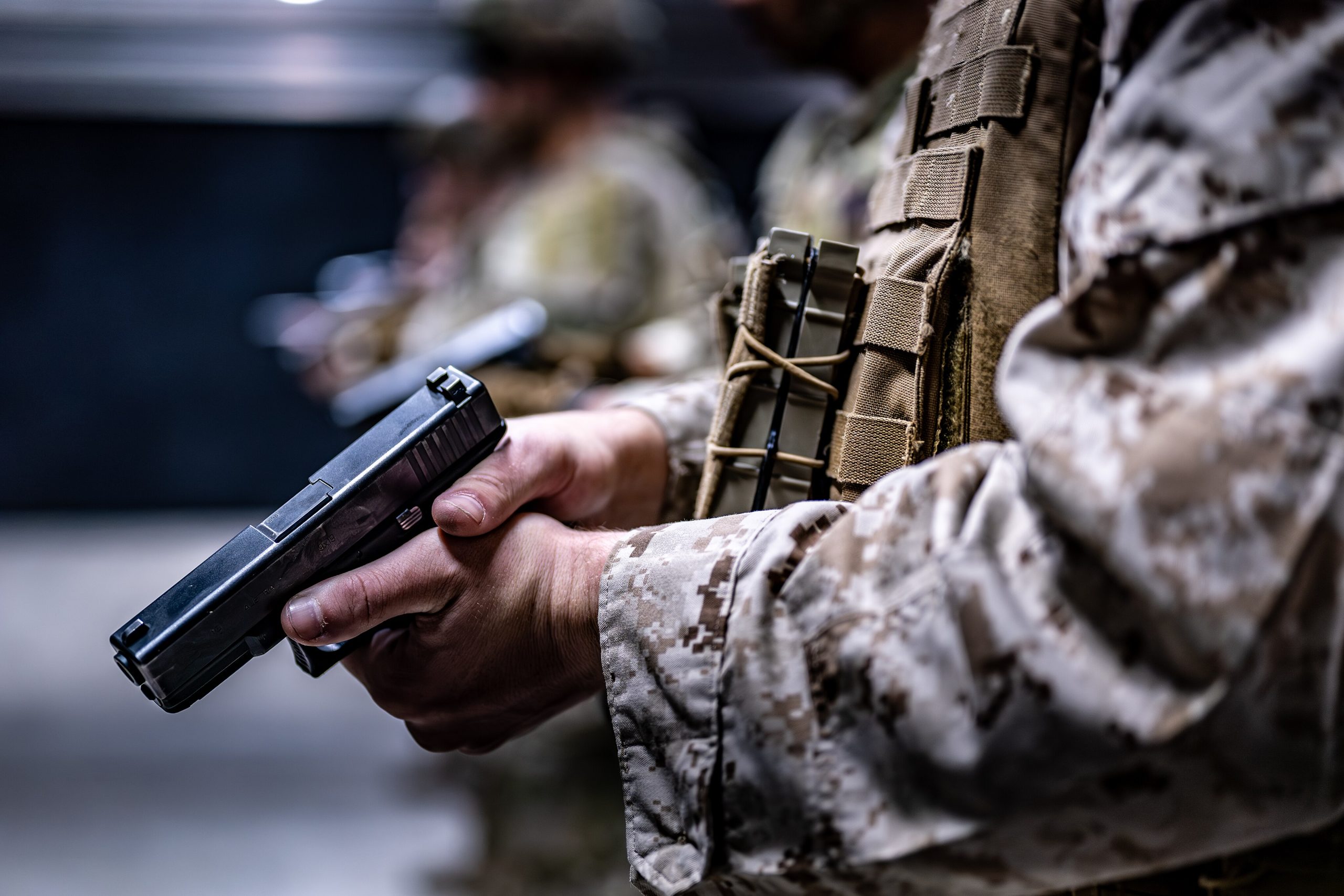
Modern concealed carry pistols are engineered to be compact, reliable, and forgiving under imperfect conditions. Add a weapon-mounted light, though, and that balance can change in subtle but frustrating ways. The extra weight on the frame, altered recoil impulse, and different pressure against the dust cover can expose design sensitivities that never show up during daylight practice. Some pistols continue running flawlessly, while others begin showing failures that feel confusing and inconsistent. This list isn’t about bad guns. It’s about good carry pistols that behave differently once a light is attached, often surprising otherwise experienced shooters who expect accessories to be neutral additions rather than functional variables.
1. Glock 19
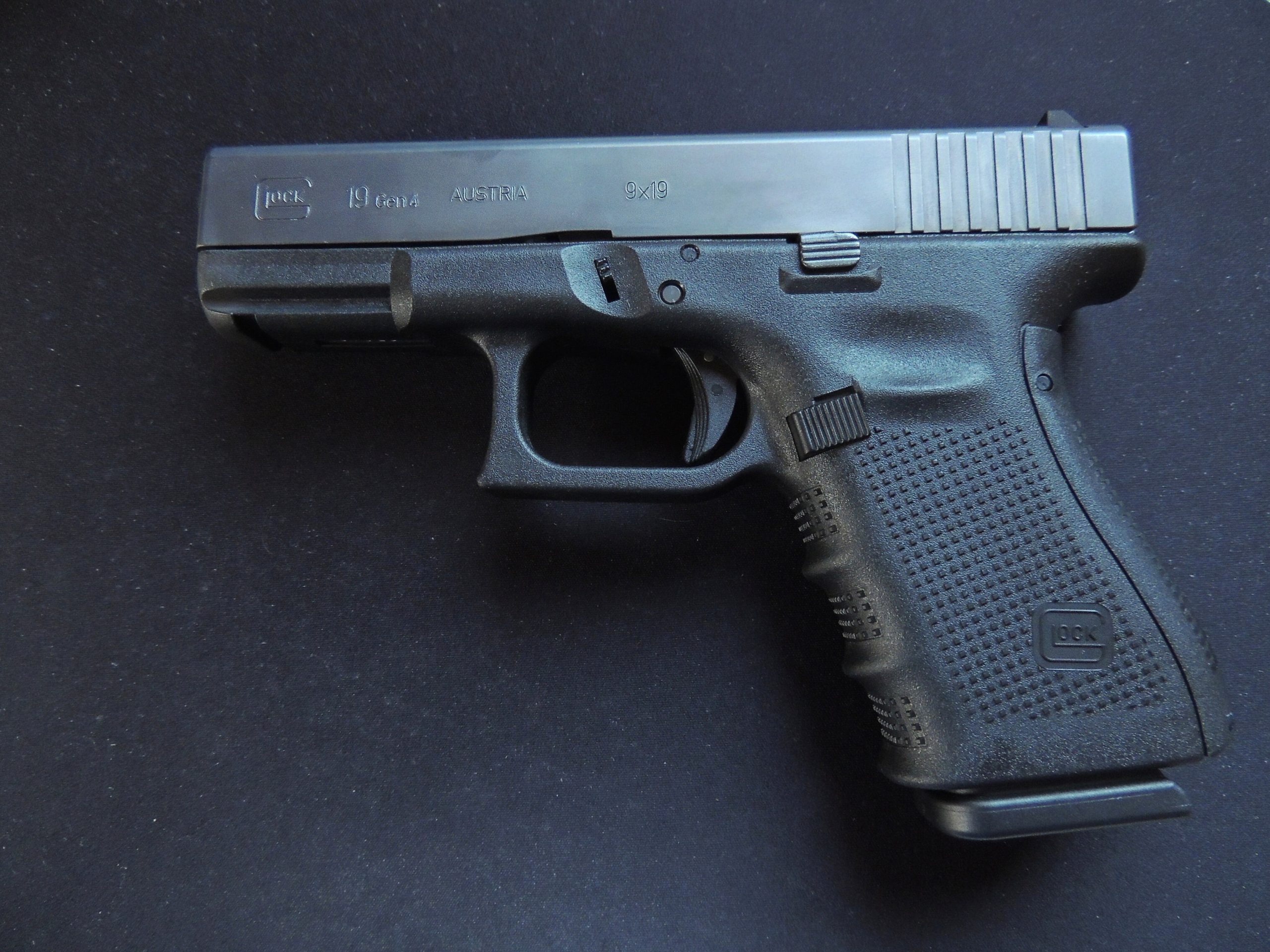
The Glock 19 has a reputation for reliability that borders on legendary, but adding a weapon light can sometimes introduce unexpected behavior. The polymer frame flexes slightly under recoil, and a mounted light can stiffen the dust cover just enough to alter slide timing. Some shooters report occasional failures to feed or sluggish return to battery, especially with lighter training ammunition. The pistol still functions well with duty-grade loads, but the margin shrinks. This doesn’t make the Glock unreliable, yet it highlights how a design optimized for simplicity can react noticeably when its recoil dynamics are subtly changed by added mass.
2. SIG Sauer P365
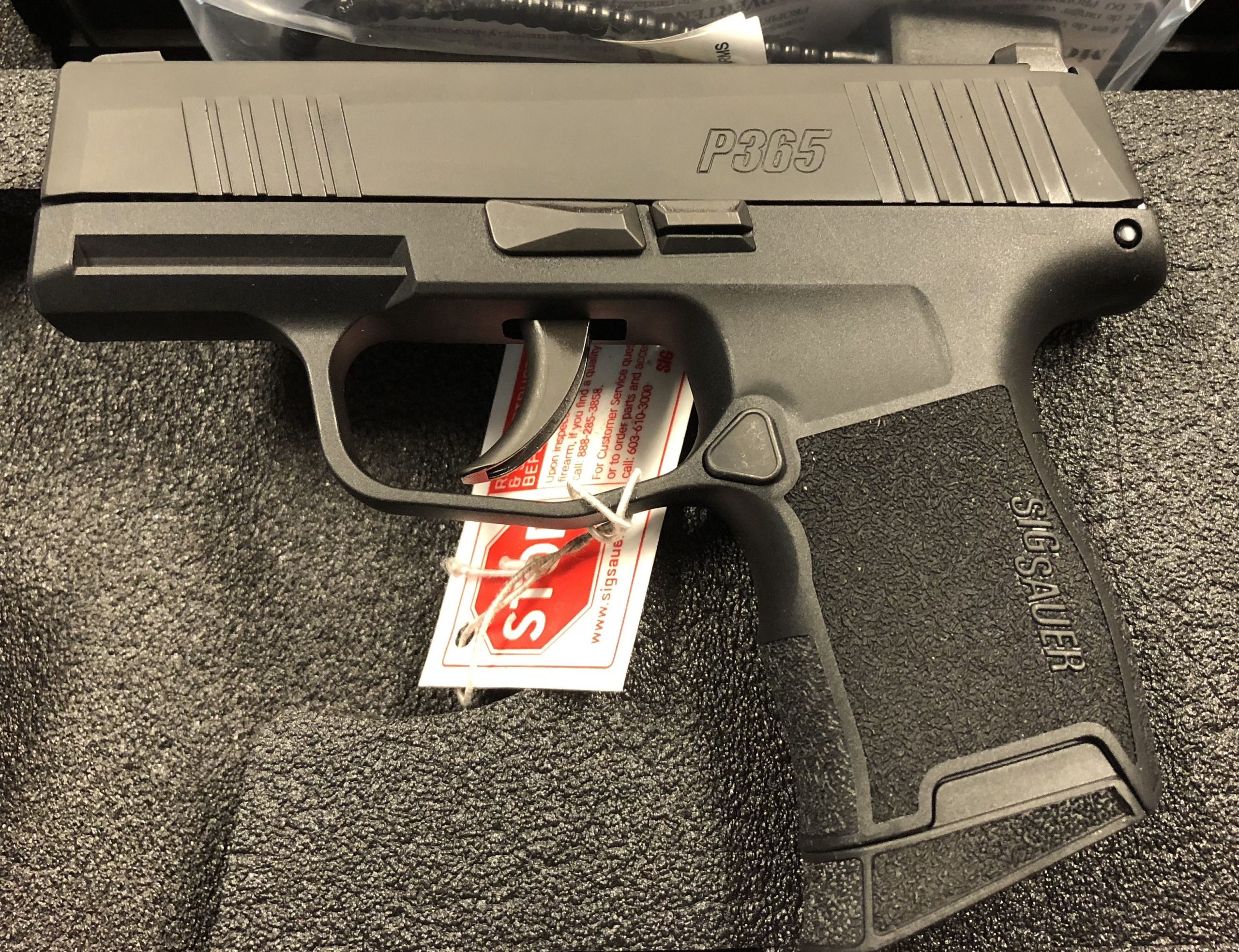
The P365 is engineered around tight tolerances and a compact operating window, which is part of why it shoots so well for its size. When a light is added, the balance shifts forward, and the slide may cycle differently depending on grip pressure. Some users notice intermittent failures during rapid strings, particularly when the support hand applies pressure to the light housing. The pistol often runs perfectly without accessories, making the issue feel puzzling. What’s happening is less about quality and more about how finely tuned the system already is before any extra weight is introduced.
3. Smith & Wesson M&P Shield
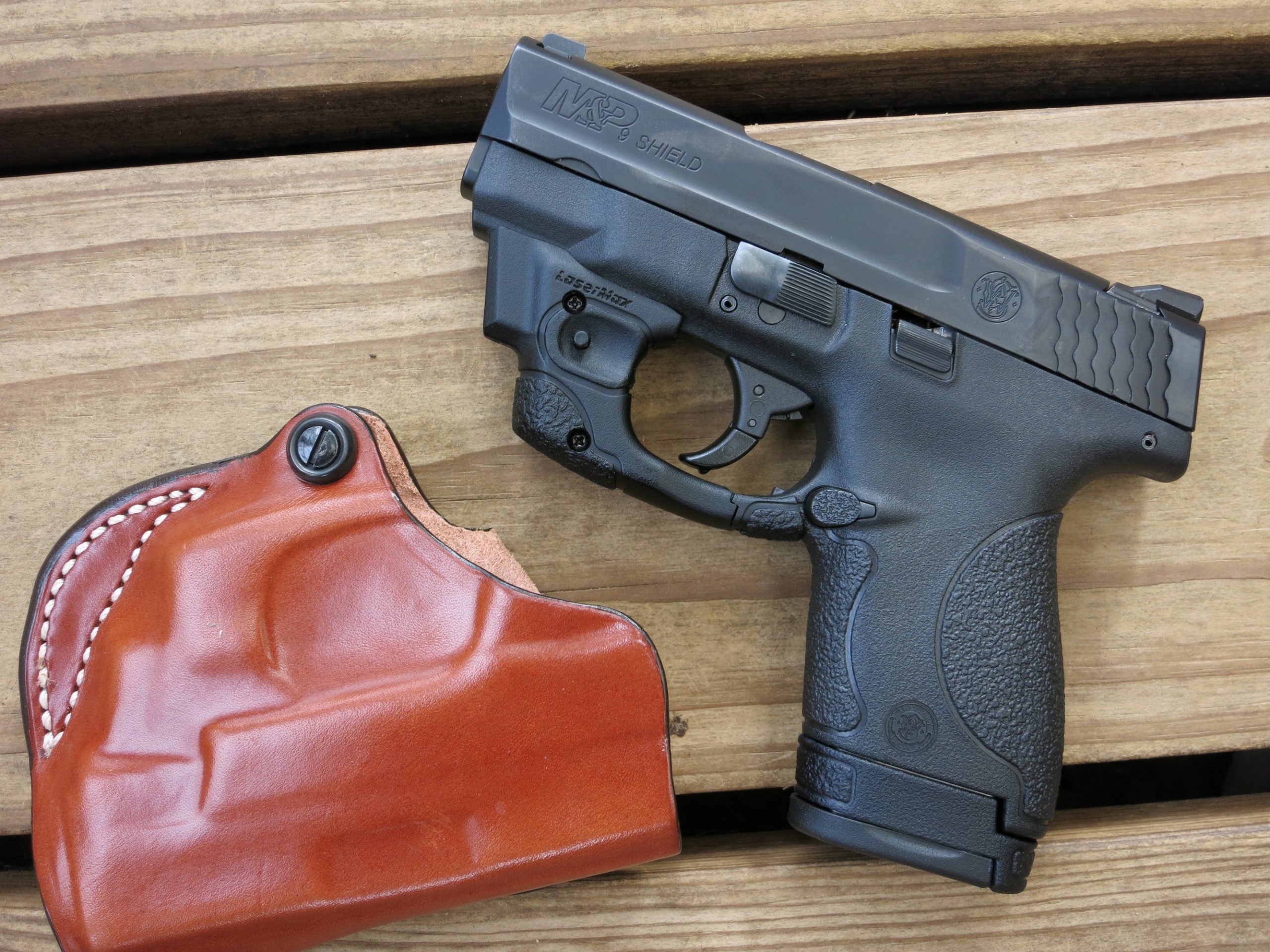
The Shield line is known for being soft-shooting and predictable, but it can be sensitive to frame-mounted accessories. When a light is attached, the added rigidity can change how recoil energy transfers through the frame rails. Some shooters experience short-stroking or inconsistent ejection patterns, particularly with lower-powered ammunition. The pistol usually remains accurate and controllable, which makes malfunctions feel out of place. These issues often disappear when the light is removed, reinforcing that the platform itself is solid, but tuned primarily for its original, unweighted configuration.
4. Springfield Hellcat
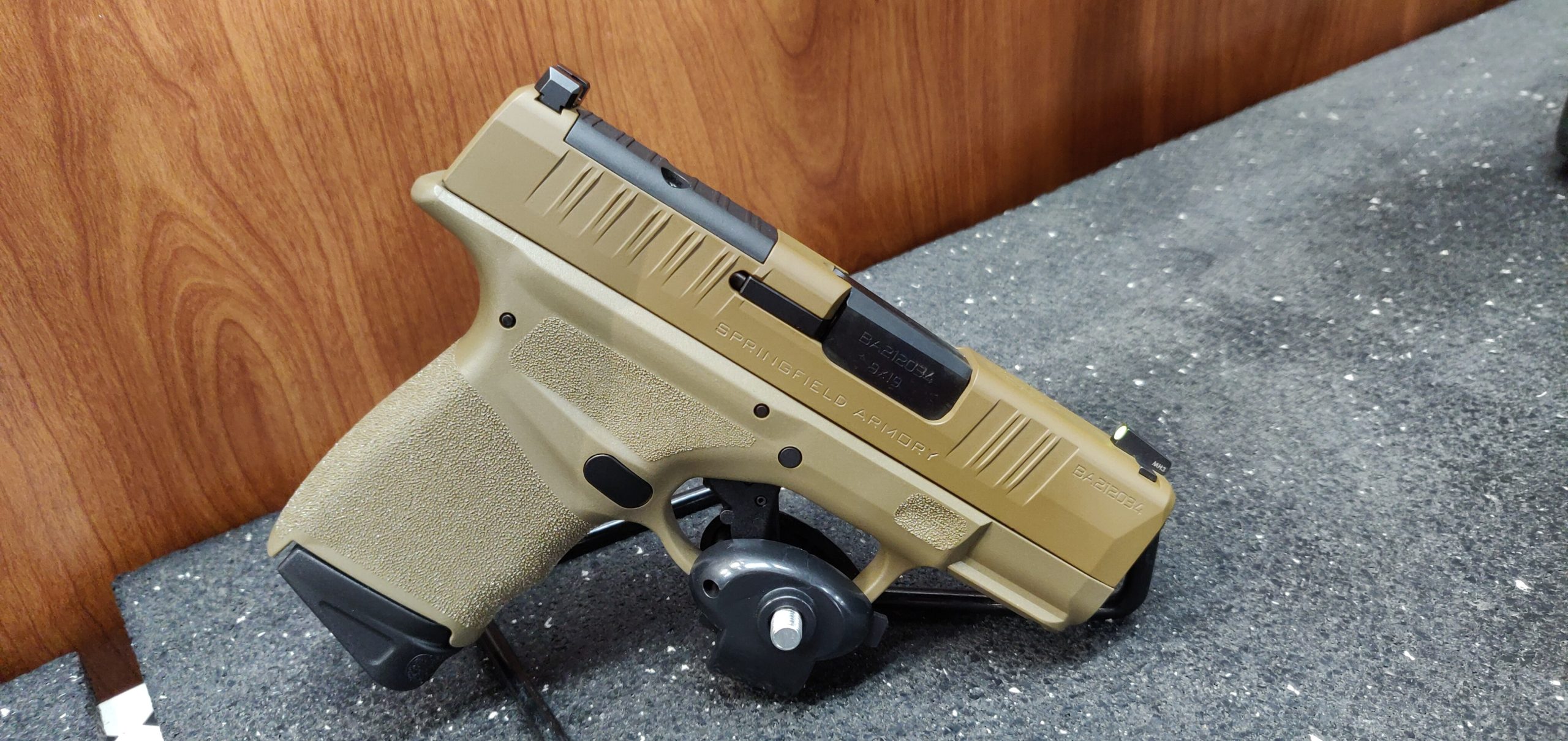
The Hellcat is built to squeeze performance out of a very small package, and that efficiency leaves little room for mechanical variance. A mounted light adds forward mass that can subtly slow slide velocity, especially during one-handed shooting. Some users report failures that only appear when the pistol is fired quickly or from unconventional grips. Without the light, the Hellcat often runs flawlessly. With it, the gun may demand firmer technique and hotter ammunition. This sensitivity isn’t a flaw so much as a reminder that compact pistols operate closer to their limits.
5. CZ P-10 C
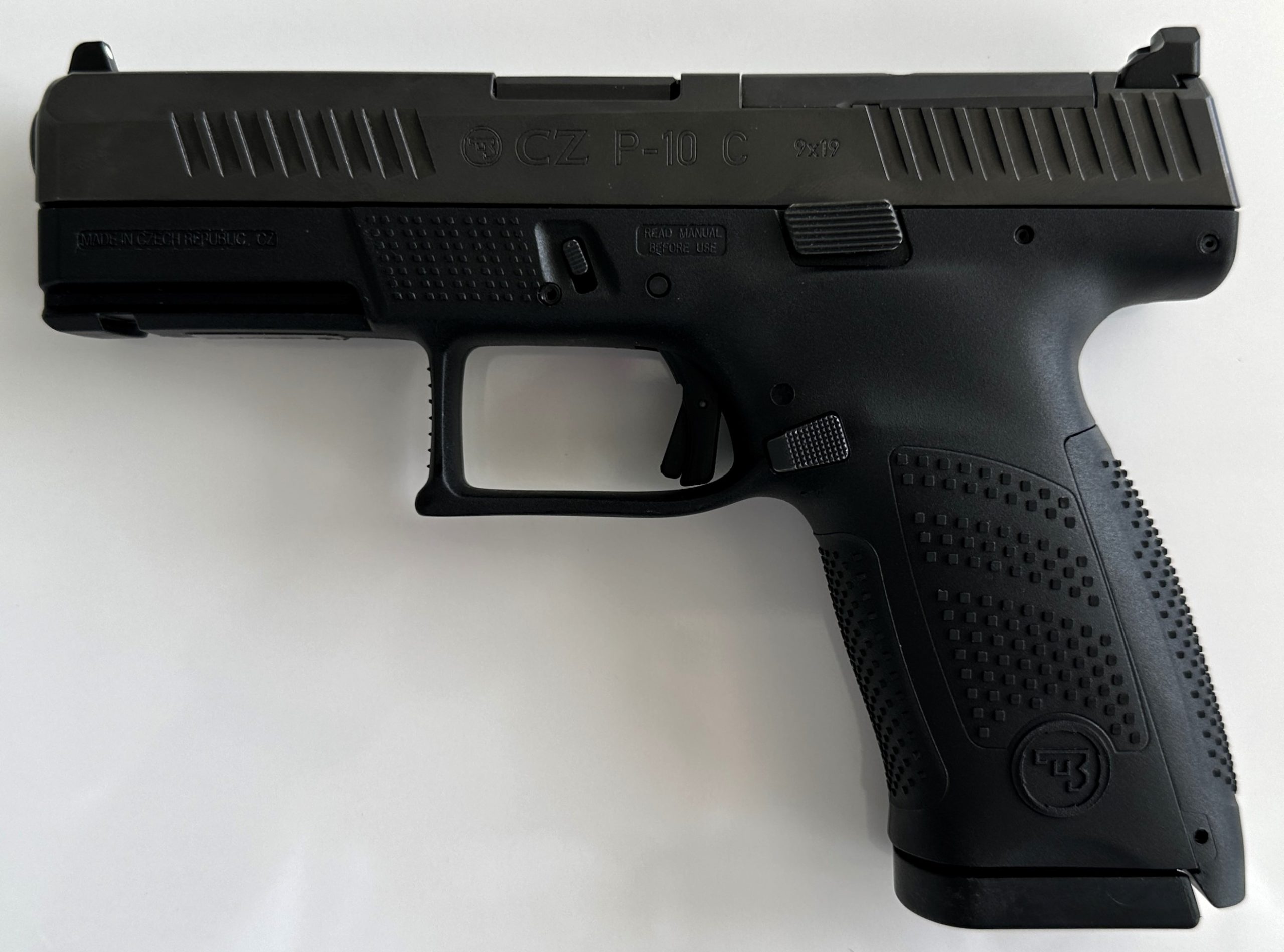
The P-10 C has a robust slide and excellent ergonomics, but its polymer frame can respond noticeably to added accessories. A mounted light can slightly alter how the frame absorbs recoil, sometimes affecting feeding reliability with certain magazines. Shooters have reported that the pistol feels flatter shooting with a light, yet shows occasional hiccups during extended sessions. The inconsistency can be hard to diagnose because accuracy remains strong. This model illustrates how a pistol can feel improved in handling while simultaneously becoming more sensitive mechanically under specific conditions.
6. Walther PDP Compact
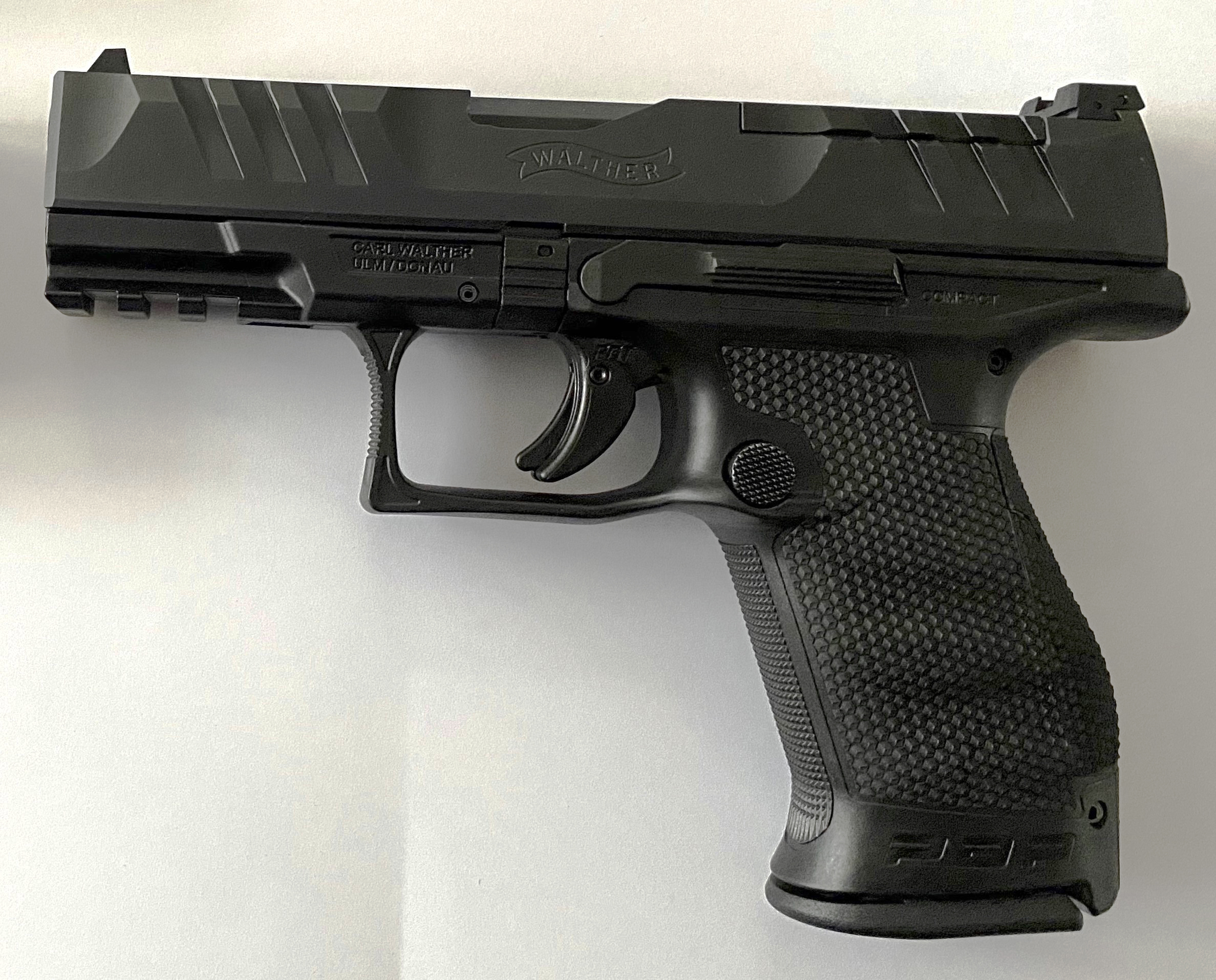
The PDP Compact is designed for performance, with an aggressive grip and a lively slide. When a light is attached, the recoil impulse changes in a way that some shooters find noticeable. The slide may outrun the magazine under certain loads, leading to rare but repeatable feeding issues. Without the light, the pistol runs smoothly across a wide range of ammunition. With it, the system becomes more load-dependent. This doesn’t undermine the PDP’s quality, but it does show how performance-tuned pistols can react more clearly to added variables.
7. FN 509 Compact
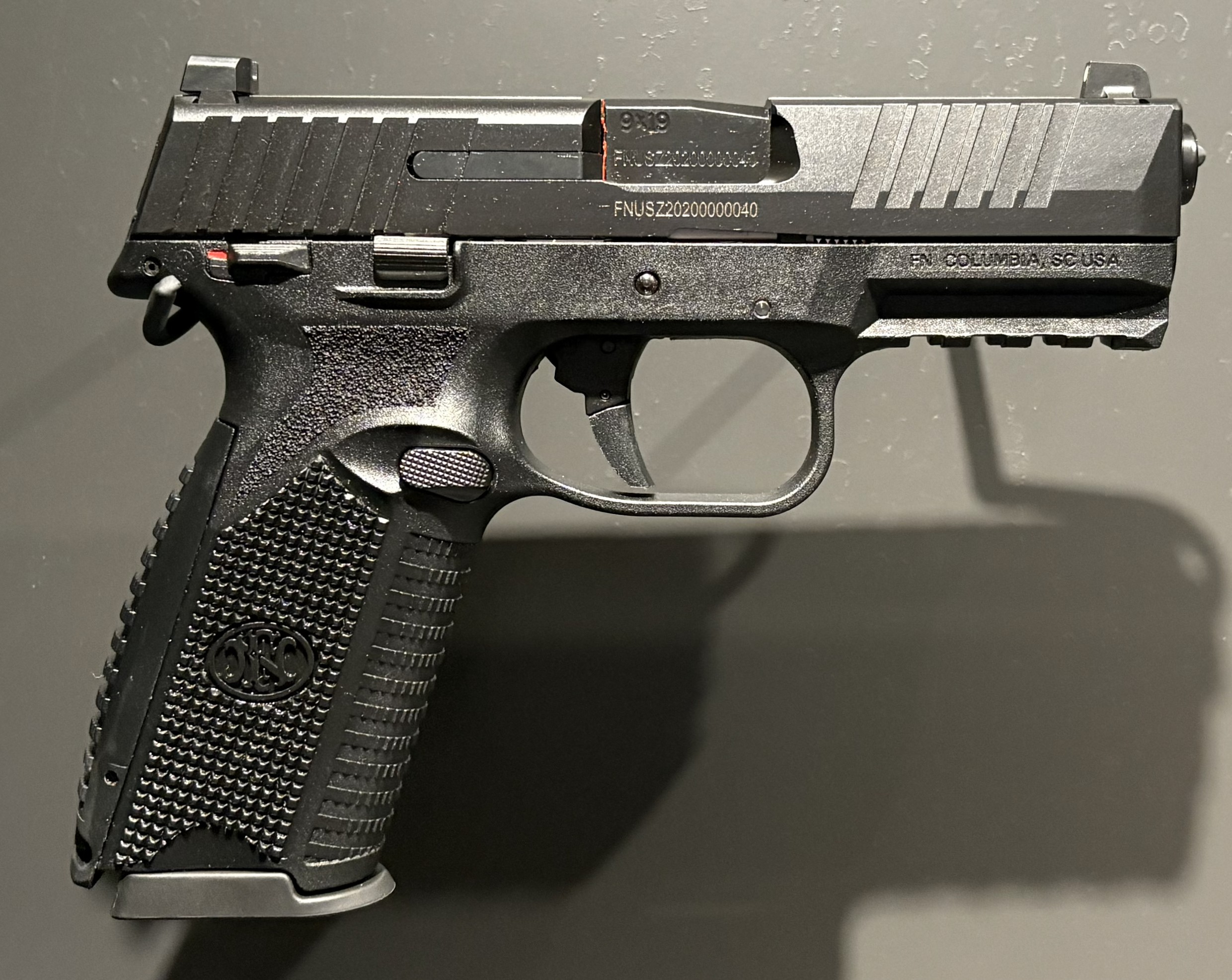
The FN 509 Compact is rugged and duty-oriented, yet it isn’t immune to changes caused by accessories. A weapon light can slightly change how the frame interfaces with the slide during recoil. Some users notice sporadic failures during high-round-count sessions that vanish once the light is removed. The pistol remains controllable and accurate, which can mask the root cause for a while. These issues tend to be ammunition-specific, emphasizing how a design built for durability can still show sensitivity when its operating balance is altered.
8. Canik TP9 Elite SC
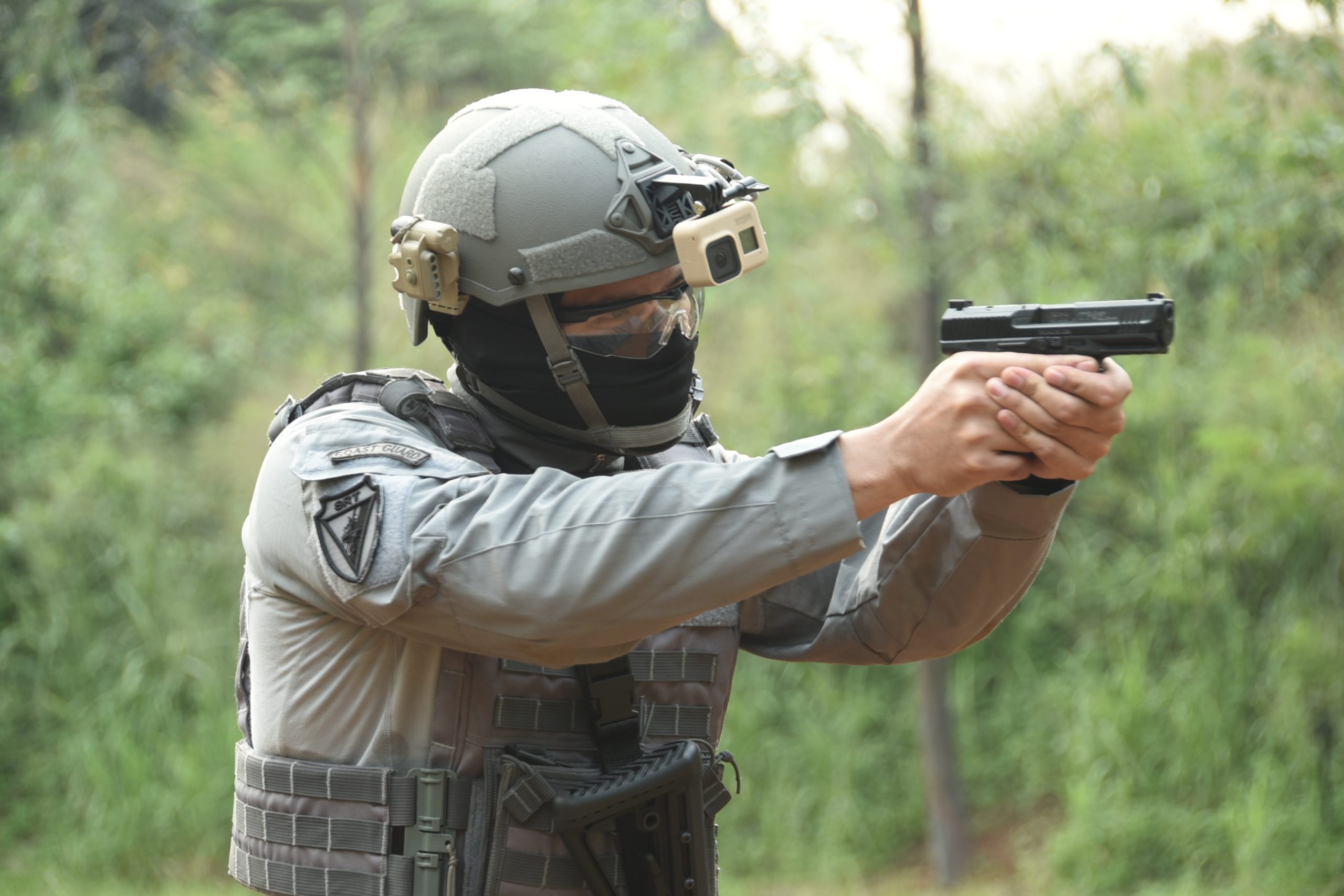
The Elite SC offers impressive value and shootability, but its recoil system is tuned tightly from the factory. Adding a light increases front-end weight and can change slide speed just enough to cause inconsistent cycling with lighter loads. Some shooters report flawless performance with defensive ammunition, yet repeated malfunctions during practice sessions. The contrast makes the issue feel random. In reality, the pistol is simply responding to a narrower operating window once the accessory shifts its mass distribution forward.
9. Beretta APX Compact
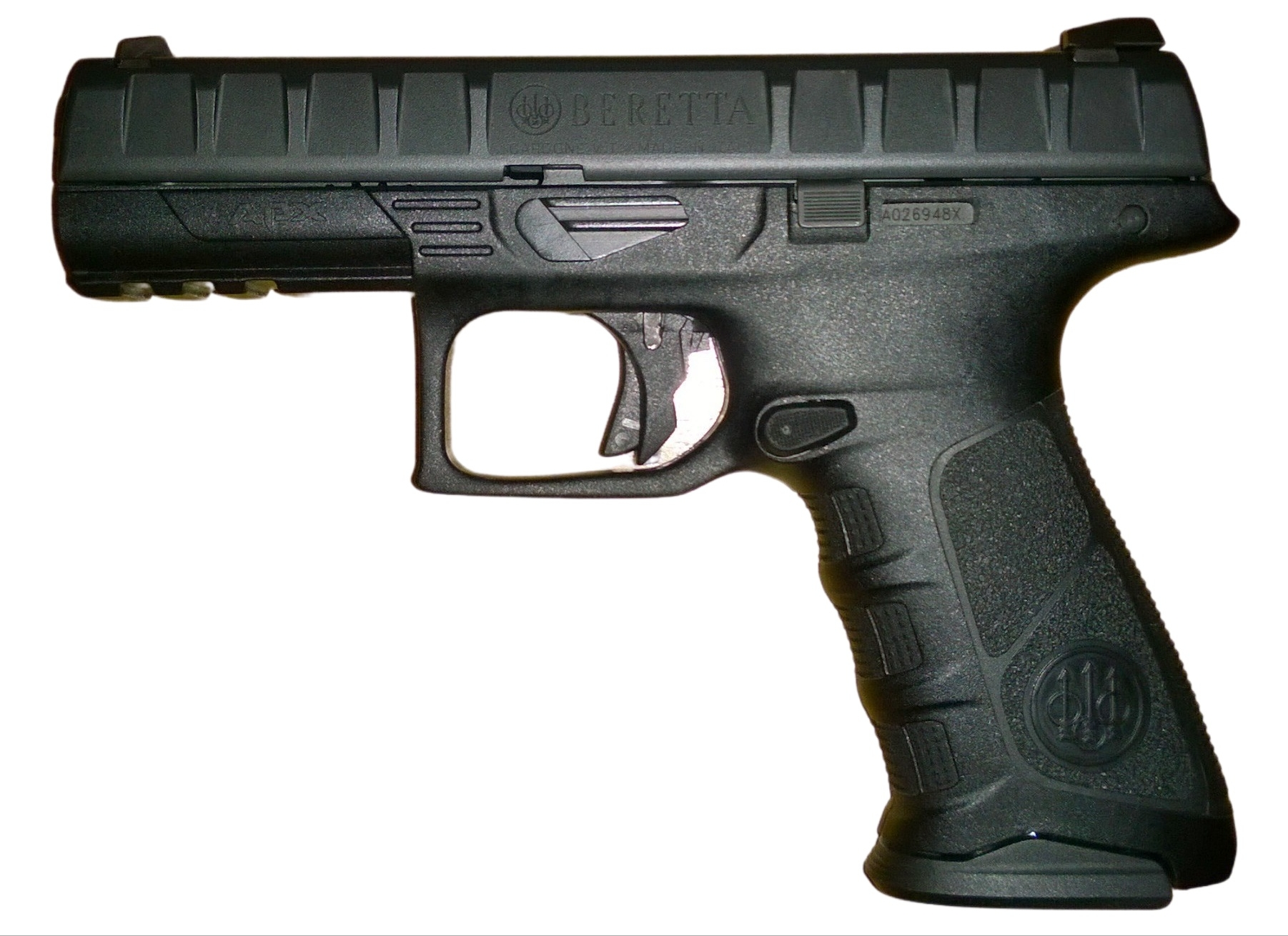
The APX Compact has a modular frame and a distinctive slide profile that manages recoil well in stock form. When a light is attached, the dust cover becomes stiffer, which can slightly change how the slide unlocks. Some shooters encounter occasional failures to return fully to battery, especially during slower, controlled firing. The pistol remains reliable without the light, highlighting that the change is accessory-driven. It’s a clear example of how even well-engineered systems can respond differently once external mass is introduced.