The animal kingdom is full of noisy creatures that use sound to communicate across vast distances or stun their prey. Scientists measure these impressive calls in decibels to understand just how powerful nature can be. Some of these animals produce sounds that are loud enough to rupture human eardrums instantly if heard up close. From the depths of the ocean to the treetops of the dense jungle, these species demand attention. This list explores the thirty loudest animals on the planet and reveals the science behind their deafening calls. It highlights the incredible adaptations that allow them to make such noise.
Sperm Whale
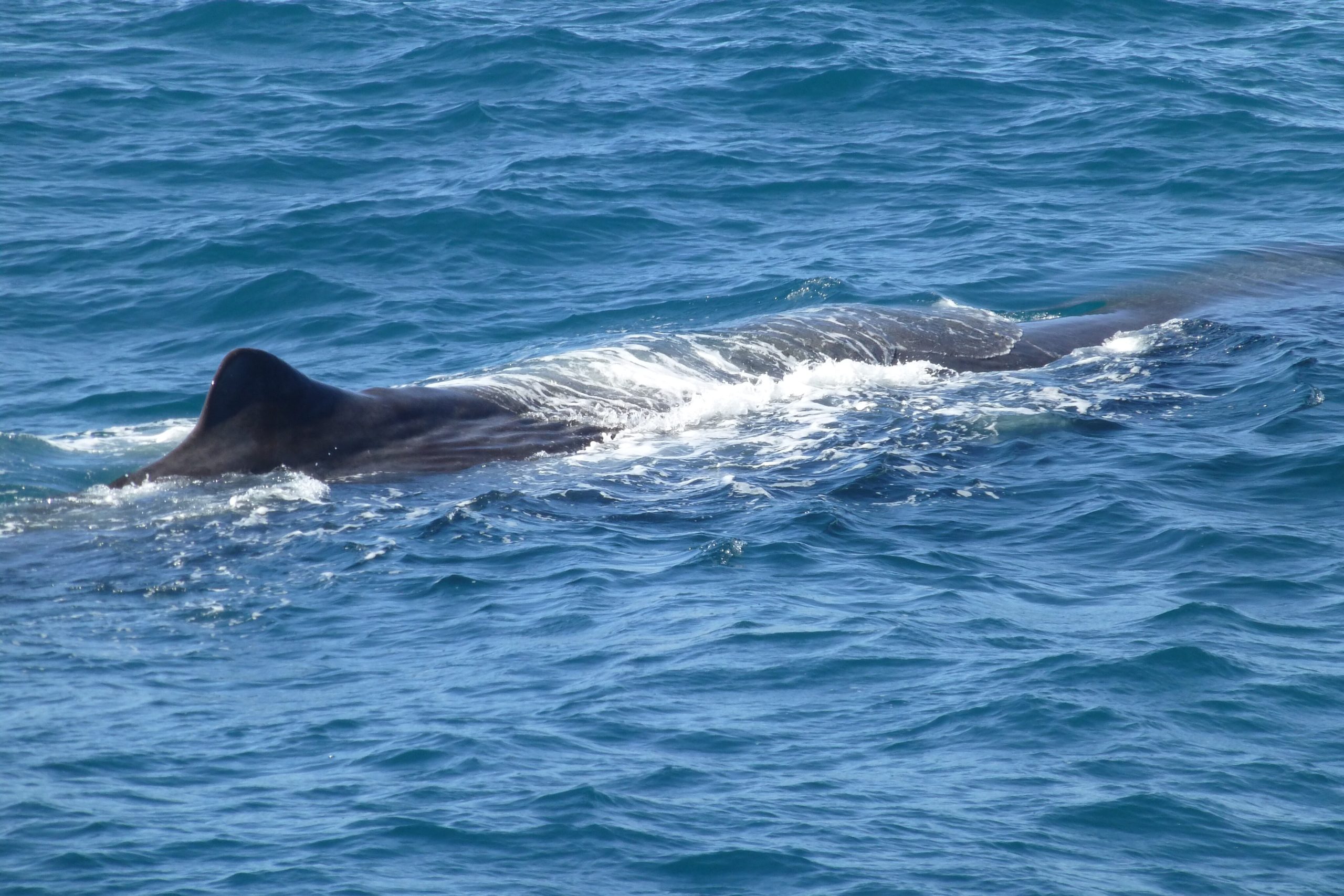
The sperm whale holds the official title for the loudest animal on Earth, with clicks reaching two hundred and thirty decibels. These massive marine mammals use their powerful vocalizations for echolocation to hunt giant squid in the deep ocean darkness. Their clicks are so intense that they can vibrate the body of a human diver from a considerable distance away. Sound travels much faster and farther underwater, which allows these whales to communicate effectively across hundreds of miles. The unique structure of their large heads acts as a natural amplifier that directs the sound beams with incredible precision toward their intended targets.
Tiger Pistol Shrimp
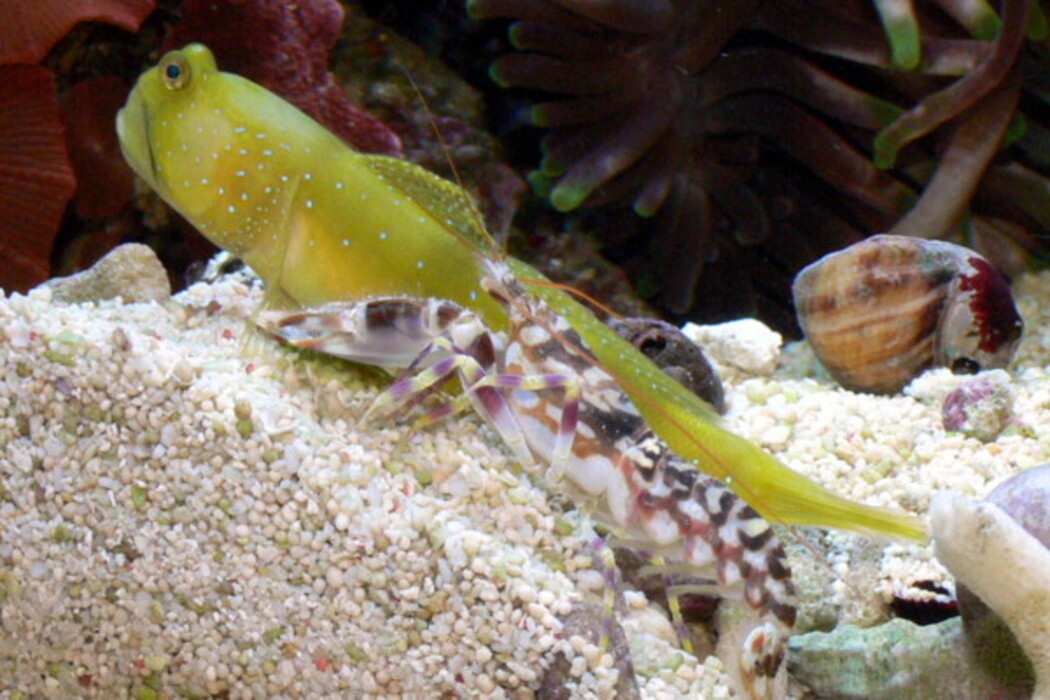
This tiny crustacean produces a sound louder than a gunshot by snapping its specialized claw shut at incredible speeds. The tiger pistol shrimp creates a cavitation bubble that collapses with enough force to generate heat comparable to the sun. This implosion reaches two hundred decibels and stuns small fish or crabs instantly to make them easier to catch. The resulting shockwave is powerful enough to crack glass aquariums if the shrimp snaps too close to the wall. It serves as a reminder that size does not always dictate power in the wild. This small shrimp packs a massive acoustic punch.
Blue Whale
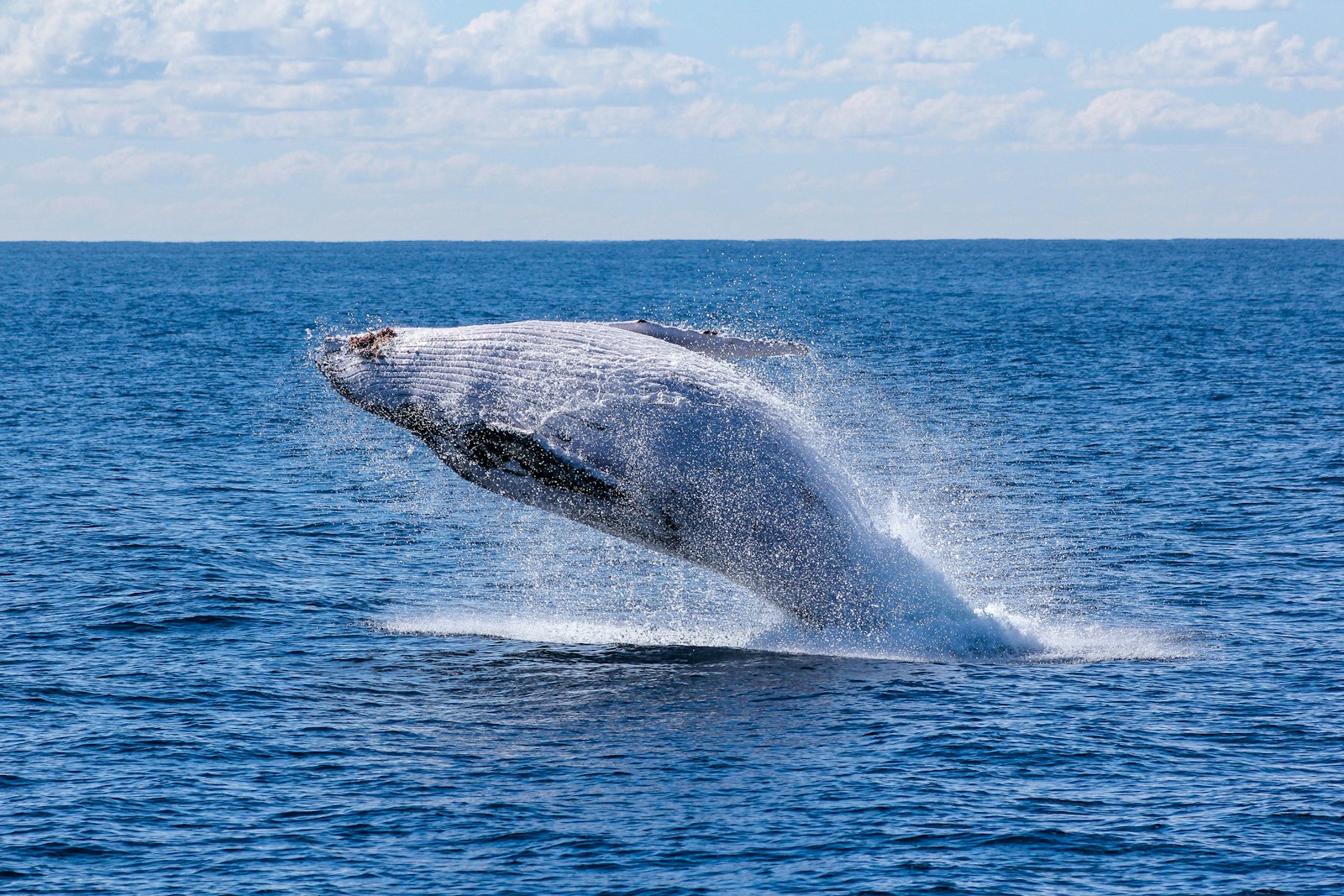
The blue whale is the largest animal to ever live and possesses a voice that matches its gigantic size perfectly. Their low-frequency pulses can reach one hundred and eighty-eight decibels and travel across entire ocean basins. Scientists believe that these mournful songs allow individuals to find mates even when they are separated by thousands of miles of open water. The sound is so deep that humans can feel the vibrations in their chest more than they can hear the actual tone. These calls are essential for survival in the vast and often lonely expanse of the deep blue sea.
Fin Whale
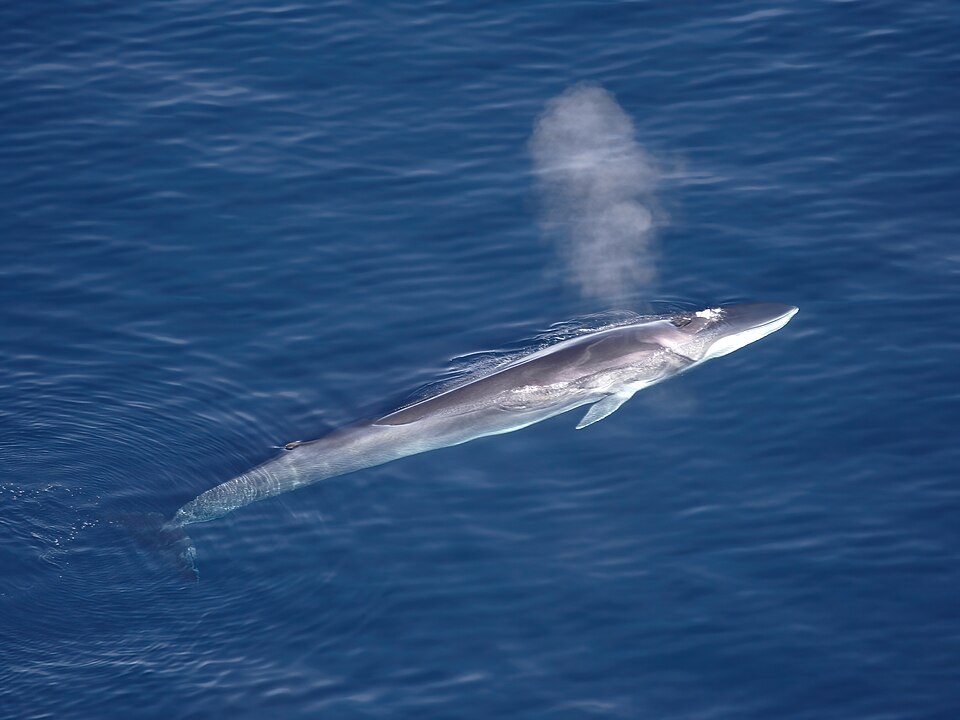
Fin whales are often called the greyhounds of the sea and produce low-frequency sounds that rival those of their blue whale cousins. Their vocalizations reach up to one hundred and eighty-nine decibels and often occur in distinct rhythmic patterns. These pulses can last for hours and are thought to be a breeding display by males to attract females. The sheer power of the sound allows it to penetrate through layers of ocean water without losing intensity. Researchers use submerged hydrophones to track these elusive giants by listening for their signature booming calls. They remain one of the loudest voices recorded.
North Pacific Right Whale
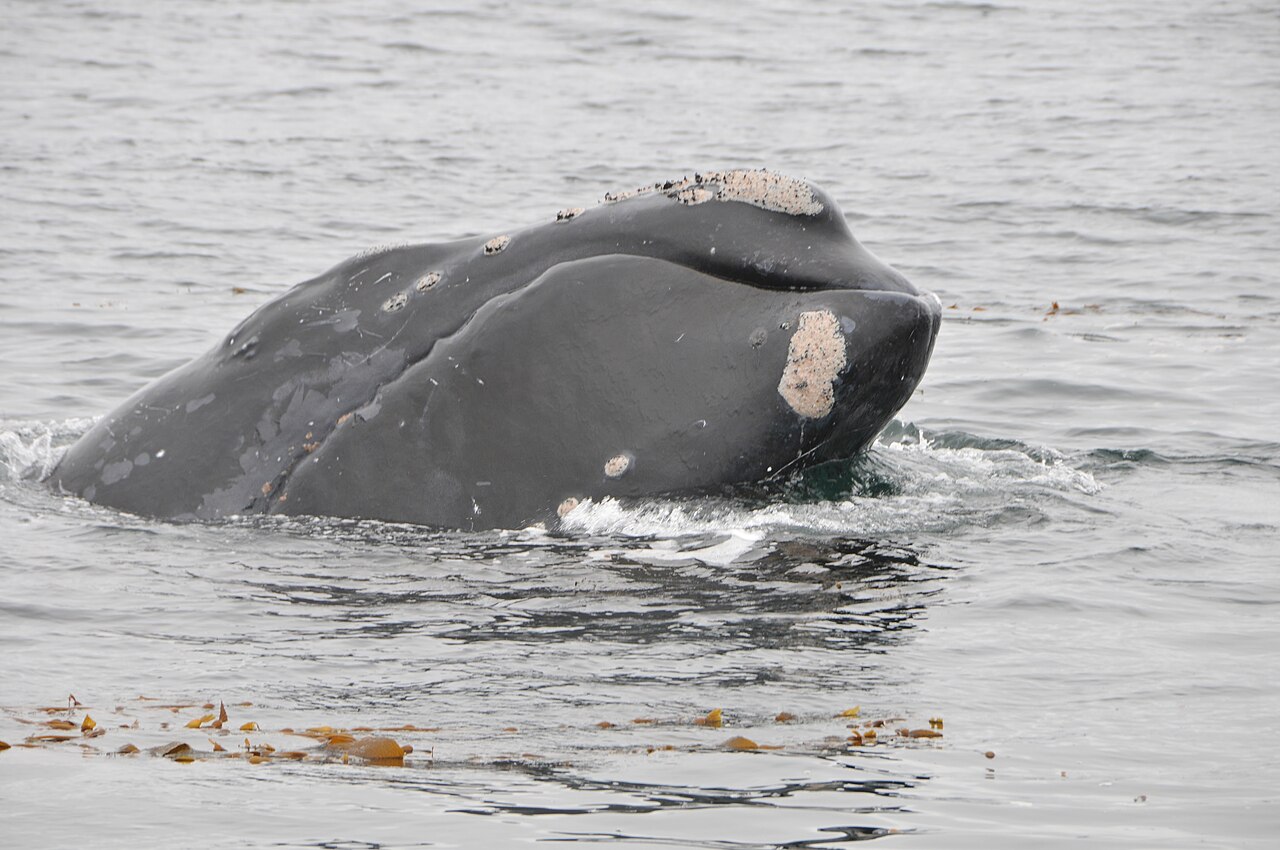
The North Pacific right whale is a critically endangered species that communicates with a variety of gunshots and screams. These impulsive sounds can reach levels of one hundred and eighty-two decibels and startle researchers who listen underwater. Unlike the melodic songs of other whales, these calls are abrupt and chaotic to the human ear. They serve as contact calls to keep the scattered population connected in the foggy northern waters. The rarity of this animal makes every recording a valuable piece of scientific data. Their booming voices are a desperate attempt to find others of their kind in a vast ocean.
Humpback Whale
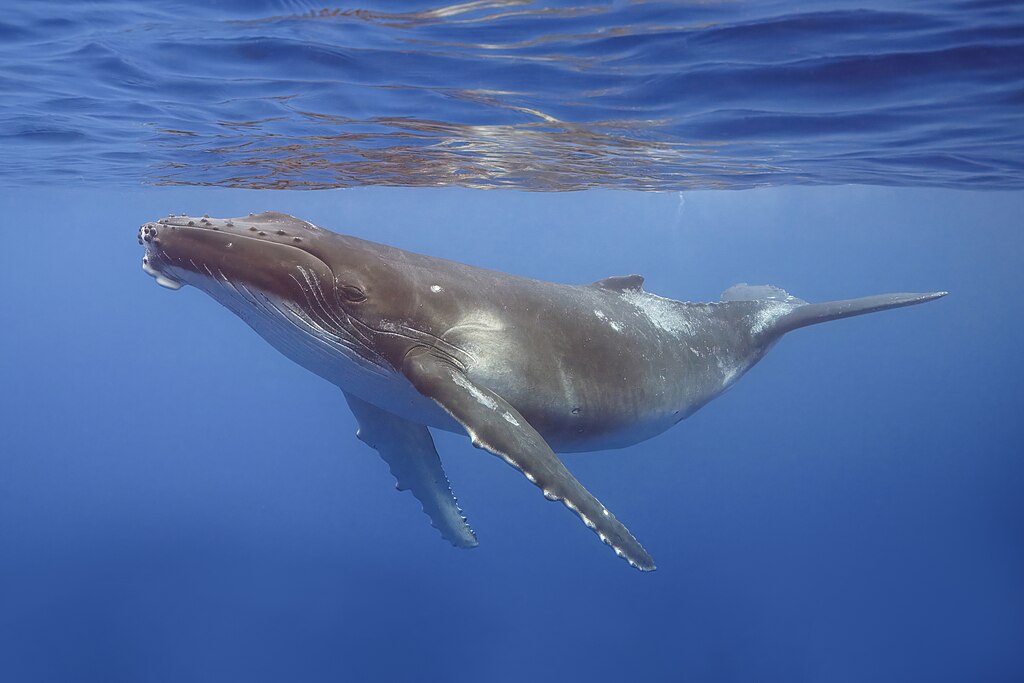
Male humpback whales are famous for their complex and haunting songs that can last for twenty minutes at a time. These melodies reach levels of one hundred and eighty decibels and are repeated for hours during the breeding season. The song evolves gradually over time as all the males in a population learn the new variations from each other. Divers who have been in the water with singing humpbacks report feeling the sound resonate through their entire bodies. This acoustic display is one of the most studied animal behaviors in the world. It demonstrates a high level of cultural transmission.
Atlantic Spotted Dolphin

The Atlantic spotted dolphin may look cute, but it can produce whistles that reach one hundred and sixty-three decibels. These high-pitched sounds are used to coordinate group hunting tactics and keep the pod together in murky water. Their clicks and whistles are essential for navigating their environment and avoiding predators like large sharks. The intensity of their vocalizations ensures that every member of the group receives the message clearly. They are highly social animals that rely on constant communication to maintain their complex relationships. Their chatter is a constant background noise in many tropical ocean environments around the globe.
Leopard Seal
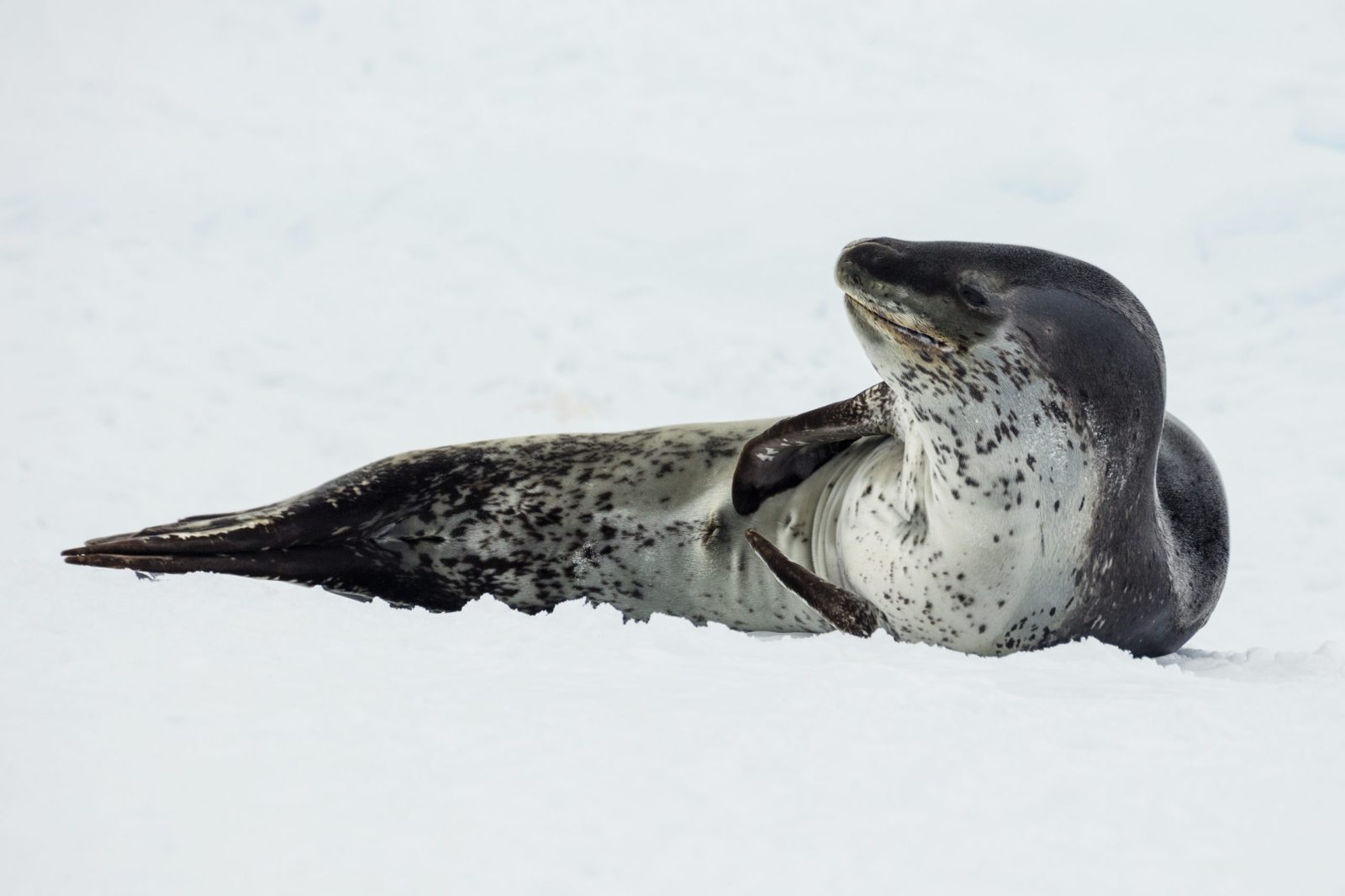
Leopard seals are formidable predators in the Antarctic that use loud trills and booms to claim their territory underwater. Their vocalizations can reach one hundred and fifty decibels and serve as a warning to rival males. These sounds are often accompanied by aggressive posturing and open-mouth displays that show off their sharp teeth. The acoustic power of a leopard seal allows it to dominate the soundscape of the frozen southern ocean. Researchers often hear these distinct calls ringing through the hull of their icebreaker ships. It is a chilling reminder of the raw power that exists in the polar regions.
Greater Bulldog Bat
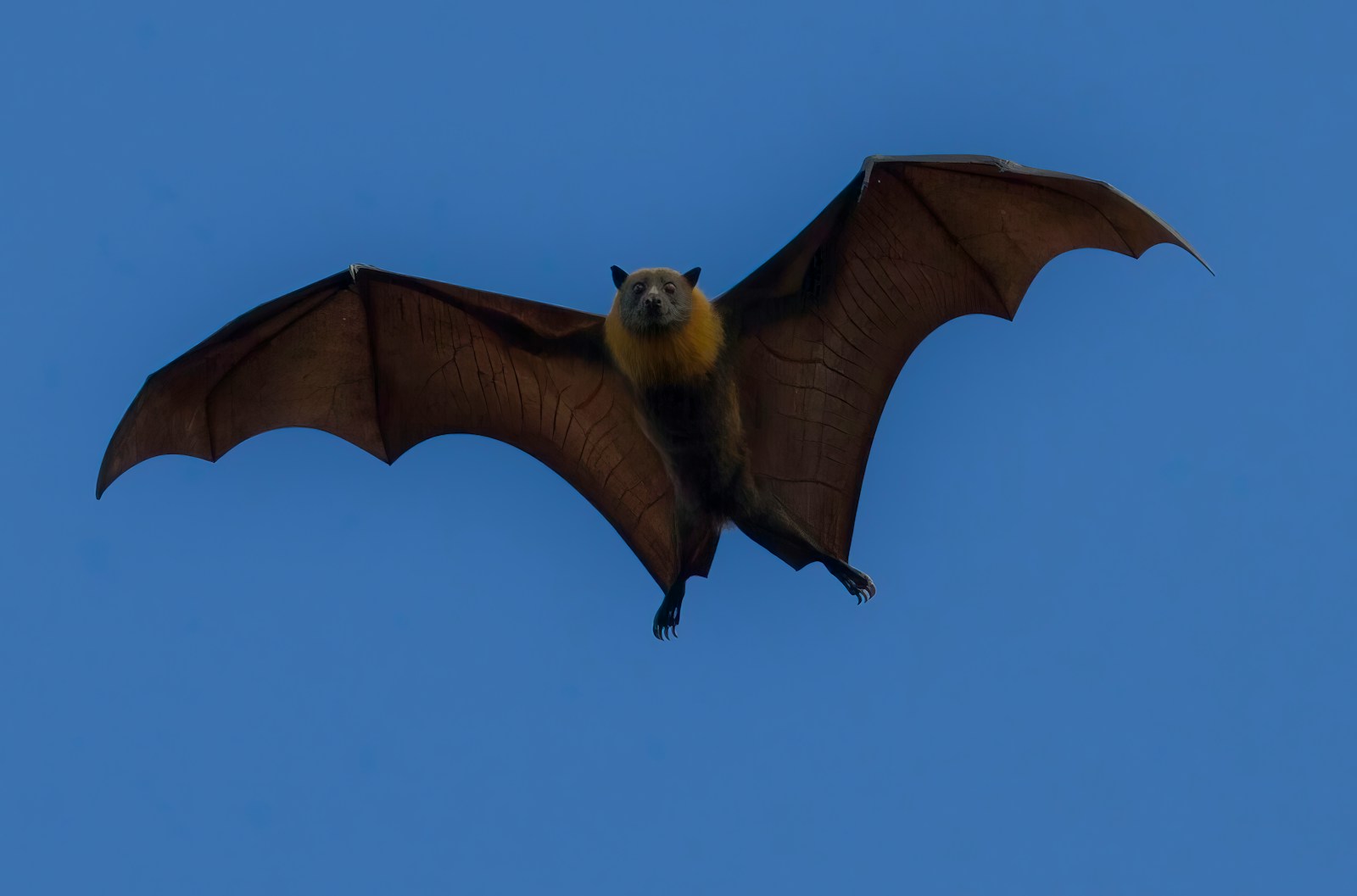
The greater bulldog bat uses incredibly loud echolocation calls that can reach one hundred and forty decibels to find fish. These bats fly low over the water and use sound to detect the ripples caused by swimming prey. The frequency of their call is too high for humans to hear without special equipment, but the pressure is immense. If we could hear them, they would sound as loud as a jet engine taking off nearby. This acoustic adaptation allows them to hunt effectively in complete darkness. They are one of the few bats that specialize in catching aquatic prey at night.
Howler Monkey
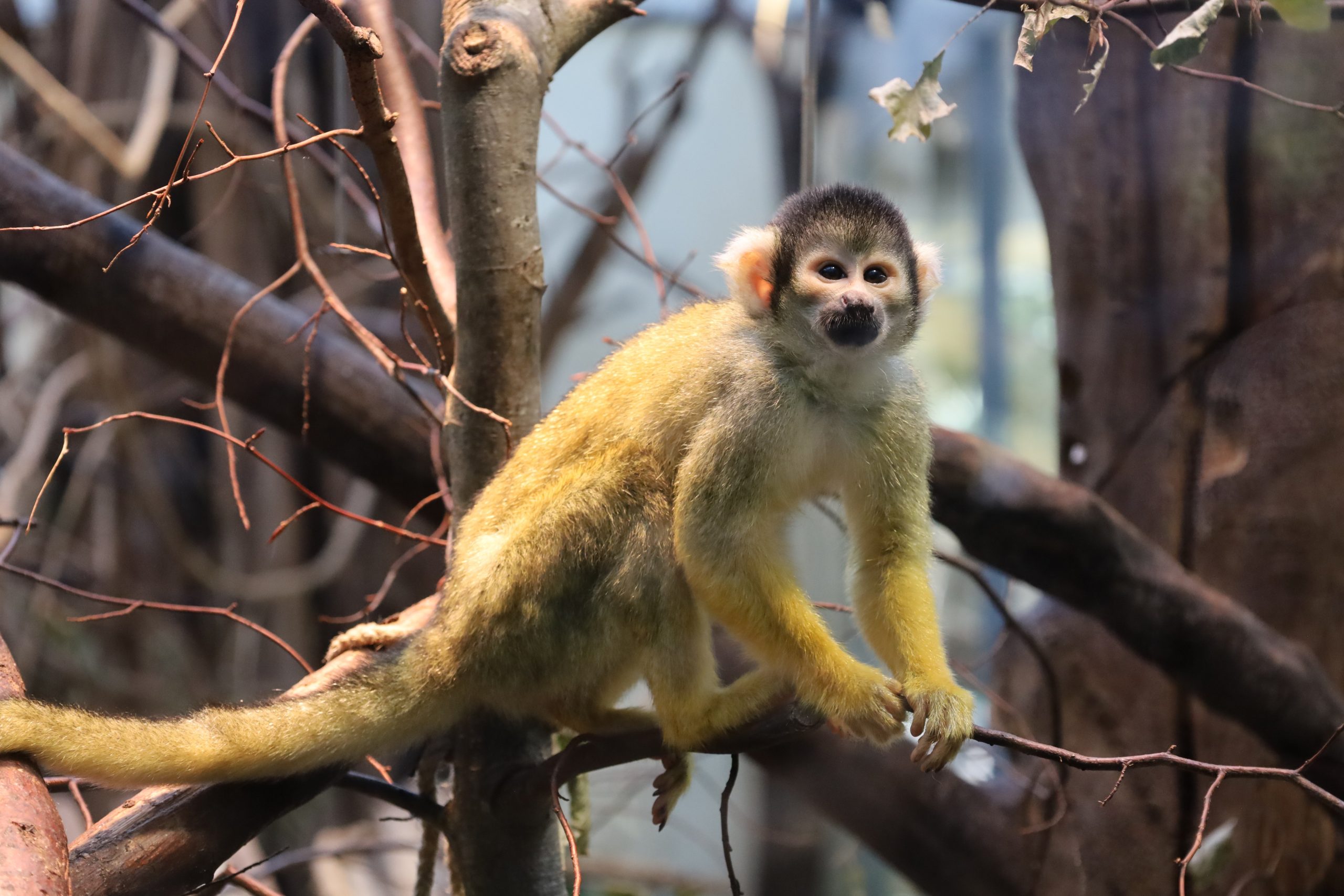
Howler monkeys are widely considered the loudest land animals, and their roars can be heard three miles away. Their enlarged hyoid bone acts as an echo chamber that amplifies their deep guttural calls to one hundred and forty decibels. Troops use these deafening shouts to define their territory and avoid unnecessary physical conflicts with rival groups. The noise is terrifying to those who are unaccustomed to the sounds of the Central American rainforest. It often starts as a low growl before building into a chaotic chorus of screams. These primates ensure that everyone knows exactly where they are located in trees.
Moluccan Cockatoo
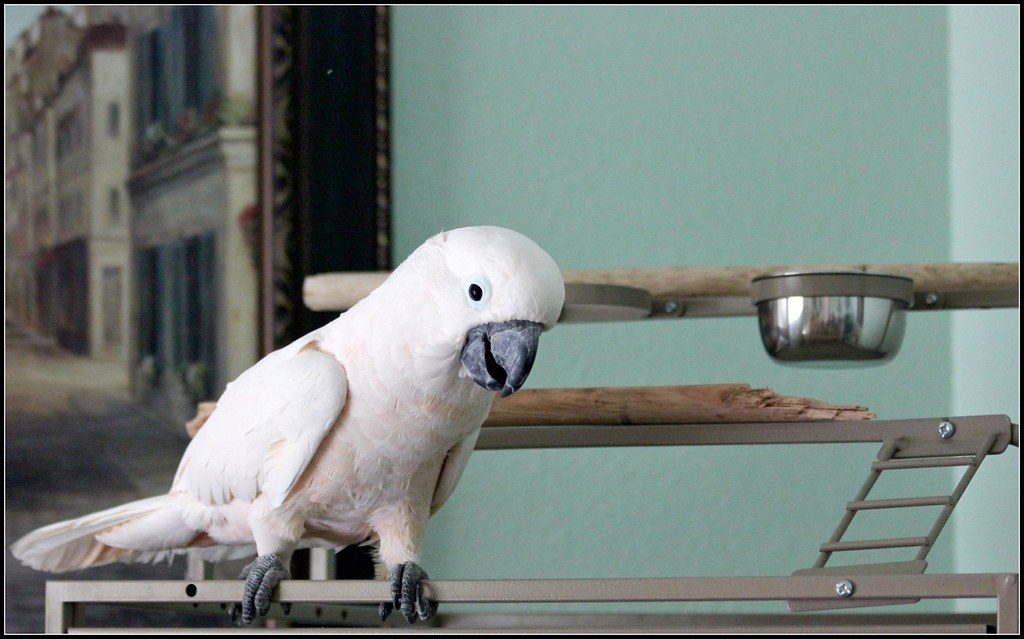
The Moluccan cockatoo is a beautiful bird that possesses a scream capable of reaching one hundred and thirty-five decibels. This ear-piercing call is used to maintain contact with their flock in the dense forests of Indonesia. Pet owners often struggle to cope with the sheer volume of this bird inside a standard home environment. The noise is comparable to a jet plane taking off and can cause permanent hearing damage over time. They are highly social creatures that demand attention and will scream if they feel ignored. Their vocal power is a testament to their wild origins in nature.
Kakapo
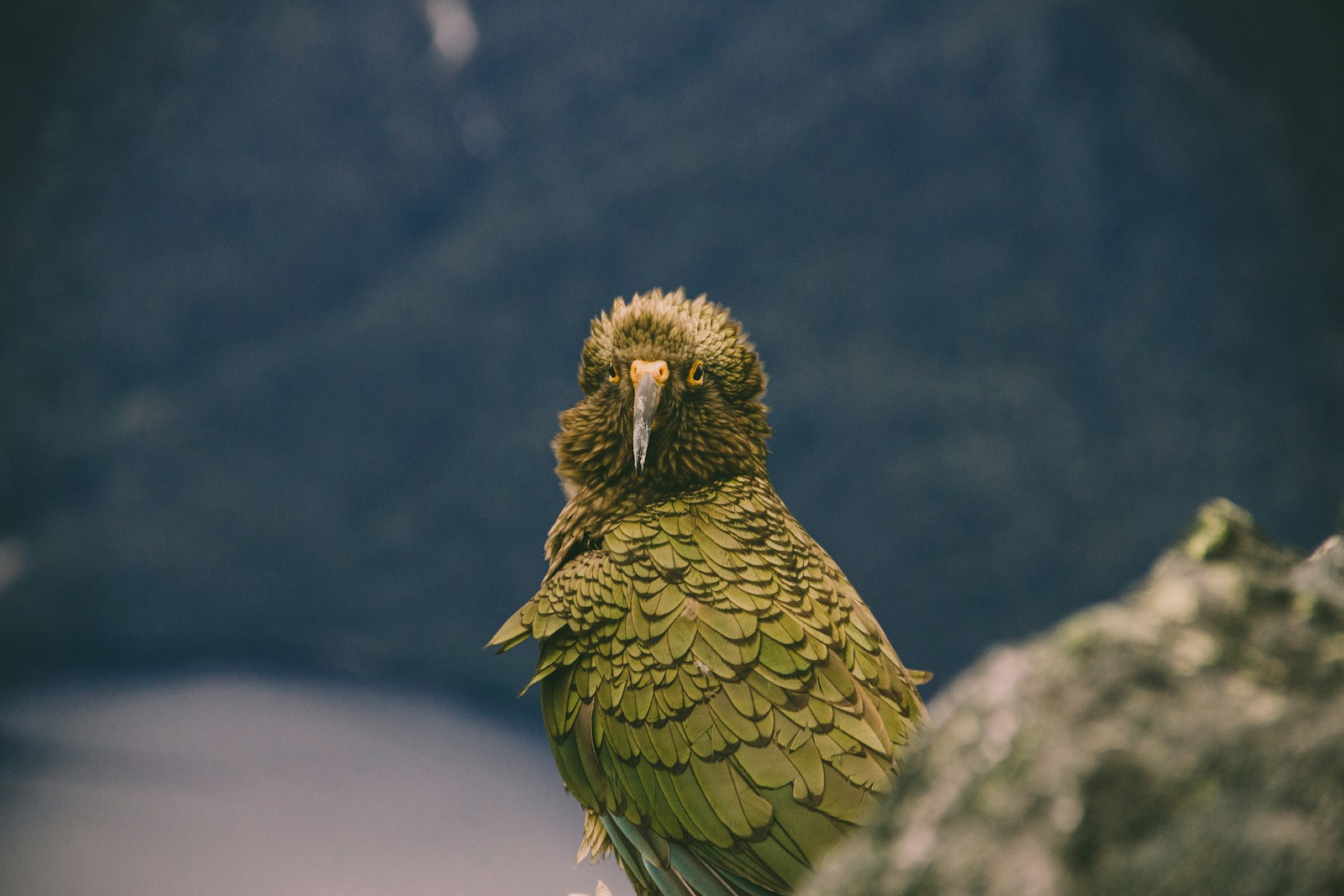
The kakapo is a flightless parrot from New Zealand that produces a low-frequency booming sound to attract mates. Males dig shallow bowls in the ground to amplify their calls, which can reach one hundred and thirty-two decibels. This booming can be heard for several miles and helps females locate the males in the dense vegetation. The sound is similar to a heartbeat and creates a mysterious atmosphere in the forests at night. Conservationists use these distinct calls to track the population of this critically endangered bird. It is a unique reproductive strategy that relies entirely on volume and persistence.
White Bellbird
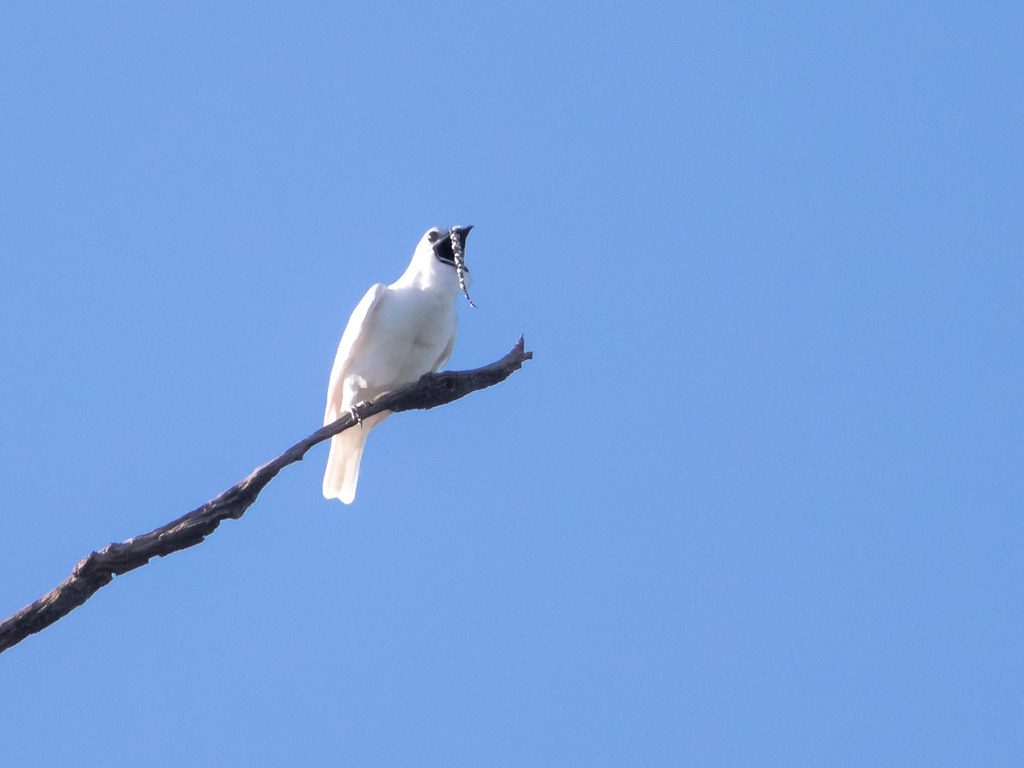
The white bellbird holds the record for the loudest bird call ever recorded at one hundred and twenty-five decibels. This species lives in the Amazon rainforest, and males scream their metallic note directly into the face of females. The sound is so intense that the female often has to hop away to protect her hearing during courtship. It sounds like a hammer striking an anvil and carries for long distances through the canopy. Researchers were shocked to discover that such a small bird could produce such immense noise. It pushes the physical limits of avian vocal anatomy to the extreme.
Walrus
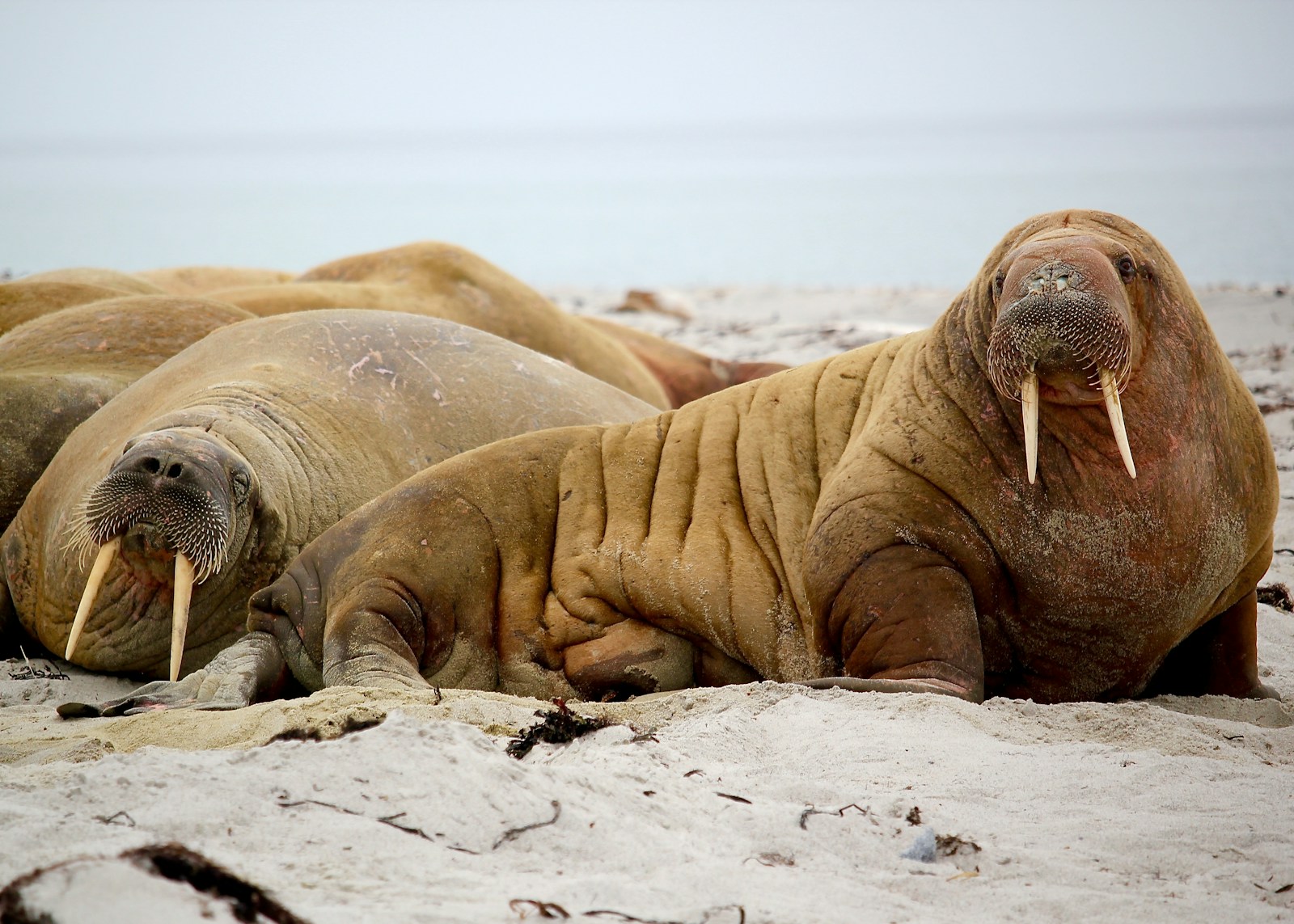
Male walruses produce a variety of loud sounds, including bells and knocks that reach one hundred and twenty decibels. These vocalizations are amplified by their large pharyngeal pouches and are used to attract females during mating season. The bell sound is particularly distinct and sounds like a large gong being struck underwater. They also use loud bellows to intimidate rivals and maintain dominance on the crowded ice floes. The acoustic repertoire of the walrus is surprisingly complex for such a bulky marine mammal. Their noisy social interactions are a key part of their life in the cold Arctic waters.
Green Grocer Cicada
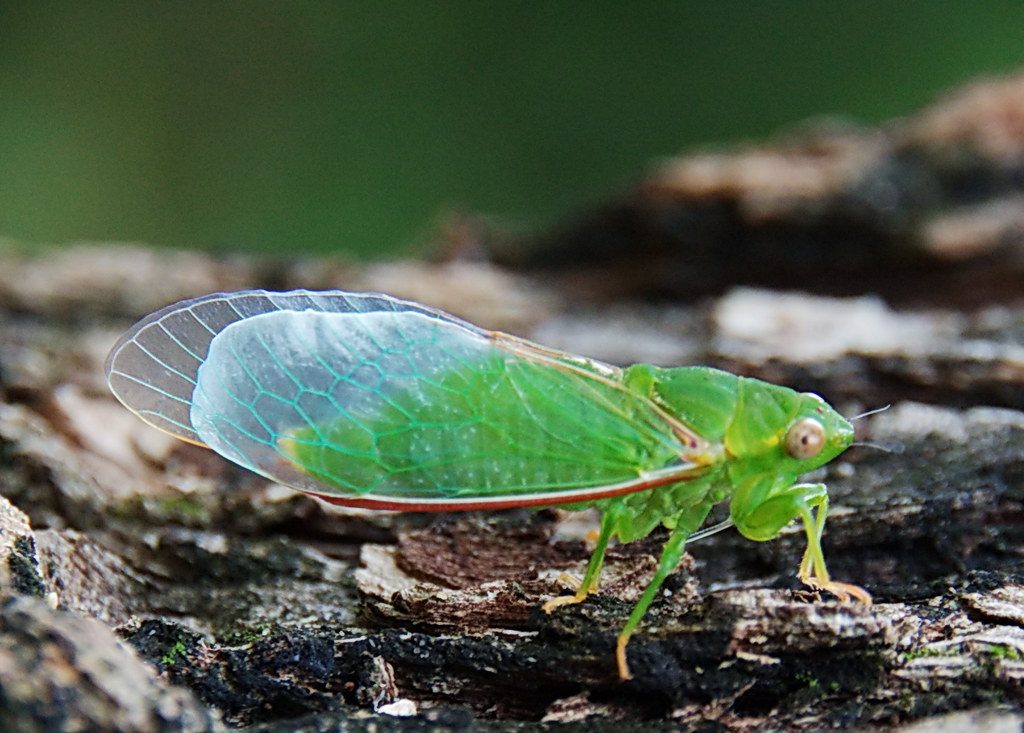
The green grocer cicada is one of the loudest insects in the world, with a call reaching one hundred and twenty decibels. Males possess a specialized structure called a tymbal that they vibrate rapidly to produce their signature shrill song. Swarms of these insects can create a deafening wall of noise that drowns out all other sounds in the area. The noise is painful to the human ear at close range and can persist for hours during the day. They use this volume to overwhelm predators and attract mates simultaneously. It is the deafening soundtrack of summer in Australia.
African Elephant
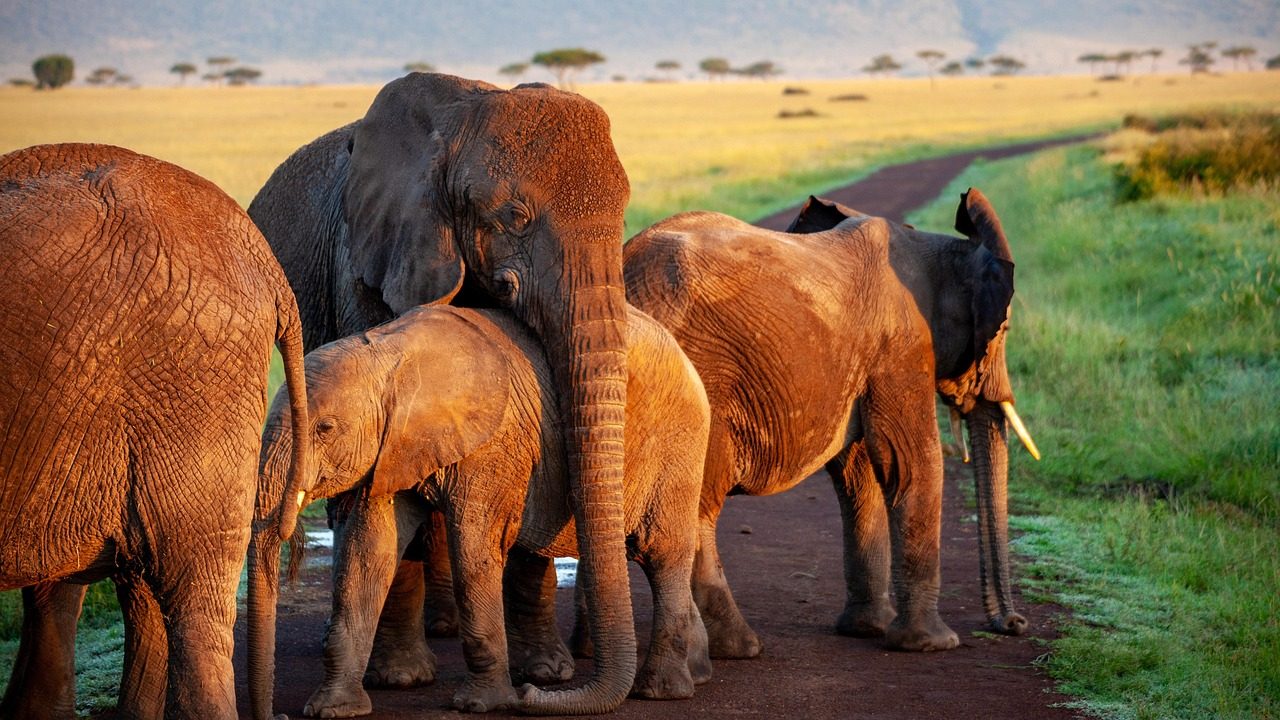
African elephants produce low-frequency rumbles that can reach one hundred and seventeen decibels and travel through the ground. These infrasonic sounds are below the range of human hearing but can be felt by other elephants miles away. They use these calls to coordinate herd movements and find potential mates across the vast savanna. The trunk also serves as a trumpet that can produce a terrifying scream when the animal is angry. This combination of seismic communication and trumpet blasts makes them effective long-distance communicators. Their deep voices are a critical tool for survival in the African wild.
Screaming Piha
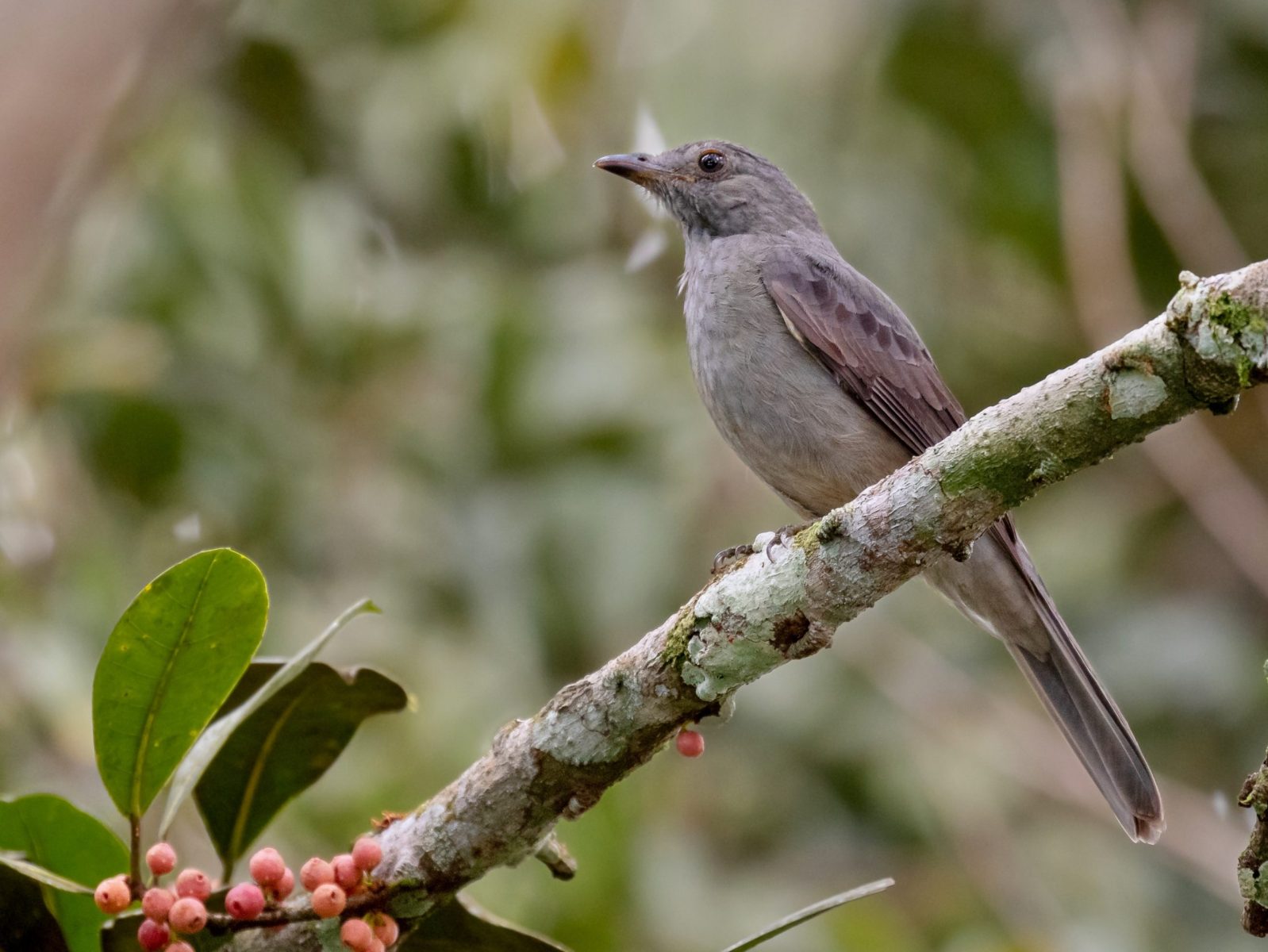
The screaming piha is a dull-colored bird that is famous for its piercingly loud wolf whistle call. It reaches one hundred and sixteen decibels and serves as the background noise for many movies set in the Amazon jungle. Males gather in loose groups called leks and sing their hearts out to compete for the attention of females. The sound is so loud that it can be disorienting for humans hiking through the forest. Despite their noise, they are incredibly difficult to spot because they blend in perfectly. Their voice is their defining characteristic in the dense rainforest canopy.
Hippopotamus
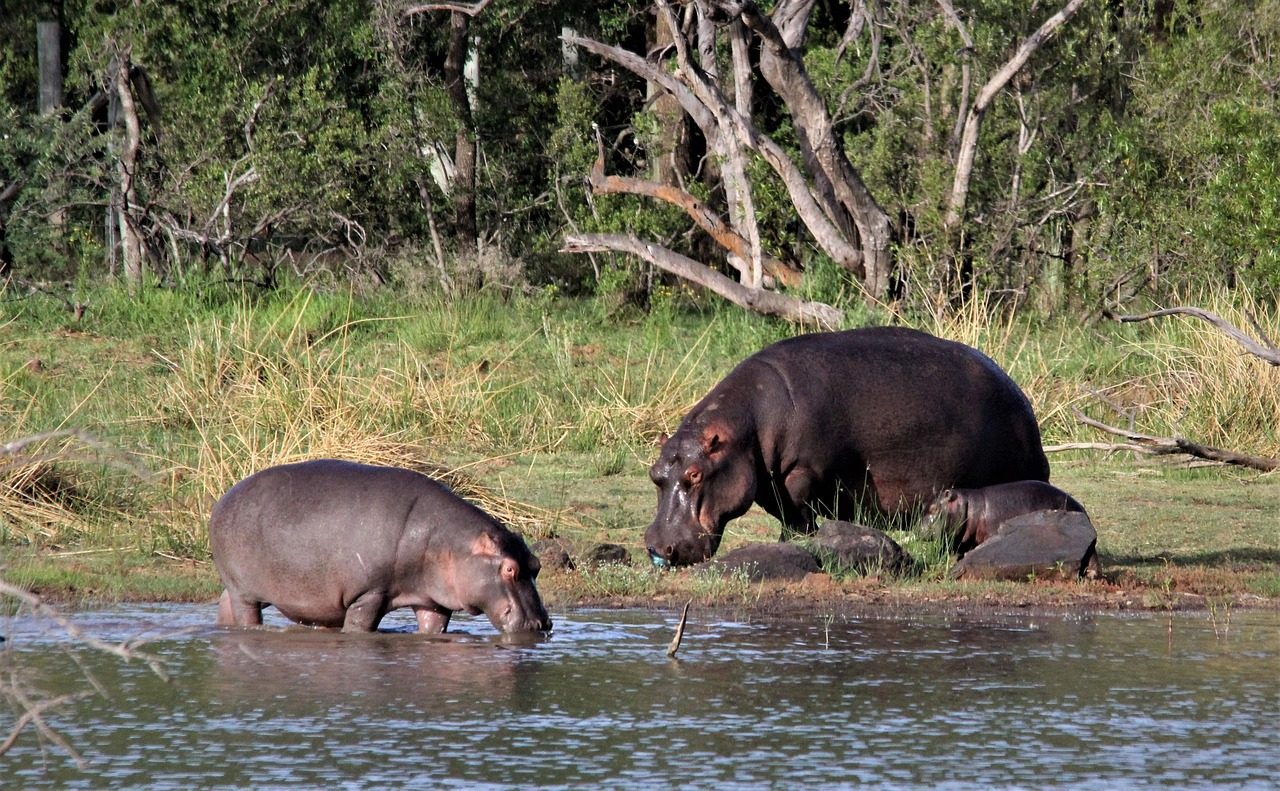
Hippos are notoriously aggressive animals that produce a loud honk sound that reaches one hundred and fifteen decibels. This call acts as a territorial warning to other hippos and any intruders that dare to approach their river. The sound often starts as a high-pitched squeal and ends in a deep guttural resonance that shakes the water. They are most vocal at night when they are active and moving between grazing areas. Hearing a hippo roar in the darkness is a terrifying experience for anyone on the water. It signals that a dangerous giant is nearby and watching you.
Peacock
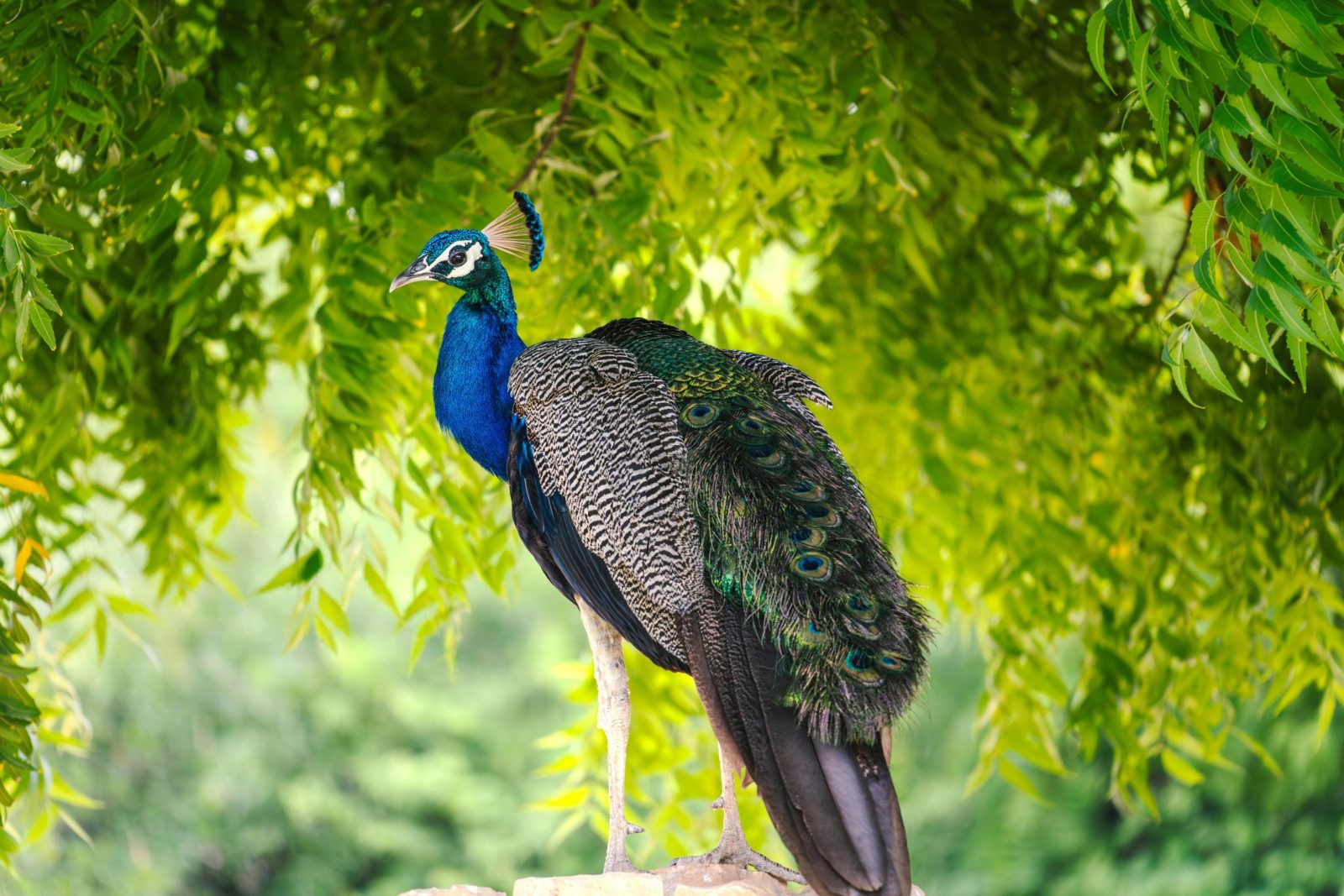
The peacock is famous for its beautiful feathers, but it also possesses a call that reaches one hundred and fifteen decibels. This loud meow sound is used by males to advertise their presence and warn of potential danger. The call carries well over open ground and can be heard from a significant distance away. Farmers often keep peacocks as natural alarm systems because they will scream at any strange animal or person. Their beauty contrasts sharply with their harsh and often annoying vocalizations. They are not shy about making their presence known to everyone in the immediate vicinity.
Lion
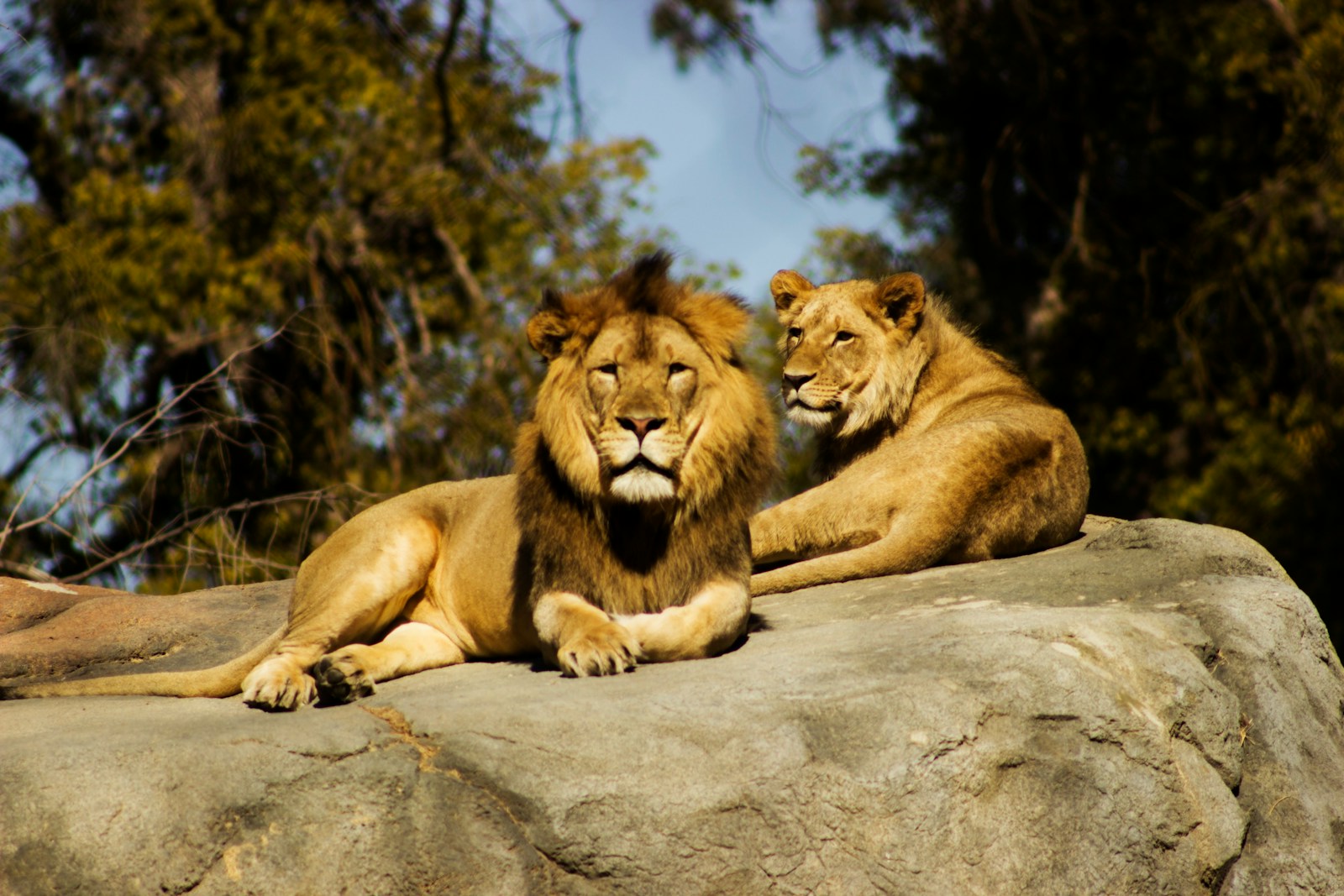
The roar of a lion is one of the most iconic sounds in nature and reaches one hundred and fourteen decibels. A male lion uses his roar to mark his territory and stay in contact with the rest of the pride. The sound is so powerful that it can be heard from five miles away across the open plains. It strikes fear into the hearts of prey animals and warns rival males to stay away. The specialized structure of their vocal cords allows them to produce this terrifying noise with little effort. It is the sound of absolute dominance.
Siamang
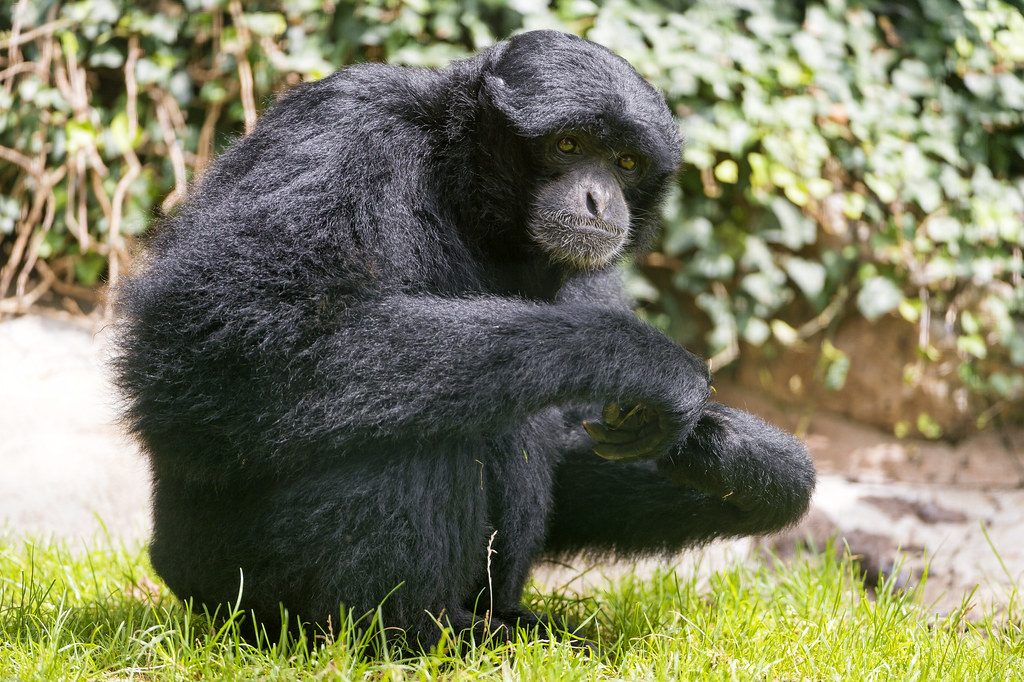
The siamang is the largest species of gibbon and possesses a large throat sac that amplifies its calls. These primates sing complex duets that can reach one hundred and thirteen decibels and echo through the rainforest canopy. The male and female sing together to strengthen their pair bond and declare their territory to other families. Their song includes booms and barks that are distinct from those of other gibbon species. The inflated throat sac looks like a gray balloon when they are singing at full volume. It is a beautiful but deafening display of primate communication high in the tall trees.
Spotted Hyena
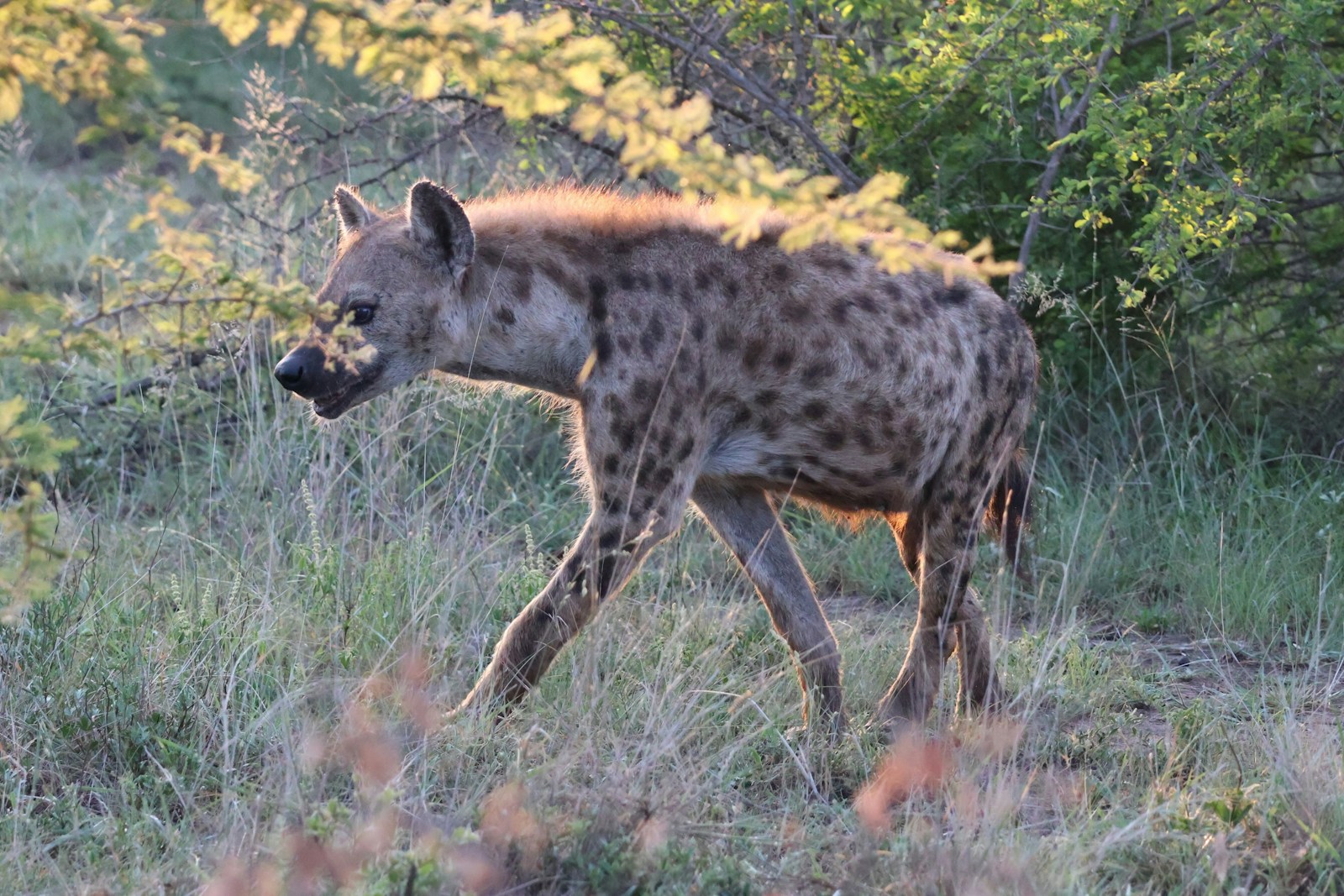
The spotted hyena is famous for its laugh, but it produces a variety of sounds that reach one hundred and twelve decibels. Their whoop call is used to rally the clan and coordinate attacks on large prey animals. The laugh is actually a sound of submission or frustration rather than humor or joy. These vocalizations allow them to communicate effectively in the pitch-black darkness of the African night. The eerie sounds of a hyena clan on the hunt are spine-chilling. They are highly vocal social predators that rely on sound to survive in their harsh environment.
Brevisana Brevis Cicada
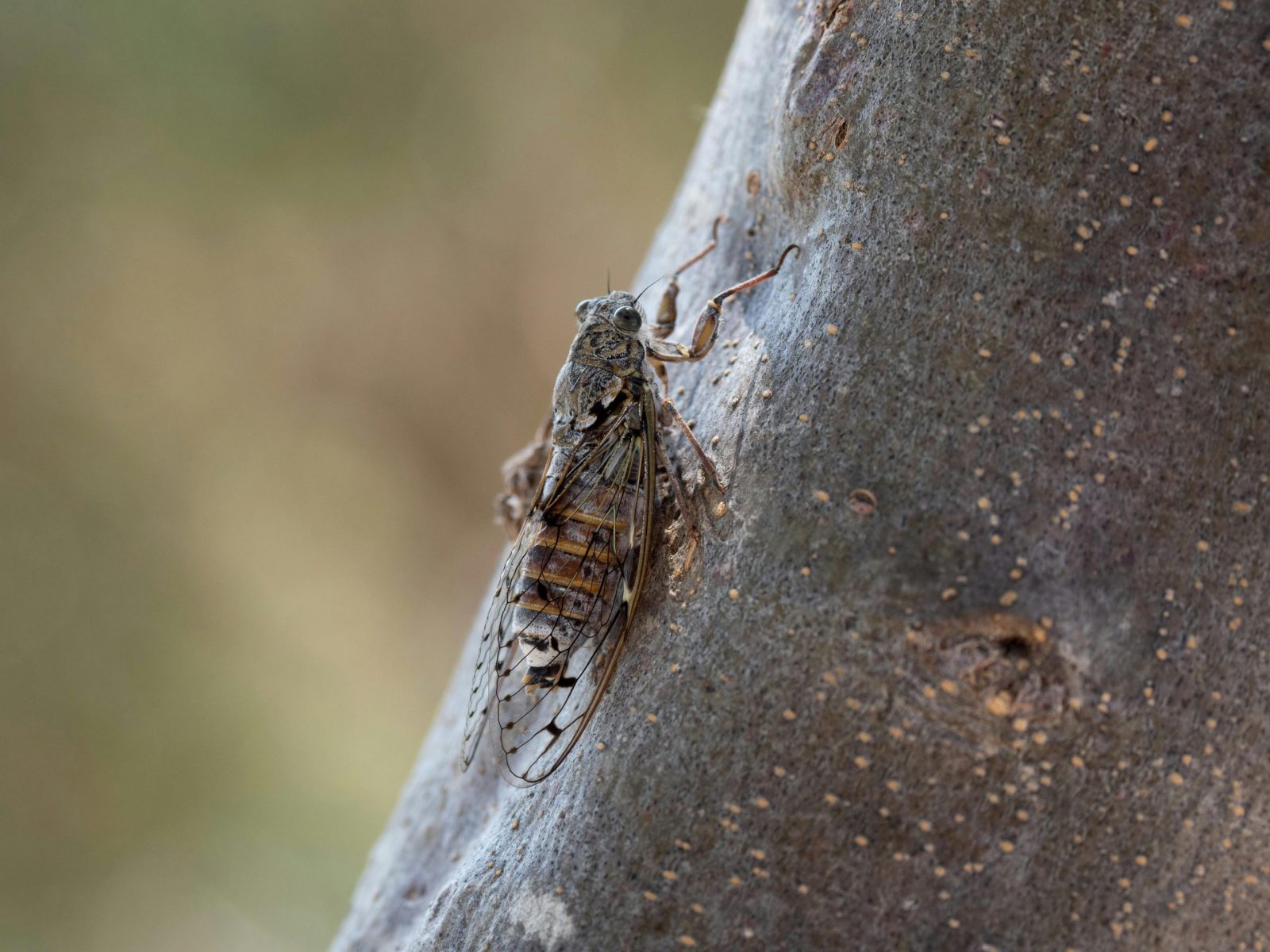
The Brevisana brevis is a species of African cicada that holds the record for the loudest insect call on record. Scientists measured its song at nearly one hundred and seven decibels from a distance of twenty inches. This massive volume helps the male cut through the background noise of the environment to reach females. The sound acts as a beacon that draws potential mates from far away to his location. Unlike other insects that sing in a chorus, this species often sings alone. It relies on raw power to get the job done efficiently in the noisy wild.
Rooster
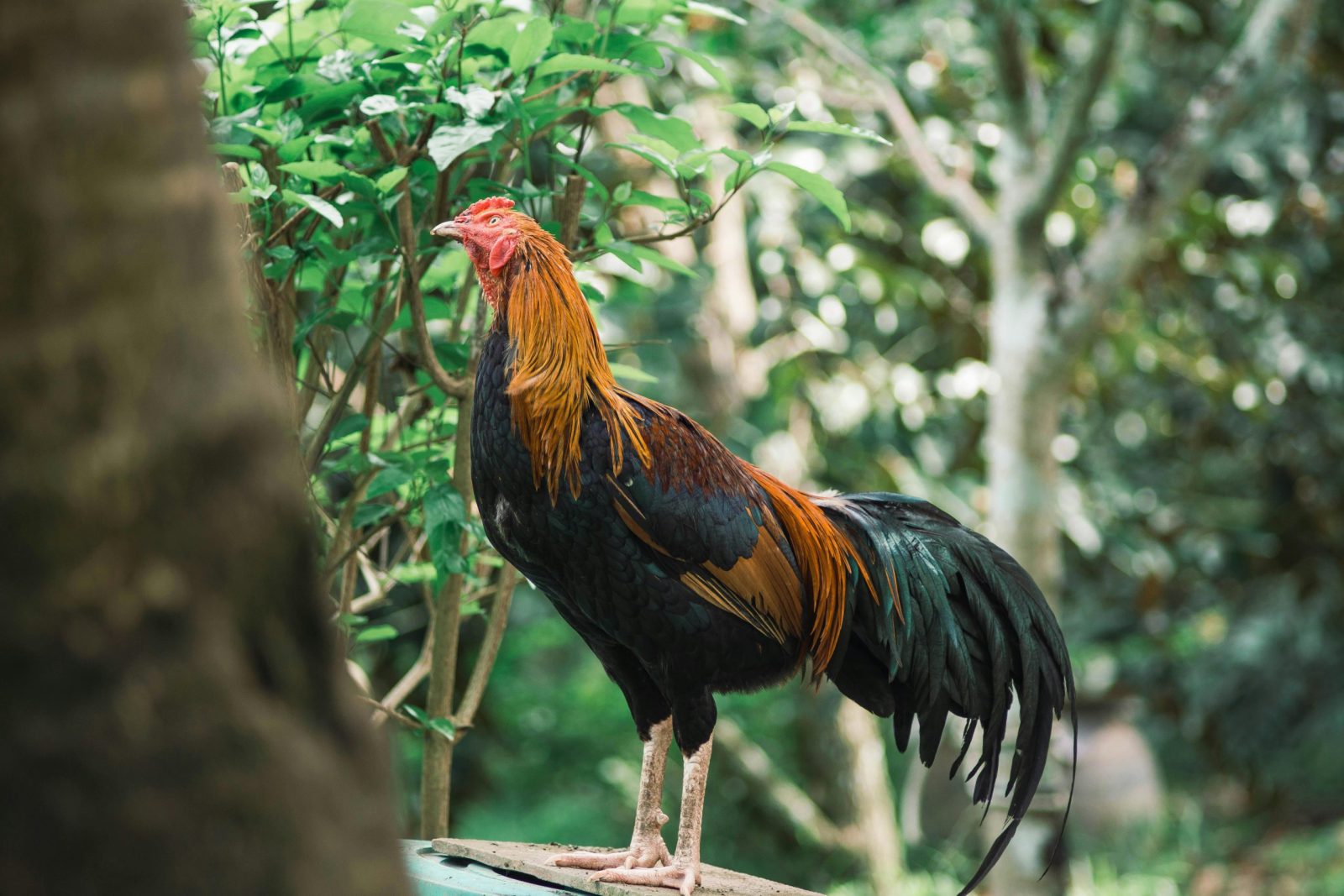
A domestic rooster may seem like a humble farm animal, but its crow can reach one hundred and forty decibels. The crowing serves as a territorial declaration that warns other males to stay away from his flock of hens. The sound is loudest right at the source, which protects the rooster’s own ears from damage. They possess a specialized mechanism that covers their ear canal when they open their beak to crow. This built-in ear protection allows them to scream every morning without going deaf. It is a surprisingly powerful sound for a small bird to make daily.
Greater Noctule Bat
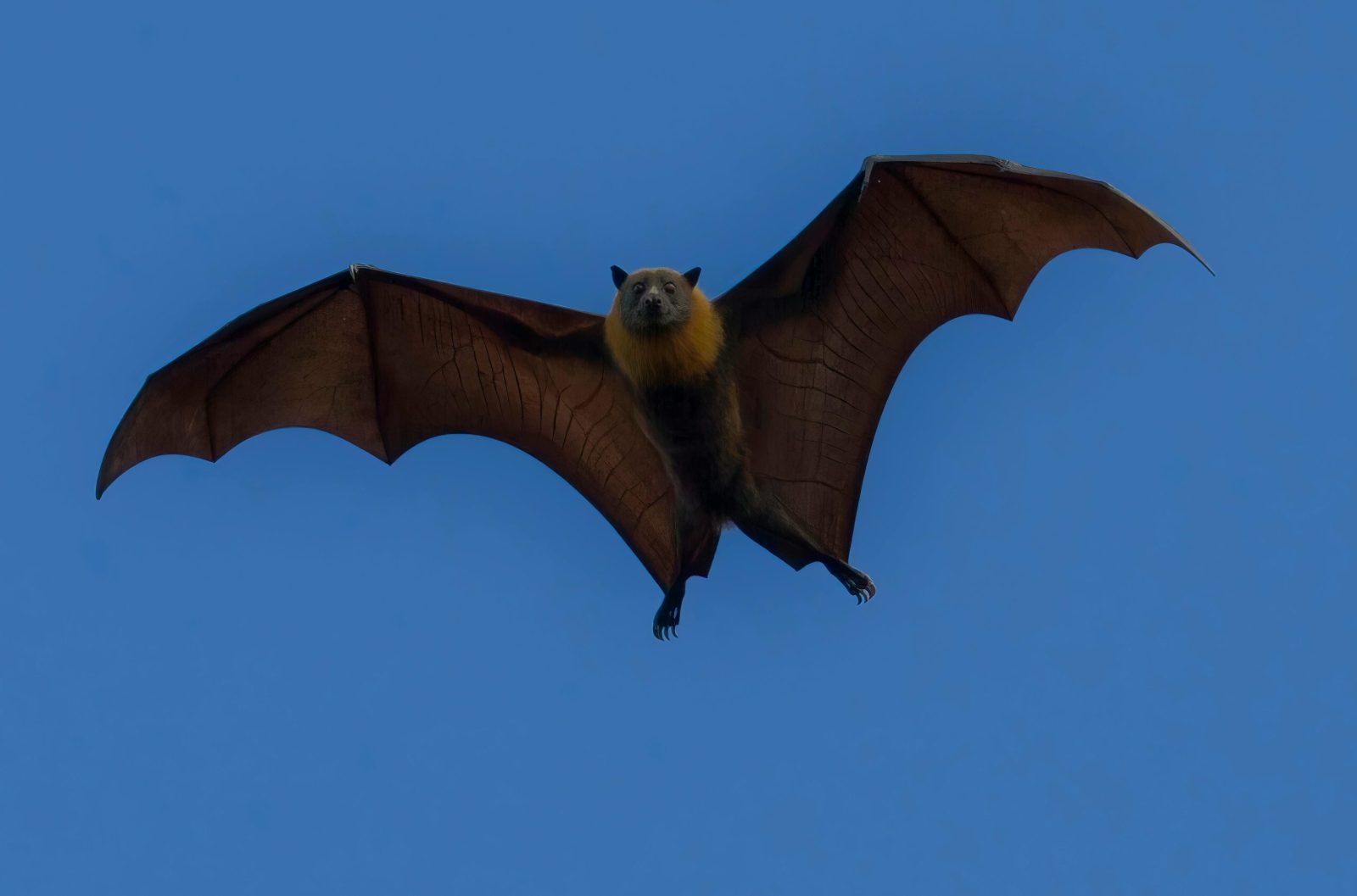
The greater noctule bat is a European species that hunts birds on the wing using extremely loud echolocation calls. Their calls can exceed one hundred and thirty decibels, which is necessary to detect fast-moving prey in open air. These bats fly high above the forest canopy, where they need powerful sonar to navigate. The intensity of the sound allows them to spot insects and small birds from a greater distance. It is an aerial predator that relies on acoustic superiority. Their hunting strategy is unique among bat species and allows them to dominate the night sky effectively.
American Alligator
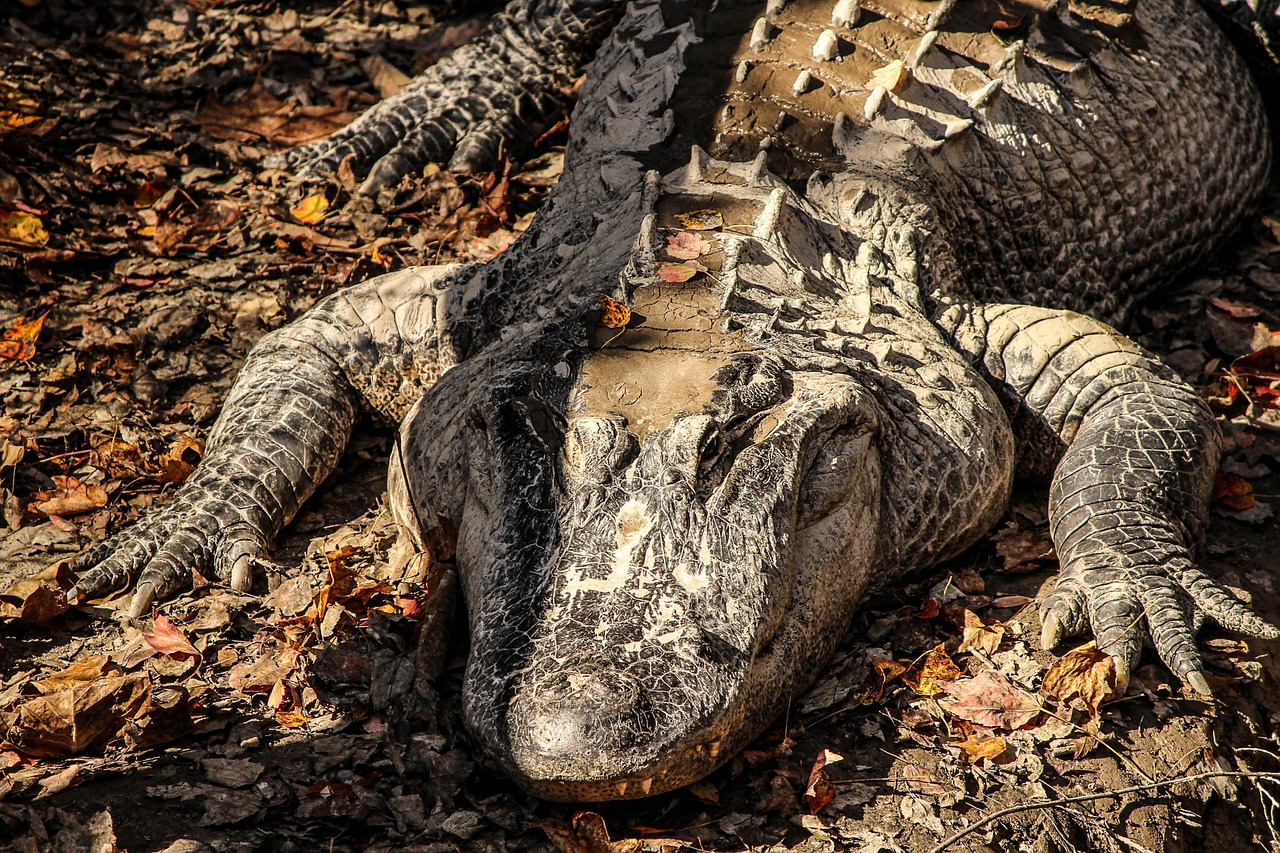
Male American alligators produce a deep bellow that shakes the water around them during the mating season. This low-frequency roar can travel for miles through the marsh and alerts females to their location. The sound is often accompanied by infrasonic vibrations that cause the water to dance on its back. It is a primitive and intimidating display that establishes dominance over a specific territory. Hikers in the swamp often feel the vibration before they hear the actual sound. It creates a primal atmosphere in the wetlands that reminds visitors of the ancient power lurking just beneath the surface.
Coqui Frog
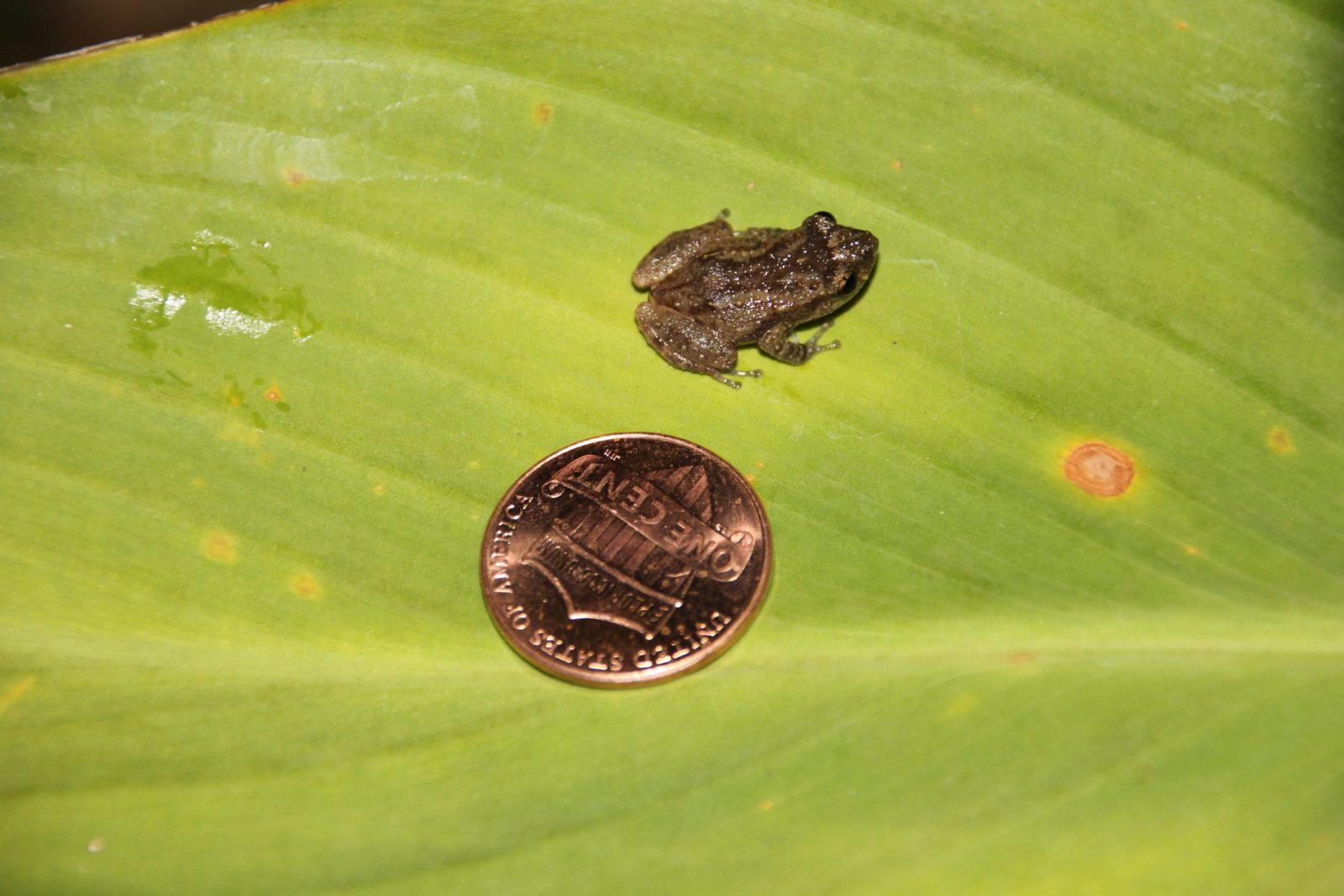
The coqui frog is a tiny amphibian from Puerto Rico that produces a call disproportionate to its small size. Their signature ko-kee sound can reach one hundred decibels and is deafening in large groups. These frogs have invaded Hawaii, where their noise keeps residents awake at night and lowers property values. They have no natural predators in their new home, so their populations have exploded. The sound of thousands of frogs calling at once is comparable to a lawnmower running in the bedroom. They are small but mighty noisemakers that have become a major nuisance for local homeowners.
Water Boatman
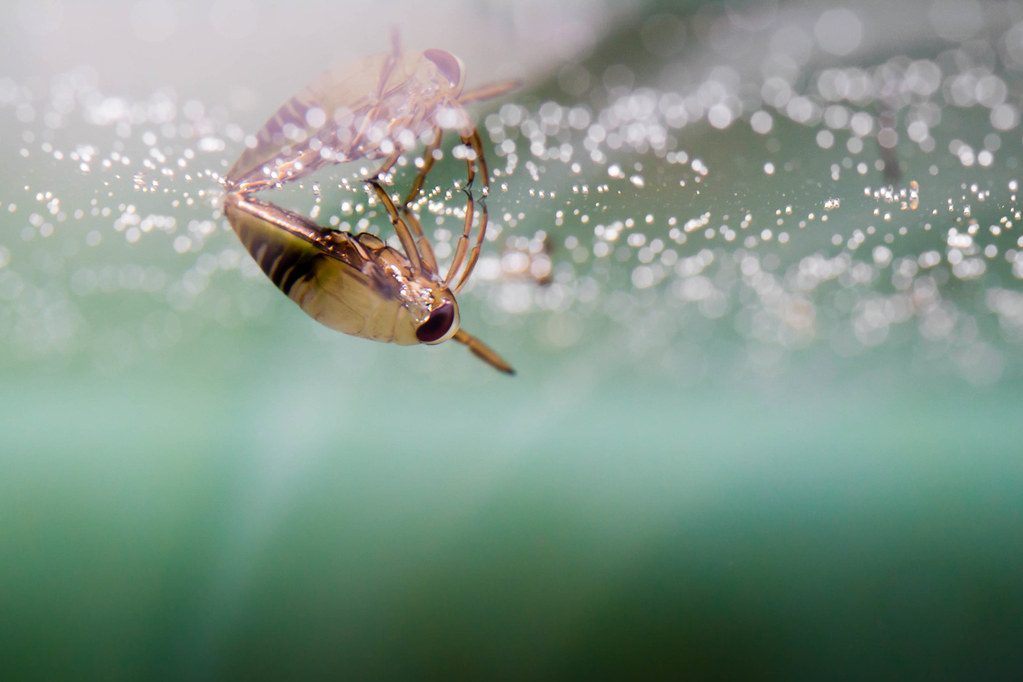
The water boatman is a tiny aquatic insect that holds the record for the loudest animal relative to its body size. Males produce a chirping sound that reaches 99 decibels by rubbing their genitalia against their abdomen. This process is called stridulation and creates a noise that can be heard from the riverbank. It is an impressive feat for a creature that is only a few millimeters long. The sound travels well underwater and helps them find mates in the murky river bottom. It is a mighty roar from a microscopic source hidden in the water.
Donkey
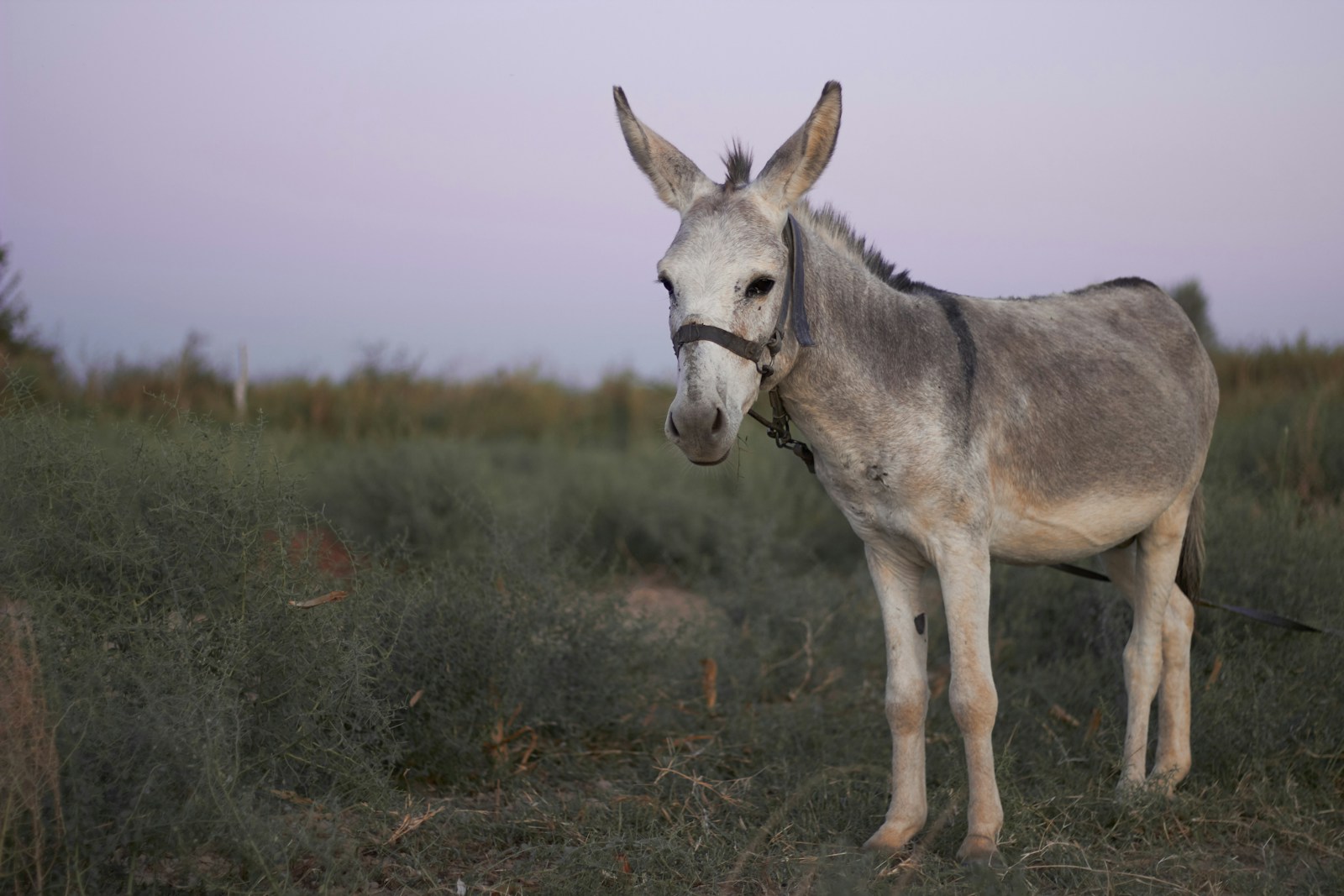
Donkeys are famous for their loud braying, which can reach over one hundred decibels and carry for miles. This distinct hee-haw sound is used to maintain contact with other donkeys in the wild desert environment. Their large ears are adapted to pick up these distant calls across the arid landscape. Domestic donkeys often bray to demand food or attention from their owners. The sound is harsh and abrasive, but effective for long-distance communication. It is a survival tool that has served them well for thousands of years and continues to define their character on farms today.
Laughing Kookaburra
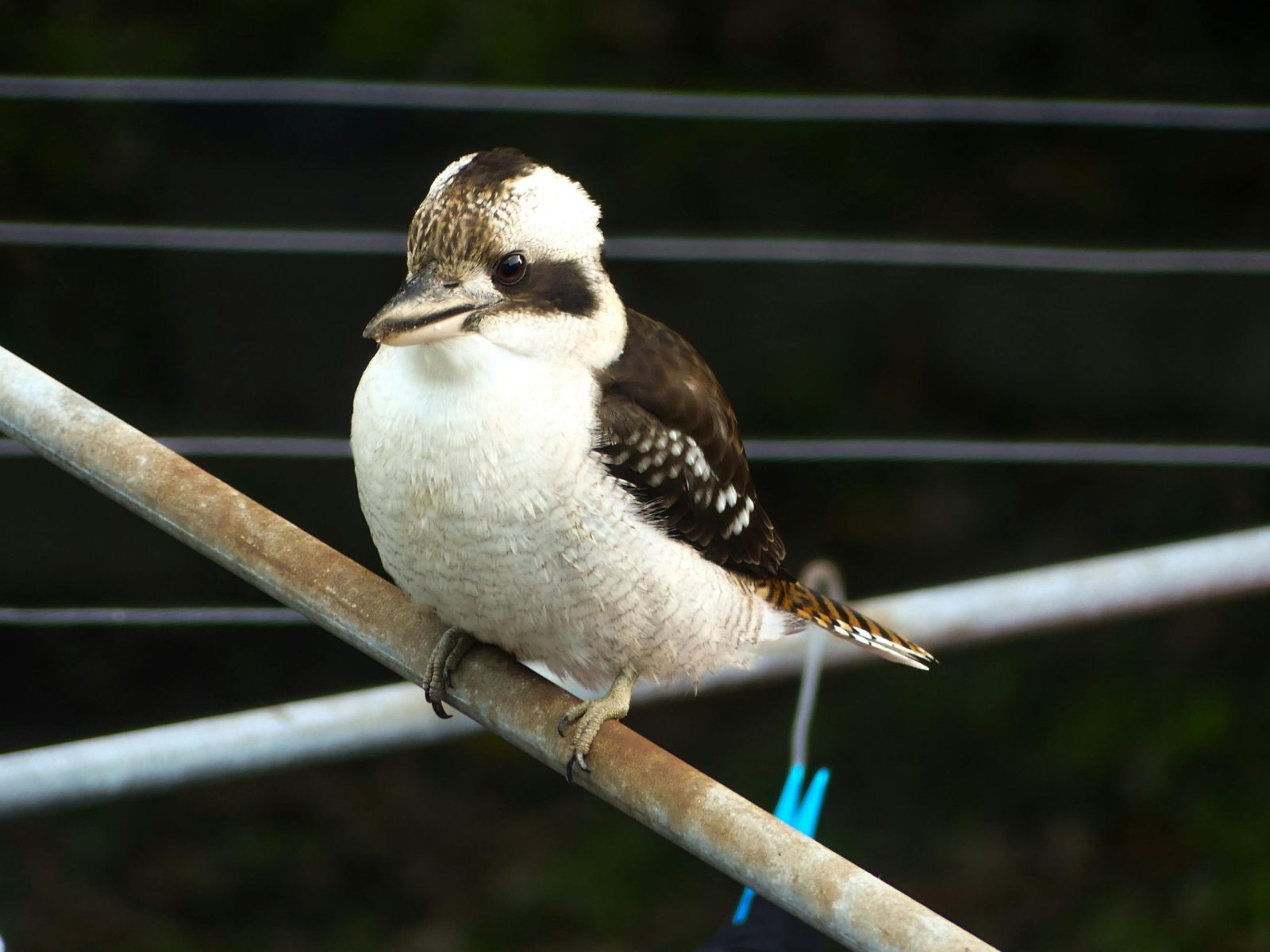
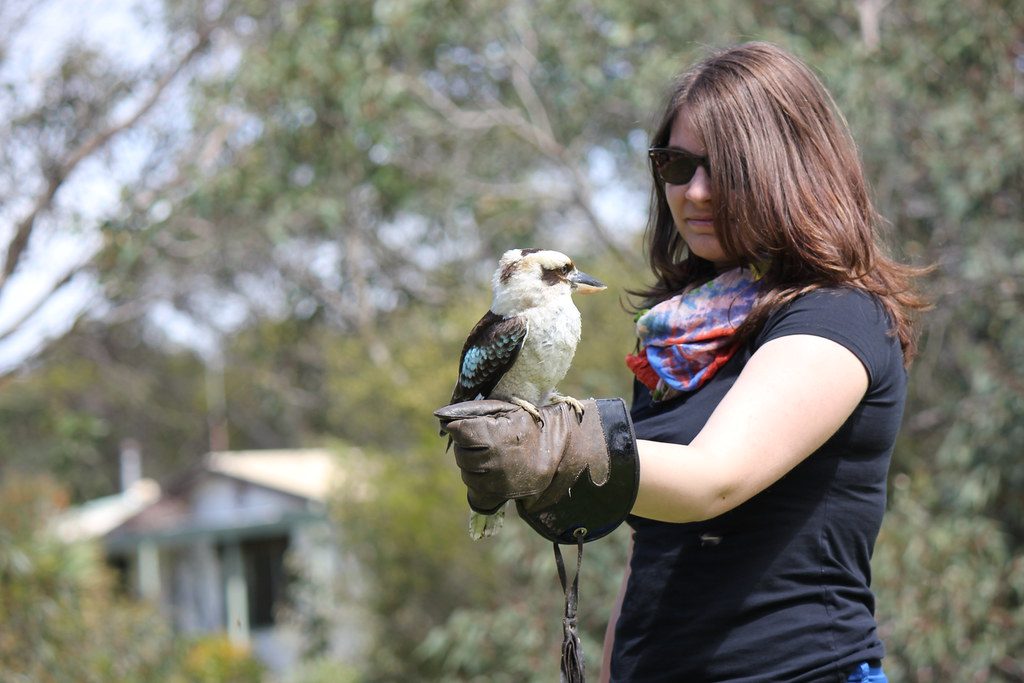
The laughing kookaburra is an Australian bird famous for its call that sounds exactly like manic human laughter. Family groups often sing together at dawn and dusk to mark their territory boundaries clearly. The sound can be heard from great distances and often triggers other groups to respond in kind. This chorus of laughter is a staple of the Australian bush and can be quite loud close up. They use this vocal display to warn off rivals without resorting to physical violence. It is one of the most recognizable and entertaining bird calls found in the natural world.