Home defense is one of the most emotionally charged topics in firearm discussions. Movies, social media, and word-of-mouth advice have shaped strong opinions, many of which are built on myths rather than facts. New gun owners often absorb these ideas without realizing how misleading they can be. Some myths exaggerate effectiveness, while others underestimate responsibility, training, or legal consequences. In reality, home defense is less about hardware and more about understanding limitations, safety, and realistic expectations. Believing the wrong information can lead to poor decisions, unnecessary fear, or false confidence. This article breaks down ten of the most common myths surrounding home defense guns and explains why they persist. The goal is not to promote any specific firearm, but to replace assumptions with a clear, practical understanding grounded in real-world considerations.
1. Bigger Guns Are Always Better for Defense
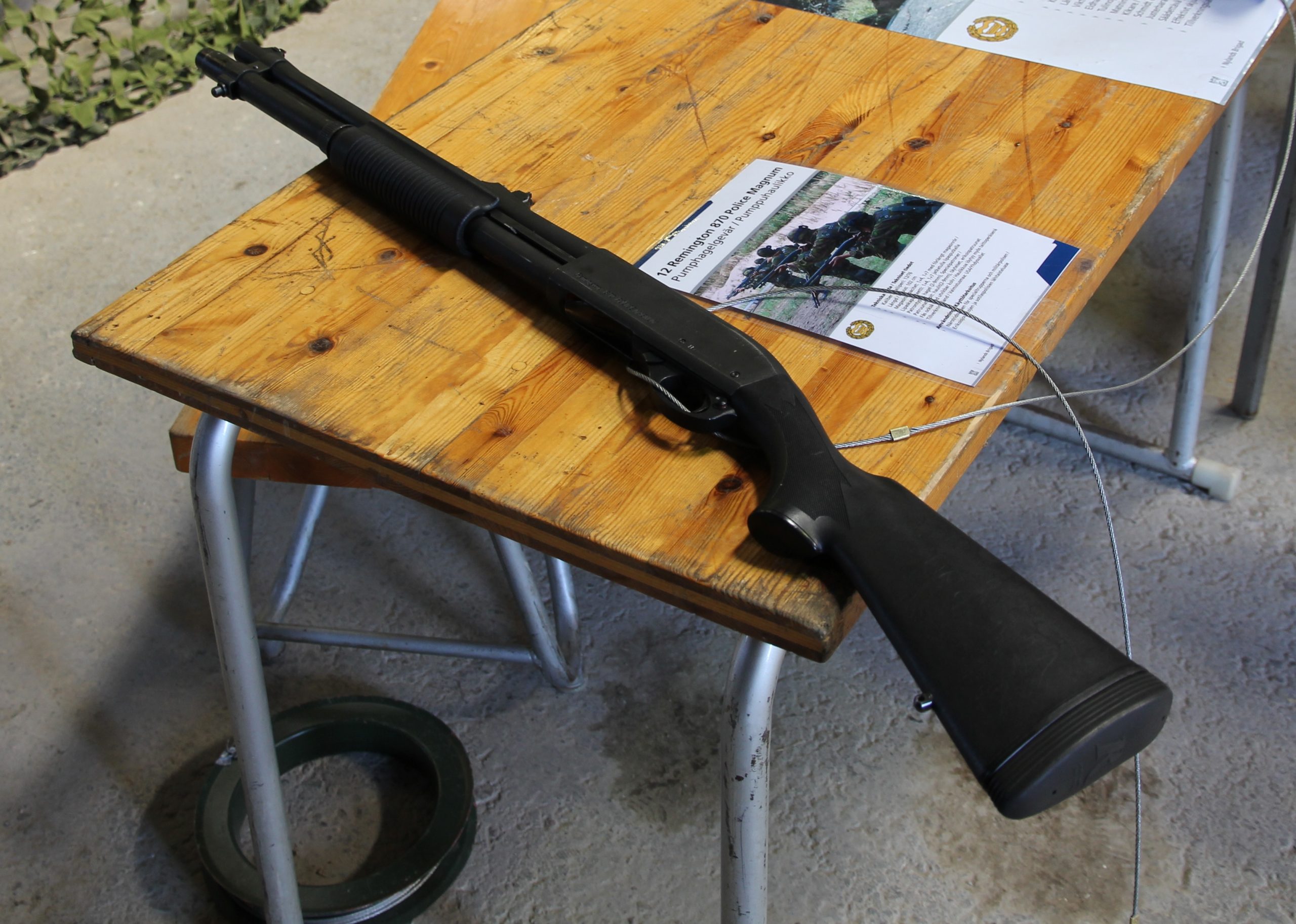
Many people assume that the largest, most powerful firearm automatically provides the best protection. This myth is reinforced by movies where sheer firepower solves every problem. In reality, larger guns often come with increased recoil, noise, and difficulty handling in confined spaces. These factors can reduce control and accuracy, especially under stress. A firearm that is uncomfortable or intimidating to use may be harder to deploy safely. Effective home defense depends on familiarity, controllability, and safe handling rather than size alone. A well-managed firearm that the owner understands thoroughly is far more effective than an oversized option chosen purely for intimidation. Bigger does not equal better when control and responsibility matter most.
2. Shotguns Don’t Require Precise Aiming
A persistent myth suggests that shotguns spread widely and do not require careful aim. This belief leads some to think accuracy is unnecessary indoors. In reality, shotgun patterns at home-defense distances are relatively tight. A missed shot is still a missed shot, with serious consequences. Relying on spread instead of proper aiming can result in unintended damage or injury. Shotguns require deliberate handling and target awareness like any other firearm. Understanding realistic pattern behavior is critical. Treating a shotgun as a forgiving option can create dangerous complacency. Accuracy and accountability remain essential regardless of firearm type.
3. The Sound Alone Will Scare Intruders Away
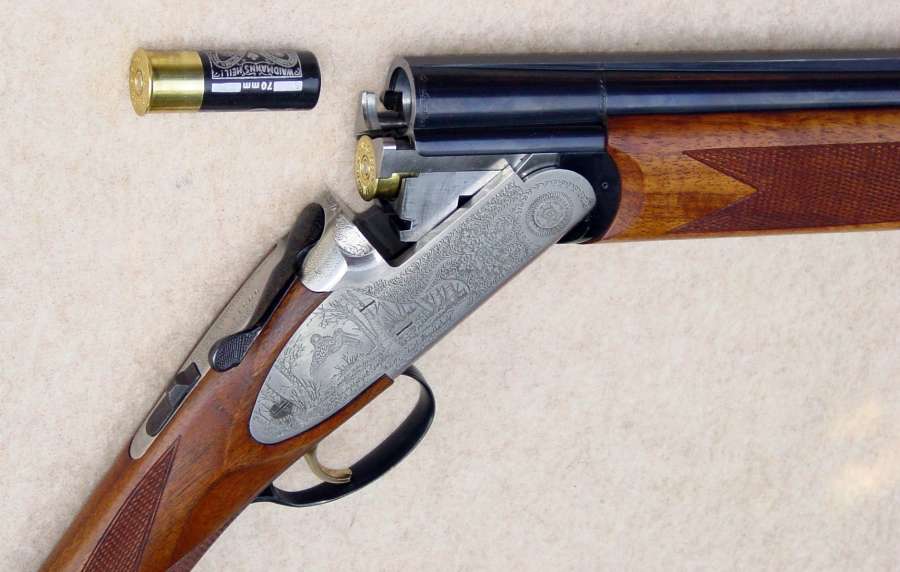
Some believe that the sound of chambering a firearm is enough to end a threat. While deterrence is possible, relying on sound as a strategy is risky. Not every intruder will respond predictably, and some situations escalate rather than resolve. Assuming noise alone assumes a rational response in a high-stress moment. It also sacrifices awareness and preparedness. Home defense planning should never depend on intimidation cues. Responsible defense focuses on situational awareness, safety, and legal considerations, not dramatic gestures. Sound is not a strategy; preparation is.
4. Any Gun Is Better Than No Gun

This myth oversimplifies a complex responsibility. Owning a firearm without training, safe storage, or understanding of local laws can introduce new risks. An unfamiliar or poorly maintained firearm may create more danger than protection. Home defense is about readiness, not possession alone. Without proper education and safe handling practices, a firearm can become a liability. Responsible ownership requires commitment beyond purchase. A gun is only a tool, and tools are only effective when used correctly. Simply having one does not guarantee safety.
5. More Ammunition Capacity Equals More Safety
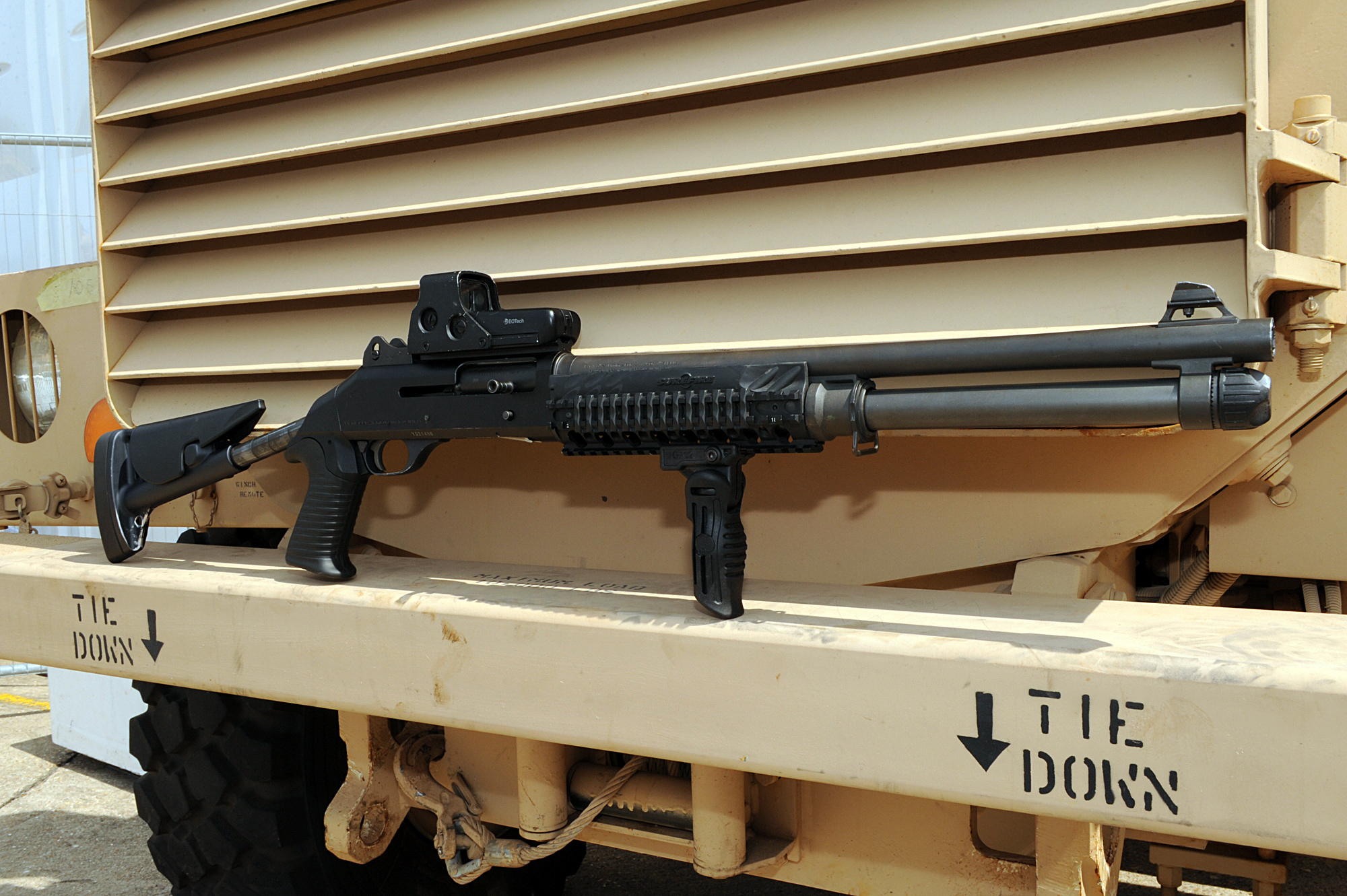
High capacity is often equated with security, but this belief ignores practical realities. Accuracy, decision-making, and situational awareness matter far more than round count. More ammunition does not compensate for poor judgment or lack of training. In fact, focusing on capacity can distract from fundamentals like safe handling and legal responsibility. Home defense scenarios are unpredictable and stressful. Success depends on control, not volume. Capacity should be viewed as one factor among many, not a defining advantage.
6. Home Defense Guns Are Only for Emergencies
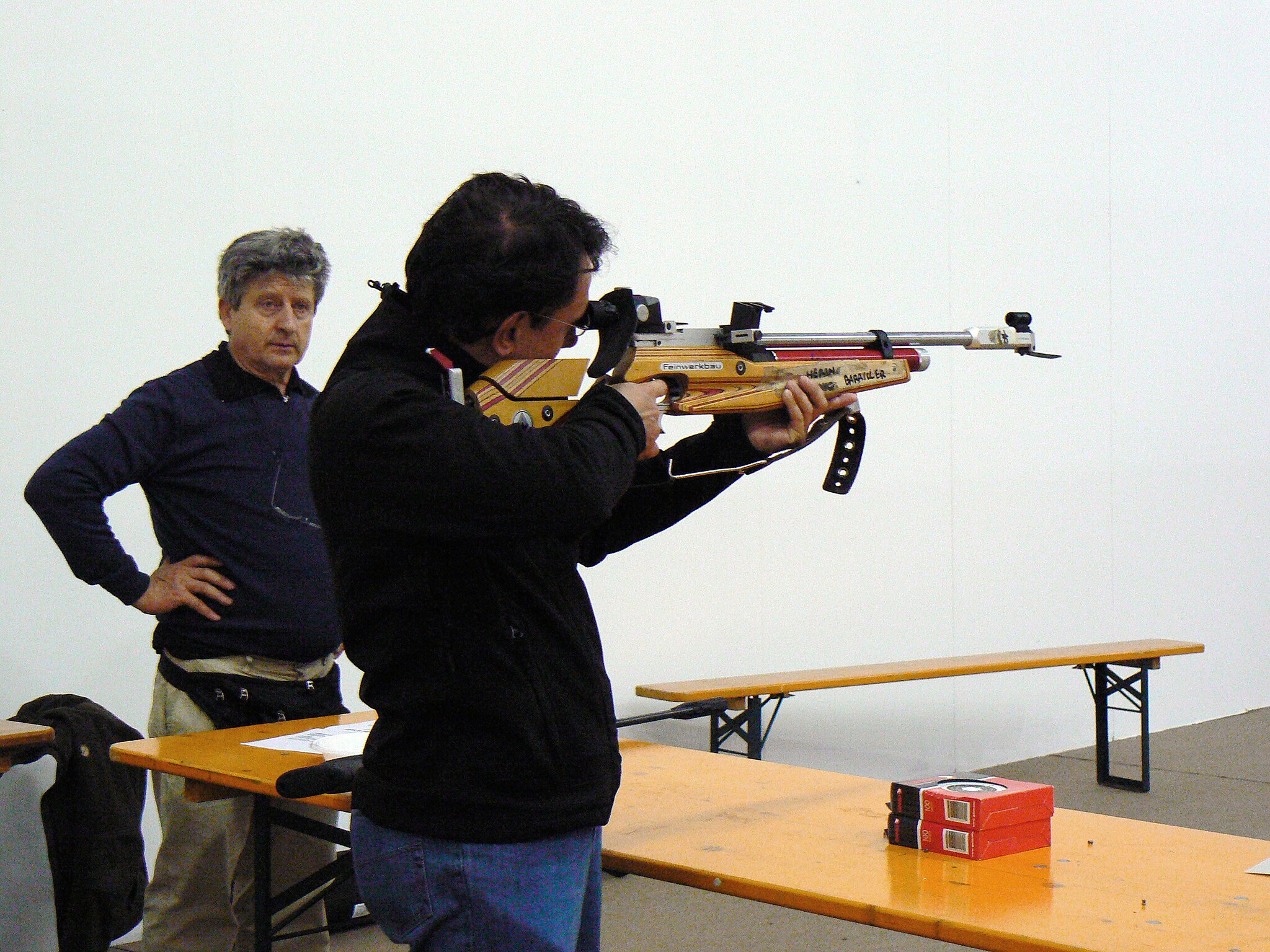
Some people assume a firearm can remain untouched until a crisis occurs. This mindset discourages regular practice and familiarity. Skills degrade without reinforcement, especially under stress. A firearm that is never handled or maintained may not function as expected when needed. Responsible ownership includes routine training, inspection, and safe storage practices. Treating a firearm as a last-minute solution ignores the preparation required to use it safely. Readiness comes from consistency, not neglect.
7. One Type of Gun Works for Everyone

There is no universal solution for home defense. Physical ability, experience level, home layout, and legal environment all influence what works best. What feels comfortable and controllable for one person may be unsuitable for another. Assuming a single firearm type fits every situation leads to poor choices. Personal factors matter. Responsible decisions account for individual needs rather than trends or recommendations from strangers. Flexibility and self-awareness are key.
8. Home Defense Is Only About the Gun
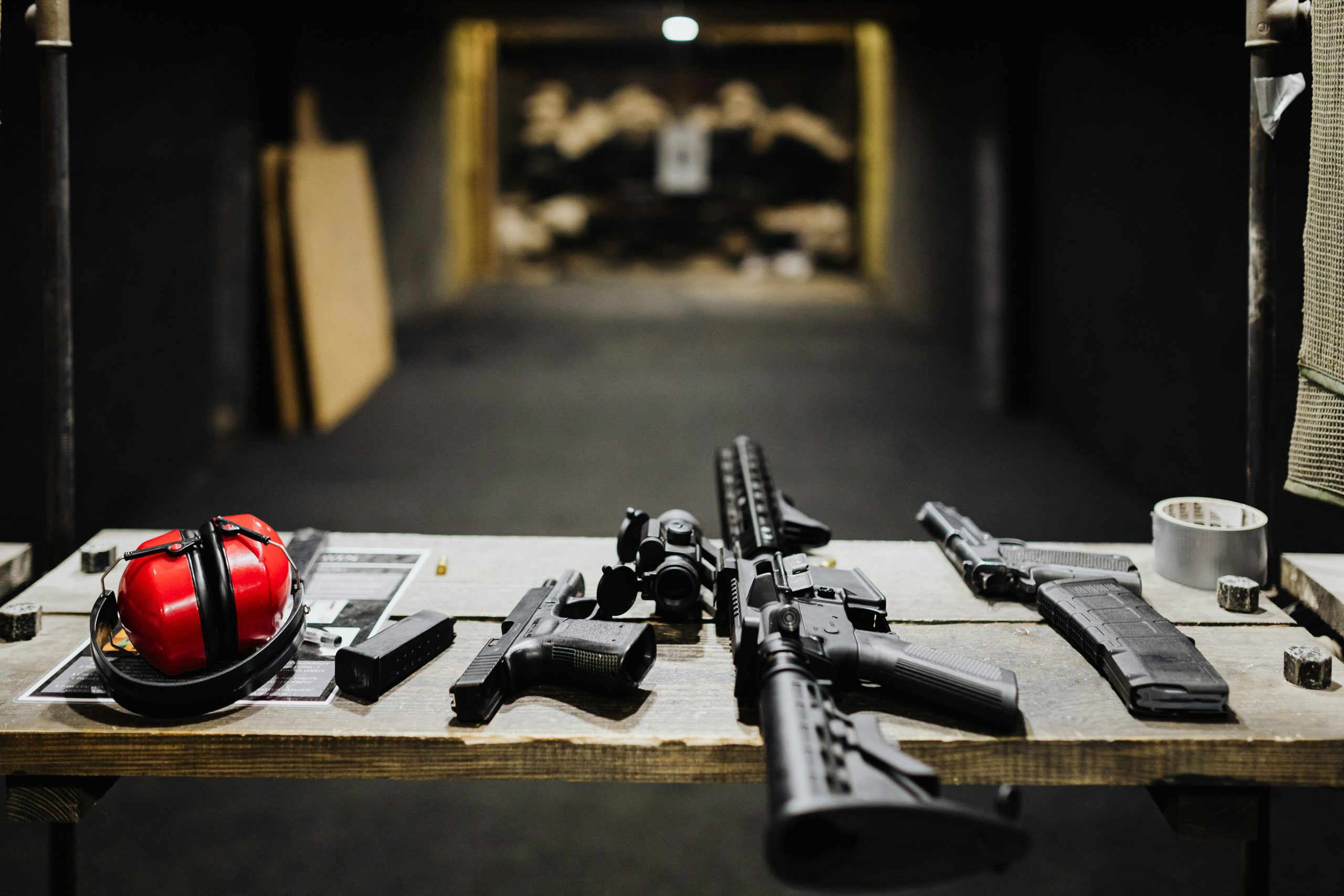
Focusing solely on firearms ignores other critical aspects of safety. Home security includes lighting, locks, communication, and planning. A firearm is just one part of a broader approach. Overemphasis on hardware can create blind spots in preparedness. Effective defense is layered and thoughtful. Tools matter, but mindset and planning matter more. Reducing the issue to equipment alone oversimplifies reality.
9. Legal Issues Don’t Matter in Emergencies
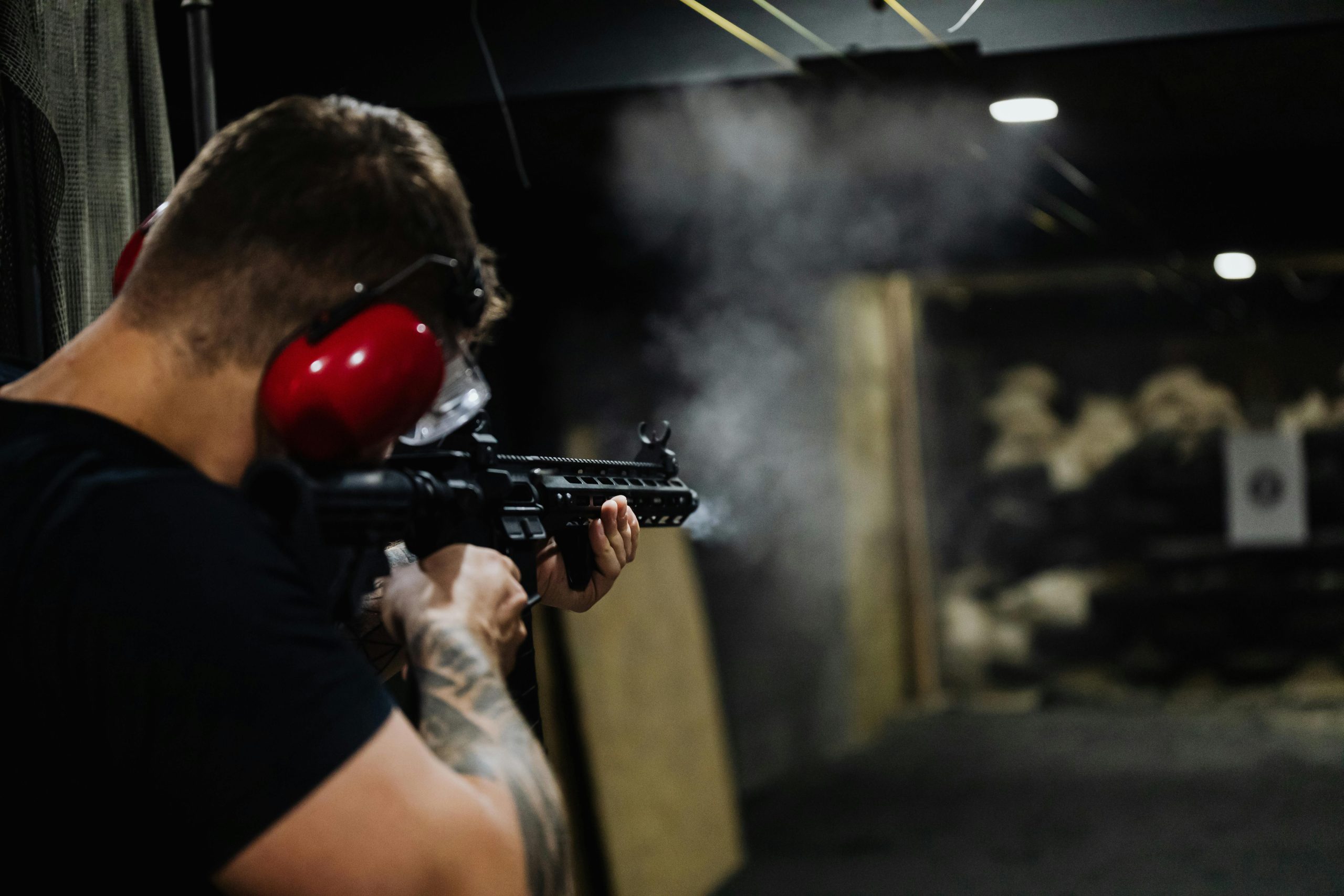
Some believe legal consequences disappear during emergencies. This is dangerously false. Laws governing self-defense are strict and vary by location. Actions taken in fear can still carry serious legal implications. Understanding local laws is part of responsible ownership. Ignorance does not offer protection after the fact. Legal awareness is as important as physical preparedness.
10. Movies Reflect Real Home Defense Scenarios
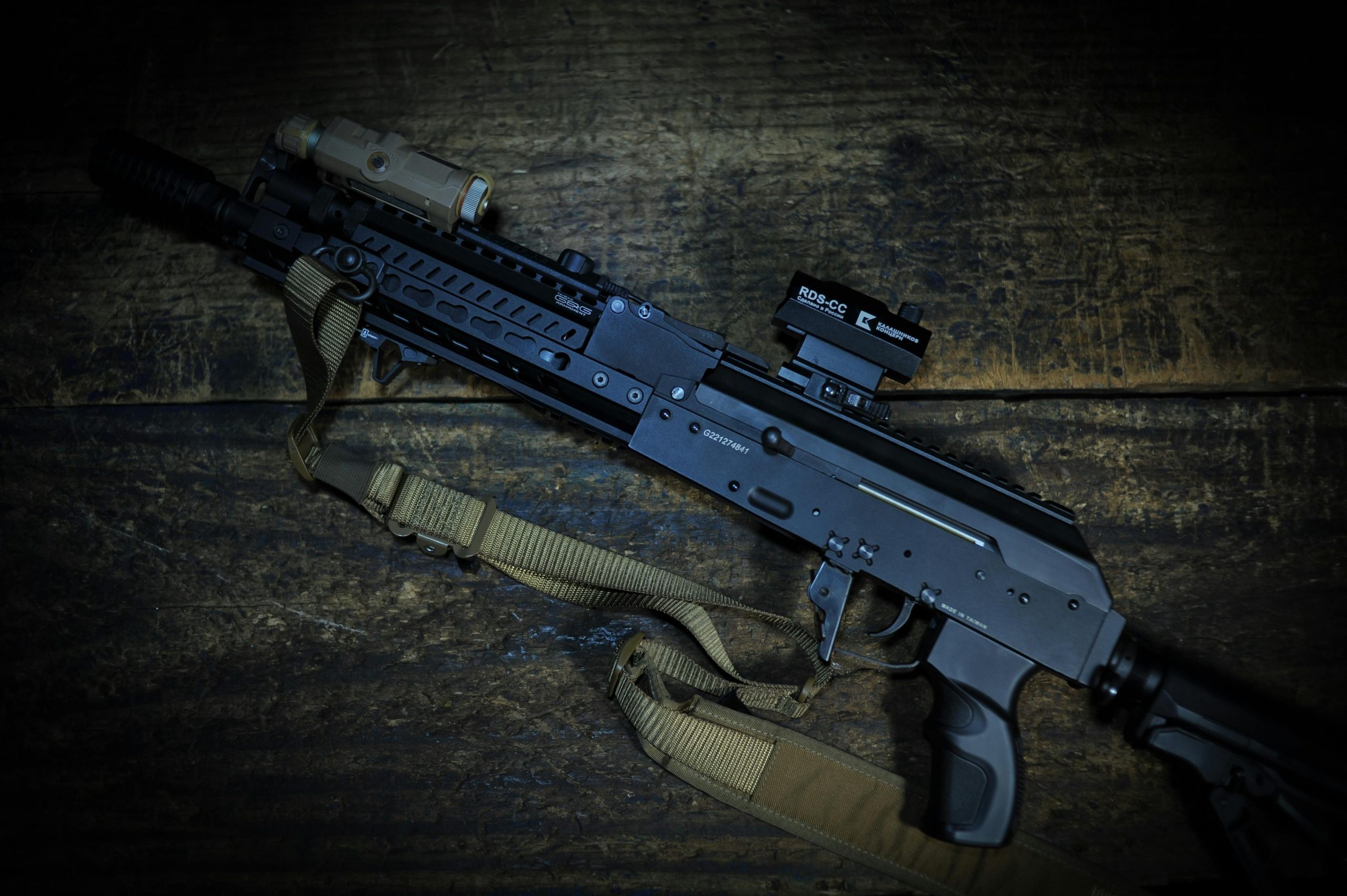
Entertainment has shaped many unrealistic expectations. Films often ignore consequences, accuracy, and legal realities. Real life is slower, more chaotic, and far less predictable. Believing cinematic portrayals can lead to unsafe assumptions. Separating fiction from reality is essential. Home defense is not a movie scene; it is a serious responsibility requiring restraint, preparation, and respect for consequences.