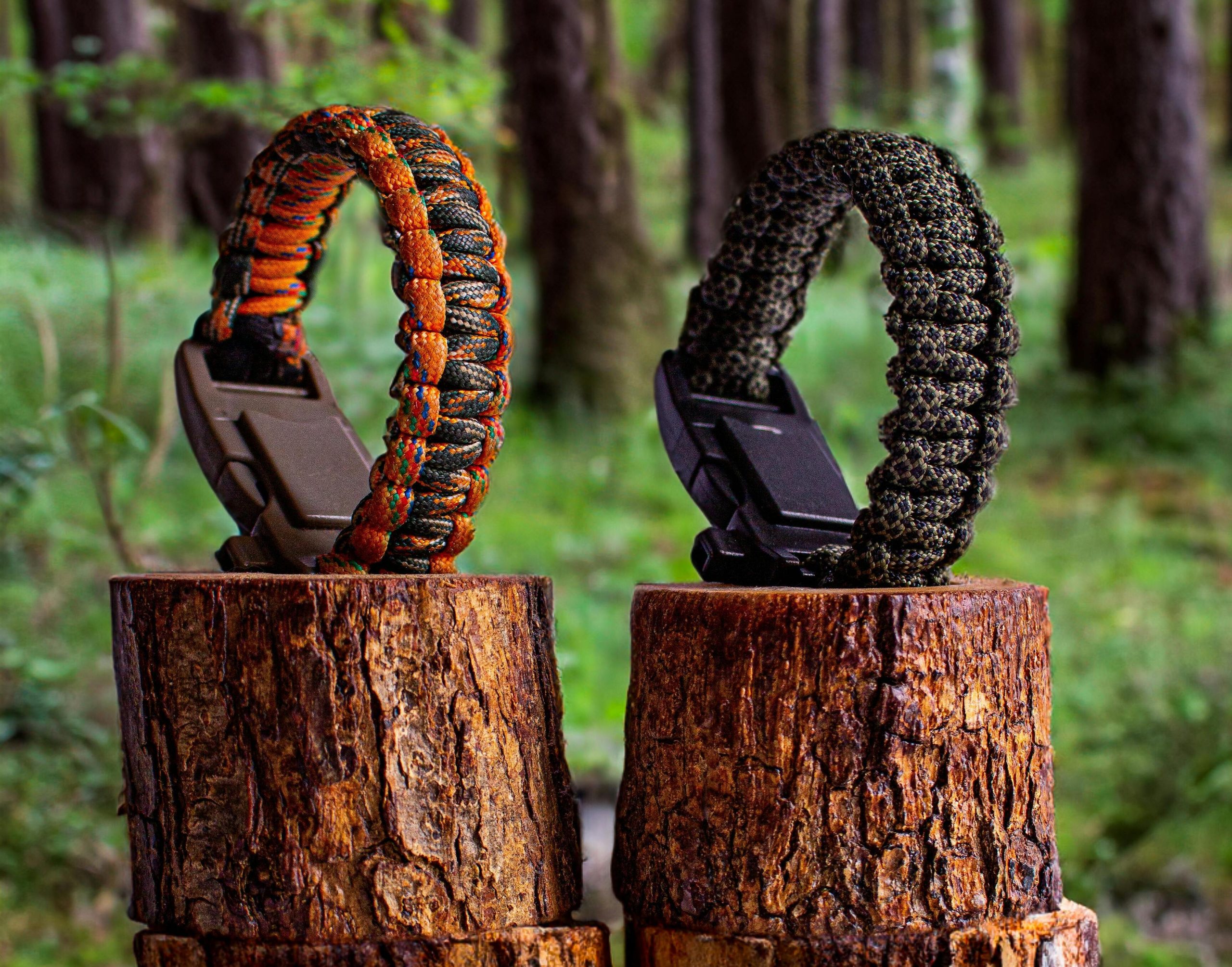
Walk into any outdoor retailer or scroll through Amazon’s survival category, and you’ll encounter the same item in a hundred different colors: the paracord survival bracelet.
It sits on wrists across North America with quiet confidence, projecting readiness without ever demanding proof.
Over 10 million units are sold annually in the United States alone, making it one of the most purchased small survival accessories ever produced.
The marketing is seamless: military-grade material, wearable anywhere, always available when you need it most.
The reality, however, is far more complicated.
Behind the rugged imagery and the appealing price points lies a product that consistently underperforms the moment genuine field demands arrive.
This article pulls apart eight specific dimensions where the paracord bracelet fails the people relying on it, with numbers to back every point up.
How the Paracord Bracelet Became a Cultural Symbol
Paracord bracelets didn’t begin as survival tools; they started as a craft hobby.
In the early 2000s, veterans began weaving surplus Type III parachute cord into wristbands as a personal pastime.
Survival television boomed between 2008 and 2012, and the bracelet rode that wave straight onto retailer shelves worldwide.
Annual North American sales surpassed 12 million units by 2015, making it one of the most purchased small survival accessories on record.
The problem is that this popularity was built entirely on imagery and military association, not field performance.
A hobbyist craft got rebranded as emergency equipment, and millions of buyers accepted that story without ever questioning whether it actually holds up under real pressure.
The Cordage Length Problem Nobody Talks About
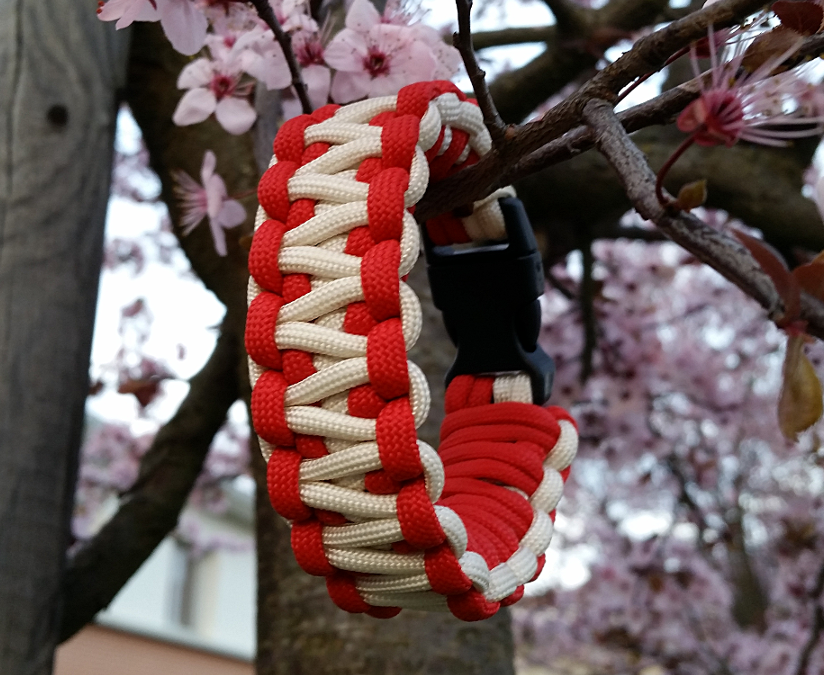
The number on most bracelet packaging, usually 7 to 10 feet, reveals the core flaw immediately.
Seven feet barely secures a single anchor point in any useful way.
Building a functional lean-to shelter requires between 50 and 80 feet of line at a minimum, and a full debris hut with a ridgeline needs closer to 100.
Setting basic snare traps burns through 15 to 20 feet per individual trap.
Lashing a proper field splint takes another 10 feet on its own.
No single bracelet addresses these needs, and stacking multiple bracelets on both wrists still leaves a critical shortage.
The length marketed as a survival advantage falls dangerously short of nearly every real scenario you would actually face outdoors.
Breaking Strength Claims vs. Real-World Testing
The “550 paracord” label implies a breaking strength of 550 pounds, but that figure applies only under controlled laboratory conditions.
In practice, cordage is always knotted, and knotting reduces breaking strength by 40 to 60 percent, depending on the knot type.
A standard square knot drops effective strength to around 220 pounds.
A bowline performs better but still retains only about 70 percent of the original rating.
Wet conditions reduce strength by another 10 to 15 percent on top of that.
Most bracelet-grade paracord also fails true mil-spec standards due to inconsistent overseas manufacturing.
What looks like a 550-pound guarantee on the label is frequently far less in practice, and that gap genuinely matters when the stakes are high.
The Counterfeit Manufacturing Problem Hiding in Plain Sight
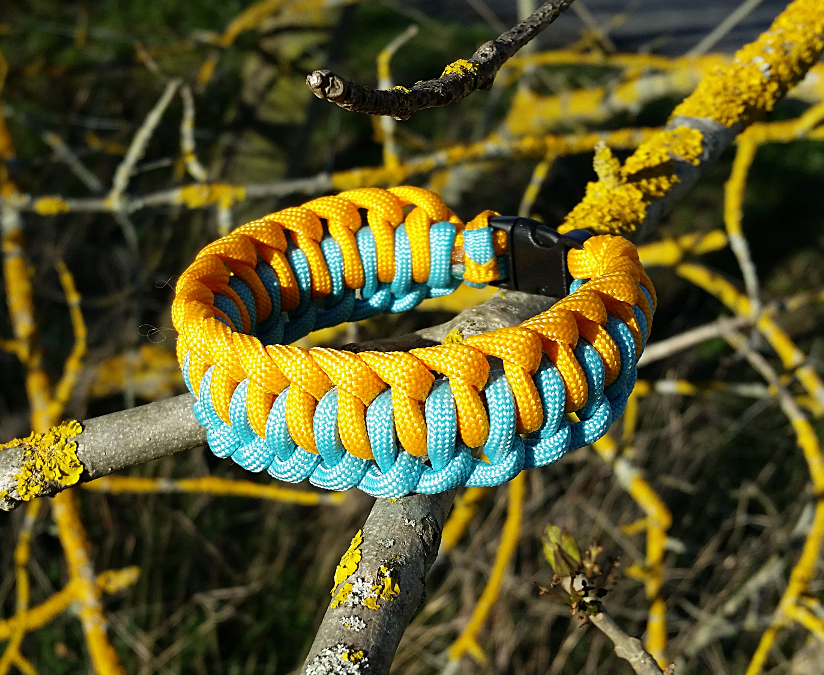
Not all paracord is created equal, and the bracelet market carries a serious counterfeit problem.
Genuine mil-spec Type III cord contains 7 inner nylon strands of 3 twisted yarns each, wrapped inside a 32-carrier braided sheath.
Counterfeit versions are estimated at 30 to 40 percent of bracelet-grade cord sold through online marketplaces, which swap those inner strands for cheap polyester or cut the strand count entirely.
This drops the real breaking strength to as low as 150 to 200 pounds while packaging claims stay completely unchanged.
Without physically cutting the cord and counting strands, buyers have no way to verify what they actually purchased.
Survival gear is especially vulnerable because most people never stress-test their equipment before genuinely needing it in the field.
The Unraveling Failure When Speed Matters Most
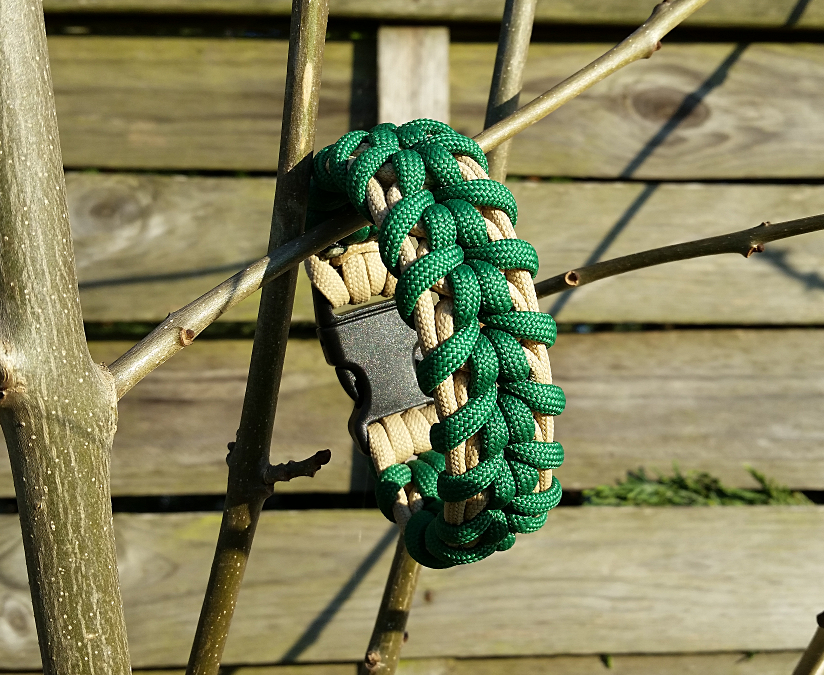
One of the bracelet’s most overlooked flaws is how poorly most designs unravel when speed actually matters.
A standard cobra-weave with a plastic buckle takes 90 seconds to over 4 minutes to fully release under calm conditions.
In cold weather, when hands operate below 50°F, they lose measurable fine motor control to climb significantly longer.
King cobra and ladder weave patterns resist fast unraveling almost entirely and often require a blade just to release the cord.
If you’re already carrying a blade capable of cutting the bracelet, the cordage it holds becomes largely redundant anyway.
Independent testing across 22 bracelet models found that only 6 unraveled cleanly without tangling mid-process.
The designs that look best tend to perform worst.
What Real Survival Cordage Actually Demands
Survival scenarios impose specific cordage demands that bracelets were never designed to handle.
Water rescue lines must hold 300 to 400 pounds under sustained wet stress, a load where knot efficiency loss and bracelet-grade manufacturing both become serious liabilities.
Emergency litter construction for moving an injured person requires 40 to 60 feet of cord lashed reliably between two poles.
Even a controlled descent down a 10-foot embankment demands 25 to 35 feet of properly rigged, redundant line.
A fire bow drill rig requires consistent cord diameter and precise lengths that bracelet-grade paracord delivers inconsistently.
Real field cordage requirements begin at 50 feet as a baseline minimum, and a 9-foot wristband falls short before a single task is even attempted.
Better Alternatives That Actually Cost Less
The most effective replacement for a paracord bracelet costs under $10 and solves every problem the bracelet creates.
A 100-foot spool of genuine mil-spec Type III paracord verified by cutting open and counting 7 inner strands provides 10 times the usable length at roughly the same price as a quality bracelet.
For those who prefer wearable cordage, a 20-foot paracord waist belt holds significantly more line while remaining just as accessible.
Technora cord, rated to 800 pounds at equivalent diameters, offers dramatically better load performance for high-stress applications.
Paracord sold on military surplus spools from established suppliers consistently meets true mil-spec 550 standards, unlike the vast majority of bracelet-grade products currently available at retail.
Why People Keep Buying Them Despite All of This
Understanding why the paracord bracelet remains this popular requires acknowledging something true about human psychology and preparedness.
Survival anxiety is real, and wearable gear satisfies a psychological need to feel constantly ready without requiring meaningful lifestyle changes.
A bracelet costs between $5 and $25, takes zero planning to wear, and signals competence to others in outdoor communities.
Research into consumer psychology shows that people dramatically overestimate the usefulness of gear they can see on their body versus gear packed inside a bag.
The bracelet’s visibility is its greatest marketing asset and its greatest performance liability.
Genuine preparedness is boring, bulky, and expensive to build properly.
A colorful wristband offers the feeling of readiness at a fraction of that cost and effort.