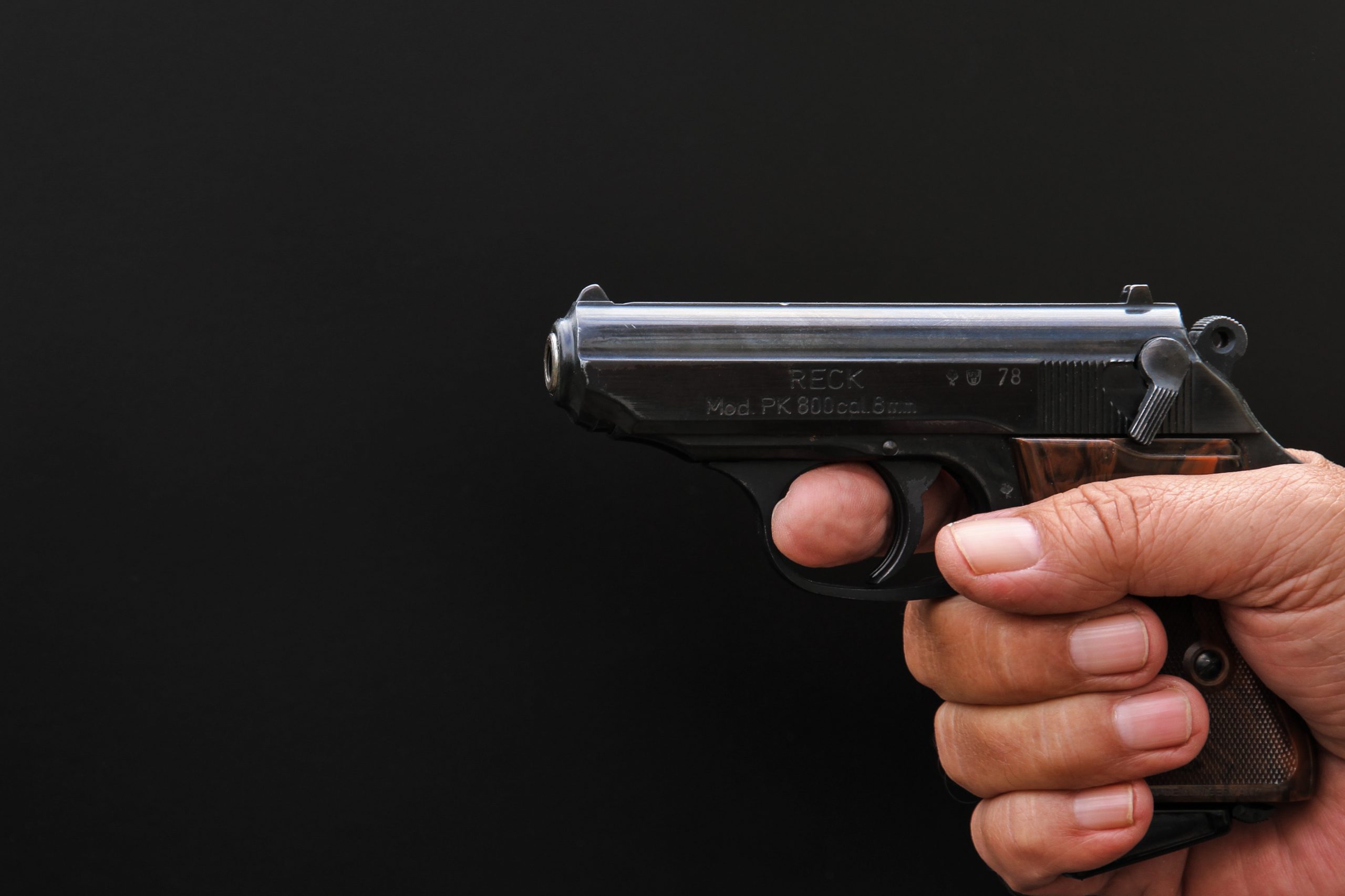
The idea of an “always gun” centers on one simple question: which firearm are you most likely to actually carry every single day? Snubnose revolvers and pocket pistols dominate this conversation because both are small, lightweight, and easy to conceal. Each has passionate supporters and very real drawbacks that only become obvious with long-term carry. Reliability, comfort, shootability, maintenance, and stress performance matter more here than raw firepower. This comparison breaks down the most important factors side by side, focusing on realistic daily use rather than range theory. The goal is not to declare a universal winner, but to explain which option better fits different lifestyles, skill levels, and expectations.
Reliability Under Real Conditions
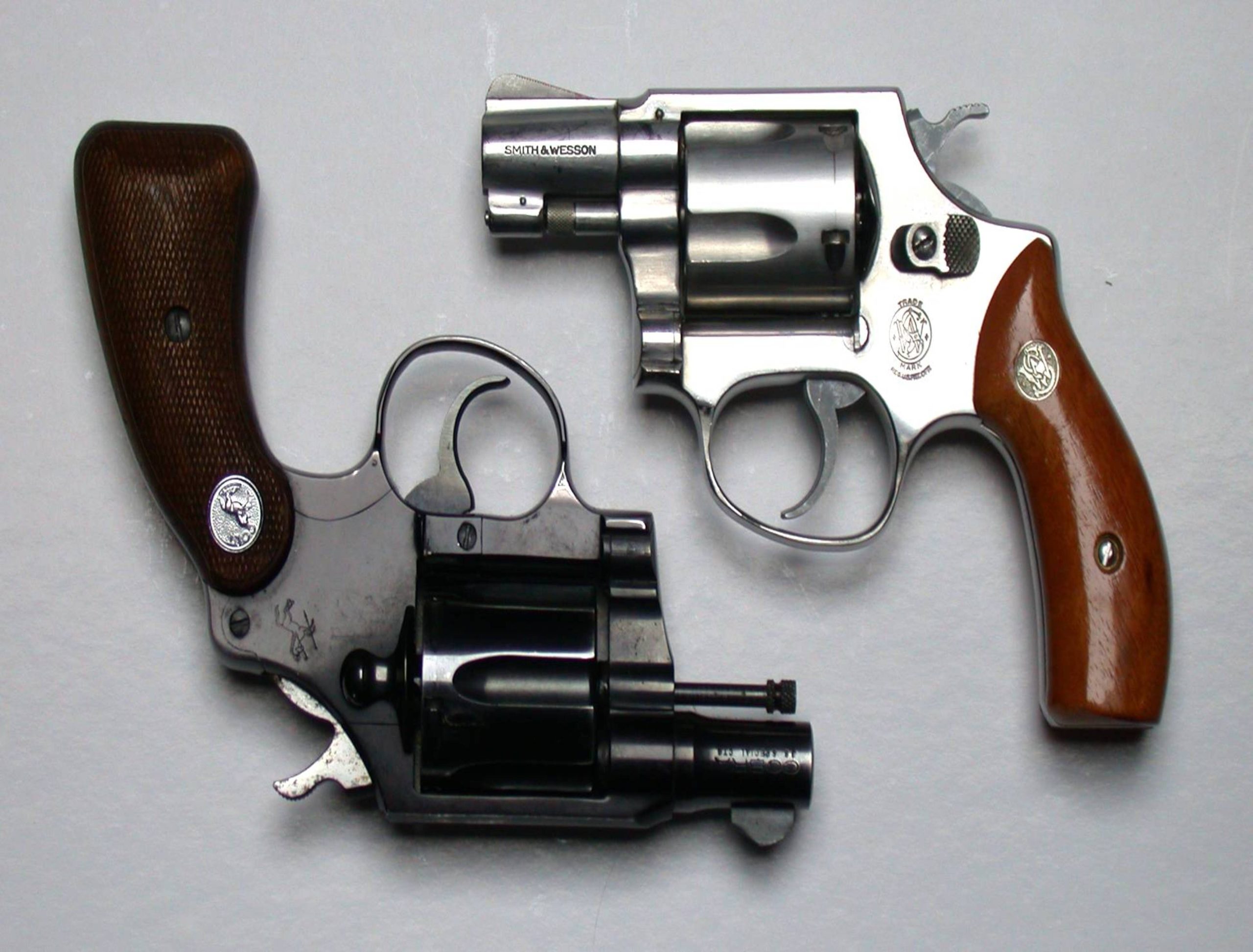
Snubnose revolvers are famous for mechanical reliability, largely because they are unaffected by ammunition pressure or slide cycling. A quality revolver will fire even when pressed against clothing or at awkward angles. Pocket pistols rely on proper grip and ammunition power to cycle, making them more sensitive to limp-wristing or weak loads. However, modern pocket pistols from reputable manufacturers have become extremely reliable when maintained properly. Revolvers tolerate neglect better, while pistols reward consistent upkeep. In pure mechanical terms, revolvers edge ahead, but pistols narrow the gap significantly with modern engineering and quality ammunition.
Ammunition Flexibility
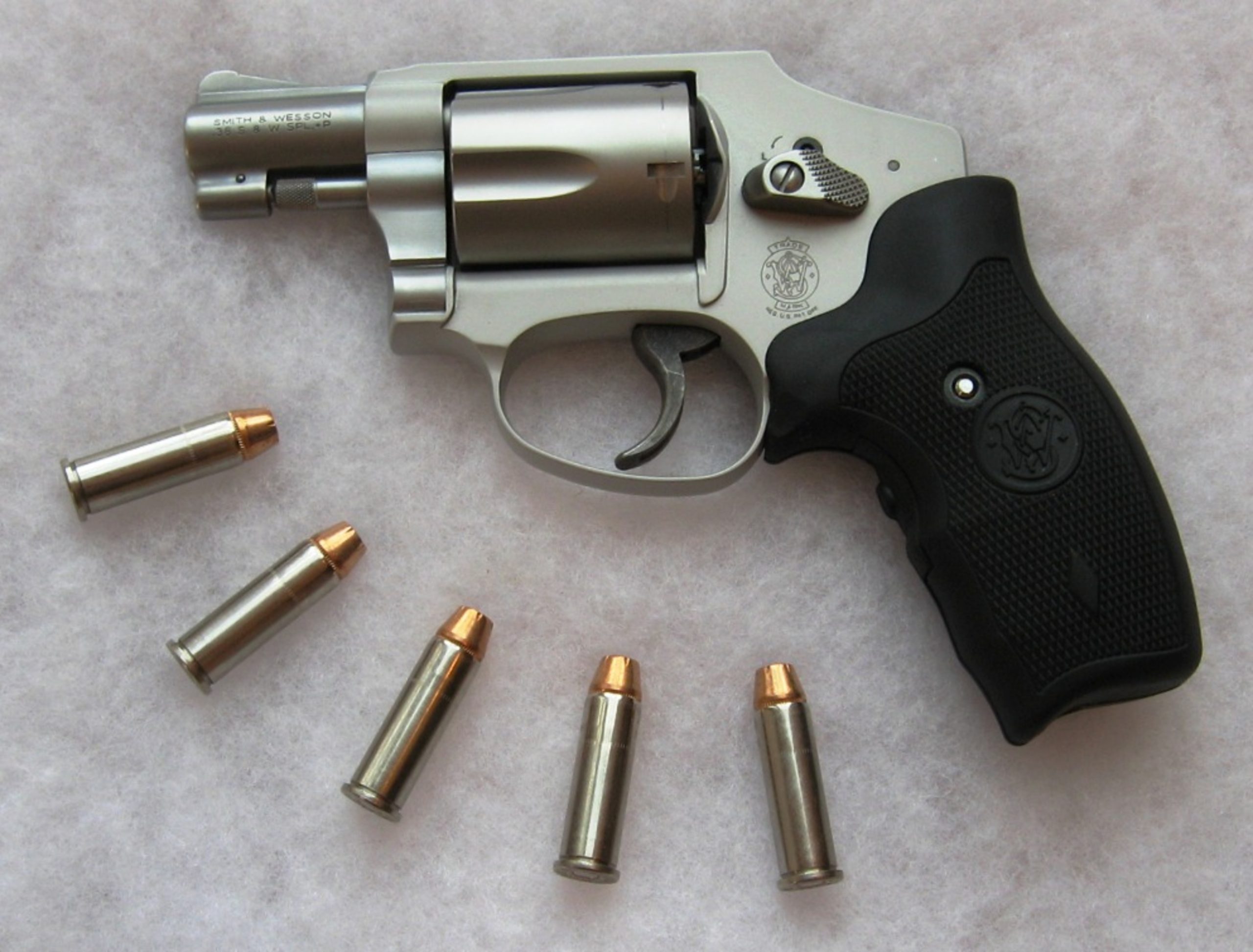
One major advantage of the snubnose revolver is its ability to fire a wide variety of ammunition without concern for feeding. Hollow points, wadcutters, light target loads, and defensive rounds all function the same. Pocket pistols are more selective, especially ultra-compact models with short slides and stiff springs. Bullet shape, overall length, and pressure can affect reliability. That said, once a reliable load is found, pocket pistols usually run it consistently. Revolvers offer flexibility without testing, while pistols demand careful ammo selection. For shooters who use mixed or varied ammunition, revolvers provide greater peace of mind.
Ease of Daily Carry
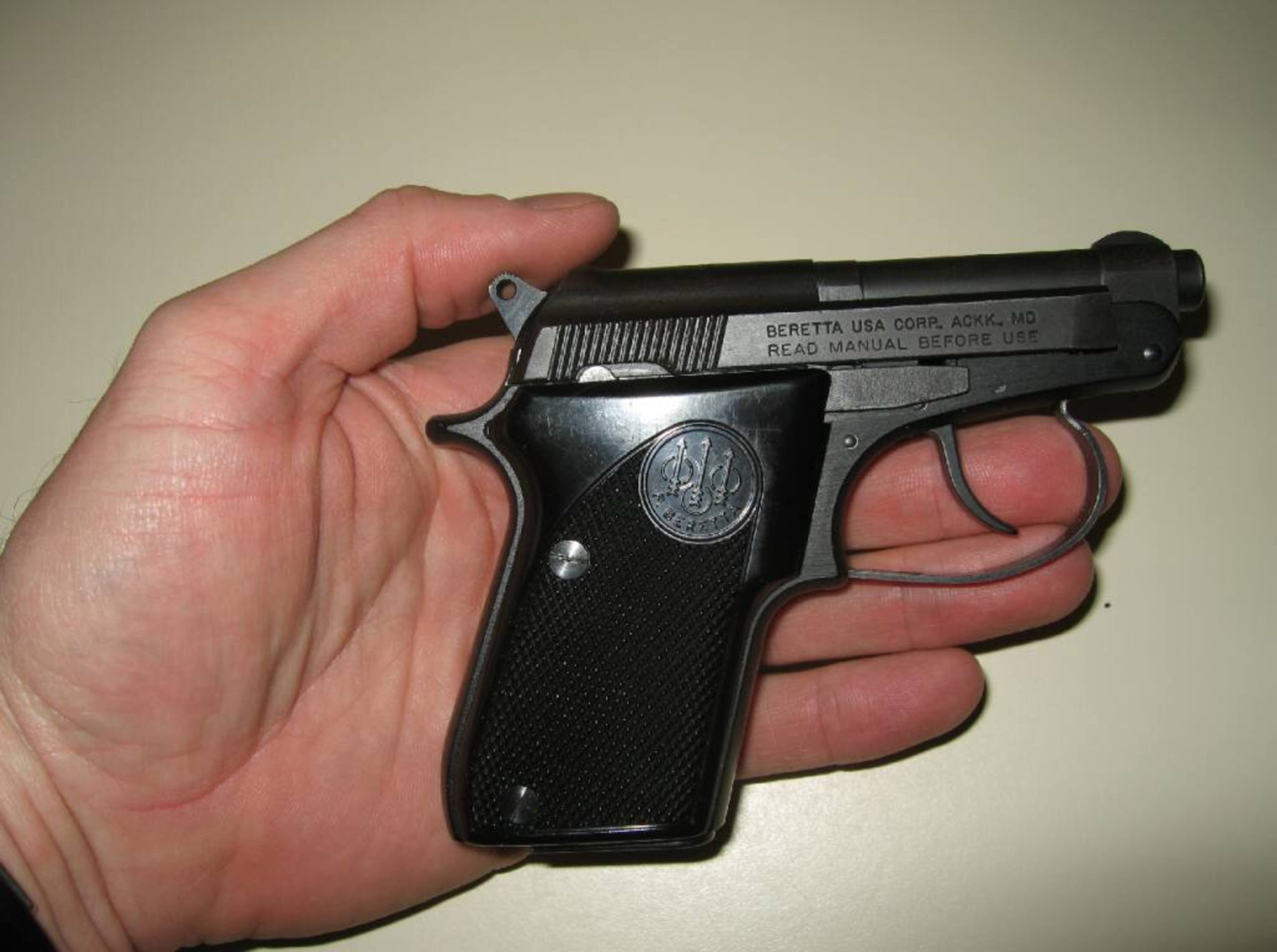
Pocket pistols often win on comfort due to flatter profiles and lighter overall weight. Slim pistols disappear easily into pockets, waistbands, or ankle holsters without creating obvious bulges. Snubnose revolvers are thicker because of the cylinder, which can print more noticeably through clothing. However, revolvers distribute weight well and ride comfortably in proper holsters. Pocket pistols feel easier to forget you’re carrying, which increases consistency. Revolvers feel sturdier but slightly bulkier. For all-day concealment in light clothing, pocket pistols usually offer a comfort advantage that encourages daily carry.
Shootability and Control
Snubnose revolvers are often harder to shoot accurately due to heavy trigger pulls, short sight radius, and sharp recoil. Lightweight models can be punishing with defensive loads. Pocket pistols typically have lighter triggers, better sights, and softer recoil in similar calibers. Grip size still limits control, but pistols are generally easier for newer shooters to manage. Revolvers demand strong fundamentals and practice. Pistols offer quicker follow-up shots for most users. While both require training, pocket pistols tend to be more forgiving, especially under stress or when firing rapidly in defensive situations.
Reload Speed and Capacity
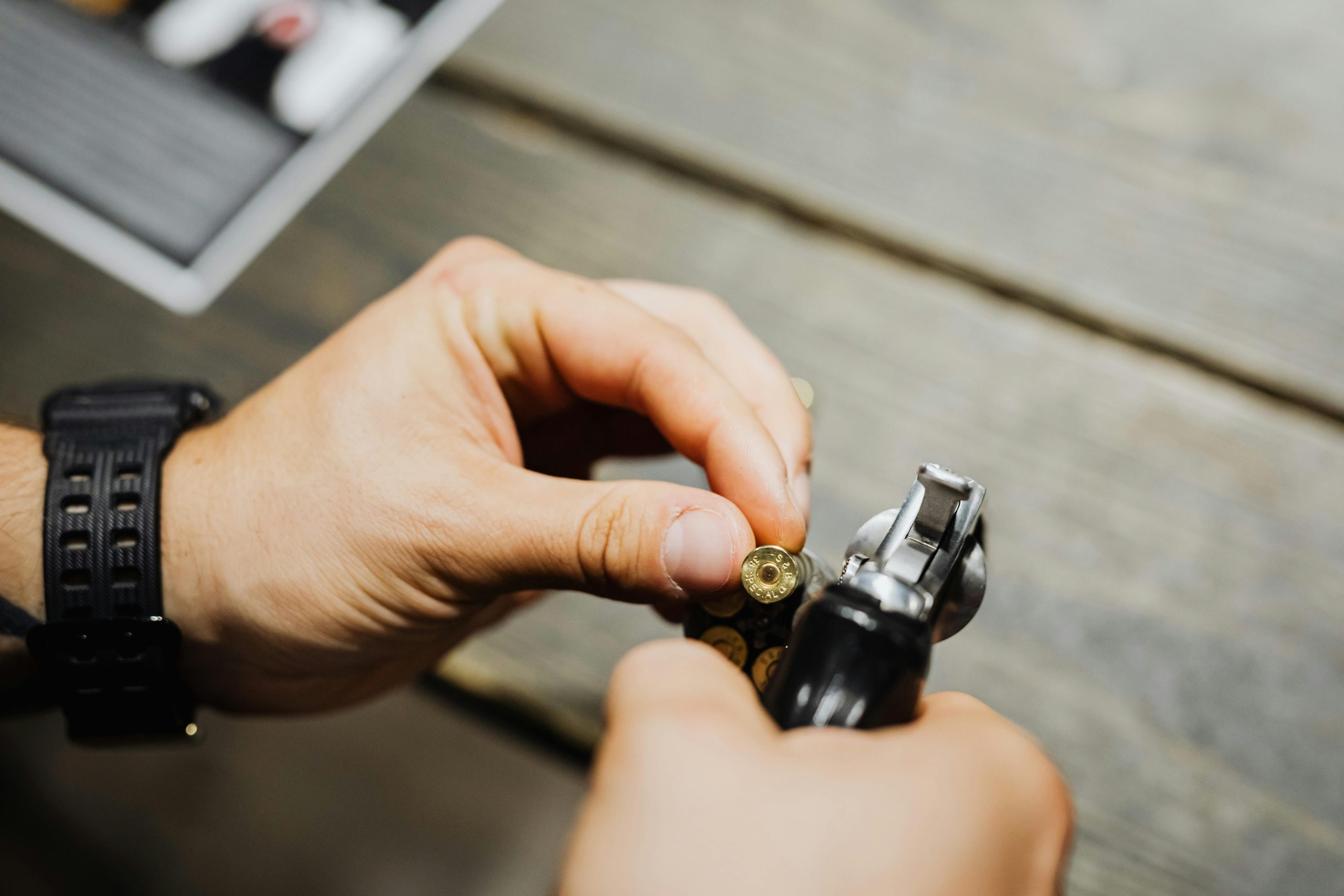
Capacity is a clear advantage for pocket pistols. Even small models often carry six to ten rounds, with fast reloads using spare magazines. Snubnose revolvers typically hold five rounds, and reloads are slower, even with speed loaders or strips. Under stress, aligning cartridges into a revolver cylinder is challenging. Pocket pistols allow quicker reloads with simpler motions. While many defensive encounters involve few shots, capacity provides margin for error. Revolvers emphasize deliberate use, while pistols provide flexibility. In situations where multiple threats or misses are possible, pistols clearly offer a practical advantage.
Maintenance and Durability
Revolvers tolerate neglect better than pocket pistols. Lint, dust, and minor fouling rarely stop them from firing. Pocket pistols require regular cleaning, especially when carried close to the body. Sweat and debris can affect magazines and springs over time. However, revolvers are harder to fix if something does go wrong internally. Pistols are easier to field strip and repair. Revolvers reward simplicity but punish rare failures. Pistols demand maintenance but offer easier long-term serviceability. For users who clean regularly, pistols perform well. For those who don’t, revolvers remain dependable.
Power and Ballistics
Snubnose revolvers often fire more powerful cartridges, such as .38 Special +P or .357 Magnum. These rounds deliver solid penetration, though short barrels reduce velocity. Pocket pistols commonly chamber .380 ACP or 9mm, depending on size. Modern defensive ammunition has improved performance significantly, narrowing the gap. Recoil remains the tradeoff. Revolvers hit harder per shot, but pistols allow faster follow-ups. Ballistic effectiveness ultimately depends on shot placement. Revolvers offer traditional stopping power, while pistols rely on capacity and control. Both are effective with proper ammunition and realistic expectations.
Concealment Versatility
Pocket pistols excel in concealment flexibility. They fit easily into pockets, purses, ankle rigs, and minimalist holsters. Revolvers are more limited due to cylinder width. However, revolvers conceal well in jackets or structured holsters. Pistols adapt better to changing clothing and seasons. Their flat shape reduces printing in light garments. Revolvers remain viable but require more wardrobe planning. For users who change carry positions frequently, pocket pistols offer greater adaptability. Revolvers reward consistency. If concealment options must change daily, pistols provide a noticeable advantage in versatility.
Training and Skill Requirements
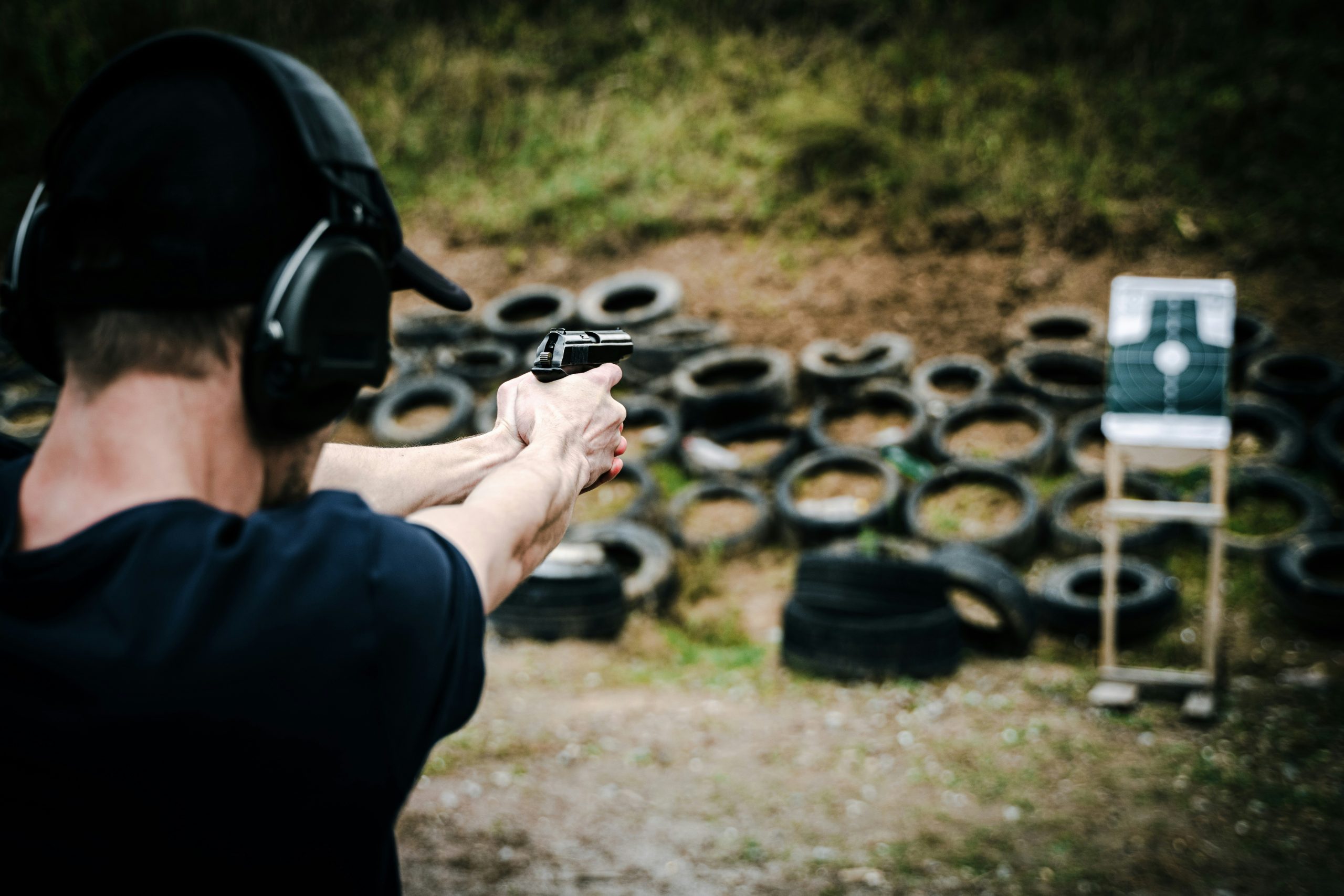
Revolvers demand strong trigger control and a consistent grip to shoot well. Their heavy triggers challenge inexperienced shooters. Pocket pistols require attention to grip and recoil management, but generally offer easier learning curves. Pistols also allow more repetitions due to higher capacity. Revolvers teach discipline but punish mistakes. Pistols allow faster skill development for most users. Training time matters for an “always gun,” because familiarity breeds confidence. Users who train frequently can master either. For minimal practice schedules, pistols tend to be more forgiving. Skill commitment should guide the choice as much as hardware.
Real-World “Always Gun” Verdict
Choosing between a snubnose revolver and a pocket pistol depends on priorities. Revolvers offer unmatched simplicity, ammo flexibility, and neglect tolerance. Pocket pistols provide better capacity, faster reloads, and easier shootability. The best “always gun” is the one you will actually carry and can use confidently under stress. Revolvers suit minimalists who value certainty. Pistols suit users who value adaptability and capacity. Neither choice is wrong. Honest evaluation of habits, training, and comfort matters most. In real life, consistency beats theory, and the right choice is deeply personal.