Recovering a deer after a shot can be one of the most uncertain moments in a hunter’s day, especially when fading light and weather make tracking harder than expected. While some situations call for a cautious overnight wait, others demand quick action before the animal spoils or predators find it first. Understanding the factors that influence recovery timing helps hunters make confident, responsible decisions that protect both the animal and their own safety.
Judging the Shot Location Before Tracking
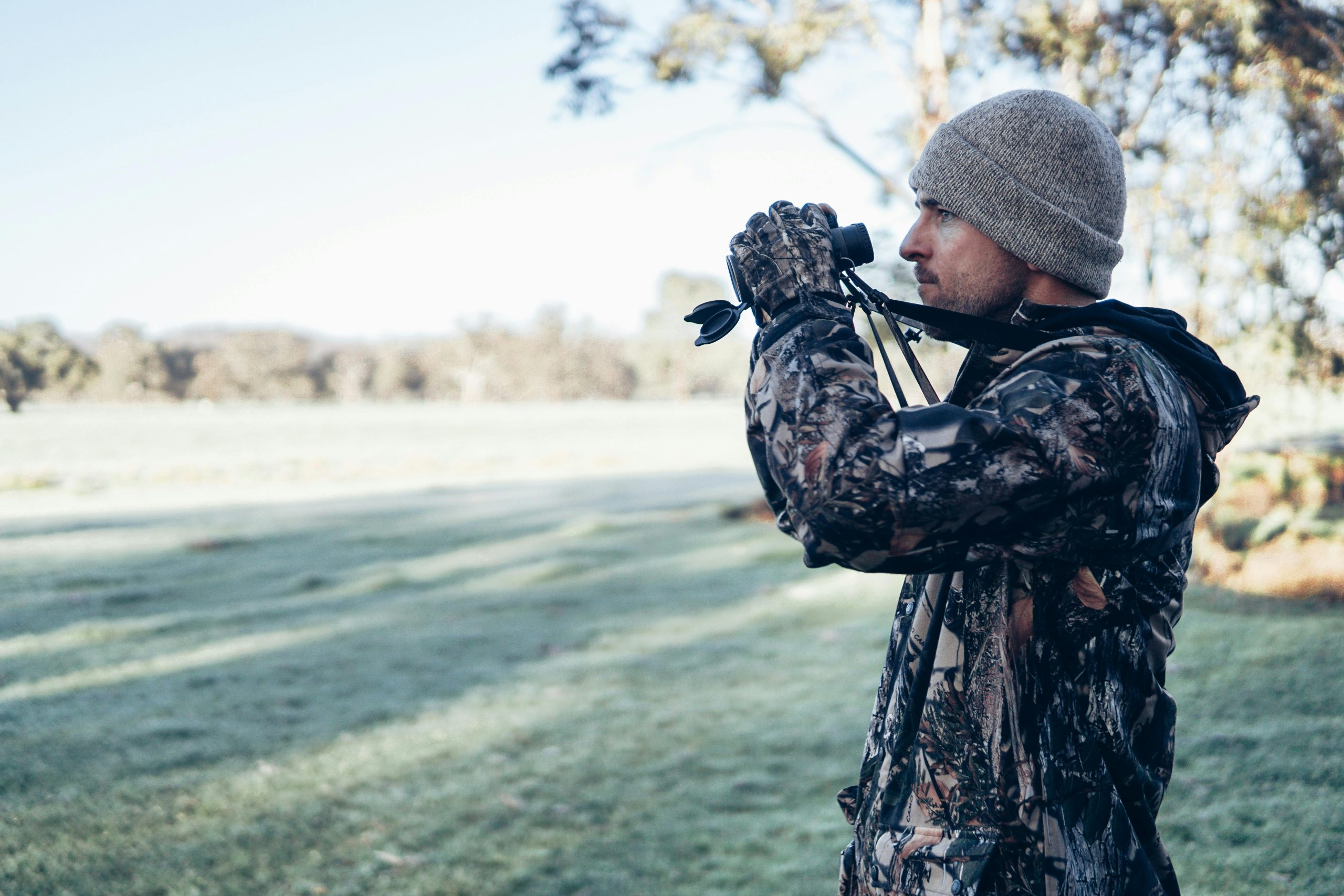
Knowing where your shot landed is one of the most important clues for deciding whether to track immediately or wait until morning. A clean heart or lung shot usually means the deer won’t travel far, while a marginal hit can push it deeper into cover if you approach too soon. Take time to replay the moment, note the angle, and examine the impact site before rushing forward. A quick, careful assessment helps you avoid bumping an injured deer farther away.
Understanding Blood Signs and What They Tell You
Blood trails hold essential information about how badly the deer is wounded and how soon you can follow up. Bright, frothy blood suggests lung impact and a shorter recovery window, while dark or watery blood often signals a liver hit that may require waiting several hours. Sparse drops can indicate muscle damage that demands patience to prevent pushing the deer. Reading these signs calmly helps determine the safest and most effective next step.
Considering Temperature and Spoilage Risk
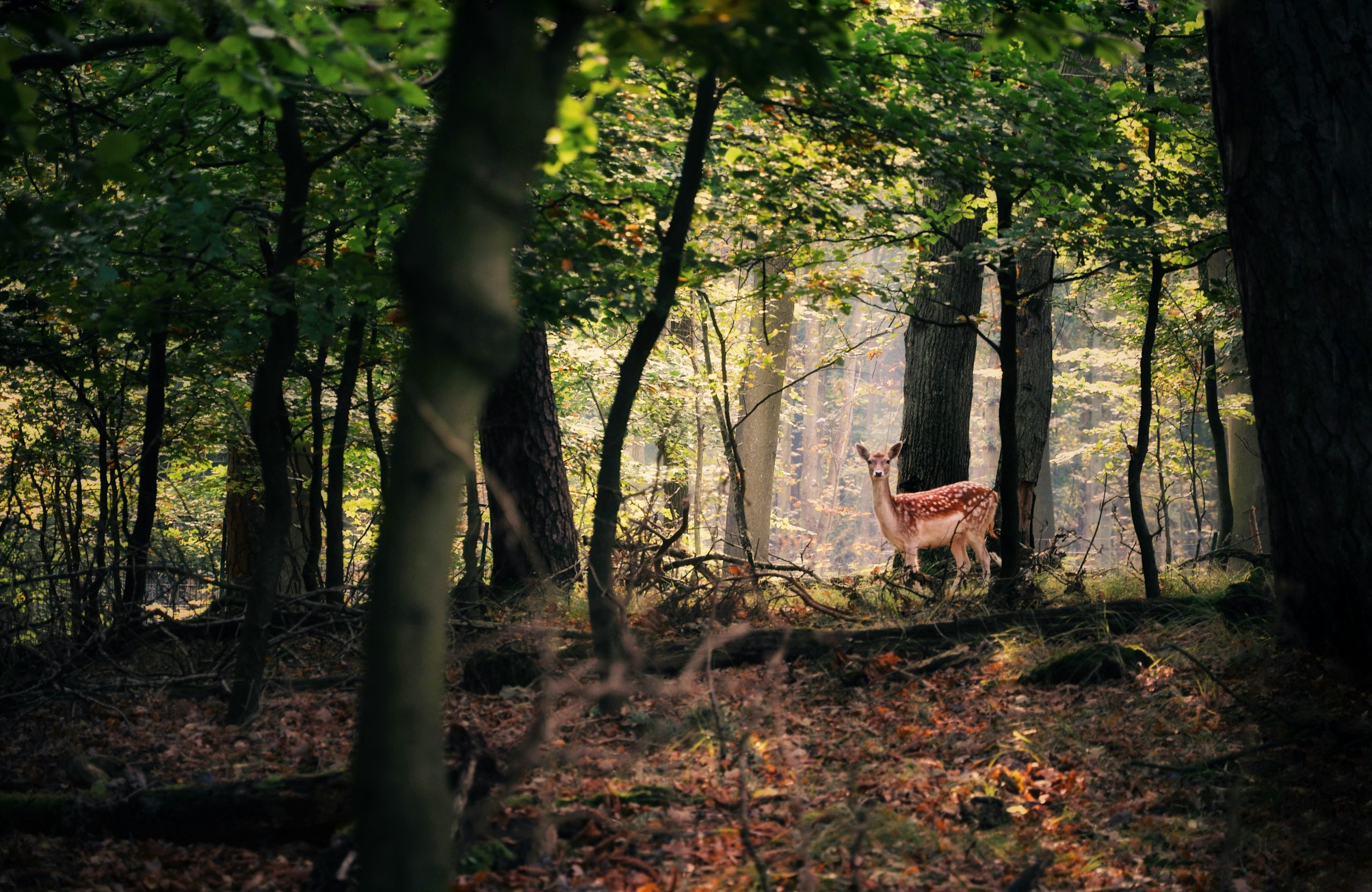
Weather plays a major role when deciding whether to track at night or wait until morning. Cooler temperatures generally allow a longer recovery window, while warm or humid conditions can speed up spoilage if the deer isn’t found quickly. Hunters need to balance patience with the reality of meat safety, especially in early-season hunts. Knowing the overnight forecast helps ensure the harvest stays fresh and fully usable.
Factoring in Predator Activity in Your Area
In some regions, predators such as coyotes, bears, or wild hogs can reach a downed deer long before morning. If you hunt in an area known for heavy predator pressure, it may be wiser to begin tracking sooner, even if conditions aren’t perfect. Balancing recovery timing with the likelihood of scavengers helps protect your harvest. Understanding local wildlife patterns ensures you don’t return to a partially eaten carcass at sunrise.
Evaluating Terrain and Tracking Conditions
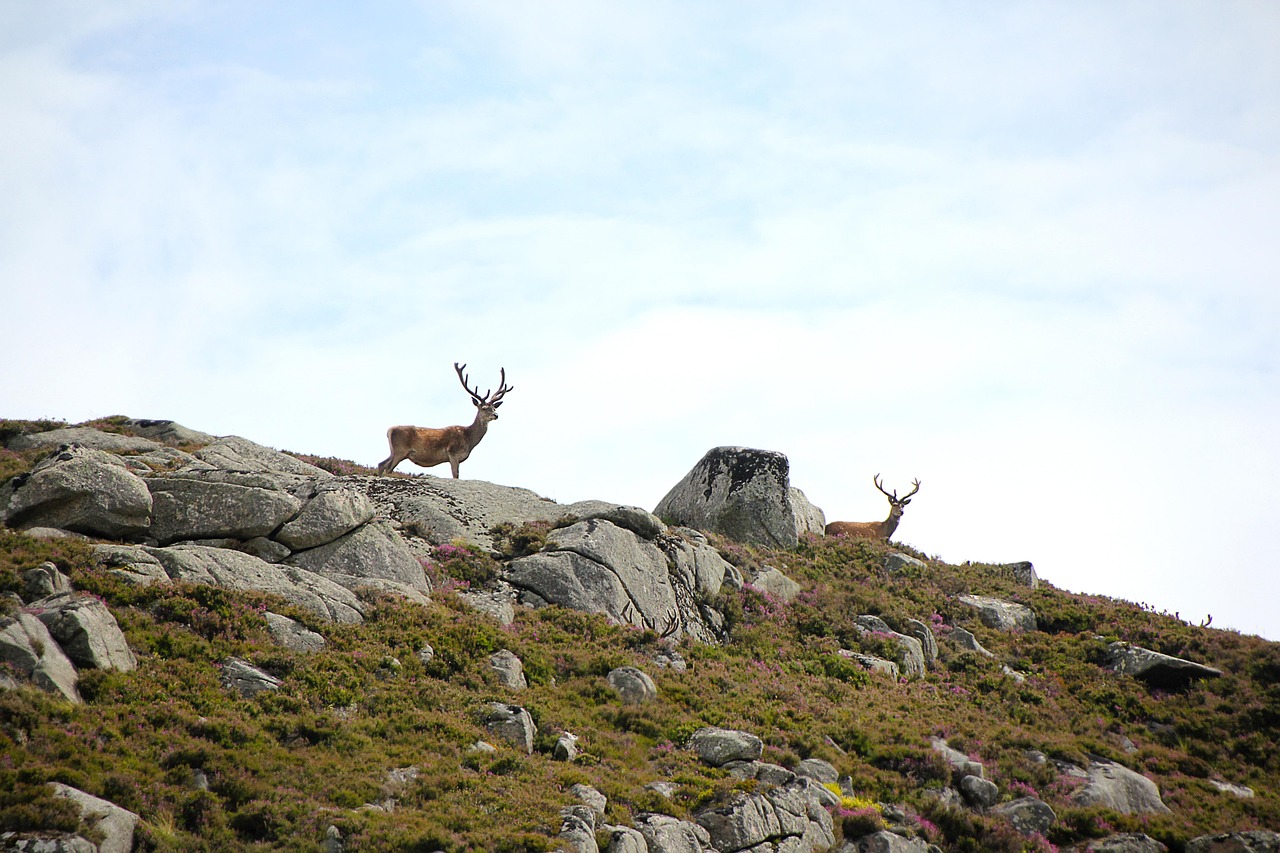
Dense brush, steep hills, swamps, or heavy leaf cover can make nighttime tracking nearly impossible. Following sparse blood signs through tangled or dangerous terrain might create more risk than reward after dark. In these situations, marking the last known location and returning with fresh daylight can make the search safer and more productive. Choosing the right timing helps avoid accidents and improves your chances of a clean recovery.
Using Lights and Technology Wisely After Dark
Modern gear like headlamps, thermal scopes, and GPS markers can make nighttime tracking more manageable. Still, technology can only help so much if visibility is low or the trail is faint. Bright lights may reflect oddly off wet leaves or cause shadows that mislead your eyes. Hunters should rely on equipment as a tool, not a shortcut, and be ready to pause the search until daylight if conditions become confusing.
Assessing Your Own Energy and Safety
Tracking a deer in the dark requires clear thinking, steady footing, and the ability to navigate unfamiliar ground. If you’re exhausted, cold, or stressed, the risk of getting lost or injured rises quickly. Taking a break and returning well-rested can often lead to a faster, safer recovery. Staying realistic about your physical limits ensures that excitement never outweighs basic safety considerations.
Understanding How Long a Wounded Deer May Travel
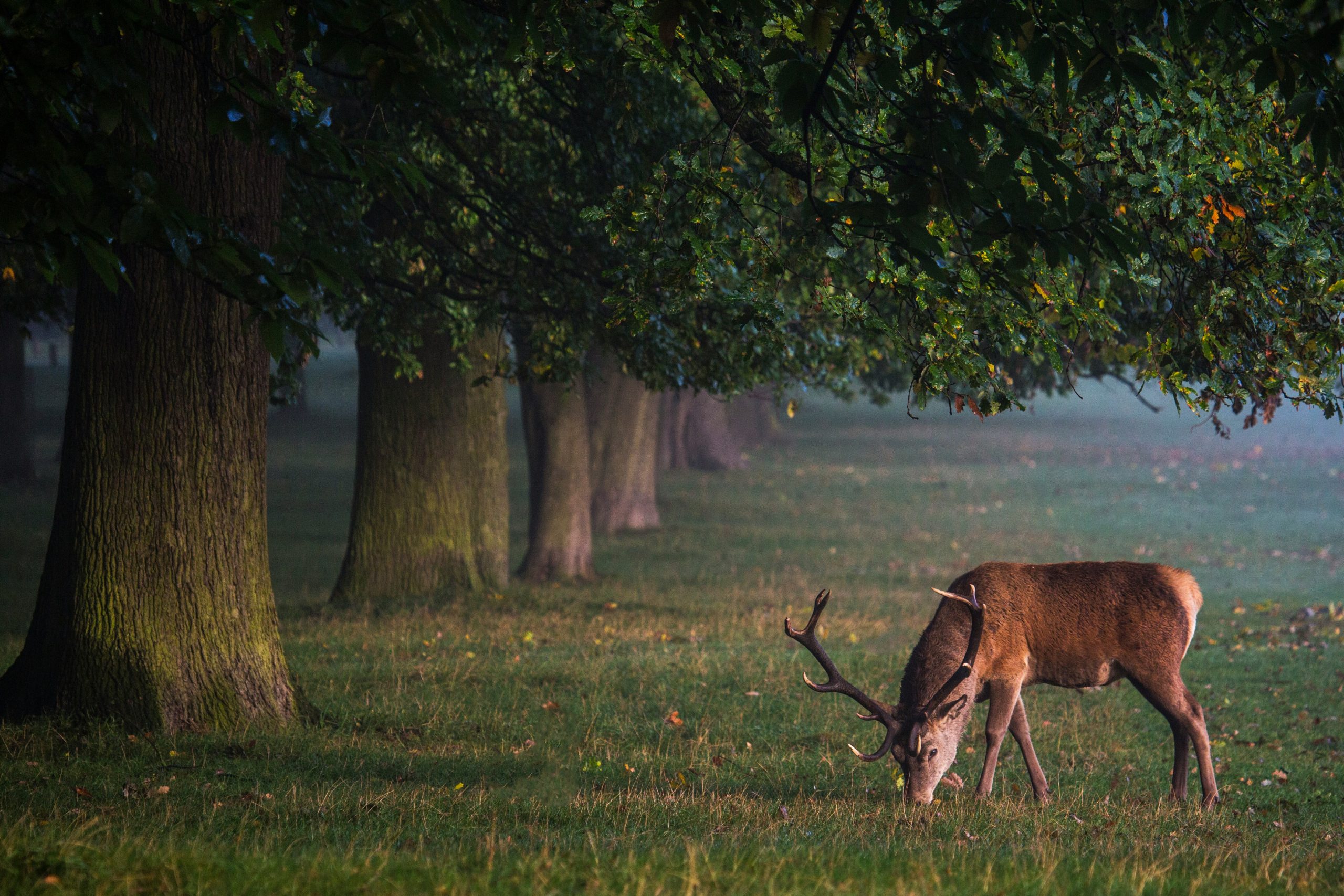
Different shot placements affect how far the deer might run and how long it can survive before expiring. A liver-hit deer may take several hours, while a gut-shot deer often needs even longer before it’s safe to track. Moving in too early can push the animal miles farther, turning a manageable trail into an exhausting marathon. Patience often leads to a cleaner and more respectful recovery.
Marking the Last Known Spot Before Leaving
If you decide to wait until morning, marking the hit site and the last place you saw the deer is essential. Use reflective tape, GPS pins, or natural landmarks to form a clear mental map. These details save time when daylight returns and help keep you oriented. Proper markings ensure your search starts in the right place and prevents wasted effort wandering through thick cover.
Making a Responsible Decision Each Time
No single rule fits every recovery situation, because deer behavior, terrain, and shot placement vary widely. The most responsible choice comes from weighing all factors: the sign, the weather, your ability, and the risk of pushing the animal deeper into hiding. Experienced hunters learn to trust patient judgment over excitement. Each recovery teaches something new, helping you make thoughtful decisions on future hunts.