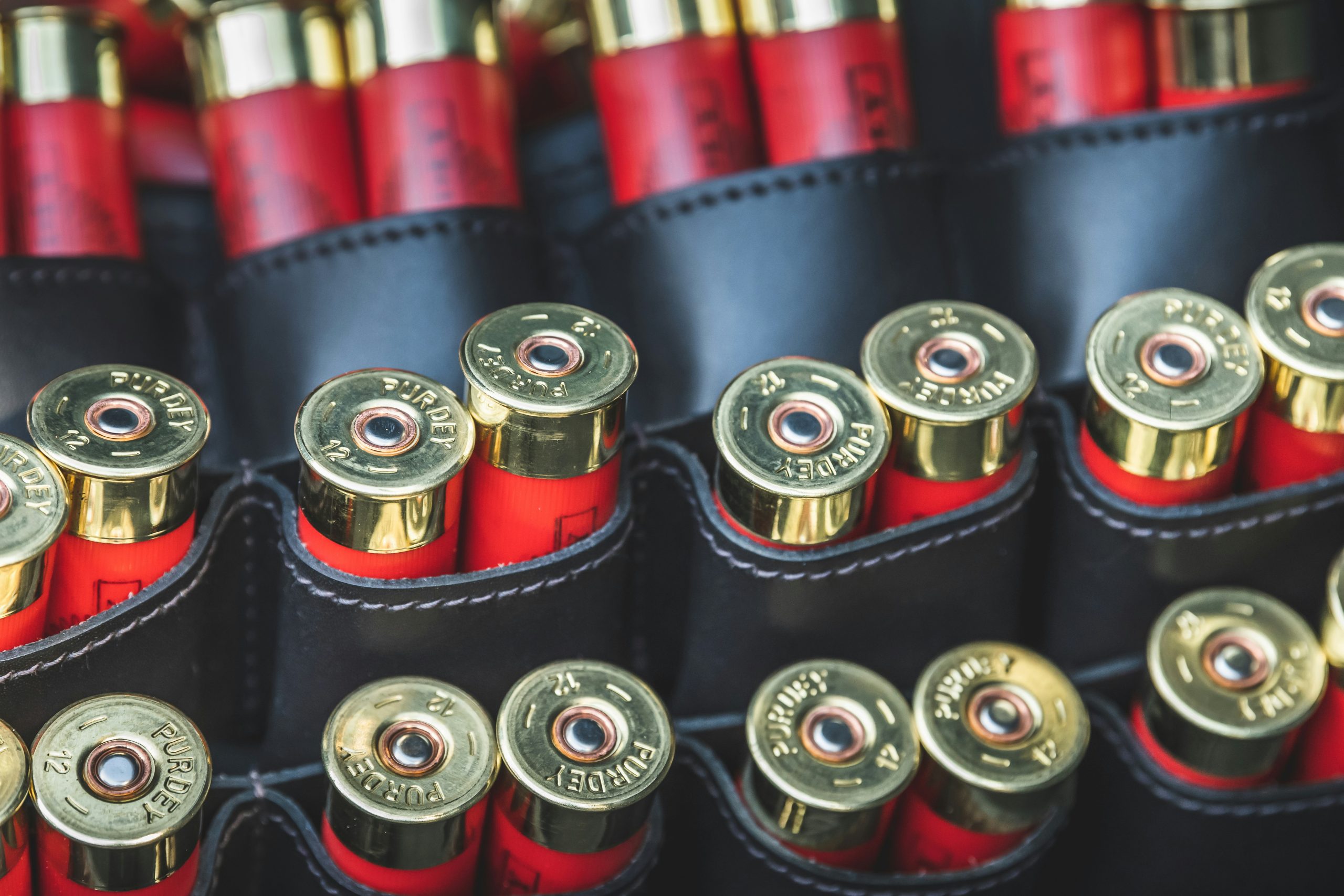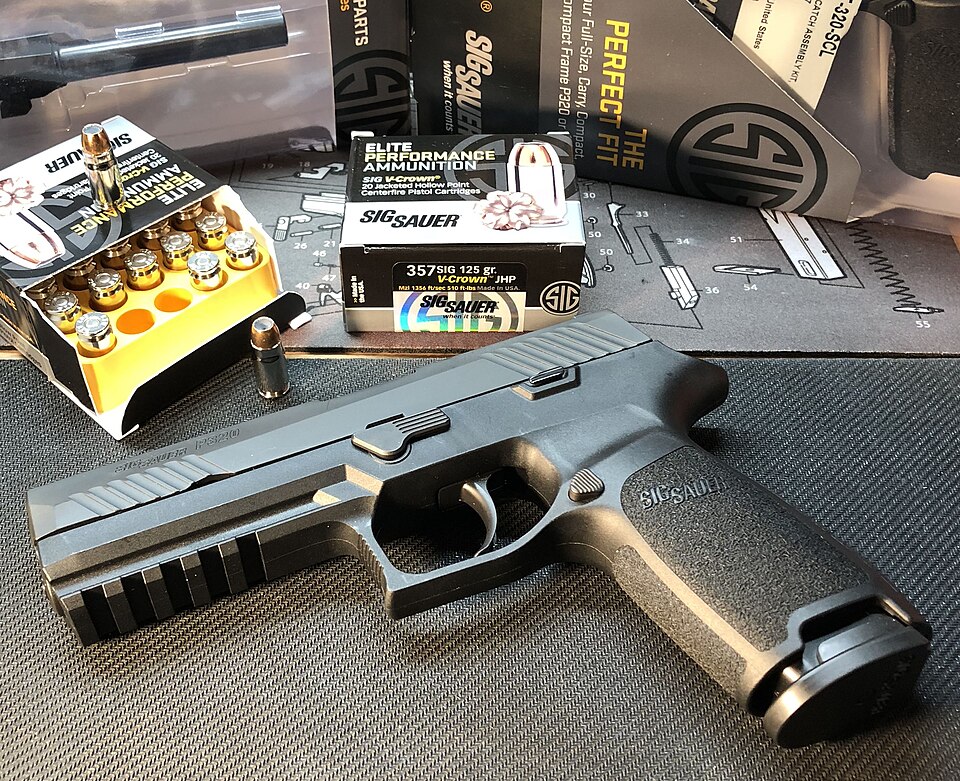
Some moments in firearms history are defined not by battlefield victories or famous inventors, but by quiet business decisions that permanently altered the industry. One such moment came from a shotgun deal that reshaped manufacturing, military doctrine, civilian ownership, and even cultural identity in the United States. This was not simply a contract or a sale, but a turning point where innovation, timing, and necessity aligned. The consequences of this deal extended far beyond one company or one weapon, influencing how shotguns were built, marketed, and trusted for generations. To understand its impact, it is necessary to examine the layers of decisions, reactions, and long-term effects that followed.
The Market Before the Deal
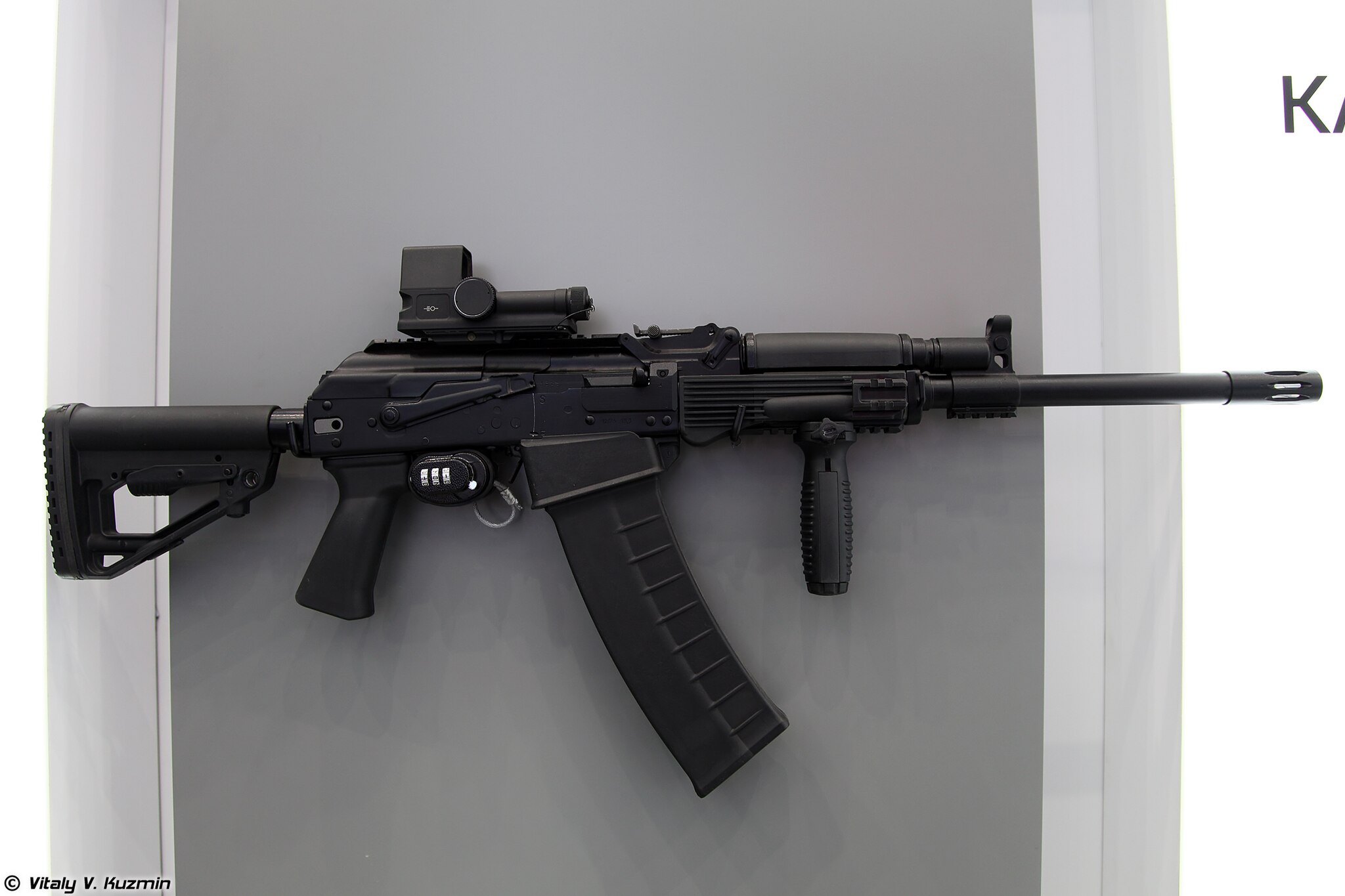
Before the landmark shotgun deal took place, the firearms market was fragmented and conservative. Shotguns were widely used, but most designs followed traditional patterns with limited innovation. Manufacturers focused on sporting use, while military and law enforcement interest in shotguns remained cautious. Production methods were slower, costs were higher, and reliability varied between makers. There was little incentive to dramatically improve durability or standardization. This environment set the stage for a disruptive agreement, because it meant that even modest advancements could have an outsized influence. The industry was stable, but it lacked urgency, and that complacency would soon be challenged by external demand.
The Circumstances That Forced Change
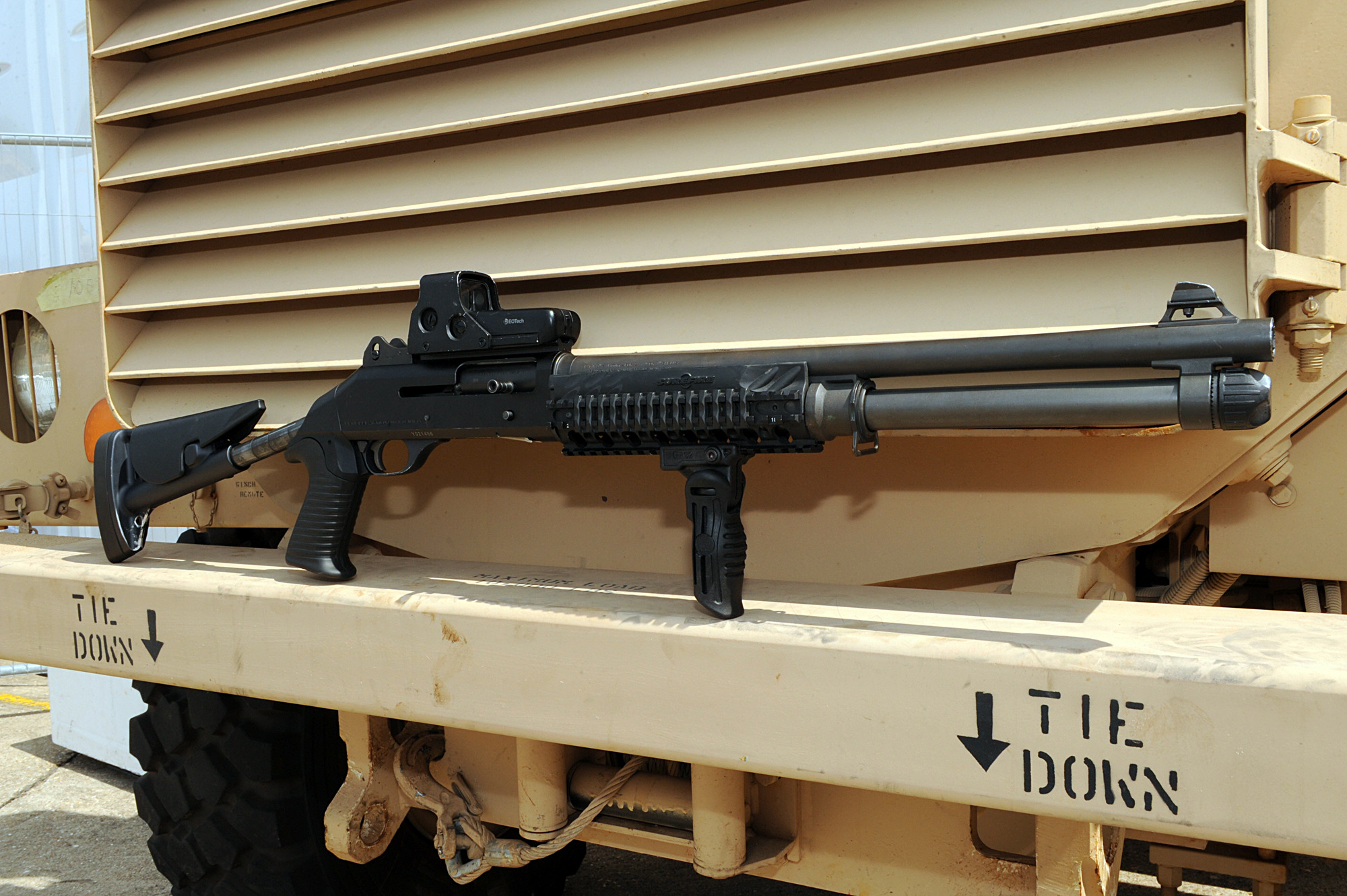
The deal emerged during a period of heightened demand driven by conflict and institutional need. Military planners required weapons that were rugged, versatile, and easy to train with under pressure. Shotguns offered unique advantages in close quarters, but existing models often failed to meet durability expectations. At the same time, manufacturers faced economic pressure to scale production efficiently. These conditions created a rare alignment where innovation became not just desirable but necessary. The deal was born from urgency rather than experimentation, and that urgency forced decisions that might otherwise have seemed risky or unnecessary in a peacetime market.
The Manufacturer’s Strategic Gamble
For the company involved, accepting the deal meant committing resources on an unprecedented scale. Tooling had to be upgraded, production lines reorganized, and quality standards raised dramatically. This was a gamble because failure would have damaged reputation and finances simultaneously. The manufacturer chose consistency over customization, focusing on reliability rather than elegance. That decision reshaped how shotguns were built, emphasizing interchangeable parts and simplified maintenance. While some traditionalists criticized the shift, the long-term payoff was immense. The company positioned itself as a trusted supplier rather than just a sporting brand, altering its identity permanently.
Design Choices That Redefined Expectations

The shotgun at the center of the deal incorporated design features that would become industry benchmarks. Emphasis was placed on strength, smooth operation, and resistance to dirt and abuse. Cosmetic elements were stripped away in favor of function. These choices signaled a philosophical shift, where a shotgun was no longer judged solely by balance or finish, but by endurance and consistency. The success of this design proved that rugged simplicity had mass appeal. Other manufacturers took notice, leading to a wave of imitations and improvements that raised overall standards across the industry.
Military Adoption and Its Ripple Effect
Once the shotgun proved itself under military use, its reputation changed overnight. Endorsement through adoption carried enormous weight, even without formal advertising. Soldiers trusted the platform, and that trust translated into credibility at home. Law enforcement agencies began to reassess their own equipment needs, often selecting the same model or its civilian equivalent. This ripple effect expanded the shotgun’s role beyond hunting and sport, embedding it into institutional doctrine. The deal effectively bridged the gap between civilian manufacturing and professional application, a connection that would shape procurement practices for decades.
Civilian Perception and Cultural Impact
The deal also transformed how civilians viewed shotguns. Ownership became associated not just with recreation, but with reliability and preparedness. Popular media reinforced this perception, portraying the shotgun as dependable and authoritative. Sales increased as consumers sought the same qualities valued by professionals. This shift influenced home defense trends and purchasing decisions across the country. The shotgun moved from a niche sporting tool to a symbol of practical utility. That cultural repositioning was not accidental, but a direct consequence of the confidence generated by the original agreement.
Manufacturing at a New Scale
Meeting the demands of the deal required production volumes never before attempted for that class of firearm. This forced innovations in manufacturing efficiency, quality control, and logistics. Once artisanal processes became industrial. While some feared this would reduce craftsmanship, the opposite occurred. Consistency improved, defects decreased, and costs stabilized. These advances spilled into civilian production, making reliable shotguns more accessible. The deal proved that scaling up did not require sacrificing quality, a lesson that reshaped firearms manufacturing across multiple categories.
Competitive Pressure on the Industry
Rival manufacturers could not ignore the success created by the deal. Some attempted to undercut pricing, while others focused on feature differentiation. This competitive pressure accelerated innovation across the shotgun market. New actions, materials, and configurations emerged as companies sought relevance. Even those that failed benefited the consumer by raising expectations. The deal effectively reset the baseline for what a shotgun should be. It forced the industry to evolve, whether willingly or reluctantly, and ensured that stagnation was no longer an option.
Long-Term Influence on Firearms Policy
The prominence gained through the deal also affected regulatory and policy discussions. As shotguns became more visible in professional roles, they were increasingly viewed as tools rather than novelties. This influenced training standards, procurement rules, and public discourse. Policymakers and institutions alike had to acknowledge the shotgun’s practical role. While debates continued, the weapon’s legitimacy was firmly established. The deal did not end controversy, but it anchored the shotgun’s place in modern firearms history with clarity and permanence.
Why This Deal Still Matters Today
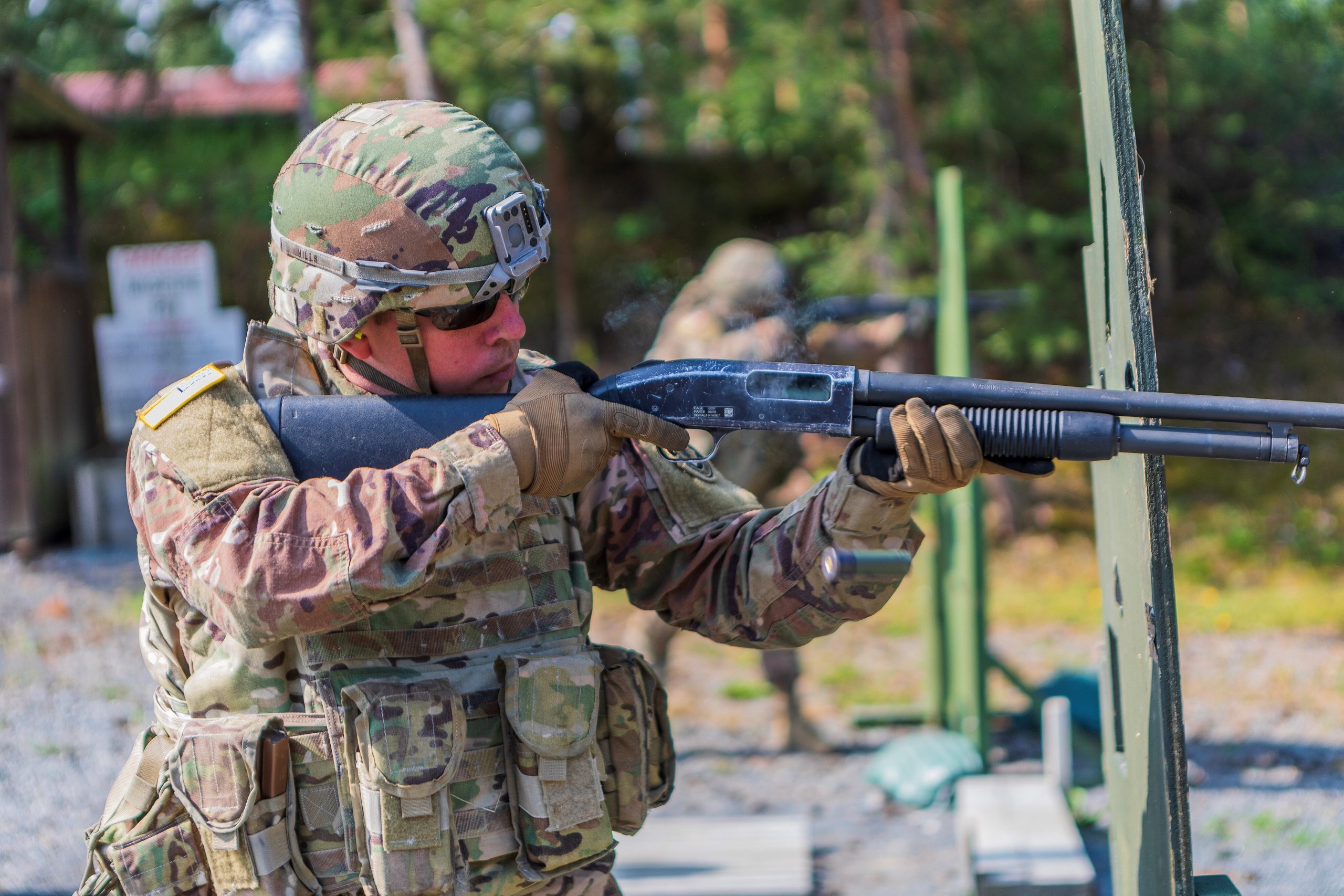
Decades later, the consequences of that single shotgun deal remain visible. Modern designs still reflect its priorities, and manufacturing philosophies trace back to decisions made under pressure. The deal demonstrated how necessity can drive lasting innovation when met with decisive action. It also showed that business agreements can shape history as profoundly as invention. By redefining expectations and proving the value of reliability at scale, this moment changed firearms history in ways that continue to influence how shotguns are built, sold, and trusted today.