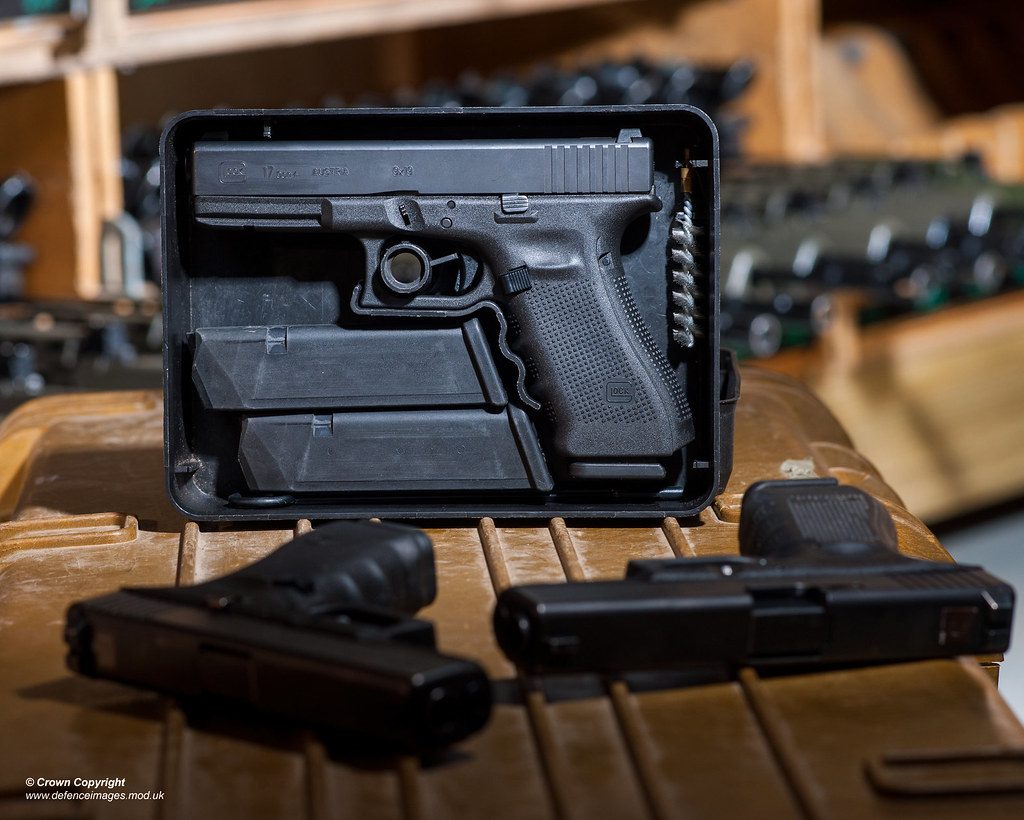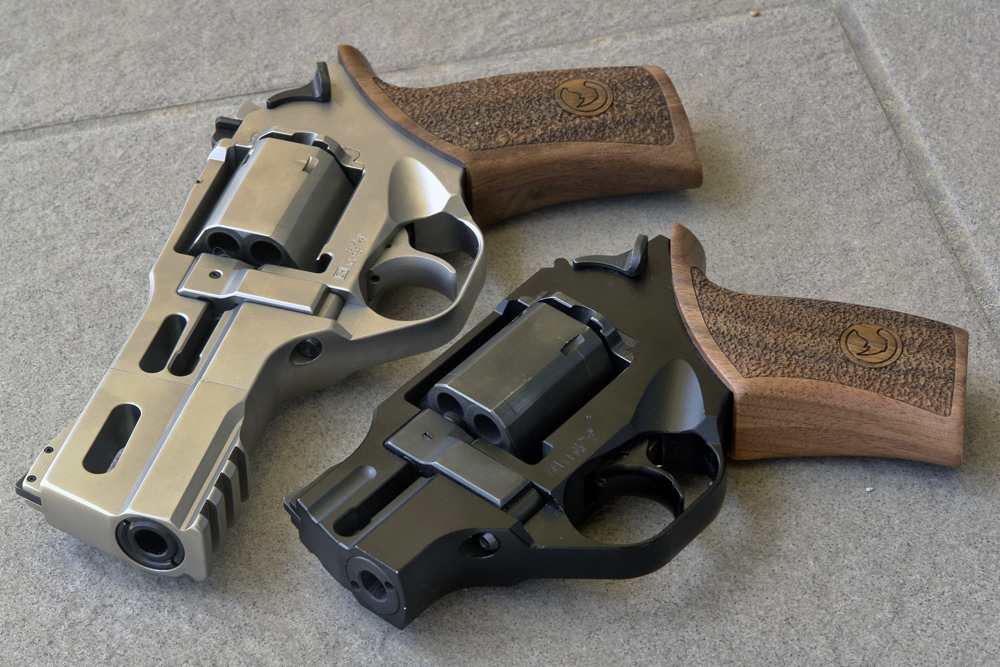
Trade shows often generate enormous excitement, especially when manufacturers unveil bold designs and ambitious concepts.
SHOT Show presentations can make new pistols appear revolutionary, drawing crowds, headlines, and enthusiastic first impressions.
Yet early attention does not always translate into long-term success or real-world practicality.
Some highly promoted releases struggle once novelty fades, and users evaluate reliability, ergonomics, maintenance demands, and overall value.
Flashy features and aggressive marketing sometimes mask compromises that only become obvious after broader use.
Careful buyers benefit from separating presentation appeal from functional substance.
The following categories reflect pistol trends and design choices that frequently generate buzz at industry events but may disappoint owners seeking dependable, everyday performance.
Hype Heavy Prototype Style Pistols
Show floor prototypes often captivate audiences with futuristic styling and attention-grabbing features.
While visually impressive, early-stage designs sometimes lack the refinement necessary for consistent performance.
Complex mechanisms and unproven components may introduce reliability uncertainties once real-world use begins.
Trade show demonstrations rarely replicate long-term wear or environmental stress.
Buyers drawn by novelty can later encounter unexpected quirks or maintenance challenges.
Established platforms typically benefit from extended testing and iterative improvement.
A pistol designed to attract immediate attention may prioritize aesthetics over durability.
Practical ownership satisfaction depends on predictable function rather than visual impact.
Enthusiasm generated under exhibition lighting does not guarantee lasting dependability.
Overengineered Trigger Systems
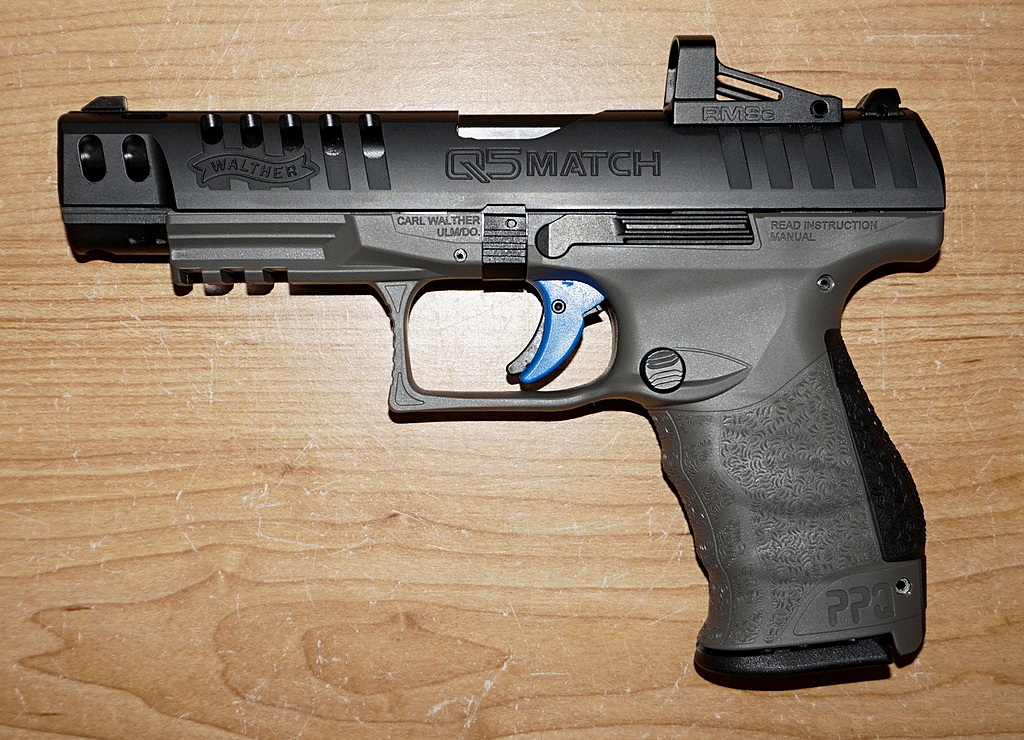
Innovative trigger concepts frequently generate conversation, promising smoother pulls or enhanced control.
However, increased mechanical complexity can affect durability and consistency over time.
Highly intricate systems may require precise tolerances that prove sensitive to residue or component wear.
Maintenance expectations sometimes rise alongside sophistication.
Shooters often value predictable, repeatable trigger behavior rather than experimental refinement.
A design optimized for demonstration may feel less convincing after extensive use.
Reliability emerges from a balance between innovation and robustness. Overengineering risks introducing unnecessary failure points.
Practical performance favors simplicity and resilience.
Trigger feel remains subjective, yet mechanical stability remains universally important.
Ultra-Lightweight Frames With Trade-Offs
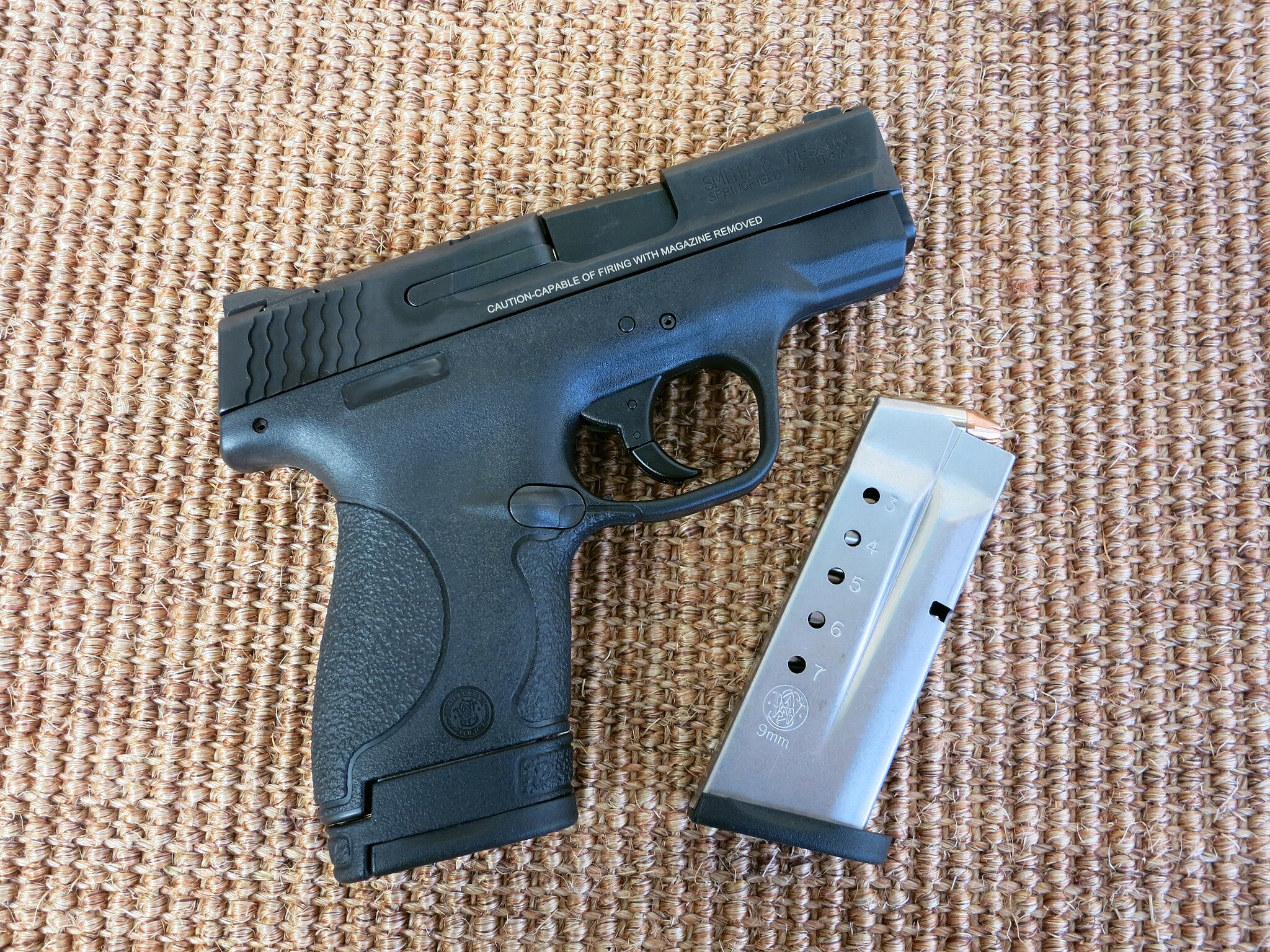
Lightweight pistols attract attention for portability and ease of carry, particularly during product launches.
Reduced mass, however, can influence recoil characteristics and handling comfort.
Some shooters find lighter platforms less stable during rapid follow-up shots.
Durability perceptions may also vary depending on material choices.
Marketing emphasis on weight reduction sometimes overshadows practical shooting dynamics.
Balance and ergonomics often matter more than raw specifications.
A pistol that feels effortless to hold briefly may feel different during extended sessions.
Comfort and control depend on holistic design rather than minimal weight alone.
Practical evaluation benefits from realistic expectations.
Proprietary Magazine Dependent Designs
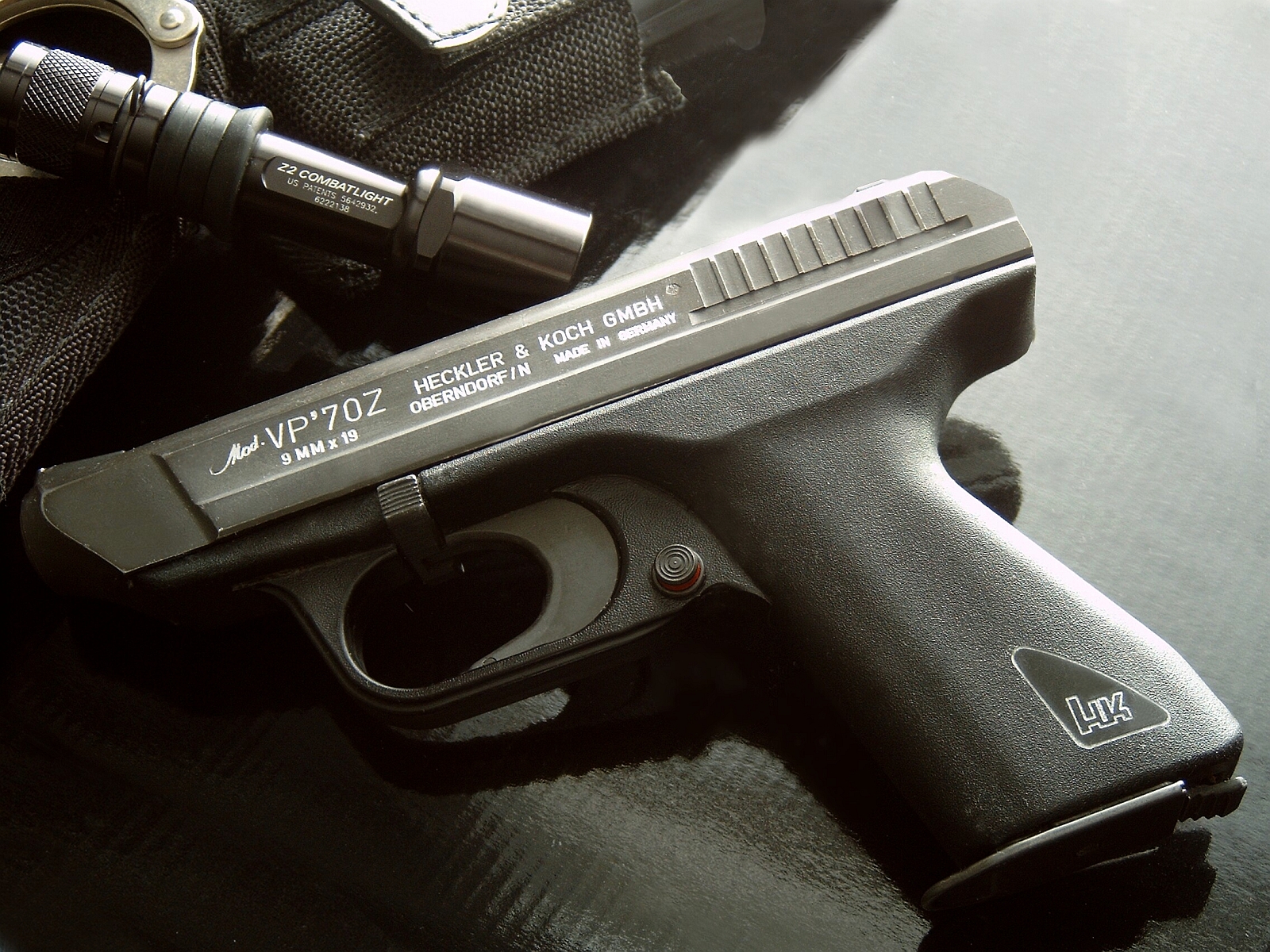
Pistols requiring unique magazines or components may appear innovative but can complicate long-term ownership.
Replacement parts and accessories may prove less accessible compared to widely supported standards.
Supply limitations influence maintenance flexibility and cost considerations.
Practical firearms typically benefit from broad compatibility and readily available components.
Novelty-driven designs sometimes underestimate logistical realities.
Field use and routine upkeep depend on reliable parts availability. Convenience shapes satisfaction as much as mechanical performance.
Proprietary systems risk introducing avoidable constraints.
Buyers often prefer platforms offering established ecosystem support.
Optics Focused Gimmick Releases
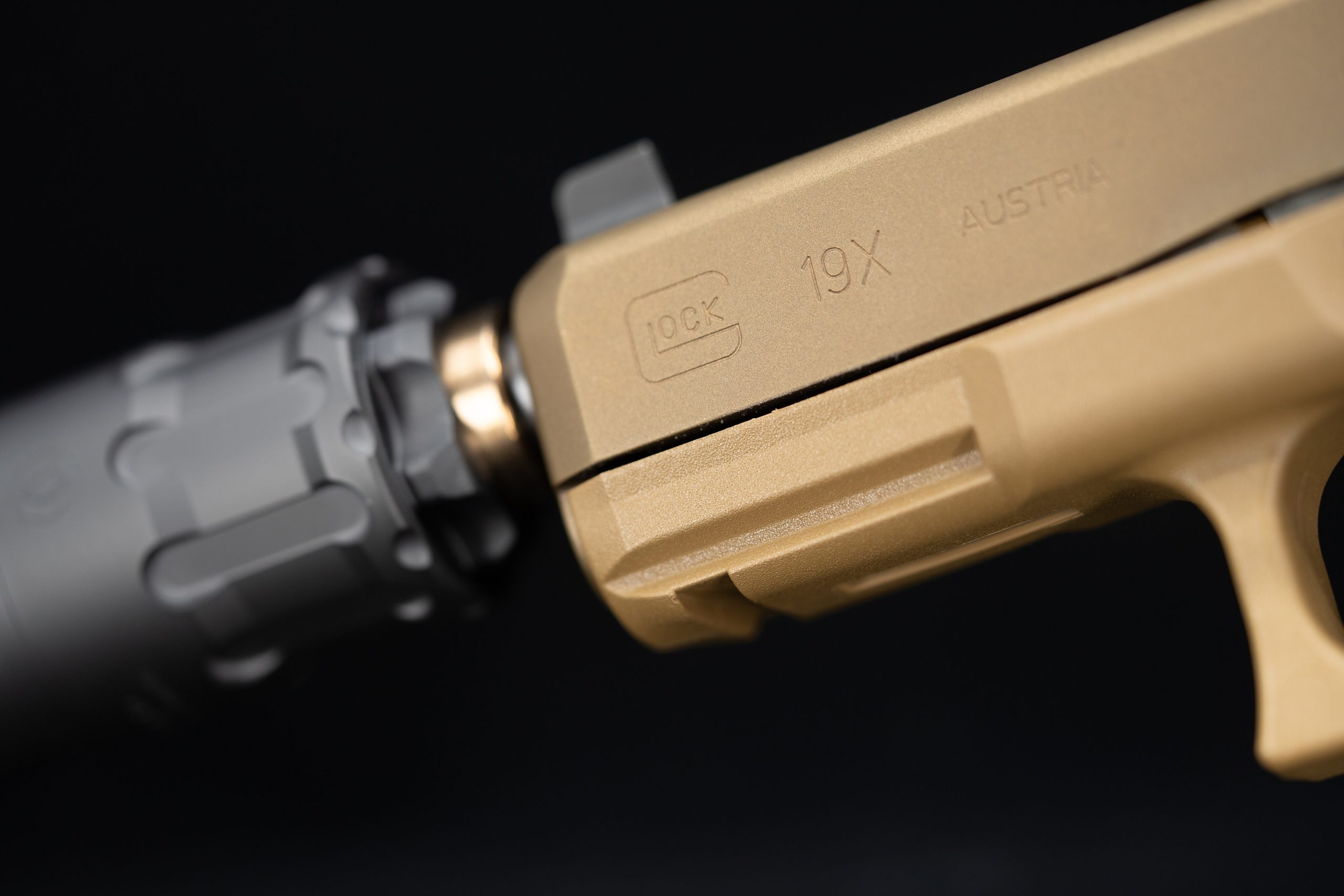
Optics integration remains a valuable development, yet not every optics-oriented pistol delivers balanced performance.
Some designs emphasize mounting features while overlooking fundamental handling qualities.
Durability, sight alignment, and mechanical reliability remain critical.
A platform built primarily around accessory appeal may compromise elsewhere.
Practical shooters benefit from evaluating core function rather than isolated features.
Optics readiness alone does not define excellence.
Reliability and comfort sustain long-term confidence.
Balanced engineering typically outweighs marketing emphasis. Performance depends on integrated design harmony.
Budget Race Inspired Pistols
Competition-inspired styling and features increasingly appear in affordable pistols.
While visually appealing, cost constraints sometimes influence material quality or refinement.
Performance expectations shaped by appearance may exceed practical capability.
Reliability and longevity depend heavily on manufacturing consistency.
Buyers attracted by aggressive aesthetics should consider underlying engineering priorities.
Value emerges from durability and function rather than resemblance to premium models.
Careful evaluation prevents disappointment. Practical use often reveals distinctions obscured by presentation.
Experimental Material Showpieces
New materials frequently generate excitement, signaling innovation and modern engineering ambition.
Early implementations, however, may face durability or wear-related scrutiny. Long-term resilience often becomes clear only after extensive use.
Trade show enthusiasm may outpace practical validation.
Proven materials benefit from established performance records.
Reliability depends on structural consistency.
Experimentation drives progress but introduces uncertainty. Buyers often prefer demonstrated longevity.
Excessively Ported Configurations
Porting and recoil reduction features can influence shooting comfort, yet extreme implementations may introduce drawbacks.
Increased noise, blast, and maintenance demands affect usability perceptions.
Marketing demonstrations may not reflect everyday handling realities.
Balance between control and practicality remains essential.
Overemphasis on specialized features risks limiting versatility.
Comfort arises from integrated design choices. Practical performance depends on moderation.
Smart Feature Dependent Designs
Technology-driven concepts often draw attention for novelty and perceived advancement.
Electronic dependencies, however, introduce new reliability considerations.
Environmental exposure and power requirements influence practicality.
Wilderness and extended use scenarios highlight durability expectations.
Mechanical simplicity frequently offers greater predictability. Innovation must align with resilience.
Buyers benefit from a realistic assessment of technological trade-offs.
Ergonomic Extremes That Divide Users
Distinctive grip angles and unconventional ergonomics generate conversation but may not suit every shooter.
Comfort and control vary widely between individuals.
Designs optimized for uniqueness sometimes sacrifice universal adaptability.
Handling confidence depends on a natural fit.
Practical firearms typically balance individuality with usability.
Testing and comparison remain invaluable. Personal preference ultimately defines satisfaction.