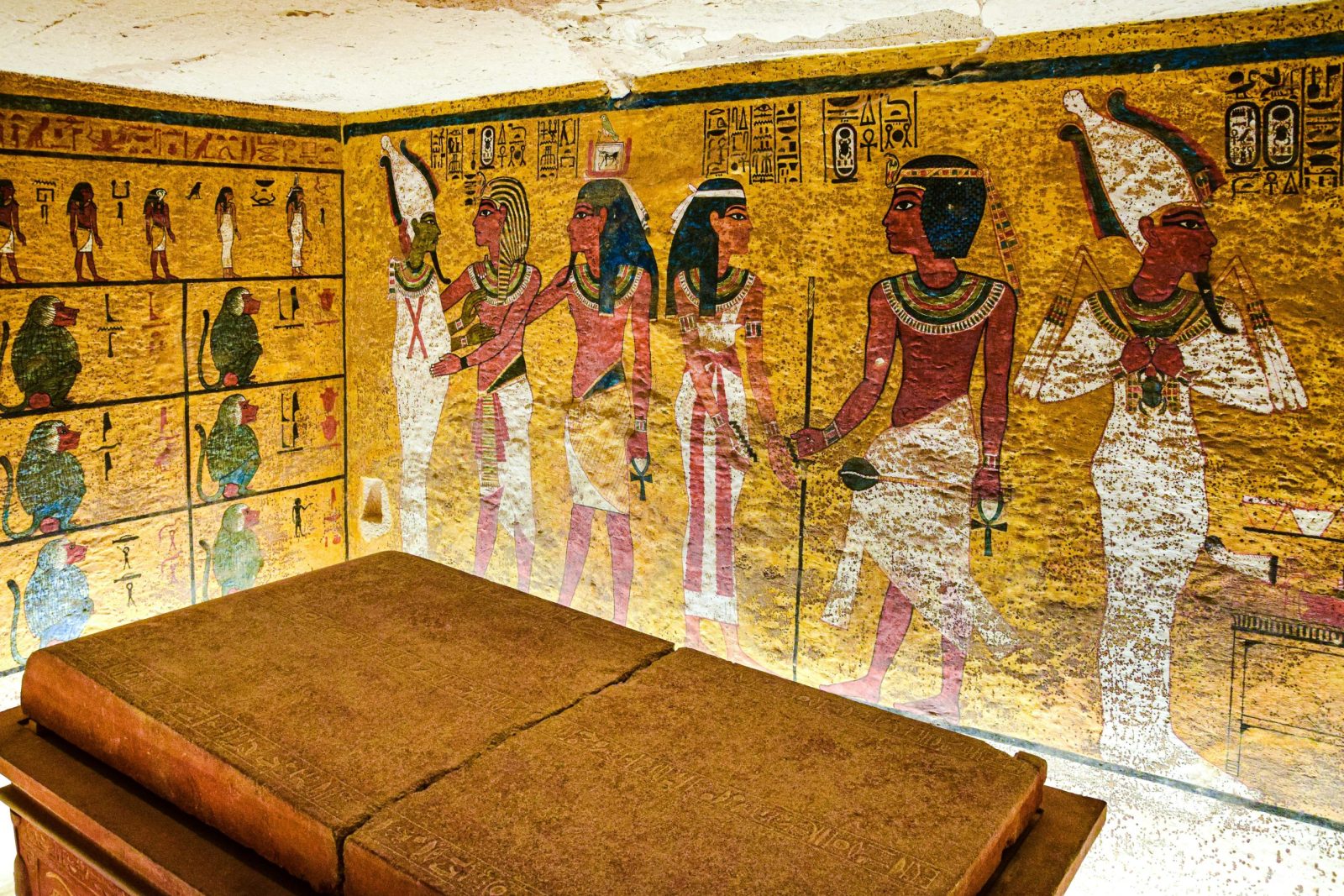
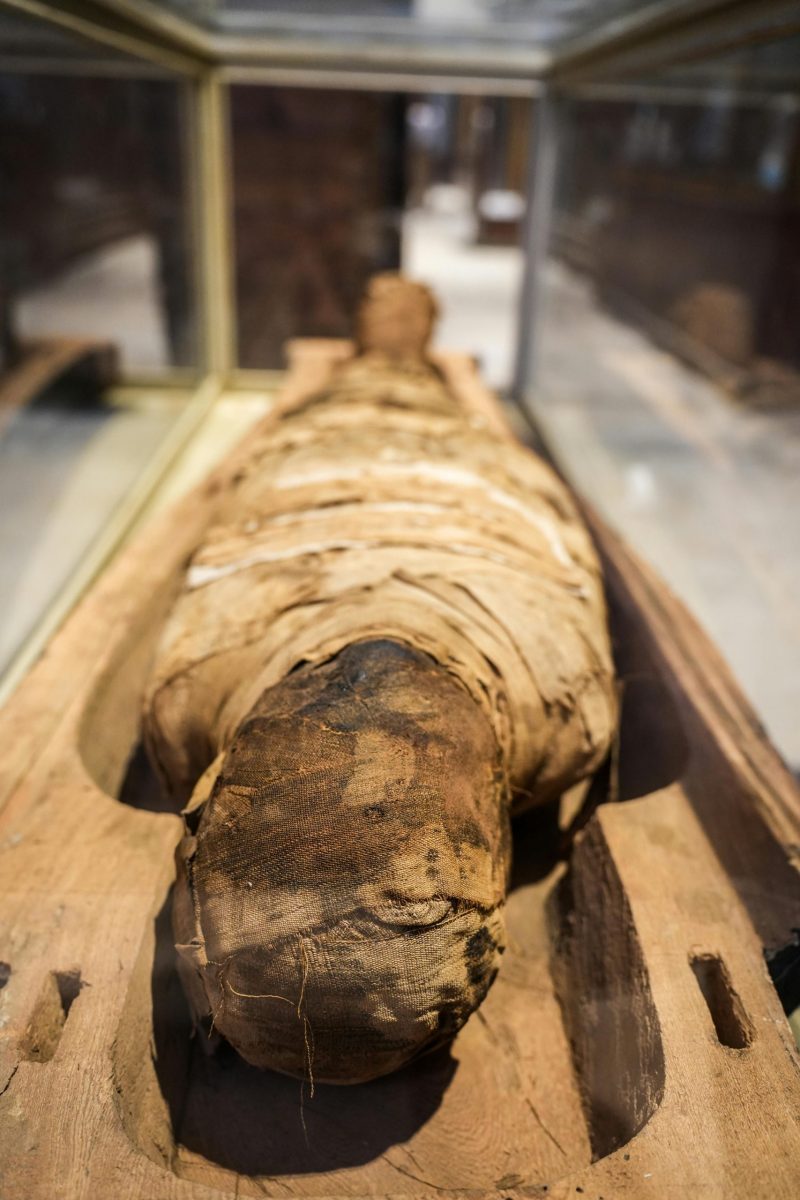
Anthropologists recently made a startling discovery when they found 7,000-year-old mummies that don’t share human DNA during a complex excavation project. This revelation comes from a remote archaeological site where the environmental conditions preserved biological tissue with remarkable clarity for thousands of years. Initial genetic sequencing results indicate a significant departure from the standard genetic markers typically found in homo sapiens from that era. These findings prompt a reevaluation of migration patterns and potential unknown lineages that inhabited the region long ago. Researchers continue to analyze the samples to determine how these individuals fit into the broader history of life.
Anomalous Genetic Sequencing
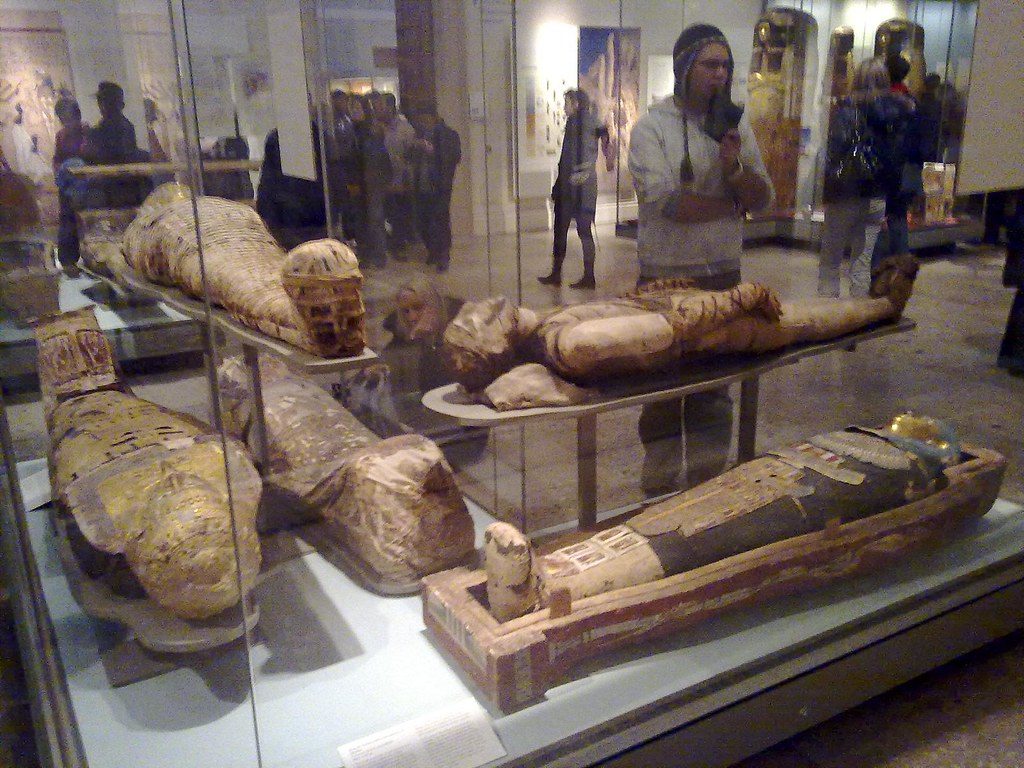
The laboratory results from the preliminary bone marrow samples revealed a sequence that deviates significantly from the expected human genome. Scientists observed that several key protein structures and chemical bonds within the double helix do not match any known primate records. This lack of shared genetic material suggests that these individuals belonged to a completely separate biological lineage that existed alongside early human civilizations. Advanced computing software struggled to categorize the samples into existing databases which led to further investigation by international teams of specialists. Such a radical departure from established biological norms remains a primary focus for modern evolutionary biology and genetics.
Preservation Of Biological Tissue
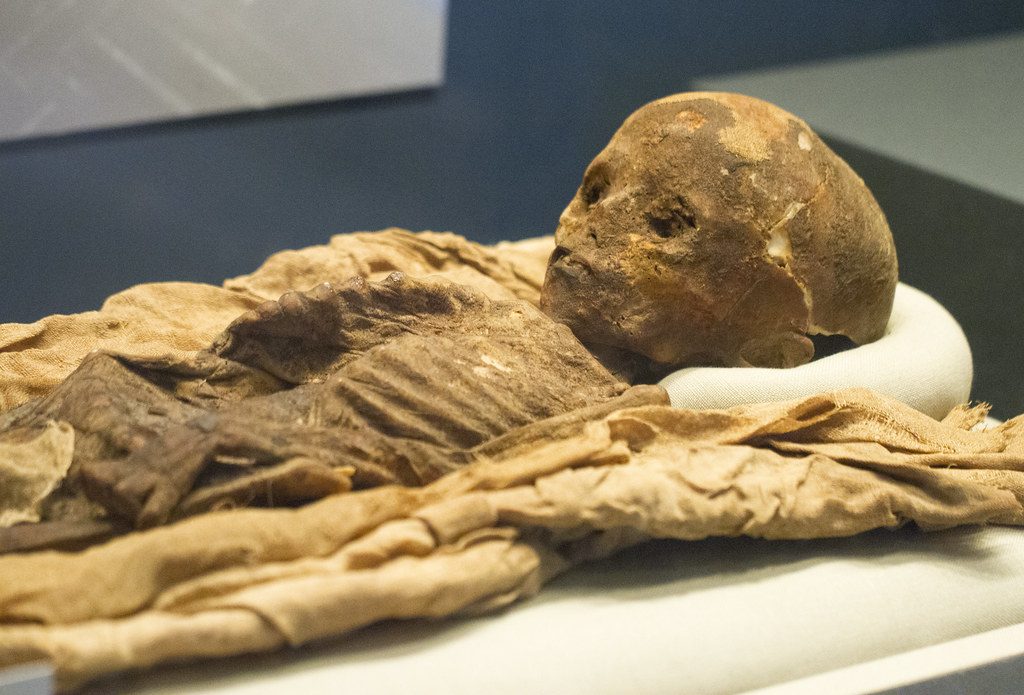
Remarkable preservation techniques allowed the ancient skin and muscle fibers to survive without the usual degradation seen in older remains. The local soil chemistry and unique atmospheric pressure acted as a natural vacuum that shielded the bodies from bacterial growth and moisture damage. This high level of preservation provided researchers with a wealth of high quality cellular material for rigorous laboratory testing and cross examination. Unlike typical dusty skeletons these remains offer a glimpse into the actual physical appearance of a group that left behind no written records. The structural integrity of the cells suggests a highly sophisticated biological adaptation to the harsh local climate.
Archaeological Site Significance
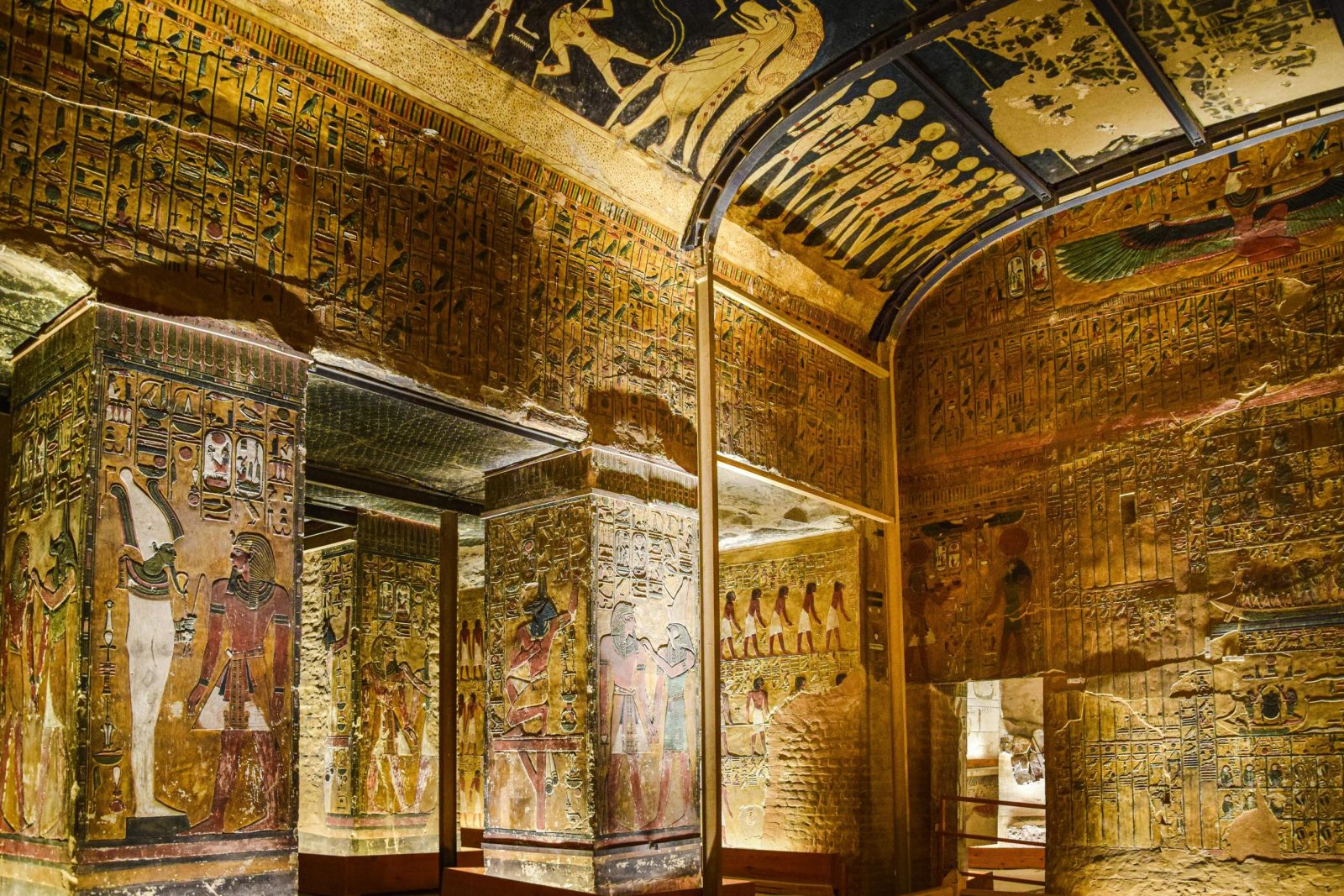
The location of the find serves as a critical crossroads between ancient trading routes and seasonal migration paths for early settlers. Excavators discovered unusual artifacts buried with the remains that do not correspond with the cultural traditions of nearby agricultural tribes. These items include finely polished stones and metallic alloys that suggest a level of metallurgical skill far beyond the recognized abilities of the time. The layout of the burial chamber indicates a complex understanding of astronomical alignments and celestial movements. Every detail within the tomb suggests that this mysterious group maintained a structured society with unique customs and a very deep spiritual life.
Comparison To Known Lineages
Researchers compared the extracted genetic data against a global database of ancient hominid remains to find any potential overlapping markers. They checked for connections to Neanderthals and Denisovans but the results came back entirely negative across all tested parameters. This total isolation from the common ancestral tree of mankind suggests a separate evolutionary path that remains largely unexplored by current science. Some theorists suggest that the group may have originated from a small and isolated population that developed unique traits over many millennia. The absence of common human markers makes these individuals the most significant biological mystery discovered in the twenty first century so far.
Implications For Evolutionary Science

The existence of a non human lineage living during a period of rising civilization challenges many fundamental assumptions about history. Traditional models of human development might require massive revisions to account for the presence of such a distinct and advanced group. Academic circles are currently debating how to incorporate these findings into the standard timeline of planetary biological evolution without causing confusion. The discovery highlights the vast gaps in knowledge regarding the diverse species that once walked the earth alongside our direct ancestors. This case serves as a powerful reminder that the soil still holds secrets that can rewrite the entire story of life.