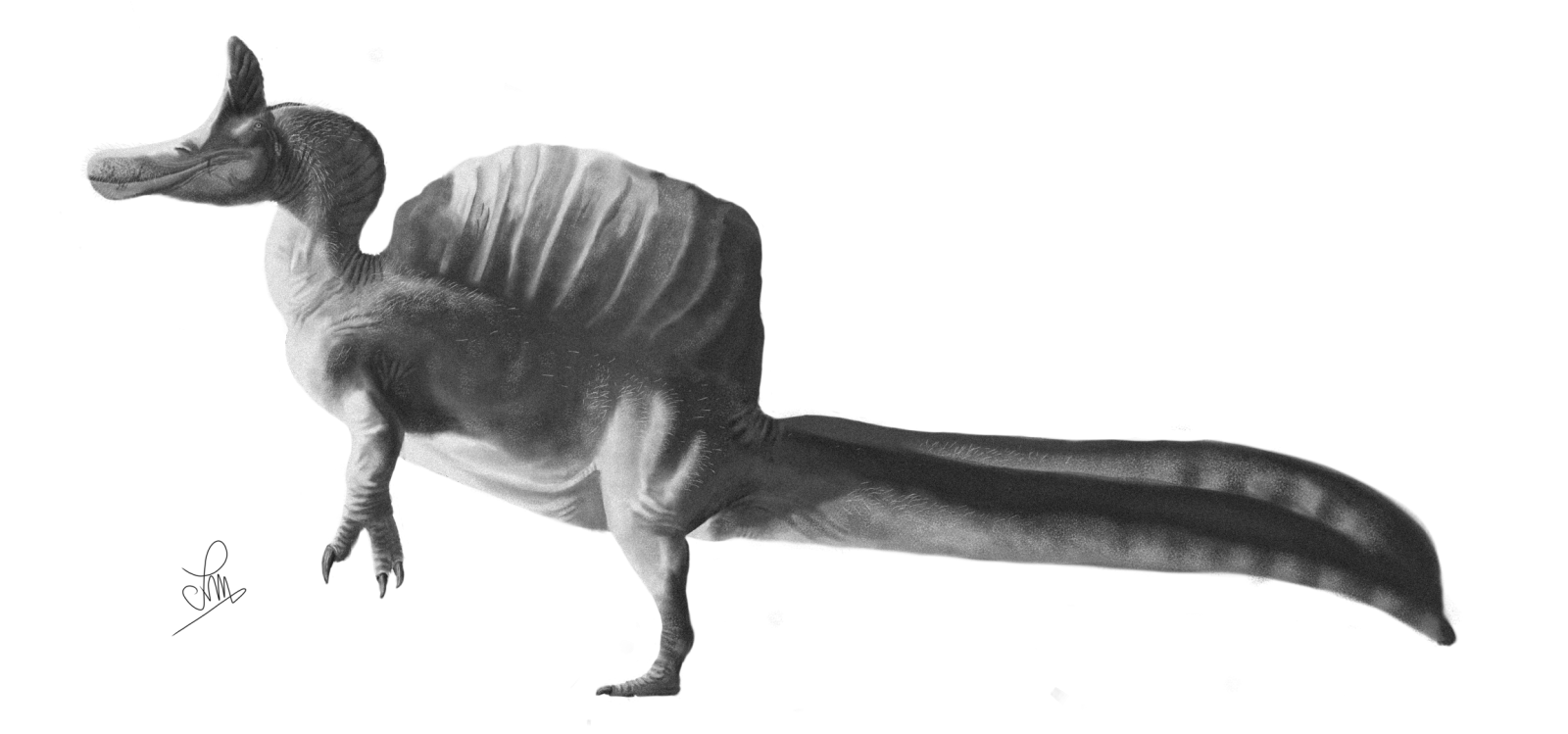
Scientists recently made a massive discovery when they found a new dinosaur species deep in the Sahara Desert after years of field work. This remarkable find represents the first new member of the Spinosaurus family identified by paleontologists in more than a century of global exploration. Named Spinosaurus mirabilis for its astonishing physical features, this massive predator roamed ancient river systems nearly ninety-five million years ago. Its presence challenges several long-held theories about the evolution and geographic distribution of these enormous reptiles. This guide examines five incredible facts about this recently unearthed giant.
The Signature Scimitar Crest
The most striking feature of Spinosaurus mirabilis is the massive scimitar-shaped crest that protrudes nearly twenty inches from its skull. Researchers believe this solid bone structure was sheathed in a layer of keratin and likely blazed with bright colors during the life of the animal. Unlike the smaller and more modest ornaments found on its relatives, this towering crest functioned primarily as a visual beacon for communication. It likely served to attract potential mates or signal dominance to rivals across the ancient forested riverbanks of North Africa. This unique cranial accessory defines the species as truly astonishing.
The Hell Heron Lifestyle
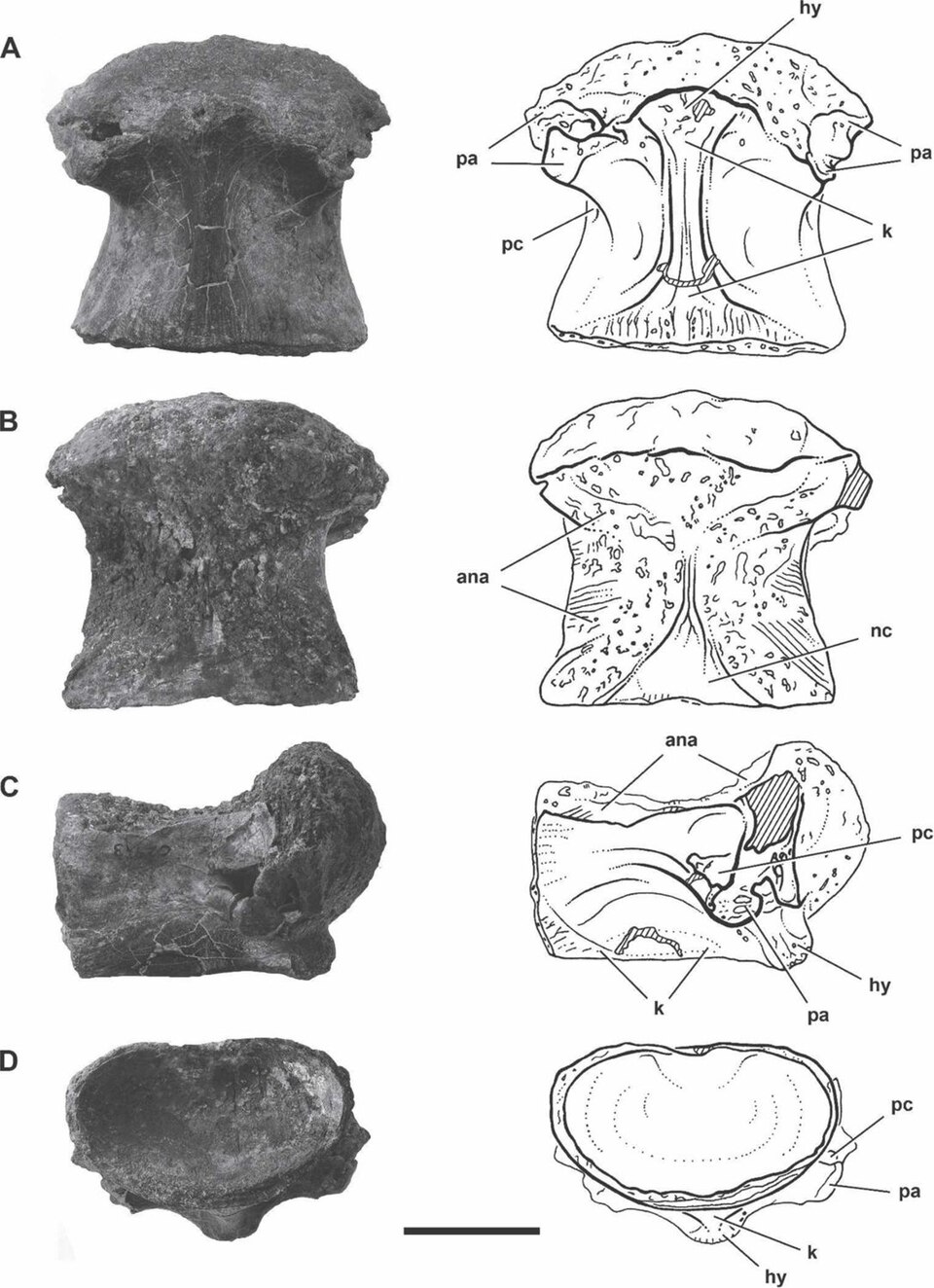
Experts describe this fascinating new dinosaur as a kind of hell heron due to its specialized semi-aquatic hunting strategy. Unlike its ocean swimming cousins, Spinosaurus mirabilis possessed sturdy hind limbs that allowed it to wade through shallow river traps with great stability. This predator likely stood motionless along the water’s edge while waiting for large prehistoric fish to swim within reach of its powerful jaws. The wading lifestyle suggests a sophisticated adaptation to freshwater environments located far away from the ancient Tethys Sea. Ongoing discovery shifts our focus toward the diverse inland wetlands of the middle Cretaceous period.
Innovative Fish Trap Jaws
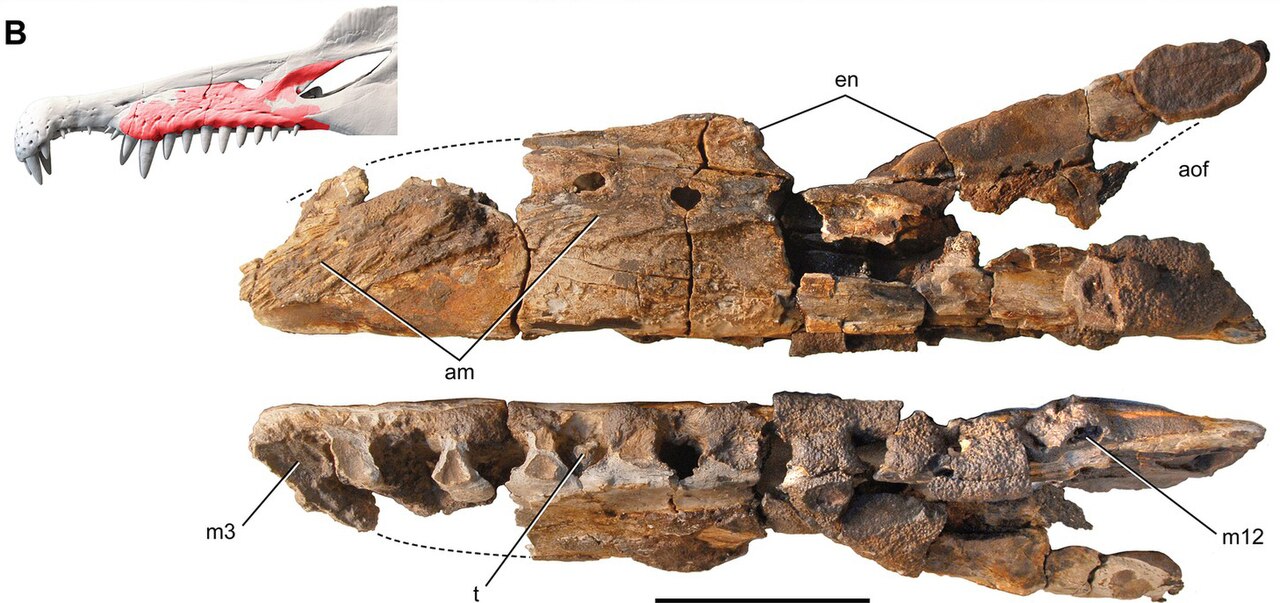
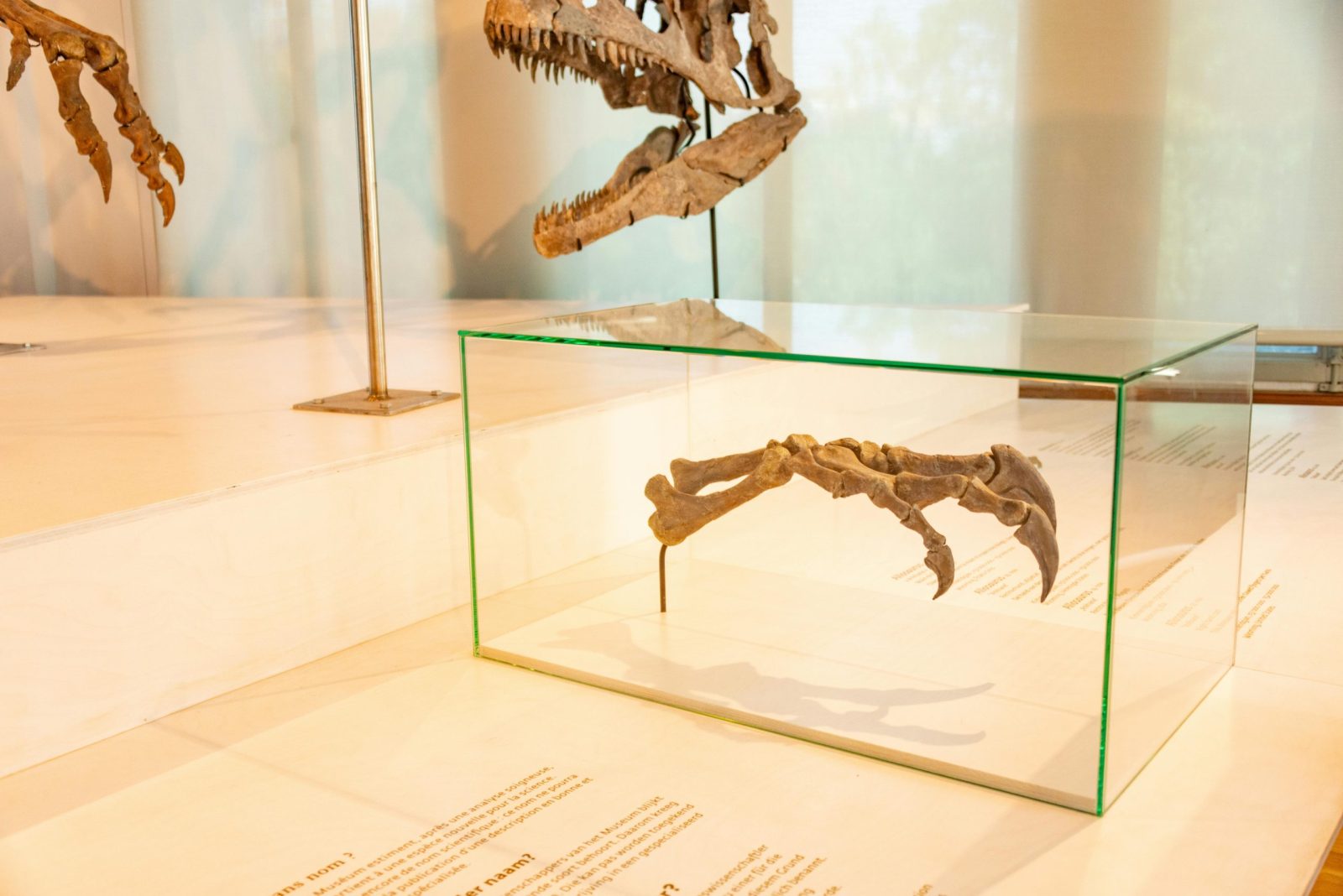
The skull of Spinosaurus mirabilis features a unique dental arrangement known as interdigitating teeth, which created an extremely effective trap. These large conical teeth in the lower jaw protrude upward between the teeth of the upper set when the mouth closes shut. This biological design prevented slippery fish from sliding out of the grip of the predator during an underwater strike. Similar dental traits appear in modern crocodiles and ancient marine reptiles, but this find is the first for a spinosaurid dinosaur. Such specialized jaws highlight the incredible evolutionary pressure to master the art of fishing in murky rivers.
Inland Habitat Discovery
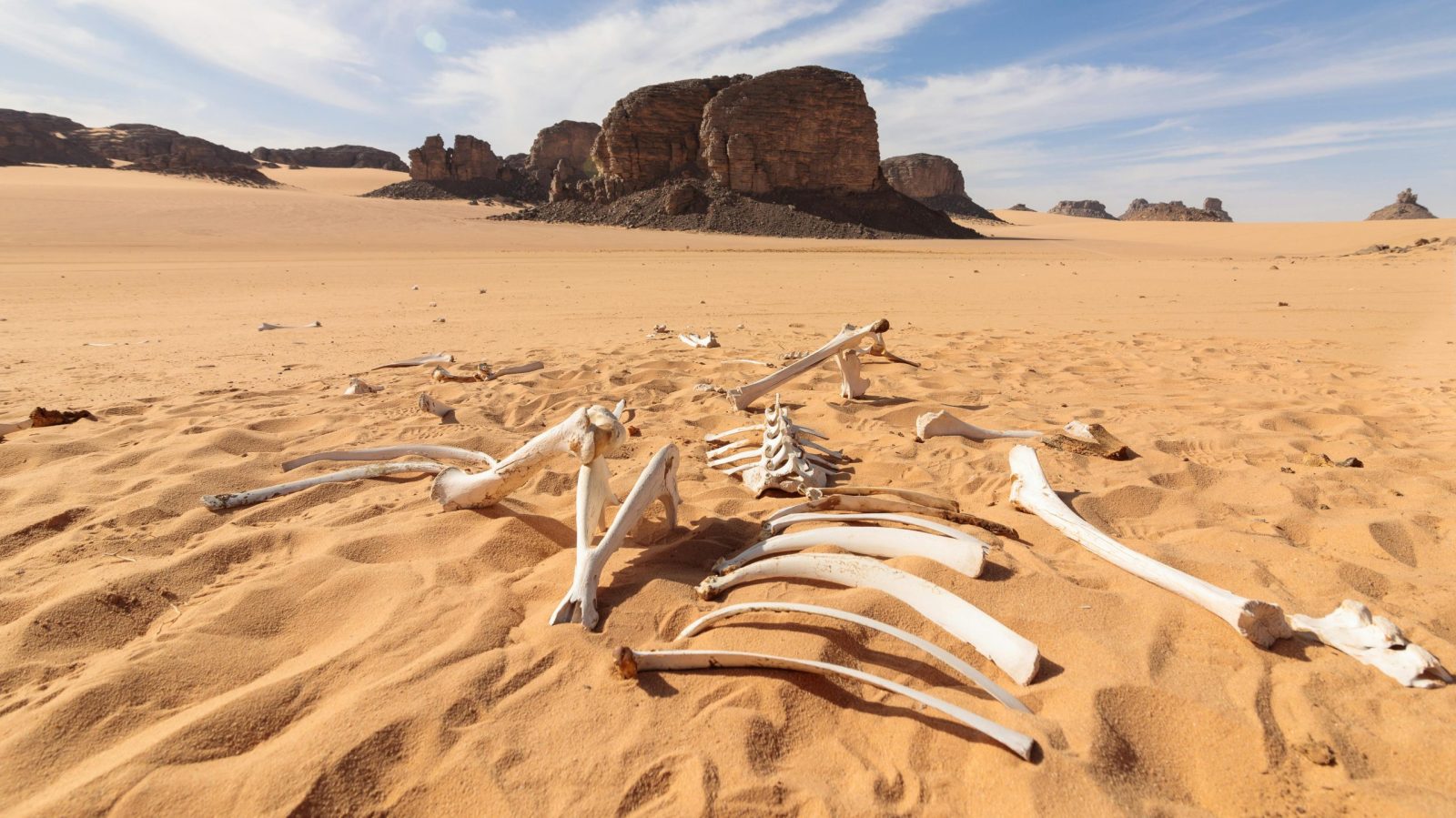
The location of this amazing discovery provides significant evidence that the Spinosaurus species lived far inland and away from prehistoric shorelines. Most previous fossils turned up in ancient coastal deposits, which led scientists to believe these predators were exclusively marine or coastal hunters. Finding the remains of Spinosaurus mirabilis deep within the central Sahara suggests that these giants thrived in forested regions crisscrossed by freshwater rivers. This inland presence refutes the theory that these theropods required a saltwater environment to survive. Evidence proves that these iconic dinosaurs were much more adaptable to different ecosystems than previously thought.
Advanced 3D Reconstruction Techniques
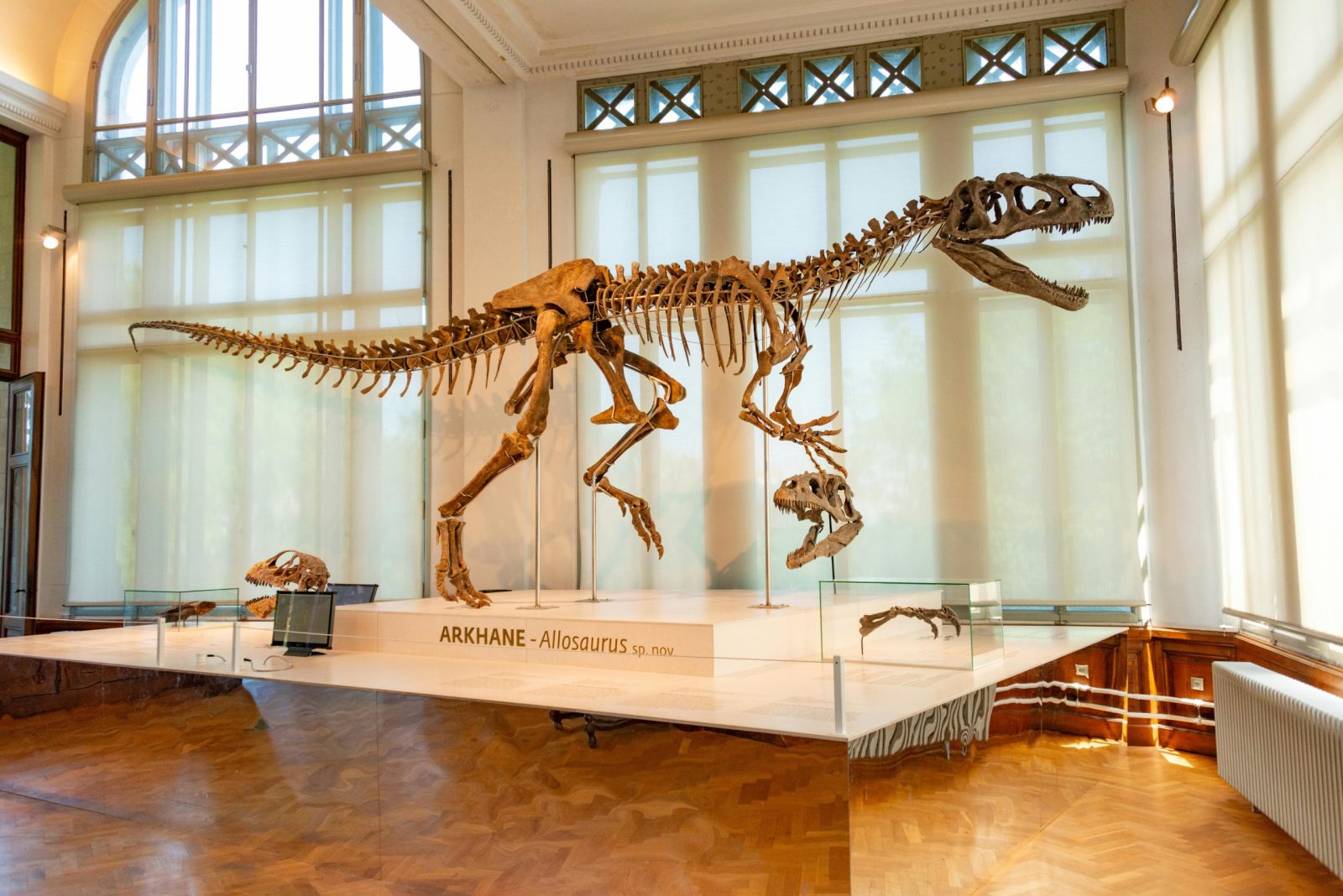
The team utilized advanced 3D reconstruction techniques to assemble the fragile skull fragments while working in the harsh desert environment. Powered by solar panels, researchers generated digital models of the mineralized bones to visualize the new species for the first time. Using this innovative technology allowed paleontologists to see how the scimitar-shaped crest and interlocking teeth fit together with surgical precision. Such digital assembly processes saved years of manual cleaning and preparation work while providing a high-fidelity rendering for international peer review. Adoption of these tools marks a significant shift in how scientists discover and describe ancient life.