Firearms collectors and casual buyers alike have watched certain rifle prices climb year after year without any real upgrades to justify the jump.
It’s a strange pattern in the gun market where nostalgia, branding, and manufactured scarcity drive cost more than engineering progress.
Some rifles today cost twice what they did a decade ago, yet they shoot, handle, and feel the same.
This list breaks down eight rifles that got expensive without getting better.
Ruger 10/22
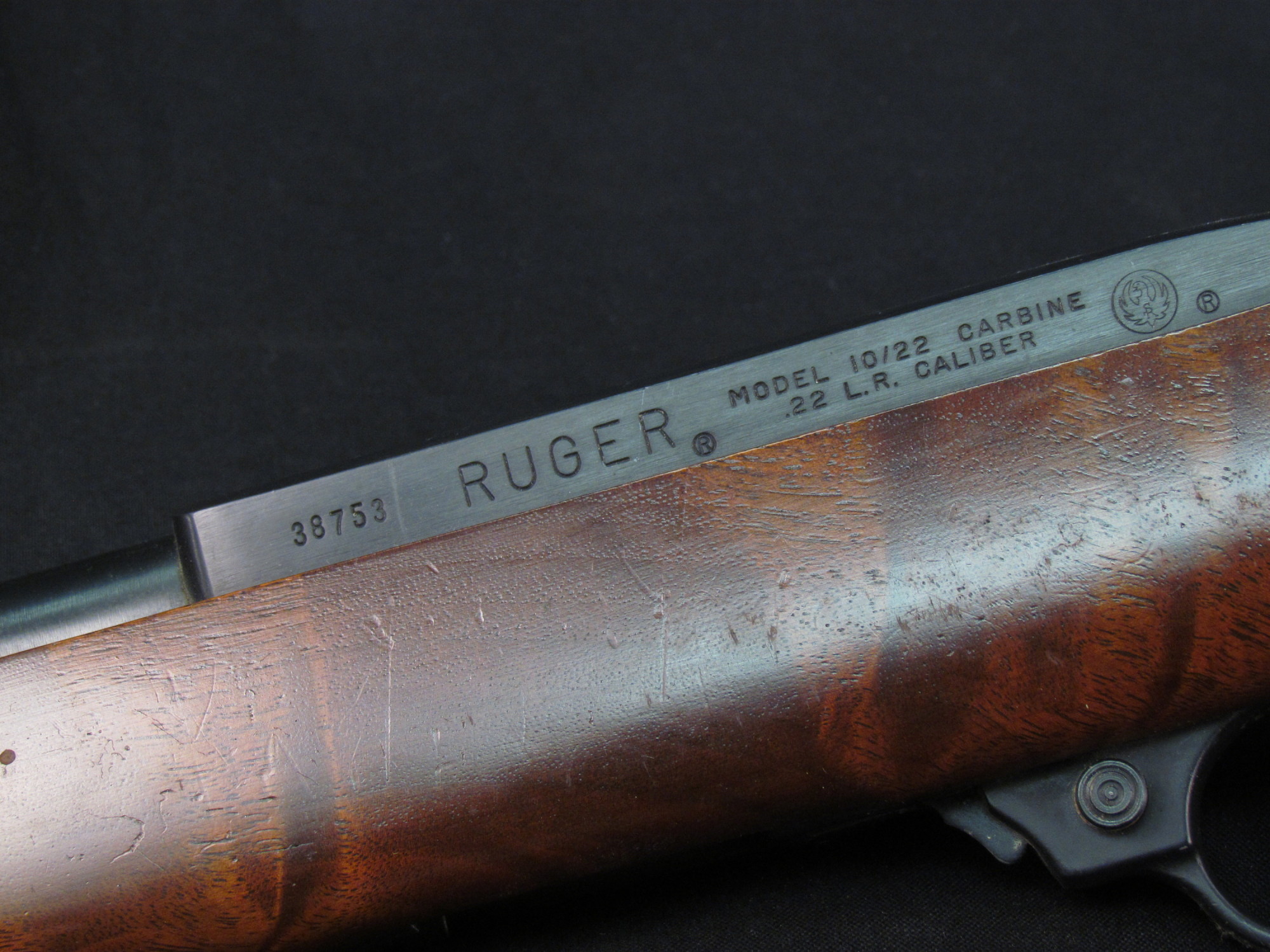
The Ruger 10/22 has been in production since 1964 and remains functionally unchanged in its base configuration.
Its rotary magazine, birchwood stock, and blowback action are the same as they were 40 years ago.
In 2010, a standard carbine retailed for around $219. By 2024, that same model pushed past $369 in most stores.
That’s roughly a 68% price jump with zero mechanical improvements to show for it.
Ruger added cosmetic variants over the years, but the core rifle stayed identical.
Demand from new shooters and the popularity of .22 LR ammo kept prices inflated.
Aftermarket support grew massively, but that’s the community’s work, not Ruger’s engineering.
Marlin Model 60
The Marlin Model 60 is a tubular-magazine .22 semi-auto that’s been sold since 1960 with barely any changes.
It holds 14 rounds in its under-barrel tube and uses a simple last-shot bolt hold-open design.
In 2015, it could be found for around $170. Post-Remington acquisition and Ruger’s buyout pushed prices toward $280 by 2023.
That’s a 65% increase driven entirely by ownership changes and supply disruptions, not product improvements.
The trigger, sights, and action remain vintage by design.
Remington’s ownership actually hurt quality control, making the price hike more baffling.
Buyers paid more for a rifle that went through a troubled production era with no meaningful upgrades.
SKS Rifle
The SKS was designed in 1945 and imported into the U.S. in large quantities during the 1980s and 1990s.
In the early 2000s, surplus SKS rifles sold for as little as $75 to $150 at gun shows and pawn shops.
By 2023, the same surplus condition rifles were fetching $450 to $650, depending on the country of origin.
That’s a 300% to 400% increase on rifles that are 70-plus years old with no updates whatsoever.
The gas-operated, fixed 10-round magazine design hasn’t changed a single component.
Import restrictions and drying surplus supplies drove costs up with zero engineering input.
Collectors pay a premium for something a soldier was issued in 1950, not something built better today.
Mosin-Nagant
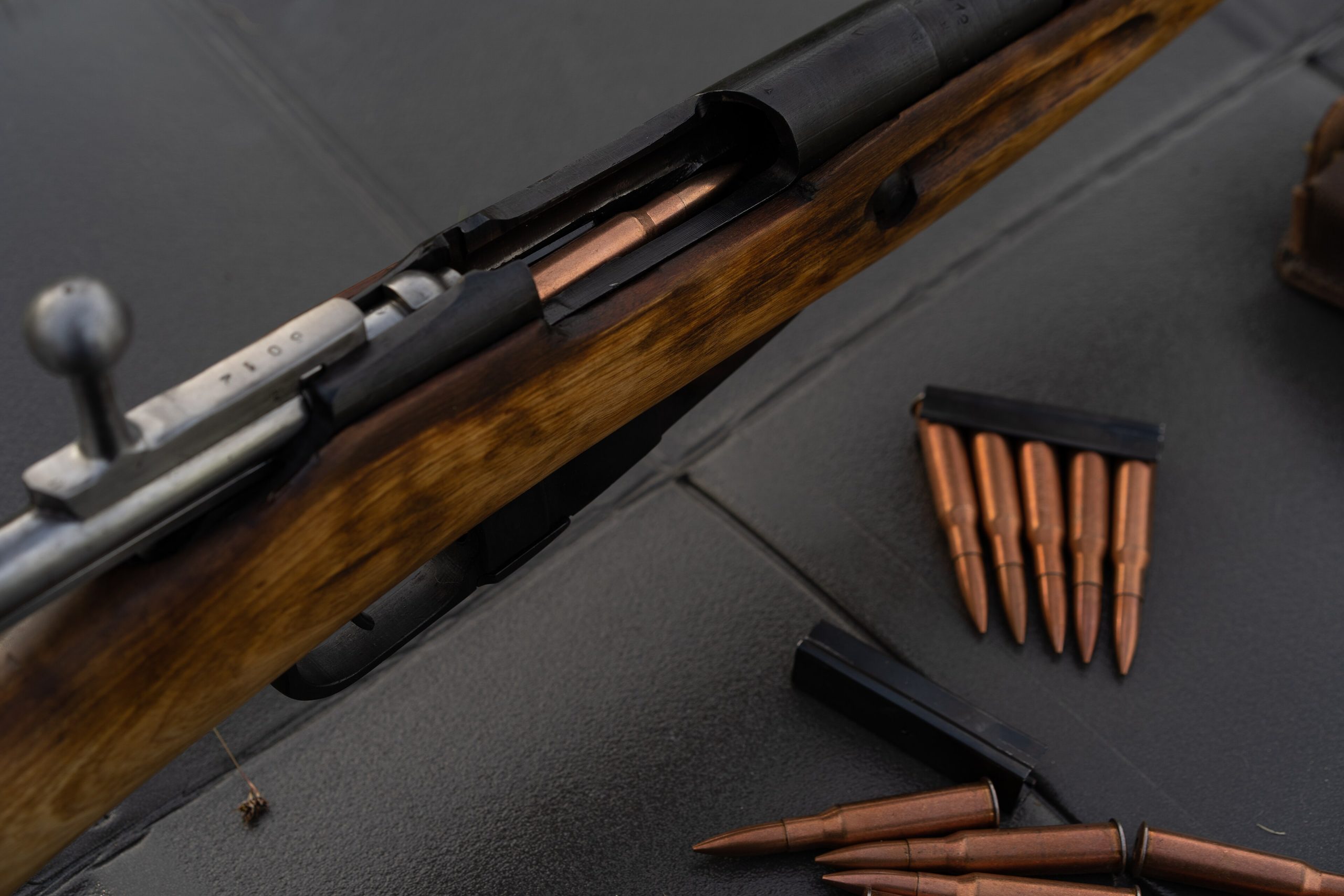
The Mosin-Nagant is a bolt-action rifle dating to 1891, designed for the Russian Imperial Army.
Millions were produced and imported cheaply into the U.S. throughout the 1990s and early 2000s.
Around 2005, a crate-condition Mosin could be purchased for $79 to $90 at many retailers.
By late 2022, the same rifles in similar condition were selling for $300 to $500 retail.
That price multiplied by roughly 4x to 5x with zero mechanical changes, zero accuracy improvements, and zero modern features.
Sanctions on Russian imports post-2014 tightened supply significantly and drove collector demand higher.
The rifle still shoots 7.62x54mmR from a five-round internal magazine, exactly as it did 130 years ago.
AK-47 Pattern Rifles
AK-pattern rifles have climbed dramatically in price despite no core changes to the original Kalashnikov design from 1947.
In 2005, an imported WASR-10 sold for roughly $300 to $350 in most American gun shops.
By 2024, comparable AK-pattern rifles from Century Arms or other importers ranged from $750 to $950 new.
That’s approximately a 150% to 170% increase over roughly 20 years for the same tilting-bolt, long-stroke-piston design.
Importation restrictions, tariff changes, and brand marketing inflated prices far above what the mechanical value justifies.
American-made AKs like those from Palmetto State Armory entered the market, but use the same 1947-era operating system.
Buyers are paying premium prices for a design that hasn’t fundamentally changed since Stalin was alive.
Winchester Model 94
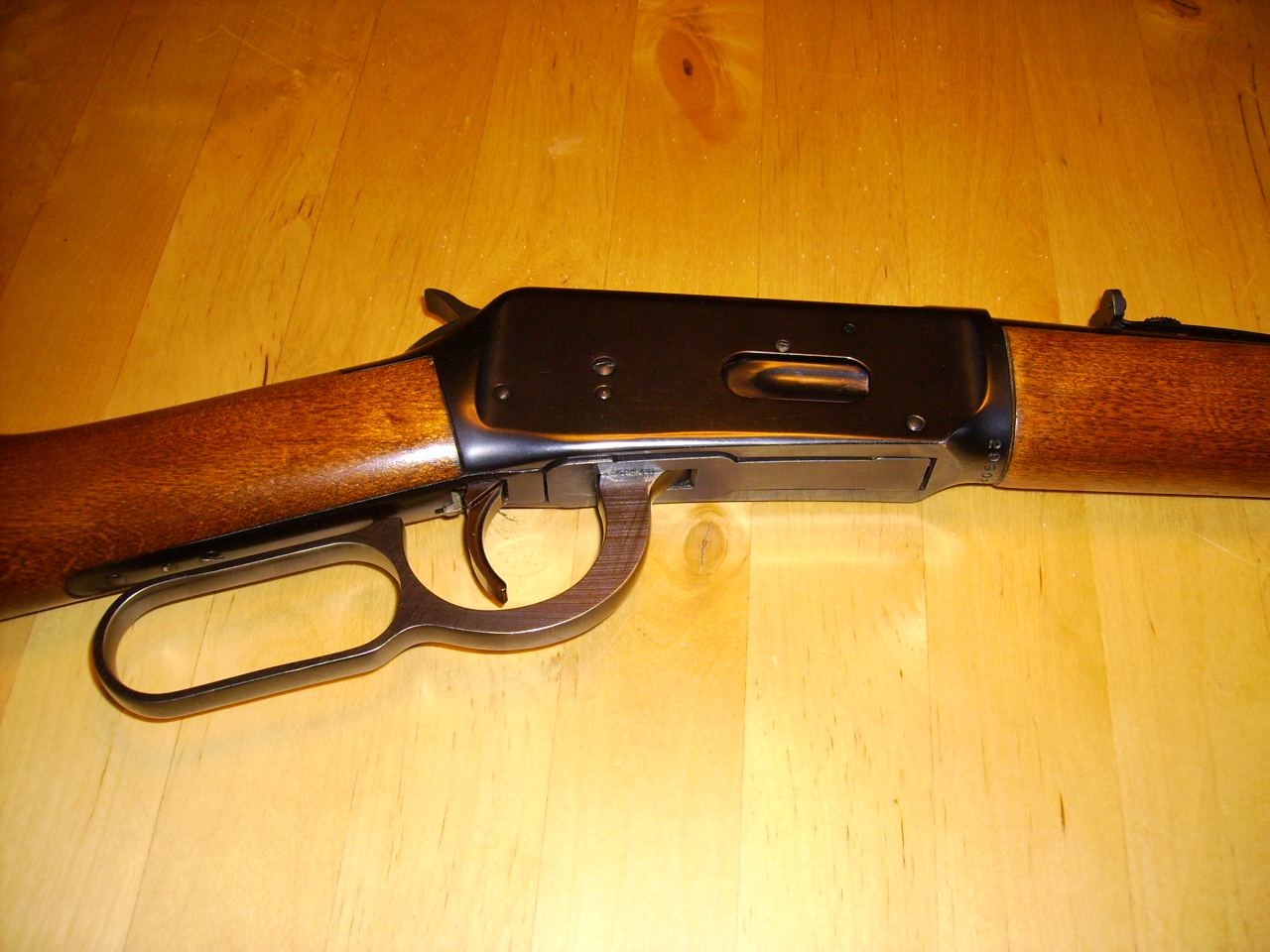
The Winchester Model 94 lever-action rifle was introduced in 1894 and became one of America’s most iconic deer rifles.
Production moved to Japan under U.S. Repeating Arms and later returned to the U.S. under Winchester Repeating Arms.
In 2000, a standard Model 94 retailed around $350 to $400. By 2024, the same style carbine approached $1,100 to $1,200.
That’s roughly a 200% price increase over two decades on a rifle that uses the same toggle-link lever action designed in the 1800s.
The side-ejection update from 1964 was the last meaningful mechanical change to the platform.
Heritage appeal and brand nostalgia account for nearly all of the price inflation seen today.
There’s nothing in a 2024 Model 94 that makes it shoot flatter, cycle faster, or fit better than one from 1994.
Remington 870
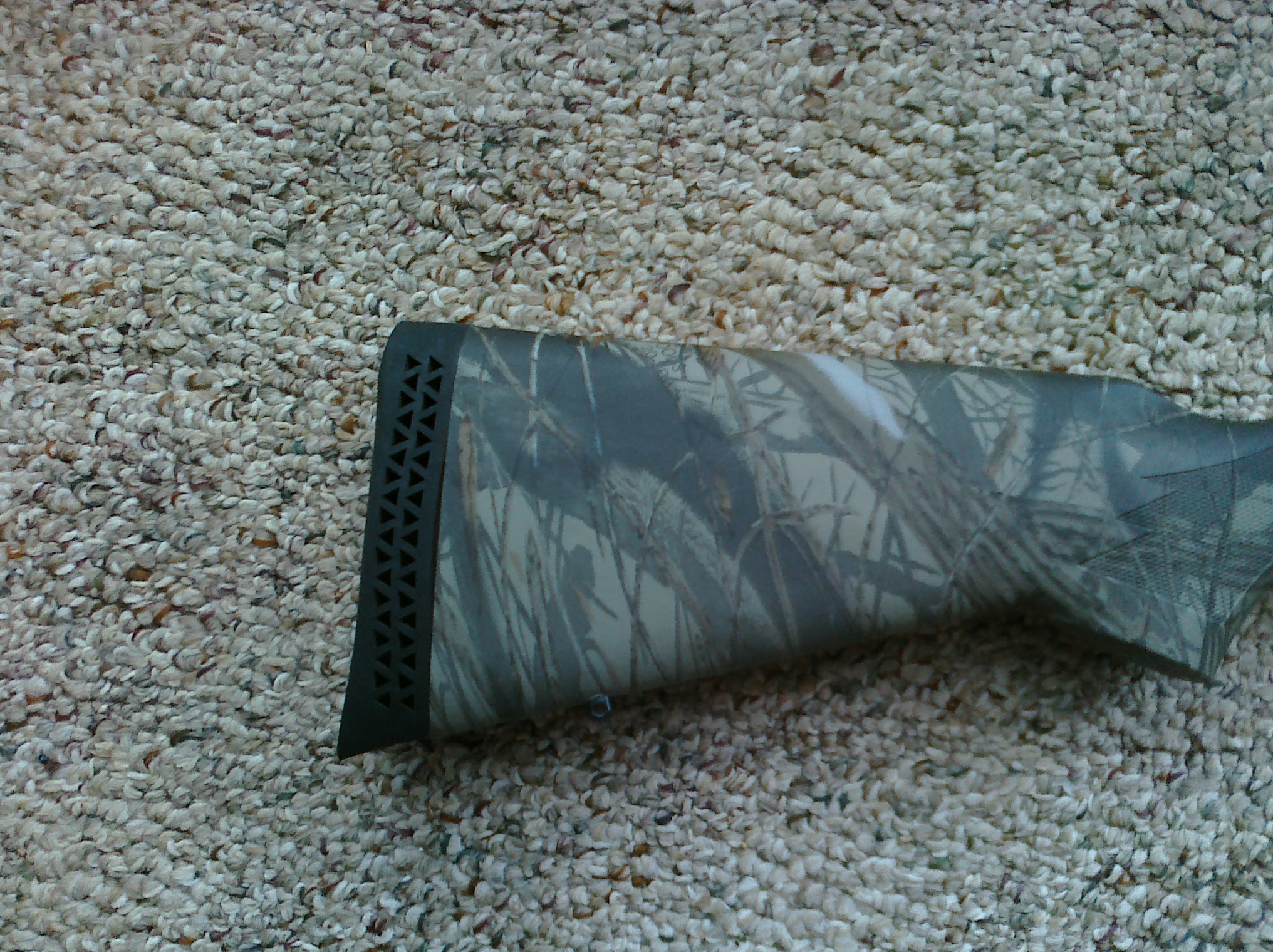
The Remington 870 is technically a shotgun, but its inclusion here reflects a broader pricing pattern seen across Remington’s rifle line during the same period.
The 870 illustrates how brand reputation alone can sustain high prices through corporate decline.
More relevant to rifles, the Remington 700 saw its price rise from around $500 in 2005 to over $900 by 2023.
That’s nearly an 80% increase on a bolt-action design that dates to 1962 and has seen no significant mechanical revision.
The push-feed action, three-position safety, and hinged floorplate remain unchanged across most standard variants.
Remington’s bankruptcy in 2020 and subsequent acquisition by Vista Outdoor did nothing to modernize the design.
Buyers pay more today for a rifle that went through a quality-control dip during the bankruptcy years, then recovered in price without fully recovering in craft.
Marlin 336
The Marlin 336 lever-action has been a staple deer rifle since its introduction in 1948, chambered most commonly in .30-30 Winchester.
It uses a side-ejecting action that makes scope mounting easier than the Winchester 94, which was its main competitive edge.
In 2010, a standard Marlin 336 retailed around $400 to $450. By 2024, post-Ruger acquisition prices hit $700 to $800 regularly.
That’s a 75% to 80% price increase tied almost entirely to the brand rescue narrative, not any mechanical improvement.
Ruger’s acquisition in 2020 restored quality after the Remington era severely damaged the 336’s reputation.
But “fixed from broken” is not the same as improved, and buyers are paying upgraded prices for restored baseline quality.
The action, caliber options, and overall design philosophy remain exactly what Marlin intended 76 years ago.