There’s a curious tradition in the firearms world where a rifle earns the “classic” label early on and then holds onto it forever, regardless of whether the performance or price actually justifies the reverence.
Some of these guns were genuinely groundbreaking decades ago, but the market has since moved far ahead.
Others were always more style than substance, carried forward by nostalgia and clever marketing.
This list digs into eight rifles that are consistently called classics, examines what they actually offer today, and asks whether the reputation is truly earned or merely inherited from a time when options were fewer and expectations were lower.
Winchester Model 70: The “Rifleman’s Rifle” That Costs More Than It Delivers
The Winchester Model 70 earned its nickname through decades of pre-1964 production, when hand-fitted craftsmanship was standard.
Post-1964 production brought cost-cutting changes that alienated serious shooters, and even though modern versions have improved, the base MSRP sits around $900–$1,100.
At that price, rifles like the Tikka T3x or Bergara B-14 deliver tighter factory tolerances and sub-MOA guarantees right out of the box.
The Model 70’s controlled-round feed is genuinely excellent, but competitors now offer the same feature at a lower cost.
lags behind modern aftermarket-style options found in rivals at similar price pointsIts trigger, while functional, still trails modern aftermarket-style options found in rivals at similar price brackets.
The legend carries enormous emotional weight in American hunting culture, but nostalgia alone doesn’t tighten groups at 300 yards.
Ruger Mini-14: Beloved Name, Mediocre Accuracy Record
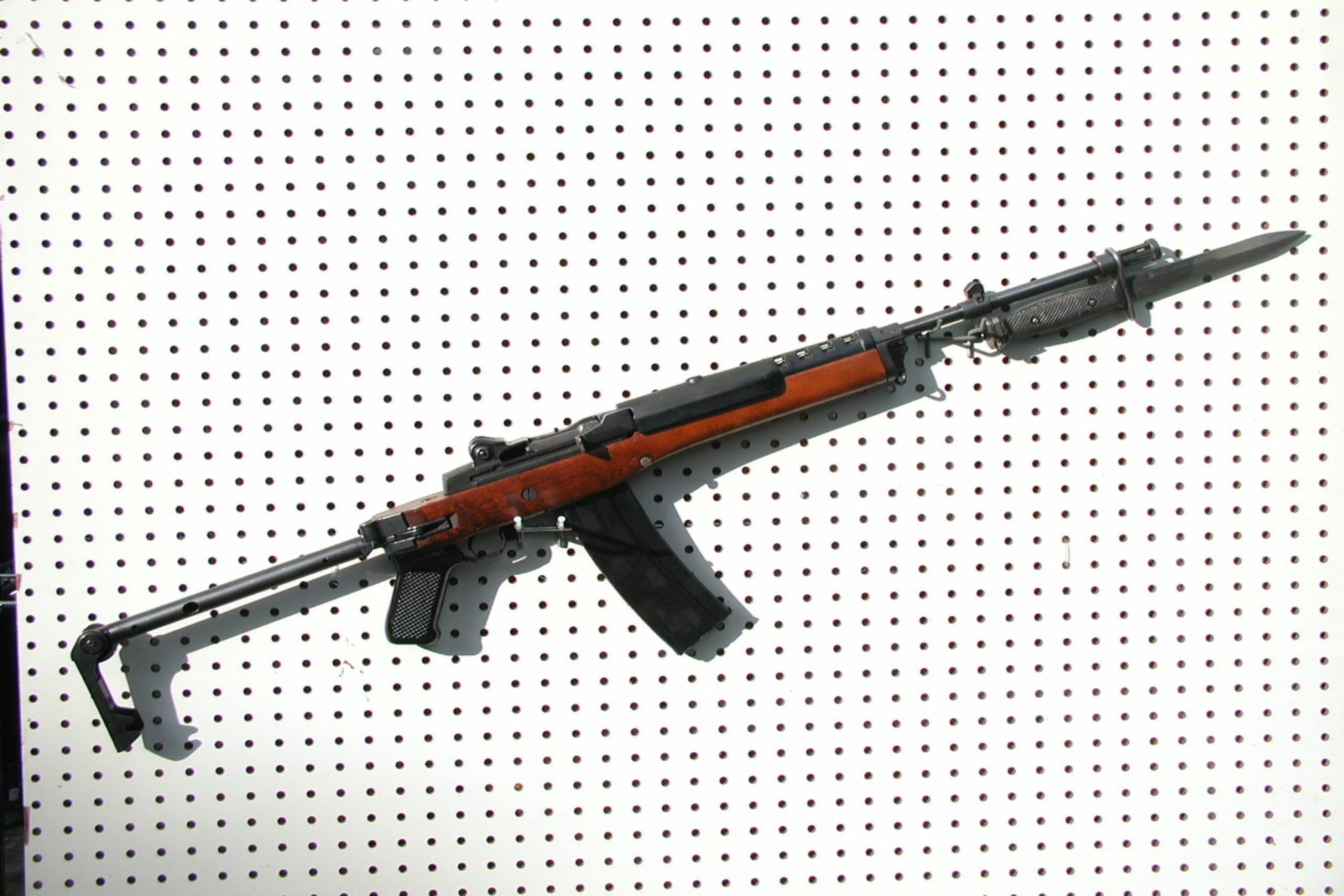
The Mini-14 launched in 1974 and built its reputation on a slimmer, more “civilian-friendly” profile compared to the AR-15 platform.
Early production models had a well-documented accuracy problem; many shooters reported 3–5 MOA groups, which is poor even by hunting standards.
Ruger improved the barrel harmonics in the 580-series (post-2005) and later models, tightening groups to around 1.5–2 MOA on average.
That improvement sounds significant, but AR-15 pattern rifles in the same $700–$900 price range routinely produce 1 MOA or better.
The Mini-14 also has a proprietary magazine system that costs more and offers fewer aftermarket options than standard AR platforms.
Its appeal is mostly aesthetic; it looks less aggressive, but “looking friendlier” doesn’t translate into measurable shooting performance gains.
Lee-Enfield No. 4: A Wartime Workhorse Romanticized Beyond Its Modern Utility
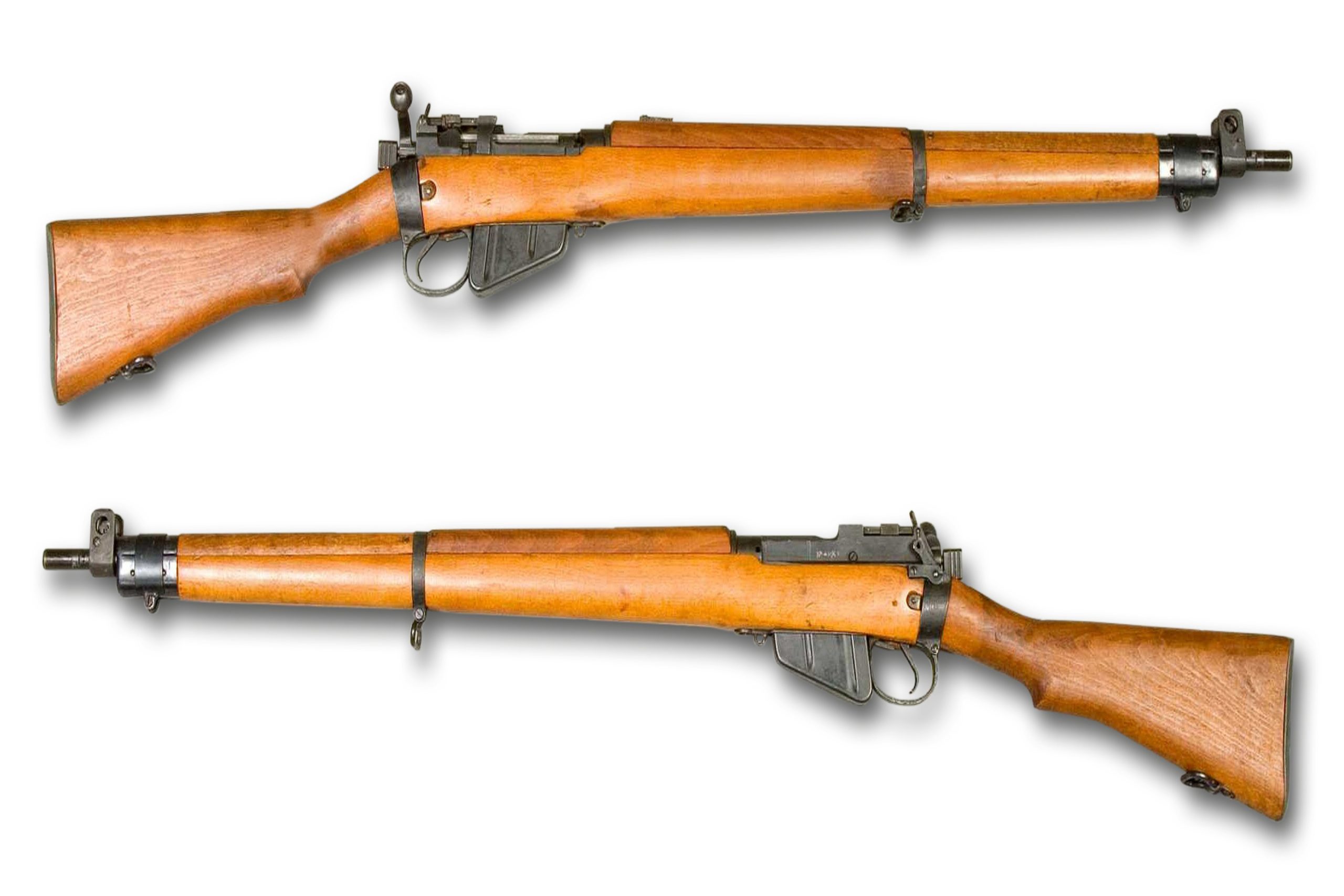
The Lee-Enfield No. 4 was one of the finest bolt-action service rifles of the 20th century, feeding millions of rounds through two world wars.
Its smooth 10-round magazine and slick bolt throw made it genuinely faster than most contemporaries, a real battlefield advantage in 1940.
Today, surplus examples sell for $300–$600, and people pay premiums for “matching numbers” rifles that shoot the same as non-matching ones.
The .303 British cartridge is increasingly expensive and harder to source, with a 20-round box averaging $35–$50 at most retailers currently.
Accuracy from worn surplus barrels commonly sits around 2–4 MOA, which is unremarkable compared to modern budget bolt guns.
The romance of military history drives most of the demand, which is a perfectly valid reason to own one, but not a practical shooting justification.
Springfield M1A: Expensive Legacy With Outdated Ergonomics
The M1A is the civilian version of the M14, a rifle the U.S. military largely phased out by the late 1960s after chronic accuracy complaints in field conditions.
Current M1A Standard models retail between $1,700 and $1,900, putting them firmly in competition with precision semi-automatic rifles like the Savage 10/110 Elite or even entry-level SCAR variants.
The gas-operated, tilting-bolt design is mechanically dated, and the wooden or synthetic stock does nothing to aid modern optics mounting.
Adding a quality scope requires a $150–$250 proprietary mount, since the receiver was never designed with optics integration in mind.
Trigger pulls on factory M1As average 5.5–7 lbs., which is heavy by today’s standards and demands expensive gunsmithing to improve meaningfully.
The rifle has a devoted following among traditionalists, but at nearly $2,000, it struggles to justify itself against modern .308 semi-autos in practical accuracy tests.
Marlin 336: A Fine Lever Gun That Lives Off Its Grandfather’s Reputation
The Marlin 336 in .30-30 Winchester is one of the most recognized lever-action rifles in North America, with production dating back to 1948.
The .30-30 cartridge itself is the issue; it generates around 1,900 ft-lbs of muzzle energy, which is modest compared to flat-shooting modern hunting cartridges.
Effective range tops out at roughly 150–175 yards for ethical big-game hunting, limiting versatility across varied terrain significantly.
The 336 retails for $600–$800 today, and while Ruger’s post-2020 acquisition improved quality control, the pre-Ruger Remlin-era models (2008–2020) have a troubled reputation for QC failures.
Flat-nose bullets are required due to tubular magazine safety concerns, which limit the ballistic coefficient and further reduce long-range performance.
The 336 is charming, genuinely reliable within its range envelope, and deeply nostalgic, but “classic” shouldn’t mean “limited by design choices from 75 years ago.”
Remington 700: Iconic Bolt Gun Carrying Decades of Legal Baggage
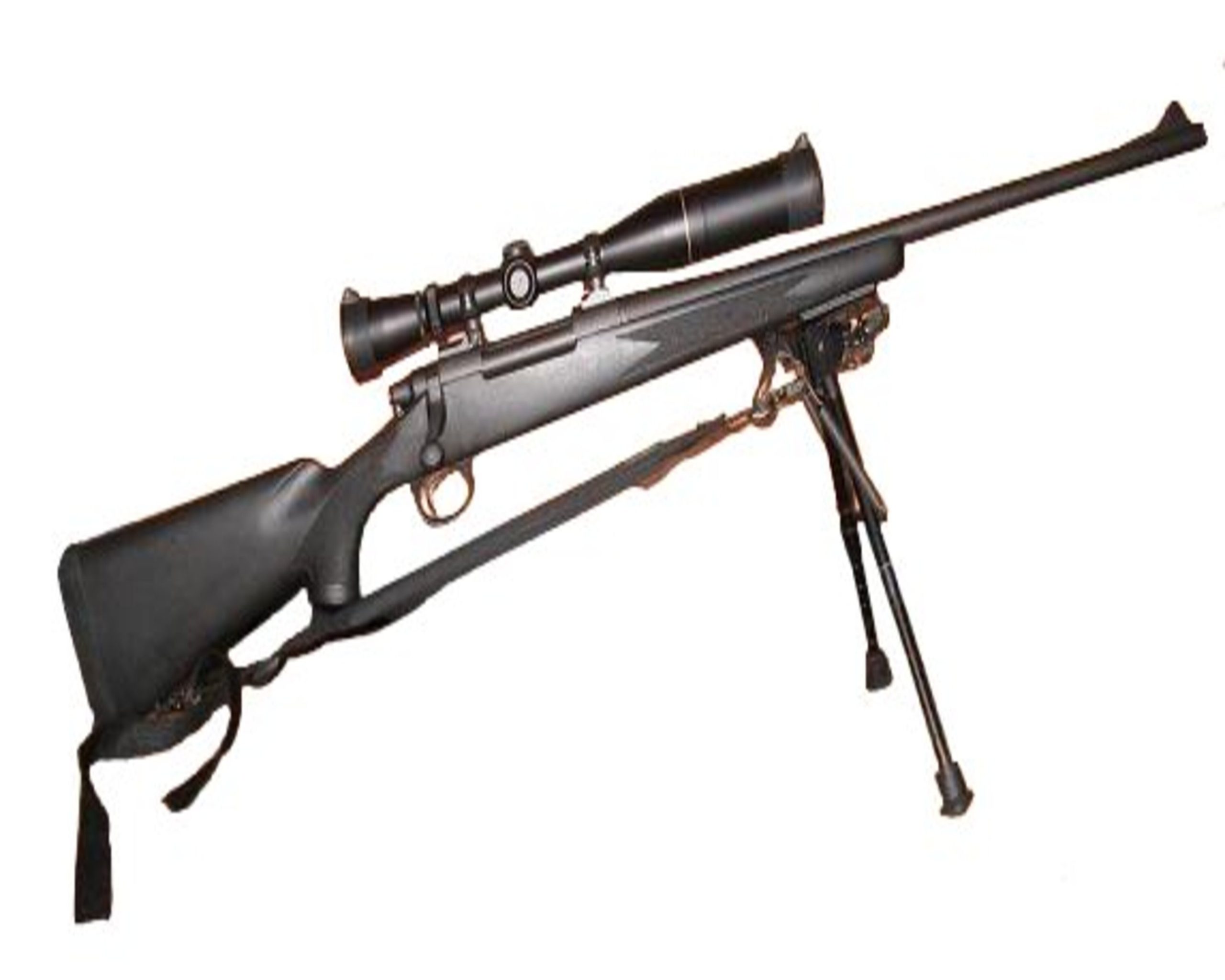
The Remington 700 has been in continuous production since 1962 and remains one of the best-selling bolt-action rifles in American history, with over 5 million units sold.
It also carries one of the most controversial safety records in the industry. TheWalker fire control system was linked to unintentional discharges for decades.
Remington settled a class-action lawsuit in 2014, offering trigger replacements for rifles manufactured between 1962 and 2006 staggering 64-year production window of concern.
Despite this, the 700 action remains the most popular aftermarket platform, with hundreds of aftermarket stocks, triggers, and chassis systems built specifically for it.
Factory accuracy is decent, averaging 1–1.5 MOA, but rival actions from Tikka, Bergara, and Howa offer similar or better results at comparable or lower price points.
The 700’s classic status is real, but complicated. Its legacy is as much litigation as it is legendary field performance across hunting seasons.
SKS: Budget Surplus Rifle Dressed Up in Collector’s Clothing
The SKS was adopted by the Soviet military in 1945 and saw widespread use before the AK-47 largely replaced it within a decade of production.
Surplus examples flooded the American market in the 1990s for under $100, making it one of the most accessible semi-automatic rifles of that generation.
Today, clean Yugoslavian or Chinese surplus examples fetch $400–$600, driven almost entirely by collector demand rather than performance metrics.
Accuracy sits around 3–4 MOA with standard surplus ammunition, and the fixed 10-round internal magazine is a notable limitation for practical use.
The 7.62x39mm cartridge is affordable and widely available at roughly $0.25–$0.35 per round, which is one genuine argument in its favor today.
However, AK-pattern rifles with detachable 30-round magazines outperform the SKS in nearly every practical category at similar or lower price points now.
Mosin-Nagant: Nostalgia-Priced Antique That the Market Has Officially Caught Up With
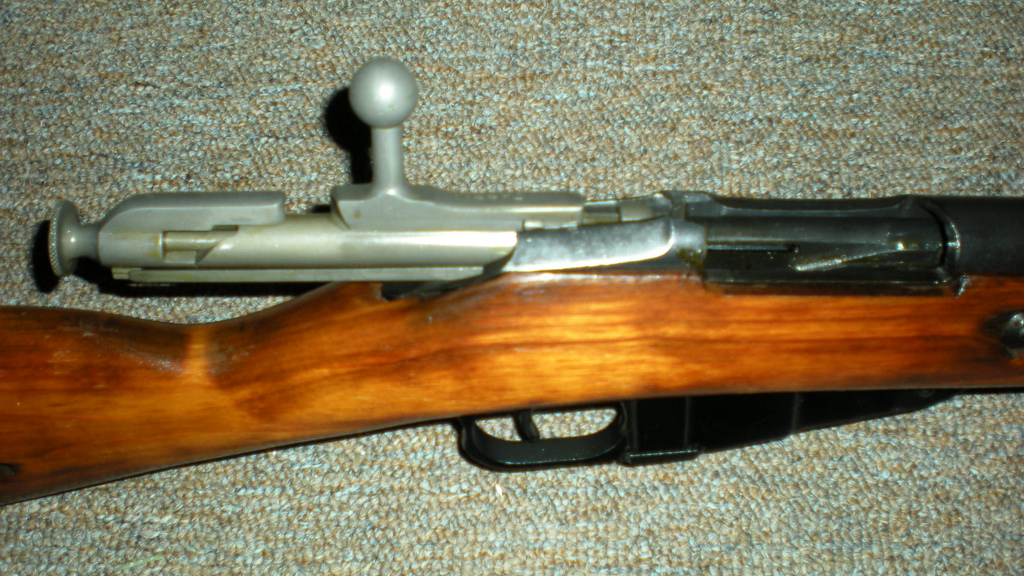
The Mosin-Nagant entered Russian military service in 1891, making it one of the longest-serving military bolt-action designs in recorded firearms history.
For years, it was the quintessential “cheap milsurp” rifle, Cosmolined crates sold for $79–$100 per unit as recently as 2012 at most American gun shops.
Import restrictions and dwindling surplus supply have pushed clean examples to $300–$600, occasionally higher for Finnish variants or rare markings on the receiver.
At that price, the “cheap shooter” argument evaporates, as the new Savage Axis or Mossberg Patriot delivers a better trigger, better accuracy, and a warranty for the same money.
The 7.62x54R cartridge is still available but increasingly imported from fewer sources, with prices climbing steadily toward $0.40–$0.60 per round in current retail conditions.
The Mosin’s classic label was always tied to its price-to-caliber ratio; now that both have shifted, the romanticism is all that’s left holding the reputation together.