When you step into backcountry terrain, the firearm you carry is one of the most critical decisions you’ll make before that trip even begins.
Each type brings a unique mix of strengths, trade-offs, and practical realities that shift based on where you’re going and what you might face.
Getting this wrong isn’t just uncomfortable; it can genuinely cost you your life.
This guide delivers honest, detail-rich breakdowns of all three categories so you can walk into the wild with the right tool for the job every time.
Why Your Firearm Choice Is a Life-or-Death Decision
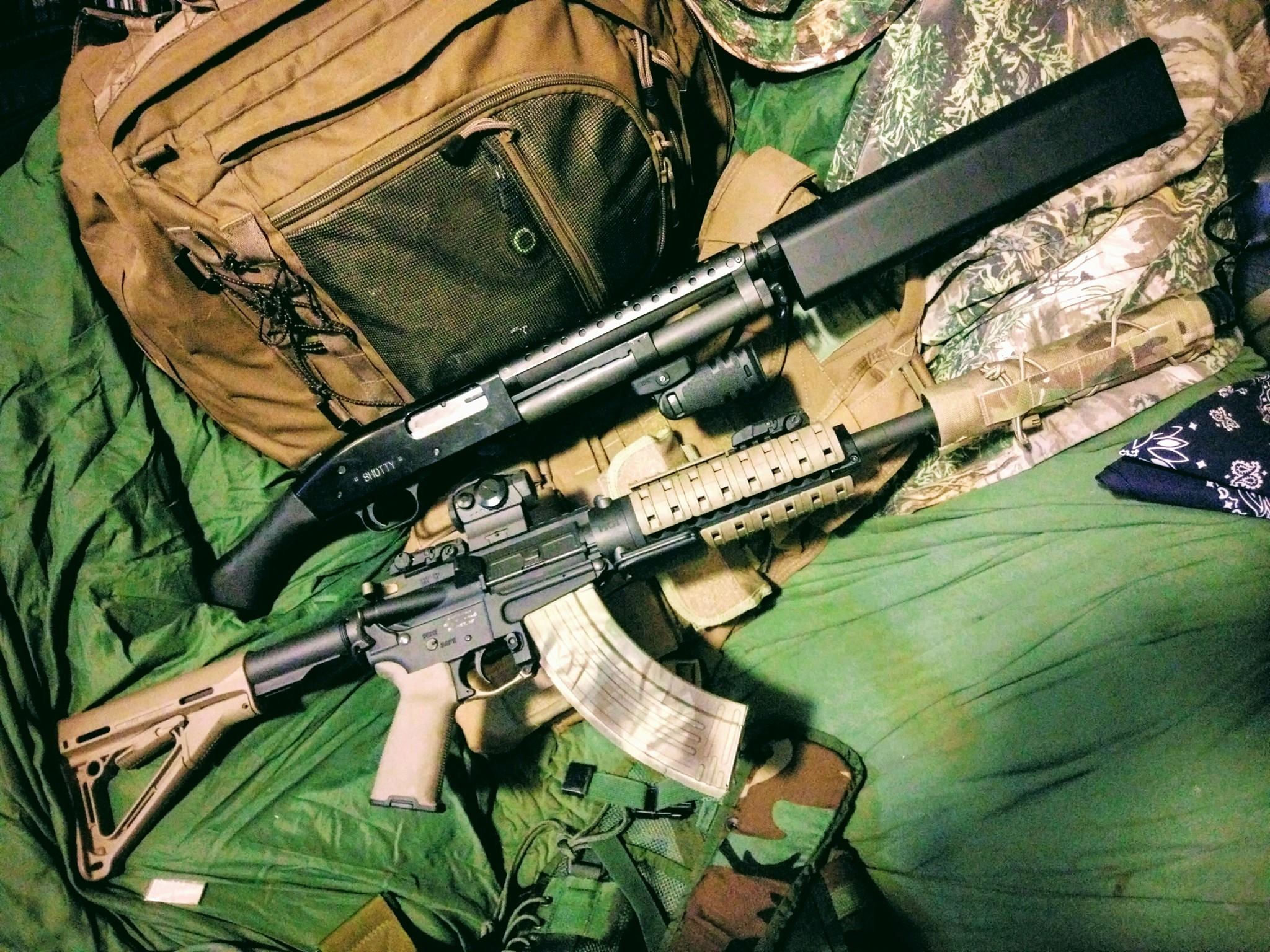
Picking a firearm for wilderness use isn’t like choosing one for the range; the stakes and variables are on a completely different level.
You could be miles from the nearest help. Remote-area emergency response times often exceed 45 minutes in many regions.
A grizzly bear covers 100 yards in under 3 seconds, leaving almost no reaction window at all.
Your firearm must match the specific threats common to your terrain and the wildlife native to your region.
A .38 Special that feels adequate in a suburban setting becomes dangerously ineffective against a 700-pound brown bear.
Stopping power, portability, round count, and ammo type all factor in heavily. This decision is deeply personal and completely terrain-specific.
Rifles: Long-Range Power and Backcountry Precision
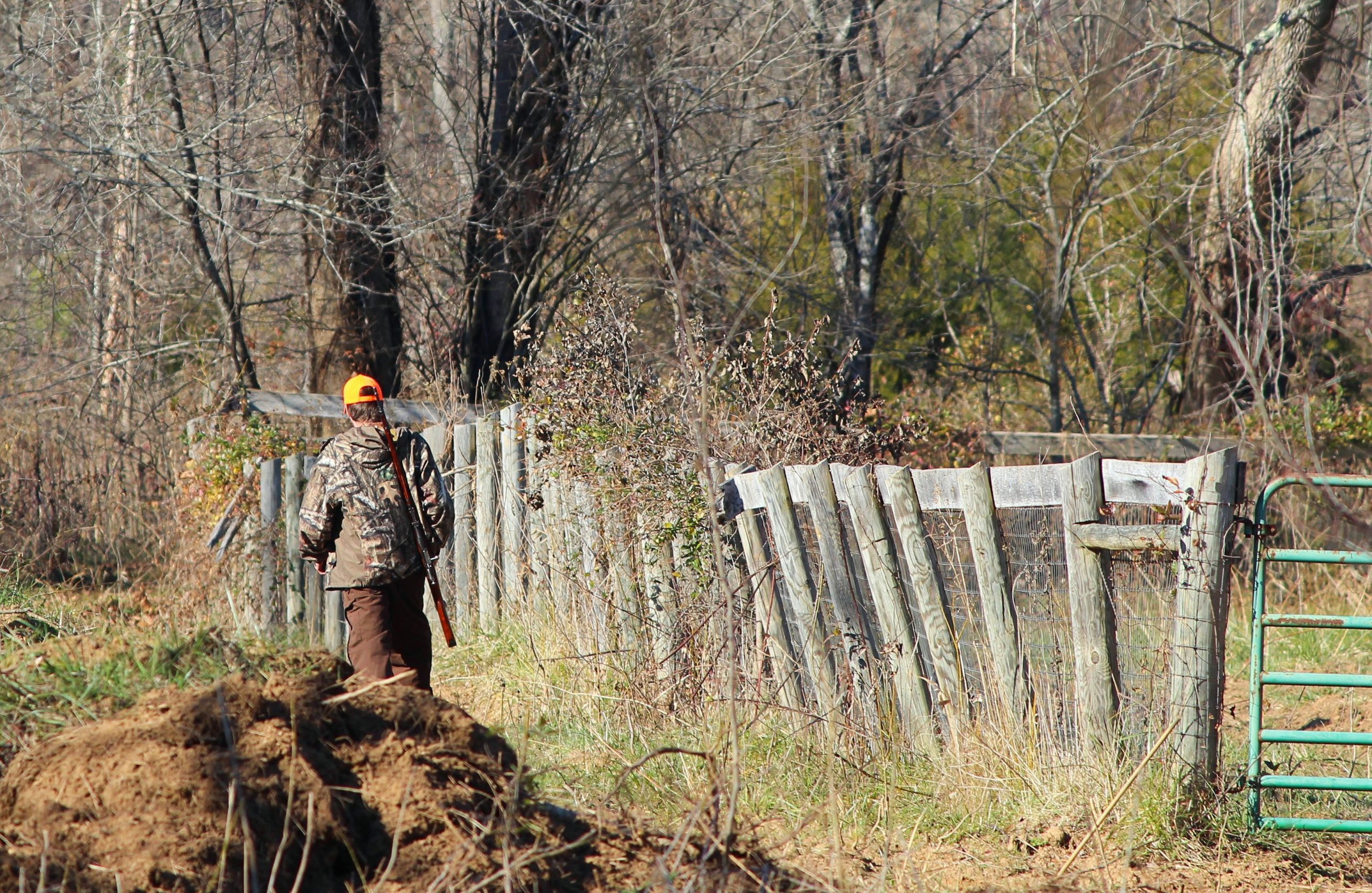
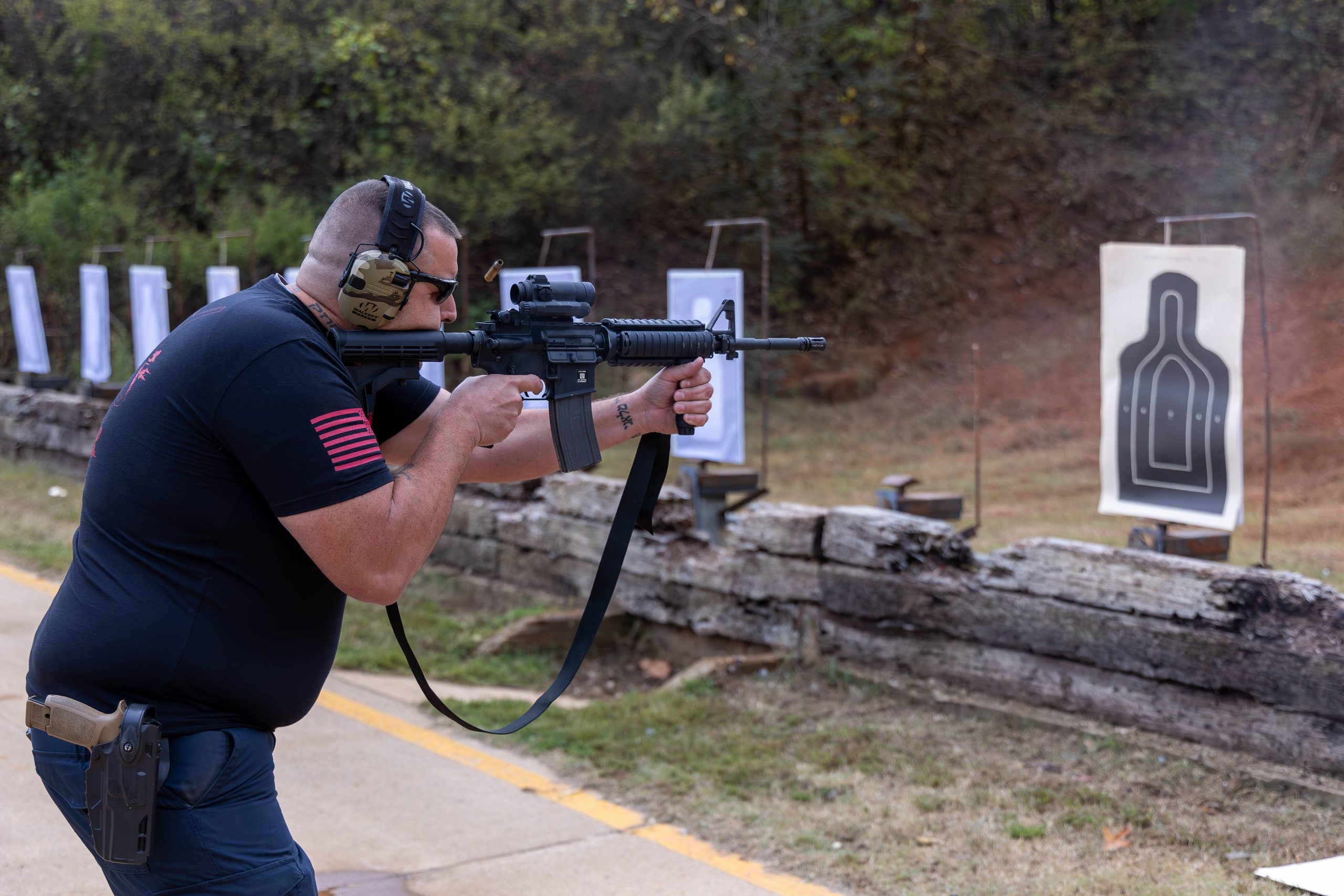
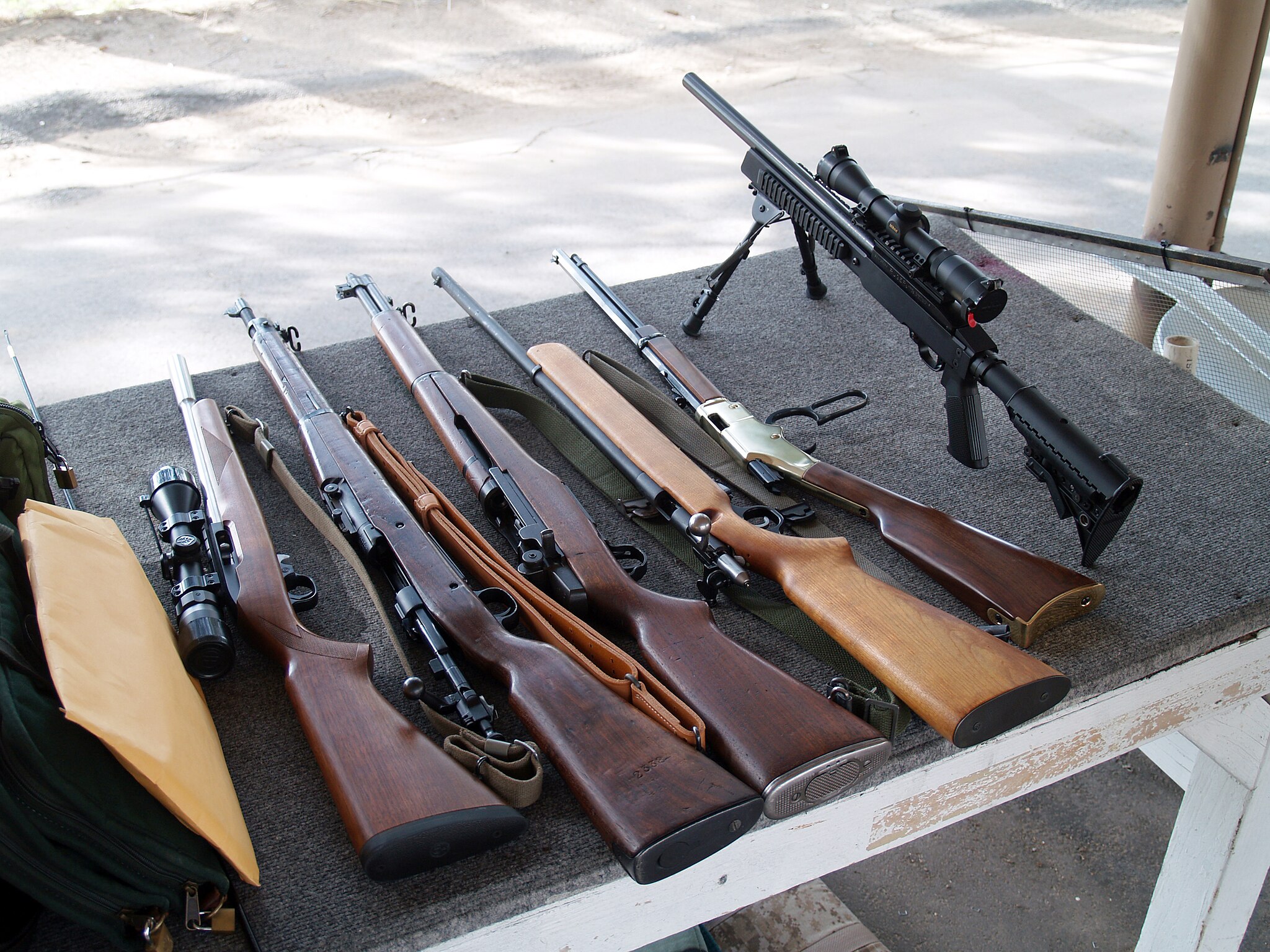
Rifles are widely regarded as the most powerful option for wilderness defense, and the ballistic data fully supports that reputation.
A .30-06 Springfield round delivers around 2,900 foot-pounds of muzzle energy, enough to stop most large predators reliably.
Effective range stretches to 500 yards or beyond, making rifles unmatched across open terrain and wide-clearance environments.
Bolt-action rifles typically weigh between 6.5 and 9 pounds, which adds to the trail burden but delivers a genuine accuracy advantage over other platforms.
In Alaska, wildlife rangers frequently recommend rifles chambered in .338 Winchester Magnum or larger for bear encounters.
The real downside is length. Navigating thick brush or dense forest with a full-length rifle becomes cumbersome and dangerously slow during a close-range encounter.
Shotguns: Close-Quarters Stopping Versatility
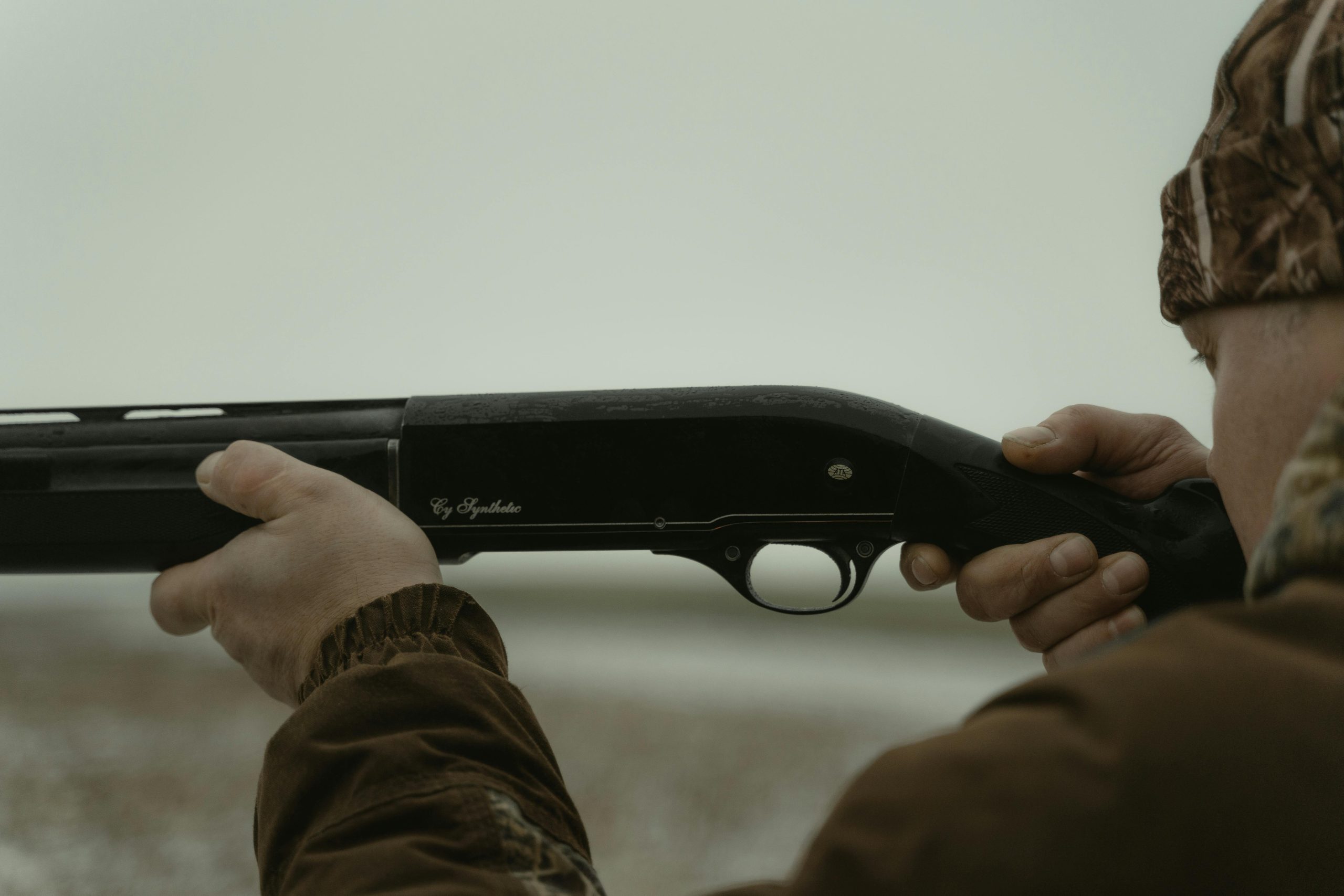
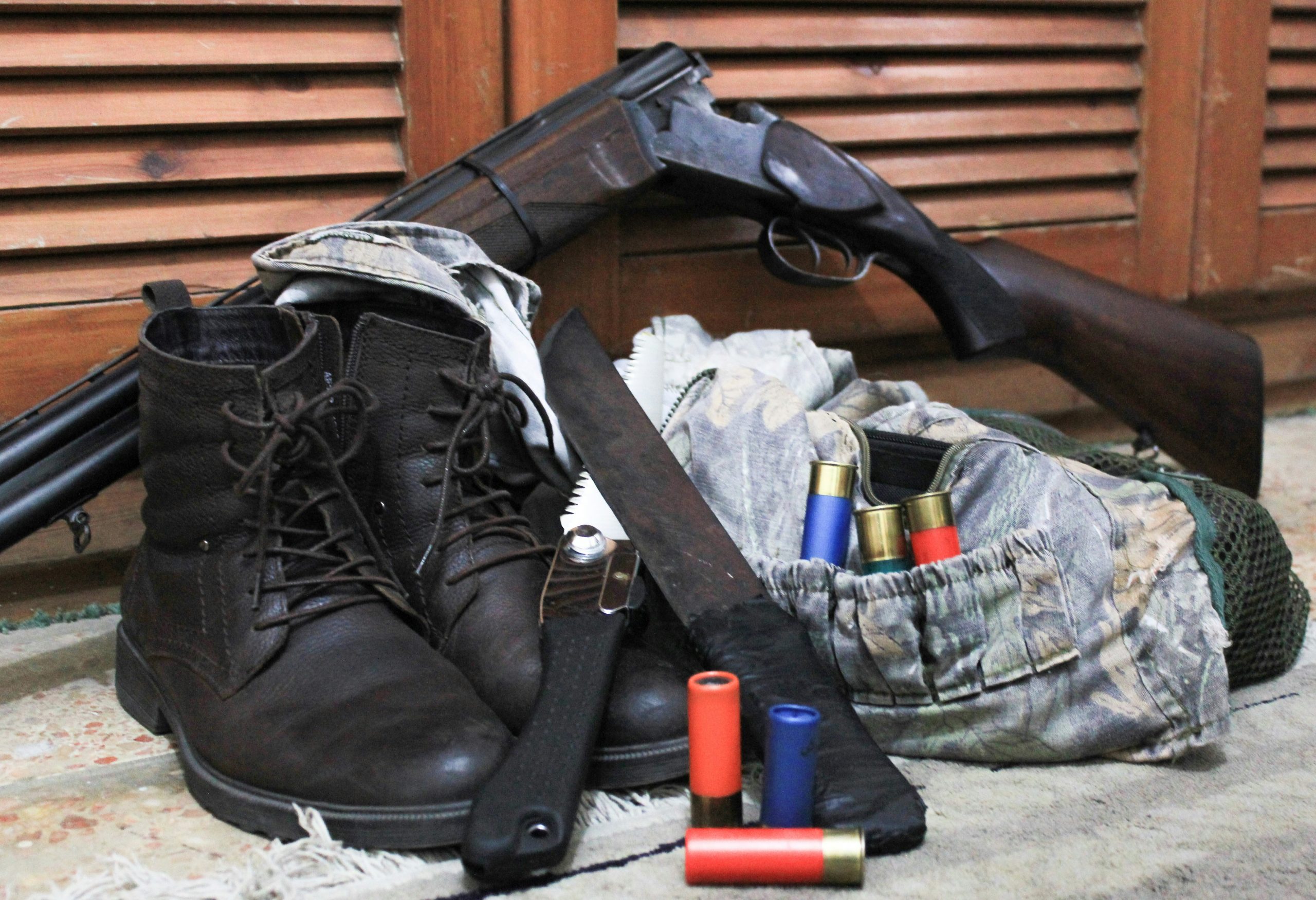
Shotguns occupy a unique space in wilderness defense, blending raw stopping power with the ammunition flexibility no other platform matches.
A 12-gauge slug delivers roughly 2,500 foot-pounds of energy at close range, comparable to many rifle calibers under 100 yards.
What truly sets shotguns apart is the ability to switch between slugs, buckshot, and birdshot based on the situation at hand.
The effective defensive range for slugs is between 50 and 75 yards, making shotguns ideal for dense woodland or heavily brushy terrain.
Standard pump-action models weigh approximately 7 to 8 pounds unloaded and hold 4 to 7 rounds in the tube.
Alaska state troopers have historically recommended 12-gauge pump actions for bear defense, and that kind of field-tested endorsement carries genuine, hard-earned weight.
Handguns: Portability and Quick-Access Defense
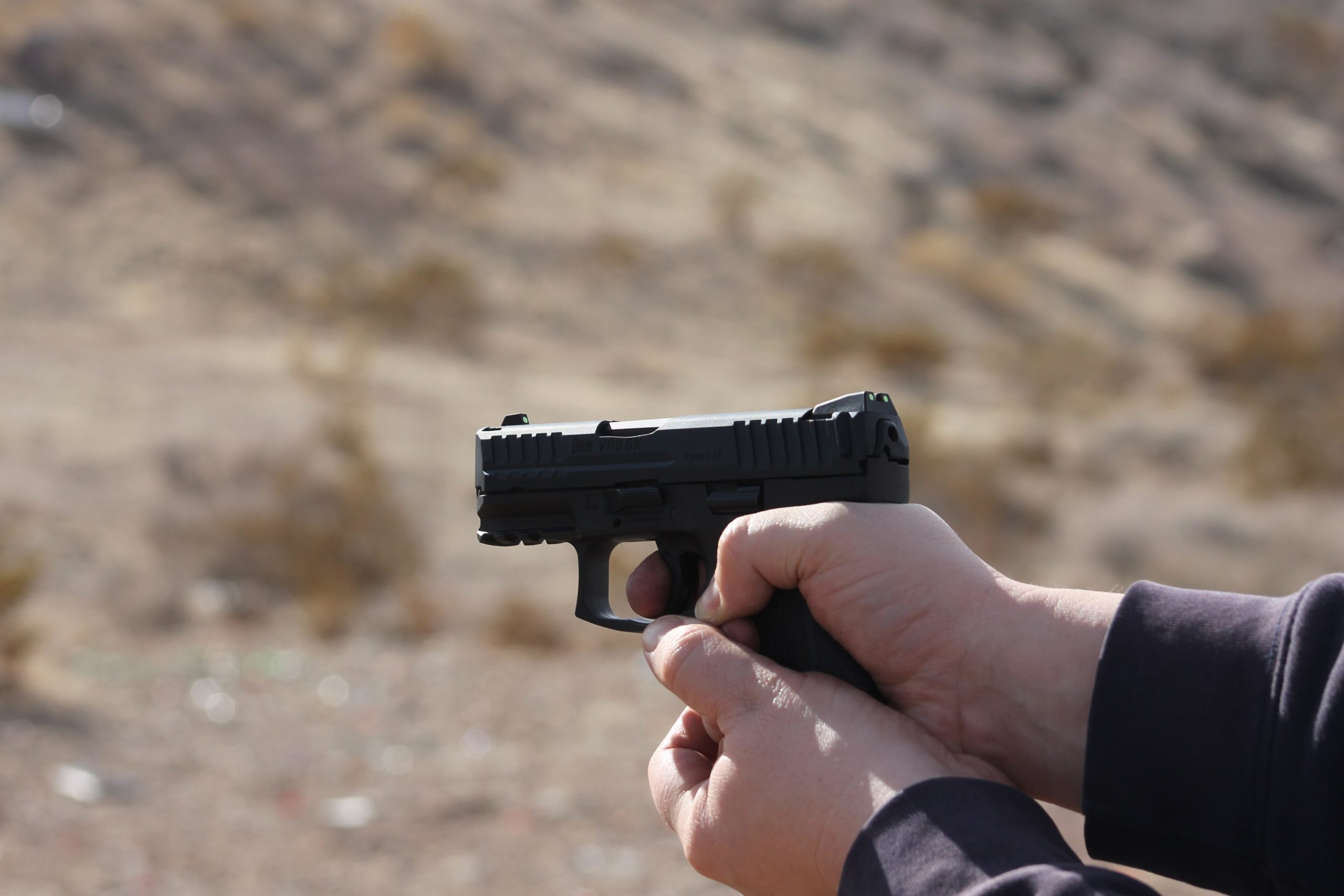
Handguns trade raw stopping power for something equally vital in the backcountry: constant, effortless, on-body availability every moment of the day.
A quality chest holster or hip rig keeps a handgun within reach at all times, whereas a rifle or shotgun simply cannot do the same while hiking.
The Glock 20 in 10mm Auto is among the most recommended wilderness handguns, offering 15-round capacity and muzzle energy approaching 800 foot-pounds.
The .44 Magnum revolver remains a proven field choice, producing around 1,000 foot-pounds and capable of penetrating a bear skull at close range.
Handguns weigh between 1.5 and 3 pounds on average, adding almost no fatigue across a demanding 15-mile hiking day.
Beyond 50 yards, most handgun calibers drop off sharply in stopping power, requiring calm, disciplined, close-range shot placement under extreme stress.
Stopping Power Compared: What the Numbers Actually Show
Raw energy numbers tell part of this story, even if they don’t capture the full picture of real-world defensive performance.
A .338 Winchester Magnum rifle generates over 4,500 foot-pounds of muzzle energy, roughly 5.5 times more than a standard 10mm handgun round.
A 12-gauge slug delivers approximately 2,500 foot-pounds, placing it solidly between rifle and handgun performance levels at short distances.
Shot placement remains more decisive than caliber roughly 97% of documented defensive bear encounters involved controlled, accurate fire rather than raw power alone.
The FBI defines adequate penetration as a minimum of 12 inches into ballistic gelatin, a threshold most rifle and shotgun loads exceed comfortably.
The .44 Magnum and 10mm Auto meet that standard reliably. Many lighter handgun calibers fall short under real-world field conditions.
Weight and Carry Considerations on the Trail
Every ounce matters when carrying a loaded pack for 8 or more hours across demanding terrain, and firearms add meaningful weight fast.
A full-size bolt-action rifle averages 8 pounds before optics and sling, a significant addition to an already taxing pack load on any trail.
A 12-gauge pump-action runs approximately 7 to 7.5 pounds unloaded, and each shell contributes roughly 1.5 ounces to your total carry weight.
Compare that to a Ruger Super Redhawk in .44 Magnum, which weighs just under 3 pounds fully loaded and ready to fire.
Handguns win decisively here, often tipping the scales 60 to 70 percent lighter than comparable long guns in field configurations.
A slung rifle takes 3 to 5 seconds to raise and aim. A holstered handgun can be drawn and on target in under 2 seconds with consistent practice.
Weather, Reliability, and Terrain Factors
The wilderness offers no controlled conditions, and the firearm you choose must perform flawlessly in rain, mud, sand, and extreme cold.
Bolt-action rifles are mechanically simple with fewer moving parts than semi-autos, giving them a natural reliability edge in harsh environmental conditions.
Pump-action shotguns share that same mechanical simplicity advantage and cycle through minor debris or moisture without significant issues in most field scenarios.
Semi-automatic pistols can be more sensitive to fouling, though modern designs from Glock and SIG Sauer perform consistently well even in genuinely adverse conditions.
Below 0°F, lubrication thickens and causes documented feeding failures across all firearm types if the gun isn’t properly winterized before your trip.
Steel barrels show a loss of accuracy below -20°F. Choosing components made from stainless steel adds meaningful corrosion and cold-weather protection across all platforms.
How to Make the Final Call for Your Trip
No single firearm wins in every wilderness scenario; the right answer requires a careful, honest evaluation of your destination and threats.
If you’re entering known grizzly territory in Alaska or the Rockies, a .338 Win Mag rifle or 12-gauge pump-action is genuinely hard to argue against.
For general backcountry travel across the lower 48 states, a 10mm or .44 Magnum handgun offers a practical balance of raw power and portability on the trail.
Consider your physical fitness level, pack weight limits, and your available holster setup before committing fully to any single platform.
Research local regulations carefully; some national parks restrict certain firearms, and carry laws vary significantly from one state line to the next.
The firearm you carry consistently and shoot accurately under pressure will always outperform the most powerful gun left sitting back in your tent.