Camping is one of the most rewarding ways to disconnect from everyday stress and reconnect with nature. Whether you are spending a weekend in a quiet forest or setting up camp near a lake, preparation often makes the difference between a relaxing adventure and a frustrating experience. Over the years, outdoor enthusiasts have shared countless clever tricks that make camping easier, safer, and far more comfortable. Online communities have become especially valuable places where campers exchange real-life advice that works in the field. Many of these tips are simple but incredibly effective, turning ordinary items into helpful tools at the campsite. The following camping hacks come from experienced outdoor lovers who have tested them in real situations. Each idea focuses on making camp life smoother, helping you stay organized, comfortable, and prepared for unexpected challenges while enjoying the outdoors.
1. Cotton Balls and Petroleum Jelly Fire Starters
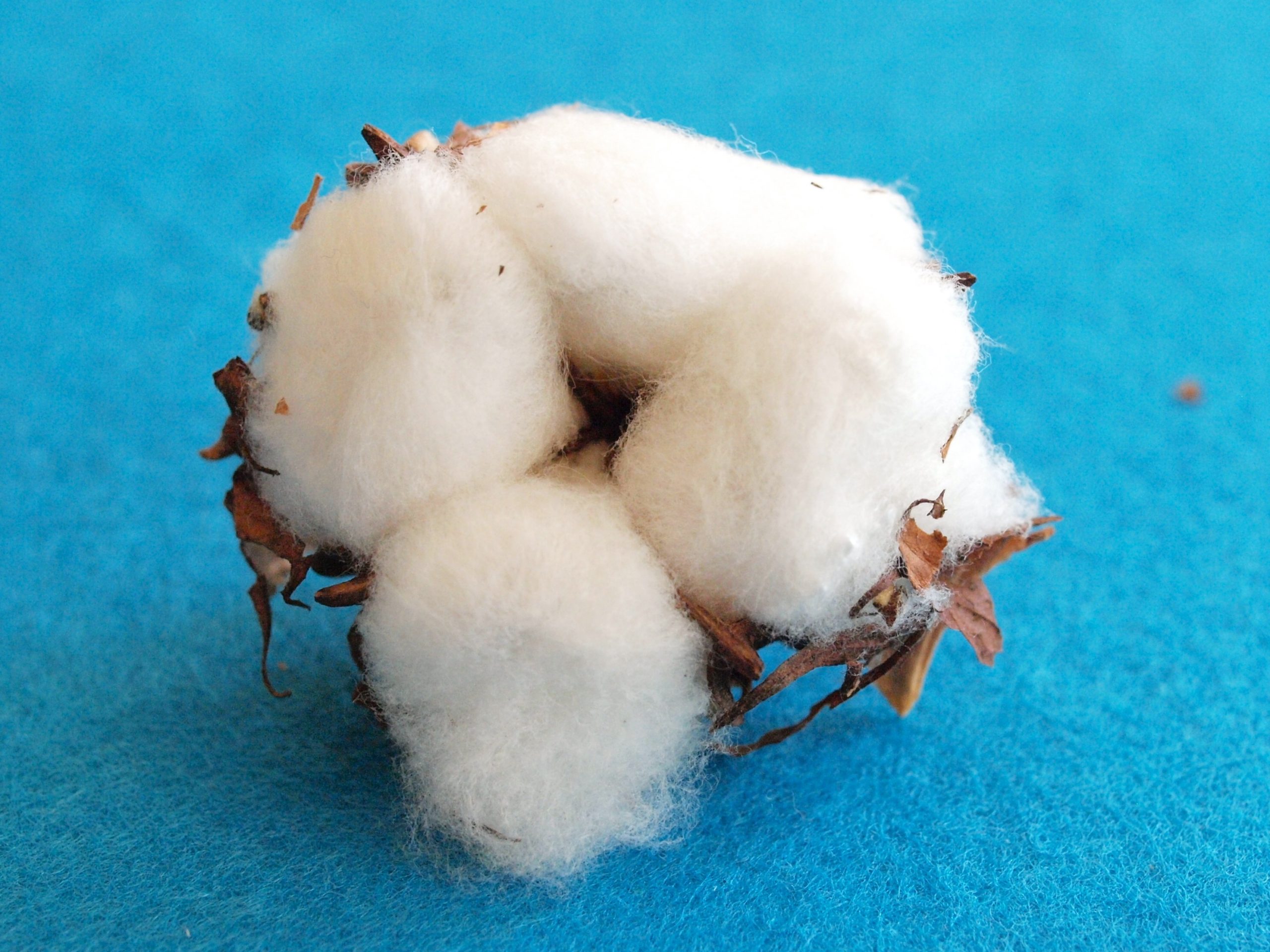
Starting a campfire can be frustrating when wood is damp or the wind refuses to cooperate. One clever trick shared by many campers is to prepare fire starters using cotton balls and petroleum jelly. The idea is simple but extremely effective. Cotton fibers ignite easily, while petroleum jelly acts as a fuel that helps the flame burn longer. To prepare them, simply coat cotton balls lightly with petroleum jelly and store them in a small waterproof container or resealable plastic bag. When you need a fire, place one cotton ball beneath small twigs or dry leaves and ignite it with a lighter or match. The cotton burns slowly and steadily, giving your kindling enough time to catch fire. Campers often report that a single prepared cotton ball can burn for several minutes. This inexpensive trick can make starting a reliable campfire much easier during challenging weather conditions.
2. Freeze Water Bottles Instead of Packing Ice
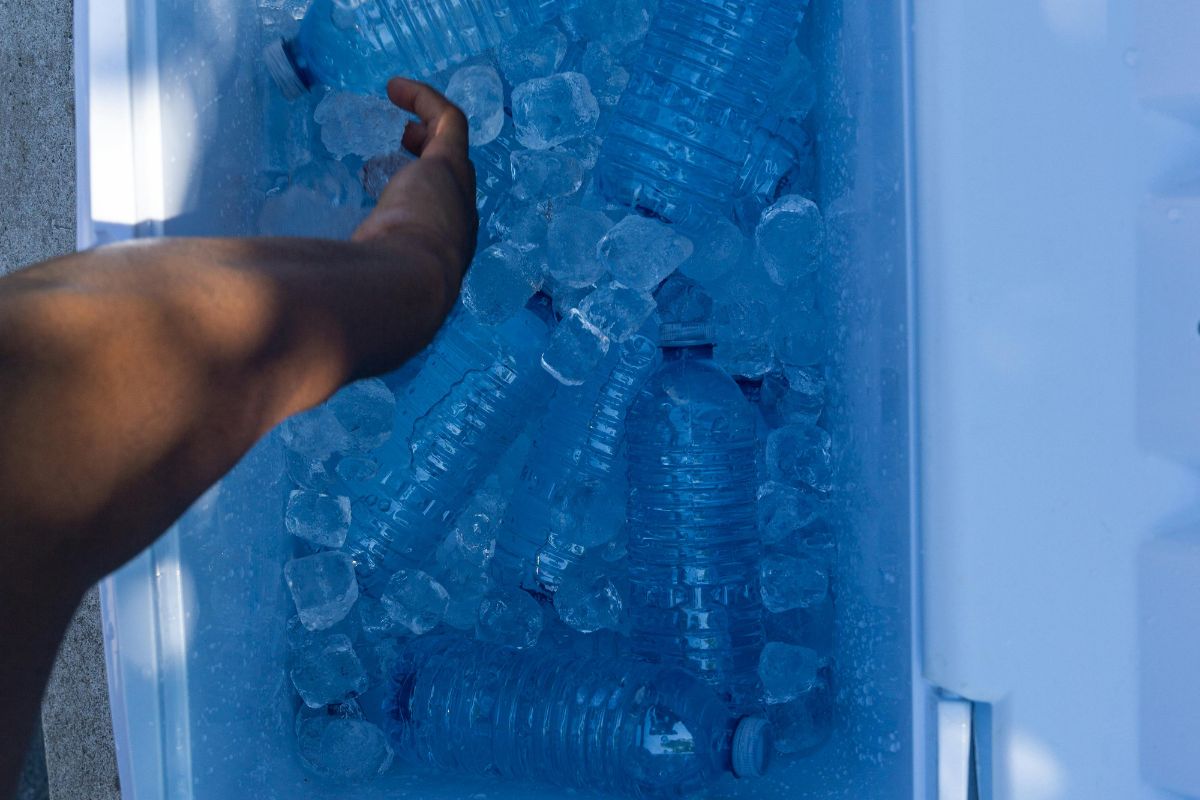
Keeping food cold is always a challenge on camping trips, especially during warmer seasons. A popular camping hack involves freezing several water bottles before leaving home instead of packing loose ice. Frozen bottles serve two useful purposes inside your cooler. First, they help keep food cold for a longer period of time as the ice slowly melts. Second, once the ice turns back into liquid water, you gain clean drinking water that would otherwise have been wasted if you used traditional ice cubes. Many campers prefer this method because it reduces mess and prevents food from sitting in cold, melted water at the bottom of the cooler. It also keeps items organized because the bottles can be stacked neatly among food containers. By the end of the trip, you have extra drinking water available without carrying additional weight or wasting cooler space.
3. Headlamp and Water Jug Lantern Trick
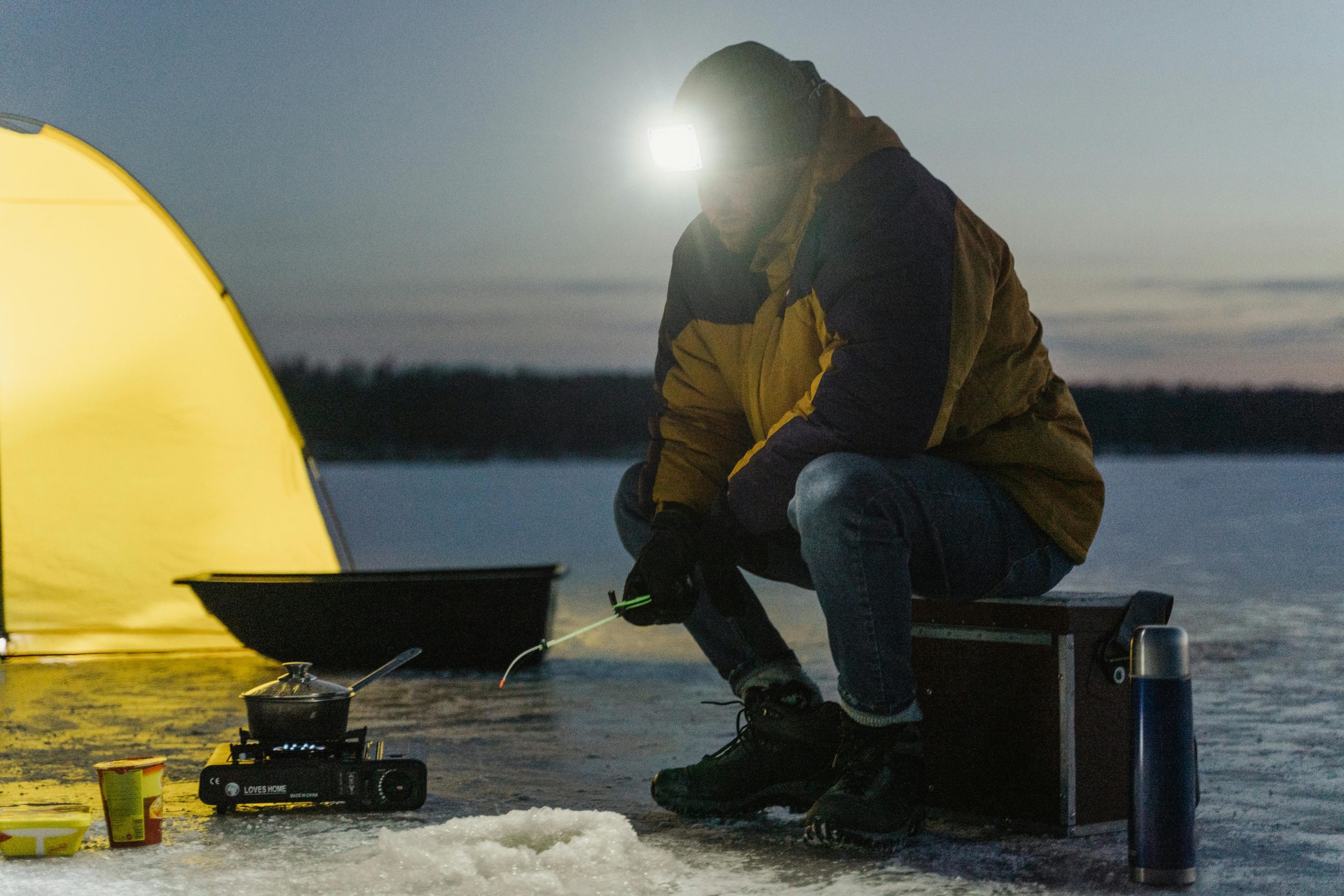
Lighting up a campsite after dark can sometimes be more difficult than expected. Flashlights help when moving around, but they do not always provide enough area light for cooking or organizing gear. A clever trick used by many campers involves placing a headlamp around a large, clear water jug with the light facing inward. The plastic container spreads the beam in every direction, turning the jug into a simple lantern. This trick works best with translucent water containers that allow light to diffuse evenly. Once the headlamp is secured around the jug, place the container on a table or hang it from a tree branch. The result is a surprisingly bright and soft light source that illuminates a larger area of the campsite. This hack is especially helpful when you want ambient lighting without carrying extra lanterns or draining additional batteries.
4. Use Foam Floor Tiles Under Your Tent
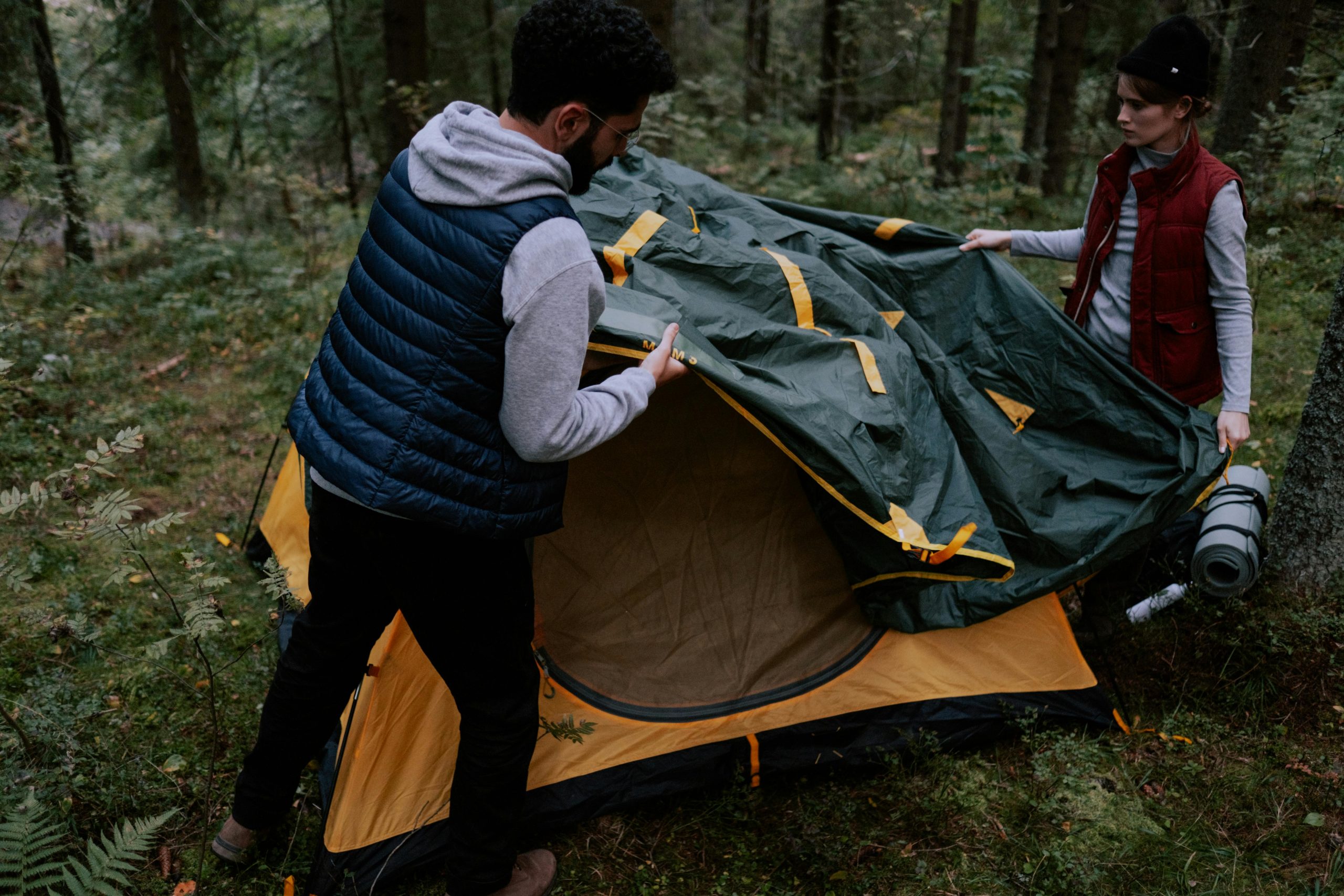
Sleeping comfortably outdoors can be difficult when the ground beneath your tent is uneven or hard. One camping hack recommended by experienced campers is to bring interlocking foam floor tiles, the kind often used in home gyms or children’s play areas. These lightweight tiles create an extra layer of cushioning beneath your tent floor. They help smooth out small rocks or bumps that might otherwise make sleeping uncomfortable during the night. The foam also provides additional insulation from the cold ground, which can make a noticeable difference when temperatures drop. Another advantage is that these tiles are easy to pack because they stack flat and weigh very little. Many campers place them directly under sleeping pads or use them to create a comfortable sitting area around the campsite. This simple addition can dramatically improve comfort during multi-day camping trips.
5. Keep Toilet Paper Dry with a Coffee Container
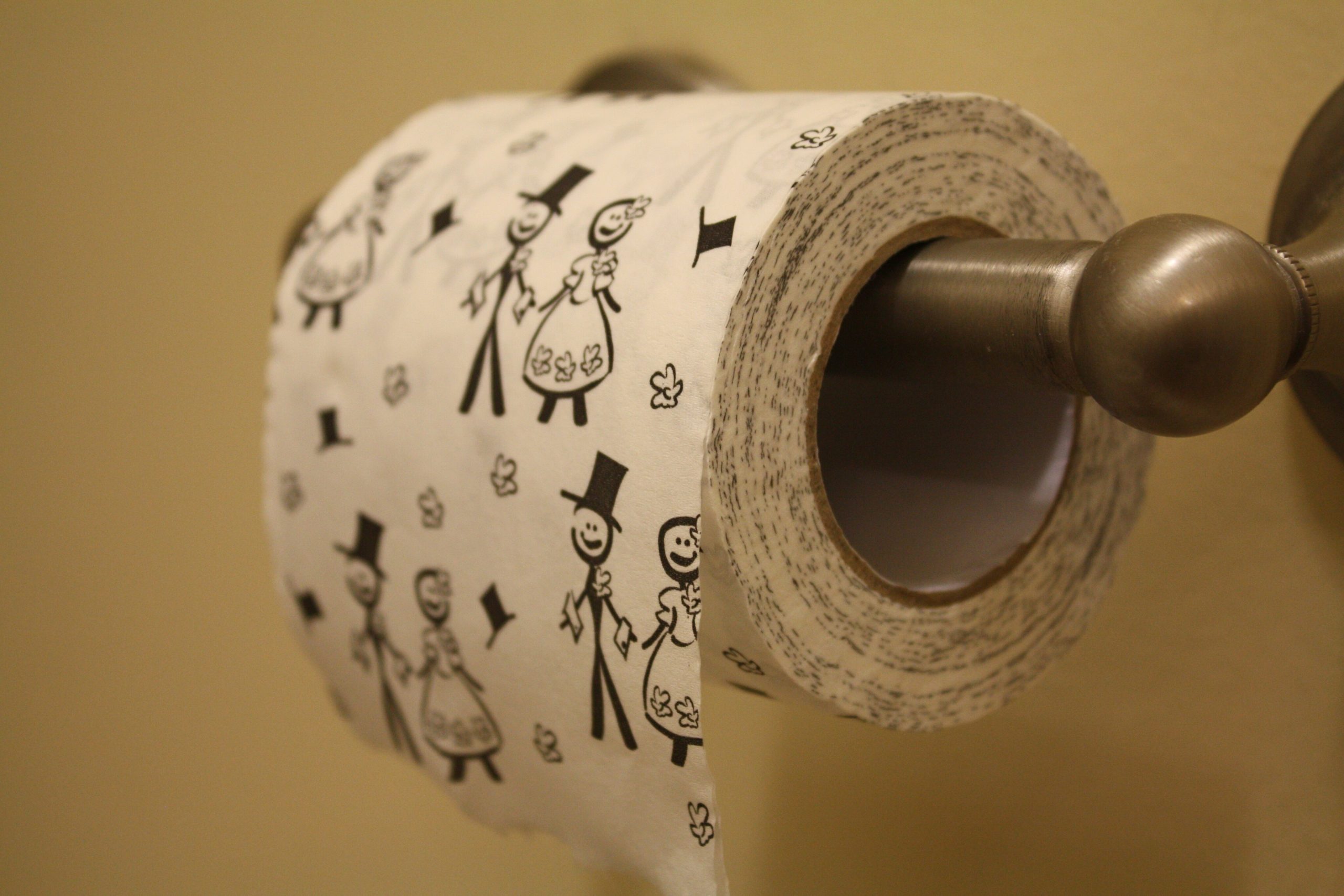
Anyone who has camped during rainy weather knows how frustrating it can be to deal with wet toilet paper. One simple but brilliant hack is to store toilet paper rolls inside an empty plastic coffee container. These containers are usually waterproof, durable, and large enough to hold a standard roll without crushing it. The lid seals tightly, keeping moisture and dirt away from the paper. Many campers also cut a small opening in the side of the container so the paper can be pulled out easily without removing the entire roll. This turns the container into a convenient dispenser that works well at campsites. The sturdy plastic design also protects the roll during travel inside backpacks or gear bins. With this trick, you can ensure that one of the most essential campsite supplies remains clean and usable no matter the weather.
6. Pack Eggs in a Plastic Bottle
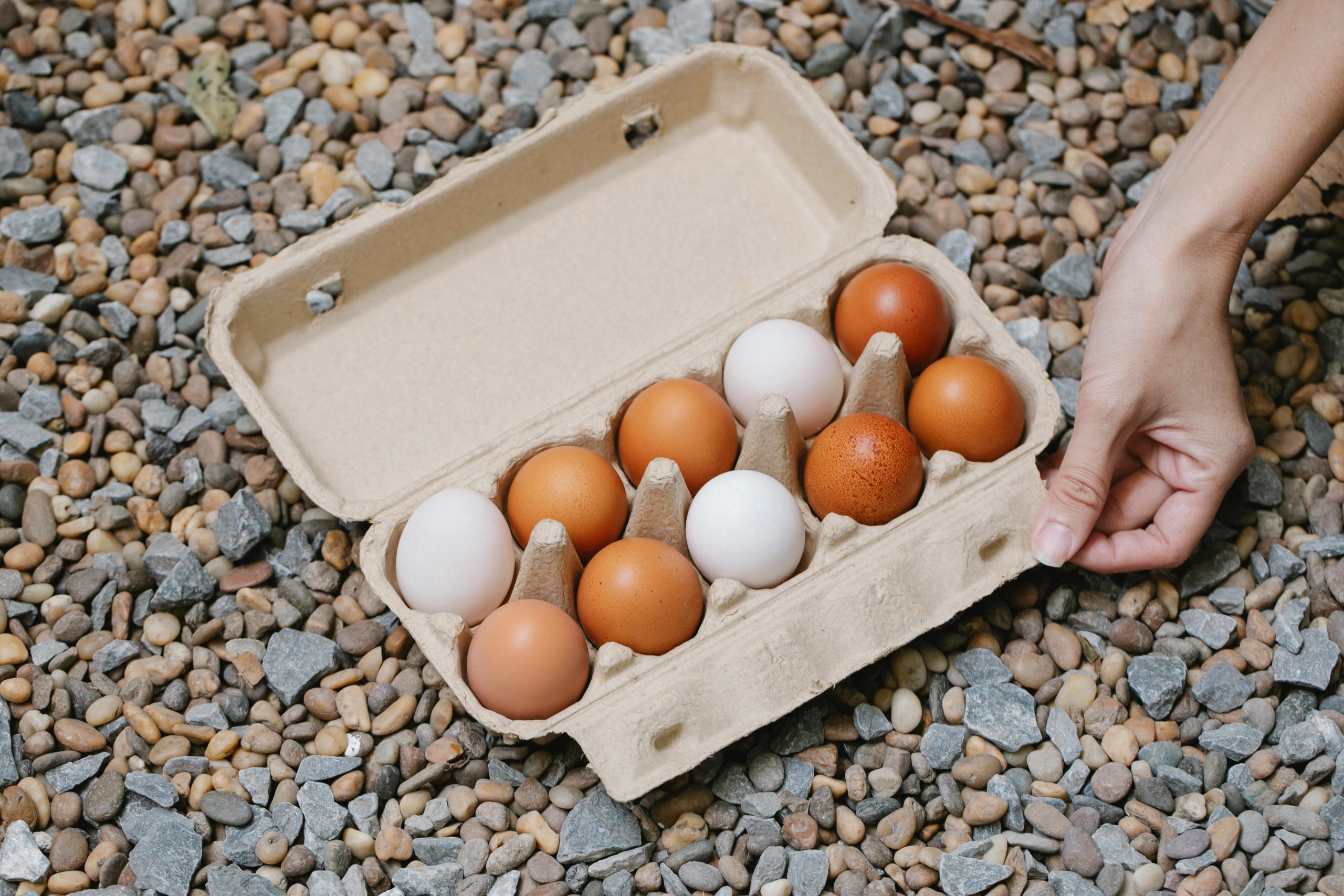
Transporting eggs during a camping trip can be tricky because shells break easily inside coolers or backpacks. A creative solution shared by campers involves cracking eggs at home and storing them inside a clean plastic bottle. This method prevents broken shells and saves space in your cooler. Simply crack several eggs into a wide-mouth bottle and seal the cap tightly. When it is time to cook breakfast at the campsite, you can pour out the exact amount needed for scrambled eggs or omelets. The bottle keeps the eggs contained and easy to transport, while also reducing waste from broken shells. Campers often label the bottle clearly to avoid confusion with drinking water. This hack works especially well for short trips and makes preparing breakfast at camp far more convenient than carrying fragile cartons.
7. Use Dryer Lint as Emergency Fire Tinder
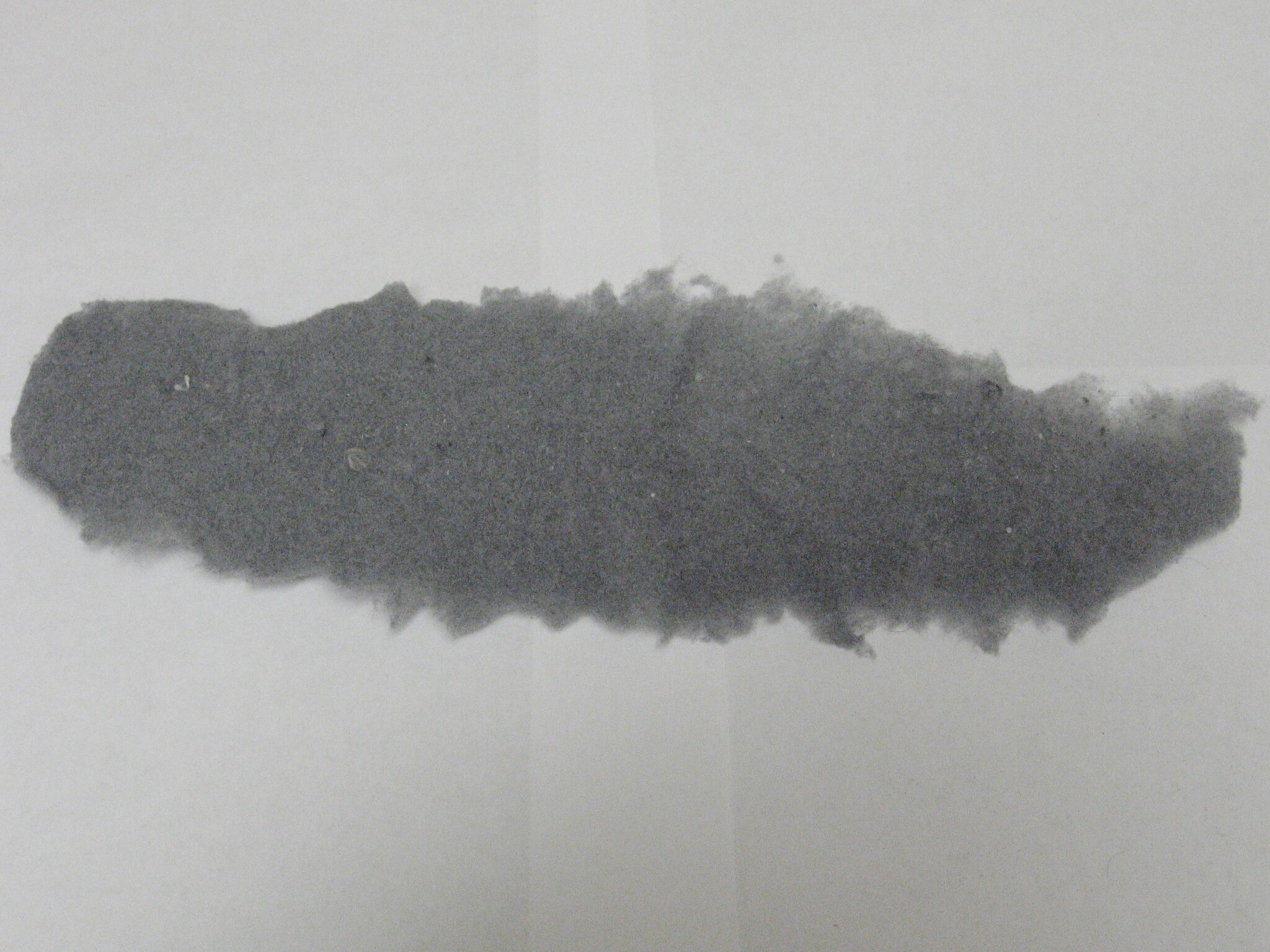
Dryer lint is an item most people throw away without thinking, but it can become an excellent emergency fire starter when camping. The fibers are extremely light and catch sparks easily, making them ideal for igniting small flames. Many campers collect dryer lint at home and store it in a small waterproof bag before heading outdoors. When preparing a campfire, simply place a handful of lint beneath your kindling and ignite it with a lighter or fire steel. The lint burns quickly and helps ignite dry twigs or leaves nearby. While it burns faster than cotton fire starters, it is still very useful when you need something lightweight and compact. Because it weighs almost nothing, carrying a small bag of dryer lint in your camping gear can provide an extra backup option for starting fires in challenging conditions.
8. Hang Food with a Simple Rope System
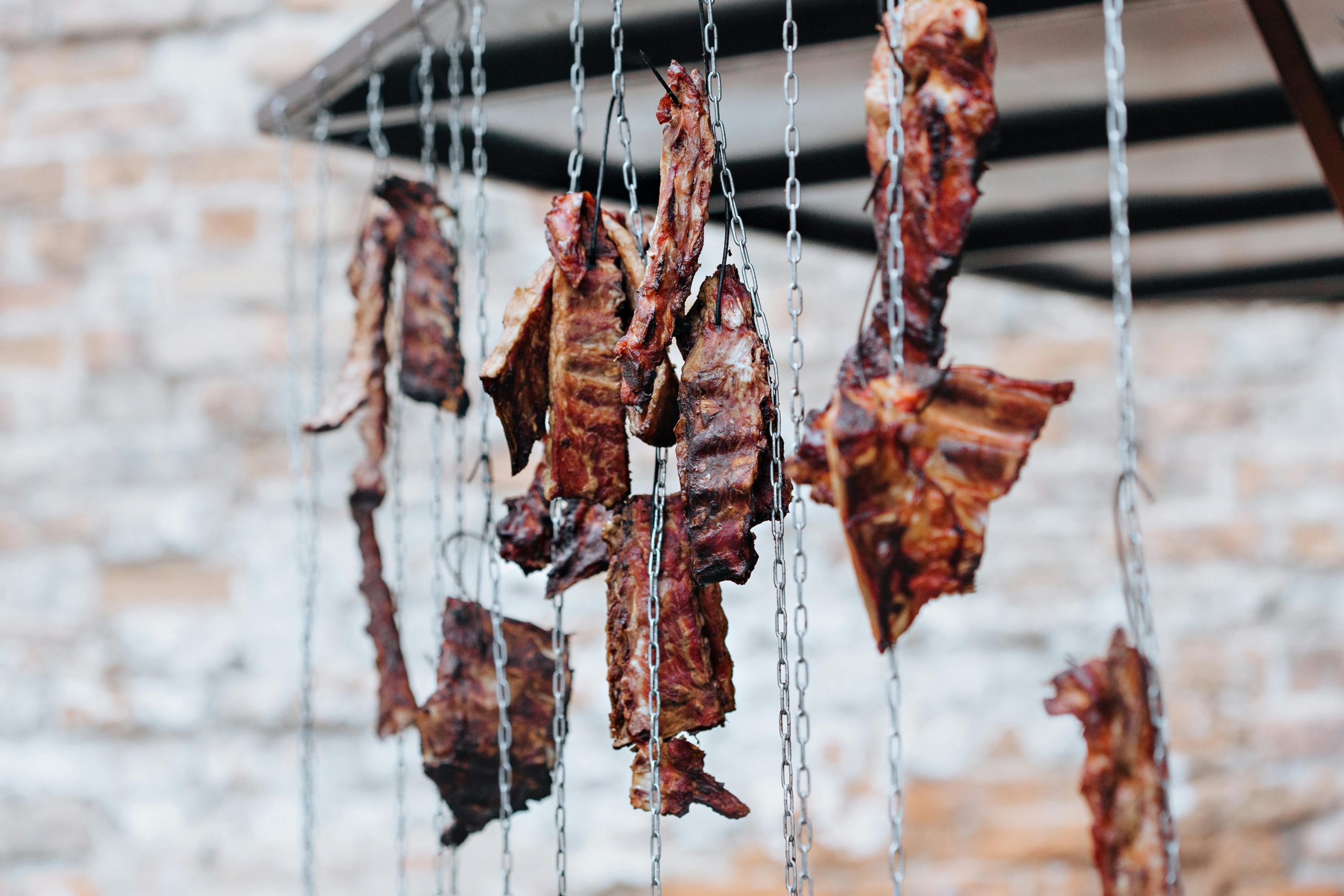
Keeping food safe from animals is one of the most important responsibilities when camping in wilderness areas. Many experienced campers recommend using a simple rope hanging system to store food away from your sleeping area. The idea is to place food inside a sturdy bag and suspend it from a tree branch several feet above the ground. The rope should allow the bag to hang far enough from the trunk so animals cannot easily reach it. This method helps prevent curious animals from approaching your tent during the night. It is especially useful in areas where raccoons, squirrels, or larger wildlife may search campsites for food. Using strong rope and selecting the right branch height are key to making the system effective. This simple precaution protects both campers and wildlife by reducing the chance of unwanted encounters around your campsite.
9. Bring a Small Rug for Your Tent Entrance
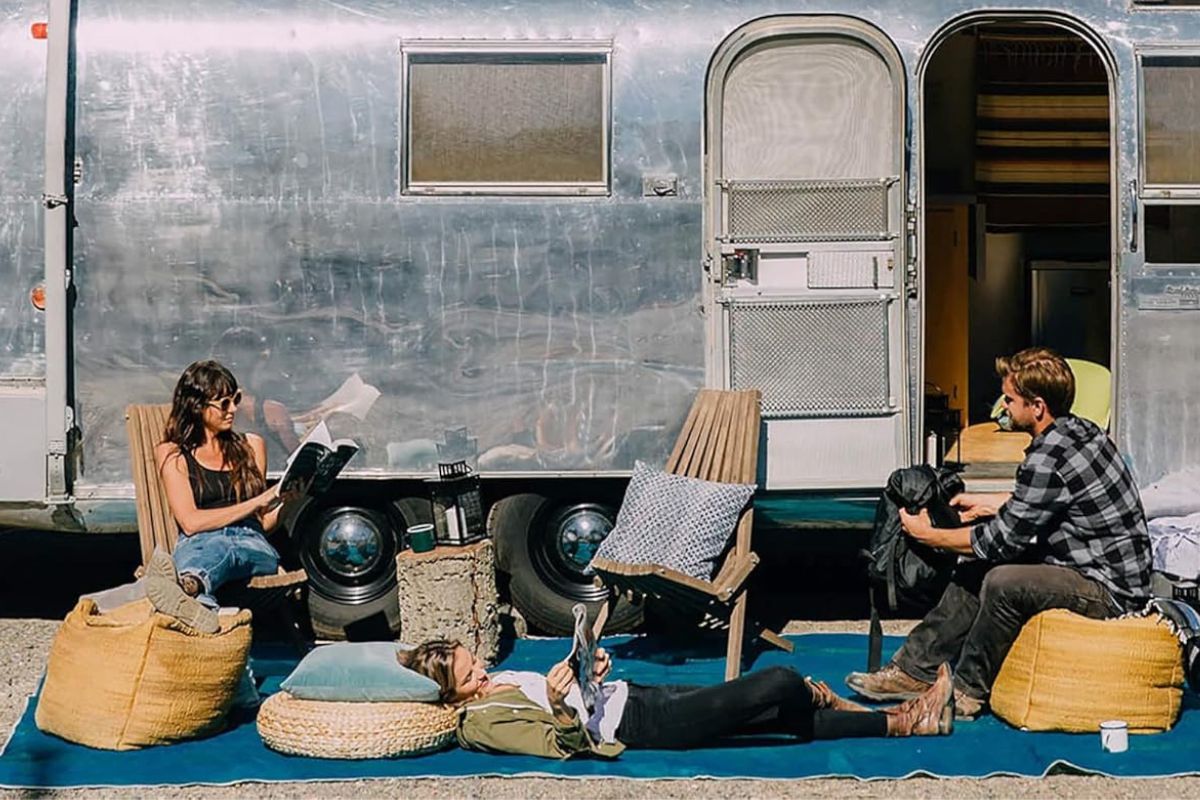
One surprisingly useful camping trick is bringing a small rug or doormat to place outside the entrance of your tent. This simple addition helps keep dirt, mud, and debris from being tracked inside your sleeping space. Campers often wipe their shoes on the rug before entering the tent, which greatly reduces the amount of sand or dust that ends up on sleeping bags and gear. A small rug can also serve as a comfortable place to sit while putting on or removing shoes. Some campers choose lightweight microfiber mats that dry quickly if they become wet from rain or morning dew. Others simply use an old bath mat that can be shaken clean easily. This small piece of gear may seem unimportant, but it can help keep your tent interior much cleaner throughout the entire trip.
10. Use Pool Noodles to Protect Tent Lines
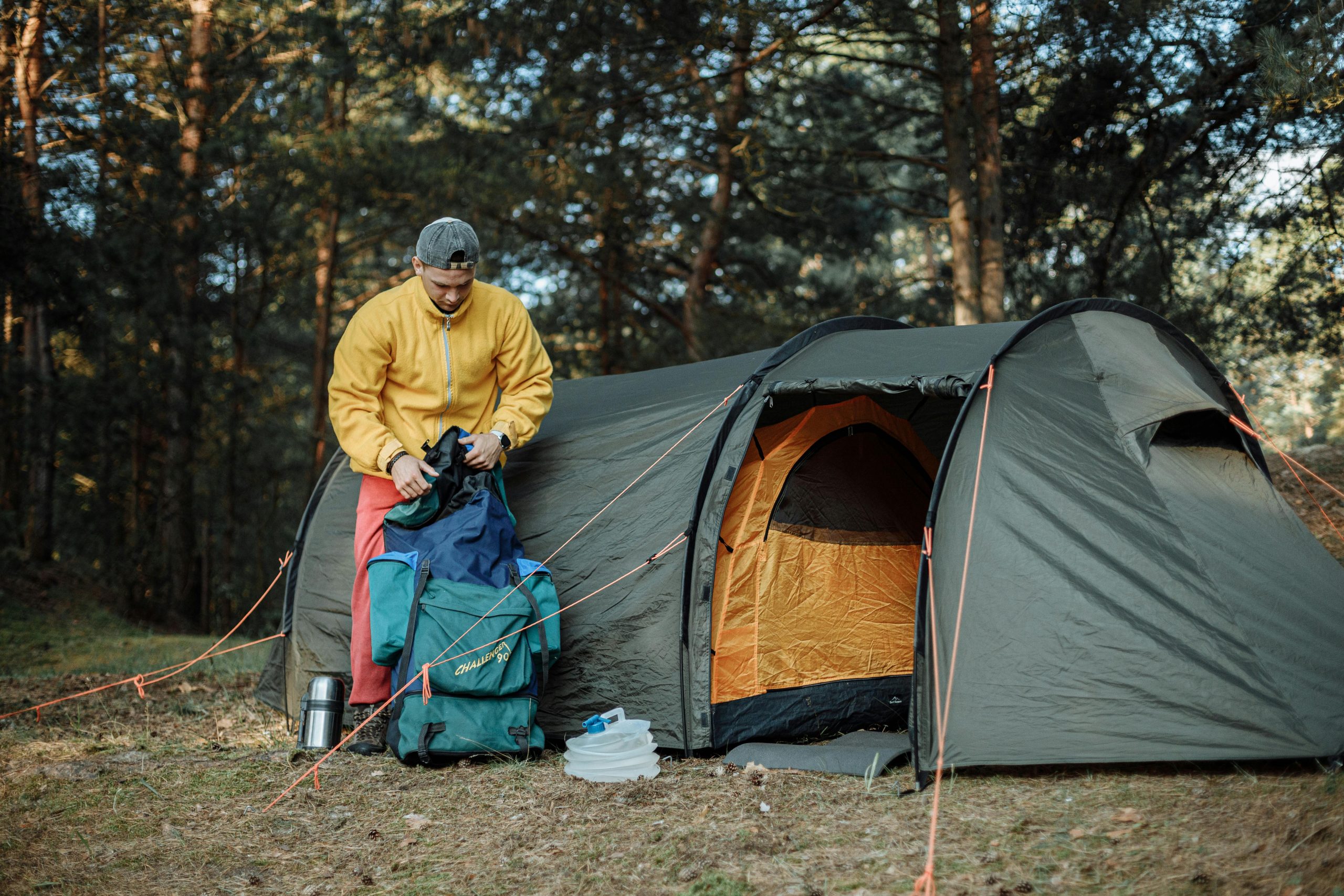
Tripping over tent guy lines is a common problem at busy campsites, especially after dark. A clever solution involves sliding sections of bright colored pool noodles over the ropes. The foam noodles make the lines far more visible, reducing the chance that someone will accidentally walk into them. The soft foam also adds a layer of cushioning if someone does bump into the line. Campers often cut pool noodles into smaller sections that slide easily onto the ropes before securing them to stakes. This hack works particularly well at family campsites where children are running around and may not notice thin cords stretched across the ground. In addition to improving visibility, the bright colors make it easier to locate your tent at night when using a flashlight. This simple modification can prevent minor accidents and protect your tent setup.
11. Pre-Season Food at Home
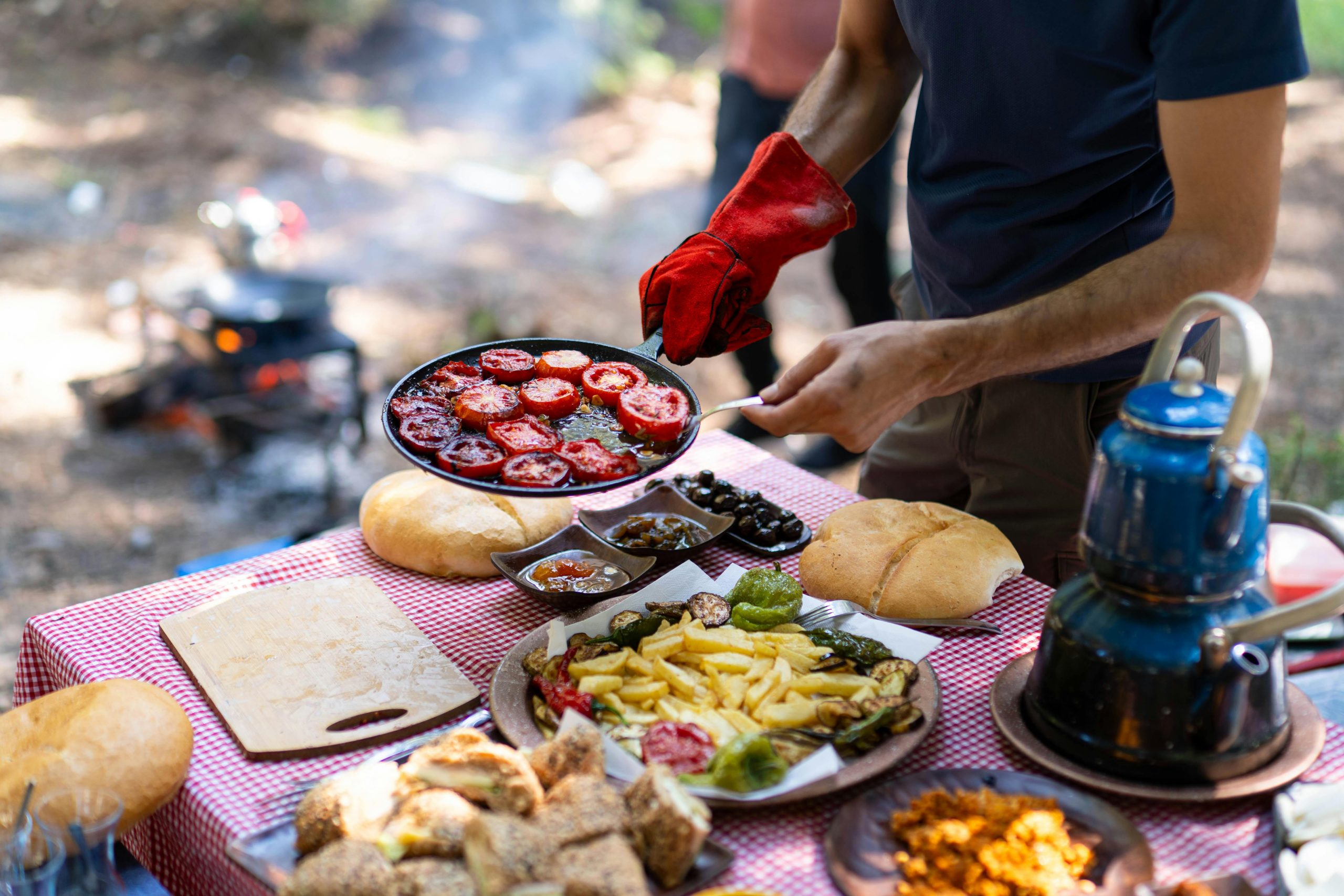
Preparing food at the campsite can be time-consuming, especially when you are working with limited tools and lighting. Many campers recommend pre-seasoning meats and vegetables at home before leaving for the trip. By placing ingredients in sealed bags with marinades or spices, you eliminate the need to carry multiple containers of seasoning into the wilderness. The food absorbs flavor while it travels inside the cooler, which can improve taste when it is finally cooked over the campfire or portable stove. Pre-seasoning also reduces cleanup time because you do not have to measure spices or mix sauces at the campsite. When it is time to cook, simply open the bag and place the food directly into a pan or onto a grill grate. This approach saves time, keeps your cooking area organized, and allows you to focus more on enjoying the camping experience.
12. Store Clothes in Labeled Packing Cubes
Keeping clothing organized during a camping trip can quickly become difficult, especially if several people share the same tent. A helpful trick is to use labeled packing cubes or small fabric organizers for different types of clothing. One cube might hold shirts, another might contain socks, while a third stores sleepwear or extra layers. This system makes it much easier to locate what you need without unpacking your entire bag. Many campers also choose waterproof cubes to protect clothing from moisture inside backpacks. When items are separated into individual compartments, packing and repacking gear becomes much faster. It also helps maintain a clean sleeping space because loose clothing is not scattered across the tent floor. This simple organizational method can make a surprisingly large difference in comfort and efficiency during multi-day camping adventures.