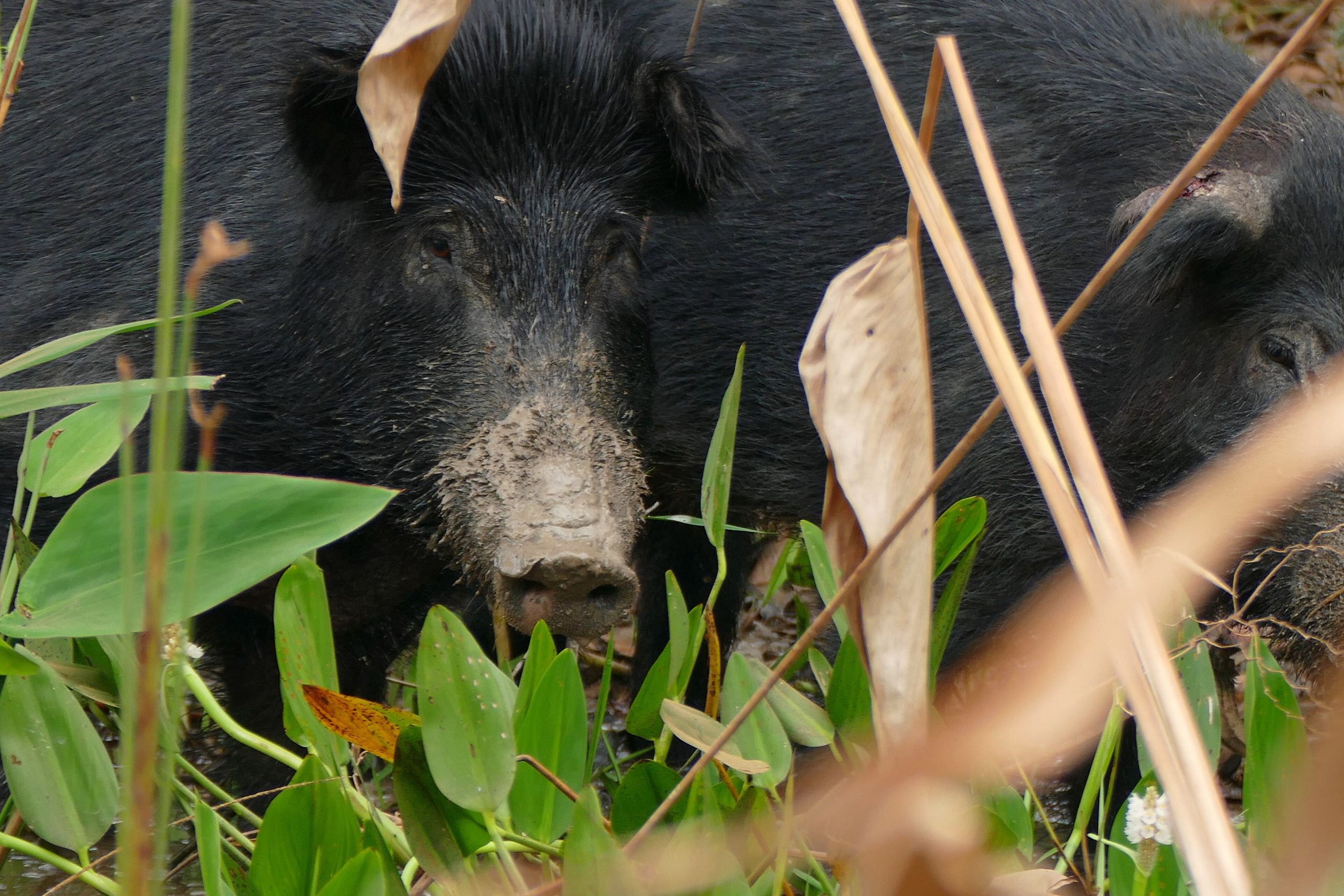
Feral hogs are no longer a backwoods footnote. They have evolved into one of the most disruptive and costly wildlife crises unfolding across the globe in 2026.
From rice paddies to suburban golf courses, their adaptability is staggering. No ecosystem, it seems, is entirely off-limits.
They uproot crops, contaminate water sources, and carry diseases that threaten both livestock and humans. The damage they leave behind rarely goes unnoticed for long.
What makes this crisis especially difficult to contain is its reproduction rate. A single sow can produce up to 30 piglets annually, making population control an ongoing nightmare.
This list breaks down eight places where the feral hog problem has reached a tipping point where local communities, governments, and farmers are running out of patience and options.
Texas, USA
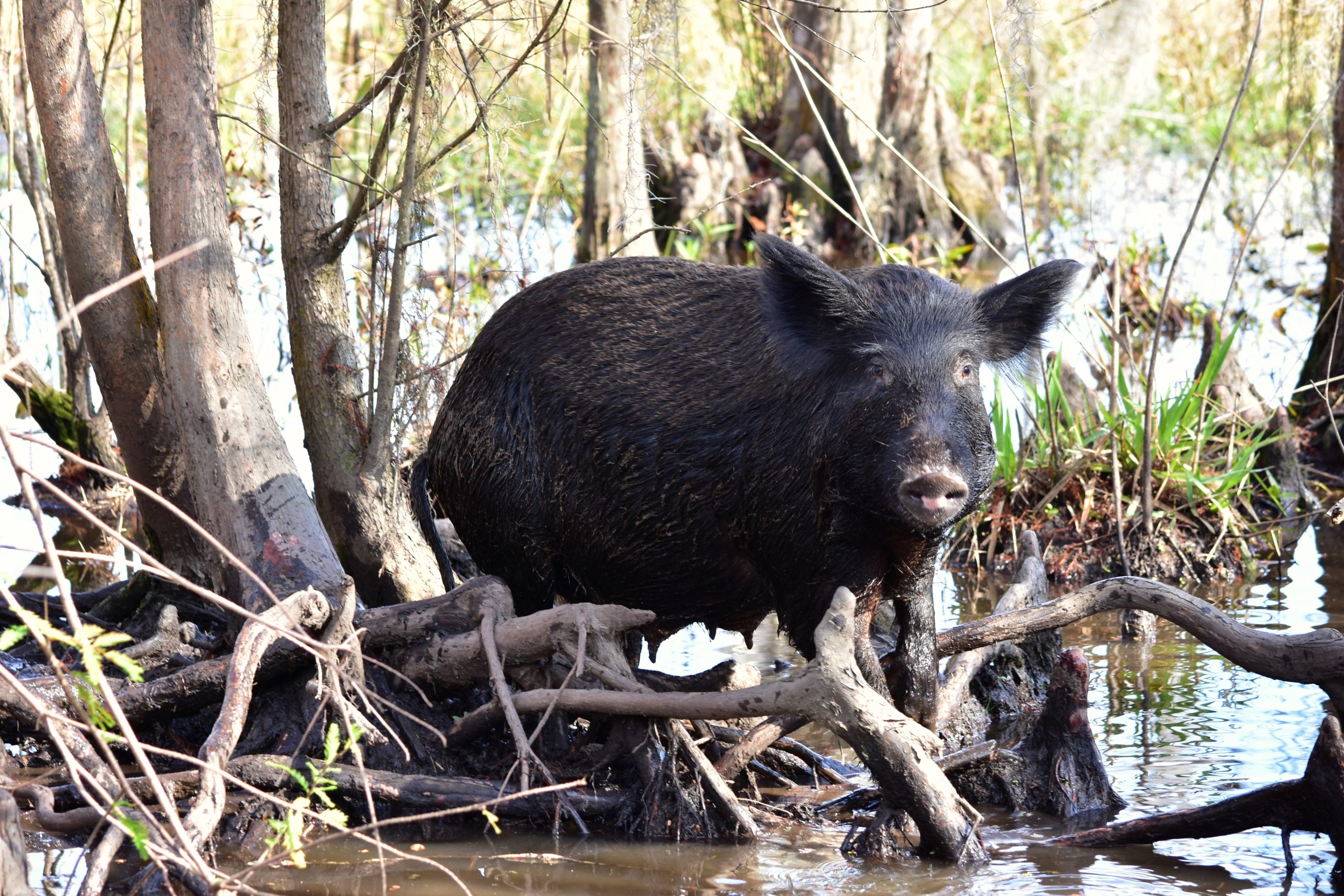
Texas holds the largest feral hog population in the entire United States, currently estimated at around 2.6 million animals.
That number alone explains why ranchers across the state describe the situation as something close to an unwinnable war.
Agricultural losses in Texas tied to feral hog activity exceed $400 million every single year, with crop destruction and pasture damage leading the toll.
Counties in East and Central Texas report the highest density, where rooting damage visibly scars the landscape across thousands of acres.
Hunting pressure has intensified dramatically, yet populations remain stable or continue climbing in many regions.
The state permits year-round hunting with no bag limit, and aerial gunning operations are legally approved. Despite these aggressive measures, population reduction remains frustratingly slow.
Queensland, Australia
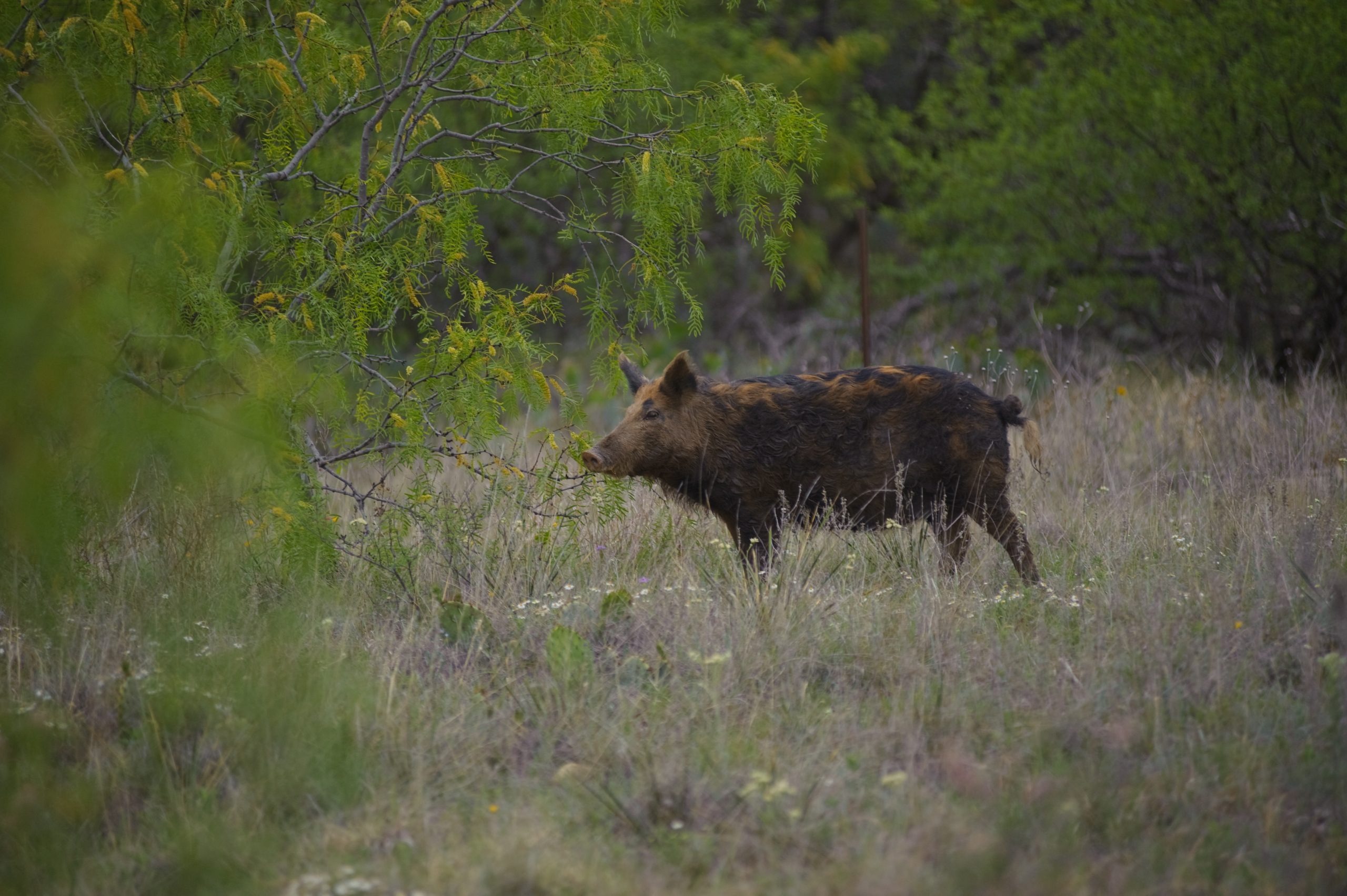
Queensland is ground zero for Australia’s feral pig crisis, which now involves an estimated national population of 24 million animals.
Within Queensland alone, feral pigs occupy over 40 percent of the state’s landmass, spreading into coastal zones, wetlands, and agricultural belts simultaneously.
Sugarcane growers in the Wet Tropics region report losses of up to $100 million annually, with hogs destroying crops and irrigation infrastructure.
The environmental damage extends beyond farms. Feral pigs destabilize riverbanks, accelerate erosion, and uproot native plant species at alarming rates.
Queensland authorities have expanded aerial culling programs significantly in 2026, targeting remote areas unreachable by ground teams.
Sodium fluoroacetate (1080) baiting remains a primary control tool, though its effectiveness is debated in areas with high pig density.
Southern France
France has witnessed a 400 percent increase in its wild boar population over the past three decades, and southern regions are now feeling the sharpest consequences.
Departments like Hérault, Gard, and Aveyron report thousands of farm incursions annually, with vineyards and cereal crops taking the heaviest losses.
Estimated agricultural damage across France now surpasses €100 million per year, a figure that continues to climb with each passing season.
French hunters harvest approximately 800,000 boars annually, yet wildlife managers acknowledge this barely keeps pace with natural reproduction.
Urban encounters have grown more frequent, particularly on the outskirts of Montpellier and Nîmes, where expanding suburbs border forested hills.
Boar-vehicle collisions have also risen sharply, contributing to thousands of road incidents and growing calls for targeted urban management programs.
Lombardy and Tuscany, Italy
Italy’s wild boar crisis has reached a point where even the government can no longer look away. The national population is now estimated at around 2.3 million animals.
Tuscany and Lombardy bear the brunt of the problem, with farmers lodging tens of thousands of damage complaints with regional authorities each year.
Estimated crop losses across Italy exceed €200 million annually, covering damage to grain, olive groves, vineyards, and specialty produce.
Beyond the farm, boars have started appearing in city parks and residential streets in Florence and Milan, creating public safety concerns.
The Italian government introduced emergency culling legislation in 2022, but implementation remains inconsistent across regions due to bureaucratic delays.
Hunting associations and farming groups continue to clash over territory rights, slowing coordinated management efforts considerably.
South Korea
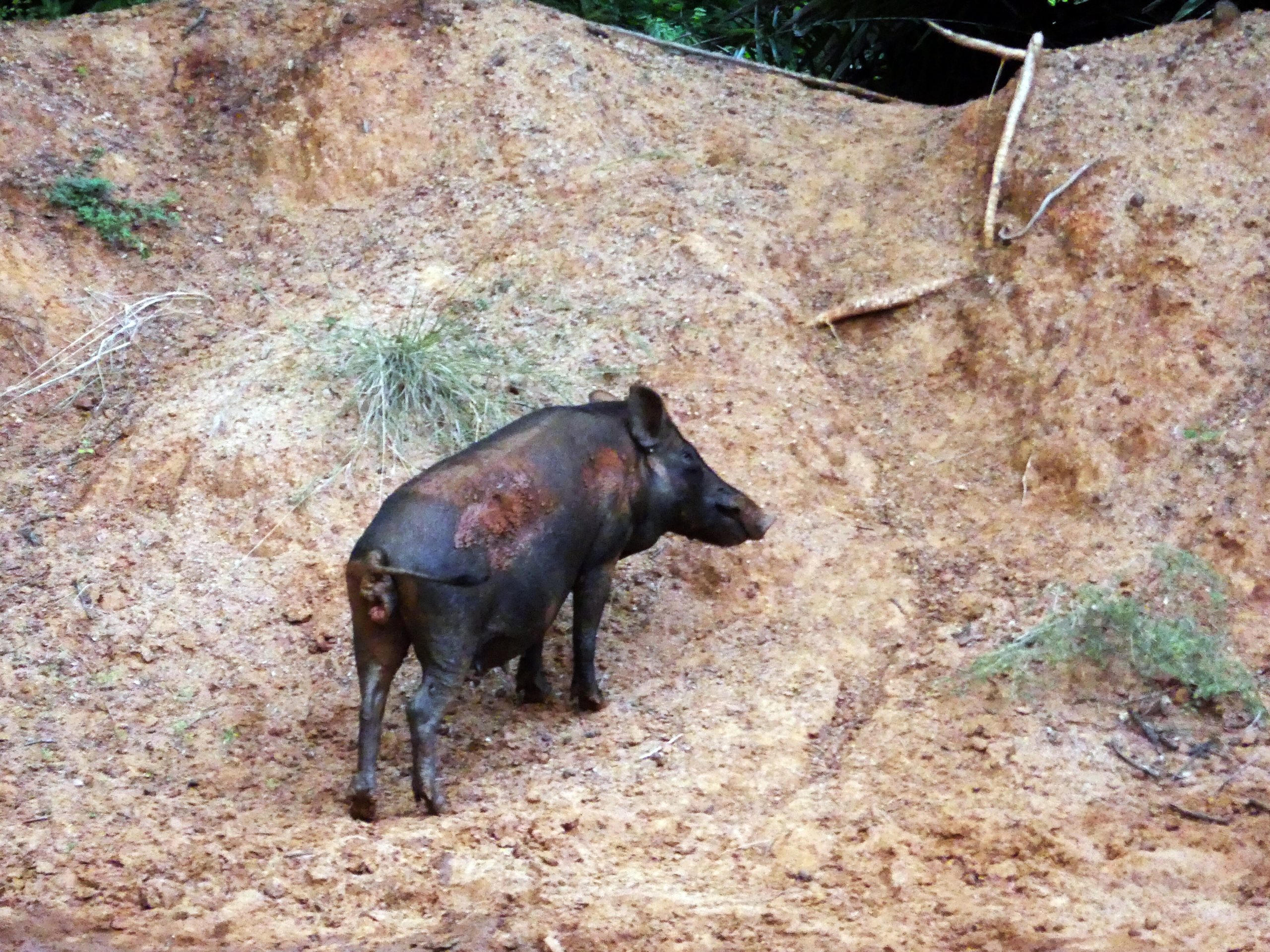
South Korea’s feral and wild boar problem is growing in ways few anticipated just a decade ago. The national population is now estimated at over 1 million animals.
Boars have been documented inside the boundaries of Seoul’s metropolitan area, with sightings reported in Bukhansan National Park and surrounding residential zones.
Agricultural losses tied to boar activity in South Korea now exceed 50 billion Korean won annually, affecting rice paddies, vegetable farms, and orchards.
African Swine Fever (ASF) has dramatically complicated the situation. Wild boars are confirmed carriers, and the disease has devastated domestic pig farming since it arrived in 2019.
As of 2026, South Korea has lost billions of won in livestock culls linked to ASF transmission traced back to wild boar contact.
Authorities have deployed fencing, traps, and licensed hunting teams, but the mountainous terrain across the peninsula makes comprehensive control nearly impossible.
Florida, USA
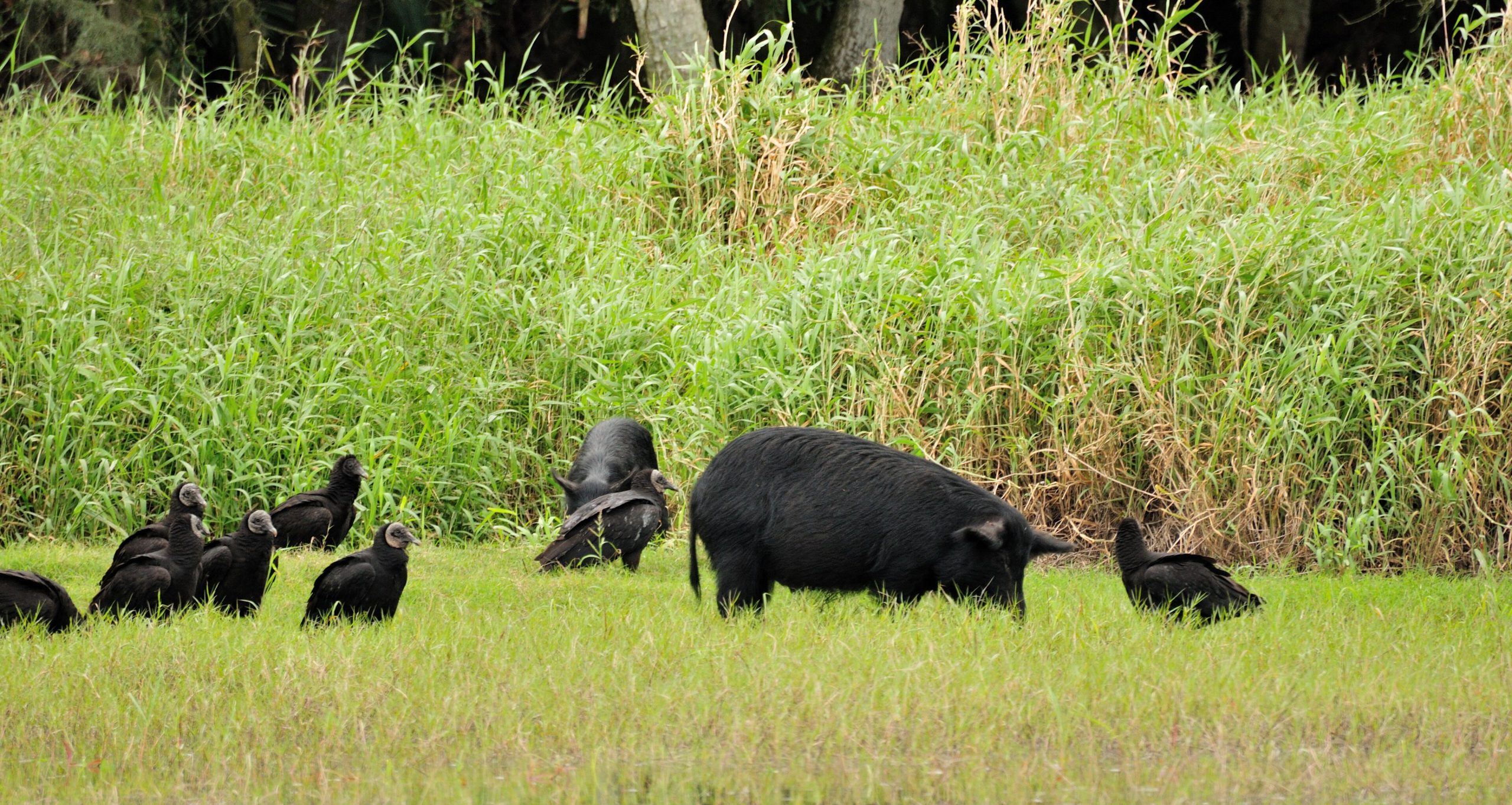
Florida’s feral hog population is estimated at somewhere between 500,000 and 1 million animals, spread across nearly every one of its 67 counties.
Few states present as complex a challenge, given that Florida’s unique mosaic of wetlands, forests, suburbs, and agricultural land creates ideal hog habitat year-round.
Annual damage estimates for Florida reach approximately $74 million, with farmers in Alachua, Okeechobee, and Highlands counties reporting the worst of it.
Feral hogs in Florida are confirmed carriers of brucellosis, pseudorabies, and leptospirosis, raising serious public health and livestock biosecurity alarms.
Wildlife agencies have expanded trapping and shooting programs, but urban sprawl increasingly brings hogs into conflict with neighborhoods and golf courses.
Several Florida counties have begun nighttime trapping operations using remote-triggered camera systems, representing a newer and more precise form of control.
Alberta, Canada
Canada’s Prairie Provinces have been battling a feral pig invasion for years, but Alberta’s situation has grown especially urgent by 2026.
Feral pigs were first established in Saskatchewan and Manitoba before spreading west, and Alberta is now confirming breeding populations across its agricultural heartland.
Canada’s feral pig population is estimated at over 100,000 animals nationally, with Alberta’s share growing at a pace that alarms wildlife biologists.
These pigs survive Canadian winters by digging into thermal “pigloos”, tunneled snow dens that insulate them against temperatures far below freezing.
Their cold-weather resilience surprised researchers and has completely changed assumptions about how far north the invasion could realistically spread.
Crop losses in Alberta are still being formally quantified, but individual farm damage reports already range from $10,000 to over $200,000 per incident.