
Estimates from major national gun organizations suggest Americans collectively own more than 500 million firearms, a figure that often surprises even longtime observers. This number is not the result of a single trend, but rather decades of layered cultural, legal, economic, and technological factors. Firearms ownership in the United States reflects history, geography, personal identity, and practical concerns that vary widely by region and generation. From inherited hunting rifles to modern sporting firearms purchased for home defense, the accumulation has been gradual rather than sudden. Understanding how ownership reached this scale requires looking beyond headlines and focusing on underlying drivers. The following sections explore ten key factors that help explain how civilian firearm ownership in the United States grew so large, why it continues to expand, and what that scale actually represents in everyday life.
Historical Roots of Widespread Civilian Ownership
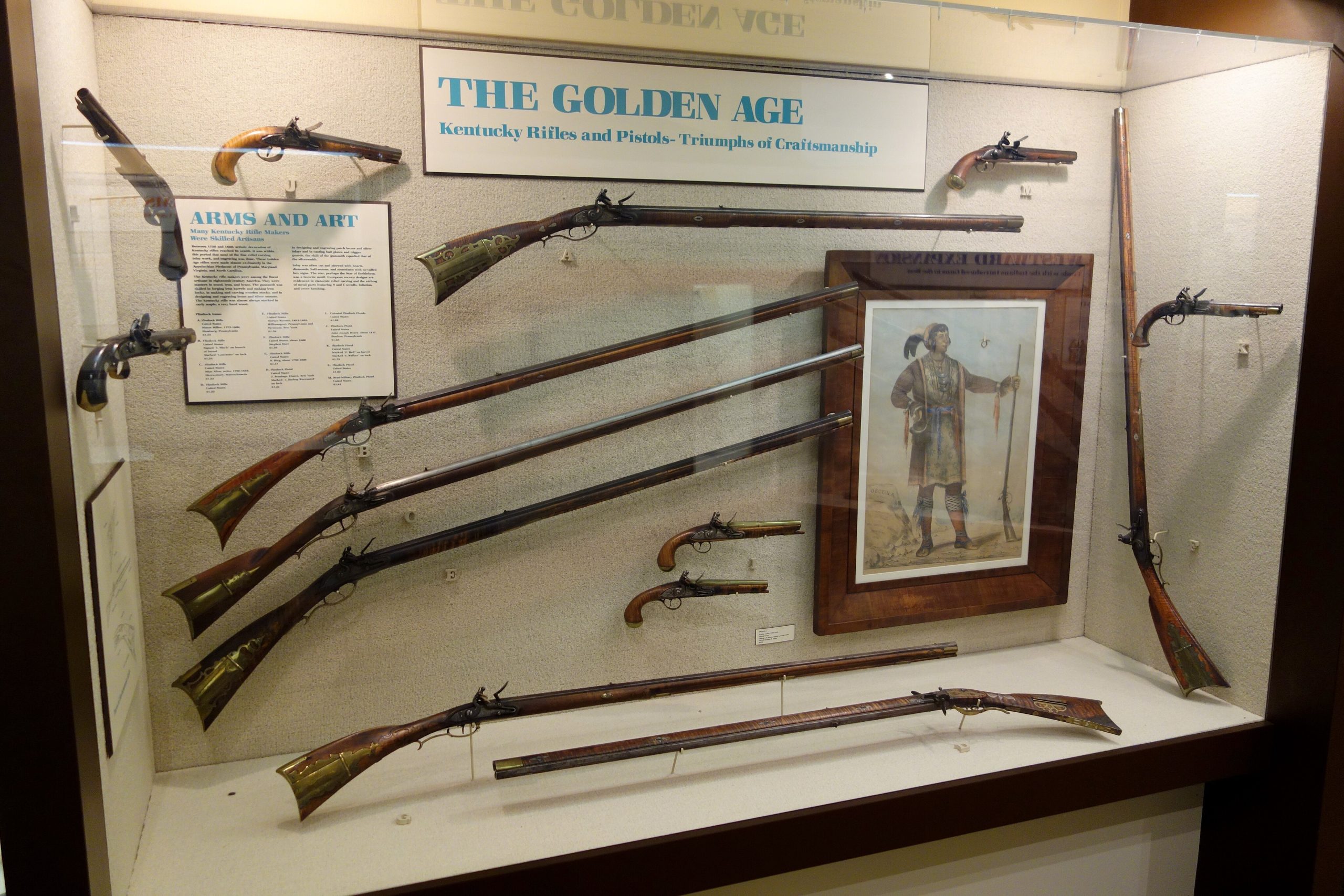
American firearm ownership began long before the nation itself existed. Early settlers relied on guns for hunting, defense, and survival, embedding firearms into daily life rather than reserving them for formal armies. Militia laws in the eighteenth and nineteenth centuries often required able-bodied men to keep their own weapons, reinforcing private ownership as a civic norm. As the country expanded westward, firearms remained tools of necessity rather than luxury items. This foundation created generational continuity, where guns were passed down as practical assets and family heirlooms. Over time, these inherited firearms accumulated rather than disappearing. Even as technology advanced, older guns were rarely discarded. This historical layering helps explain why total ownership numbers climbed steadily across centuries instead of resetting with each generation.
Population Size and Household Concentration
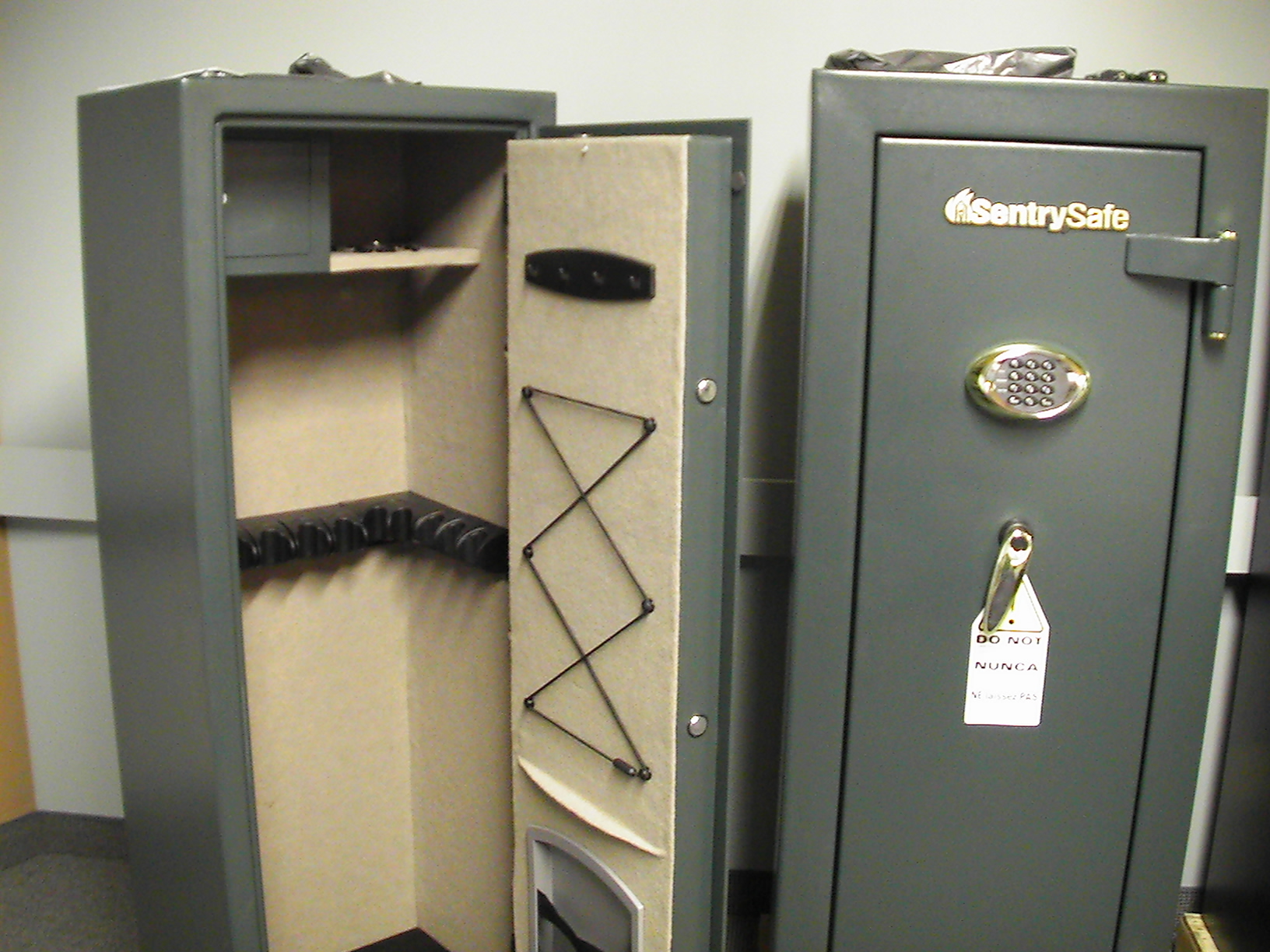
The United States has a large population, but firearm ownership is not evenly distributed across households. Surveys consistently show that a minority of gun owners possess multiple firearms, sometimes dozens. Collectors, sport shooters, and enthusiasts often own firearms for different purposes, such as hunting, competition, training, and personal defense. Each new purchase adds to the overall count without increasing the number of owners proportionally. In rural areas, households may keep separate firearms for different family members or activities. Urban collectors also contribute significantly through specialty ownership. This concentration effect means total firearm numbers grow faster than population growth alone would suggest, creating a cumulative inventory that expands year after year even when ownership rates remain relatively stable.
Firearms as Durable, Long-Lasting Goods

Unlike many consumer products, firearms are extremely durable. A well-maintained gun can function reliably for decades, even generations. There is no built-in expiration that forces replacement. When people buy new firearms, they rarely dispose of older ones. Instead, collections grow incrementally. Older models are kept for sentimental value, historical interest, or backup use. This durability creates a one-directional accumulation effect. Each year adds more firearms to circulation than are removed. Even guns that are rarely used remain legally owned and counted. Over time, this dynamic alone can produce massive totals, especially in a country with a long civilian gun-owning tradition and a strong secondary market.
Cultural Identity and Personal Freedom
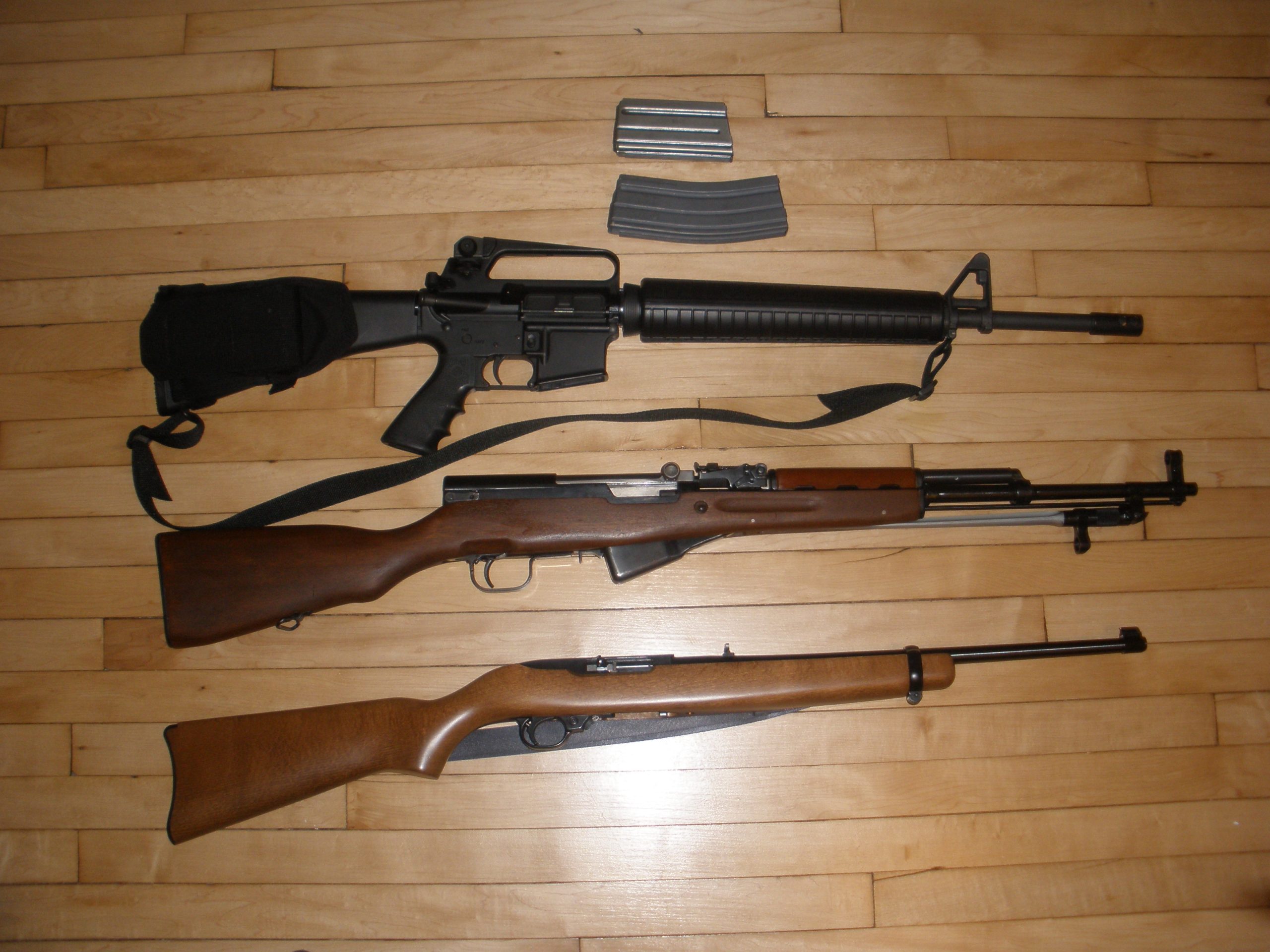
For many Americans, firearms represent more than utility. They symbolize independence, self-reliance, and constitutional rights. This cultural meaning encourages long-term ownership rather than temporary use. Firearms are often purchased to mark life milestones, such as reaching adulthood, returning from military service, or starting a family. These symbolic purchases tend to be retained permanently. Cultural reinforcement through media, family traditions, and community norms further strengthens attachment. When firearms are viewed as part of personal identity, selling or surrendering them becomes unlikely. This emotional permanence plays a quiet but powerful role in driving cumulative ownership numbers upward over decades.
Sporting, Hunting, and Recreational Use
Recreational shooting and hunting contribute significantly to firearm variety within single households. A hunter may own different firearms for deer, birds, and small game, each designed for specific purposes. Sport shooters often own multiple firearms optimized for different competitions or training disciplines. Recreational range shooting also encourages experimentation with different platforms and calibers. These activities normalize multi-firearm ownership without any sense of excess. Because these uses are ongoing hobbies rather than one-time needs, firearms acquired for them are rarely resold. Over time, this specialization multiplies ownership totals while remaining entirely lawful and routine.
Legal Framework Supporting Civilian Ownership
The legal structure in much of the United States permits civilian firearm ownership with relatively few mandatory disposal requirements. While laws vary by state, there is generally no requirement to surrender older firearms when purchasing new ones. Private ownership remains legal across most categories, and inheritance laws allow firearms to pass between generations. This framework supports long-term accumulation. Even when regulations change, grandfathering provisions often preserve existing ownership. The result is a legal environment that allows numbers to grow steadily without systemic reduction, reinforcing the cumulative nature of civilian gun inventories nationwide.
Technological Diversity and Market Expansion
Modern firearm manufacturing offers an unprecedented range of designs, calibers, and configurations. This diversity appeals to consumers interested in performance differences, ergonomics, and customization. Enthusiasts may purchase multiple firearms that appear similar but serve distinct roles. Advances in materials and accessories also encourage upgrades rather than replacements. Instead of trading old guns for new ones, owners often keep both. Market expansion into training, competition, and home defense niches has broadened appeal across age groups and backgrounds. This diversification feeds ownership growth by encouraging additive purchasing rather than substitution.
Economic Stability and Disposable Income
Periods of economic stability have historically correlated with increased firearm purchases. As disposable income rises, firearms become attainable discretionary items rather than emergency tools. Middle-class households may acquire firearms alongside other durable goods. Importantly, firearms tend to retain value, making owners comfortable holding onto them long-term. Unlike consumables, they are perceived as assets. This financial logic discourages selling and supports accumulation. Over decades, even modest purchasing patterns result in substantial national totals when multiplied across millions of households.
Perceived Need for Personal Security
Concerns about personal safety motivate many initial firearm purchases, but they also lead to additional ownership. Homeowners may buy separate firearms for home defense, travel, or training. Rather than replacing earlier purchases, these additions build layered preparedness. Even when perceived threats decrease, firearms acquired for security are rarely relinquished. This behavior reflects risk management rather than fear. Over time, it contributes quietly to rising ownership numbers, especially during periods of social uncertainty when purchases increase but older firearms remain in circulation.
Generational Transfer and Inheritance
Inheritance plays a major role in sustaining high firearm totals. Guns are frequently passed down rather than sold, especially those with family history. Each generational transfer preserves existing inventory while new purchases continue alongside it. Because inherited firearms often carry emotional weight, they are retained even if rarely used. This process ensures that firearms remain in private hands across decades without reentering the market. Combined with ongoing purchases by each generation, inheritance acts as a multiplier that reinforces the long-term growth reflected in national ownership estimates.