Spending time outdoors becomes more rewarding when you challenge yourself to grow your wilderness skills throughout the year. Each month offers a new chance to improve your confidence and connection with nature. By breaking learning into manageable goals, you can master a range of outdoor abilities without feeling overwhelmed. From navigation to foraging, this monthly challenge helps you stay active, self-reliant, and ready for any adventure nature presents.
January: Fire Building Basics
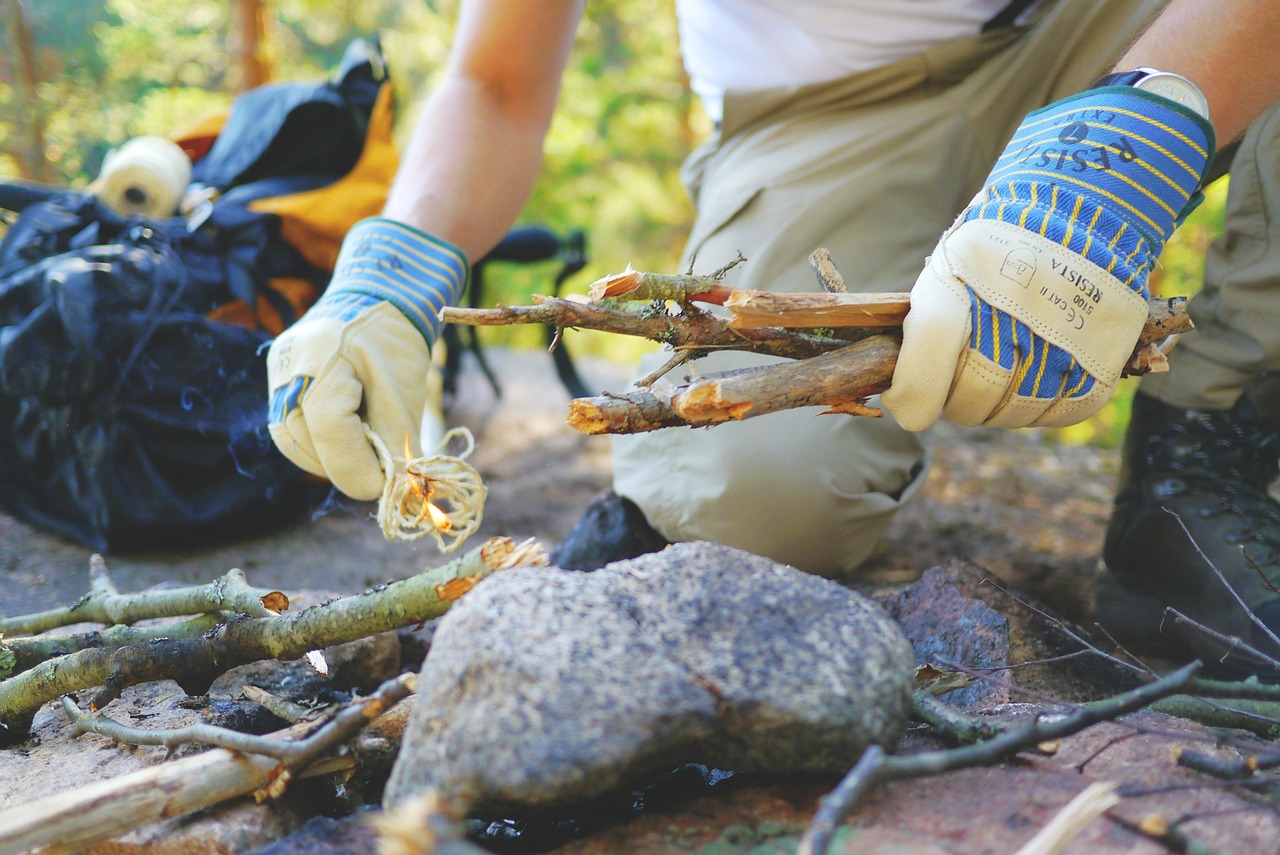
Start the year by mastering the art of fire building in different conditions. Practice using natural tinder and kindling instead of relying on lighters or matches. Learn to identify dry materials, even in damp weather, and focus on creating sustainable fires that minimize environmental impact. By the end of the month, you’ll feel more capable of staying warm and cooking confidently outdoors.
February: Shelter Construction
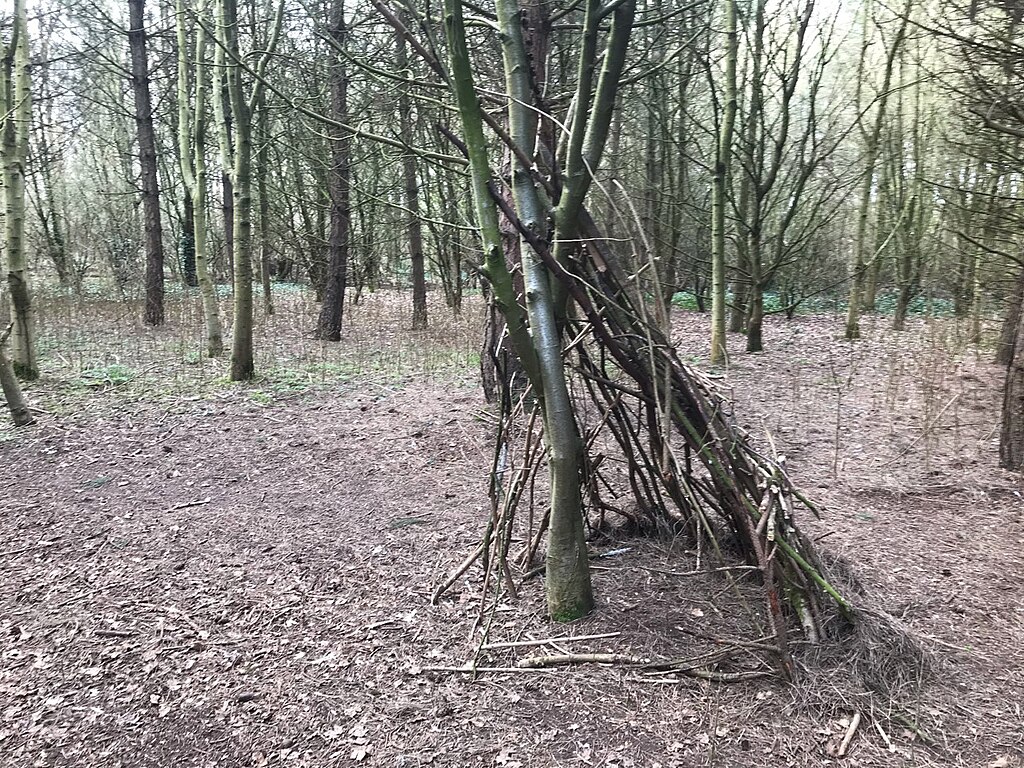
February is the perfect time to practice building shelters that protect against wind, rain, or snow. Experiment with materials like branches, leaves, and tarps to create structures suited for various environments. Learn how to choose safe locations and angle roofs for water runoff. This skill not only prepares you for emergencies but also deepens your understanding of natural landscapes.
March: Map and Compass Navigation
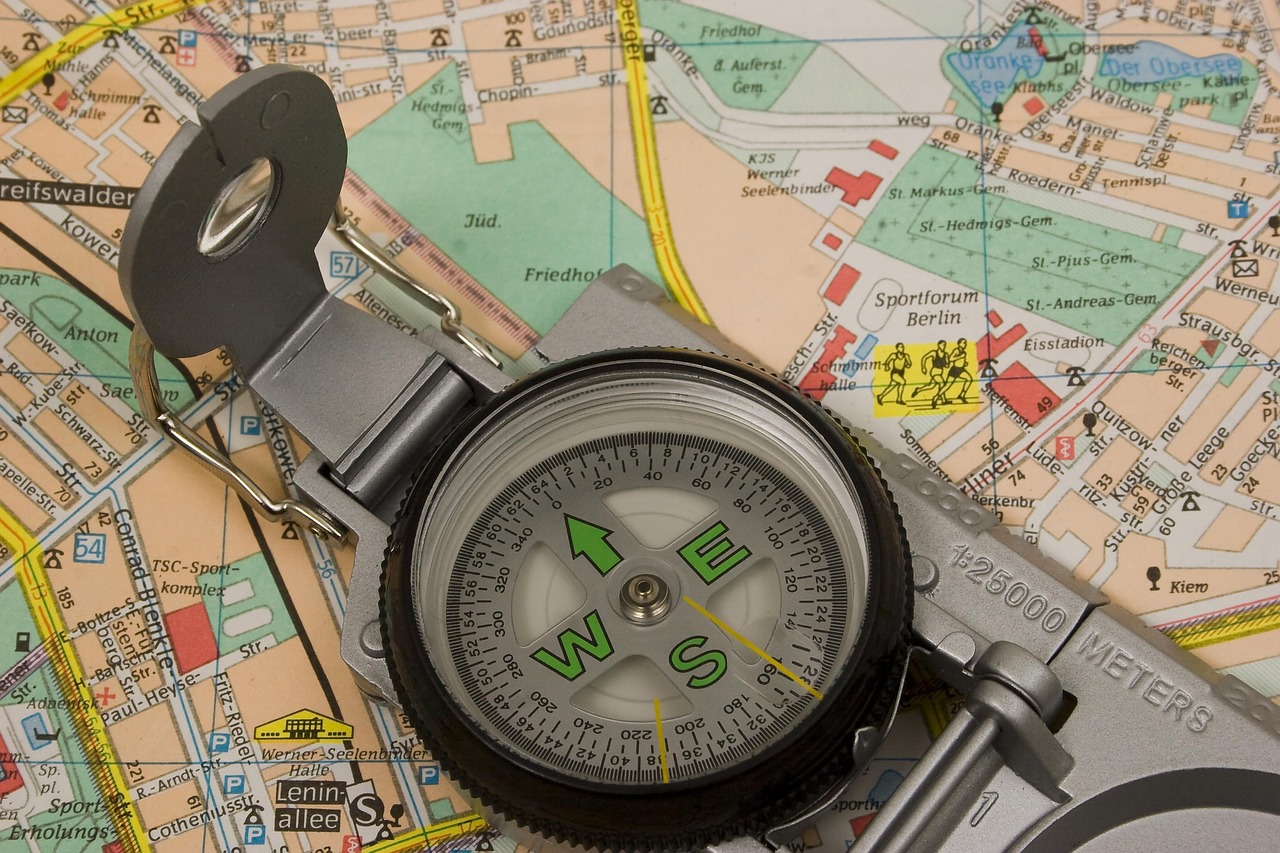
As the weather improves, spend March developing your navigation skills with a map and compass. Learn how to orient yourself, plot a route, and use landmarks to stay on course. Practice in familiar terrain before venturing into new areas. Understanding these fundamentals ensures you can explore confidently without relying on digital devices that may fail in the wild.
April: Knot Tying and Rope Work
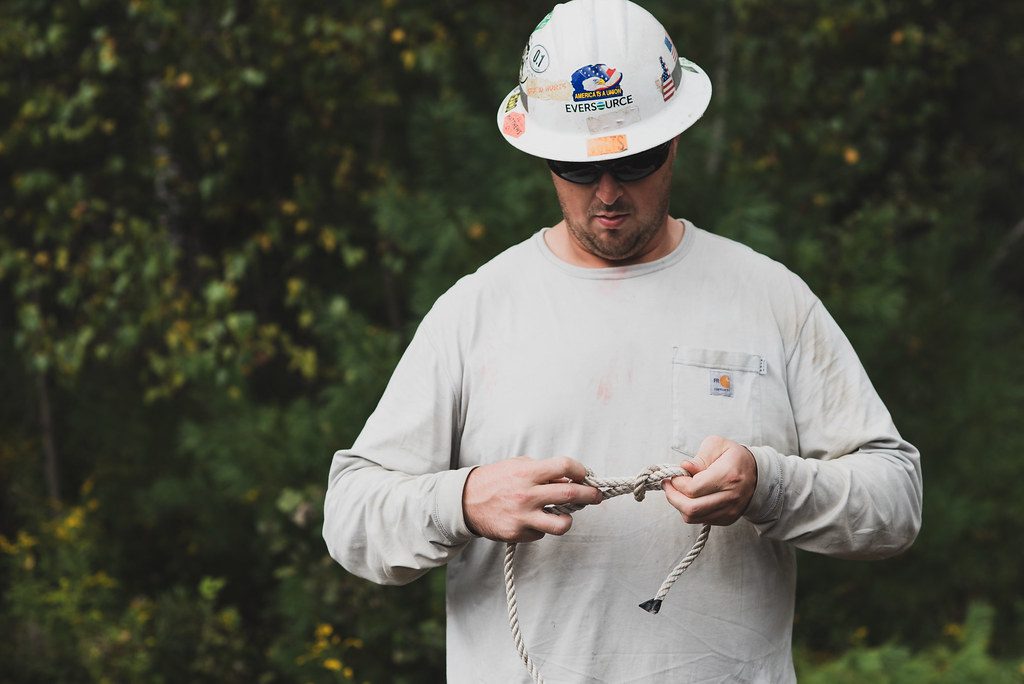
April’s focus is on knots, an essential skill for camping, climbing, and survival. Practice tying basic knots such as the bowline, clove hitch, and figure-eight, then apply them to real scenarios like securing tarps or hanging food. The more you practice, the more naturally these knots will come to you, making your outdoor tasks efficient and dependable.
May: Foraging and Plant Identification
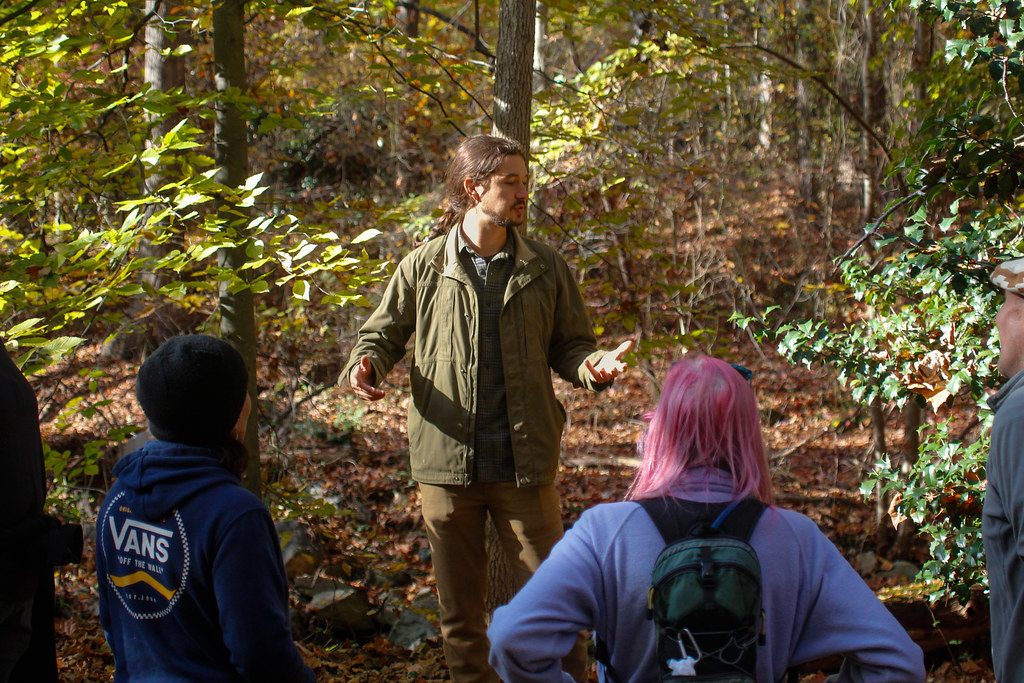
When spring blooms, take time to learn how to identify edible and medicinal plants safely. Study local guides, join a foraging walk, or use field apps to confirm your findings. Practice distinguishing look-alike species and understanding which parts of a plant are safe to consume. Responsible foraging adds sustainability to your outdoor experiences while keeping you connected to nature’s resources.
June: Water Sourcing and Purification
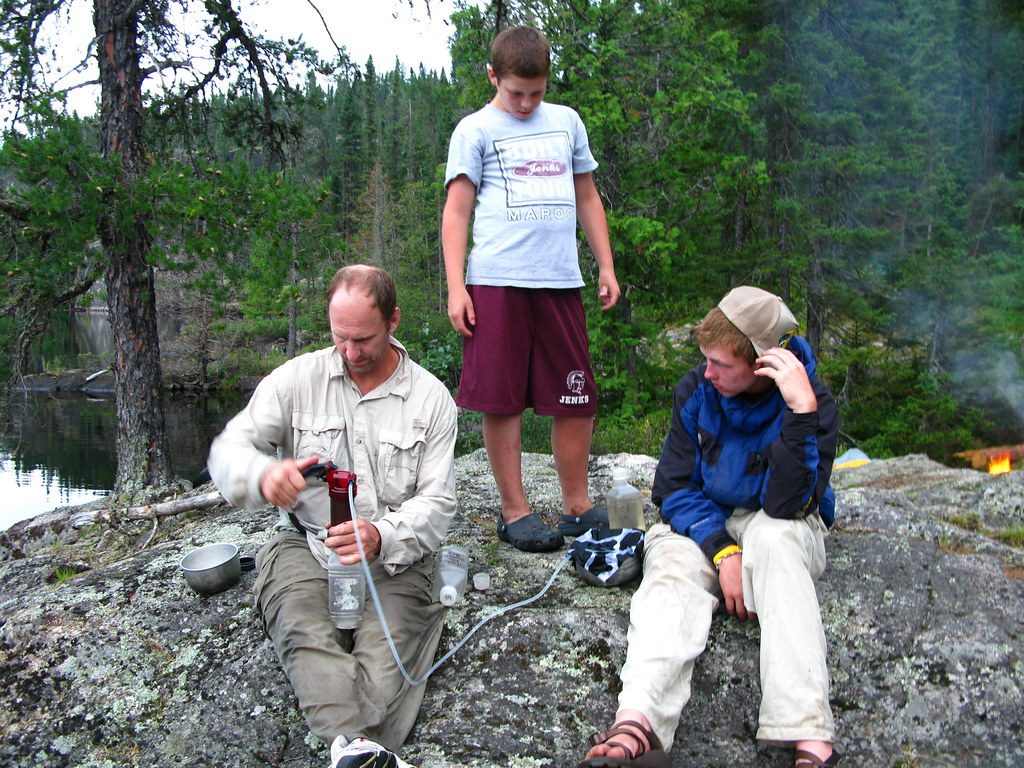
June is ideal for mastering water collection and purification techniques. Learn how to locate natural water sources like streams or rain catchments, and practice filtering and boiling methods. Try using portable purifiers or DIY filtration systems to compare results. Knowing how to secure clean water is a crucial survival skill that supports every wilderness adventure.
July: Outdoor Cooking and Fire Safety
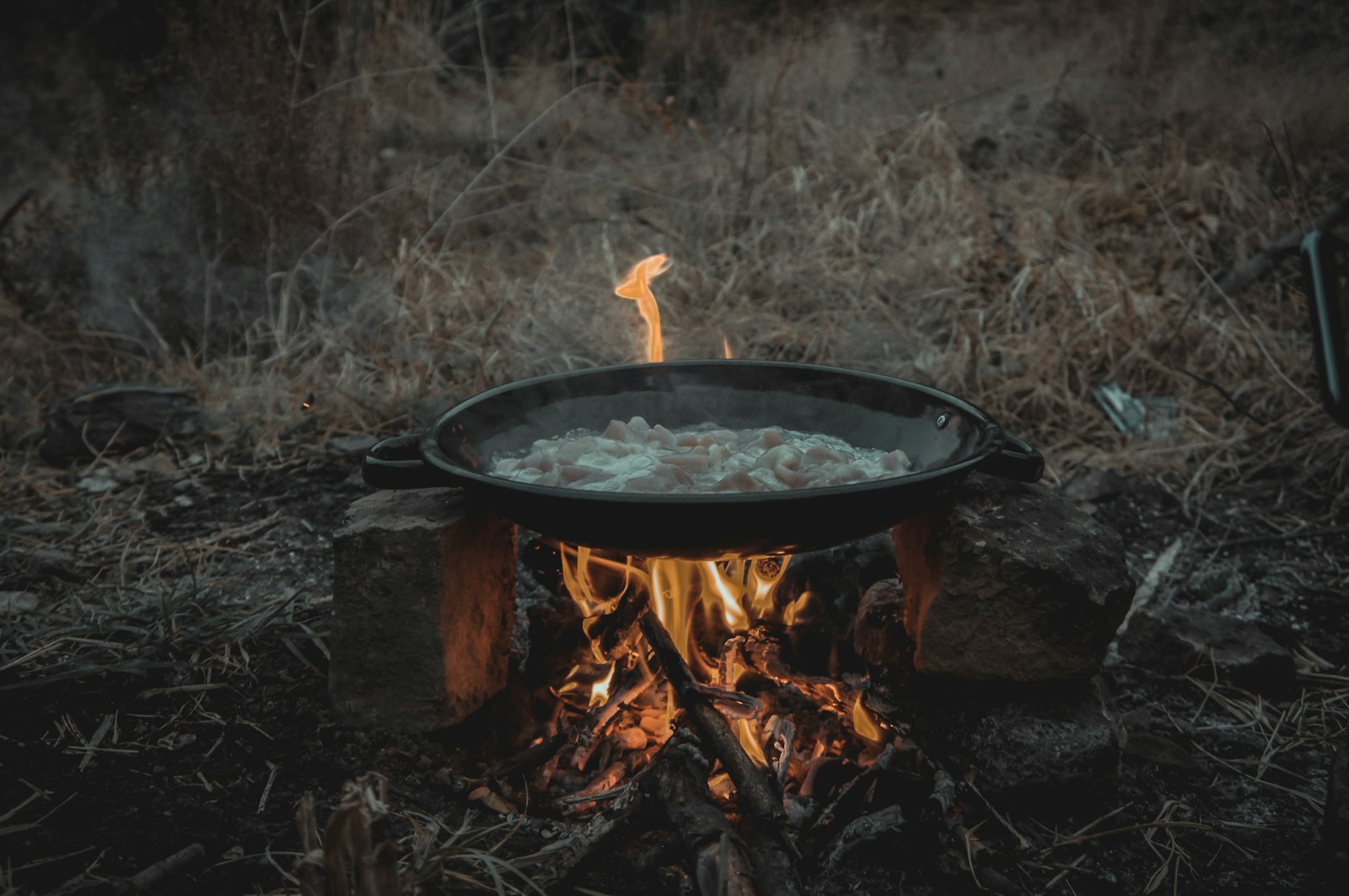
In midsummer, focus on perfecting outdoor cooking while following proper fire safety practices. Experiment with cooking over open flames, coals, or portable stoves. Learn how to control heat, prepare meals efficiently, and clean up responsibly to protect the environment. Mastering these techniques helps you enjoy hearty meals while keeping campsites safe and sustainable.
August: Tracking and Observation
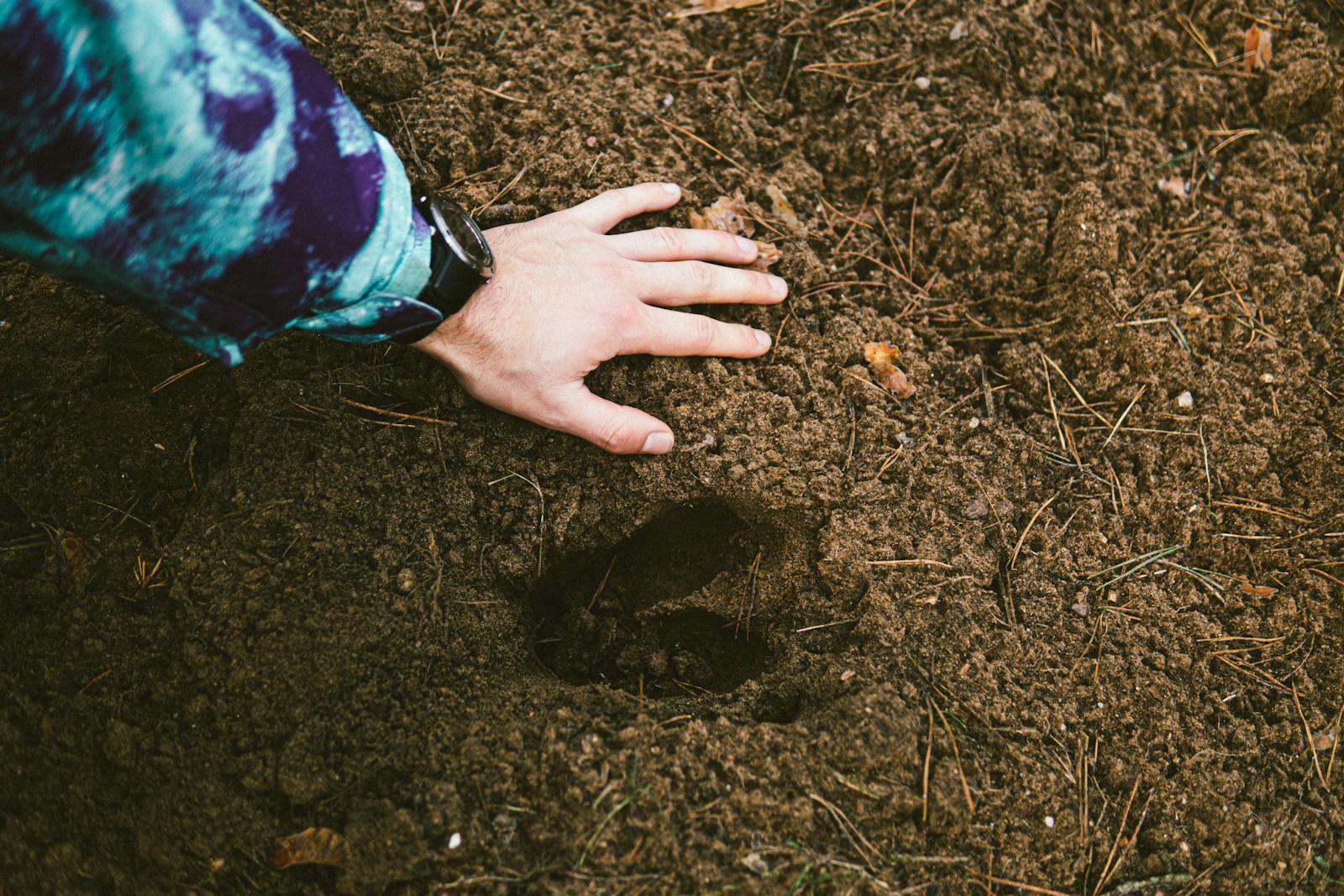
August offers an opportunity to sharpen your tracking and observation skills. Study animal tracks, scat, and signs of movement to understand wildlife behavior. Use patience and silence to notice subtle changes in your surroundings. This practice heightens awareness, improves safety, and enhances your appreciation for the ecosystems you explore throughout the year.
September: Tool Care and Maintenance
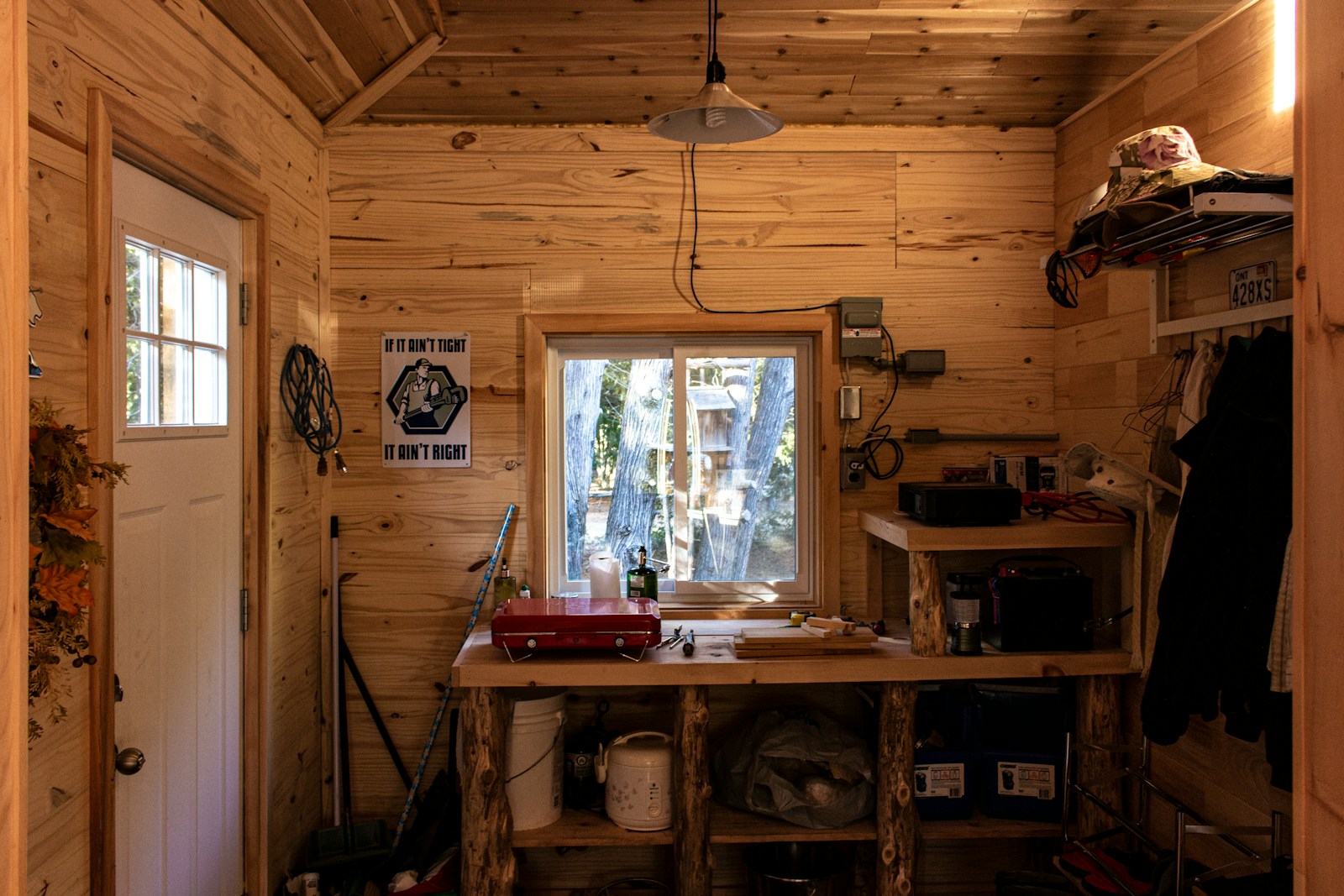
As fall approaches, dedicate September to caring for your tools and gear. Learn how to sharpen knives, maintain axes, and inspect equipment for wear. Proper maintenance extends the life of your gear and ensures reliability during trips. A well-kept toolkit reflects preparedness and helps you perform every outdoor task with precision and safety.
October: Navigation by the Stars
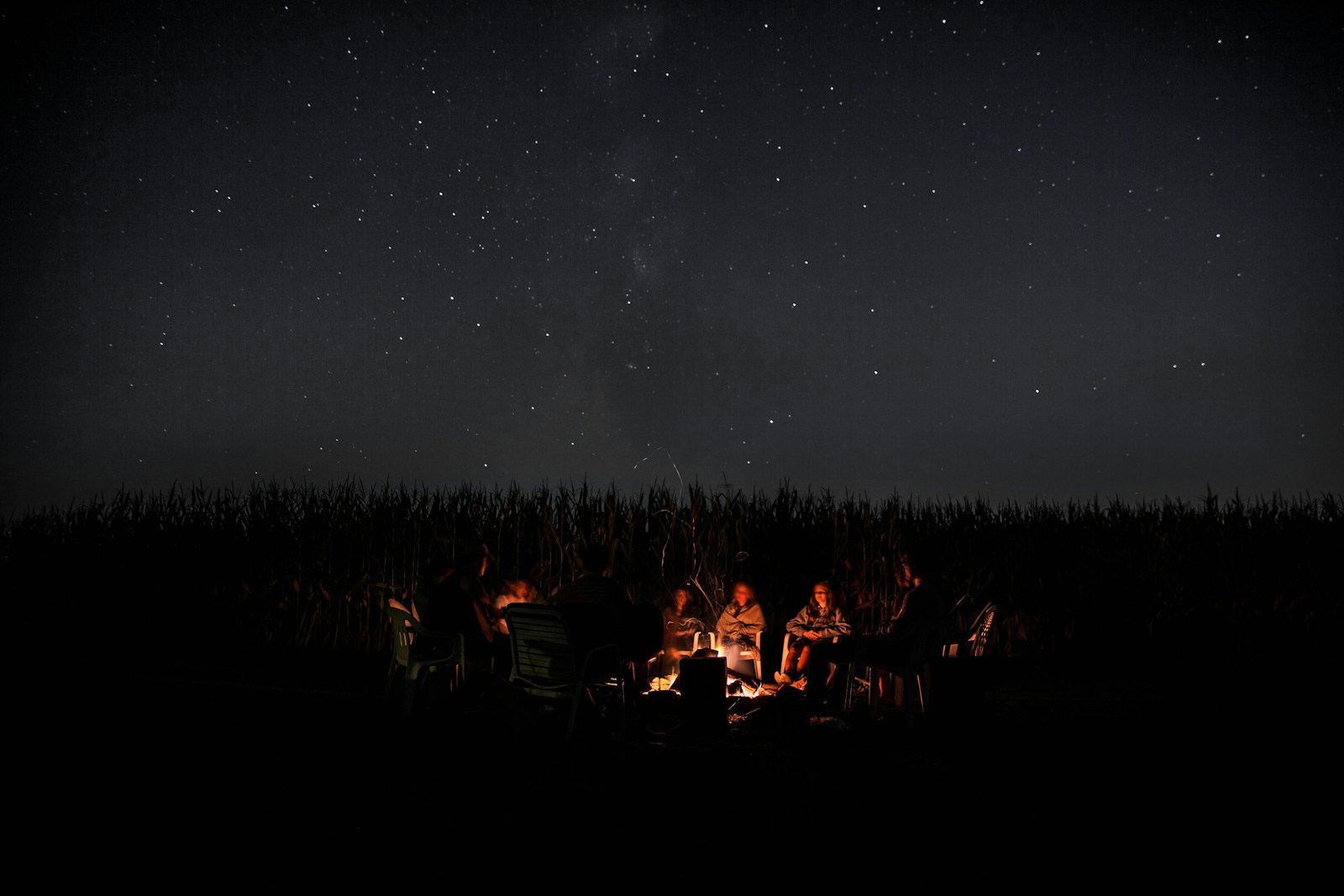
October is a great time to reconnect with the night sky by learning celestial navigation. Study constellations and practice using stars like Polaris to determine direction. Combine this knowledge with your compass skills to improve accuracy. Star navigation brings a sense of wonder and independence, allowing you to find your way even when technology fails.
November: First Aid and Emergency Skills
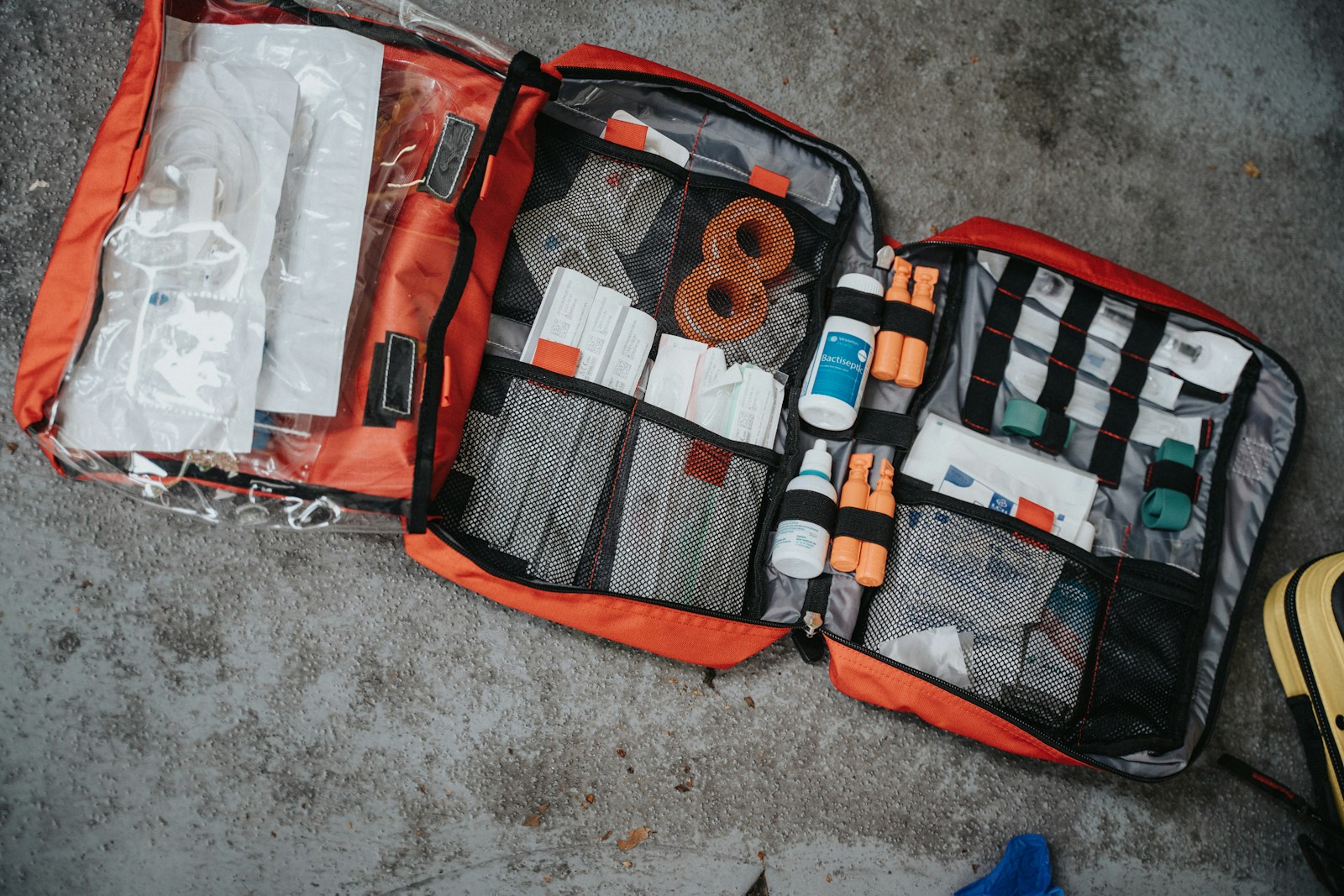
Prepare for winter by focusing on outdoor first aid and emergency preparedness. Learn how to treat injuries, prevent hypothermia, and manage common wilderness accidents. Pack and practice using a basic first-aid kit designed for outdoor use. Knowing how to respond calmly and effectively in emergencies builds confidence and ensures safety during every trip.
December: Reflection and Cold-Weather Camping
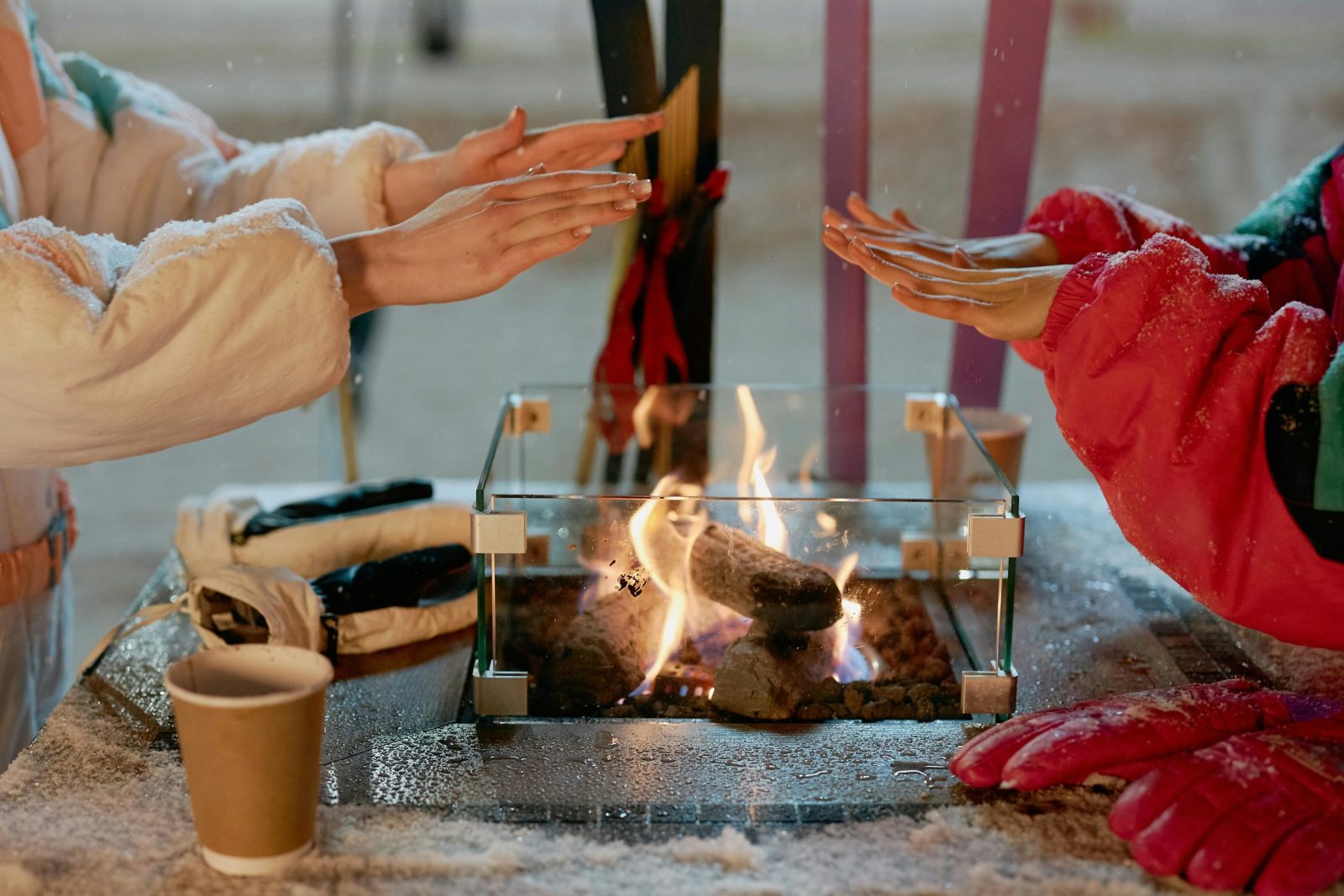
End the year by applying everything you’ve learned through a winter camping trip. Test your fire, shelter, and navigation skills in cold conditions. Reflect on what worked, what didn’t, and what to improve next year. Camping in winter challenges both body and mind, offering a rewarding sense of achievement as you close out your wilderness journey.