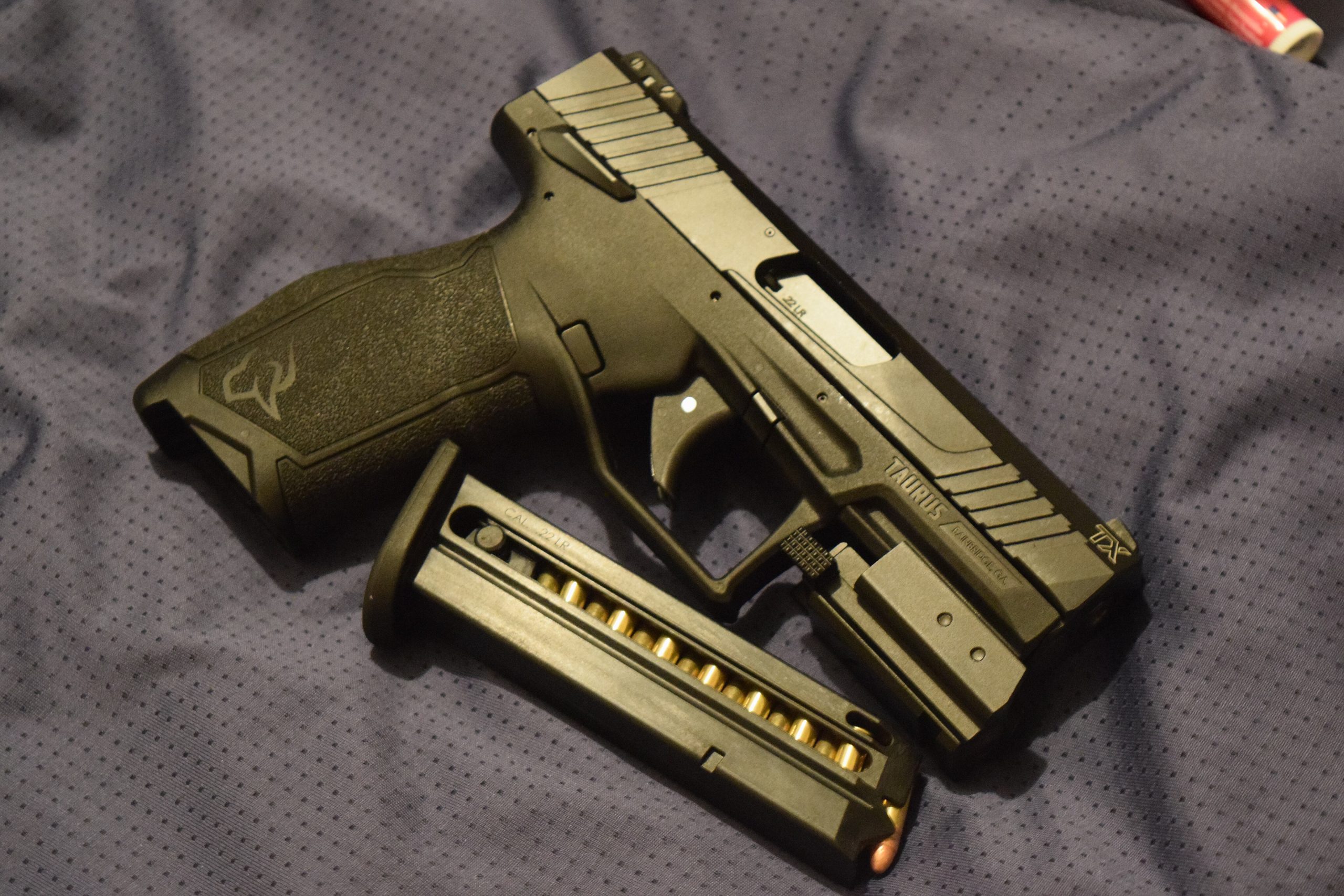
Language around firearms often carries as much emotion as the hardware itself. Few debates illustrate this better than the enduring “magazine versus clip” argument, a topic that blends history, engineering, culture, and generational perspective. To seasoned enthusiasts, terminology reflects mechanical precision and respect for design differences. To casual observers, the words may feel interchangeable, shaped by movies, news, or everyday speech. Neither side is entirely mysterious once context is understood. Firearms vocabulary evolved alongside technology, and shifts in usage mirror broader cultural changes. The discussion is less about correcting mistakes and more about appreciating why these terms exist, how they differ, and why people care so deeply. Exploring these distinctions reveals fascinating layers of firearm development and communication.
Why the Terms Are Often Confused
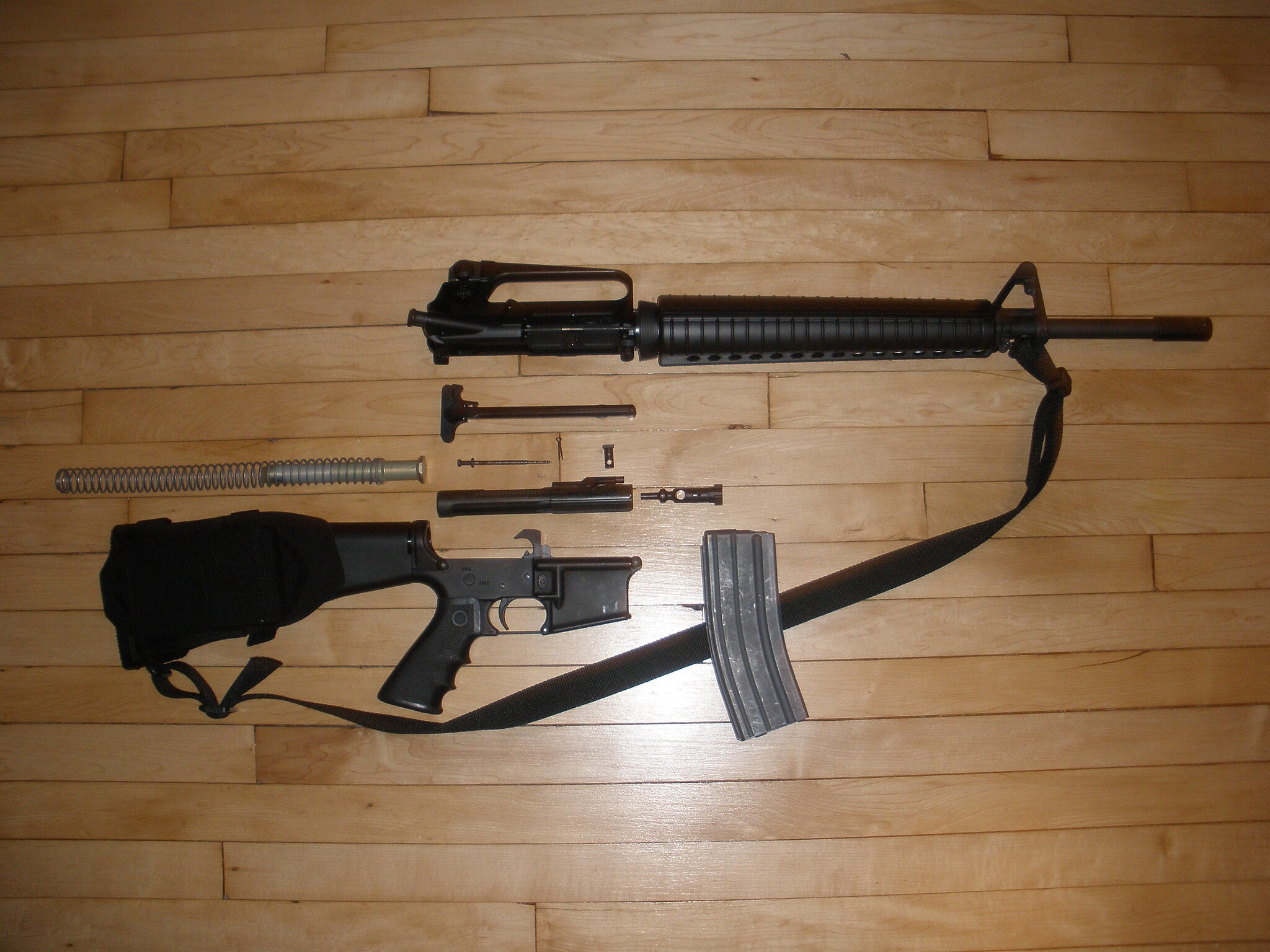
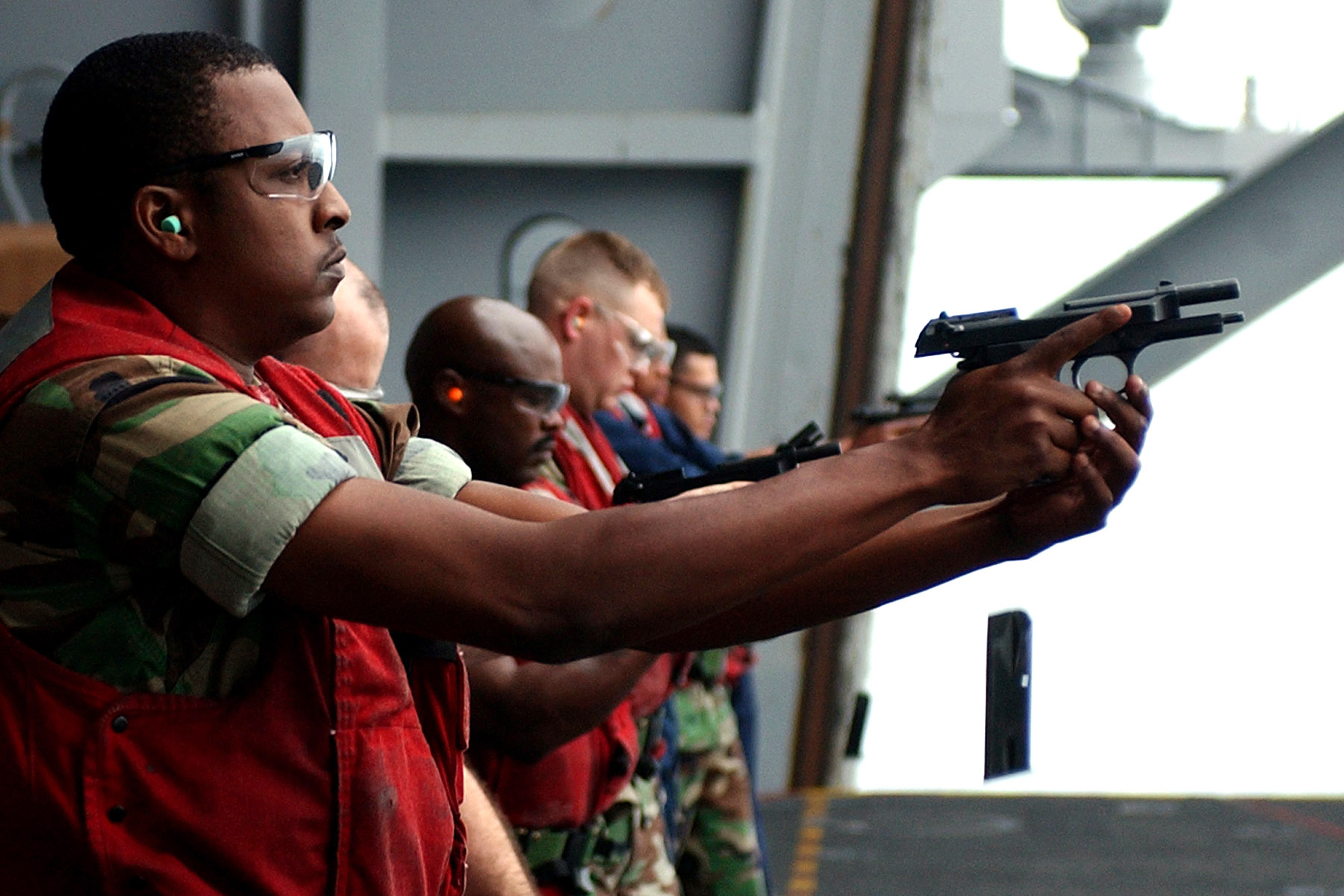
Confusion between “magazine” and “clip” did not arise from ignorance alone. Popular culture, journalism, and entertainment media frequently blurred distinctions for decades, normalizing casual usage. Many films, television scripts, and video games favored whichever word sounded familiar to audiences, reinforcing overlap. For individuals without technical exposure, both terms describe something that holds ammunition, which feels logically sufficient. Everyday language naturally simplifies specialized vocabulary, especially when precision seems unnecessary. Generational differences amplify this effect, as newer shooters may learn through digital media rather than traditional mentorship. The result is a linguistic habit rooted in familiarity, not defiance. Understanding this background helps explain why debates persist even when mechanical definitions are clear.
What a Magazine Actually Is
A magazine is a spring-loaded ammunition feeding device designed to store and position cartridges for reliable chambering. It forms an integral part of many repeating firearms, either fixed internally or detachable. Inside, a follower and spring apply consistent pressure, guiding rounds upward or forward depending on design. Magazines actively participate in the firing cycle, ensuring smooth, sequential feeding. Their engineering directly influences reliability, capacity, and handling characteristics. Materials range from steel to polymer, reflecting durability and weight considerations. The defining feature is functional complexity, not simple storage. Precision in terminology highlights these mechanical roles, distinguishing magazines from simpler devices that merely assist loading.
What a Clip Really Does
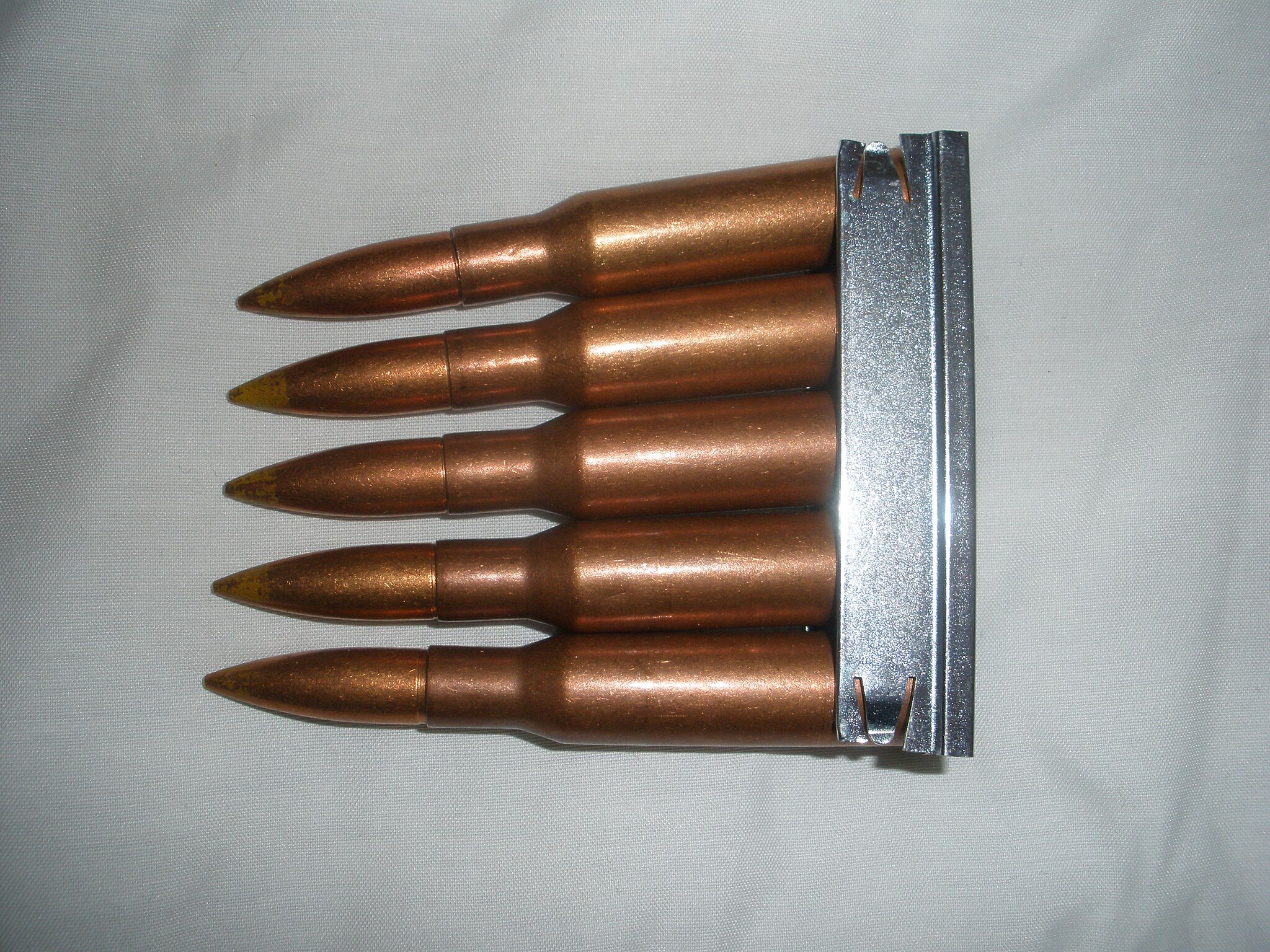
A clip, in technical terms, is a device that holds multiple cartridges together primarily to facilitate faster loading into a magazine or firearm. Unlike magazines, clips contain no spring or follower and do not feed ammunition during firing. They act as organizational tools rather than active components. Classic examples include stripper clips and en bloc clips, each serving distinct mechanisms. Clips emerged from practical needs for speed and efficiency, particularly in military contexts. Their simplicity contrasts sharply with magazine construction. Recognizing this difference clarifies why enthusiasts emphasize terminology. The distinction is functional, not semantic, grounded in mechanical purpose.
Historical Roots of the Terminology

Firearms vocabulary reflects technological milestones. Early repeating rifles and military service weapons often relied on clips to streamline reloading under demanding conditions. As detachable magazines became widespread, terminology evolved, but older language persisted. Veterans, collectors, and historians frequently inherited traditional terms tied to specific platforms. Over time, civilian exposure shifted toward magazine-fed designs, subtly altering common speech. Cultural memory, however, rarely updates uniformly. Words survive long after technology changes, especially when reinforced by storytelling and media. This historical layering explains why terminology can feel generational. It is less about correctness and more about linguistic inheritance shaped by mechanical eras.
Generational Perspectives on Precision
For experienced shooters and armorers, terminology functions as shorthand for mechanical understanding. Precision reduces ambiguity when discussing maintenance, safety, or performance. Younger generations, influenced by broader media exposure, may prioritize accessibility over technical rigor. Neither viewpoint is inherently unreasonable. Language adapts to context, and technical communities naturally favor specificity. Friction arises when expectations differ rather than when knowledge differs. Conversations about vocabulary often reflect identity and belonging within enthusiast circles. Appreciating these dynamics fosters constructive dialogue. The debate ultimately highlights how language carries cultural meaning alongside practical definition.
Media Influence on Vocabulary
Modern vocabulary trends owe much to media repetition. News reports, entertainment content, and social platforms frequently standardize simplified terminology for clarity or speed. Audiences absorb these patterns unconsciously, reinforcing generalized usage. Technical nuance rarely survives the pressures of mass communication. Over time, repetition shapes perceived correctness, even when definitions diverge. Firearms terminology offers a vivid example of this process. Specialists may resist dilution, while broader audiences accept linguistic efficiency. Understanding media’s role reduces frustration by revealing structural influences rather than personal fault. Language evolution often reflects exposure more than education.
Why Enthusiasts Care Deeply
To firearm enthusiasts, terminology connects directly to mechanical literacy and respect for design differences. Using precise words signals familiarity with function, history, and safe handling practices. Mislabeling can imply misunderstanding, even when unintentional. This sensitivity mirrors other technical hobbies where vocabulary conveys expertise. Passion for language often reflects pride in knowledge rather than hostility. Recognizing intent behind corrections helps soften perceived tension. The emphasis is educational at its core, grounded in clarity. Appreciating this motivation reframes debates as discussions about accuracy rather than judgment.
Practical Implications of Correct Usage
Terminology precision carries practical benefits. Clear communication reduces confusion during instruction, troubleshooting, or safety discussions. Distinguishing clips from magazines clarifies how specific firearms operate and reload. Ambiguity can complicate training environments, particularly for new shooters. Consistent vocabulary supports effective learning and maintenance. While casual conversation tolerates flexibility, technical contexts benefit from accuracy. The value lies in shared understanding rather than rigid enforcement. Language becomes a tool for safety and efficiency, not merely correctness. This pragmatic perspective bridges differing attitudes.
Language Evolution and Acceptance
All technical language evolves. Words shift meaning as technologies, communities, and cultural influences change. Firearms terminology is no exception. Broader usage patterns sometimes expand beyond original definitions, reflecting communication trends. Resistance and adaptation coexist in this process. Understanding evolution does not negate mechanical accuracy, but it contextualizes disagreement. Language serves users, and communities negotiate meaning over time. Awareness of this dynamic encourages patience and flexibility. Precision and accessibility need not conflict. Both can coexist depending on context.
Finding Common Ground in Conversation
Constructive dialogue begins with recognizing differing backgrounds rather than assuming error. Many people adopt terminology through media, family, or casual exposure, not formal instruction. Respectful clarification preserves accuracy without alienation. Shared interest in firearms offers natural common ground. Language debates become opportunities for education and mutual understanding. Precision remains valuable, but tone shapes reception. Curiosity fosters learning more effectively than correction alone. Ultimately, terminology discussions reflect communication, culture, and history intertwined. Appreciating that complexity enriches the conversation for everyone involved.