
Lever-action rifles inspire a unique kind of enthusiasm. Their balance, handling, and mechanical simplicity give them a timeless appeal that attracts both traditionalists and modern shooters. New owners often feel tempted to personalize these rifles immediately, encouraged by a growing aftermarket of accessories promising improved performance or enhanced style. Yet many early upgrades deliver disappointment rather than satisfaction. Some additions disrupt the rifle’s natural handling, while others solve problems that rarely existed. The result is often unnecessary expense and a gradual realization that the original design already excelled in practical ways. Understanding which upgrades commonly lead to regret can help owners make smarter choices and preserve what makes lever guns special.
Oversized Lever Loops
Large lever loops frequently top the list of first-time modifications. Their visual appeal is undeniable, often associated with cinematic flair and rugged aesthetics. In practice, however, many shooters discover that oversized loops compromise comfort and efficiency. Excessive space inside the loop can cause inconsistent hand placement and slower cycling. Cold-weather use, which supposedly benefits from gloved operation, may still feel awkward due to altered leverage and movement. Extended shooting sessions sometimes reveal increased fatigue as the hand travels farther with each cycle. The factory loop typically reflects careful ergonomic balance. While enlarged loops suit specific preferences or niche uses, many owners eventually recognize that dramatic size increases offer more style than functional improvement.
Heavy Accessory Rails
Mounting rails often attract buyers seeking versatility for optics or attachments. Although Rails expands configuration options, they also introduce noticeable weight and bulk. Lever-action rifles traditionally shine for their light, responsive feel, qualities easily diminished by excessive metal additions. The shift in balance can affect natural pointing and quick handling. Some owners also find that rails alter the rifle’s classic visual character, creating a hybrid appearance that feels mismatched. Installation may require permanent changes that reduce collector appeal. For shooters prioritizing traditional handling and aesthetics, large rail systems sometimes deliver unintended drawbacks. A minimalist approach often proves more satisfying, preserving the rifle’s inherent agility and visual harmony.
Tactical Style Stocks
Modernized stocks designed to mimic contemporary sporting rifles attract those seeking adjustability or a different appearance. Despite potential ergonomic benefits, these replacements frequently disrupt the lever gun’s identity and balance. The altered geometry may feel unfamiliar, diminishing the intuitive handling many shooters value. Additional components can introduce complexity without proportional advantage. Visual contrast between classic actions and modern furniture sometimes creates an aesthetic disconnect. Practical gains may also prove marginal for typical hunting or recreational use. Owners drawn initially to tactical styling often reconsider after extended handling. Traditional stock designs evolved alongside lever mechanisms, providing comfort and control that newer configurations do not always replicate successfully.
Excessively Bright Finishes
Refinishing projects and decorative coatings promise individuality, yet bold visual treatments sometimes lead to regret. Bright colors or highly reflective surfaces can clash with the rifle’s traditional lines. Beyond appearance, certain finishes may show wear or scratches more prominently than subdued options. Hunting applications may suffer due to unwanted glare or visibility. Resale value occasionally declines when unconventional aesthetics narrow buyer interest. While personal expression remains important, dramatic cosmetic changes often age less gracefully than anticipated. Many owners later prefer understated finishes that complement the rifle’s heritage. Subtle visual enhancements typically preserve long-term satisfaction better than attention-grabbing alterations.
Ultra Lightweight Internal Parts
Aftermarket lightweight components appeal to shooters seeking smoother action or faster cycling. Yet reducing mass within mechanical systems requires careful engineering balance. In some cases, reliability and durability may suffer when parts lack sufficient strength or stability. Changes intended to improve performance can introduce sensitivity to ammunition or wear. Diagnosing issues becomes more complicated when multiple nonstandard components interact. Lever actions historically earned praise for robustness, partly due to conservative design choices. Owners experimenting with aggressive weight reduction sometimes revert to factory configurations. Reliability often outweighs marginal gains, reinforcing appreciation for original mechanical proportions.
Oversized Optics
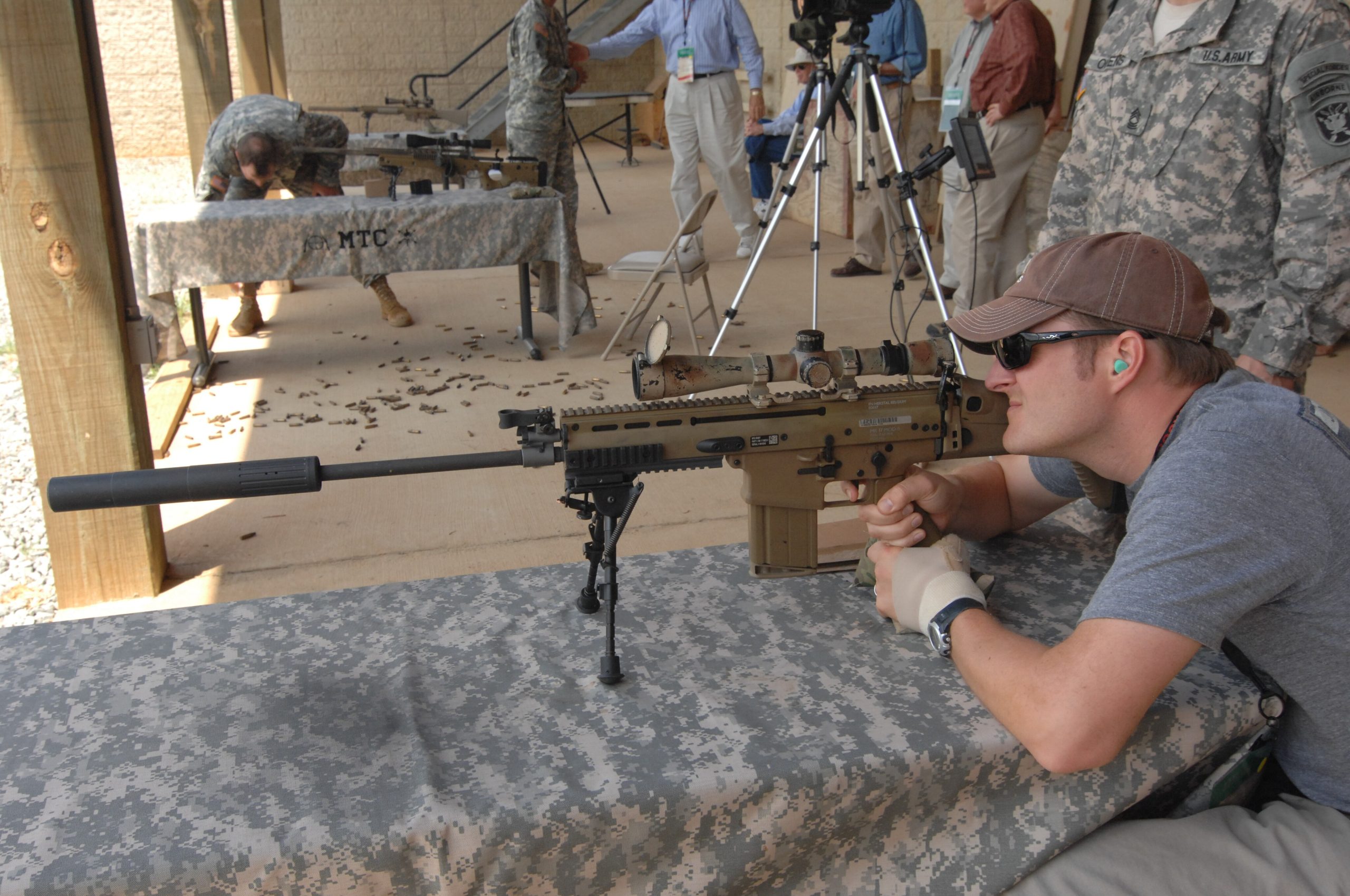
Large optics frequently attract buyers accustomed to modern rifle setups. Lever-action rifles, however, typically emphasize compact handling and quick target acquisition. Bulky scopes can feel top-heavy, altering balance and diminishing responsiveness. Sight alignment may become slower in dynamic shooting scenarios. Mounting challenges sometimes require additional hardware, compounding weight concerns. Visual proportions may also appear inconsistent with the rifle’s slender profile. Many owners eventually favor smaller optics or traditional sights better suited to the platform’s character. Matching equipment scale to rifle design often yields more satisfying results than imposing oversized solutions.
Complicated Sling Systems
Elaborate sling configurations promise versatility but occasionally reduce practicality. Lever guns often benefit from simple, functional carry solutions. Excess straps, swivels, or adjustment points can create tangles or noise during movement. Handling may feel cluttered, especially in field conditions. Minimalist sling designs typically meet real-world needs without introducing distraction. Owners seeking efficiency frequently return to straightforward setups after experiencing unnecessary complexity. Practicality and ease of use generally outweigh novelty in this area.
Decorative Engraving Additions
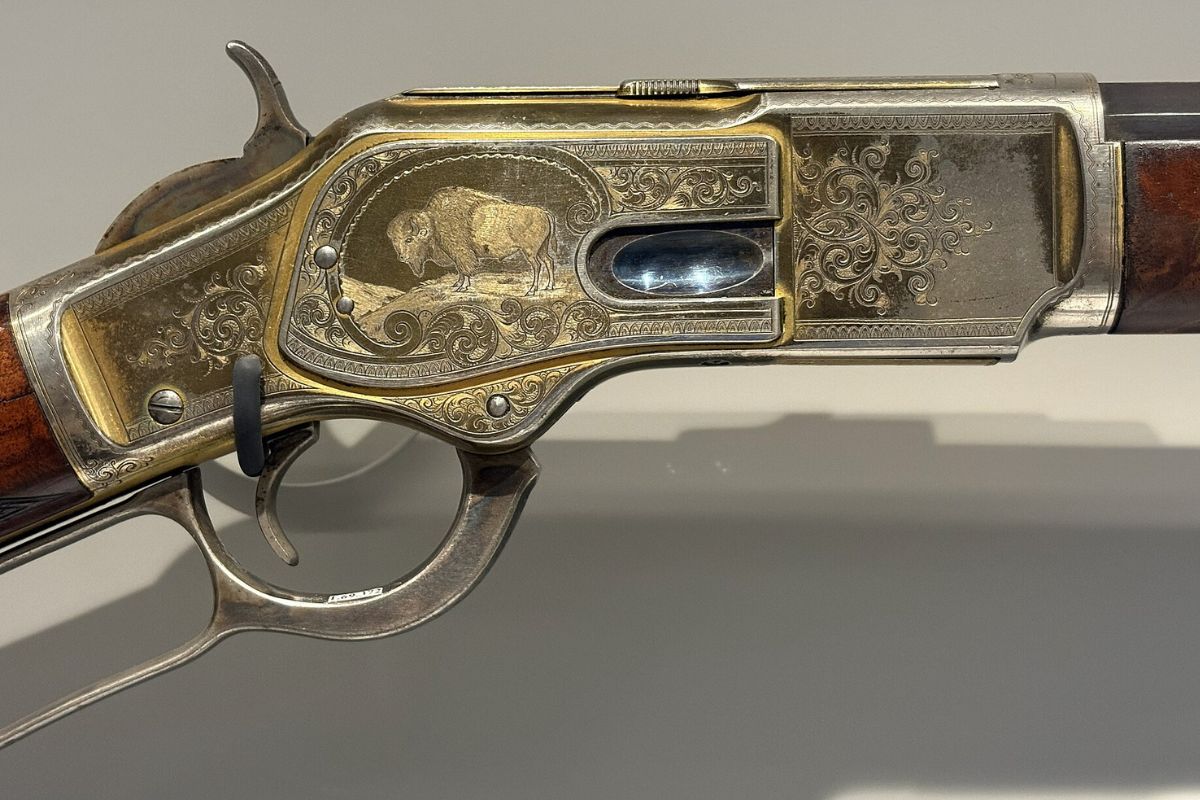
Custom engraving and embellishments attract collectors and enthusiasts alike. While tasteful work enhances visual appeal, excessive or poorly executed designs sometimes produce disappointment. Personal taste varies, and elaborate decoration may limit broader appreciation or resale potential. Alterations can also overshadow the rifle’s inherent elegance. Owners occasionally discover that subtle detailing complements the firearm more effectively than extensive ornamentation. Balance between enhancement and restraint proves essential for lasting satisfaction.
Aggressive Grip Modifications
Texturing or reshaping grip surfaces may promise improved control. Overly aggressive treatments, however, can compromise comfort during extended shooting. Rough finishes may irritate hands or damage gear. Lever actions generally produce mild recoil, reducing the necessity for extreme grip enhancements. Many shooters later prefer moderate or factory textures offering sufficient control without discomfort. Ergonomic balance remains key.
Trend-Driven Accessory Choices
Market trends influence purchasing decisions, encouraging upgrades based on popularity rather than necessity. Accessories that appear appealing online may disappoint in everyday use. Lever actions possess distinct handling qualities that not all modern components respect. Owners sometimes accumulate costly additions only to remove them later. Thoughtful evaluation of purpose and compatibility typically prevents regret. Preserving the rifle’s natural strengths often delivers greater long-term enjoyment than chasing fleeting trends.