
Growing awareness about environmental health, wildlife conservation, and long-term ecosystem stability has pushed many states to reevaluate the use of traditional lead-based ammunition. While hunters, sport shooters, and landowners often debate the practicality and cost of switching to lead-free options, regulations continue to expand across the country. Understanding why these rules are increasing, how they affect shooters, and what alternatives exist can help everyone navigate a shift that is gradually reshaping American ammunition choices.
Wildlife Agencies Are Responding to Lead Poisoning in Animals

As more studies confirm that scavengers such as eagles, hawks, and vultures ingest lead fragments from gut piles or unrecovered game, wildlife agencies have felt pressure to introduce tighter rules. These policies aim to reduce unnecessary animal suffering while safeguarding vulnerable species already facing habitat loss. Even small amounts of lead can weaken birds, affect reproduction, and cause behavioral changes that impact overall conservation efforts. Because evidence keeps building, agencies are moving toward solutions centered on preventive action.
States Are Expanding Non-Lead Zones Near Sensitive Habitats
Many states have gradually widened areas where lead ammunition is restricted, particularly around wetlands, nesting zones, and migration corridors. Officials argue that these expansions help protect species that are especially prone to ingesting or absorbing lead. The growth of these zones is also tied to better monitoring, which now identifies hotspots more precisely. While some hunters view the rules as inconvenient, agencies highlight surveys showing meaningful benefits when lead exposure drops. As mapping technology improves, more targeted non-lead zones are expected.
Lead Contamination in Soil and Water Raises Long-Term Concerns
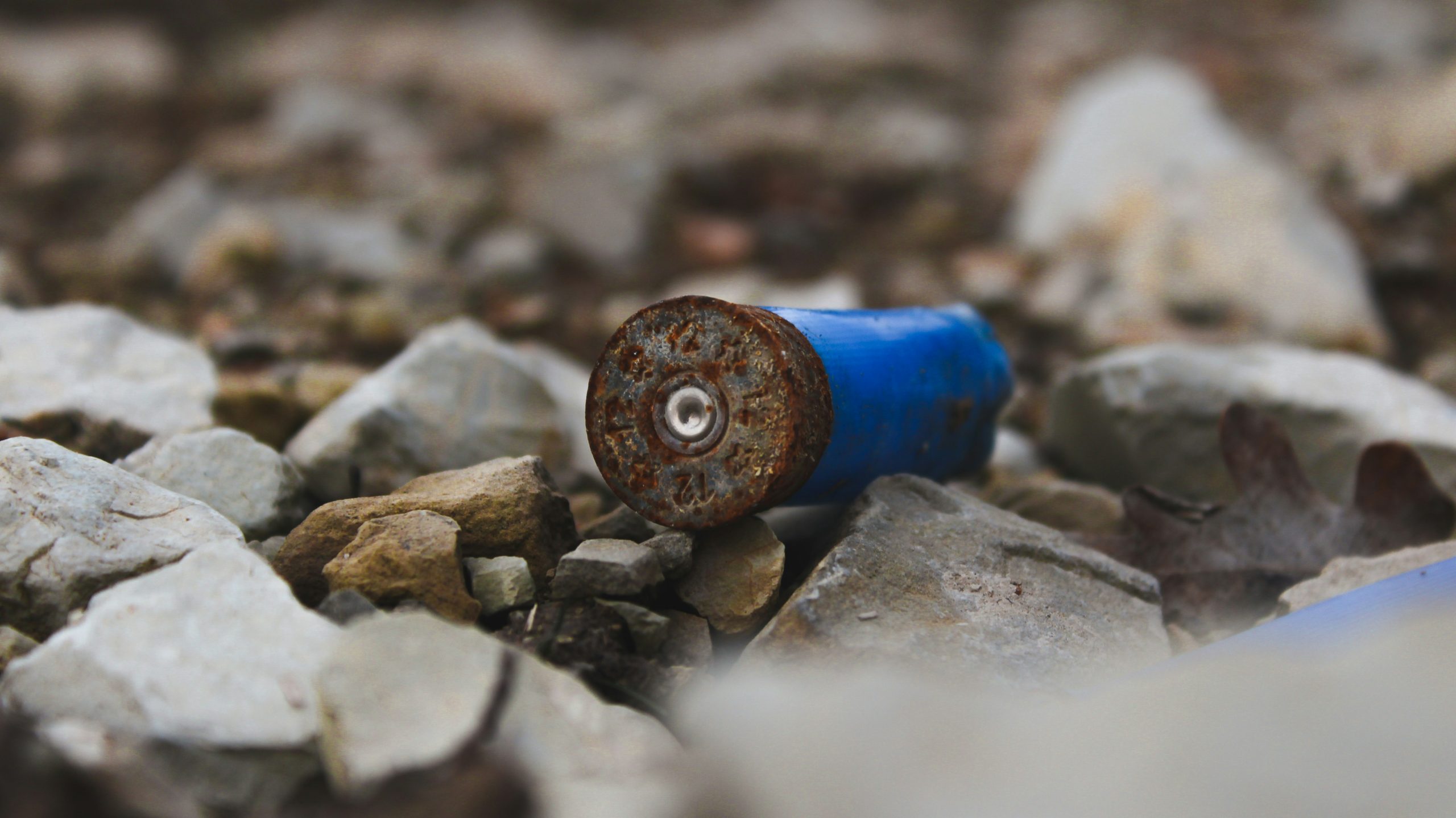
Lead from spent bullets can slowly accumulate in soil or seep into water sources, creating challenges for land managers and nearby communities. Even though most ranges mitigate these impacts, unmanaged or heavily used public areas can still experience a gradual buildup. Environmental experts warn that cleanup is costly and often less effective than prevention. As land-use pressures increase, states are adopting regulations that encourage non-lead choices to reduce contamination risks. The push is less about immediate danger and more about long-term sustainability.
Health Organizations Warn About Human Lead Exposure Risks
Public health officials continue to emphasize that lead exposure, even at low levels, poses risks to adults and children. While most hunters process game carefully, tiny lead fragments can remain in meat if bullets fragment heavily. Some communities, especially those that rely heavily on wild game, are more vulnerable. This has prompted educational campaigns and legislative proposals focusing on safer ammunition types. Regulators argue that switching to non-lead options can reduce potential health risks without restricting hunting traditions or access to wild protein.
Federal Pressure and Future Policy Shifts Are Influencing States
Although federal regulations on lead ammunition remain limited, broader national conversations about environmental health shape how states act. Agencies anticipate future federal guidance, particularly as scientific panels recommend reducing lead exposure across all sectors. This expectation motivates states to implement incremental changes now rather than face sudden mandates later. Even without sweeping federal action, policy trends in conservation funding and public-lands management suggest that lead-reduction measures will continue gaining momentum. States are adapting early to avoid disruptive transitions.
Modern Lead-Free Ammunition Performs Better Than Old Versions

Early copper and alloy bullets often struggled to expand reliably, leading to skepticism among hunters. Today’s designs are significantly more advanced, offering consistent expansion, deeper penetration, and strong terminal performance across a wide range of calibers. These improvements have helped ease concerns that switching to non-lead options sacrifices effectiveness. As more shooters try modern alternatives and share positive experiences, resistance gradually decreases. Better performance has become a major reason states feel more confident promoting or requiring lead-free ammunition.
Manufacturers Are Increasing Production as Demand Grows
Ammunition companies have invested heavily in producing high-quality lead-free options, responding to both regulatory pressure and shifting consumer preferences. As manufacturing scales, availability improves, and pricing becomes more competitive. This growth also encourages innovation, giving shooters access to purpose-built loads for hunting, self-defense, and range use. Increased supply means states can implement regulations without creating shortages. The expanded market signals that non-lead ammunition is no longer a niche product but a mainstream option ready for wider adoption nationwide.
Ranges and Public Lands Are Updating Their Management Plans
Ranges and land managers have begun revising operational guidelines to reduce long-term lead buildup and meet evolving state expectations. Some facilities now encourage or require non-lead ammunition for certain activities, particularly on environmentally sensitive sites. These changes help minimize future cleanup costs and simplify compliance with potential regulations. Public land agencies also promote voluntary lead-free efforts to protect wildlife commonly found near shooting areas. These management updates align with broader conservation goals and reflect the growing shift in shooting practices.
Hunter Education Programs Emphasize Voluntary Lead Reduction
Many state hunter-education courses now include information about the benefits of using non-lead ammunition. Instructors highlight how wildlife scavengers can be unintentionally exposed, and they demonstrate how modern options perform effectively in the field. By presenting the change as a responsible and ethical choice rather than a mandate, agencies hope to build grassroots support. These programs often show hunters how minor adjustments can yield positive ecological outcomes. The focus on education helps reduce tension and encourages more voluntary adoption nationwide.
Conservation Groups Are Rallying Behind Non-Lead Initiatives
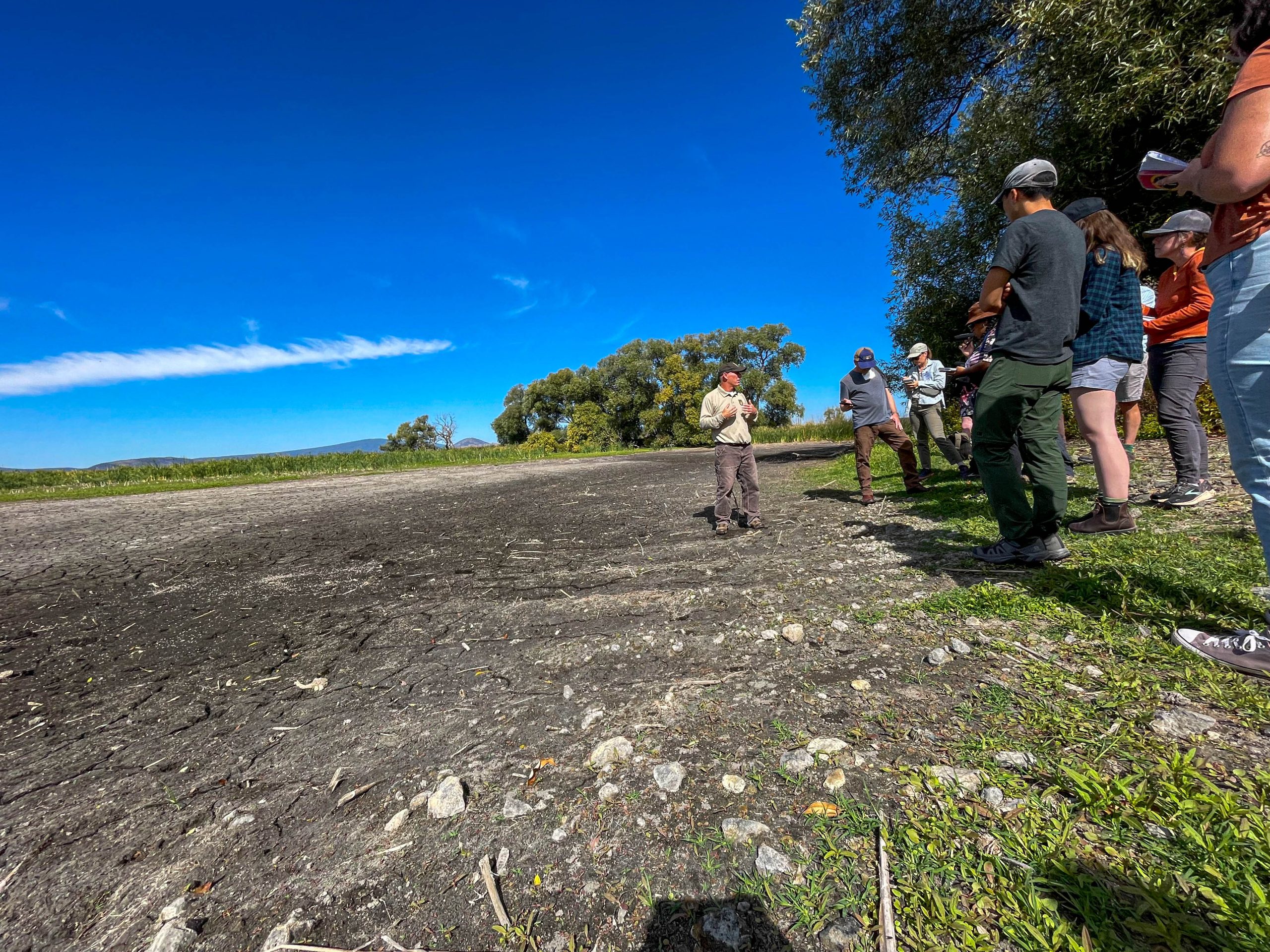
A variety of conservation groups, from local wildlife associations to national organizations, are promoting lead-free ammunition as part of broader stewardship efforts. Their campaigns typically stress shared values rather than political pressure, emphasizing the importance of preserving healthy ecosystems for future generations. These groups partner with hunting communities, providing demonstrations, data, and sometimes discounted ammunition to encourage participation. Their involvement adds credibility to state initiatives and helps bridge gaps between policymakers and outdoorsmen who want practical, effective solutions.