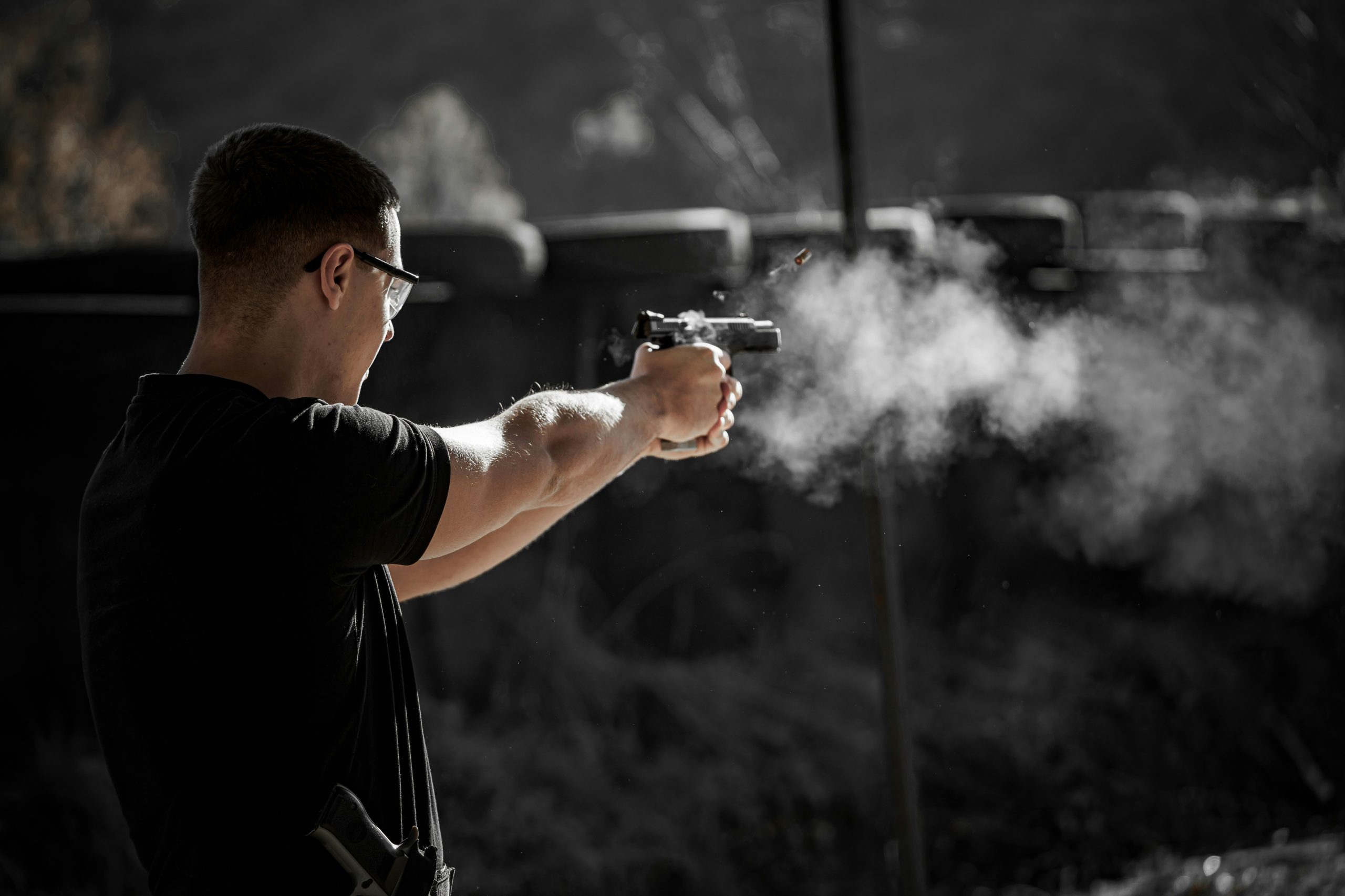
Few handgun cartridges carry the cultural weight of the .44 Magnum. Introduced in the mid-1950s, it quickly became a symbol of raw power, American confidence, and mechanical excess. Decades later, many shooters still ask whether it has a real place in a world dominated by polymer pistols and high-capacity magazines. The answer is more nuanced than simple nostalgia. The .44 Magnum was never meant to be a do-everything round, and judging it by modern defensive trends misses its original purpose. Its relevance today depends on context, environment, and expectations. When evaluated honestly, the cartridge still fills roles that newer designs struggle to replace, even if it no longer dominates mainstream conversations.
Ballistic Performance That Still Commands Respect
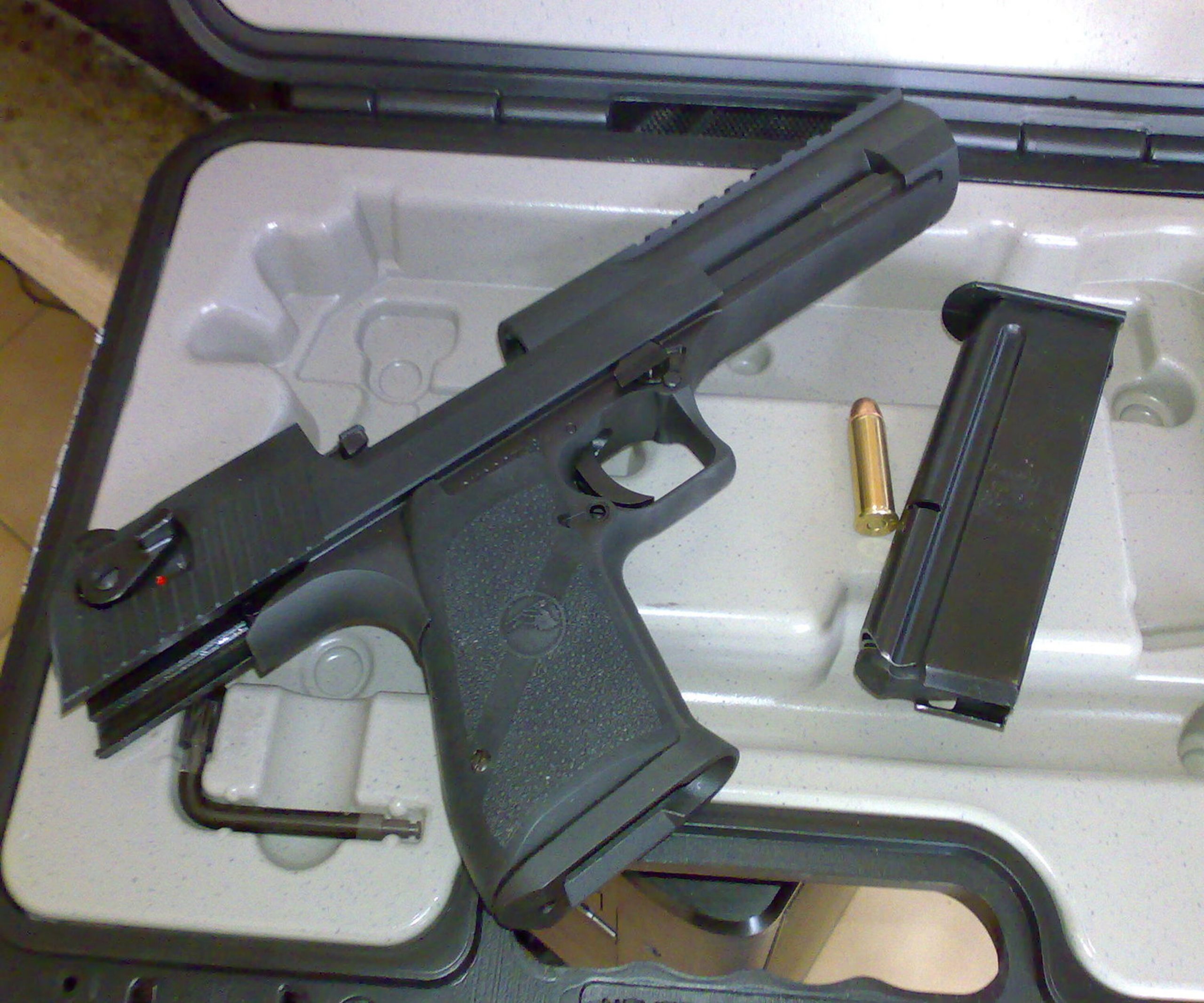
From a purely ballistic standpoint, the .44 Magnum remains extremely capable. It delivers deep penetration, high energy, and consistent performance across a wide range of bullet weights. In hunting applications, it can humanely take medium to large game at appropriate distances when paired with proper shot placement. Modern bullet design has improved controllability and terminal behavior, making today’s loads more refined than early versions. While newer calibers attempt to match its numbers, few replicate its balance of momentum and versatility from revolver-length barrels. The cartridge’s raw performance has not diminished with time, even if shooter tolerance and practical needs have shifted.
Recoil, Control, and the Reality of Shootability
Recoil is where the .44 Magnum draws its strongest criticism, and fairly so. Full-power loads demand technique, strength, and practice, especially in lighter revolvers. For inexperienced shooters, follow-up shots are slow, and accuracy suffers. However, modern revolvers, improved grips, porting, and reduced-recoil loads have softened the experience. The cartridge also allows flexibility, as shooters can practice with lighter loads and step up power when needed. The .44 Magnum rewards discipline rather than speed. It is not forgiving, but it is honest, clearly communicating errors in grip, stance, and trigger control.
Defensive Use in Today’s World
As a defensive cartridge, the .44 Magnum occupies a narrow but legitimate space. For concealed carry or urban defense, it is impractical due to recoil, overpenetration concerns, and revolver size. However, in rural environments where animal threats are realistic, it remains highly relevant. Against large predators, it offers penetration and stopping power that many service calibers lack. Defensive relevance here is situational, not universal. It excels where barriers, thick hide, or bone are concerns. Judged by the wrong criteria, it seems obsolete; judged by the right ones, it remains a serious option.
Hunting Applications Where It Still Shines

Hunting is where the .44 Magnum continues to justify its reputation. In states that allow handgun hunting, it remains a top choice for deer, hogs, and black bear at ethical ranges. Its effectiveness is well documented, and recoil becomes manageable when shots are deliberate rather than rapid. Modern optics-ready revolvers and hunting-specific loads have extended their usefulness. Unlike rifle cartridges, the .44 Magnum emphasizes patience and precision. It remains relevant not because it is trendy, but because it consistently performs its intended task with reliability and predictability in the field.
Versatility Through Ammunition Selection
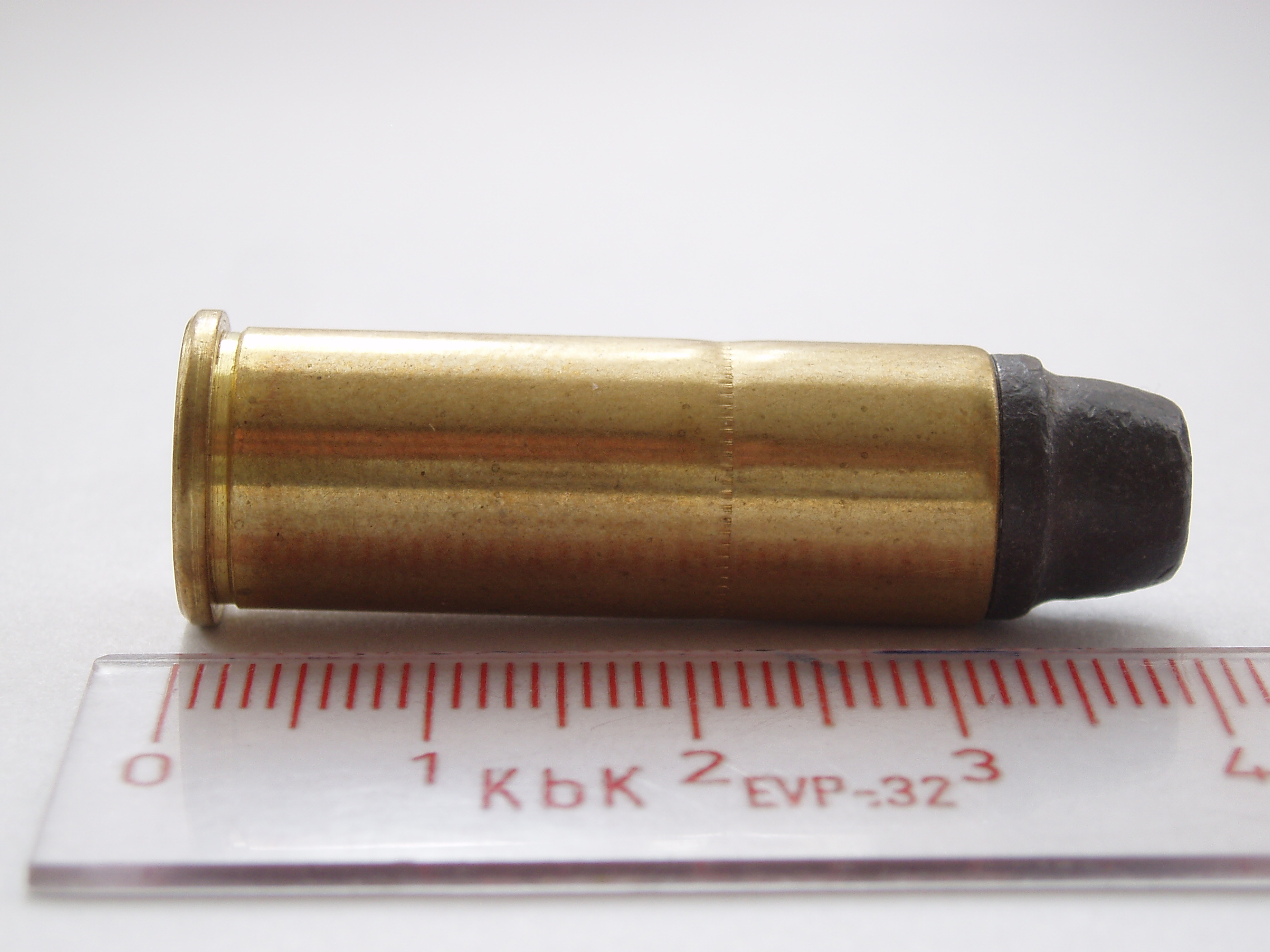
One often-overlooked strength of the .44 Magnum is ammunition versatility. Shooters can run mild loads approaching .44 Special levels or step up to heavy hard-cast bullets for deep penetration. This flexibility allows a single revolver to cover training, defense against wildlife, and hunting roles. Few cartridges offer such a wide usable spectrum without changing platforms. Advances in powder efficiency and bullet construction have expanded this range further. Rather than being locked into one performance envelope, the .44 Magnum adapts to the shooter’s needs, provided expectations are realistic, and skill is developed accordingly.
Revolver Reliability in a Semi-Auto World
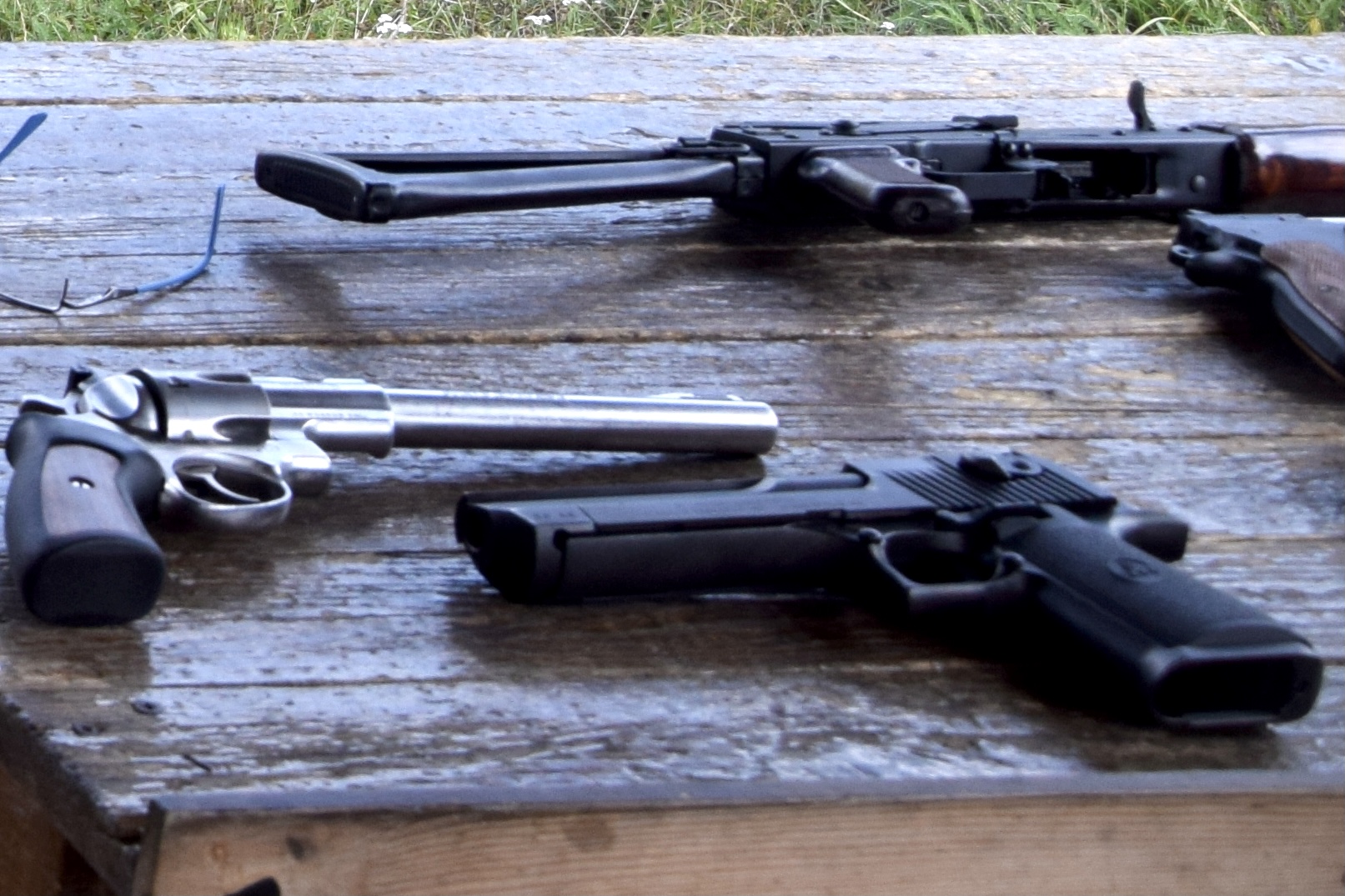
The .44 Magnum is inseparable from the revolver, and that relationship still matters. Revolvers offer mechanical reliability, simplicity, and tolerance for varied ammunition. In harsh conditions, such as cold, dirt, or extended outdoor exposure, this can be a meaningful advantage. While capacity is limited, reliability under neglect is not. For users who prioritize certainty over volume, the platform remains appealing. The relevance of the .44 Magnum is tied to this mindset. It is not about rapid reloads or capacity dominance, but about deliberate use with a tool that functions when conditions are far from ideal.
Cultural Impact Versus Practical Reality
The .44 Magnum’s reputation often works against it. Pop culture framed it as excessive, loud, and intimidating, which overshadows its practical strengths. Many dismiss it based on image rather than experience. In reality, its continued relevance lies in specialized use rather than mainstream adoption. It is no longer a symbol of the future, but it is not a relic either. Understanding where it excels requires separating myth from mechanics. When stripped of hype, the cartridge reveals itself as a focused tool that remains useful when applied within its natural limits.
Final Verdict: Relevant, But Not Universal
The .44 Magnum is still relevant today, but not for everyone. It thrives in roles that demand penetration, reliability, and power rather than speed or capacity. Hunters, outdoorsmen, and rural defenders continue to benefit from its strengths. For casual shooters or modern defensive doctrine, it may feel excessive and impractical. Its relevance has narrowed, not vanished. When judged fairly and used intentionally, the .44 Magnum remains one of the most capable handgun cartridges ever produced. It endures not because of nostalgia, but because it still does what it was designed to do exceptionally well.