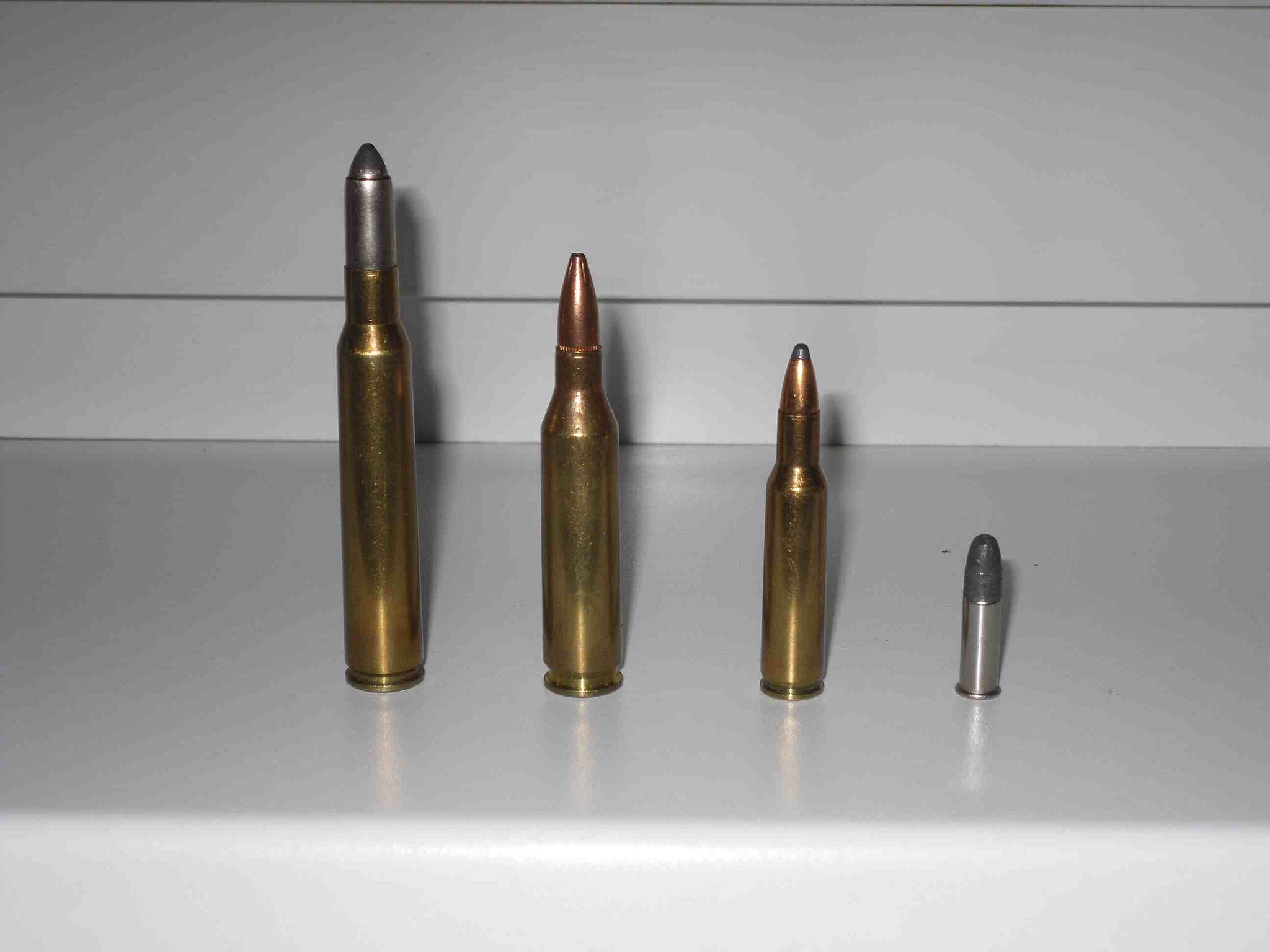
Few cartridges generate as much debate as the .22 Long Rifle. It is small, inexpensive, easy to shoot, and nearly universal, yet its suitability for personal defense sparks strong opinions. Some dismiss it outright, while others argue that practical realities matter more than raw power. The truth sits somewhere between extremes. Understanding the .22 LR requires looking beyond internet folklore and examining physics, firearm behavior, human factors, and context. This discussion does not treat the cartridge as magical or useless. Instead, it explores why the .22 LR remains both underestimated and limited, and why serious conversations about defensive tools must balance controllability, reliability, terminal performance, and user capability rather than rely on caliber alone.
Why the .22 LR Earned Its Reputation
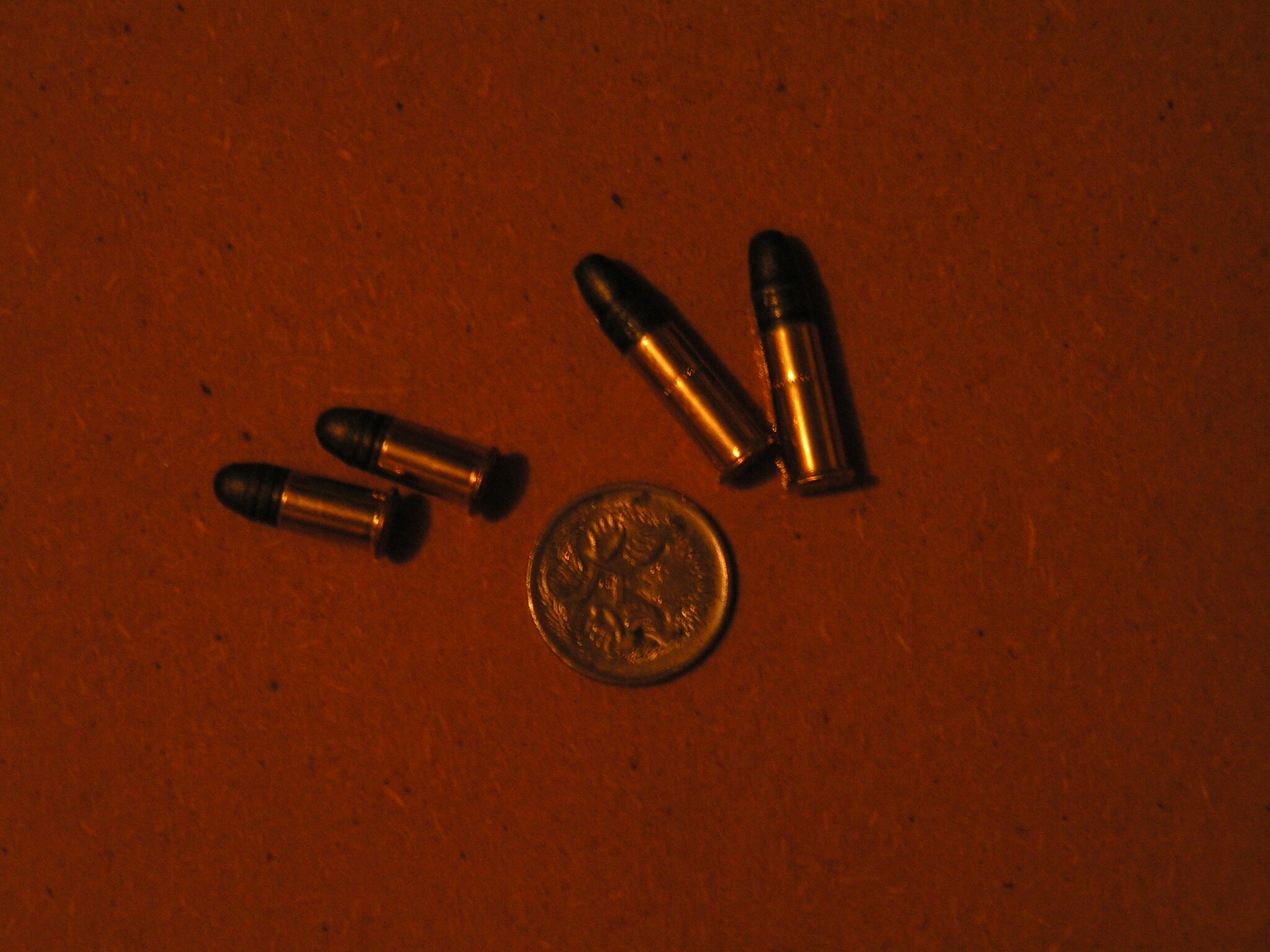
The .22 LR’s reputation did not arise randomly. Compared with service calibers, it launches very light bullets at modest velocities, producing far less energy. In a world where defensive discussions often revolve around stopping power, numbers drive perception. Historically, the cartridge was designed for training, small game, and recreational shooting, not duty use. Its mild report and negligible recoil reinforced the idea that it belongs to beginners and plinkers. Yet reputation can oversimplify reality. Effectiveness depends on many interacting variables, including shot placement, penetration, and mechanical reliability. Dismissing the cartridge solely because of energy figures ignores that it can still penetrate tissue, while praising it without acknowledging constraints ignores genuine shortcomings.
Ballistics Without the Hype
Ballistic performance is frequently misunderstood. The .22 LR typically fires bullets weighing between 30 and 40 grains at velocities that vary widely depending on barrel length and load type. While energy is low relative to larger cartridges, penetration can be surprisingly adequate under certain conditions. However, adequate does not mean consistent or optimal. Bullet construction, impact velocity, and intermediate barriers heavily influence results. Unlike centerfire defensive ammunition engineered for predictable expansion, many .22 loads prioritize accuracy or affordability. The cartridge’s small diameter also limits wound potential. Ballistics alone neither condemn nor redeem the round. They simply highlight tradeoffs. Any realistic evaluation must consider variability and avoid exaggerated claims from both critics and advocates.
Recoil, Control, and Practical Accuracy
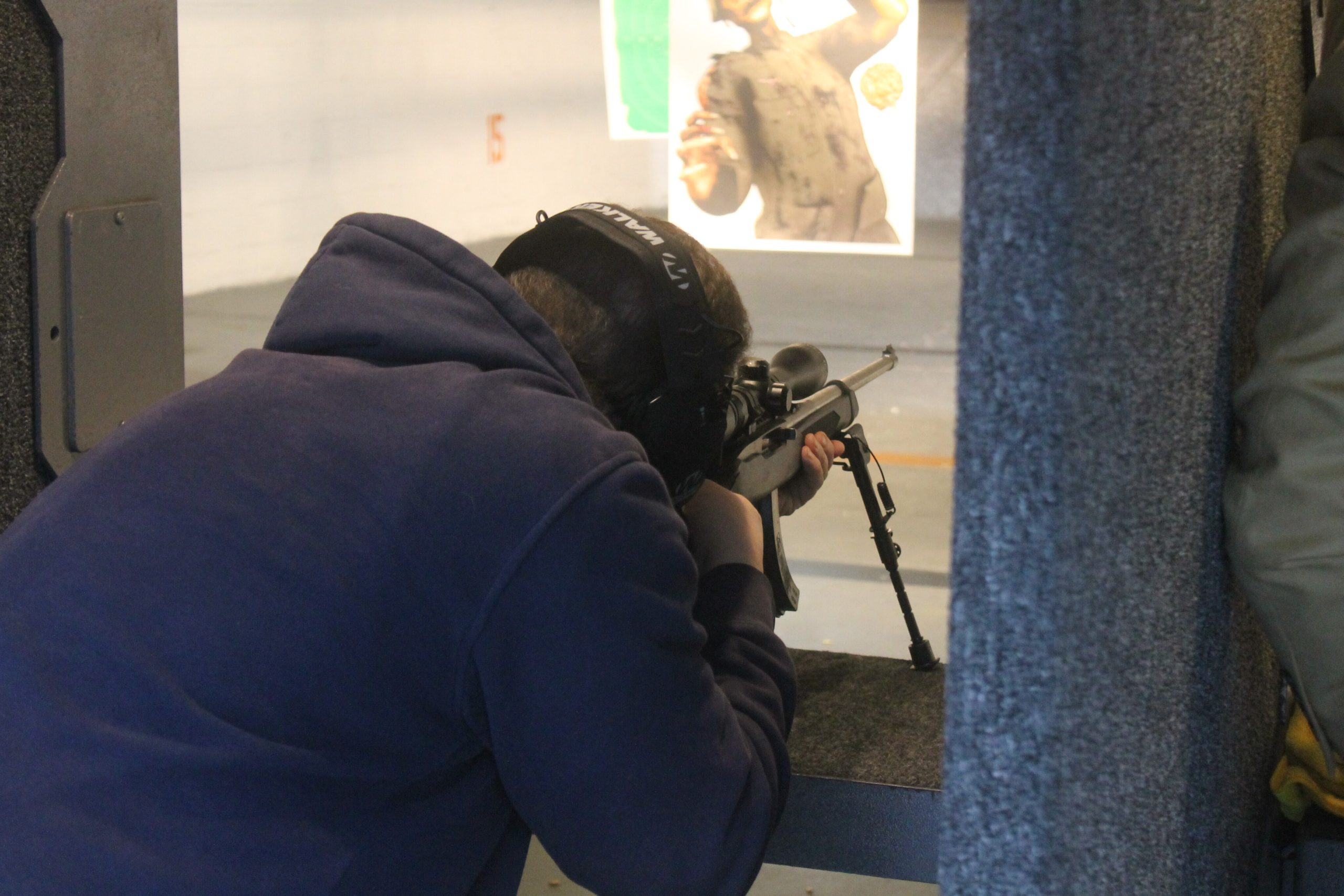
One genuine advantage of the .22 LR is shootability. Minimal recoil reduces flinch, accelerates follow-up shots, and often improves practical accuracy, particularly for inexperienced shooters or those sensitive to recoil. Firearm control matters greatly in stressful situations, where maintaining sight alignment and trigger discipline becomes difficult. A manageable platform can outperform a more powerful one that the user cannot control effectively. That said, low recoil cannot compensate for all limitations. Accuracy under pressure still demands training, and smaller projectiles provide less margin for error. Shootability is meaningful, not decisive. It explains why some individuals may prefer smaller cartridges, but it does not automatically elevate them above better-performing options.
Reliability Challenges of Rimfire Systems
Reliability is one of the most critical concerns. The .22 LR is a rimfire cartridge, meaning the priming compound sits in the rim rather than a separate primer. This design inherently carries a higher risk of ignition failures compared with centerfire ammunition. Quality control, storage conditions, and firearm cleanliness strongly affect performance. Even reputable ammunition can occasionally misfire. For recreational use, this is inconvenient. For defensive contexts, it becomes more serious. Modern manufacturing has improved consistency, yet the fundamental difference remains. Any discussion of defensive suitability must acknowledge that mechanical certainty often outweighs minor advantages in recoil or cost. Reliability concerns do not render the cartridge unusable, but they impose caution.
Firearm Platforms and Their Influence
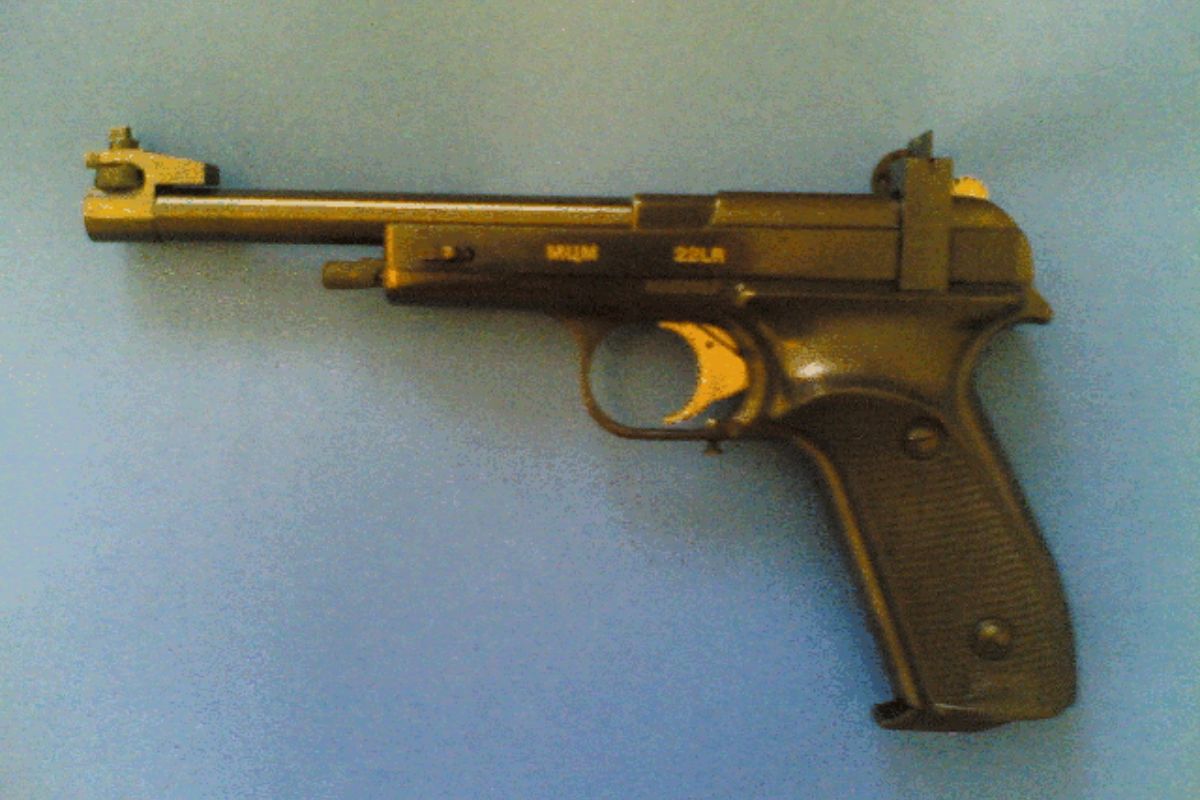
Cartridge behavior cannot be separated from firearm design. .22 LR firearms range from compact handguns to rifles, each presenting different handling characteristics, sighting systems, and mechanical tolerances. Some platforms exhibit excellent reliability and accuracy, while others prove ammunition sensitive. Lightweight triggers and simple blowback mechanisms may aid precision but also demand careful maintenance. Ergonomics, grip size, and sight visibility influence user performance as much as ballistics. A cartridge does not function in isolation. Evaluating suitability requires considering the complete system, including build quality and user familiarity. Overgeneralizing based on caliber alone ignores the substantial variation between firearms that chamber the same round.
Training Value and User Familiarity
The .22 LR’s greatest strength may be its accessibility. Low cost and mild recoil encourage frequent practice, which is essential for developing safe gun handling habits and marksmanship fundamentals. Regular training builds competence, confidence, and mechanical familiarity, all of which influence performance more than caliber debates often admit. A shooter who trains extensively with a .22 may handle it more effectively than a rarely practiced shooter using a larger cartridge. Nevertheless, training value should not be conflated with terminal performance. Practice advantages are real, but they do not erase the cartridge’s physical constraints. The round excels as a learning and maintenance tool even when other cartridges are preferred for defensive roles.
Psychological Factors and Perception
Perception plays a subtle but powerful role in defensive discussions. Louder reports and larger firearms often create impressions of greater authority or deterrence, though such assumptions are difficult to quantify. Conversely, smaller firearms may be perceived as less serious despite being easier to control. Psychological comfort also affects user choice. Fear of recoil, noise sensitivity, or physical limitations can drive individuals toward milder cartridges. These considerations are not trivial. Confidence and willingness to train matter greatly. Yet psychological reassurance must remain grounded in realistic expectations. Equipment should align with both user capability and objective performance rather than rely purely on emotional preference or social pressure.
Legal and Ethical Considerations
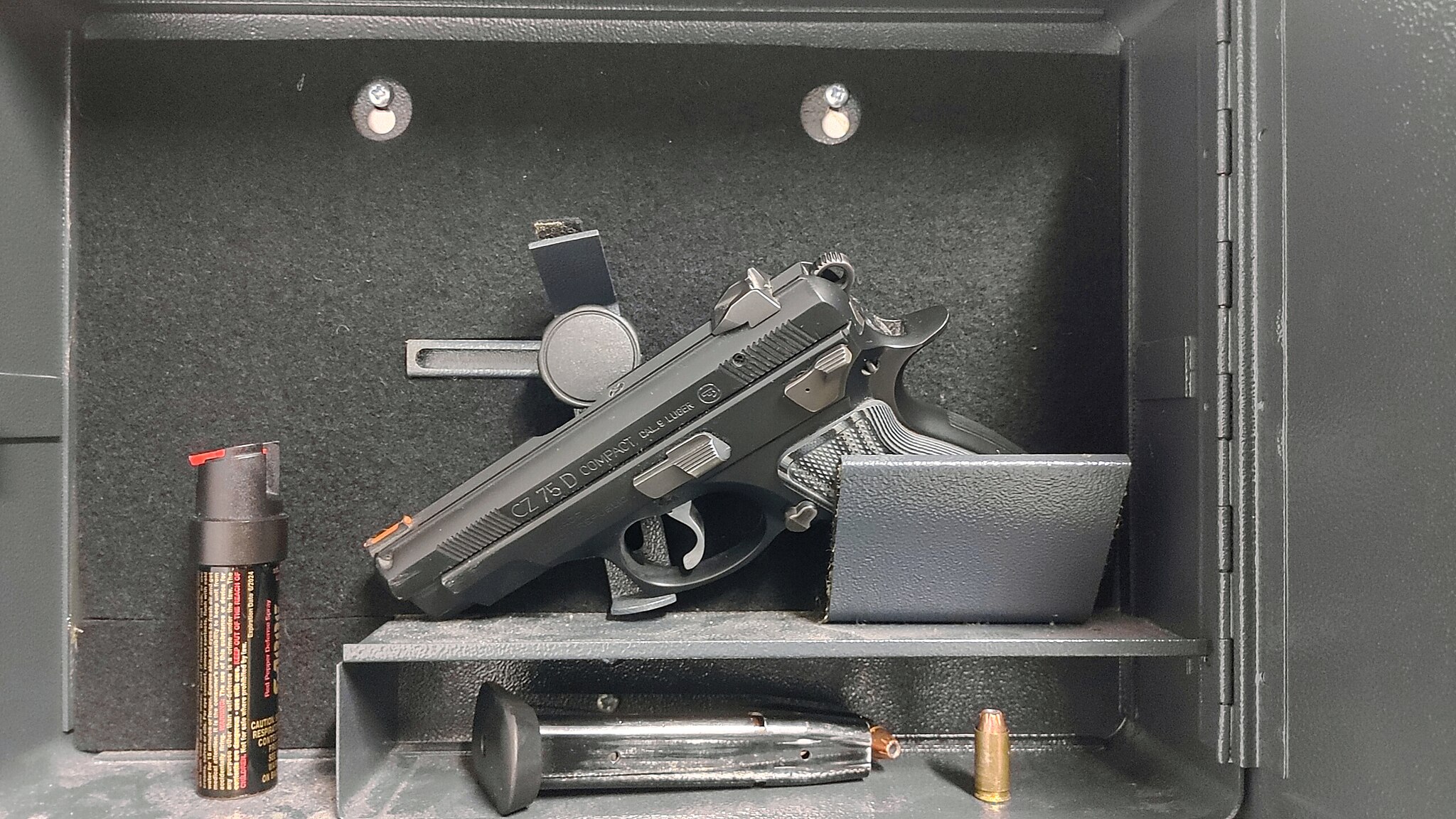
Any defensive tool discussion inevitably intersects with legal and ethical realities. Laws governing firearm ownership, carry, and use vary widely by jurisdiction. Responsible decision making requires understanding local regulations, safe storage practices, and the serious consequences of misuse. Caliber choice does not alter legal responsibilities. Ethical considerations also extend beyond legality, emphasizing avoidance, de-escalation, and situational awareness. Defensive planning should prioritize safety and risk reduction rather than fixation on hardware. The .22 LR debate often overlooks that lawful, informed ownership and consistent training carry greater weight than cartridge selection alone. Context and conduct define outcomes far more than numerical specifications.
Comparing Common Alternatives
When compared with popular defensive cartridges, the .22 LR reveals clear contrasts. Larger centerfire rounds typically offer greater energy, more reliable ignition, and ammunition designed for consistent terminal behavior. These characteristics explain their widespread adoption in defensive roles. However, increased recoil, noise, and cost may deter some users from regular practice. Tradeoffs remain unavoidable. No cartridge provides universal superiority. The comparison illustrates why many experts recommend centerfire options while acknowledging that user capability and comfort influence real-world choices. Evaluating alternatives requires balancing controllability, reliability, and practical accuracy rather than assuming any single attribute determines effectiveness.
So, is the .22 LR Useless for Defense?
Labeling the .22 LR as useless oversimplifies a complex topic. The cartridge is undeniably limited in power and rimfire reliability, yet it is also controllable, widely available, and capable of penetration. These qualities explain why it persists in discussions despite criticism. Suitability ultimately depends on context, expectations, and user competence. It should not be portrayed as equivalent to service calibers, nor dismissed as incapable of effect. Nuanced evaluation avoids extremes. Understanding strengths and weaknesses encourages realistic decision-making grounded in physics and practicality. As with any defensive consideration, training, safety, and legal awareness remain more important than caliber arguments alone.