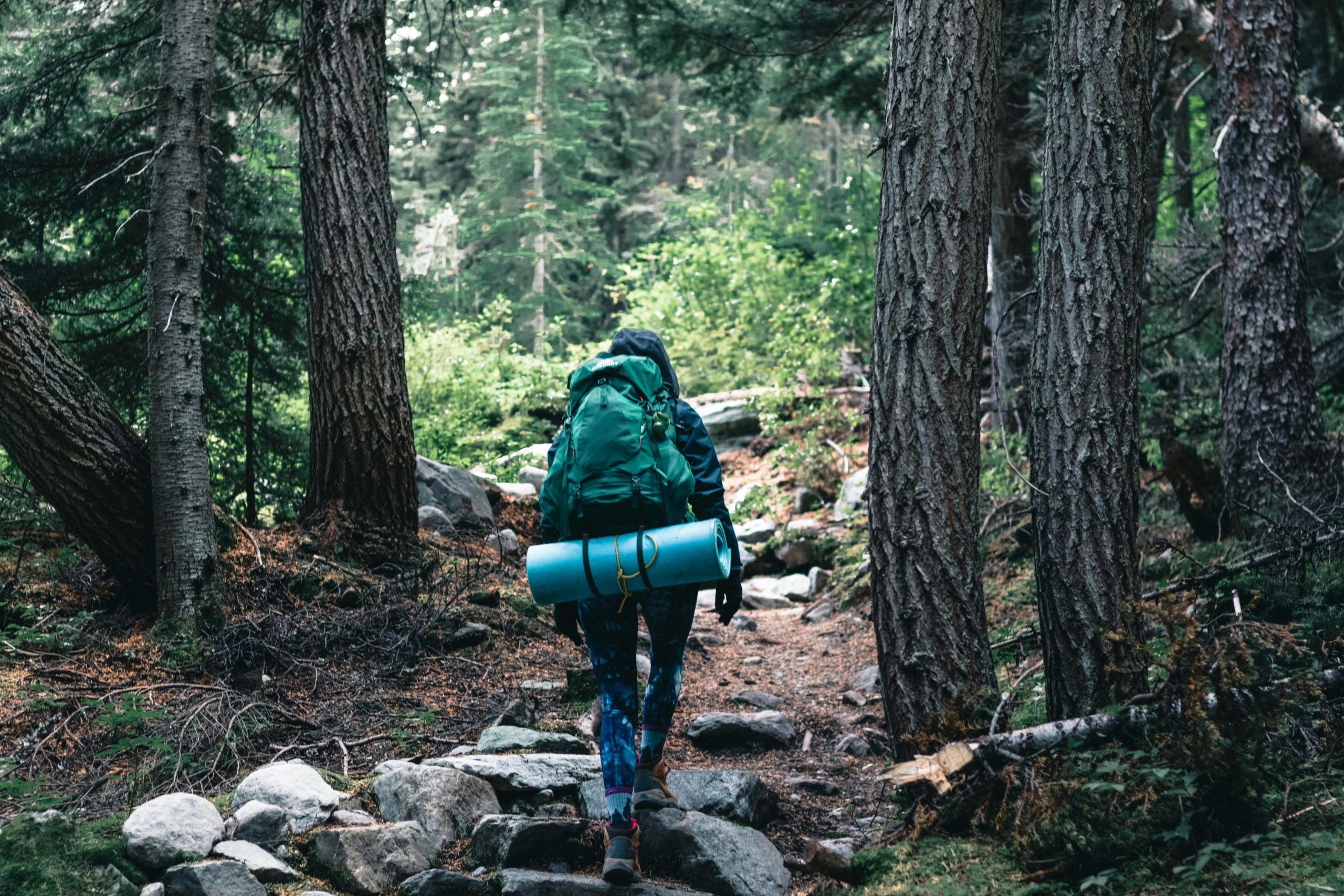
Solo hiking always sounded peaceful to me. The idea of walking alone through forests, mountains, and deserts felt like the perfect way to clear my mind and challenge myself. Over the past few years, I completed fourteen solo hikes across different terrains, from dry canyon trails to steep alpine routes. Most of those trips went exactly as planned, but nine of them came much closer to disaster than I expected. Hiking alone means every mistake becomes your own problem to fix, and sometimes the environment does not give you much time to react. Sudden weather changes, wrong turns, wildlife encounters, and simple overconfidence can turn a normal hike into a serious situation. These moments taught me lessons that I will never forget. Each story below describes a real situation where I had to stay calm, think clearly, and make the right decision to get back safely. These are the nine times I almost did not make it back.
1. Lost the Trail After Sunset
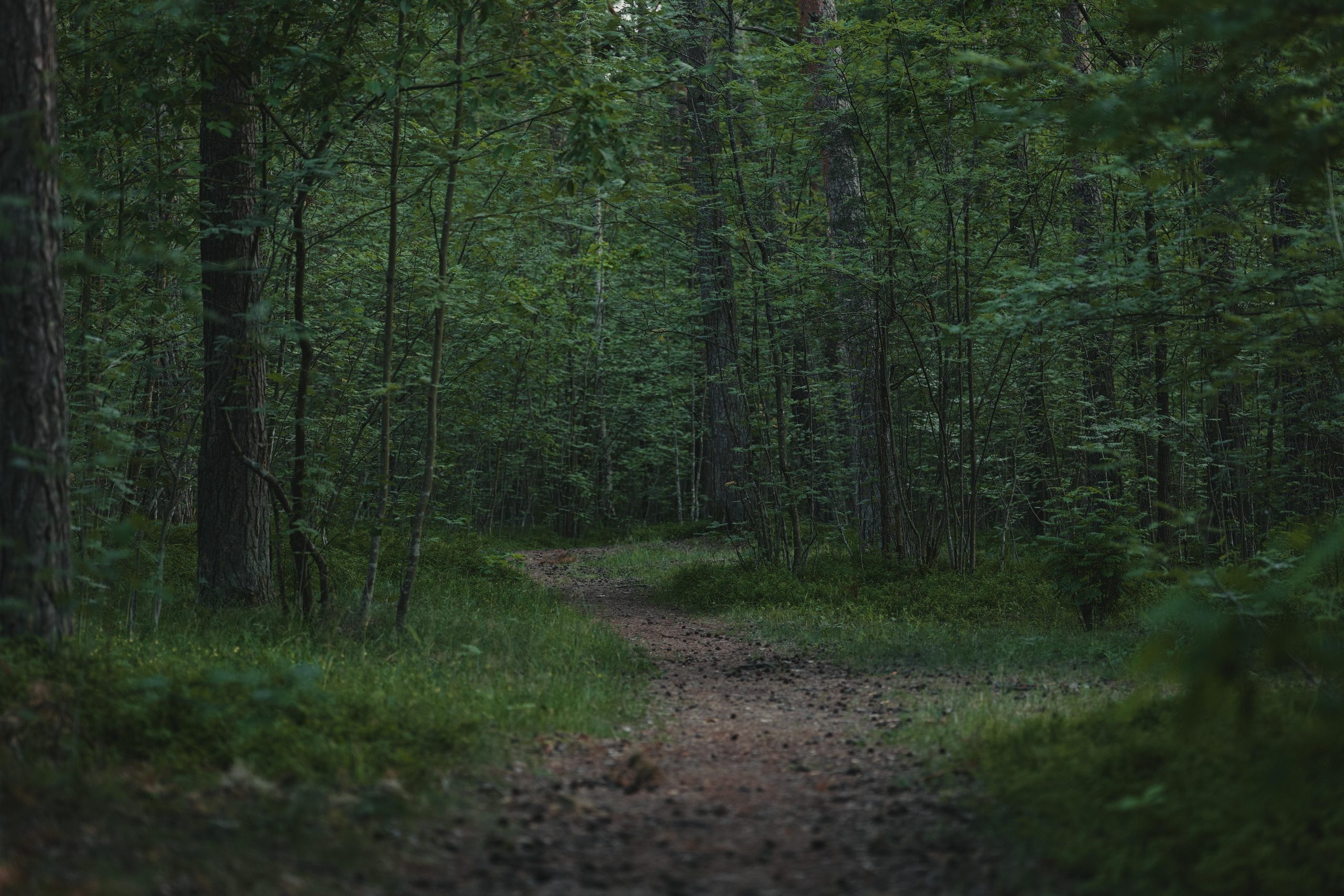
One of my first solo hikes nearly ended in complete darkness. I started later than planned, thinking the trail would be easy to follow. The path was clear in the beginning, but after several miles, the markings became harder to see. I stopped to take photos and did not notice how quickly the sun was going down. When I tried to head back, I realised I had taken a wrong turn near a rocky section where several small paths looked the same. Within minutes, the light faded, and the forest became quiet in a way that felt uncomfortable. I had a flashlight in my bag, but the batteries were weak, and the beam barely lit the ground in front of me. Walking faster only made me more confused, so I forced myself to stop, check my map, and move slowly in one direction. It took almost two hours longer than expected, but I finally reached the parking area. That night taught me to never underestimate how fast daylight disappears on the trail.
2. Sudden Storm on the Ridge
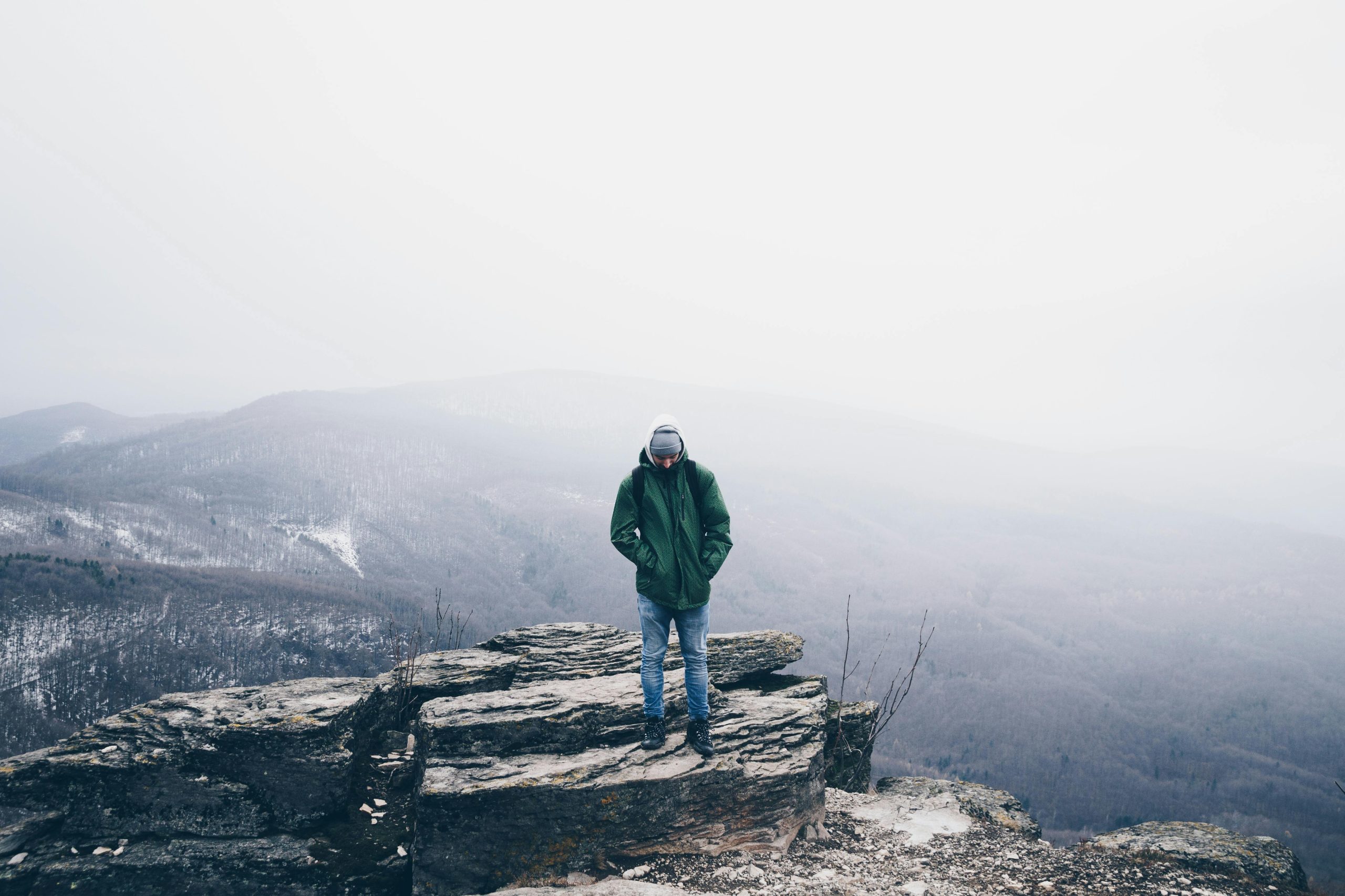
During a mountain hike, the weather forecast said clear skies all day, so I did not worry about carrying extra gear. The climb to the ridge was steep but manageable, and the view at the top looked perfect. About thirty minutes later, the wind started picking up without warning. Clouds moved in fast, and the temperature dropped enough that my hands felt stiff. Within minutes, light rain turned into heavy rain, and the rocks became dangerously slippery. I was alone on a narrow ridge with steep drops on both sides, and going too fast could have caused a fall. I stayed low, kept my balance, and moved step by step until I reached a lower section of the trail. The storm lasted less than an hour, but it felt much longer while I was stuck on that exposed ridge. After that hike, I always carry a rain jacket and extra layers, even when the forecast looks perfect. The weather in the mountains can change faster than anyone expects.
3. Close Encounter With a Black Bear
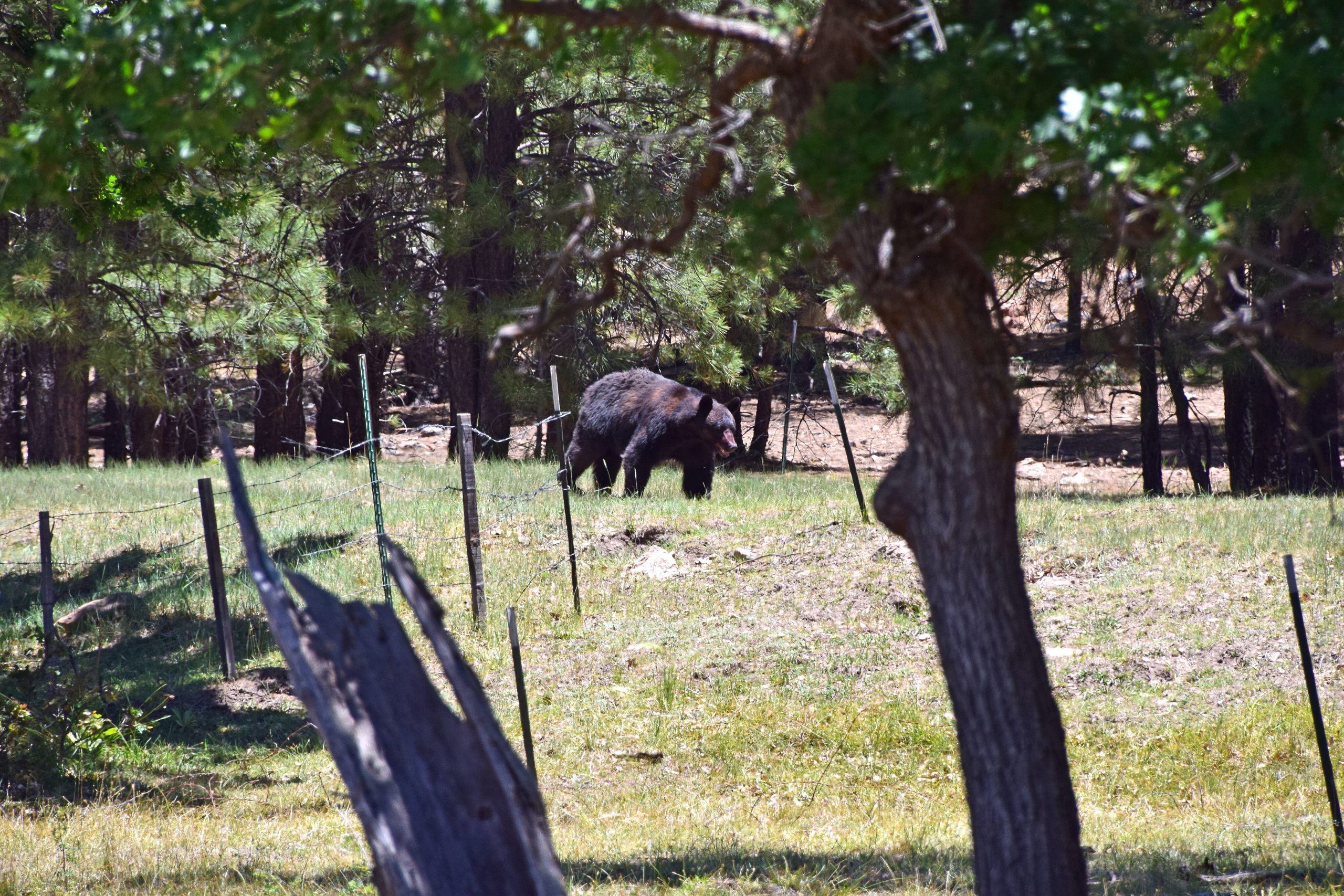
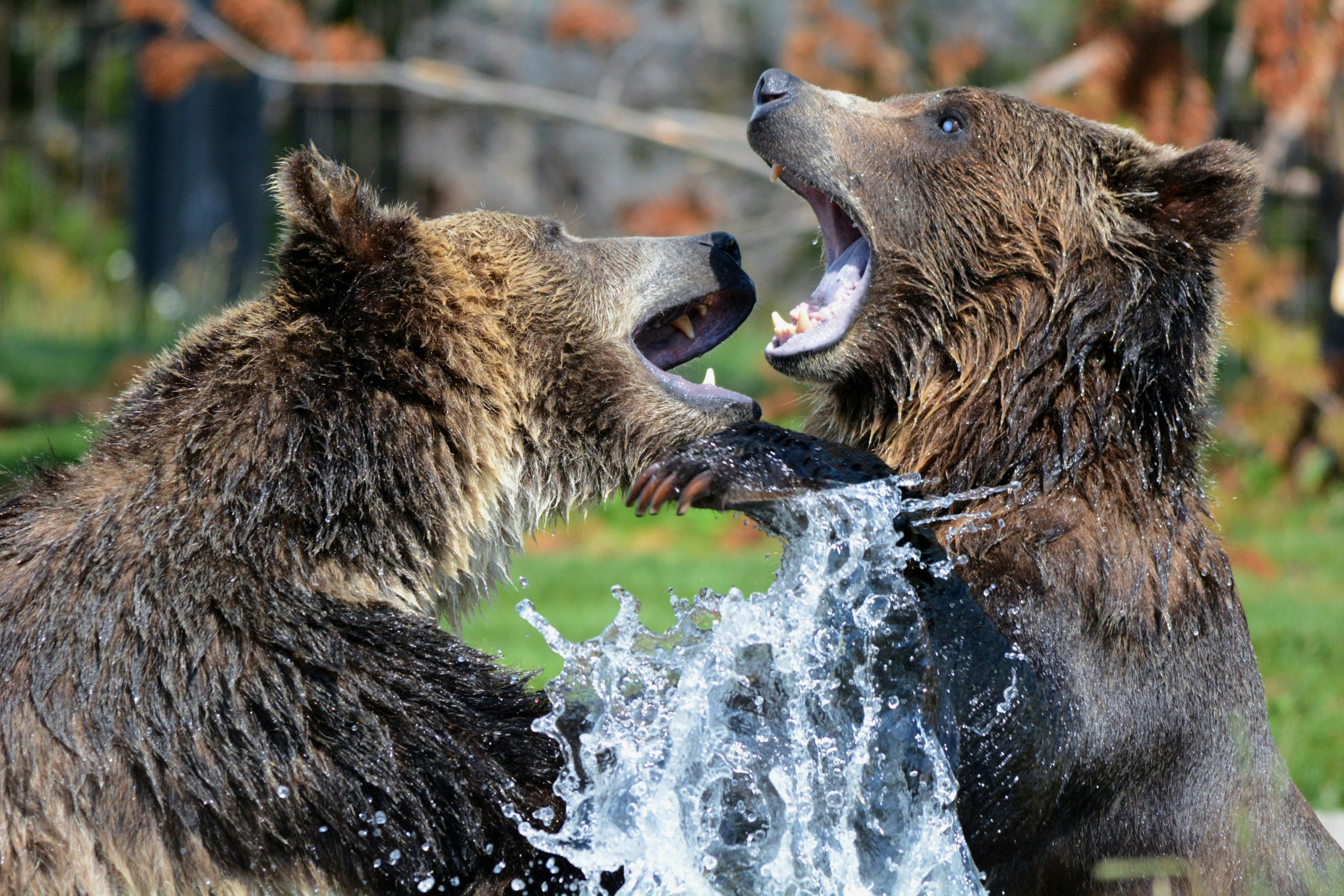
I always heard that black bears avoid people, so I never expected to see one up close. On a quiet forest trail, I noticed fresh tracks in the dirt but kept walking, thinking the animal was far away. A few minutes later, I heard movement in the bushes beside the trail, and a black bear stepped out only about twenty yards in front of me. My first instinct was to freeze, because running could make the situation worse. The bear stood still and looked at me, clearly surprised to see someone there. I slowly raised my arms to look bigger and spoke in a calm voice, just like safety guides recommend. For several seconds, nothing happened, and those seconds felt very long. Finally, the bear turned and walked back into the trees. I stayed in place for a full minute before moving again. That experience reminded me that wildlife encounters are real, and staying calm is the most important thing you can do.
4. Heat Exhaustion in the Desert
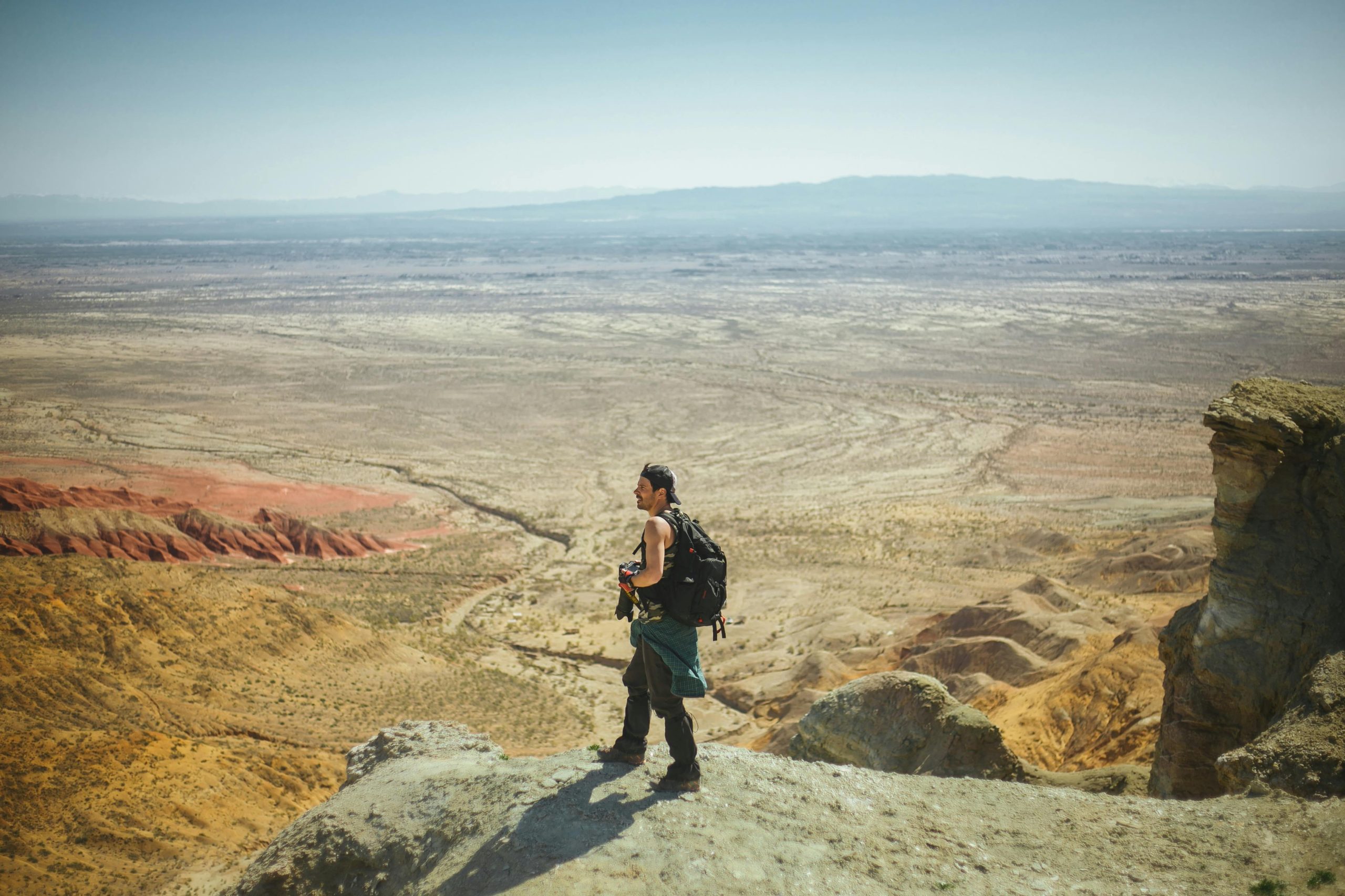
One of the hardest hikes I ever did was in a dry canyon trail where shade was almost impossible to find. I thought I packed enough water, but the temperature climbed higher than expected, and the sun felt stronger with every mile. After a few hours, I noticed I was sweating less and starting to feel dizzy, which is a bad sign in hot weather. I sat down under a small rock ledge and forced myself to drink slowly instead of rushing. The trail ahead had no water sources, so turning back was the only safe choice, even though I hated the idea of quitting. Walking back felt twice as long, and I had to stop several times to cool down. When I finally reached the trailhead, I realised how close I was to serious heat exhaustion. Since that day, I always carry more water than I think I need, especially on desert hikes where conditions can get dangerous very quickly
5. Slipped Crossing a River
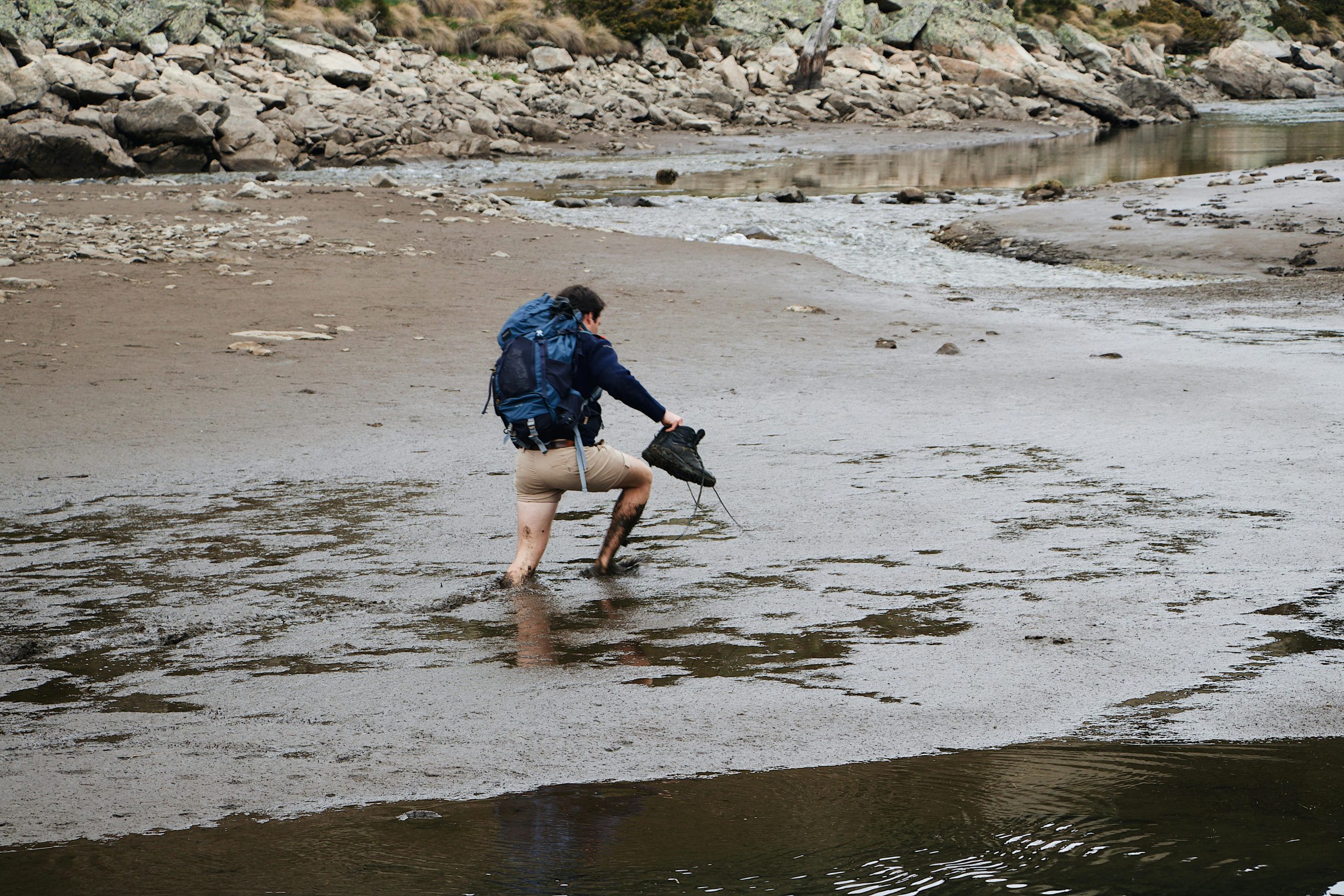
A simple river crossing almost ended one of my solo trips early. The trail required walking over a line of wet rocks to reach the other side. The water was not deep, but the current was stronger than it looked from the bank. I tested the first few steps carefully, but halfway across, my boot slipped on algae-covered stone. My leg went into the water, and I nearly lost my balance completely. Falling there could have meant getting injured far from help. I stopped moving, took a deep breath, and waited until the current felt steady again before taking the next step. Instead of rushing, I used a stick to keep my balance and moved slowly to the shore. It took only a few seconds to slip, but the situation could have turned serious very fast. After that hike, I never cross water without checking every step carefully, because wet rocks can be more dangerous than steep trails.
6. Wrong Turn in Thick Fog
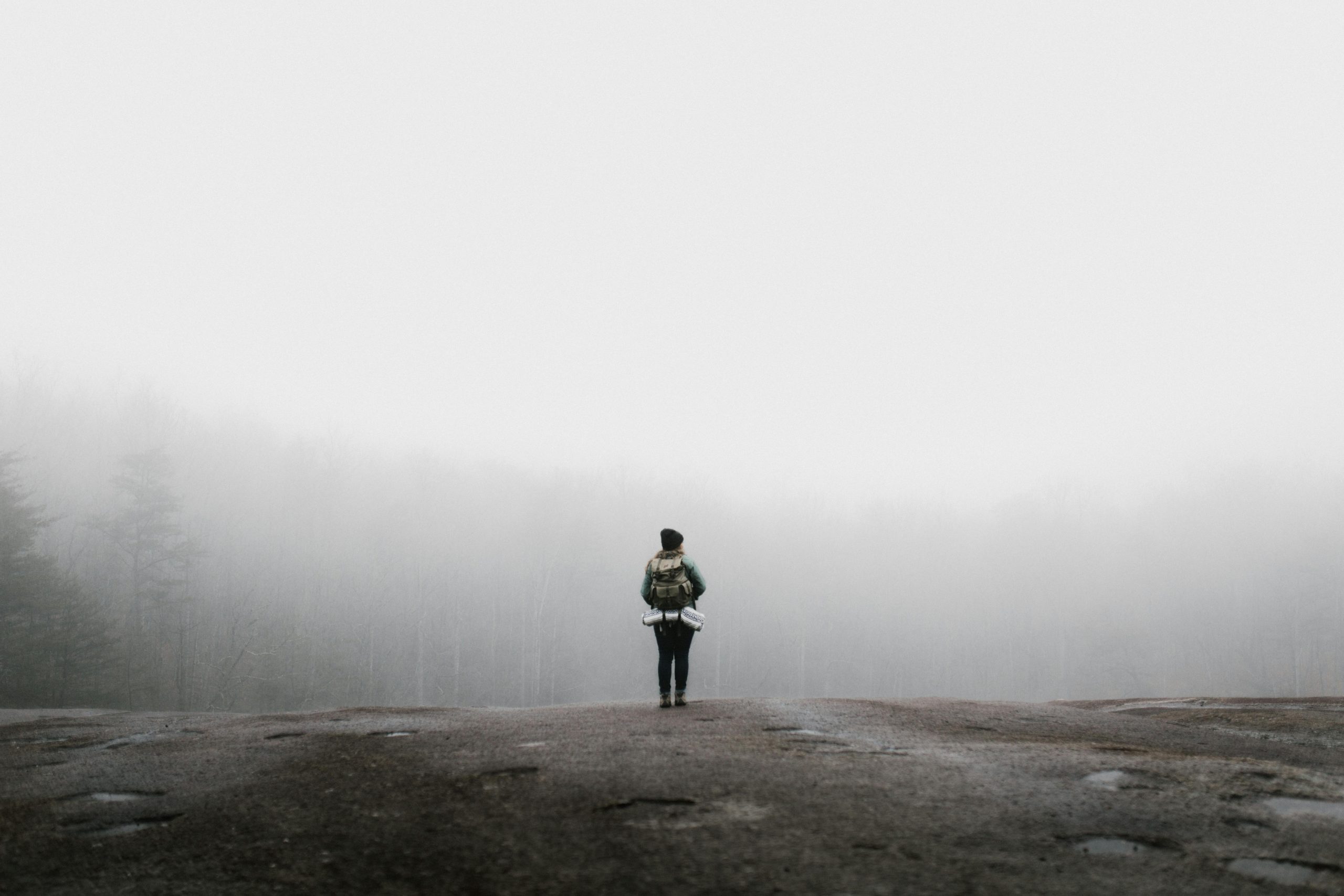
Fog can make a familiar trail feel completely different. During one early morning hike, I reached a high section where the path split into two directions. Normally, the view makes the correct route obvious, but that day, thick fog covered everything. I picked the path that looked right and kept walking for almost half an hour before realising the trail was getting narrower instead of wider. When I checked my map, I understood that I had taken the wrong turn and moved away from the main route. The fog made it hard to see landmarks, so going back the same way felt confusing. I forced myself to stop, sit down, and study the map instead of guessing again. After carefully retracing my steps, I finally found the correct trail marker. The mistake cost me extra time, but it could have been worse if I had kept going. Since then, I double-check every trail split, especially when visibility is poor.
7. Steep Cliff Section With Loose Rocks
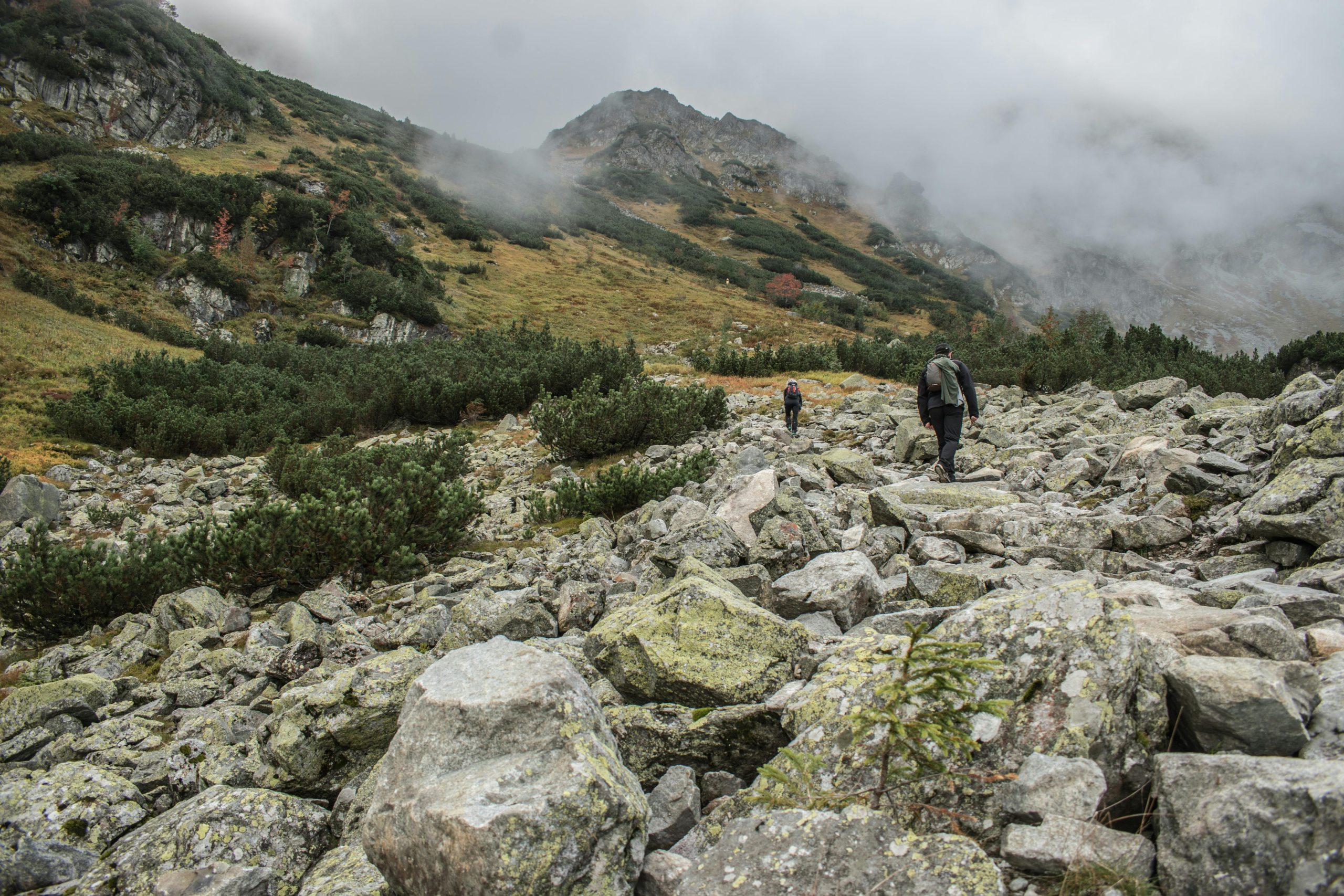
One trail looked easy on the map, but the final section turned out to be much steeper than expected. The path climbed along a cliffside covered with loose gravel and small rocks that moved under my boots. Every step felt unstable, and one wrong move could have sent me sliding down the slope. I thought about turning back, but the narrow trail made it hard to change direction safely. Instead of rushing, I stayed close to the wall and tested each step before putting my full weight down. My heart was beating faster than usual, and I had to focus on every movement. It took a long time to pass that section, but I finally reached solid ground again. That moment reminded me that trail difficulty ratings are not always accurate, and conditions can change over time. Now I always read recent trail reports before hiking alone in areas with steep or rocky terrain.
8. Backpack Strap Broke Miles From the Trailhead
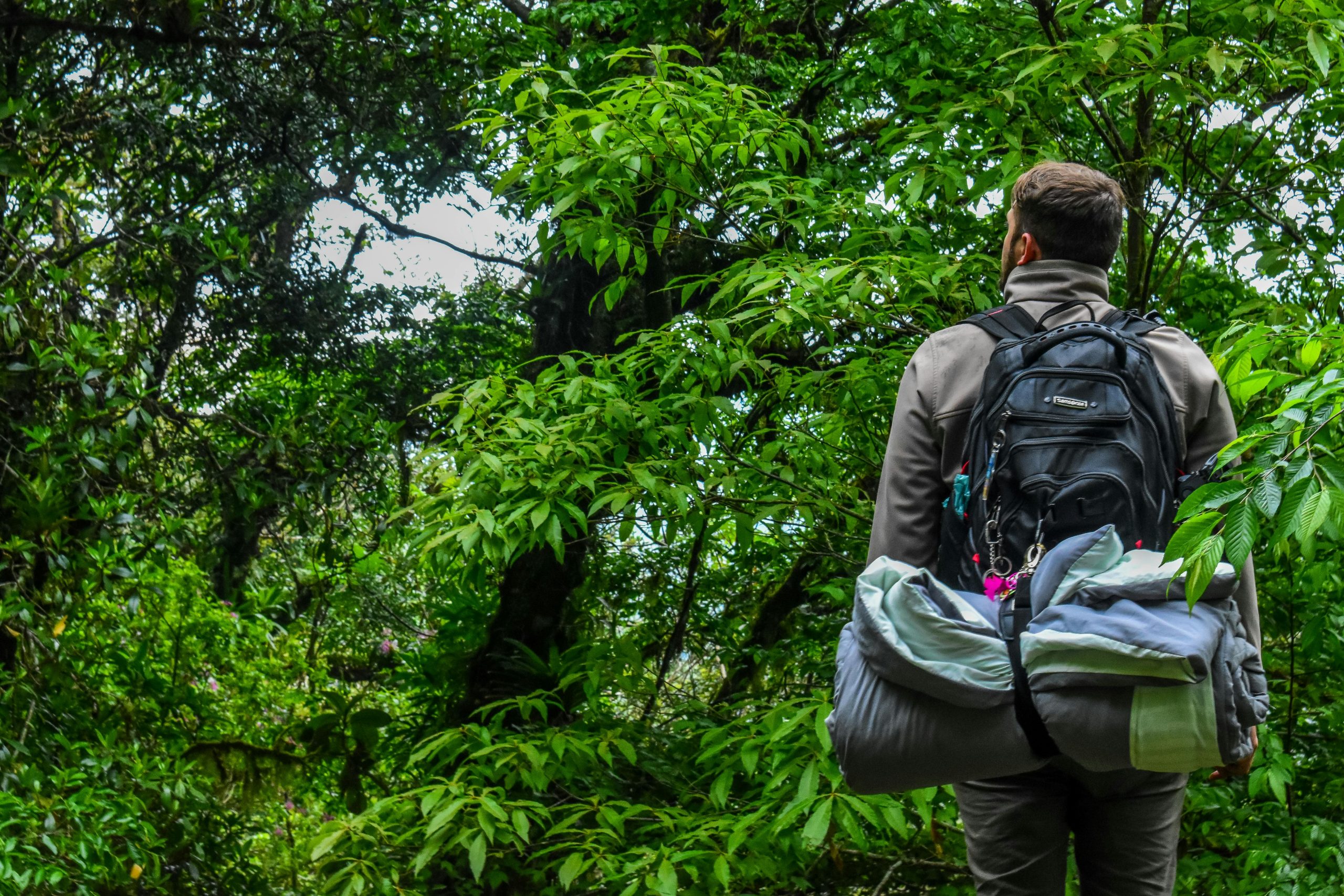
Equipment problems can become serious when you are hiking alone. On one long trail, the strap on my backpack suddenly tore while I was walking downhill. The bag dropped to one side, making it hard to keep my balance. I was several miles from the parking area, and carrying the pack in my hands was not possible for that distance. I sat down, checked the damage, and used a small cord from my gear to tie the strap back in place. The fix was not perfect, but it held well enough to keep the pack stable. I walked slower than usual to avoid putting too much pressure on the repair. If the strap had broken in a more difficult section, the situation could have been worse. That experience taught me to check my gear before every hike and carry small items that can help with quick repairs when something unexpected happens on the trail.
9. Night Hike That Took Longer Than Planned
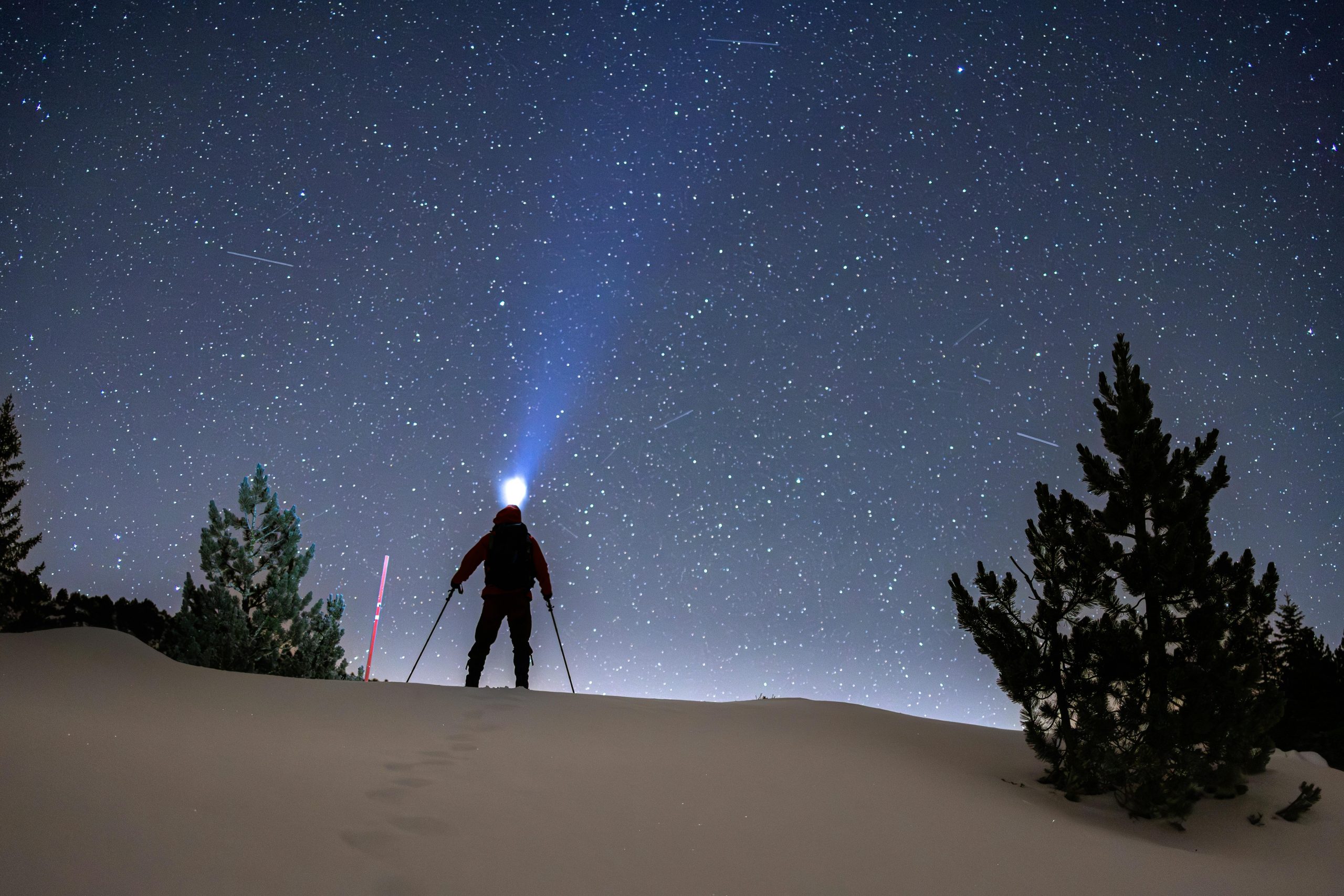
The last close call happened during a hike that I expected to finish before dark. The trail was longer than the map suggested, and I spent extra time exploring a side path without thinking about the return trip. By the time I started heading back, the sun was already low. I had a good flashlight, but hiking at night alone feels very different from hiking in daylight. Every sound in the trees seemed louder, and it was harder to see where the trail turned. I kept a steady pace and stopped often to check my direction instead of guessing. The walk back felt much longer than the way in, but staying calm helped me avoid mistakes. When I finally reached the trailhead, the parking lot was empty and completely silent. That hike reminded me that planning time carefully is just as important as packing gear, because darkness can turn a simple trail into a difficult one very quickly.