I hiked for years without knowing these game-changing tips that could have made every outdoor adventure much safer and more comfortable. Many enthusiasts spend a lifetime on the trails without realizing that small adjustments in technique or gear can drastically improve their physical stamina and overall experience. Learning how to properly prepare for a long trek involves more than just buying a sturdy pair of boots or carrying enough water for the day. This guide explores the essential wisdom that seasoned travelers often learn the hard way through trial and error over many seasons. Avoid making these mistakes.
Proper Sock Selection
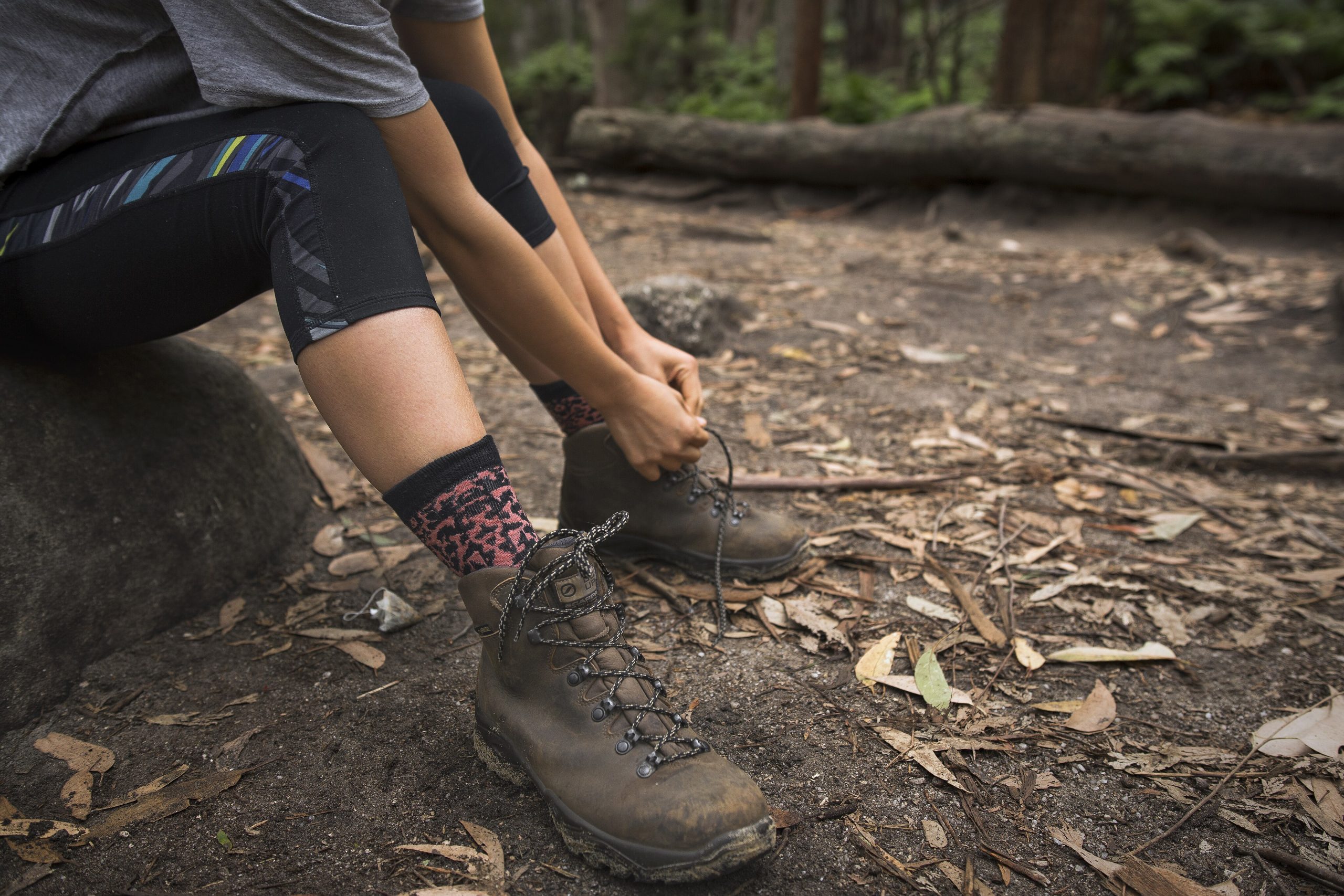
Selecting the right socks is arguably just as important as choosing the perfect pair of hiking boots for any long journey. Many beginners make the mistake of wearing cotton socks which trap moisture against the skin and lead to painful blisters. High quality wool or synthetic blends wick sweat away from the feet and provide the necessary cushioning to prevent friction during steep climbs. Proper footwear management ensures that a hiker can maintain a steady pace without suffering from foot injuries or extreme discomfort in the wild. Investing in premium socks is a total game changer.
The Art Of Layering
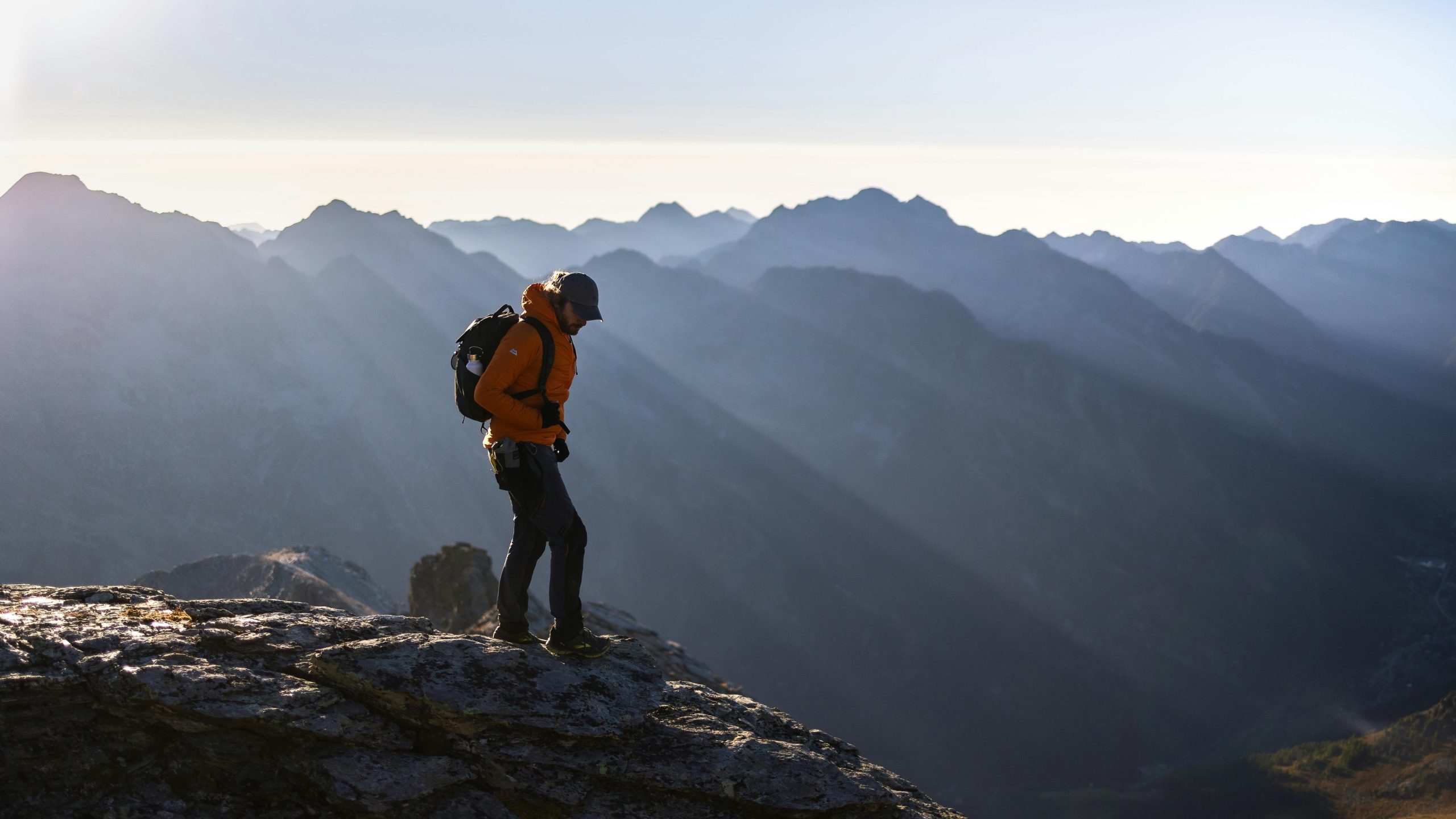
Mastering the art of layering allows an outdoorsman to regulate their body temperature effectively during unpredictable changes in the local weather. Starting with a moisture wicking base layer helps keep the skin dry while a middle insulating layer traps heat to maintain warmth in cold conditions. A waterproof outer shell protects the person from wind and rain while allowing sweat to evaporate through the fabric during intense physical activity. This systematic approach to clothing ensures that a traveler remains comfortable regardless of the intensity of the sun or the chill of the morning air. Pack extra layers for every trip.
Hydration Strategy
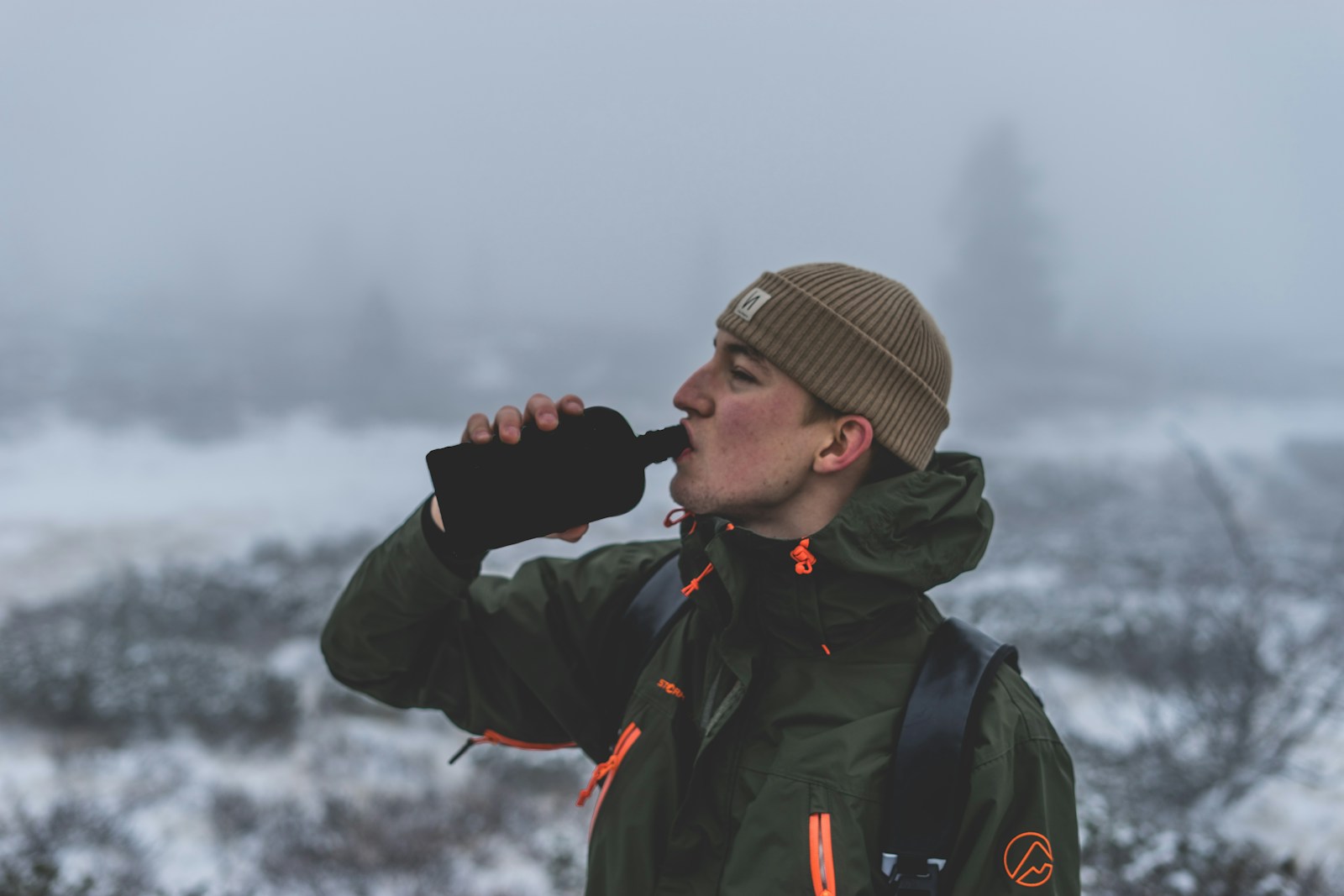
Proper hydration involves much more than simply drinking water whenever a person feels thirsty during a strenuous hike in the mountains. It is essential to sip water consistently throughout the day to maintain peak physical performance and avoid the sudden onset of heat exhaustion. Adding electrolytes to a water bottle helps replace the vital minerals lost through sweat and prevents muscle cramps during steep descents or climbs. Carrying a reliable filtration system ensures that a traveler can access clean water from natural sources like streams or hidden alpine lakes. Staying hydrated is the foundation of a successful and safe journey.
Pacing And Breath Control
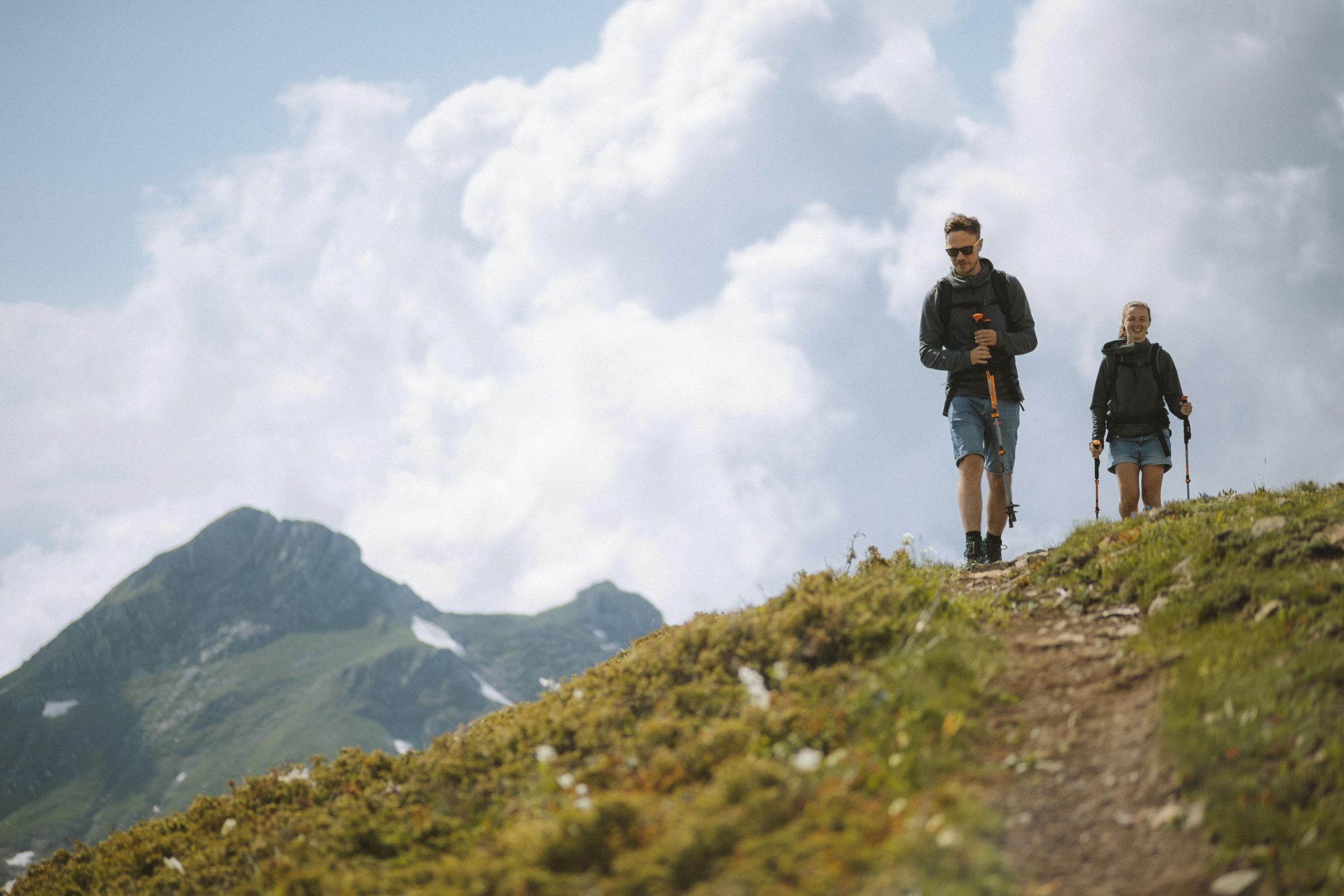
Learning to maintain a steady and sustainable pace is critical for conserving energy during a long day on the rugged trail. Many inexperienced hikers start too fast and quickly burn out before they reach the most challenging sections of the high mountain path. Rhythmic breathing helps synchronize the movement of the legs with the intake of oxygen to prevent premature fatigue and lightheadedness in thin air. Taking small frequent breaks allows the body to recover without cooling down too much and becoming stiff between different segments. Consistency is always better than speed when navigating difficult and steep terrain for hours.
Using Trekking Poles
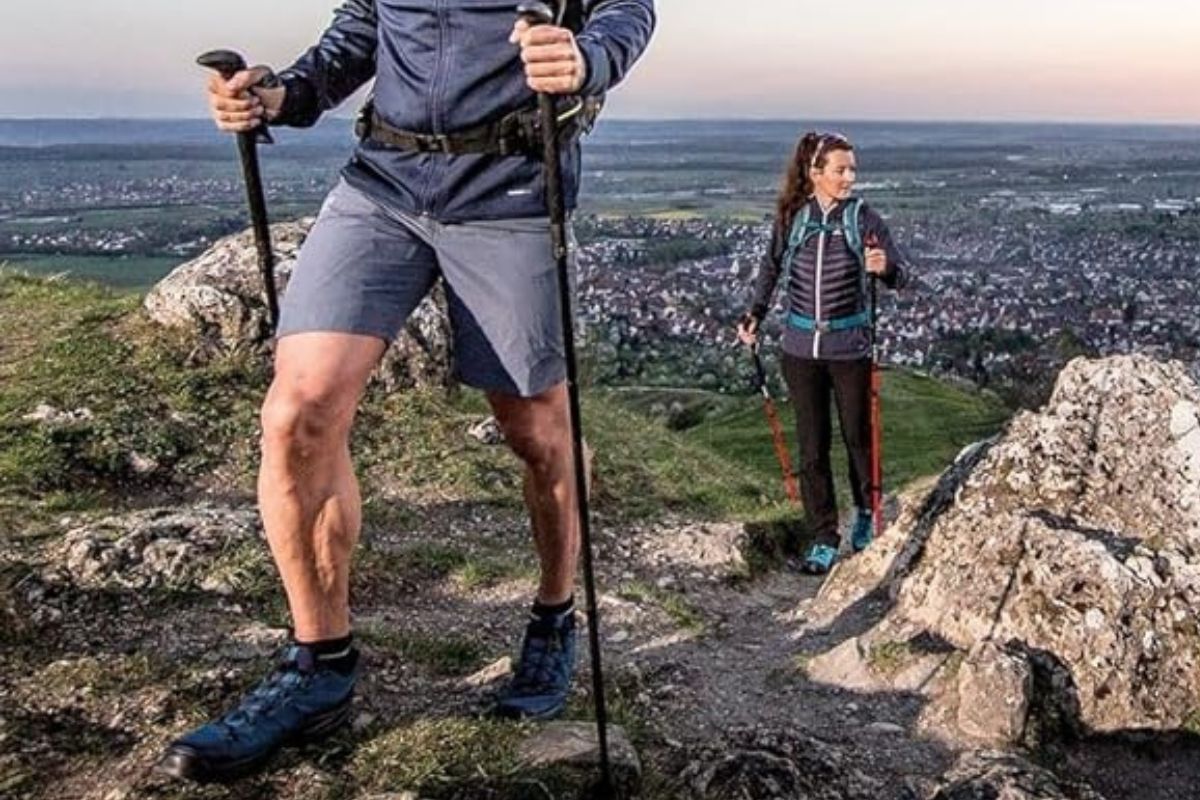
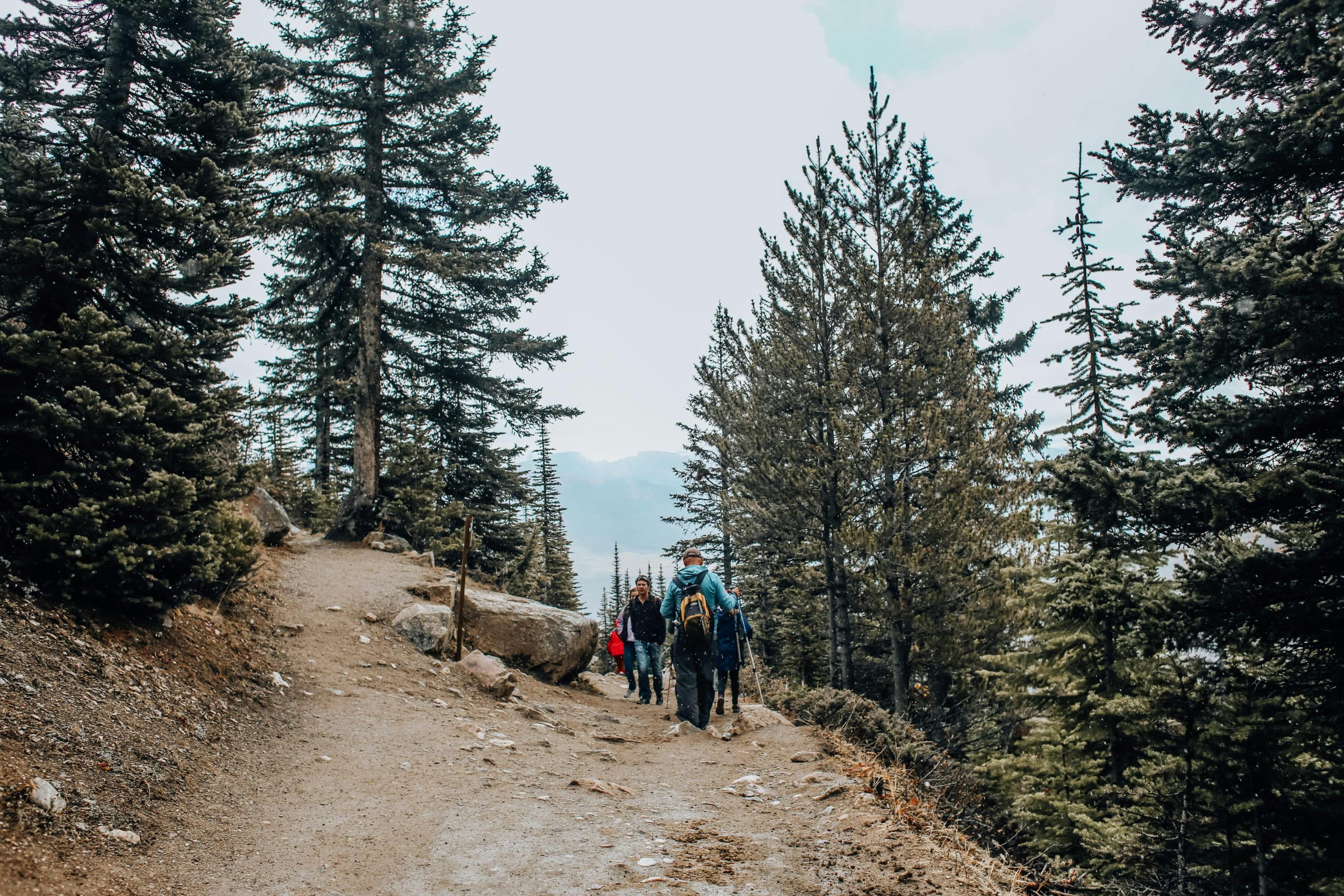
Trekking poles provide significant stability and reduce the overall impact on the knees and ankles during long downhill treks in the wilderness. Many people view them as unnecessary gear until they experience the relief these tools offer while carrying a heavy pack on uneven ground. Using poles helps distribute the weight of the body more evenly and provides extra balance when crossing slippery streams or loose rock fields. This mechanical advantage allows a hiker to travel further with less physical strain and reduces the risk of accidental slips and falls. They are a vital tool for long term joint health.
Leave No Trace Principles
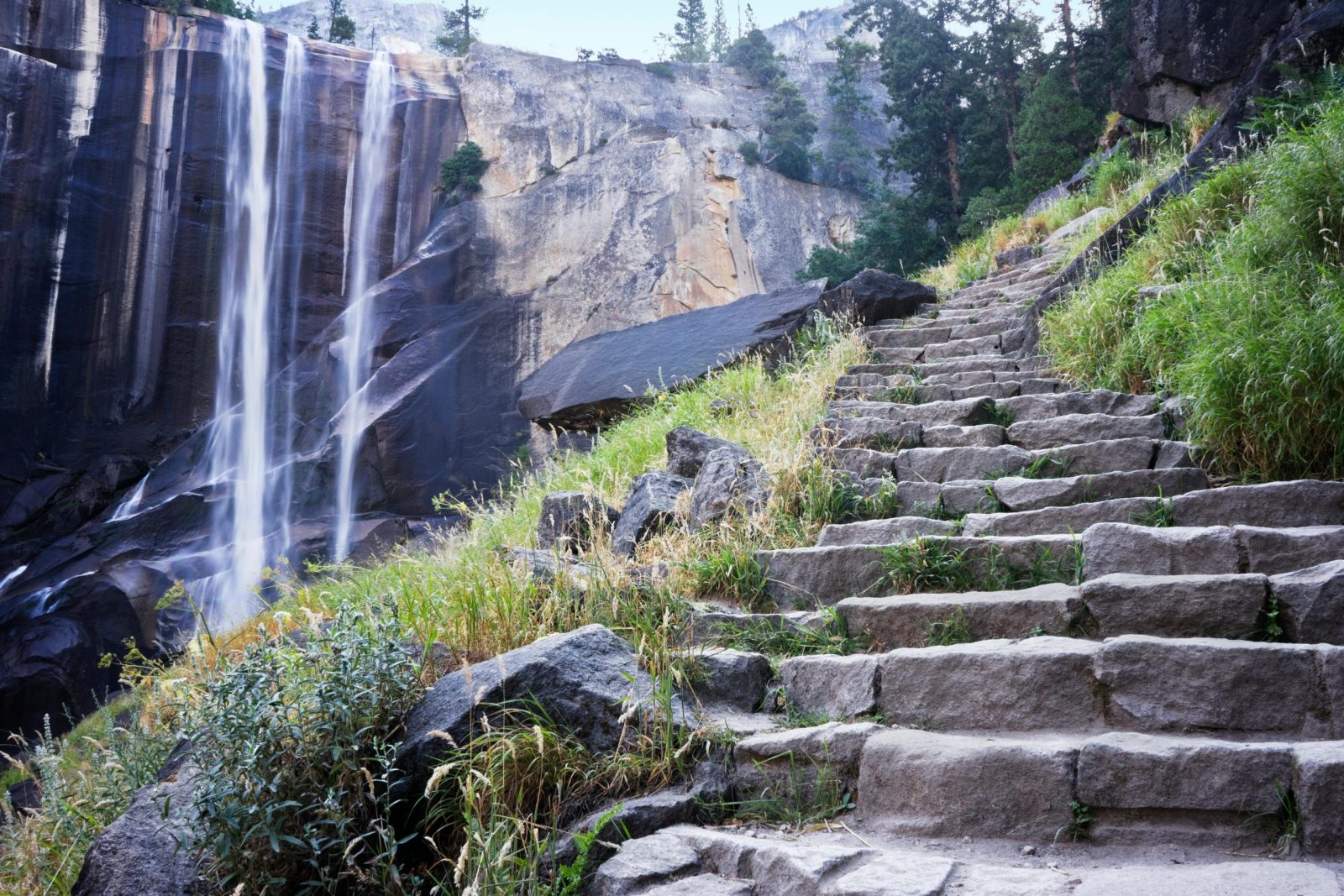
Following the leave no trace principles ensures that the natural beauty of the wilderness remains preserved for future generations of outdoor enthusiasts. This ethical framework encourages travelers to stay on established trails and pack out all trash to minimize their impact on the local environment. Proper waste disposal and respecting wildlife are essential components of being a responsible steward of the land during any backcountry adventure today. By leaving only footprints and taking only photographs a hiker protects the delicate balance of the ecosystem from unnecessary degradation. Respecting nature is the duty of every person who enjoys the great outdoors.
Footwear Break In Period
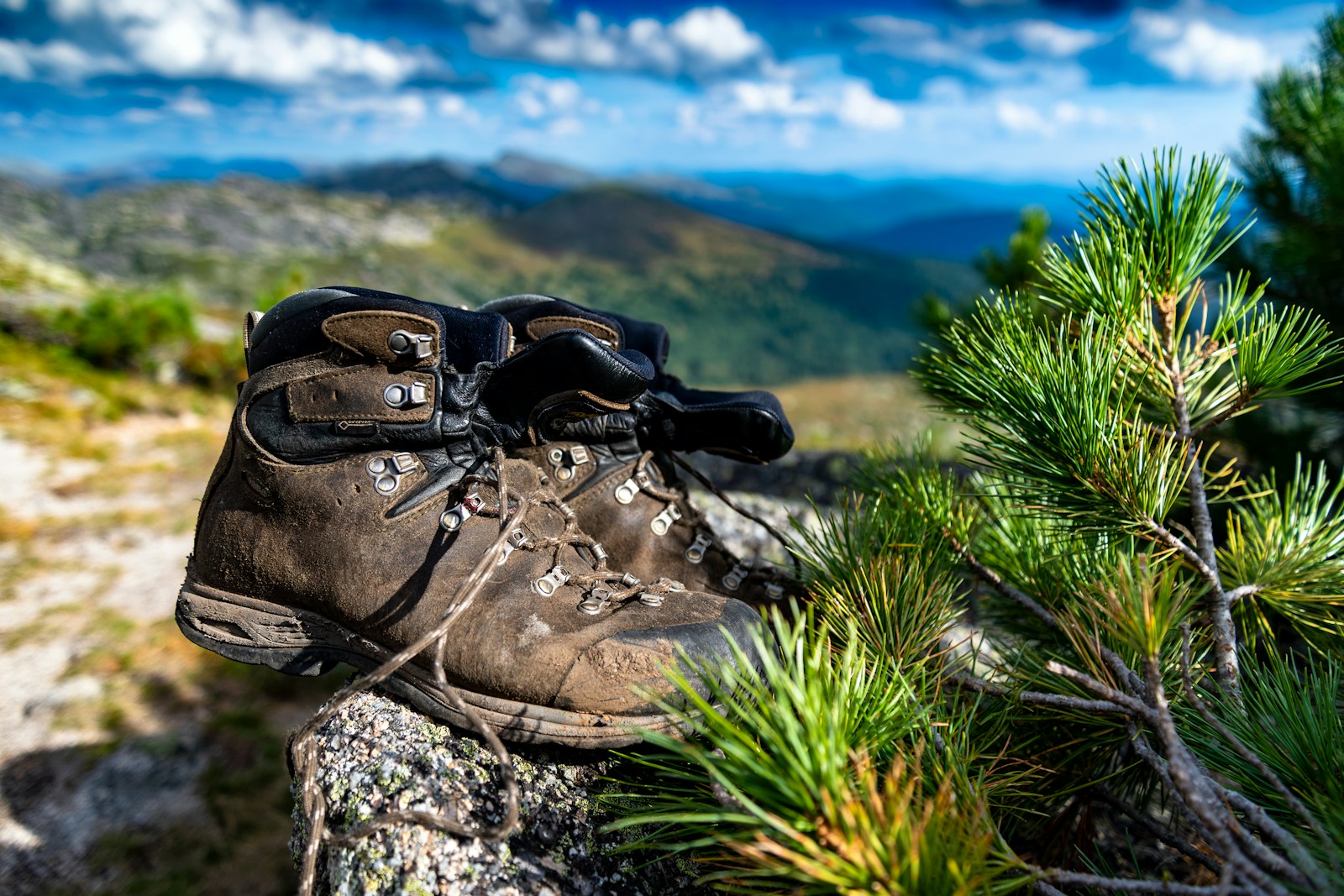
Never embark on a hiking expedition with a brand new pair of boots that have not been properly broken in yet. New footwear is often stiff and can cause severe blisters or pressure points if the material has not had time to mold to the feet. Wearing the boots around the house or on short local walks helps soften the leather and identifies any potential comfort issues before the trip. This simple step prevents a dream vacation from turning into a painful ordeal that requires medical attention for raw skin. Patience during the break in period is wise.
Nutritional Fueling
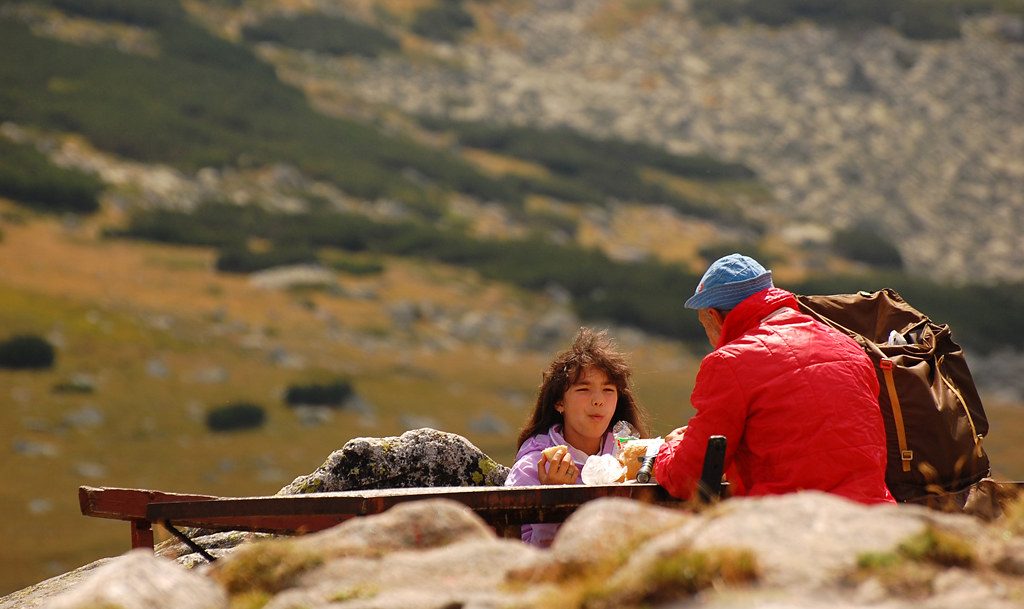
Fueling the body with the right types of food is essential for maintaining the mental focus and physical strength required for hiking. High energy snacks like nuts and dried fruits provide a steady supply of calories without weighing down the stomach during a steep climb. It is important to eat small amounts of food frequently rather than consuming a single large meal that can cause sluggishness and indigestion. Complex carbohydrates and proteins help repair muscles and replenish glycogen stores after a long and demanding day in the woods. Choosing the right fuel ensures that the body can handle every mile.
Navigational Skills
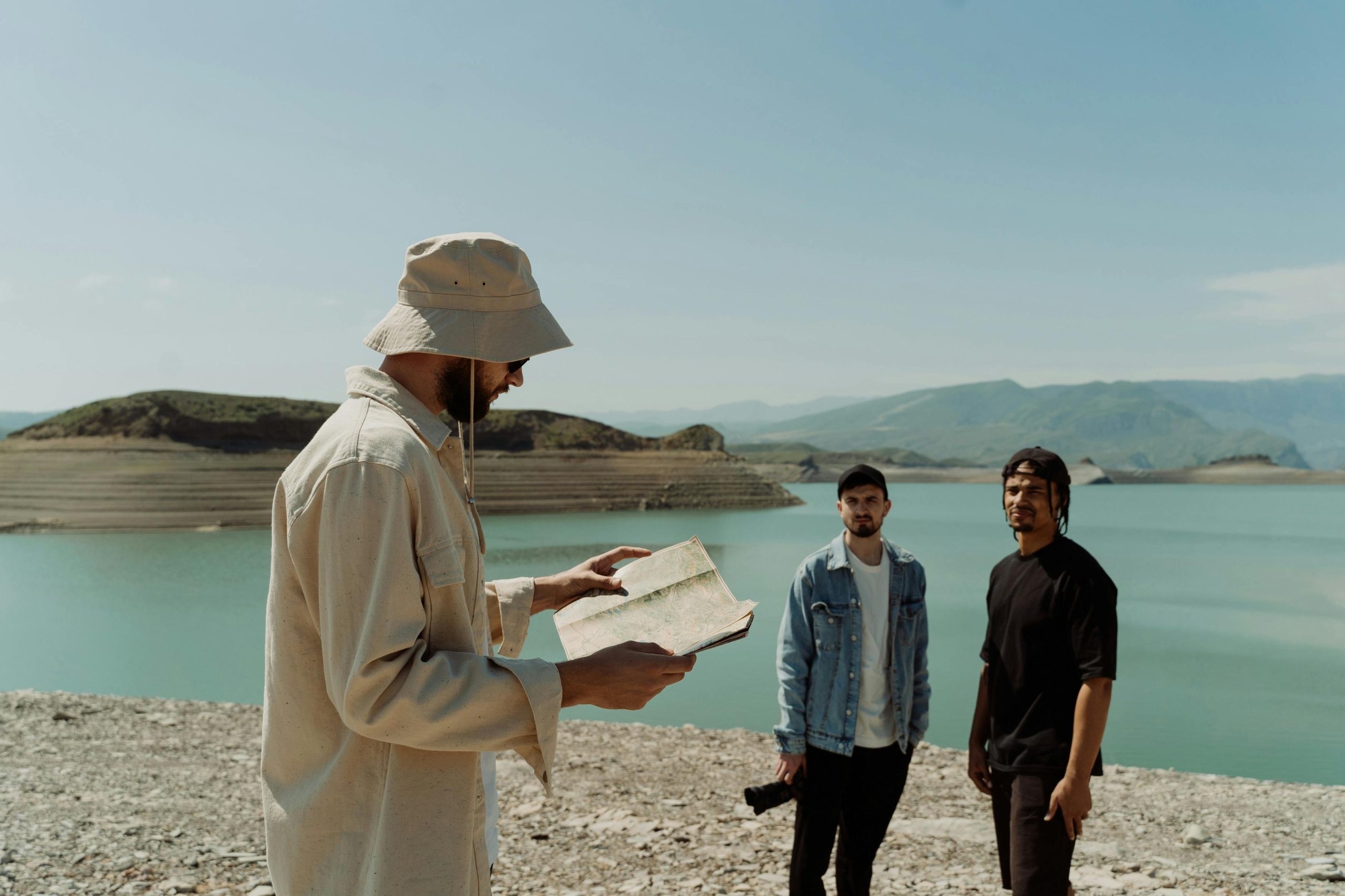
Relying solely on a smartphone for navigation is a dangerous mistake that can lead to getting lost in areas without cell service. Every hiker should carry a physical map and a compass as a backup and understand how to use them effectively in the wild. Learning how to read topographical lines and identify landmarks helps a person stay on course even when the trail becomes obscured by snow or fallen trees. This basic knowledge provides a level of security and independence that digital devices simply cannot match during a remote trek. Preparation is the key to avoiding a rescue situation.
Trail Etiquette
Understanding basic trail etiquette helps create a positive and respectful environment for everyone who enjoys the diverse pathways of the forest. Hikers traveling uphill generally have the right of way because they are working harder and often have a narrower field of vision. Staying on the right side of the path allows others to pass safely and prevents unnecessary congestion during busy weekends at popular parks. Being polite and greeting fellow travelers fosters a sense of community and ensures that everyone has a safe and enjoyable time in nature. Small acts of kindness make a big difference on the trail.