According to the U.S. Fish & Wildlife Service, over 11.5 million Americans hunt annually, and many set up temporary or seasonal hunting camps. Surveys by the National Shooting Sports Foundation show that poorly equipped camps often lead to shorter trips and lower harvest success. Data-driven priorities, such as shelter quality, heat management, and food storage, make the difference between a productive camp and a miserable one. Here’s what experienced hunters and field studies point to as essentials.
Shelter That Stands Up to Weather
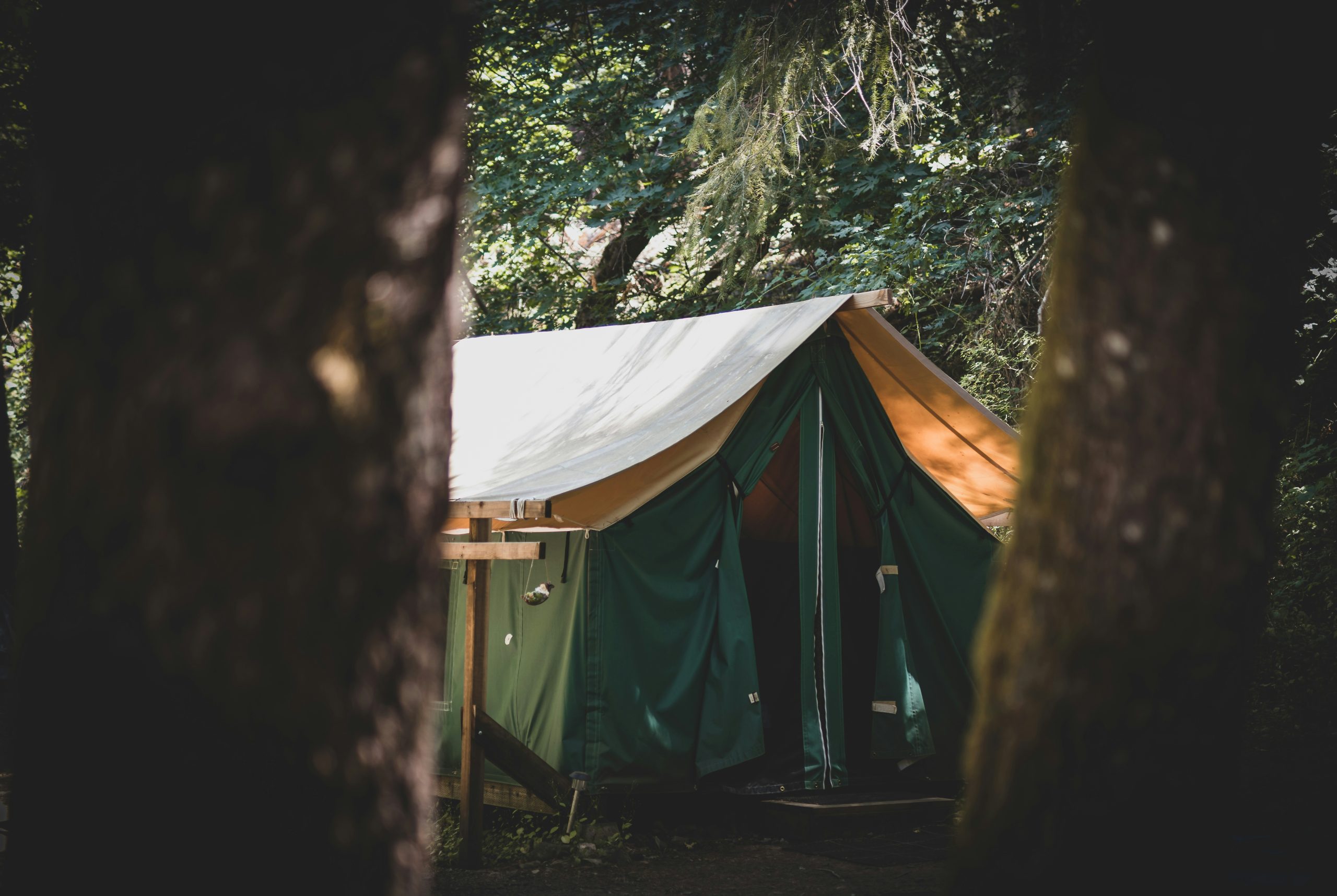
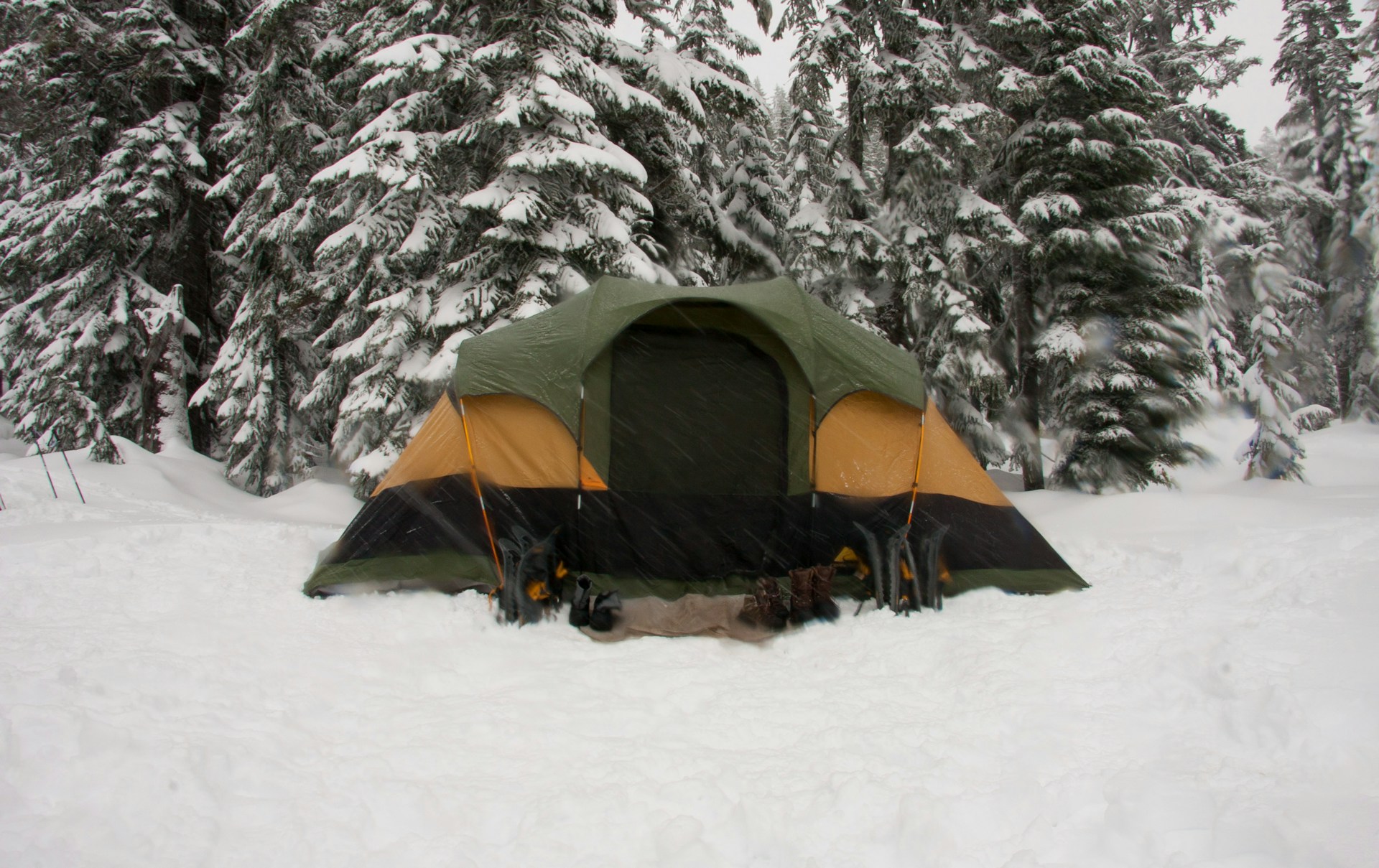
In northern states, temperatures can swing by 40°F in a single day during hunting season. A waterproof canvas wall tent or a 4-season synthetic tent prevents hypothermia risk from condensation and rain. A study in “Wilderness & Environmental Medicine” found that wet clothing and shelter failures account for nearly 30% of non-fatal hunting emergencies. Skimping on shelter durability is one of the most common mistakes new hunters make.
Heat Sources That Actually Work
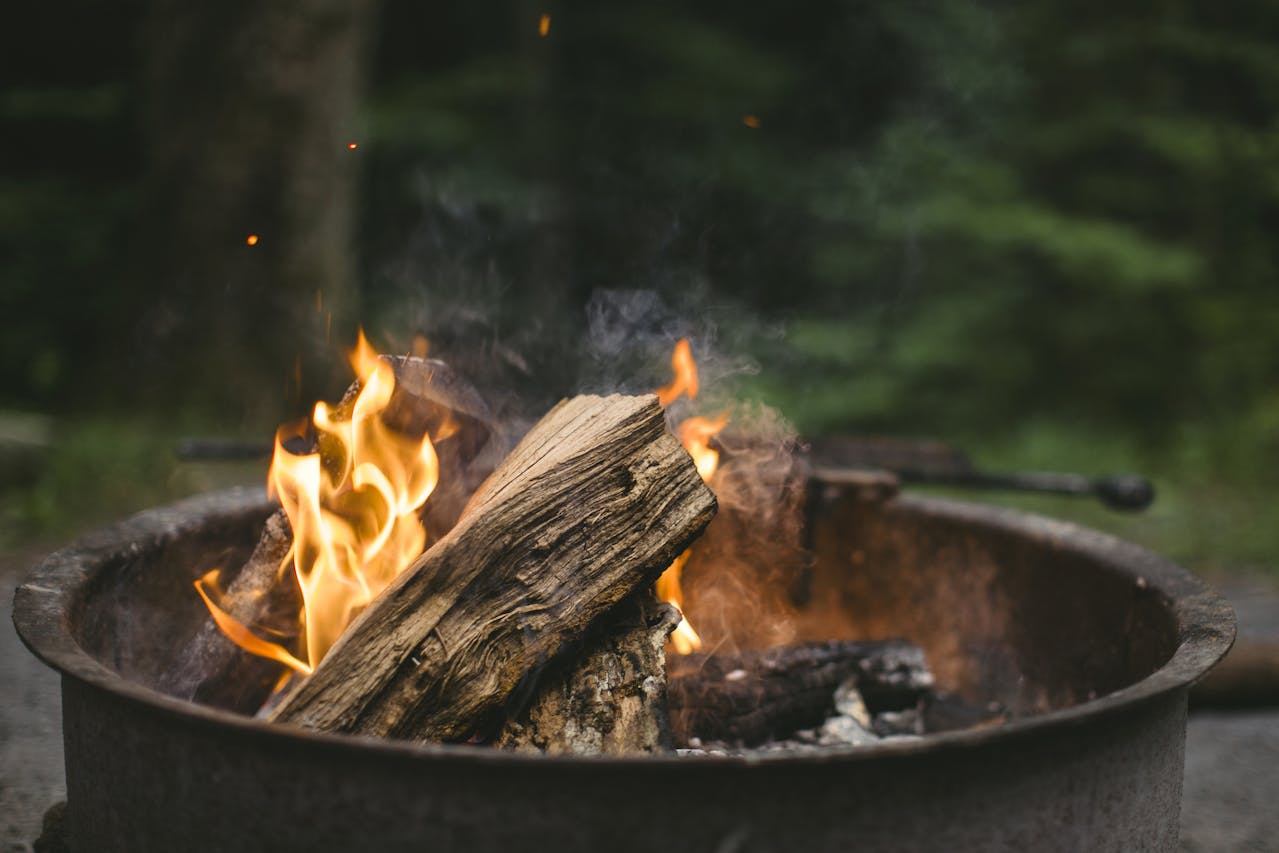
Portable propane heaters and wood stoves are the most reliable heat solutions for hunting camps. Propane models with low-oxygen shutoffs reduce carbon monoxide incidents, which account for about 200 accidental U.S. deaths annually (CDC data). For remote areas, a compact titanium wood stove paired with a stove jack tent allows continuous heat and cooking without relying on fuel resupply. Open flames inside shelters remain the leading cause of hunting campfires.
Cooking Beyond Canned Beans
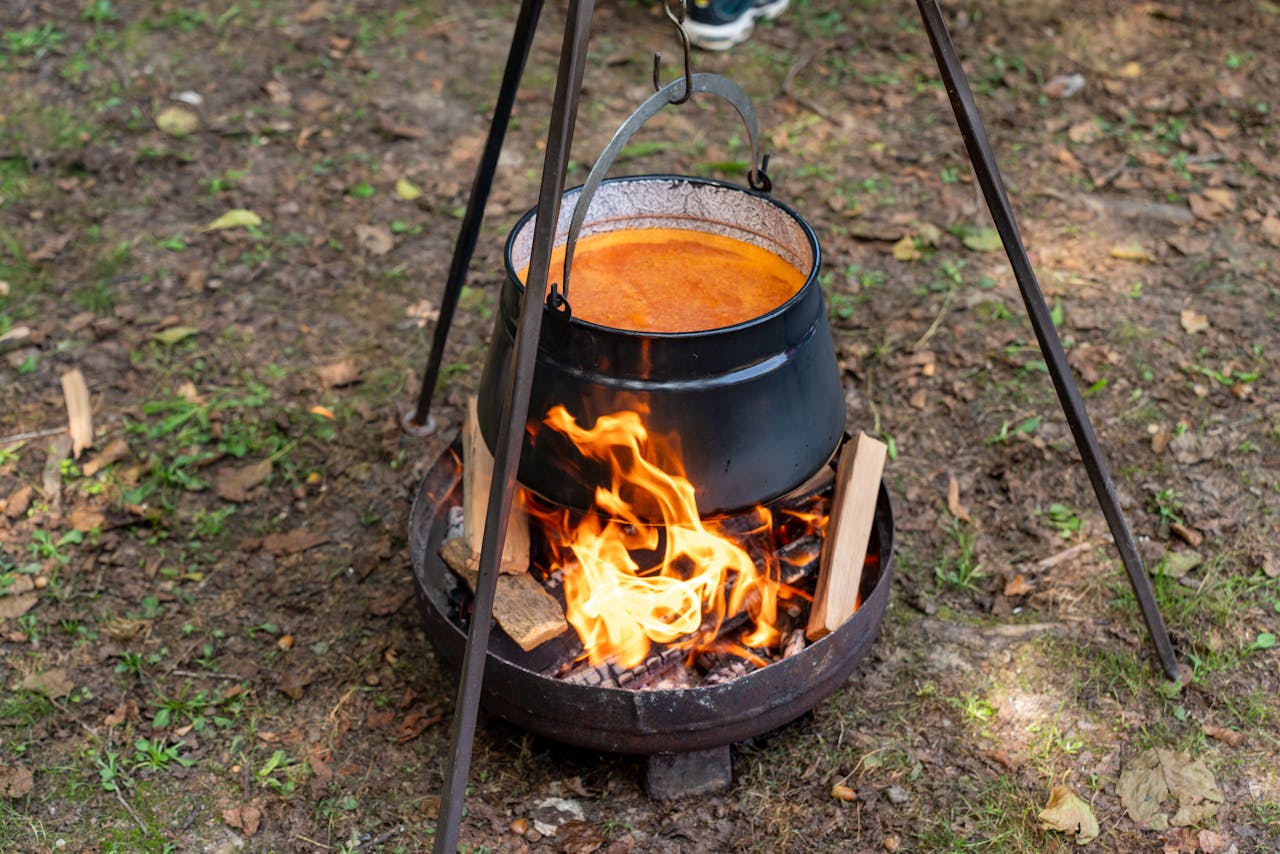
A camp stove capable of simmering, not just boiling, is crucial for cooking high-calorie meals. Studies by the U.S. Army Research Institute show hunters and soldiers engaged in high-output activities burn 3,600–4,200 calories per day. Single-burner backpack stoves can’t sustain that kind of nutrition. A two-burner propane stove or a wood-fueled rocket stove gives hunters the ability to cook protein-rich meals, cut costs on dehydrated food, and reduce fatigue over multi-day hunts.
Field Dressing Made Practical
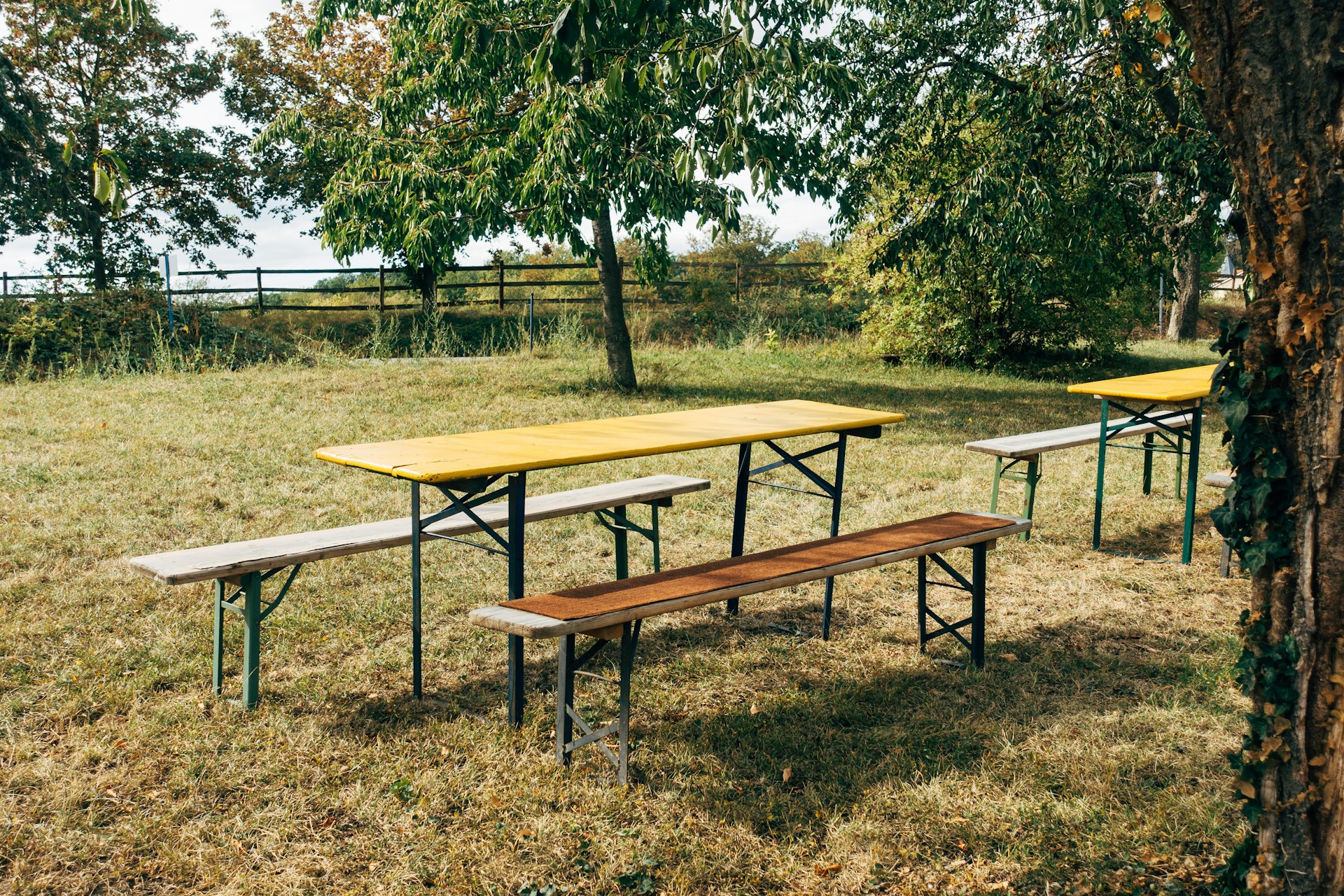
A dedicated, sanitary space for field dressing game helps avoid meat spoilage. USDA guidelines note that bacterial growth doubles every 20 minutes between 40–140°F, making quick cooling essential. Portable gambrels, foldable tables, and heavy-duty tarps provide a clean working surface and prevent ground contamination. Hunters who skip proper setups often lose 10–15% of usable meat to dirt and hair, according to meat processing surveys.
Keeping Gear Bone-Dry
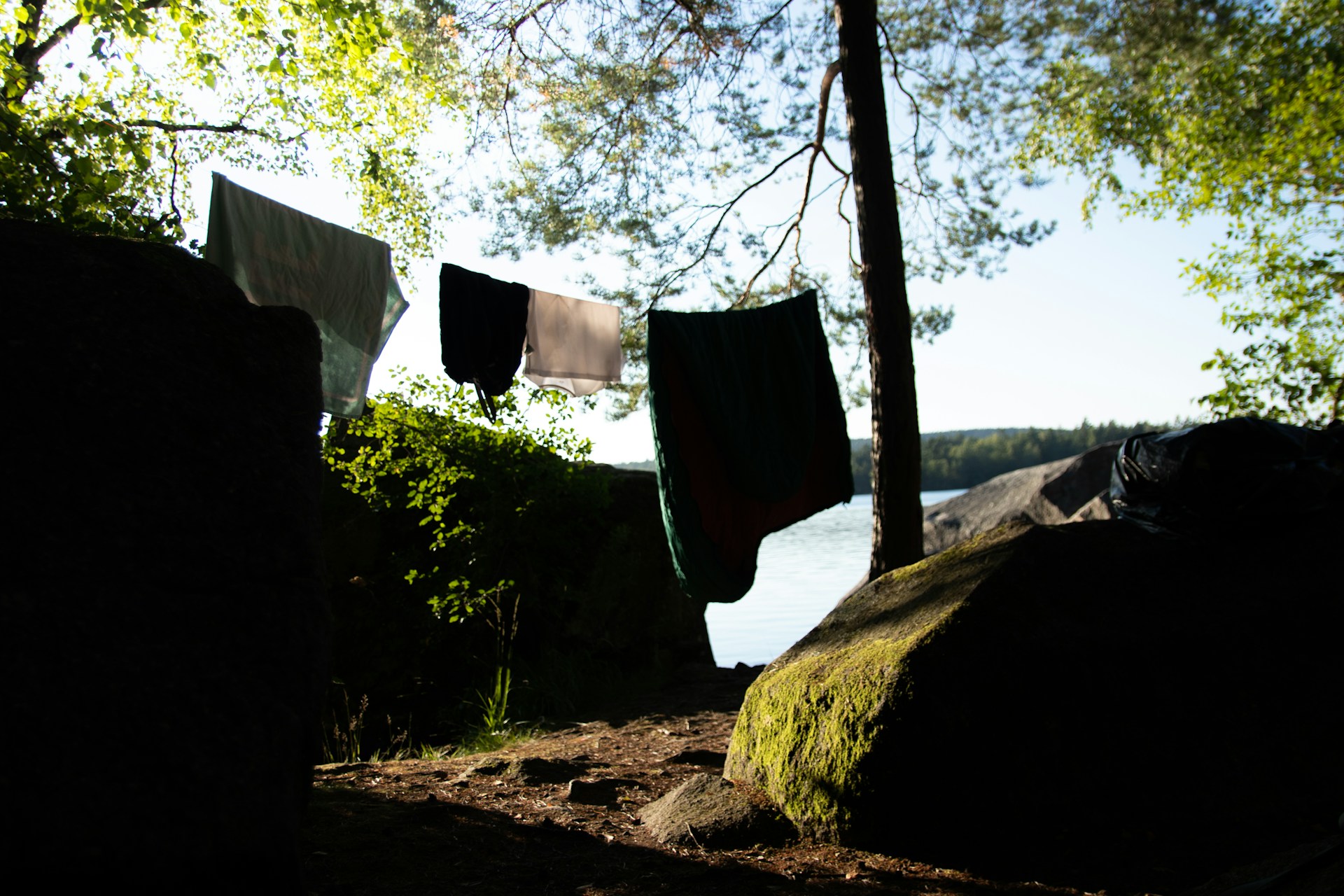
Moisture ruins gear faster than heavy use. Studies by “Outdoor Gear Lab” show that untreated down sleeping bags lose 90% of insulation efficiency when wet. Dry bags, waterproof totes, or even repurposed contractor trash bags ensure extra clothes, electronics, and ammo stay functional. In Alaska’s hunting regions, moisture-related gear failures account for a high percentage of rescue calls. Waterproofing isn’t optional; it’s risk reduction.
Sleep Systems That Last the Season
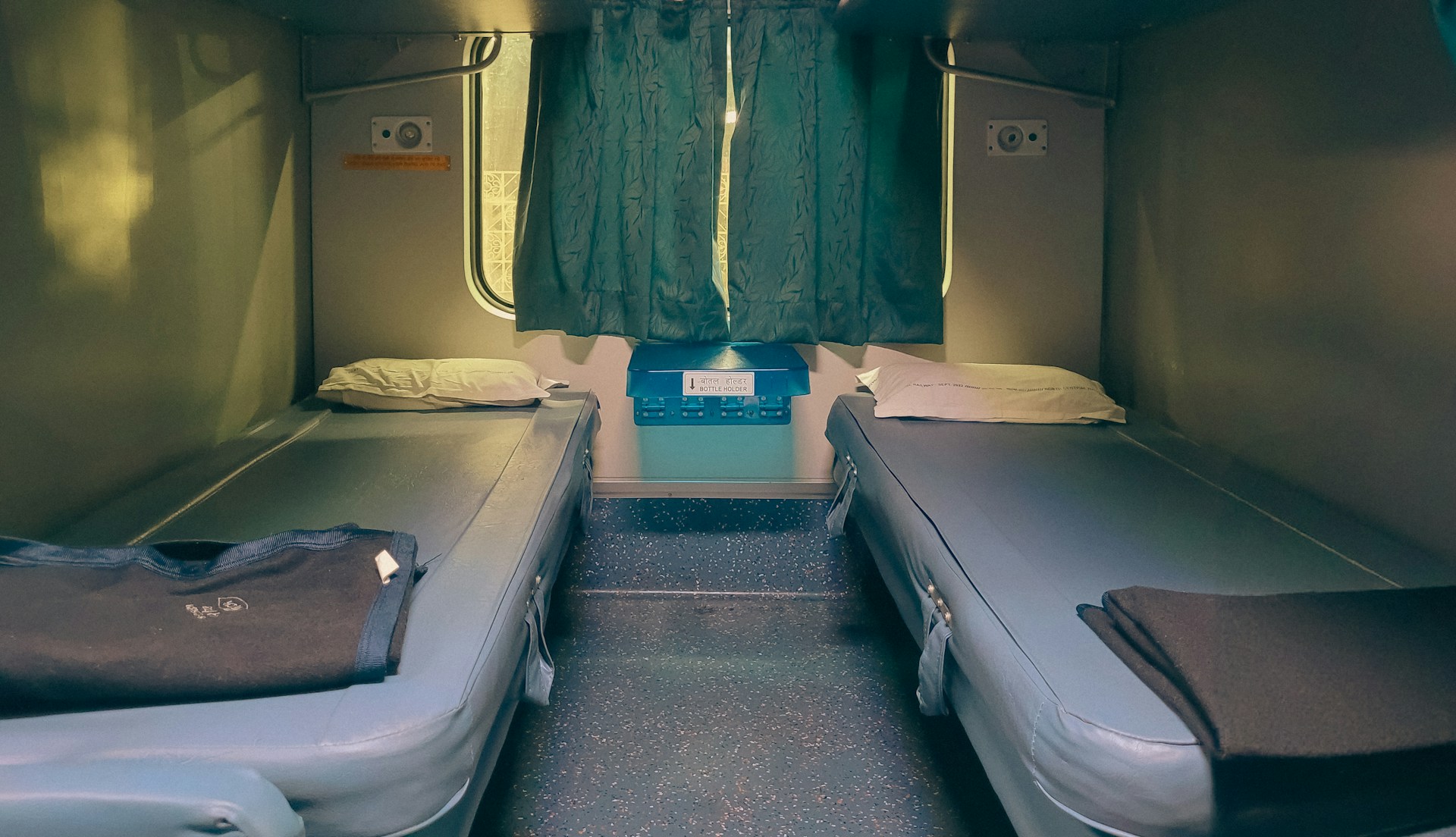
Hunters spend one-third of their camp time sleeping, making durability as important as comfort. A cot paired with a closed-cell foam pad prevents heat loss from cold ground conduction, which the “Army Cold Weather Manual” identifies as a major cause of overnight chill. Air mattresses often fail in freezing temperatures due to valve leaks. Rugged pads and military-grade sleeping bags rated for 0°F or below offer the best balance of warmth and reliability.
Lighting That Won’t Quit
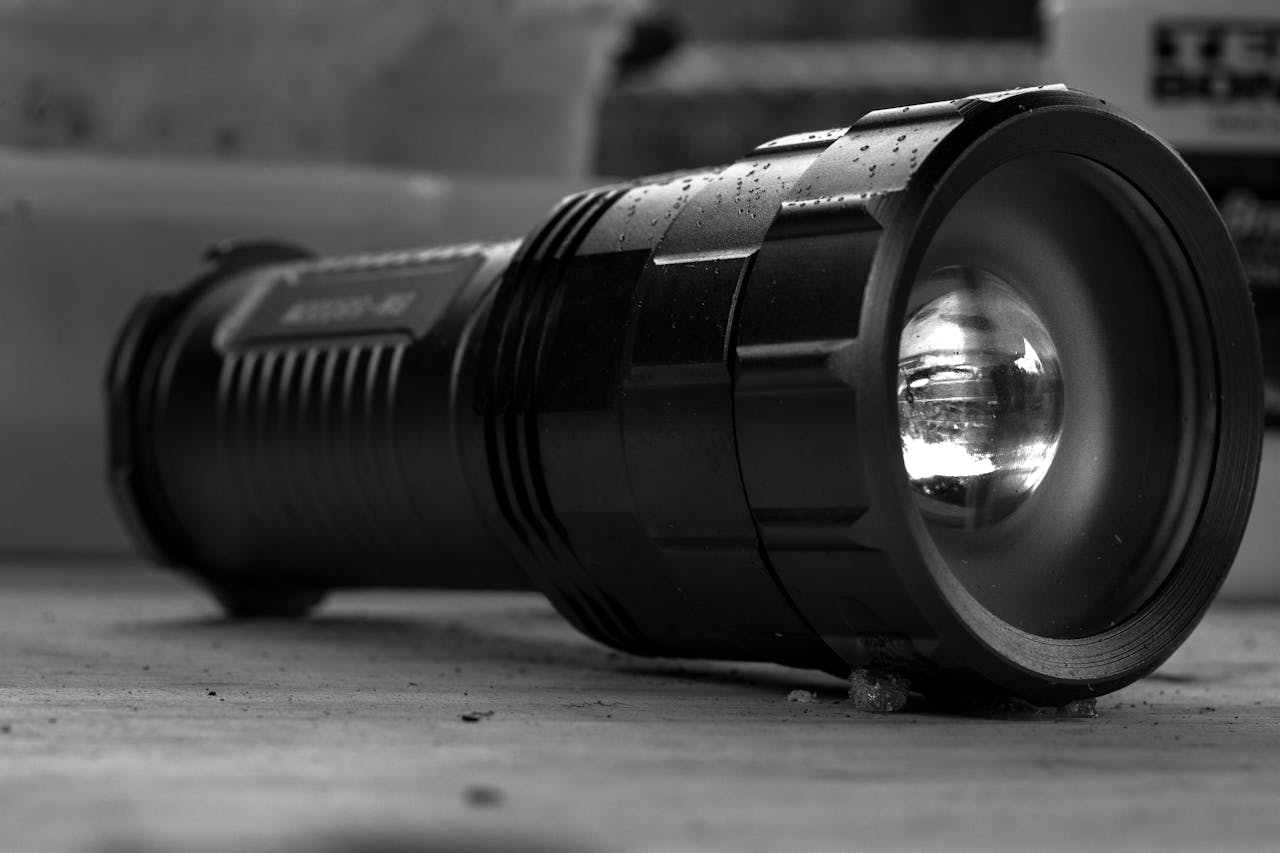
Once the sun sets, reliable camp lighting becomes essential. A study in” Wilderness & Environmental Medicine” linked 40% of hunting-related night injuries to poor illumination. LED lanterns rated at 1,000 lumens with rechargeable lithium batteries provide camp-wide light, while headlamps with spare batteries keep hands free for field dressing. Solar-charged or power-bank-backed lights outperform single-use alkaline models on multi-day hunts.
Water Access Without the Guesswork
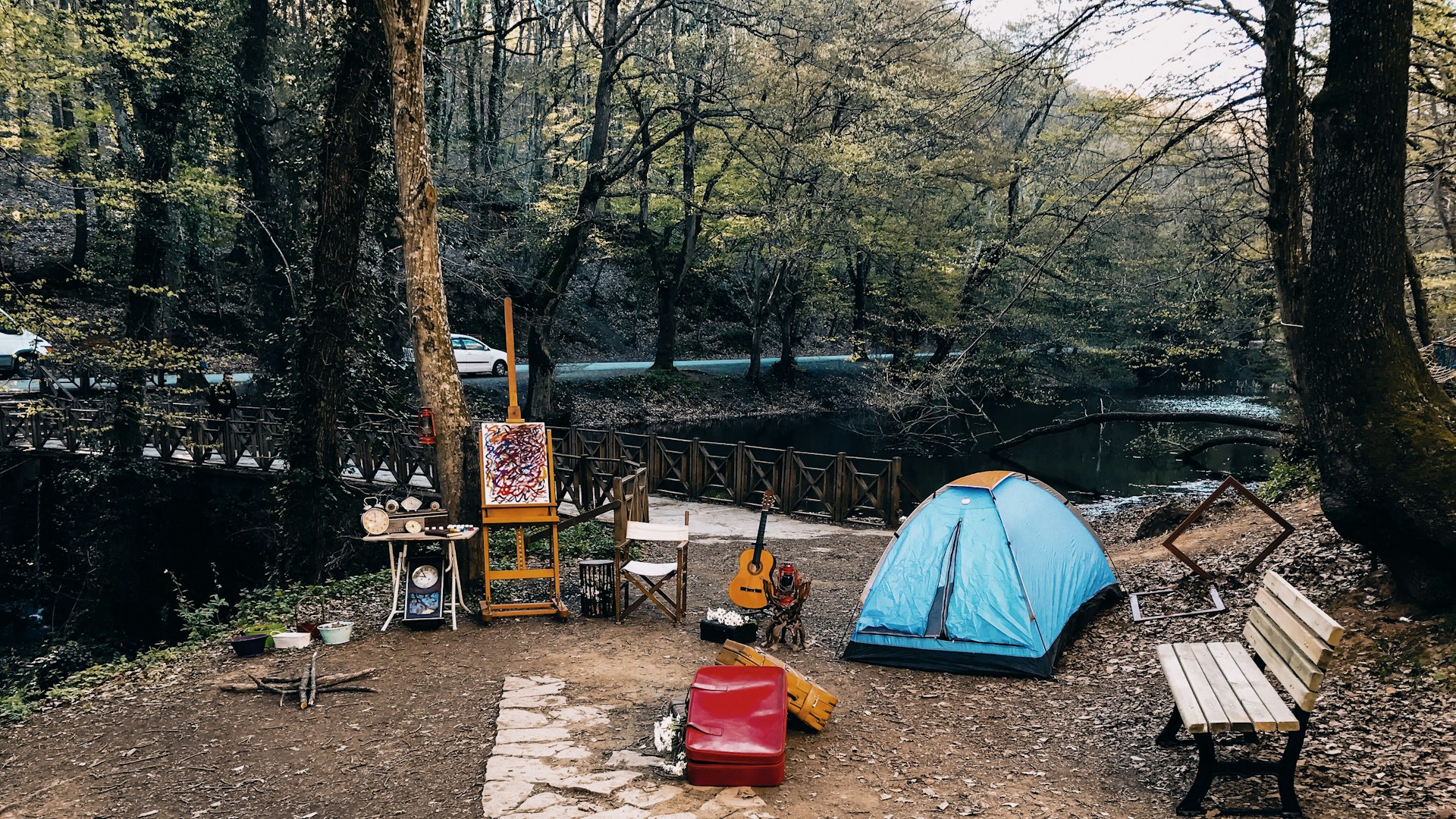
The average hunter needs 3–4 liters of water daily, yet many camps are set in areas without potable sources. The CDC notes that Giardia is the most common parasite found in U.S. surface water, causing 1.2 million infections annually. Portable gravity filters rated to remove protozoa, bacteria, and viruses are safer than chemical tablets alone. Large-capacity water bags (10–20 liters) reduce the time spent hauling from streams.
Smarter Food Storage Against Wildlife
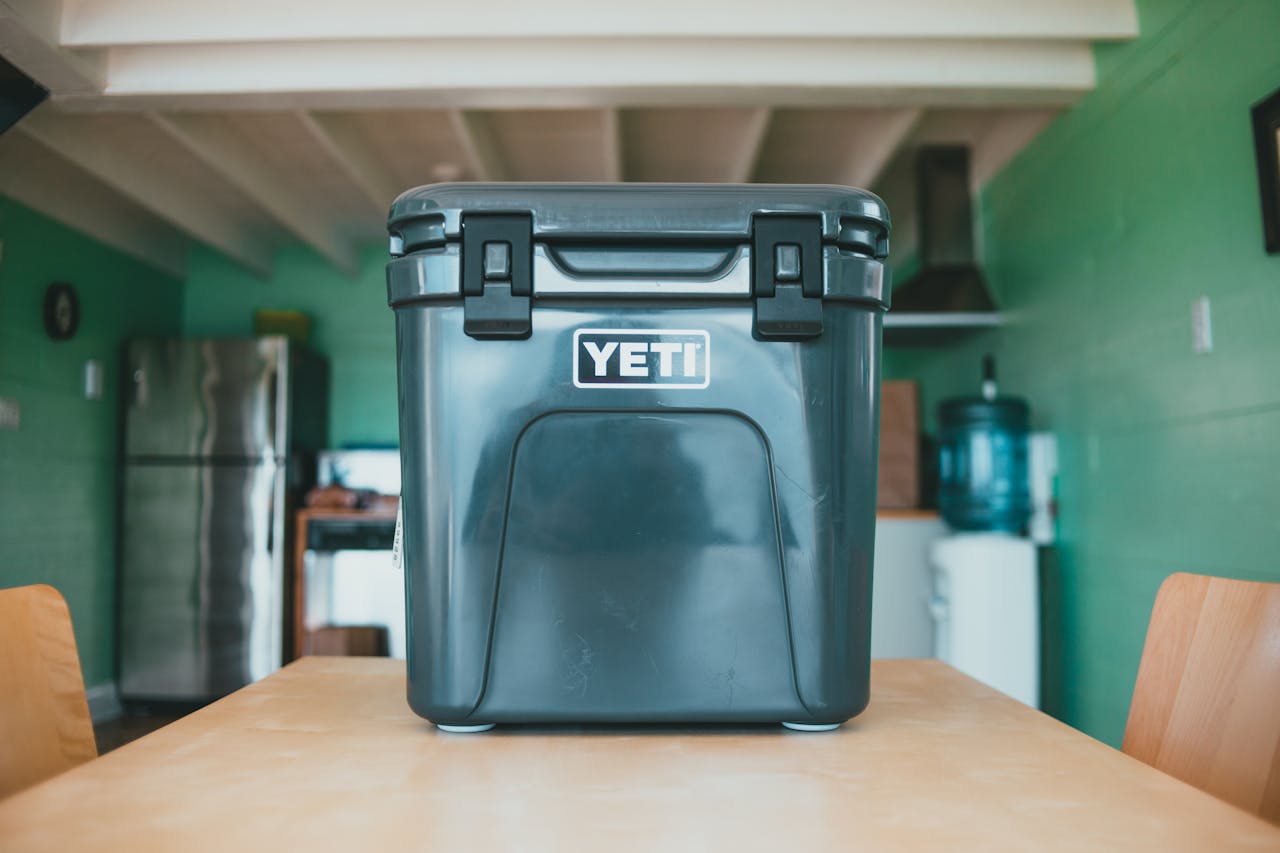
In areas with bears, improper food storage accounts for over 30% of human-wildlife conflicts, according to Yellowstone Park records. Hanging food bags at least 10 feet high and 4 feet from trunks or using bear-proof canisters dramatically reduces risks. Beyond bears, raccoons, and rodents cause costly gear damage if food isn’t secured. A dedicated, sealed storage system also reduces scent contamination that can alert game animals.
Downtime That Keeps Morale High
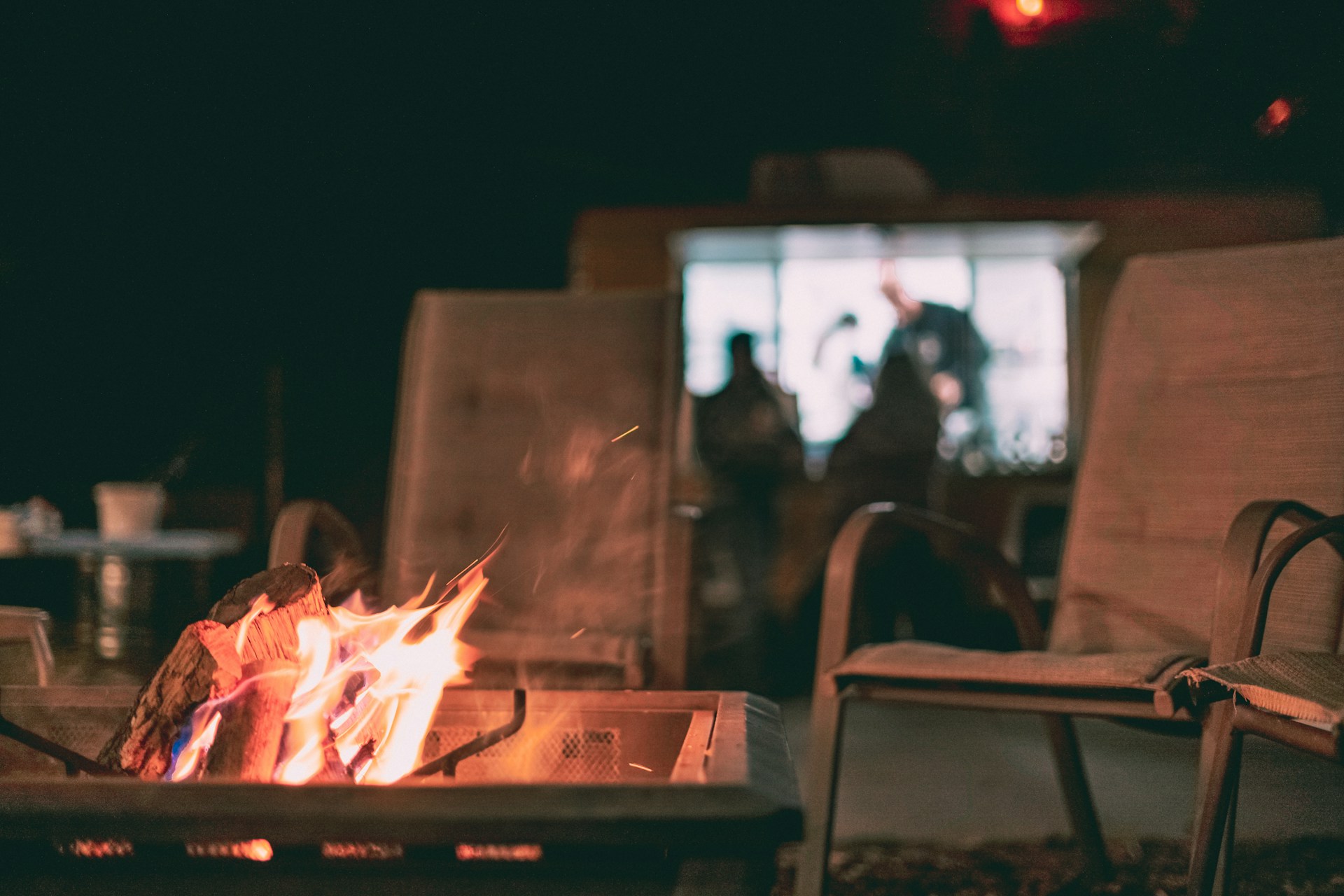
Extended hunting trips average 5–7 days, and downtime is unavoidable. Camps that include folding chairs, a sheltered tarp space, or even simple card games see higher hunter satisfaction, according to surveys by state hunting associations. Morale plays directly into persistence; hunters who remain comfortable and mentally fresh stay longer in the field and report higher harvest rates than those who cut trips short due to discomfort.