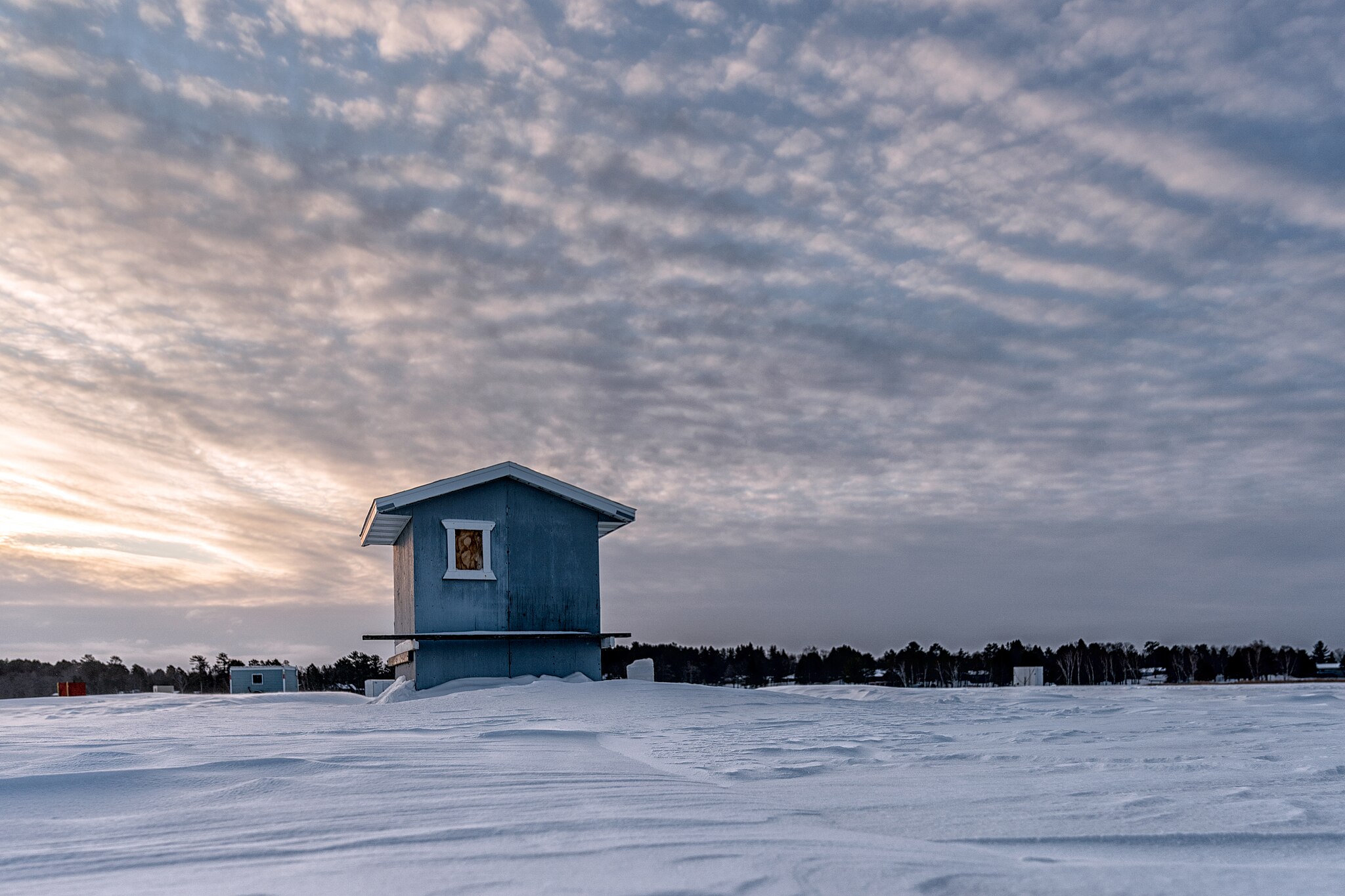
Ice-fishing huts on Wisconsin’s Lake Winnebago aren’t just winter shelters over generations; they’ve grown into a quirky cultural symbol. What began as simple wooden shacks for hardworking anglers slowly evolved into colorful, creative structures that reflect personal style, family pride, and local heritage. Today, these huts form an unmistakable seasonal skyline, drawing visitors, bonding communities, and preserving a long-standing winter lifestyle.
Early Practical Shelters Designed for Harsh Winters
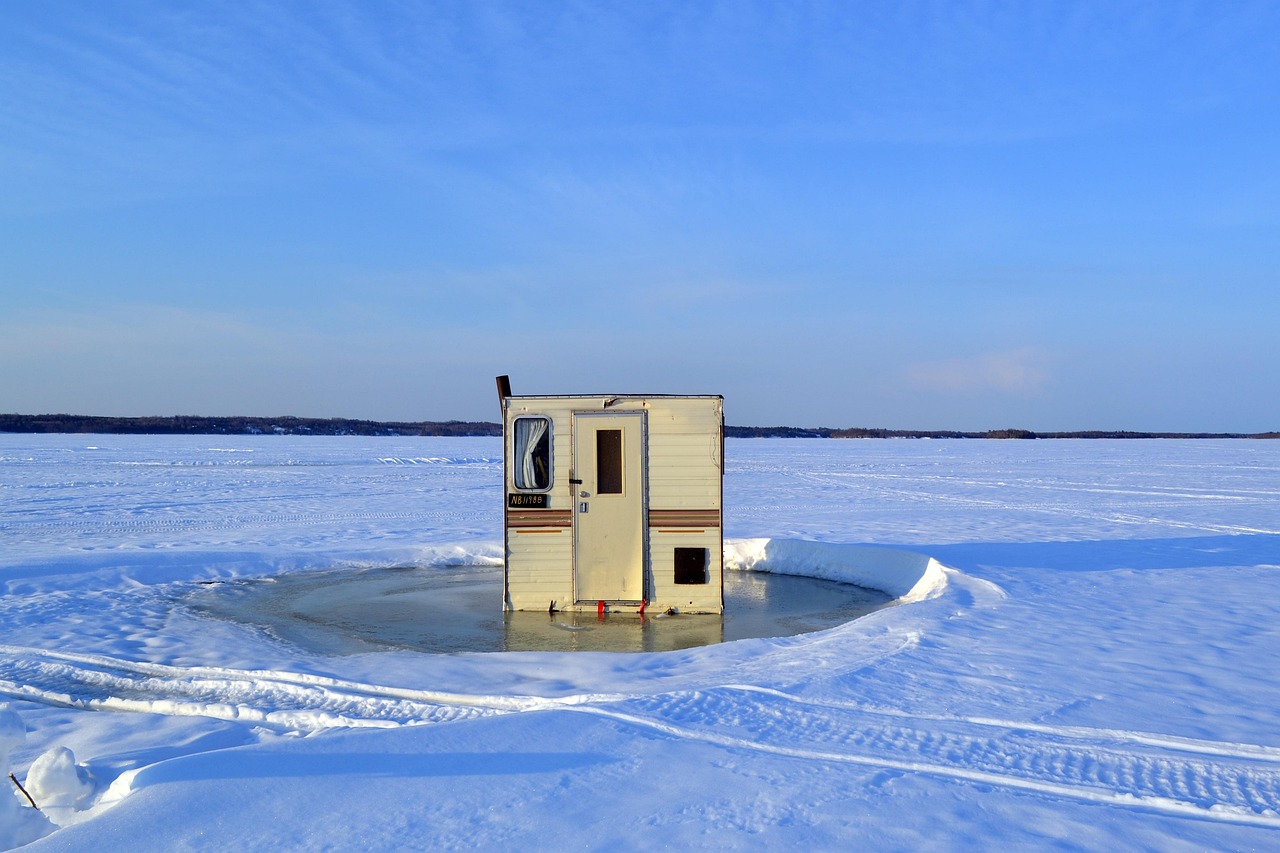
The first ice-fishing huts on Lake Winnebago were built strictly for survival and efficiency. Anglers constructed rough wooden boxes that blocked wind, held heat, and offered a small window for jigging lines through the ice. Though crude and unpainted, these shelters made winter harvests possible. Their durability and practicality laid the blueprint for what would eventually become a celebrated regional tradition.
A Working-Class Necessity That Became a Local Icon
As more families relied on winter fishing to stretch food supplies and supplement income, huts shifted from makeshift shelters to dependable seasonal tools. Generations of anglers passed down building methods, helping create a recognizable winter landscape. Over time, these humble structures became tied to Winnebago County’s identity, symbolizing resilience, self-reliance, and the comfort of shared community rituals on frozen water.
Unique Designs Reflecting Individual Personality and Craftsmanship
By the mid-20th century, residents began customizing huts with brighter paint, handcrafted doors, and clever storage setups. Creativity flourished as people experimented with shapes, interior layouts, and homemade heating solutions. Each hut became a small expression of pride, some rugged, some whimsical. This artistic shift helped transform huts from simple tools into personal statements that locals eagerly revisited and improved every winter.
Friendly Competitions Fueled Innovation and Local Pride
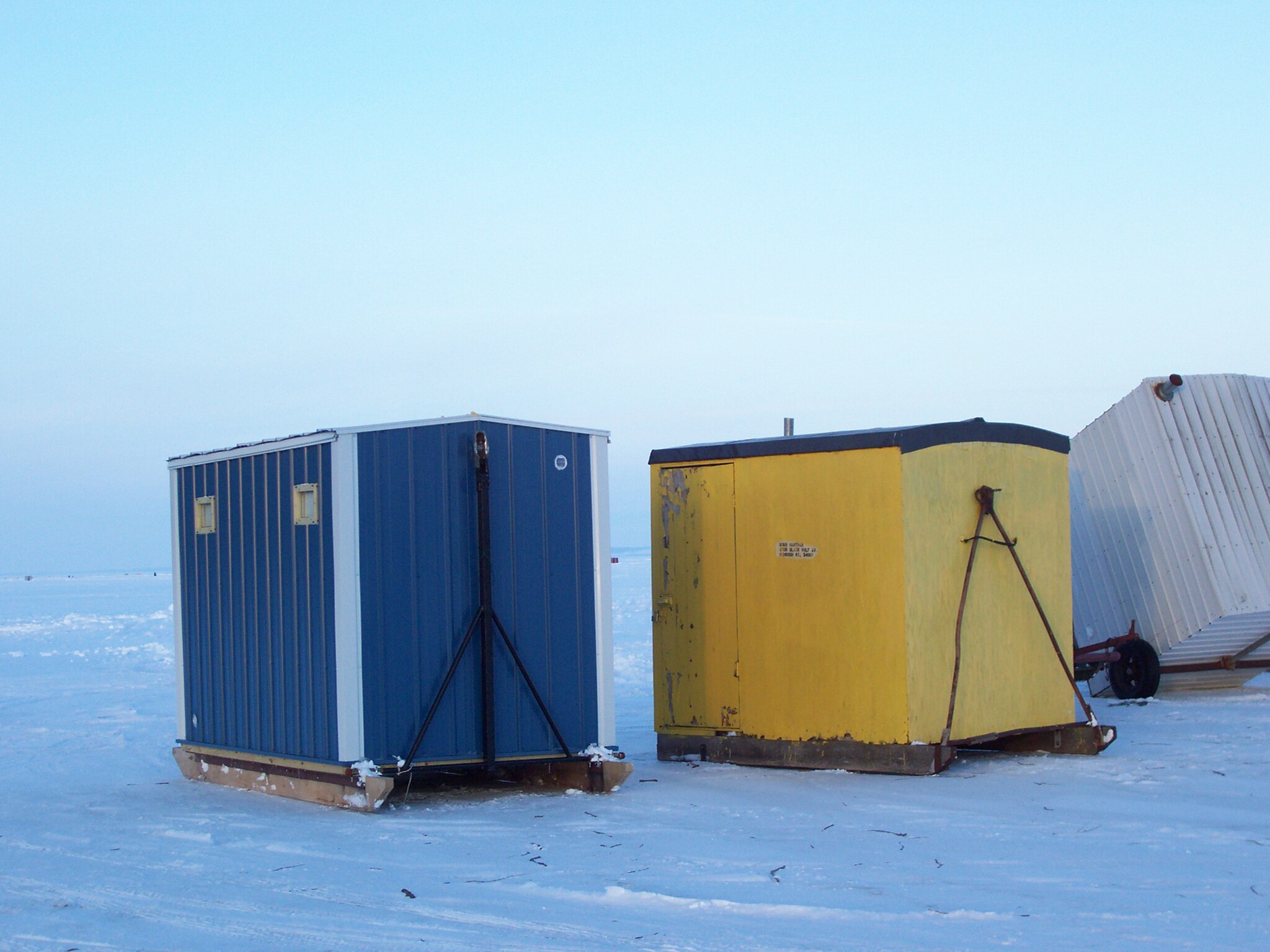
With more colorful huts dotting the ice, friendly rivalry naturally followed. Unofficial bragging rights emerged over who could craft the warmest, lightest, or most eye-catching design. Neighborhood groups sometimes held informal contests, pushing creative boundaries and strengthening camaraderie. This playful competition encouraged better building techniques and made the seasonal “hut reveal” a fun tradition that families look forward to each year.
Ice Shanty Communities Forming Temporary Winter Neighborhoods
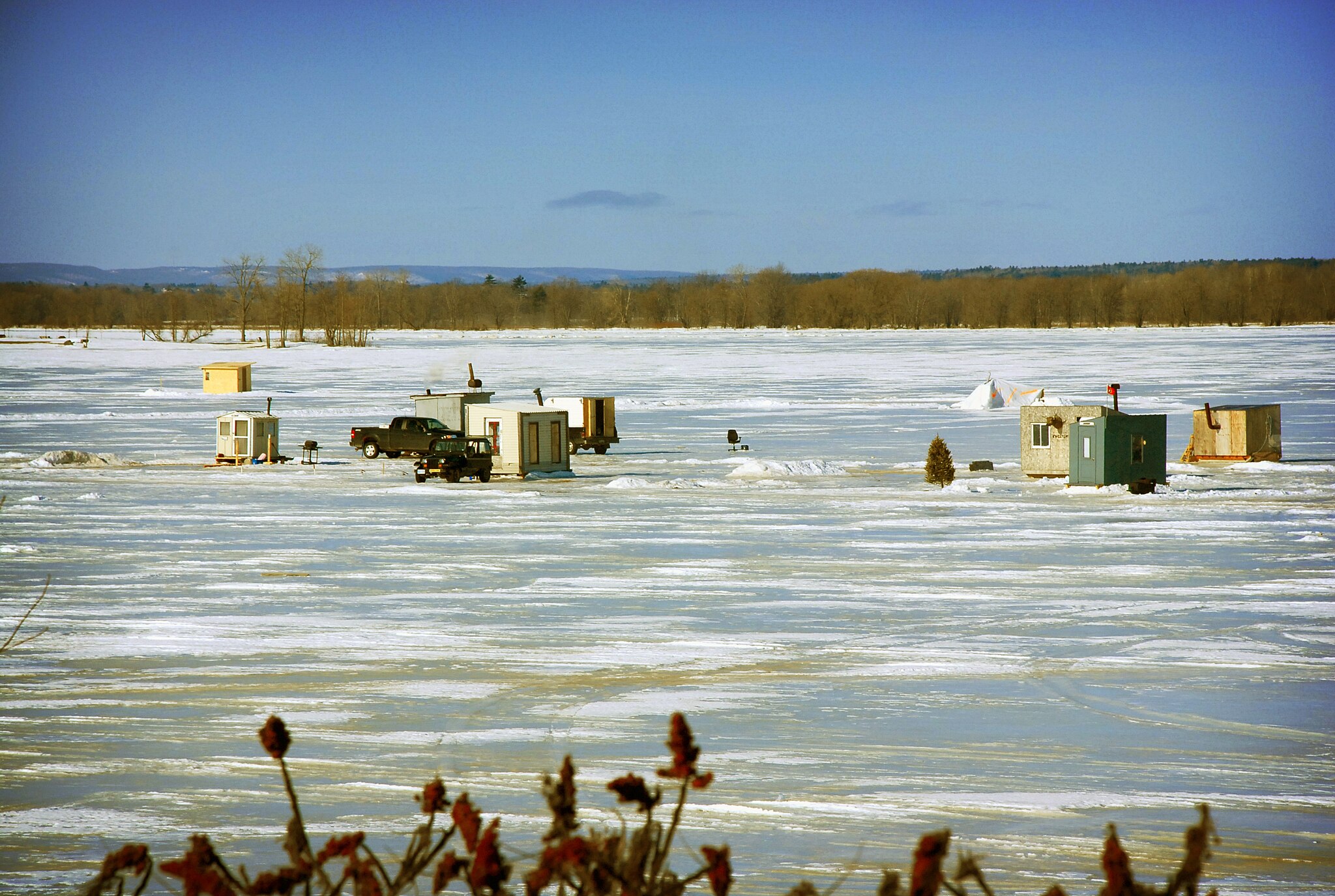
When anglers set up huts in clusters, small seasonal communities formed across the lake’s frozen surface. Strangers became friends as they shared fishing tips, warm drinks, and stories passed between generations. These pop-up neighborhoods created a warm social atmosphere in an otherwise unforgiving environment. The sense of belonging, paired with the shared rhythm of winter fishing, helped the huts earn cultural importance.
Family Traditions Passed Down Through Generations
Many families in Winnebago County consider ice fishing and hunting huts part of their winter heritage. Parents teach kids how to drill holes, maintain gear, and repair hut frames as seasonal rituals. Some huts are even rebuilt each year with the entire family pitching in. These traditions foster strong bonds and turn hut construction into a cherished annual event rather than a simple winter task.
Influence of Local Events Like Sturgeon Spearing Season
The region’s famed sturgeon spearing season dramatically shaped the evolution of ice huts. Spearers required structures with larger openings, wider floors, and better insulation to endure long days on the ice. As the event grew, huts became more specialized and elaborate. The excitement surrounding sturgeon season helped cement ice huts as a cultural phenomenon and not merely utilitarian shelters.
Media Coverage Boosting Visibility and Local Tourism
Local newspapers and television stations often feature creative huts, unusual designs, or human-interest stories from the ice. These features attract tourists curious about the frozen villages dotting Lake Winnebago. Over time, the colorful structures became a winter backdrop for photographs, documentaries, and travel blogs, expanding their reputation beyond Wisconsin and turning them into charming regional landmarks.
Modern Upgrades Blending Tradition with Technology
Contemporary huts often combine old-school charm with modern comforts. Anglers now build lightweight frames, add LED lighting, use propane heaters, or incorporate fold-down bunks for overnight stays. Despite the technology, locals maintain strong ties to traditional craftsmanship. The blend of innovation and heritage helps keep the culture alive while ensuring huts remain practical and enjoyable during long winter outings.
A Seasonal Art Form That Celebrates Community Spirit
Today, Winnebago County’s ice huts are recognized as part of the region’s winter identity. Each hut with its unique shape, color, and handmade quirks contributes to a seasonal art form that celebrates local creativity. More importantly, the tradition fosters community spirit as families, friends, and newcomers gather on the ice. What began as a simple necessity has become a symbol of shared endurance, pride, and winter joy.