
Discovering how two legendary rifles perform in a modern 2-gun match provides a fascinating look at how historic designs handle the rigors of contemporary shooting sports today. These iconic platforms represent decades of military service and engineering evolution while facing intense scrutiny from competitive marksmen during every stage of the event. While modern shooters often prefer specialized, high-tech hardware, the classic reliability and balanced ergonomics of these rifles offer a unique and rewarding experience for every participant in the field. Understanding the specific strengths and weaknesses of each system helps a person appreciate the enduring and impressive legacy.
The AR-15 Platform
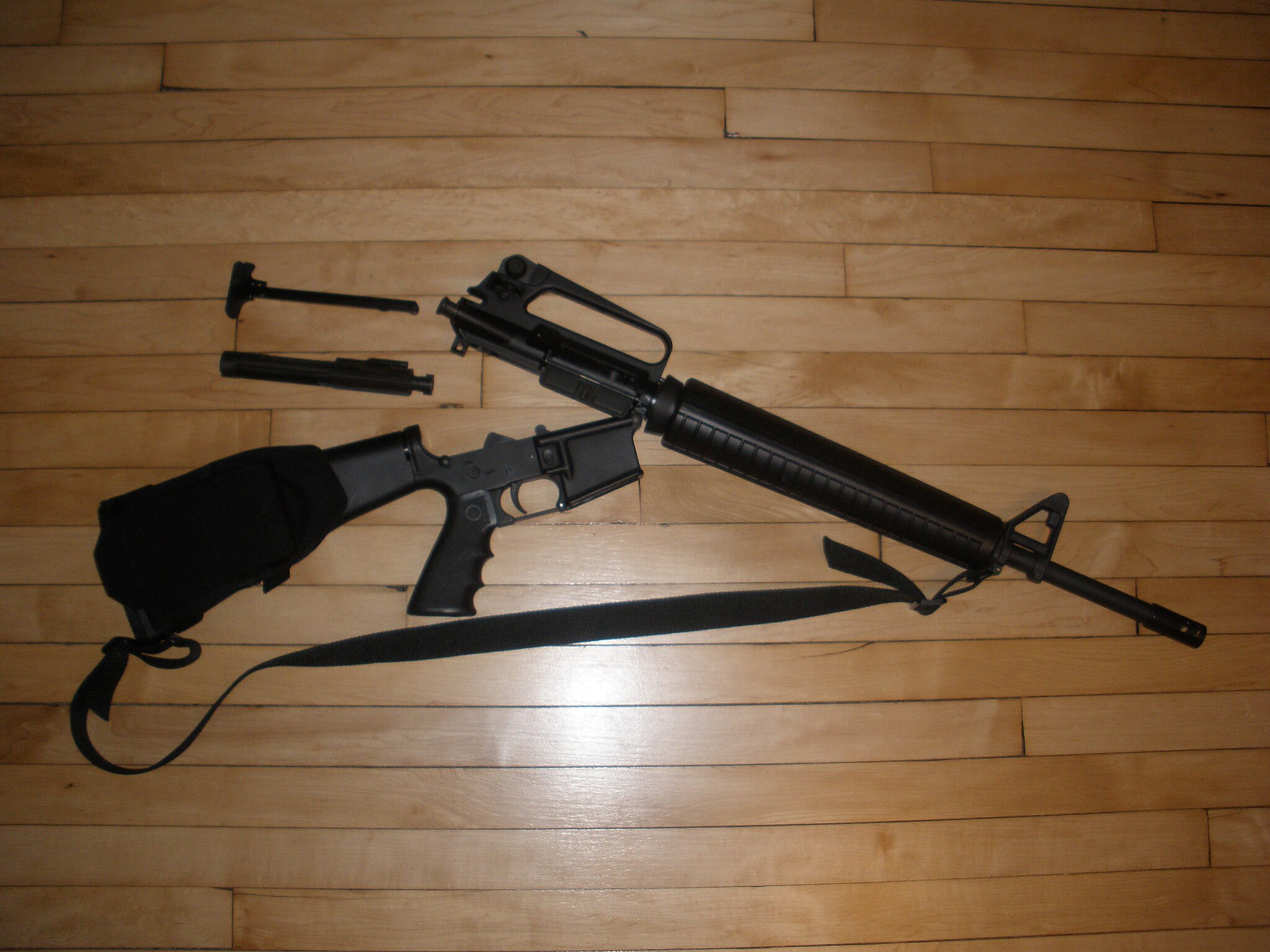
The AR-15 platform continues to dominate the competitive landscape because its modular design and low recoil allow for incredible speed and surgical precision during a sequence. Marksmen appreciate the crisp trigger pull and the ability to mount various modern optics that help maintain a clear sight picture throughout the match. This rifle excels at long-range targets and fast transitions between multiple obstacles thanks to its lightweight construction and ergonomic layout for every shooter. While some people prefer heavier frames, the versatility of this American classic ensures that it remains a top choice for anyone seeking total victory.
The AK-47 Performance

The AK-47 brings a rugged and very distinctive energy to the competition by relying on its legendary reliability and the powerful intermediate cartridge for every single stage. While the recoil is noticeably sharper than other systems, the physical feedback and the sturdy build provide a sense of absolute confidence during the most demanding physical challenges. Shooters often find that the simple and intuitive controls allow for fast handling even when the environment becomes dusty or damp during a long afternoon. This rifle proves that traditional engineering still holds its own against modern high-tech alternatives by delivering consistent performance.
Comparing Recoil Control

Managing the recoil during a fast-paced competition is essential for maintaining accuracy when a person moves quickly between various shooting positions and barricades. The AR-15 utilizes a direct impingement gas system and a buffer spring to absorb much of the kinetic energy before it reaches the shoulder. This design allows the sights to stay much flatter on the target during rapid strings of fire throughout the long day. In contrast, the long stroke gas piston of the AK-47 creates a more violent and heavy movement that requires a very firm and disciplined grip from the shooter.
Navigation And Ergonomics

Navigating the complex obstacles of a modern match requires a rifle that feels natural and remains easy to manipulate with sweaty hands or under pressure. The modularity of the American design allows for personalized adjustments to the stock and the grip to fit the specific body type of any competitive marksman. While the Soviet design features a more traditional and fixed layout, many shooters enjoy the simplicity and the ruggedness of the original steel and wood components. Moving through tight spaces and around simulated walls tests the balance and the overall maneuverability of each legendary and very historic firearm.
Reliability Under Stress

Reliability remains the most critical factor during any competitive event because a single mechanical jam can easily ruin a score and end a chance for victory. The AK-47 is famous for its ability to function perfectly even when it is covered in dirt or running with very little lubrication in the field. However, the modern AR-15 has become incredibly dependable through years of refinement and the use of high-quality coatings on the bolt carrier group. Both rifles prove that they can withstand the heat and the constant vibration of rapid fire without failing the shooter at a critical moment.