7 Essential Skills Every Camper Needs Preparation serves as the ultimate foundation for anyone wanting to know how to survive a wilderness emergency during a remote hiking or camping trip. Nature often presents unpredictable challenges that can quickly overwhelm individuals who lack the proper training or the right mindset for rugged environments. Developing specific technical abilities allows outdoor enthusiasts to remain calm and make rational decisions when faced with equipment failure or severe weather changes. This guide highlights seven essential skills that help maintain health and security until a safe rescue becomes possible. Mastering these fundamentals transforms a potentially dangerous situation into a manageable and survivable event.
Finding And Purifying Water
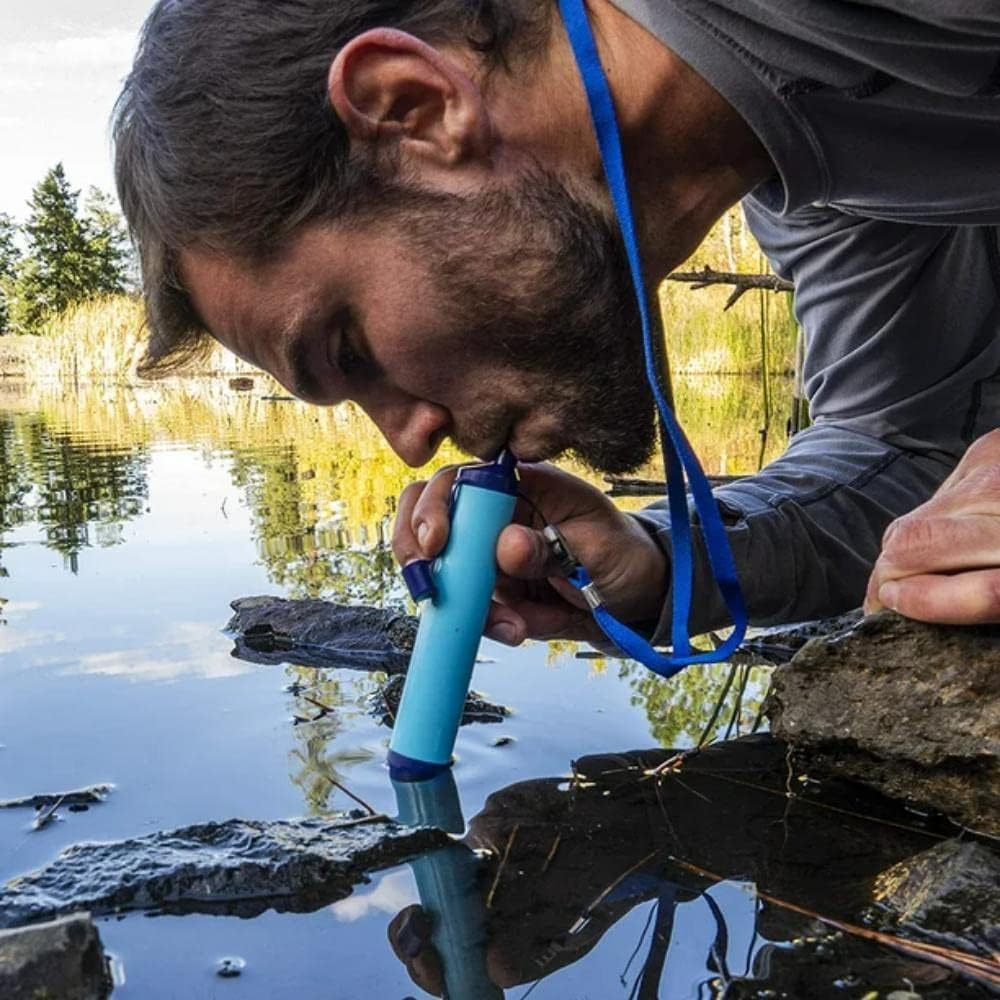
Locating a reliable source of hydration remains the most critical priority for maintaining physical strength and mental clarity in the wild. Animals often lead the way to hidden springs, while low-lying areas typically collect moisture after a heavy rainstorm. Once a water source is identified, a camper must remove harmful pathogens through boiling or using chemical purification tablets to prevent debilitating illnesses. Consuming untreated water introduces the risk of parasites that cause severe dehydration and further complicate an existing emergency. Knowledge of filtration methods ensures a steady supply of clean water, which is necessary for long term survival.
Building A Weatherproof Shelter
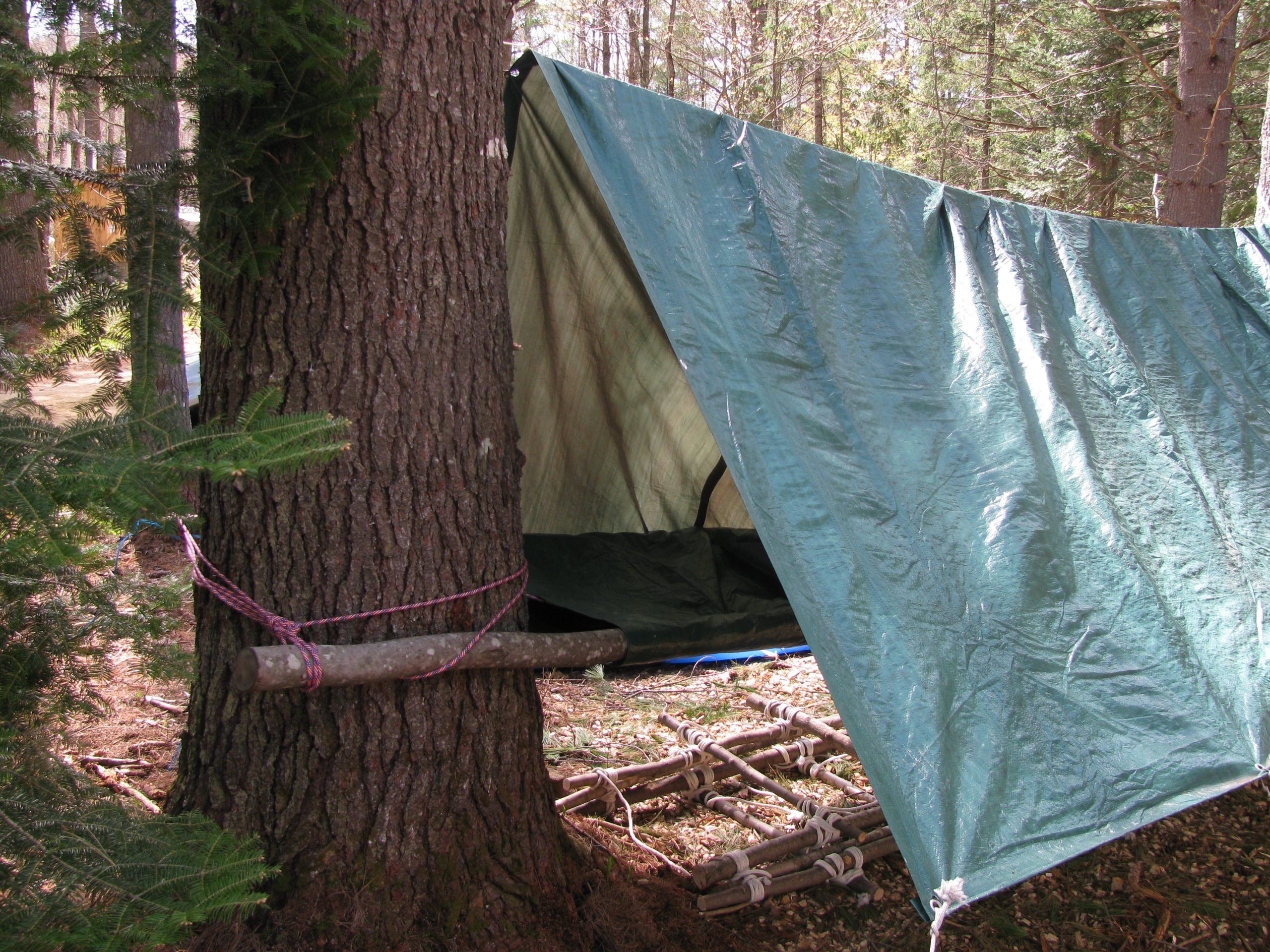
Protecting the body from extreme temperatures and moisture is a vital skill that prevents the rapid onset of life-threatening hypothermia. A successful survival shelter utilizes natural materials like fallen branches and thick layers of pine needles to create an insulating barrier against the cold ground. Campers must select a site that remains high and dry while offering protection from prevailing winds or falling forest debris. Mastering various lashing techniques and structural designs allows for the creation of a sturdy home that keeps the occupant warm throughout the night. This physical protection provides essential comfort during a stressful wilderness crisis.
Starting A Fire Without Matches
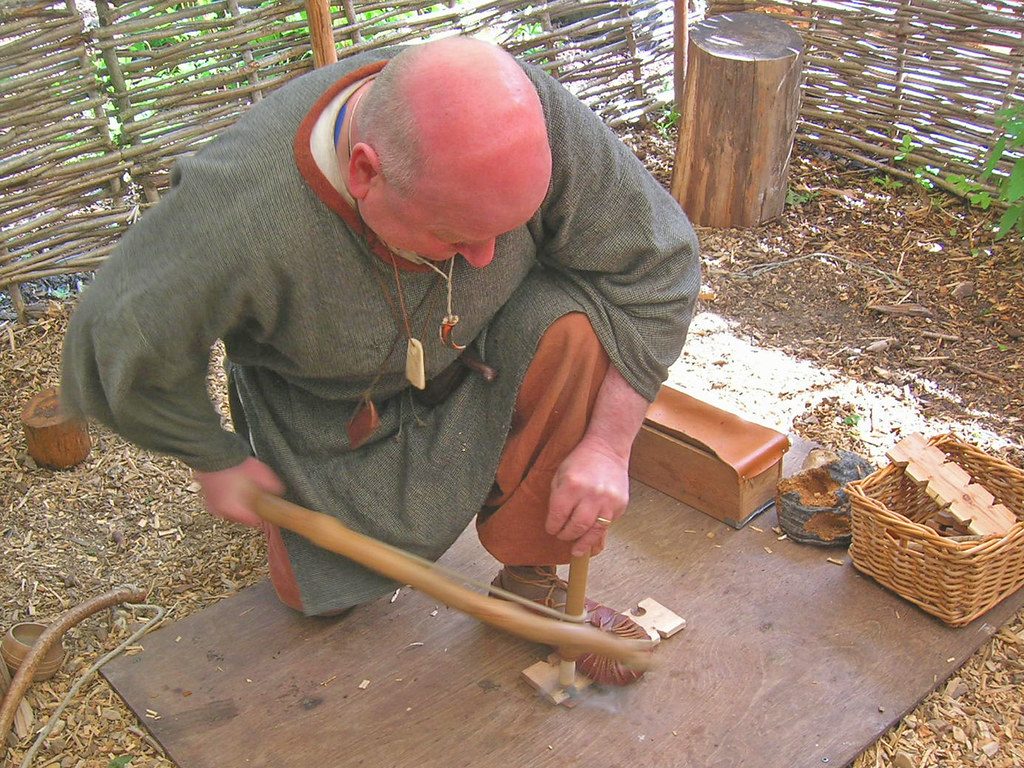
Creating heat serves as a multi-purpose survival tool that provides warmth and a way to signal for professional help. While matches are convenient, a skilled woodsman knows how to use a ferrocerium rod or a flint and steel set to produce hot sparks. Gathering the correct types of tinder and dry kindling is the secret to sustaining a small flame in damp or windy conditions. A well-maintained fire also boosts morale and deters curious predators from approaching a campsite after the sun sets. Practice with different ignition methods ensures that a camper can always generate life-saving warmth.
Navigating With A Compass
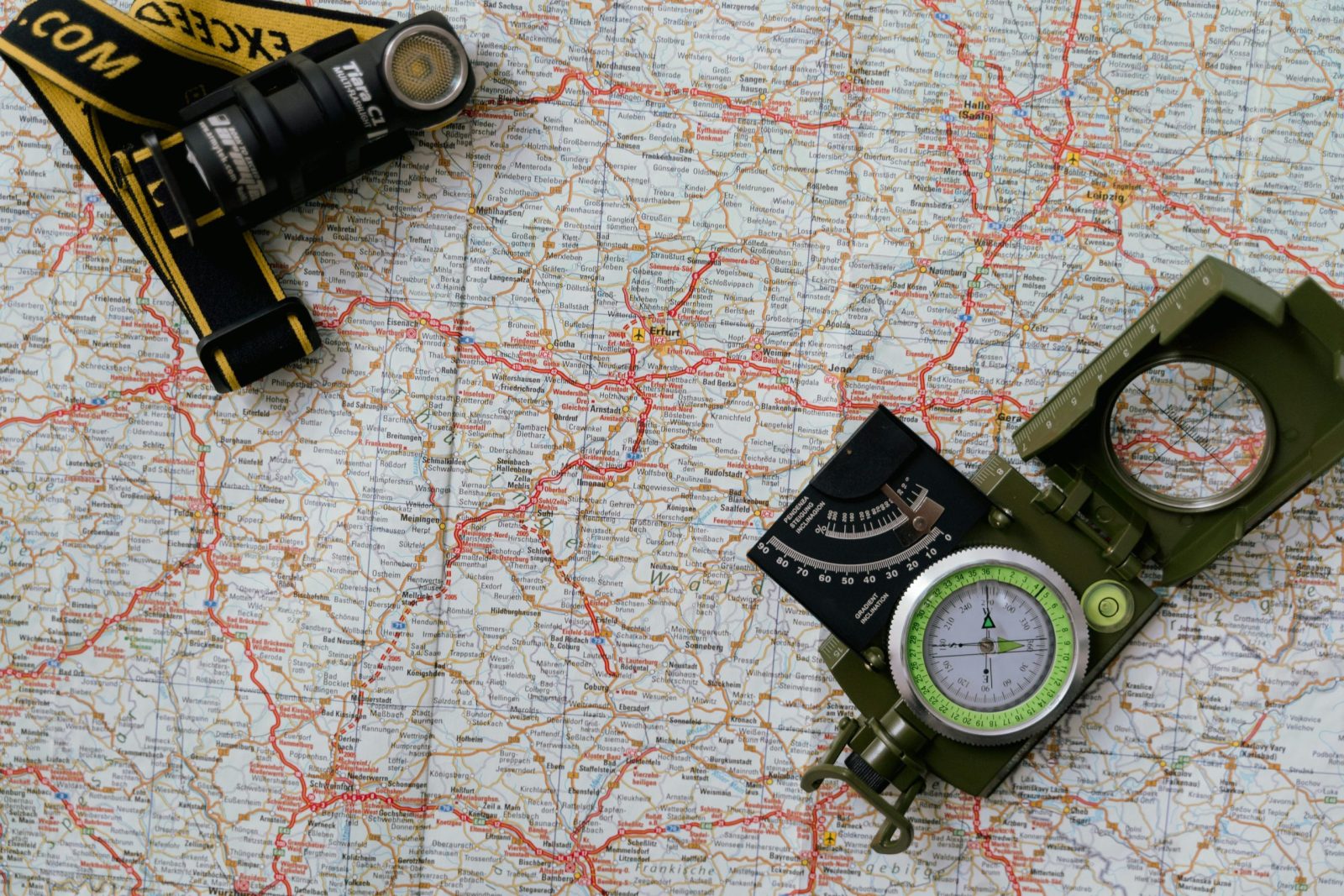
Relying exclusively on electronic devices often leads to disaster when batteries die or satellite signals disappear in deep mountain canyons. Learning to read a topographic map and use a magnetic compass allows a person to identify their exact location and find a safe route home. This skill involves understanding how to account for magnetic declination and how to follow a specific bearing through dense vegetation or thick fog. Avoiding the natural tendency to walk in circles is essential for making steady progress toward safety. Professional navigation abilities prevent a minor wrong turn from becoming a permanent and tragic disappearance.
Performing Basic First Aid
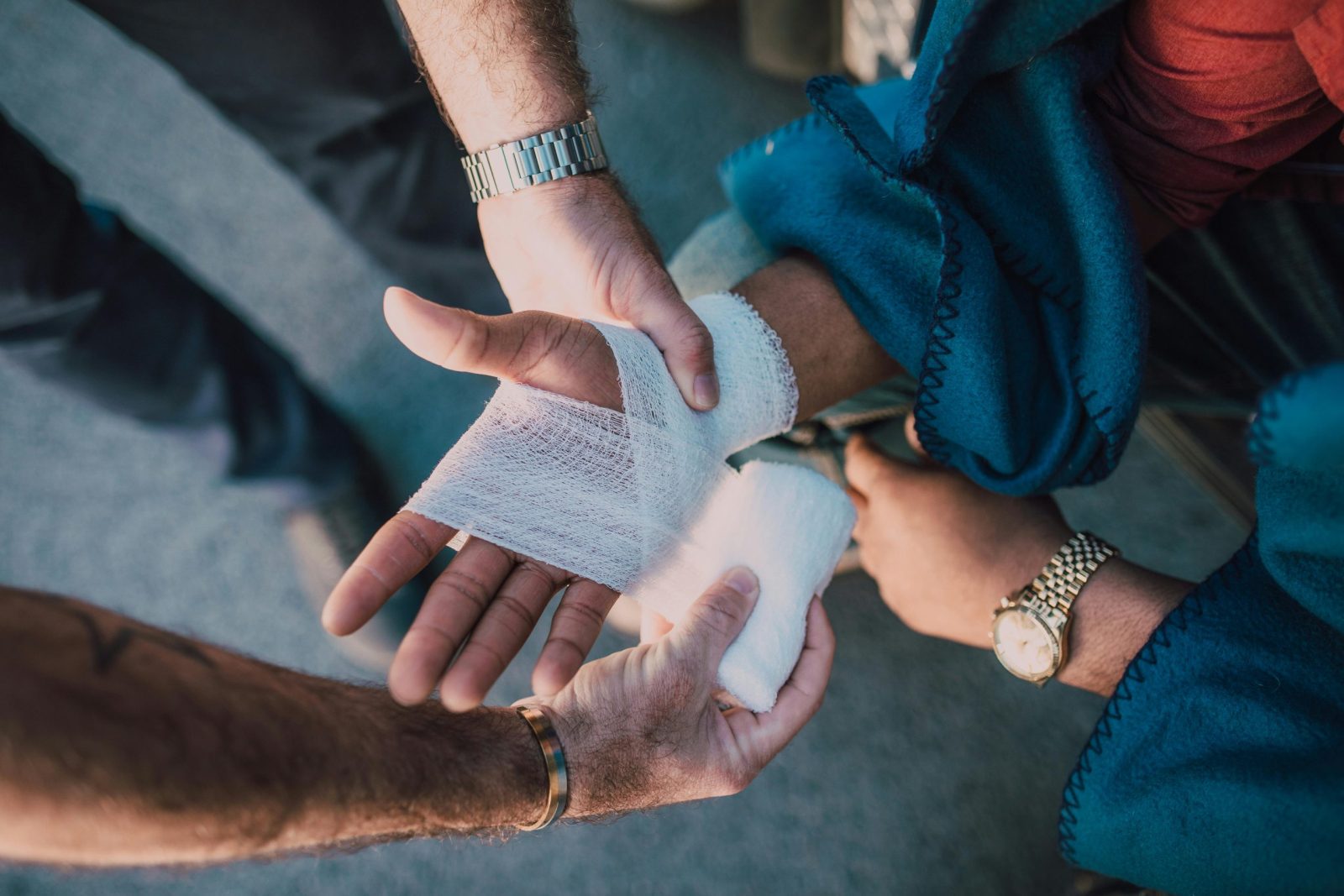
Treating minor injuries before they escalate into serious infections is a cornerstone of wilderness medicine for every serious backpacker today. A camper must know how to clean wounds properly and apply pressure to stop bleeding using whatever materials are available in their pack. Identifying the early signs of heat exhaustion or frostbite allows for immediate intervention that preserves the health of the entire group. Carrying a well-stocked medical kit and knowing how to use every item effectively provides a critical safety net during an accident. These skills save lives when help is many hours away.
Signaling For Rescue Teams
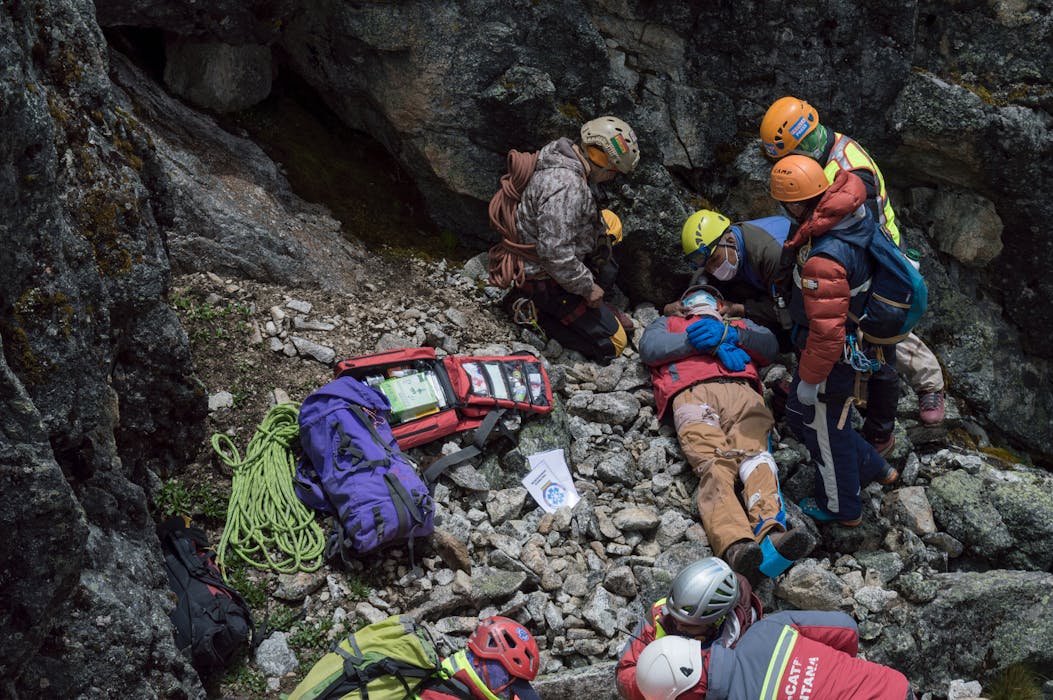
Attracting the attention of search and rescue pilots requires an understanding of how to use visual and auditory signals in a vast landscape. Three of anything is the international signal for distress, whether it involves three loud whistle blasts or three distinct piles of smoke. Using a signal mirror to flash sunlight toward a distant aircraft can alert rescuers from many miles away, even on a hazy afternoon. Maintaining a high level of visibility ensures that searchers can locate a stationary person much faster in thick forest cover. Proper signaling techniques significantly reduce the time spent waiting for an eventual rescue.
Identifying Edible Wild Plants
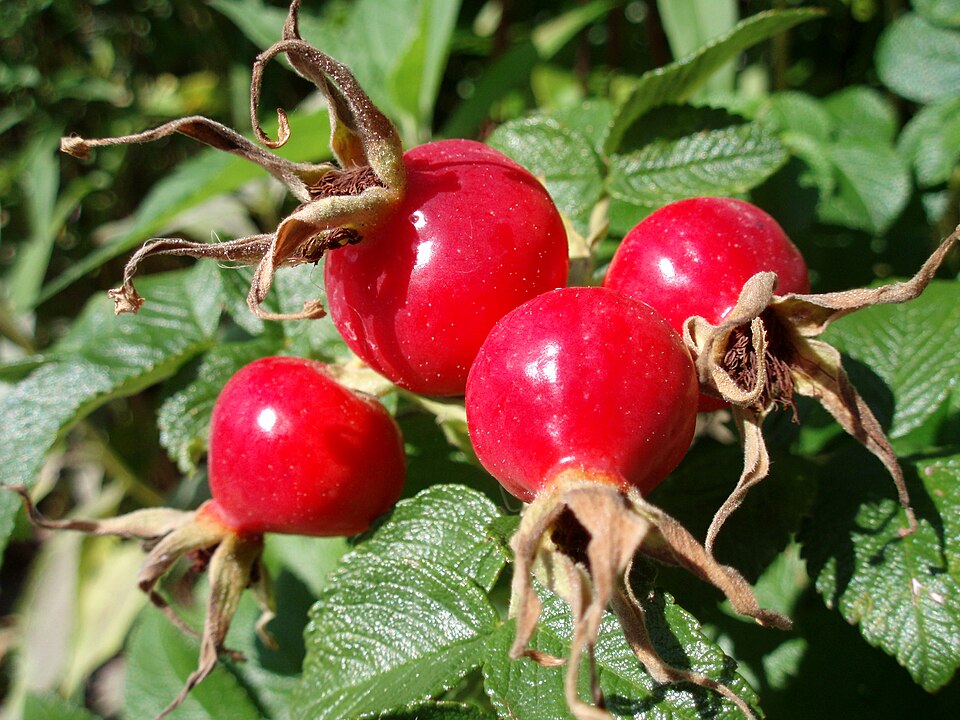
While a person can survive for several weeks without food, knowing which local plants provide nutrition offers a significant energy boost. Foraging requires extreme caution because many edible species have poisonous lookalikes that can cause severe internal damage if consumed by mistake. Focusing on easily identifiable items like pine needles or certain berries provides essential vitamins without the risk of a dangerous error in judgment. Understanding the local flora adds another layer of security to a survival kit while helping to maintain morale during a long wait. This knowledge is a valuable asset for any dedicated and prepared wilderness traveler.