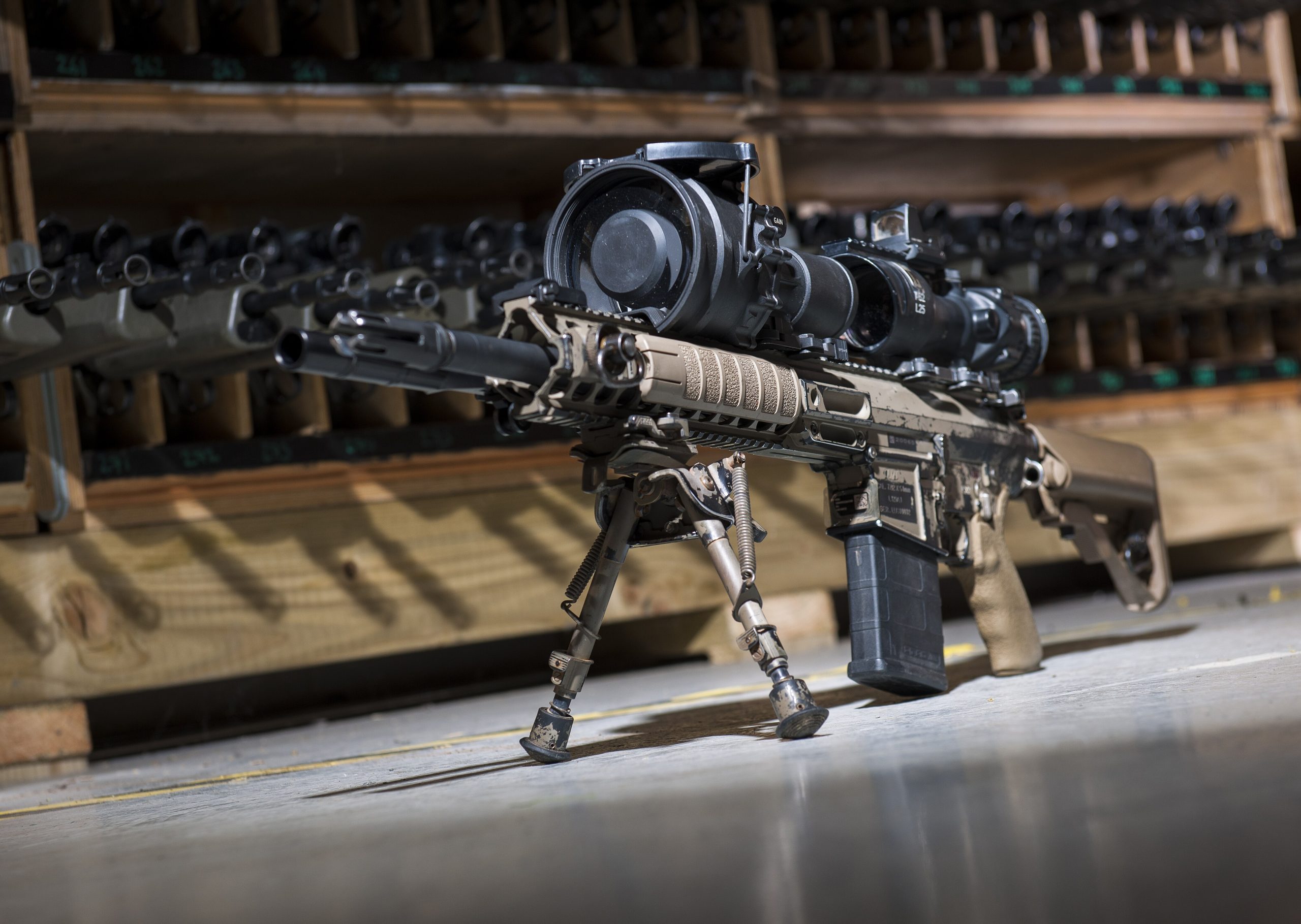
A rifle can look perfectly healthy on the outside while hiding serious internal wear. Barrels, chambers, and critical surfaces slowly erode with use, heat, and improper maintenance. For buyers, collectors, or anyone evaluating a well-used firearm, recognizing excessive wear quickly is an invaluable skill. A truly worn barrel affects accuracy, consistency, and sometimes safety, yet the warning signs are often subtle. Fortunately, you do not need specialized equipment or deep technical knowledge to catch the most obvious indicators. With a systematic visual check and a few practical observations, you can form a reliable first impression in under a minute. The key is knowing where to look and what changes matter most.
Check the Rifling Definition
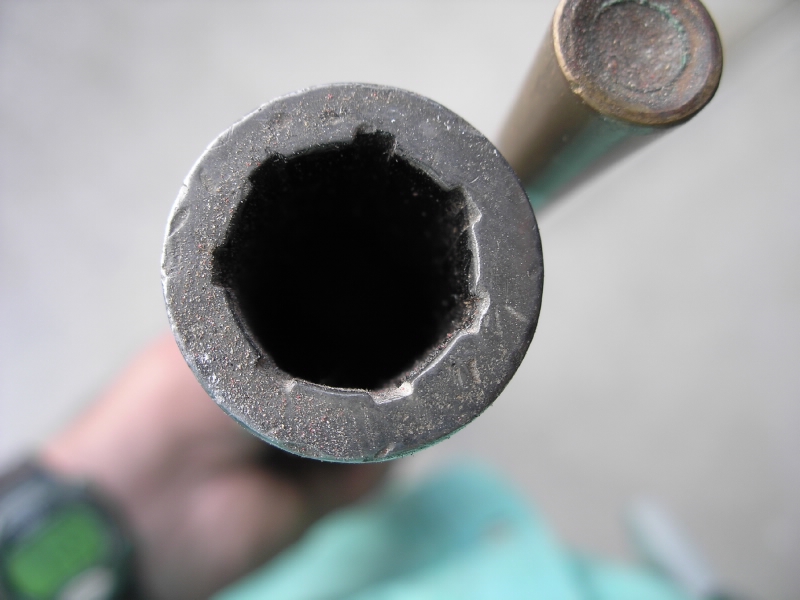
Start by examining the barrel’s interior. Clear, sharp rifling is one of the strongest indicators of a healthy bore. When rifling appears faint, rounded, or uneven, it often suggests significant wear. Strong light helps reveal this quickly. Look for consistent grooves with crisp edges rather than washed-out lines. Excessive firing, especially with high-velocity rounds, gradually smooths these surfaces. A worn bore may still function, but performance usually declines. Uneven rifling can also hint at cleaning damage from improper rods or techniques. This simple glance offers immediate clues about how much life the barrel may have left.
Inspect the Throat Area
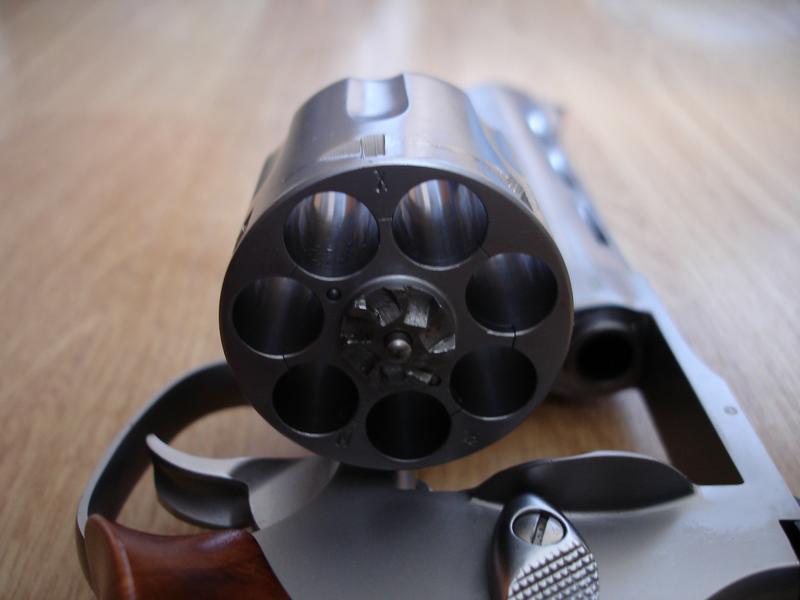
The throat, located just ahead of the chamber, experiences intense heat and pressure. It typically shows wear earlier than other barrel sections. Visible cracking, roughness, or an eroded appearance often signals heavy use. Even without tools, a bright light can reveal a surprisingly large amount of detail. A severely worn throat may look slightly frosted or irregular compared to the smoother bore beyond it. Because this area directly influences bullet stabilization, erosion here frequently correlates with accuracy loss. While minor wear is normal, dramatic surface changes deserve attention during any quick evaluation.
Look for Pitting and Corrosion
Pitting stands out as small dark specks or rough patches inside the bore. These imperfections usually result from moisture exposure or neglected cleaning. Even light pitting can degrade performance by disturbing bullet travel. Deep or widespread corrosion raises more serious concerns. Shine a light and rotate the rifle gently to catch reflections along the bore. Healthy steel reflects smoothly, while damaged surfaces scatter light unevenly. External finish condition does not always match internal health, so never assume a clean exterior guarantees a clean bore. This step takes seconds but can reveal years of poor storage or maintenance.
Evaluate the Crown Condition
The crown, located at the muzzle, plays a critical role in accuracy. Damage here disrupts escaping gases and destabilizes bullets. Visually inspect for nicks, dents, or asymmetrical wear. A clean crown should appear even and sharply defined. Irregular edges or visible impact marks often indicate careless handling or improper cleaning methods. Crown damage frequently mimics the effects of a worn barrel by causing erratic shot placement. Because this area is easy to access, it serves as a fast and reliable checkpoint. Problems here are common and instantly noticeable with basic observation.
Observe Surface Finish Consistency
A healthy bore generally shows a uniform finish. Sudden changes in color, texture, or reflectivity may suggest localized wear or fouling buildup. Move the light source slightly while viewing the bore. Consistent reflections usually indicate smoother surfaces. Dull or patchy sections can reveal erosion or stubborn residue. This technique requires no equipment beyond good lighting. Significant variations sometimes point to uneven firing patterns or past damage. Though subtle, these differences become obvious once you know to look for them. Consistency is often more important than absolute brightness.
Check for Bulges or Distortions
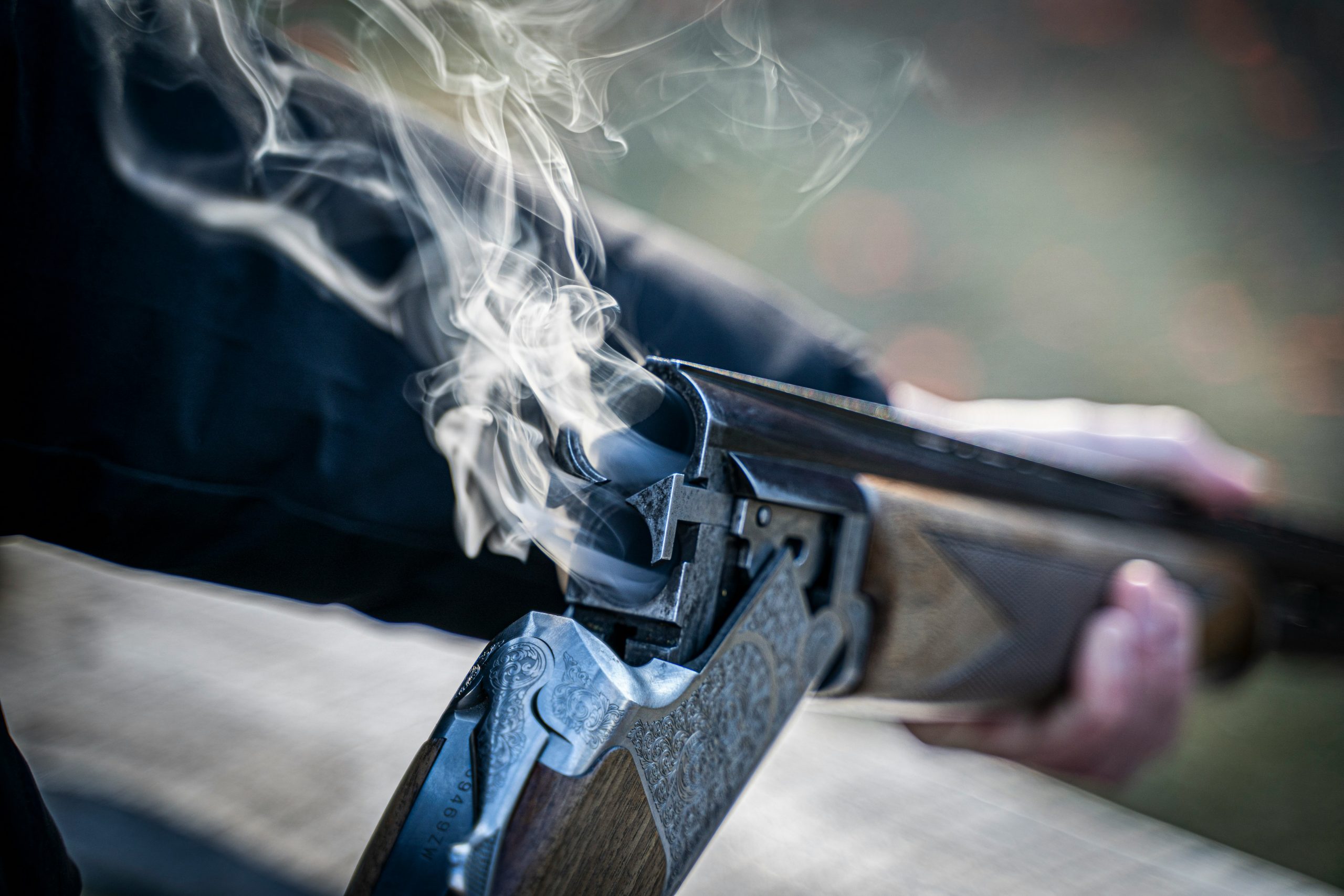
Barrel bulges are rare but serious. They typically appear as slight exterior swelling or interior shadowing. Slowly rotate the barrel under light while observing its profile. Any visible deformation deserves caution. Obstructions, improper ammunition, or past incidents can cause such damage. Even minor distortions may affect structural integrity and accuracy. While dramatic bulges are easy to spot, smaller ones require deliberate attention. This inspection step is quick yet crucial. A straight, symmetrical barrel exterior often correlates with internal health, though internal checks should always confirm.
Examine the Chamber Edge
The chamber entrance should appear smooth and well-defined. Excessive wear here may show as rounding, scratches, or rough transitions into the rifled bore. These surfaces guide cartridges and influence initial bullet alignment. Shine light into the chamber and focus on edge clarity. Significant irregularities sometimes indicate heavy cycling or poor cleaning practices. Though less discussed, chamber condition contributes to reliability and consistency. A clean, sharp chamber edge typically suggests careful ownership. This glance complements bore inspection and takes only moments.
Assess Overall Cleanliness Clues

Unusual residue, heavy fouling, or layered deposits may obscure underlying wear. A neglected bore often hints at broader maintenance issues. Look for thick carbon, copper streaks, or hardened buildup. While dirt alone does not confirm a worn barrel, it complicates evaluation and raises questions. A well-maintained rifle usually presents a relatively clean bore even if well used. Cleanliness patterns often reflect owner habits. Quick assessments benefit from considering both wear signs and care indicators together rather than isolating a single factor.
Watch for Uneven Wear Patterns
Healthy barrels tend to wear gradually and uniformly. Noticeable asymmetry in rifling depth or surface texture can suggest problems. Rotate the rifle slightly while maintaining consistent lighting. Uneven reflections or groove shapes stand out once attention is focused. Such irregularities may result from manufacturing defects, cleaning damage, or unusual firing stresses. While this requires a practiced eye, it becomes intuitive with experience. Consistency across the bore remains a key indicator of remaining service life.
Trust Combined Visual Impressions
No single sign guarantees a barrel is completely worn out. Rapid evaluations work best when multiple observations align. Faint rifling, throat erosion, pitting, and crown damage together paint a clearer picture than any one clue alone. Experience strengthens this judgment, but even beginners can develop reliable instincts through careful viewing. A methodical, calm inspection avoids guesswork. In under a minute, you can often distinguish between normal wear and meaningful degradation. Visual literacy, not specialized tools, remains your most valuable asset during initial rifle assessments.