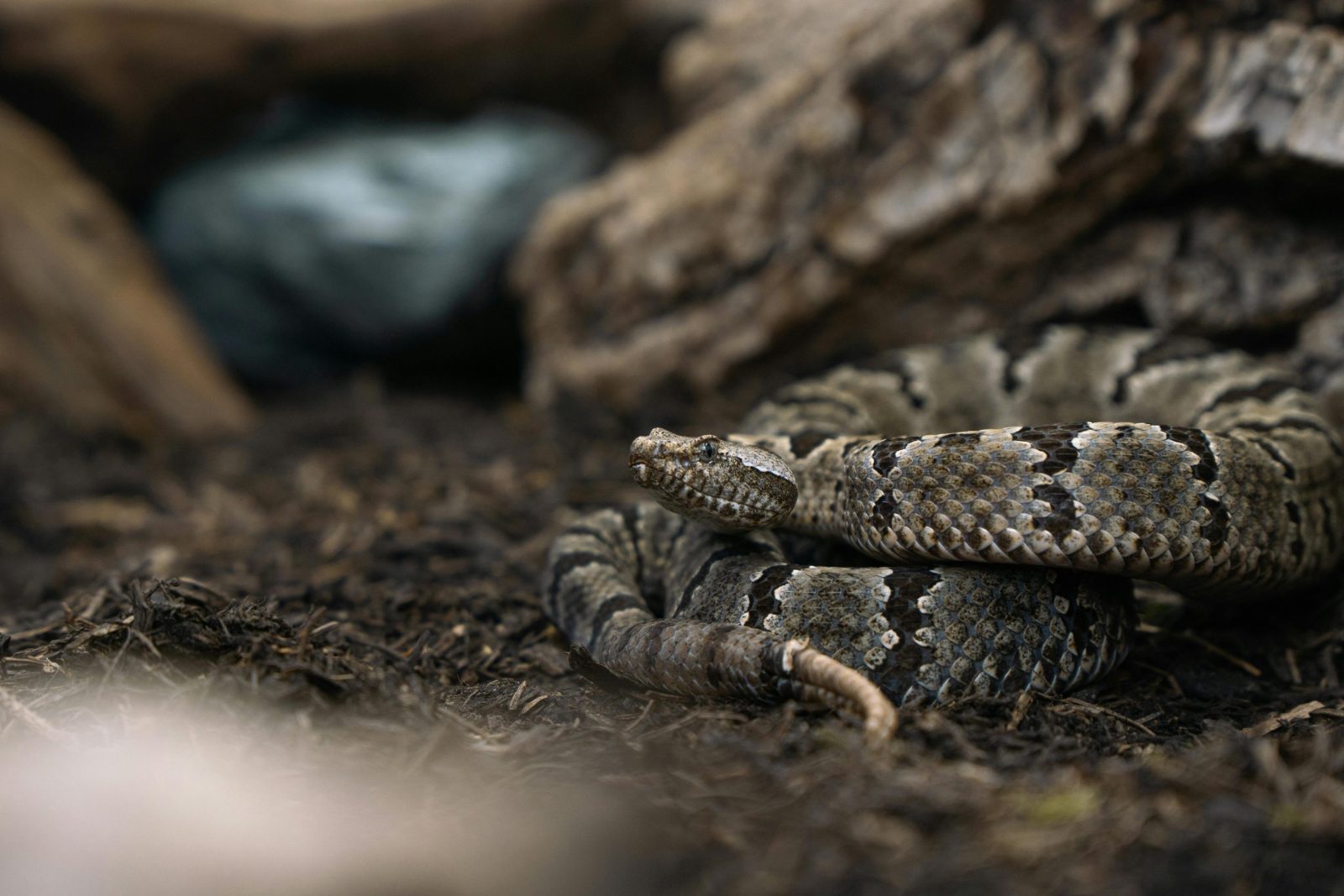
Homeowners often wonder how to know if a rattlesnake has settled on their property during the warm summer months. Discovering venomous reptiles hiding near garden beds or patio furniture causes understandable alarm for families and outdoor pets. These incredibly stealthy predators perfectly camouflage themselves against natural landscapes and prefer avoiding human interaction entirely. However, identifying their subtle presence early prevents dangerous encounters from happening in residential backyards. Recognizing specific environmental clues helps residents maintain safe outdoor spaces for relaxing and entertaining guests. Exploring five distinct warning signs reveals exactly when professional wildlife removal experts must carefully intervene immediately.
Finding Shed Snake Skins
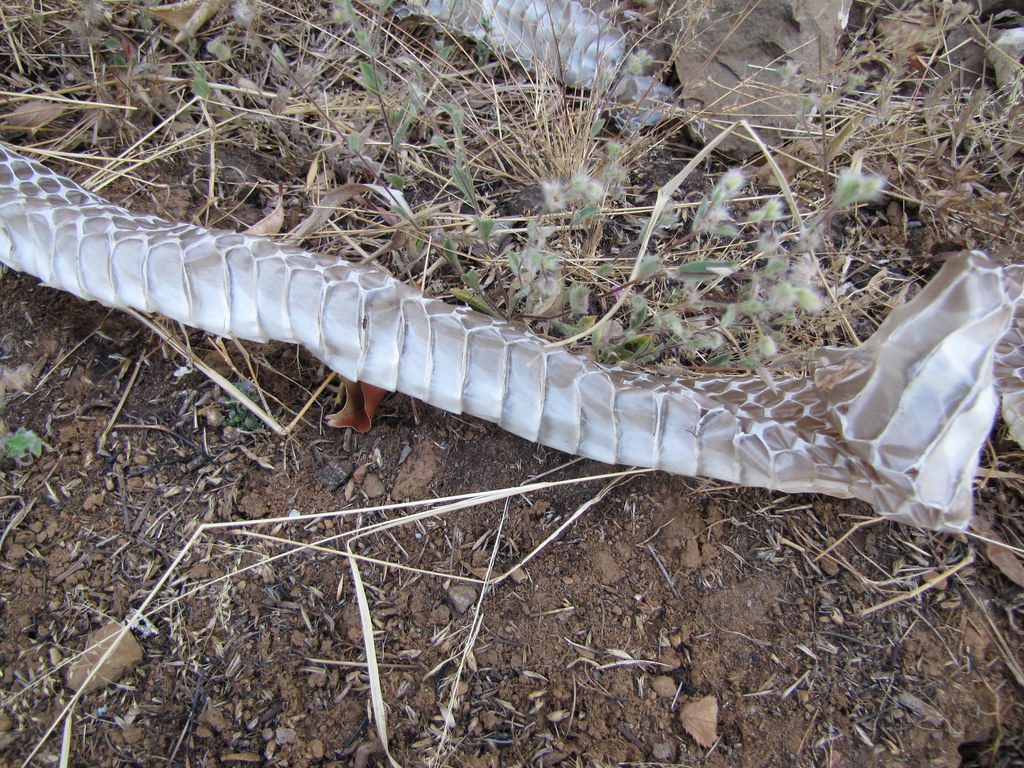
Finding discarded snake skins serves as the most obvious indicator that a reptile lives nearby. Rattlesnakes regularly shed their entire outer skin layer as they grow larger throughout the warm season. These thin translucent remnants typically appear near rocky crevices or under thick wooden decks where the animal feels secure. The discarded skin perfectly mirrors the exact scale pattern and size of the hidden predator. Finding this undeniable physical evidence requires maintaining constant vigilance while pulling weeds or organizing storage sheds. Residents should immediately contact local authorities rather than attempting to locate the dangerous animal alone under any circumstances.
Hearing Distinctive Warning Rattles
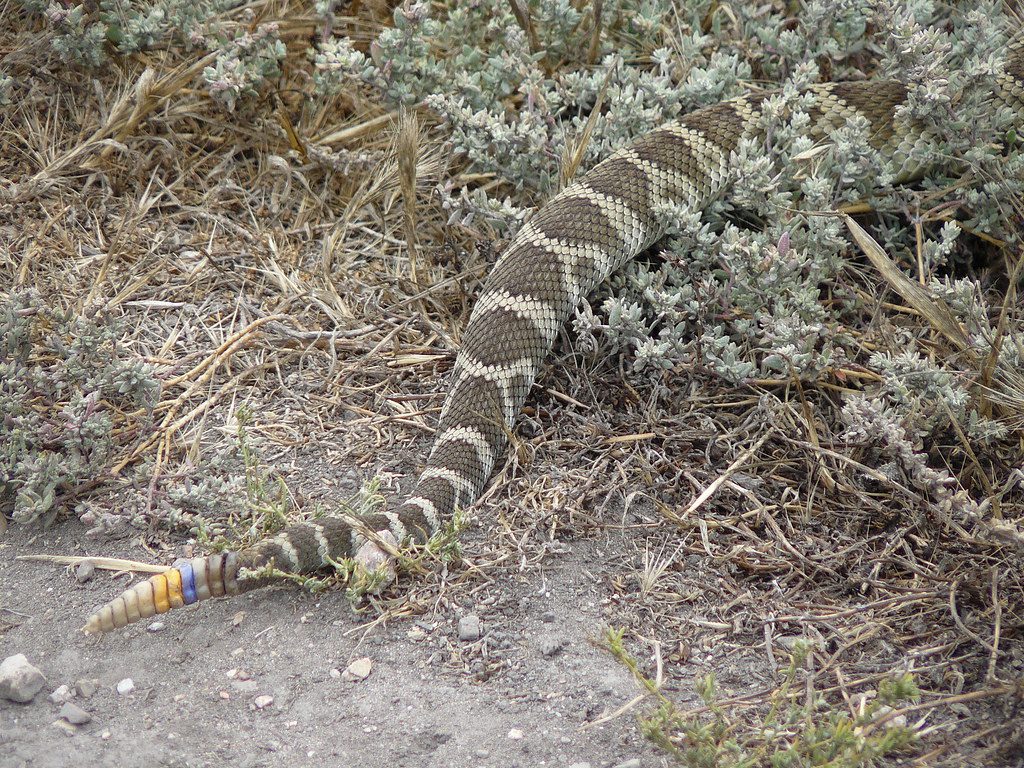
The famous warning sound provides an unmistakable auditory clue regarding hidden venomous threats nearby. These snakes vigorously shake their specialized tail segments to ward off potential predators stepping too closely toward their nest. The resulting noise strongly resembles loud buzzing summer insects or rushing water from a broken garden hose. This frightening sound serves as a polite biological request demanding immediate distance from the irritated animal. Anyone hearing this distinct vibration must instantly freeze in place and slowly step backward along their original path. Ignoring this loud warning completely guarantees a fast and potentially fatal defensive strike today.
Spotting Strange Slither Tracks
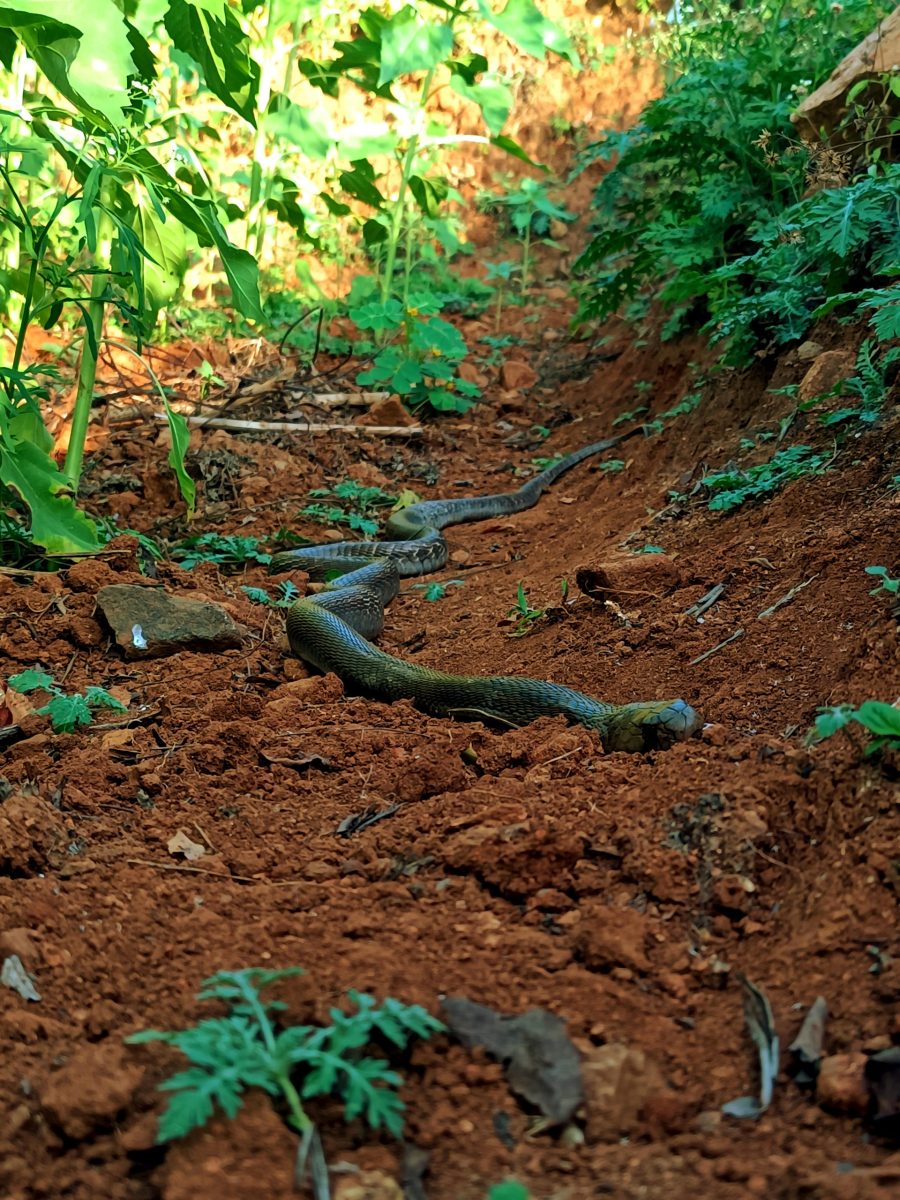
Heavy reptiles drag their thick bodies across dusty driveways and sandy garden borders constantly. This continuous movement leaves broad sweeping pathways scraped deeply into the soft topsoil overnight. Rattlesnake tracks look substantially wider than marks left by harmless, smaller snakes passing through the same territory. Identifying these unique ground disturbances usually requires inspecting unpaved walkways early every single morning before the wind erases them. Following these faint trails frequently leads directly toward dark burrows or dense brush piles harboring the unwanted guest. Homeowners spotting fresh tracks must immediately restrict pet access to the entire backyard for ultimate household safety.
Noticing Sudden Rodent Disappearances

A sudden vanishing of mice and rats strongly indicates that a large apex predator recently moved onto the property. Rattlesnakes consume massive quantities of small mammals to sustain their heavy bodies during the sweltering summer months. Properties previously experiencing terrible chipmunk infestations might suddenly seem entirely devoid of any rodent activity whatsoever. This unexpected natural pest control rarely happens by sheer coincidence alone. While eliminating destructive rats sounds incredibly beneficial initially, trading harmless rodents for highly venomous reptiles creates much larger safety concerns. Observing this drastic ecological shift warrants scheduling a professional property inspection very quickly for peace of mind.
Discovering Unusual Fecal Droppings
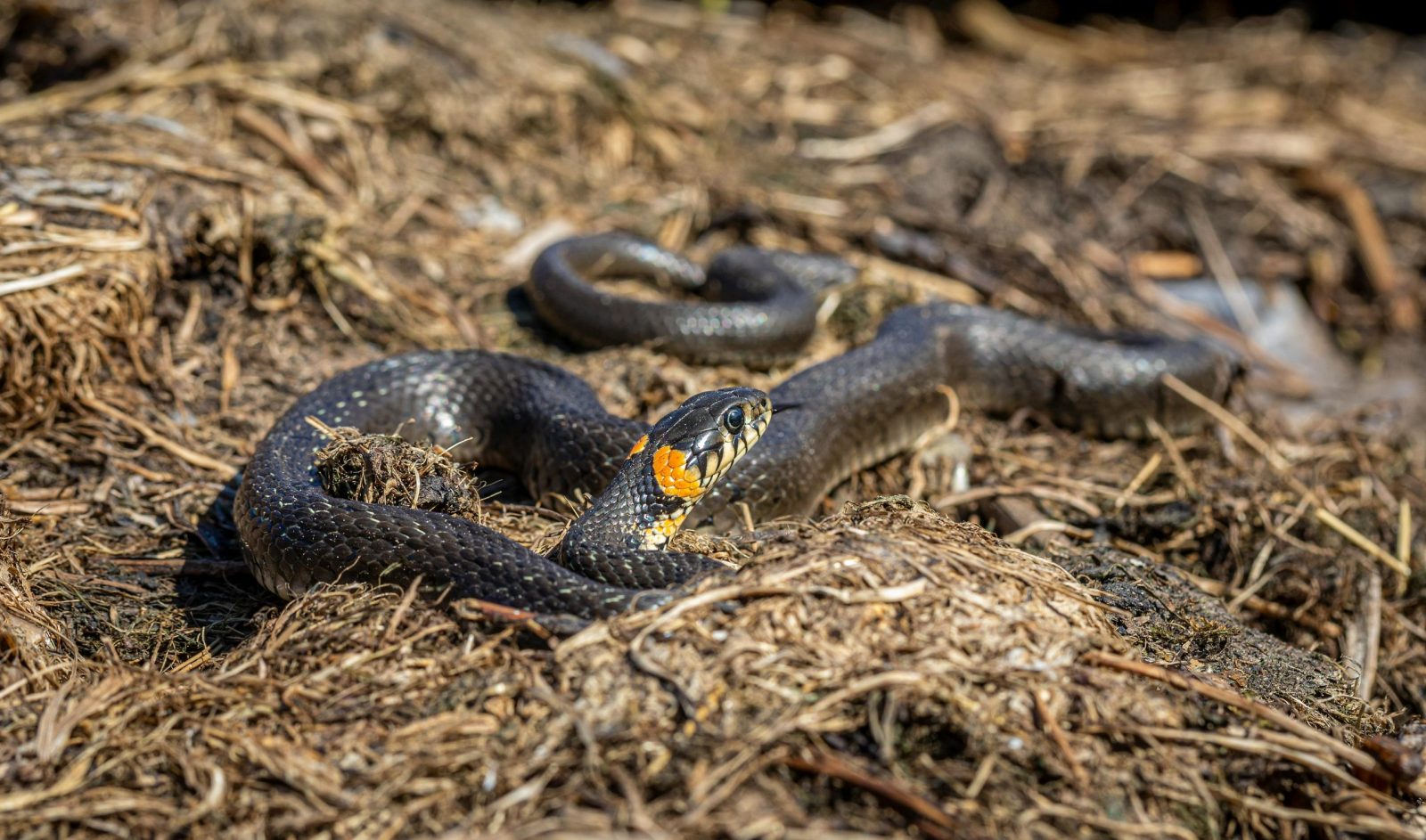
Finding strange animal droppings near foundation walls frequently confirms the arrival of unwelcome venomous neighbors. Snake feces look notably different from ordinary mammalian waste because they contain a distinct white cap of solid uric acid. These unusual droppings often include undigested fur and tiny bone fragments remaining from their recent successful hunts. Discovering this biological waste near the porch steps proves that a large predator feels comfortable hunting locally. Residents must never attempt sweeping or cleaning these droppings without wearing thick protective gloves. Recognizing these toxic materials early empowers families to secure professional wildlife removal services before disaster strikes completely.