During unexpected emergencies, access to refrigeration can vanish without warning, leaving meat at risk of spoiling within hours. Cold smoking has been used for centuries to keep meat safe for longer stretches, and a simple DIY smoke chamber can be a game-changer when resources are limited. With the right materials and careful handling, you can build a functional, most makeshift cold-smoke chamber that works reliably in tough conditions. These steps break the process down clearly so you can preserve meat safely and confidently without modern conveniences.
Selecting a Safe Location
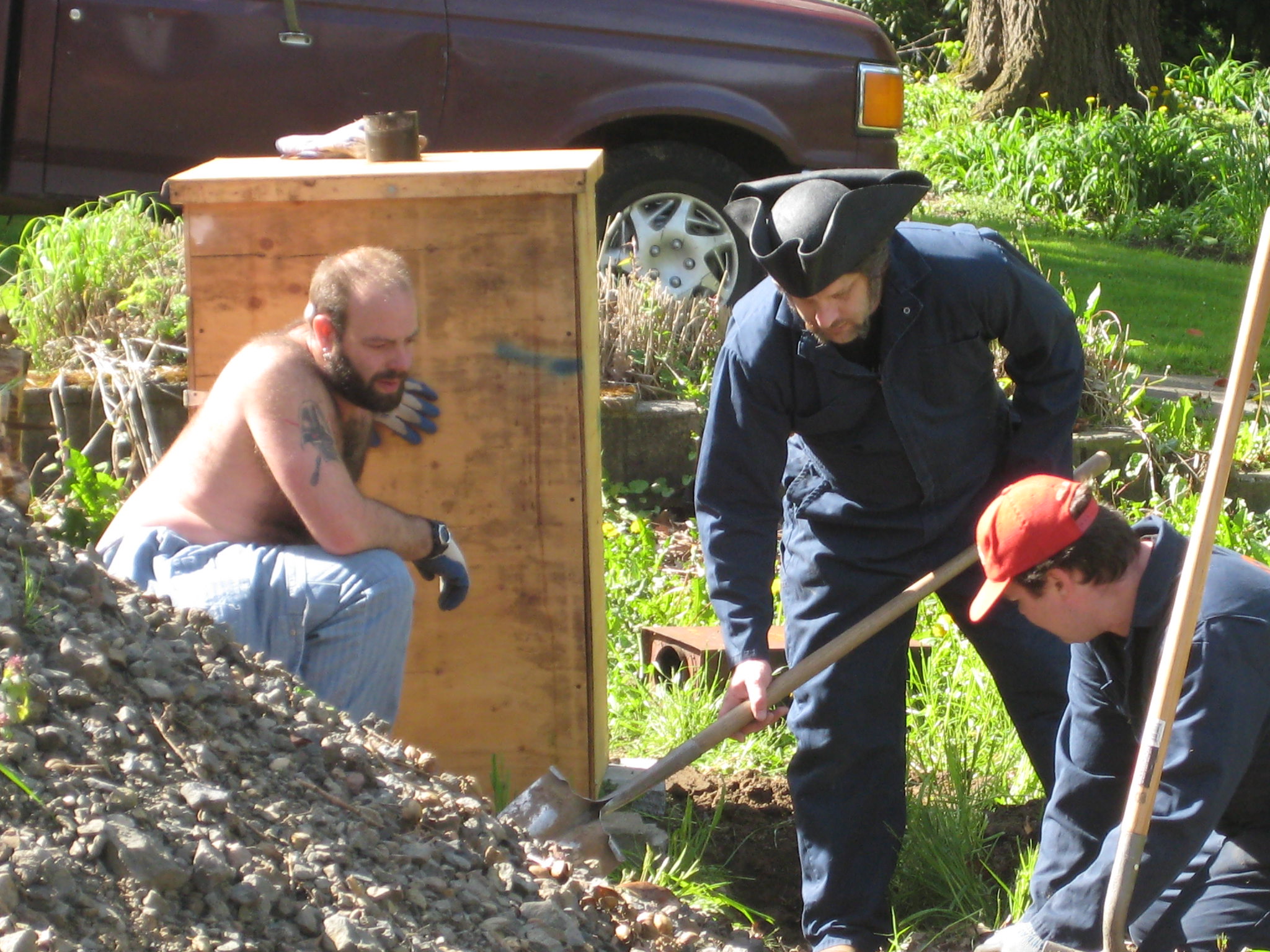
Choosing the right spot for your makeshift cold-smoke chamber is essential, especially when working in emergency conditions. Look for a shaded, well-ventilated area that remains cool throughout the day to help control smoke temperature. Keep the chamber away from flammable debris, high winds, and direct sun, as each can interfere with airflow or create unexpected hazards. A stable, level surface ensures your materials stay secure and prevents tipping. Picking the proper location helps maintain a steady smoke flow and protects both the food and your setup.
Gathering Essential Materials
Most makeshift cold-smoke chambers can be built using items commonly found around a campsite, backyard, or survival area. A large container such as a metal barrel, wooden box, or heavy-duty cooler can serve as the primary chamber. You’ll also need a smoke source, flexible tubing or ducting, a wire rack, and a basic cover to control airflow. If tools are limited, even simple hand tools like a pocketknife or a small drill can shape openings. Choosing non-toxic and heat-resistant materials is important for safe, long-lasting operation.
Preparing the Main Chamber
Your chamber should be clean, sturdy, and able to hold smoke for long periods without overheating. Start by wiping the interior thoroughly to remove any dust, chemicals, or old residues that could affect flavor or safety. Cut or drill small vents near the top to manage airflow while keeping the environment cool. Position a wire rack inside high enough to prevent direct contact with the chamber floor. This setup keeps the meat elevated, ensures even smoke exposure, and prevents moisture buildup during the smoking process.
Building the External Smoke Source
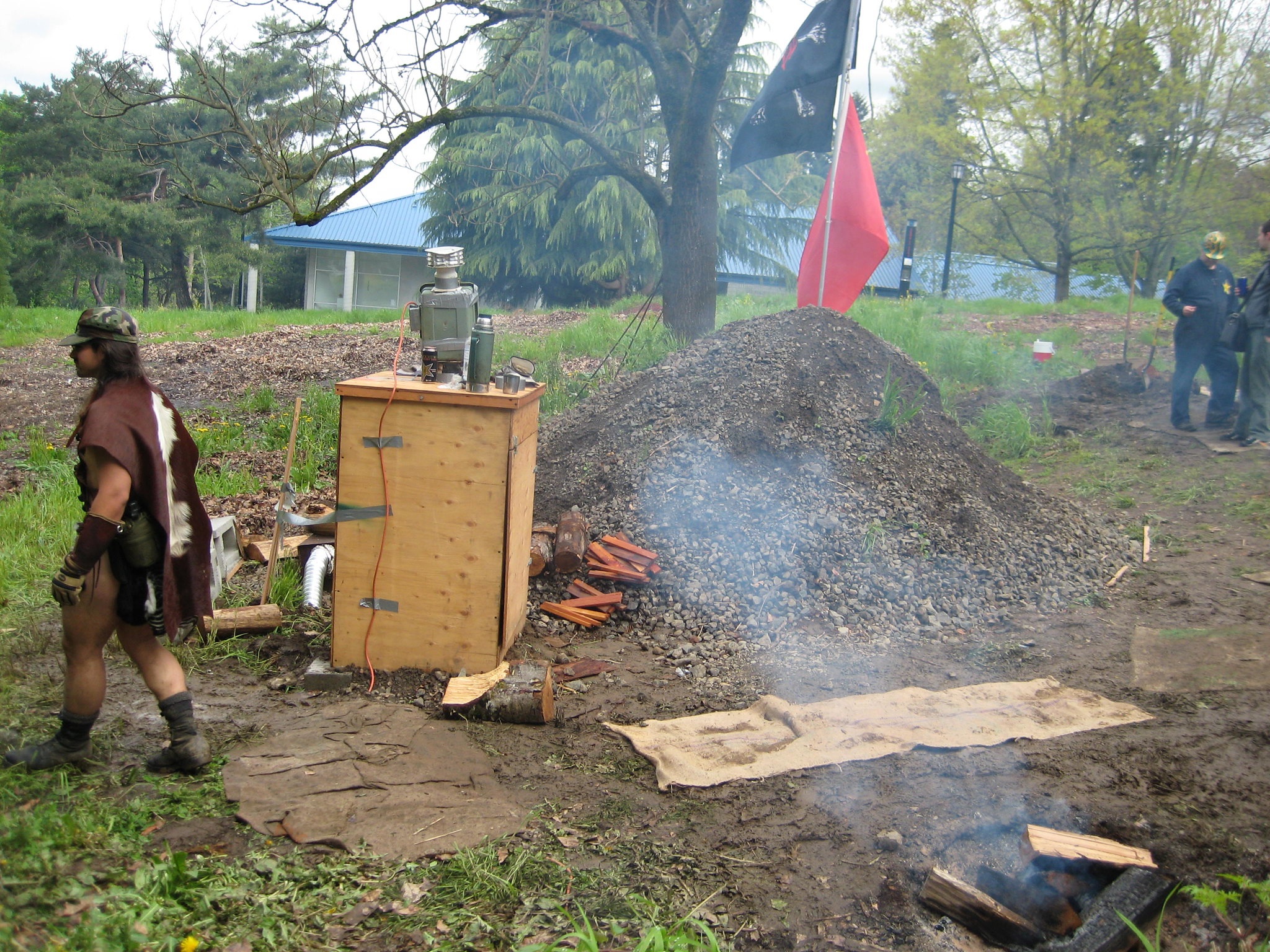
A cold-smoke chamber needs smoke without excess heat, so separating the fire from the meat is vital. Build a small burn box from bricks, a metal pot, or a sturdy outdoor cooker placed several feet from the main chamber. This allows the smoke to cool before reaching the food. Use only hardwoods like hickory, apple, or oak to create clean, steady smoke without harsh chemicals. Maintaining a low smolder instead of open flames helps keep temperatures safe for cold smoking and prevents the meat from cooking.
Connecting the Smoke Pathway
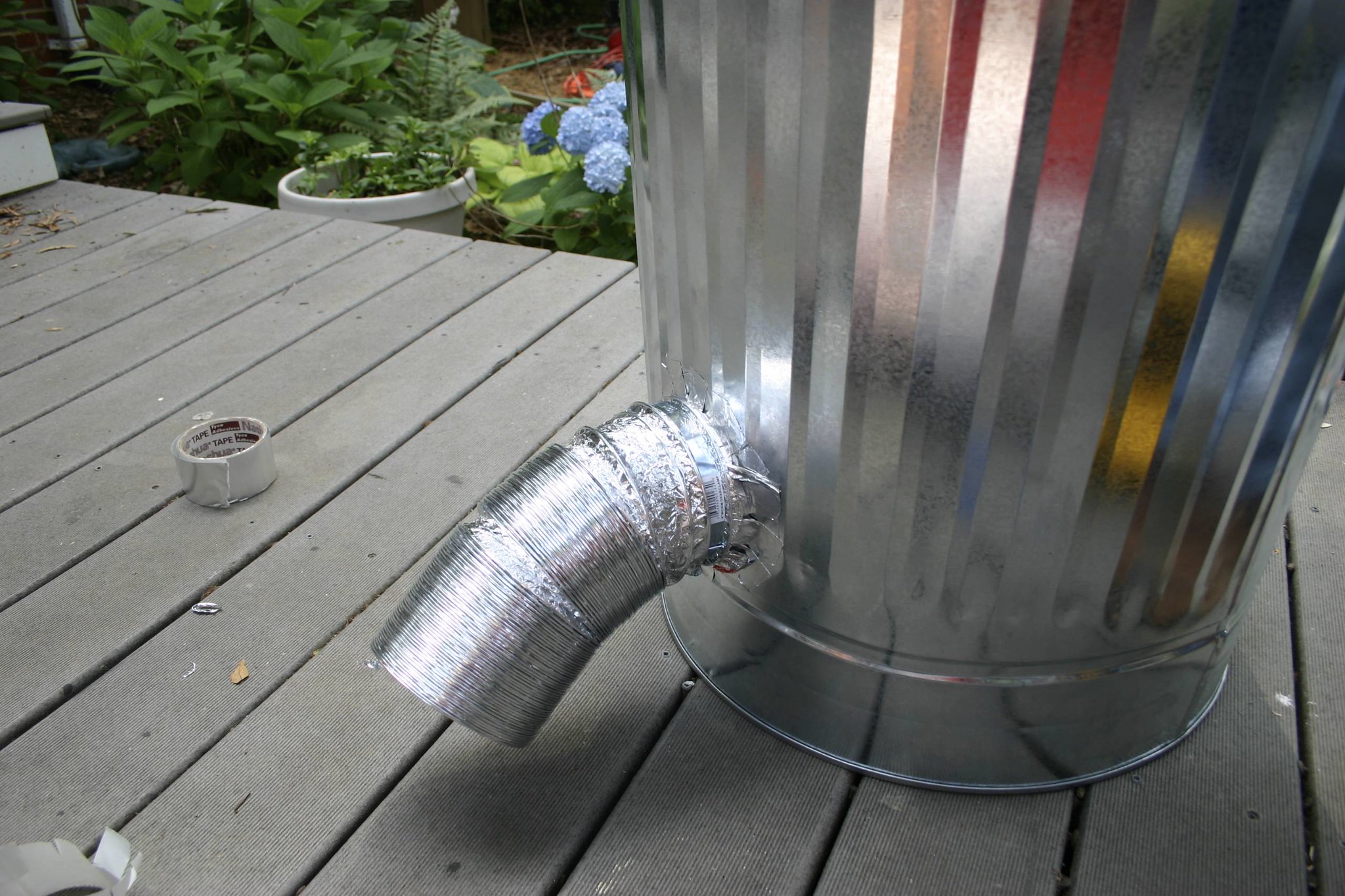
To guide smoke properly, attach flexible tubing or metal ducting between the burn box and the chamber. A gentle slope helps maintain a consistent draw, keeping smoke flowing smoothly without backdrafts. Seal the connection points with mud, foil, or a damp cloth to prevent leaks and maintain steady pressure. The length of the tubing allows heat to drop naturally before the smoke enters the chamber. This simple pathway ensures that only cool smoke reaches your meat, creating the perfect environment for safe, slow preservation.
Managing Airflow and Temperature
Cold smoking works best when temperatures remain low, so maintaining airflow is crucial. Adjust the chamber vents and the burn box opening until you achieve a slow, steady stream of smoke without raising heat. The goal is a gentle haze that surrounds the meat for hours at a time. If the chamber grows warm, widen the vents or extend the smoke tubing slightly. Constant monitoring ensures bacteria are controlled while avoiding accidental cooking. Well-regulated airflow creates reliable results even in challenging emergency conditions.
Preparing Meat for Smoking
Proper meat preparation boosts both safety and flavor during long-term preservation. Trim excess fat, pat the meat dry, and apply a salt-heavy rub to draw out moisture and discourage bacterial growth. For thicker cuts, consider brining or curing them overnight to enhance protection. Arrange the meat on the rack so air and smoke can move around every surface. Avoid stacking or overcrowding, as this slows drying and limits smoke exposure. Taking time to prepare the meat correctly greatly improves overall preservation success.
Operating the Cold-Smoke Chamber
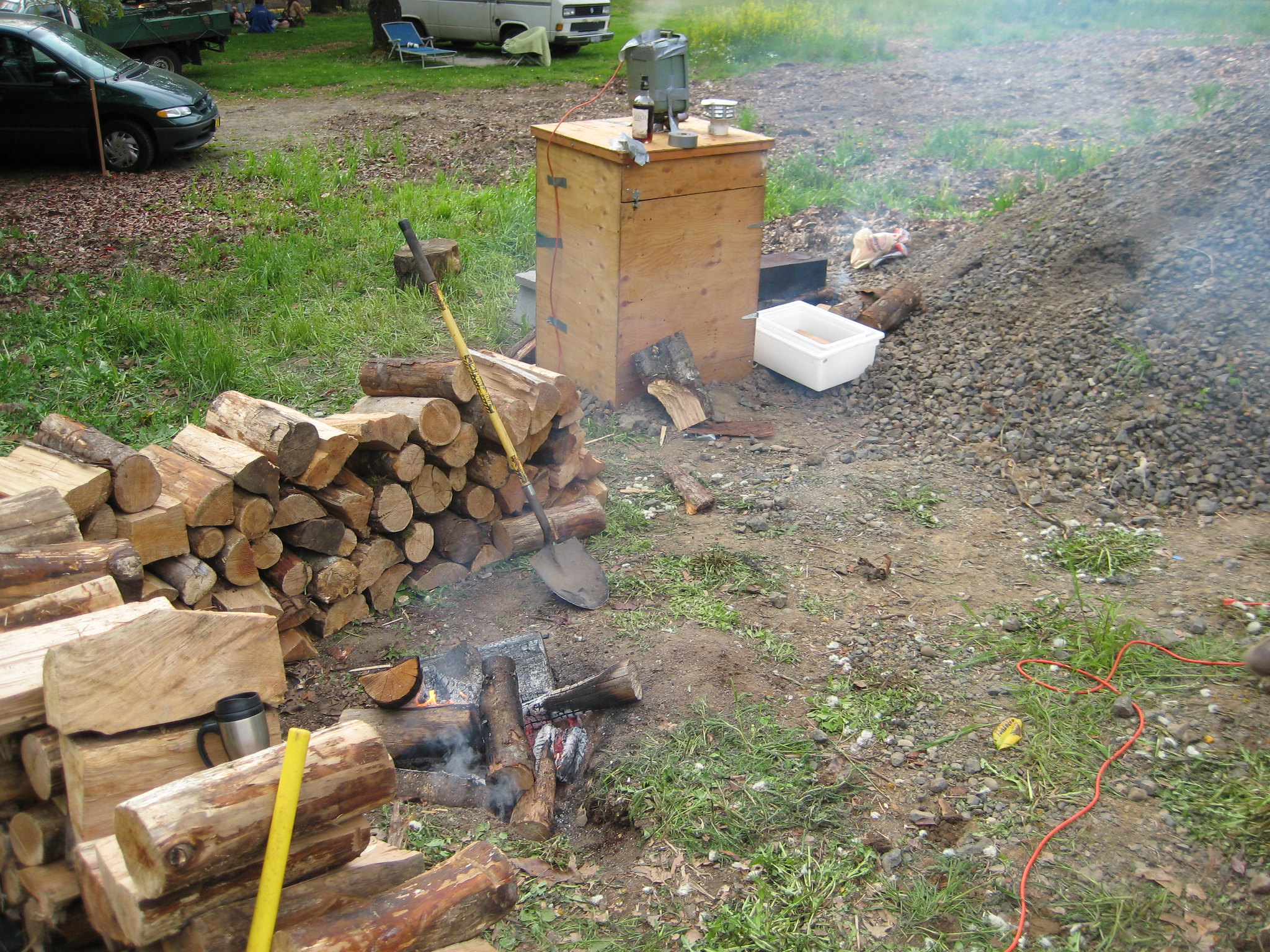
Once everything is in place, start a small hardwood smolder in the burn box and allow the first wave of smoke to stabilize before filling the chamber. Keep the burn low and steady by adding small wood pieces every so often rather than big chunks. Check vents frequently to maintain cool temperatures and consistent smoke density. Cold smoking can last anywhere from six hours to multiple days, depending on the cut, so patience is essential. Slow, controlled operation builds flavor while extending the meat’s usable life.
Monitoring Safety Throughout the Process
Food safety is a top priority, especially when refrigeration isn’t available. Make sure the chamber never grows too warm, as this can encourage bacterial growth instead of preventing it. Use clean tools each time you handle the meat and avoid touching it more than necessary during smoking. Keep pets, insects, and debris away from the chamber to preserve hygiene. Consistent observation ensures your cold-smoked meat remains safe to store and consume, even during stressful emergencies where risks are higher.
Storing and Using the Preserved Meat
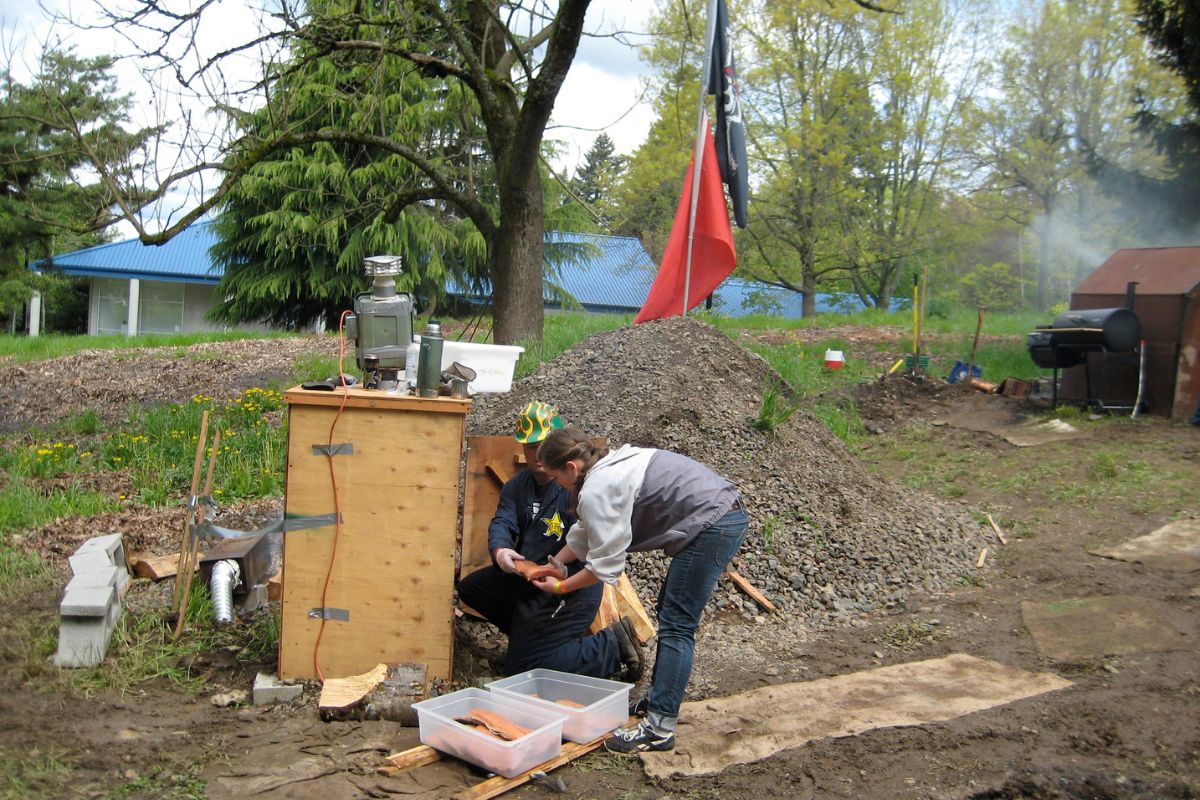
After cold smoking, allow the meat to rest in a cool, dry place so the smoke can settle and the exterior can firm up. Wrap it loosely in breathable cloth or parchment to prevent moisture buildup while still allowing air circulation. Properly smoked meat can last weeks or even months, depending on the climate and storage conditions. Slice or cook portions only when needed to extend their shelf life. This method offers dependable nourishment during emergencies when fresh supplies are scarce and every resource matters.