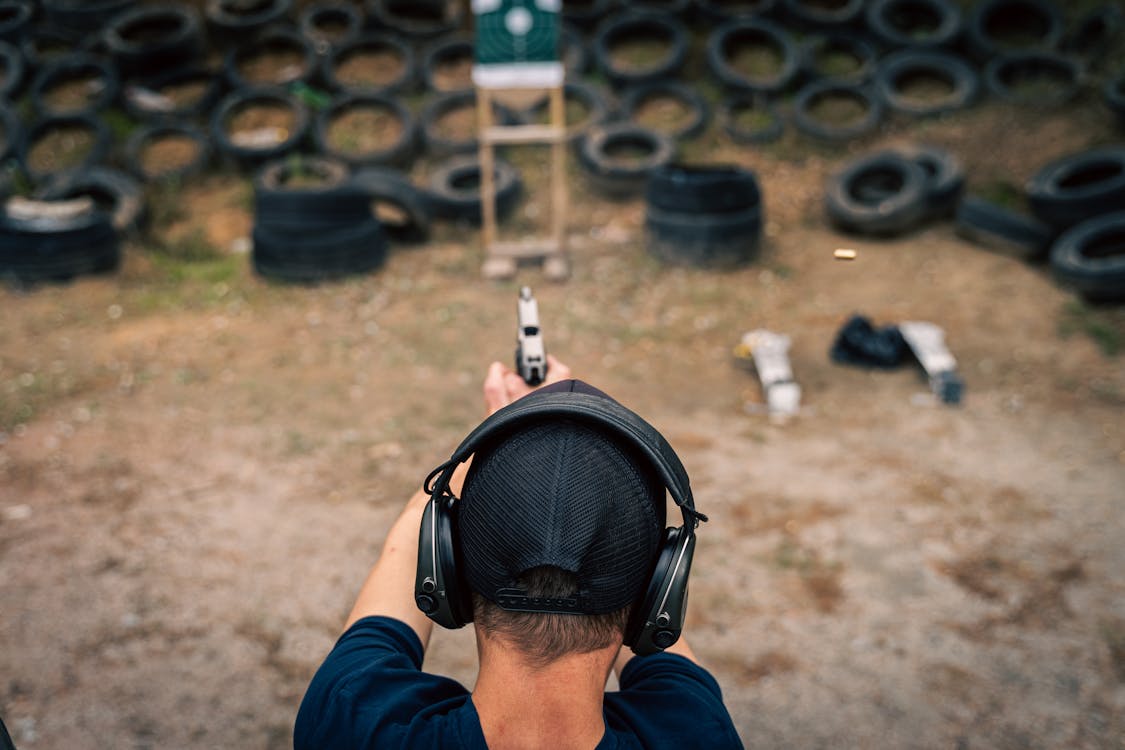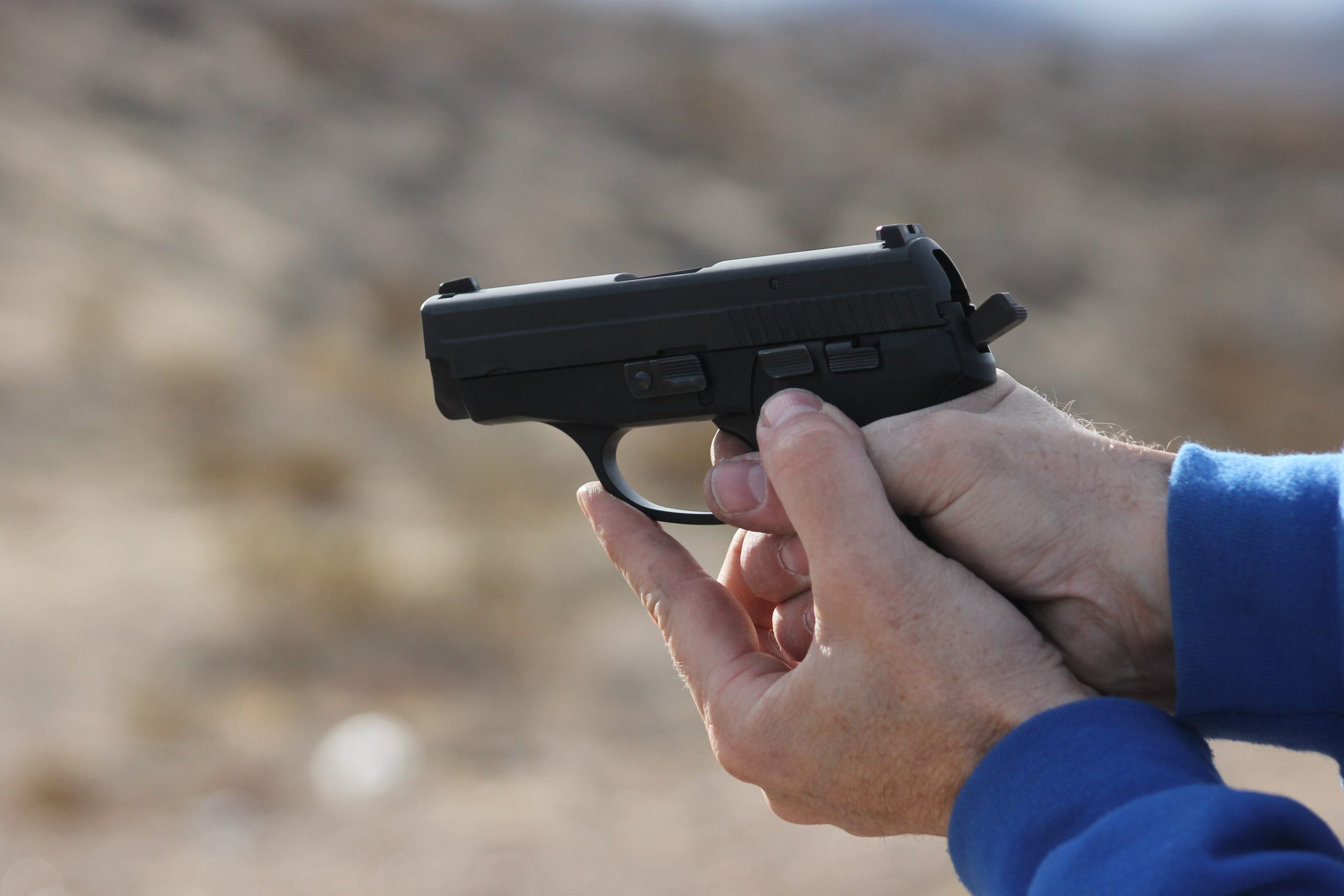
Choosing the right handgun in 2026 requires more thought than simply picking a popular model or the newest release. Advances in materials, optics readiness, and ergonomics have expanded options, while laws and personal needs continue to shape responsible ownership. A handgun should match how it will actually be used, whether for home defense, concealed carry, range practice, or outdoor protection. Comfort, reliability, and practicality matter more than brand loyalty or online trends. Rushing the decision often leads to regret, wasted money, or a poor fit. Understanding your purpose, limitations, and preferences allows you to choose confidently and responsibly, ensuring the firearm works with you rather than against you over time.
Define Your Primary Purpose First

Before comparing calibers or brands, clearly define why you want a handgun. A firearm intended for home defense has different priorities than one meant for daily concealed carry or recreational range use. Size, weight, capacity, and recoil tolerance vary widely depending on purpose. Many buyers make the mistake of choosing a “do-everything” handgun that excels at nothing. Be honest about how often you will carry, train, or store the firearm. Purpose determines compromises. A clear use case narrows options quickly and prevents emotional purchases influenced by trends, marketing, or peer pressure rather than real-world practicality and comfort.
Understand Caliber Practicality, Not Hype
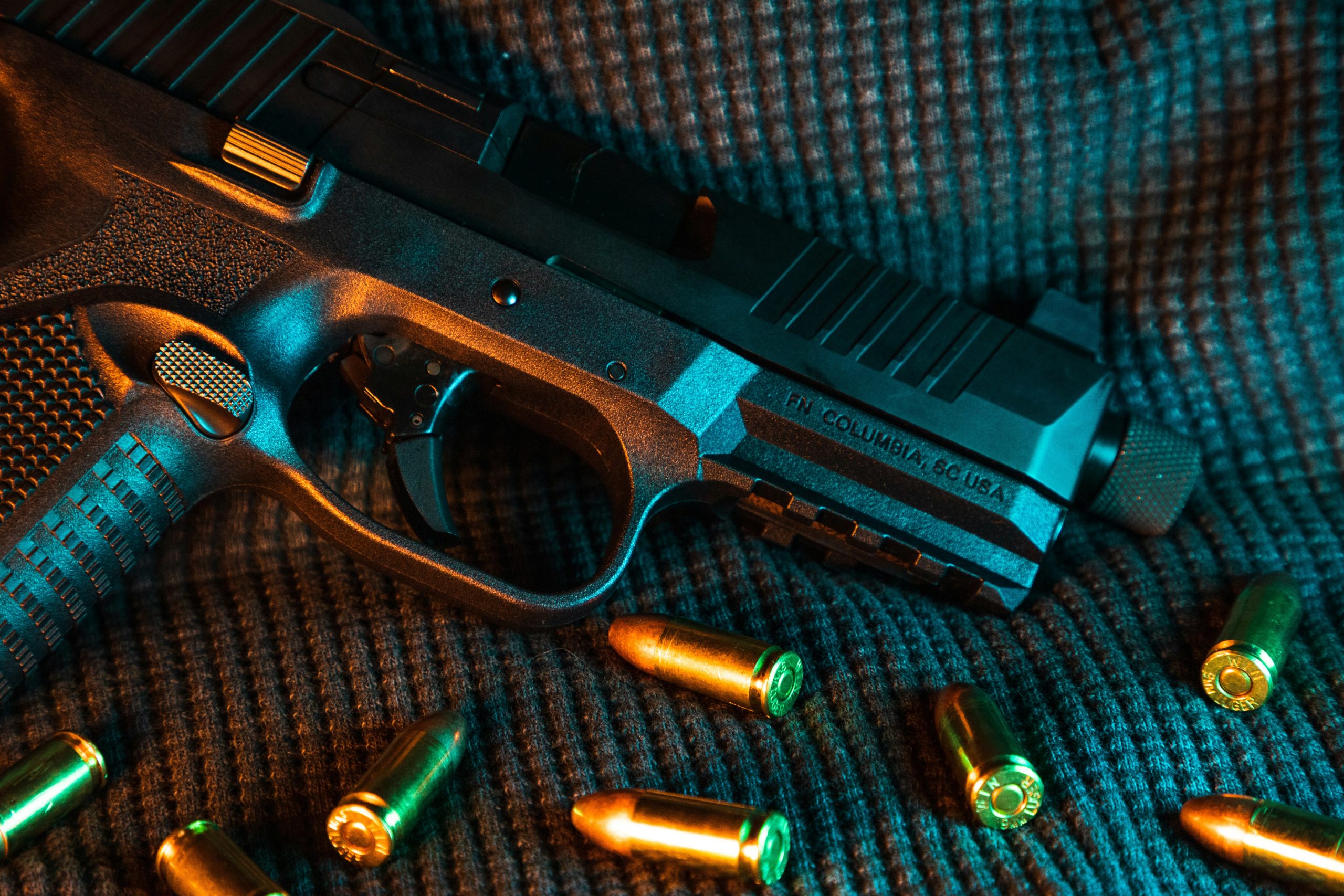
Caliber choice should be based on control, availability, and affordability, not internet debates. In 2026, common calibers remain widely supported, affordable, and easy to train with. The best caliber is one you can shoot accurately and comfortably under stress. Recoil management, follow-up shot speed, and ammunition cost all matter more than theoretical performance. Larger calibers often reduce capacity and increase recoil, while smaller calibers may encourage more frequent practice. Choose a caliber that fits your hand strength and experience level. Confidence and consistency outweigh raw numbers when selecting what you can actually use well.
Fit and Ergonomics Matter More Than Looks

A handgun must fit your hand properly to be effective and safe. Grip angle, texture, reach to the trigger, and overall balance directly affect accuracy and comfort. A firearm that looks great in photos may feel awkward when held. In 2026, many manufacturers offer interchangeable backstraps or modular grips, allowing better customization. Take advantage of this. If the handgun feels uncomfortable, you are less likely to train regularly. Proper fit reduces fatigue and improves control. Spend time handling different models before deciding. Ergonomics is personal, and no review can replace firsthand experience.
Reliability and Track Record Are Non-Negotiable
Reliability should always outweigh novelty. A handgun must function consistently with quality ammunition and proper maintenance. New releases may look appealing, but proven designs with established track records offer peace of mind. Research long-term owner experiences rather than short promotional reviews. A reliable handgun builds confidence and trust, especially for defensive use. Malfunctions erode that trust quickly. In 2026, reliability testing and user feedback are easier to access than ever. Choose a model known for durability, consistent performance, and manufacturer support. A dependable firearm is far more valuable than one packed with features but lacking history.
Consider Size, Weight, and Carry Comfort
Handgun size directly affects how and whether you will actually carry it. Larger firearms are often easier to shoot but harder to conceal and wear comfortably. Smaller handguns conceal better but may increase recoil and reduce capacity. Weight also matters during extended carry. Be realistic about your daily routine, clothing, and climate. A handgun left at home offers no benefit. In 2026, slim profiles and lightweight materials make compromise easier, but no option is perfect. Balance shootability with comfort. The right handgun is one you can carry consistently without discomfort or inconvenience.
Optics Readiness and Modern Features
Modern handguns increasingly support slide-mounted optics, enhanced sights, and improved trigger designs. While not required, these features can improve usability for some shooters. Optics readiness offers future flexibility, even if you don’t plan to add one immediately. However, features should support your skill level, not complicate it. Simplicity often benefits newer owners. Evaluate whether enhancements add real value or simply increase cost. In 2026, technology is helpful when thoughtfully chosen. Avoid paying for features you won’t use. Focus on practical upgrades that align with your vision, training habits, and long-term ownership goals.
Maintenance, Support, and Parts Availability
Owning a handgun extends beyond the purchase. Maintenance, replacement parts, magazines, and holsters should be readily available. Popular platforms benefit from wide aftermarket support and easier servicing. Less common models may become difficult to maintain over time. Manufacturer customer service also matters. In 2026, supply chains and model updates can change quickly. Choosing a handgun with strong support ensures longevity and easier ownership. Consider how simple the firearm is to clean and maintain. A handgun that’s easy to care for encourages responsible use and regular upkeep, which directly affects safety and reliability.
Budget for Training, Not Just the Gun
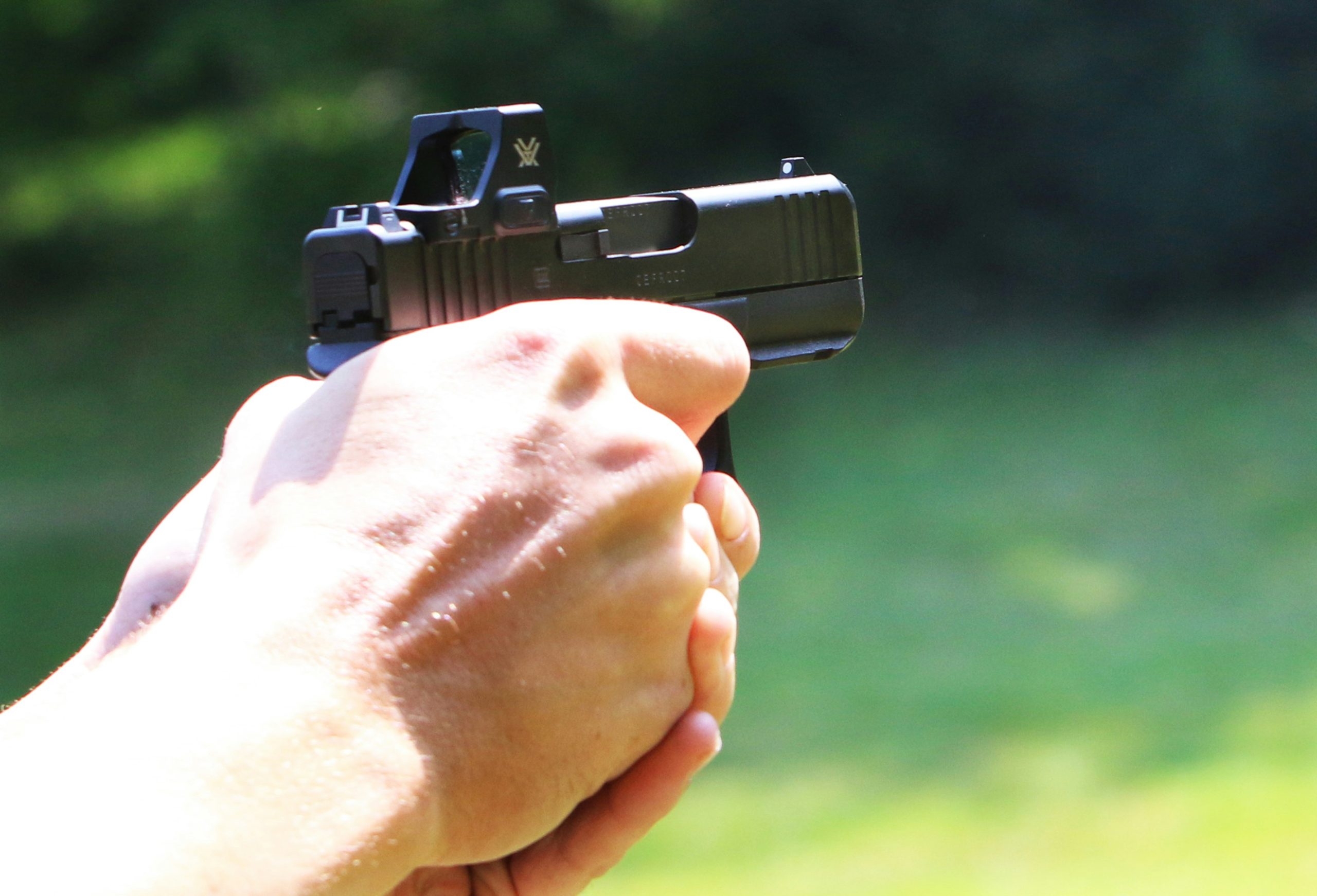
The purchase price is only part of the cost. Ammunition, range time, eye and ear protection, and training all matter. A less expensive handgun that allows more practice often provides better results than a costly firearm rarely used. Budget realistically. In 2026, ammunition prices fluctuate, making caliber choice even more important. Training builds skill, confidence, and safety awareness. Avoid spending your entire budget on the handgun alone. Allocate funds for instruction and practice. The most effective handgun is one backed by consistent training, not simply an impressive specification sheet.
Know the Legal and Practical Responsibilities
Handgun ownership carries legal and ethical responsibilities that vary by state and locality. Storage requirements, carry laws, and transportation rules must be understood before purchasing. Choosing a handgun that fits your legal environment avoids complications later. Consider safe storage options, especially if others share your home. Responsible ownership includes understanding when and where a handgun can be used or carried. In 2026, laws continue to evolve, making staying informed essential. A well-chosen handgun supports lawful, responsible use and aligns with your commitment to safety, compliance, and long-term ownership.
Test Before You Commit Whenever Possible
Whenever possible, rent or borrow a handgun before buying. Range testing reveals recoil feel, trigger comfort, and natural point of aim far better than research alone. Many buyers regret skipping this step. A short test session can eliminate doubts and confirm fit. Pay attention to how quickly you adapt and how confident you feel shooting it. In 2026, many ranges offer rental programs specifically for comparison. Use them. Testing prevents costly mistakes and reinforces confidence in your decision. The right handgun should feel intuitive, controllable, and comfortable from the first magazine onward.