Choosing the right tree stand location is one of the most important decisions a hunter makes, yet it’s also one of the easiest to get wrong. A stand that looks perfect at first glance can completely undermine your chances if it ignores wind direction, deer travel patterns, pressure, or terrain features. Small mistakes like being a few yards off a natural funnel or too close to a bedding area can push mature deer out long before you ever get a shot. Understanding how location affects movement, scent, and visibility can dramatically improve your success in the field.
Setting Up Where the Wind Betrays You
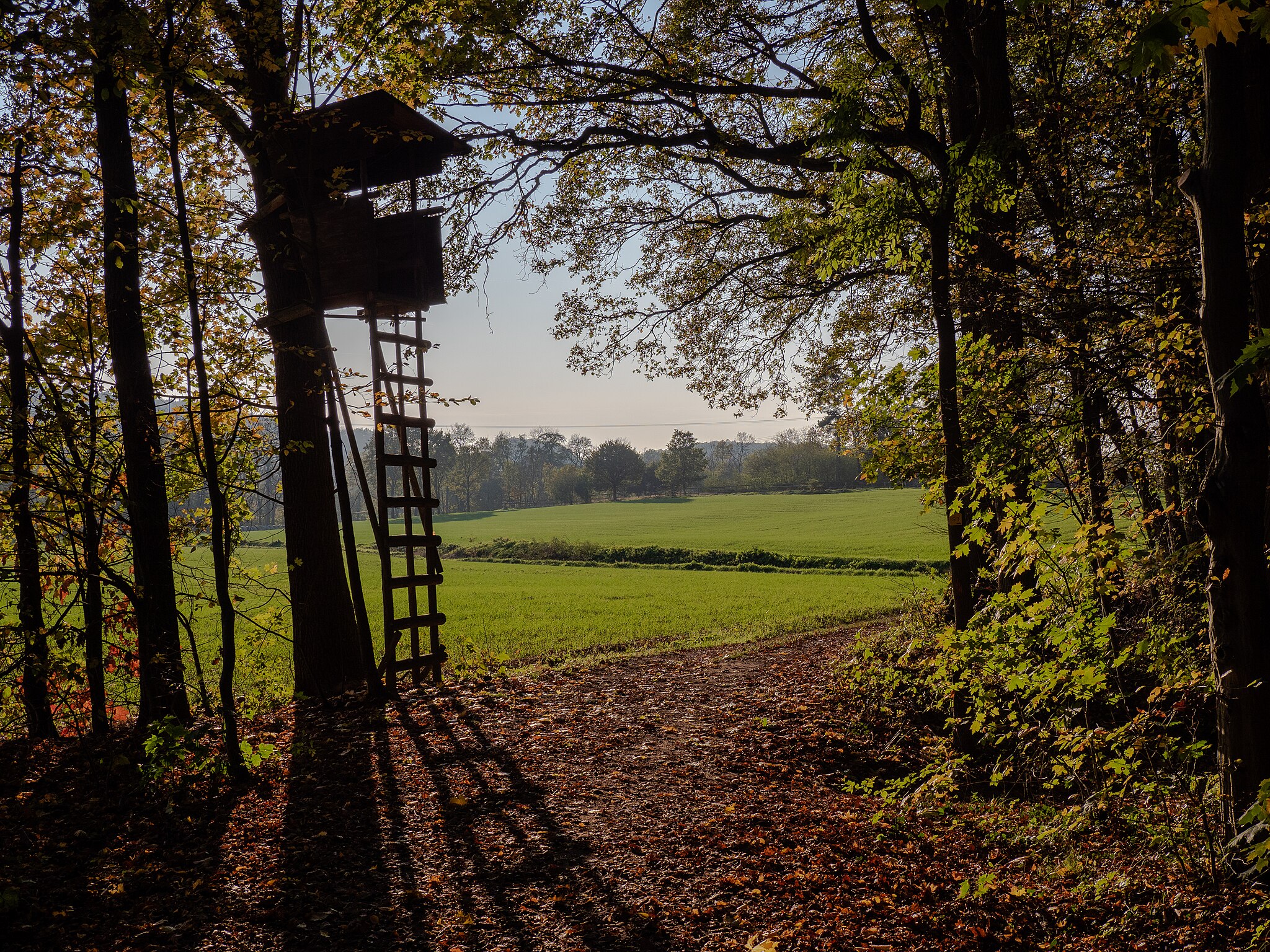
Nothing ruins a hunt faster than a stand placed where the wind routinely carries your scent into travel corridors. Even slight, shifting gusts can alert deer long before they appear in view. When your scent sweeps across bedding areas or feeding paths, deer simply reroute or avoid the area entirely. Many hunters blame low activity on bad luck when the real issue is predictable wind behavior. A reliable stand should be positioned where prevailing winds consistently work in your favor.
Being Too Close to Bedding Areas
Hunting right on top of a bedding zone may seem tempting, but it usually backfires. Mature deer become restless when pressured, and even minimal movement or sound from a tree stand can bump them from their beds before daylight shooting hours. Once disturbed, they may shift bedding locations for days, drastically reducing your odds of seeing them again. Successful hunters instead set up on the fringes, where deer feel secure enough to move naturally without detecting immediate human presence.
Ignoring Natural Funnels and Travel Routes
Placing a stand away from funnels, saddles, or pinch points can severely reduce deer encounters. These narrow terrain features concentrate movement, especially during the rut or early morning travel. A poorly placed stand forces you to rely on chance rather than natural deer behavior. Even being thirty yards off the true travel line may mean the difference between a perfect shot and no shot at all. Understanding how terrain shapes animal movement is crucial for consistent success.
Overlooking Food Source Access Paths
Deer typically follow predictable paths between bedding areas and food sources, and a badly placed stand can miss these routes entirely. If you set up too far from the main approach trails or alongside secondary, low-traffic paths, deer will pass out of range without you knowing it. Worse, an improperly placed stand might disrupt feeding patterns if it forces deer to alter their movements. Positioning near reliable access points increases shot opportunities while keeping deer comfortable.
Choosing a Tree With Poor Cover
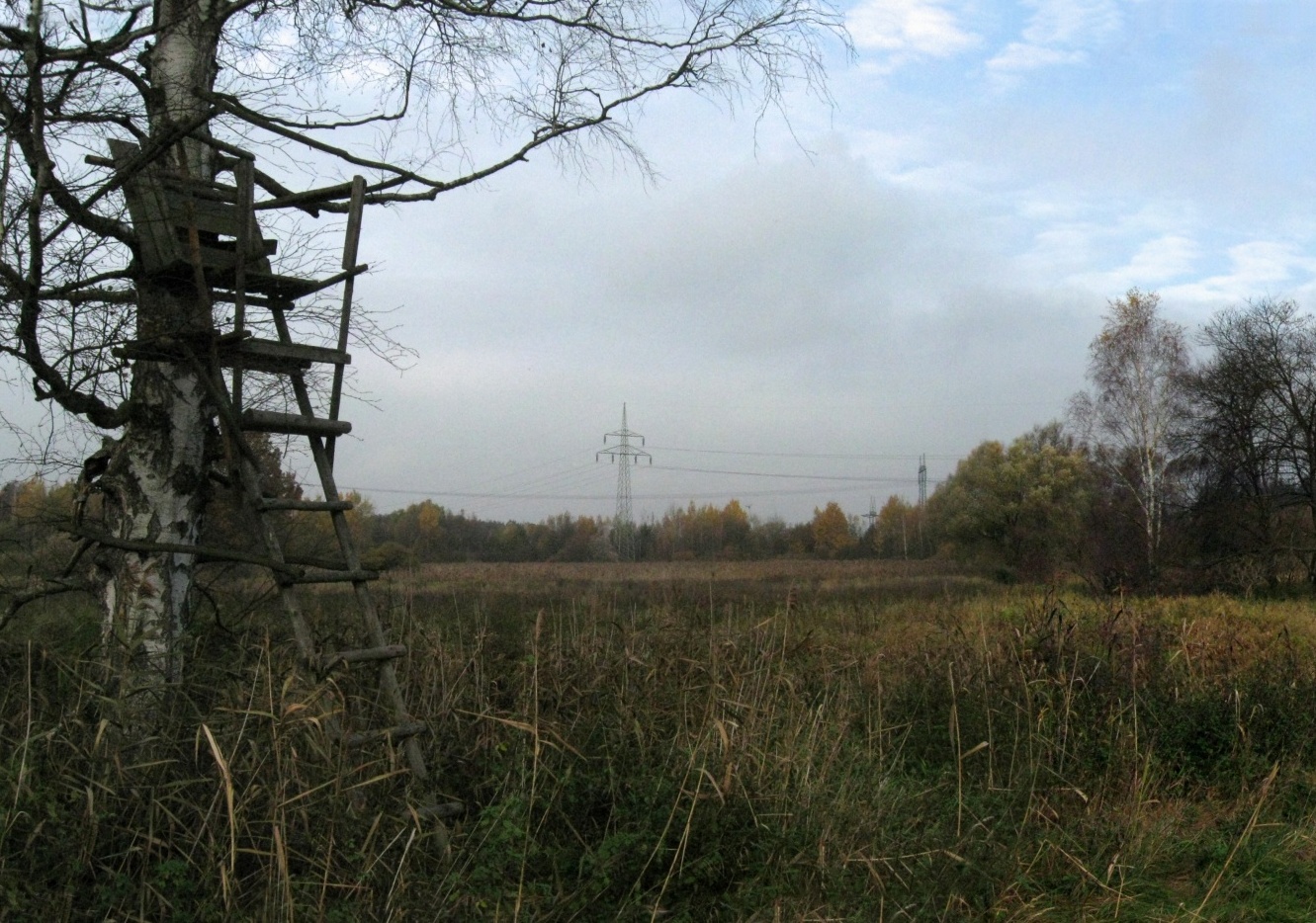
A tree stand placed in a bare or poorly covered tree makes it easy for deer to spot, especially when the wind shifts or light changes. Deer notice unnatural shapes quickly, and even small movements stand out against the open sky. Without adequate back cover or natural camouflage, the stand becomes a glowing silhouette during prime hours. Selecting a tree with thick branches, foliage, or textured bark helps break up your outline and keeps deer from detecting you.
Placing Stands Too Low or Too High
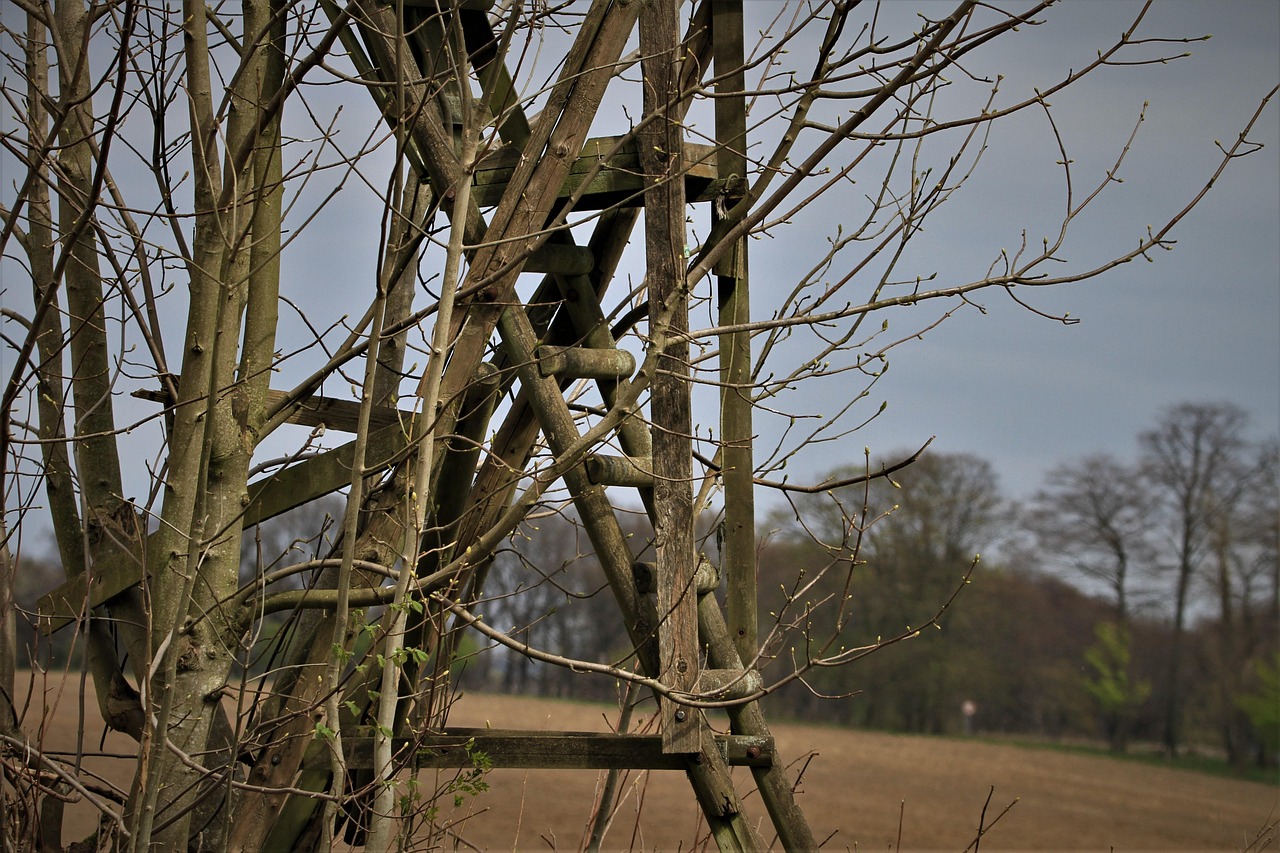
Stands positioned too low give deer a direct line of sight to your movements, while stands placed too high reduce shot angles and create risky downward trajectories. Improper height also affects scent dispersion, allowing your scent cone to pool in predictable travel zones. Hunters often compromise visibility or safety simply by misjudging elevation. The best height balances concealment, shot opportunity, and scent control, typically falling in the ten- to twenty-foot range depending on terrain.
Overlooking Entry and Exit Routes
A stand might be placed perfectly, yet your access route ruins the entire hunt. Approaching from the wrong direction can push deer away before you even climb the tree. Noise from brush, crossing active trails, or spreading scent across bedding areas can spook deer long before daylight. Likewise, exiting after dark must be done quietly to avoid alerting nighttime feeders. Effective setups include concealed, low-impact entry paths that keep the area undisturbed and productive.
Not Accounting for Changing Seasonal Movement
Deer behavior shifts dramatically throughout the year, and a stand that works in early fall may be useless during the rut or late season. Ignoring these seasonal changes leads to empty hunts in areas that once seemed promising. Food availability, temperature, hunting pressure, and breeding activity all influence movement patterns. A static stand location fails to adapt. Successful hunters monitor seasonal transitions and adjust stand placement to align with the deer’s evolving priorities.
Setting Up in High-Human-Traffic Zones
A stand placed near hiking trails, ATV paths, or commonly used access points exposes deer to constant human activity. Mature bucks especially avoid these zones, often shifting movement to deeper, quieter areas. Even if the habitat appears ideal, frequent disturbances undermine your efforts. A poorly chosen stand close to human travel routes results in unpredictable deer behavior and fewer sightings. Positioning away from pressure allows deer to move naturally and more confidently during hunting hours.
Forgetting About Sunlight and Visibility Angles
Sunlight can dramatically impact how visible you are from a tree stand. If the rising or setting sun shines directly into your position, deer will clearly see your movements as you adjust or draw. Glare can also prevent you from spotting deer approaching from certain angles. Many hunters overlook how shadows shift throughout the day, unintentionally exposing themselves at critical moments. The best stand locations consider sun position, background contrast, and visibility at all shooting hours.