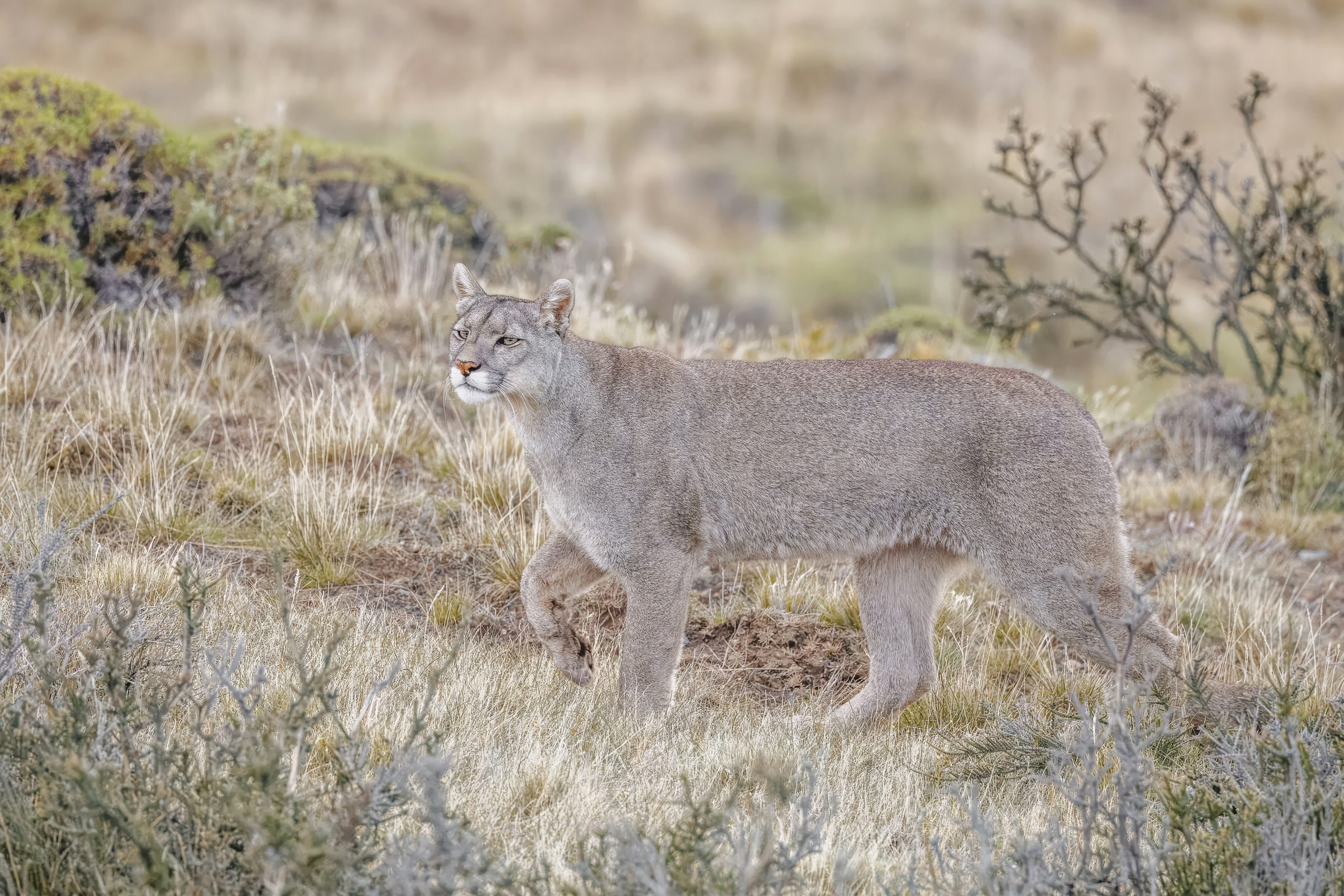
Mountain lions are powerful, intelligent predators that usually avoid people, yet history shows that a single human mistake can abruptly change that balance. Most dangerous encounters don’t begin with aggression but with misunderstanding, humans misreading behavior, terrain, or their own vulnerability. These cats rely on stealth, patience, and opportunity, often watching unseen long before a person becomes aware. Small actions such as pausing near cover, moving quietly at the wrong time, or letting attention drift can escalate risk without warning. Understanding how subtle missteps align with a lion’s instincts is critical. Awareness, preparation, and respect for their behavior patterns remain the strongest safeguards against a deadly encounter.
Letting Your Guard Down in Known Lion Territory
One of the most dangerous missteps people make is assuming familiarity with an area means safety. Regular hikers, runners, and locals often grow comfortable after repeated visits without incident, gradually lowering their alertness. Headphones go in, scanning stops, and movement becomes predictable. From a mountain lion’s perspective, predictability equals opportunity. Lions frequently observe from concealment, using terrain, brush, and shadows to remain unseen. A distracted person who fails to notice subtle movement or shifting sounds appears vulnerable rather than threatening. Over time, relaxed behavior creates consistent patterns, which predators recognize and exploit. Confidence based on past luck can quietly replace caution, increasing the risk of being stalked without realizing it.
Turning Your Back or Crouching at the Wrong Moment
Body posture plays a critical role in how a mountain lion interprets a human’s intent and strength. Turning your back, bending over, or crouching even briefly can instantly mimic prey behavior. These movements reduce perceived size and signal vulnerability. Lions are hardwired to respond to such cues, often faster than a person can react. Once triggered, a lion may commit to an approach or charge in seconds. Many close calls escalate simply because someone tied a shoe, picked up gear, or bent down without scanning first. Remaining upright, facing the animal, and maintaining eye contact communicates awareness and dominance. A single careless movement can undo every other precaution taken up to that moment.
Hiking Alone Without Informing Anyone
Traveling alone dramatically increases risk in mountain lion territory, not because lions seek humans, but because isolation removes layers of deterrence. Groups appear larger, louder, and more unpredictable, making lions hesitant. A solitary person, however, presents fewer variables and less resistance. If an encounter turns physical, there is no immediate assistance, no distraction, and no backup. Injuries become far more serious when help is hours away. Failing to inform someone of your route compounds the danger by delaying rescue if something goes wrong. While solitude may feel peaceful, in predator habitat, it can unintentionally communicate vulnerability, increasing the stakes of every misjudgment.
Allowing Children or Pets to Move Ahead
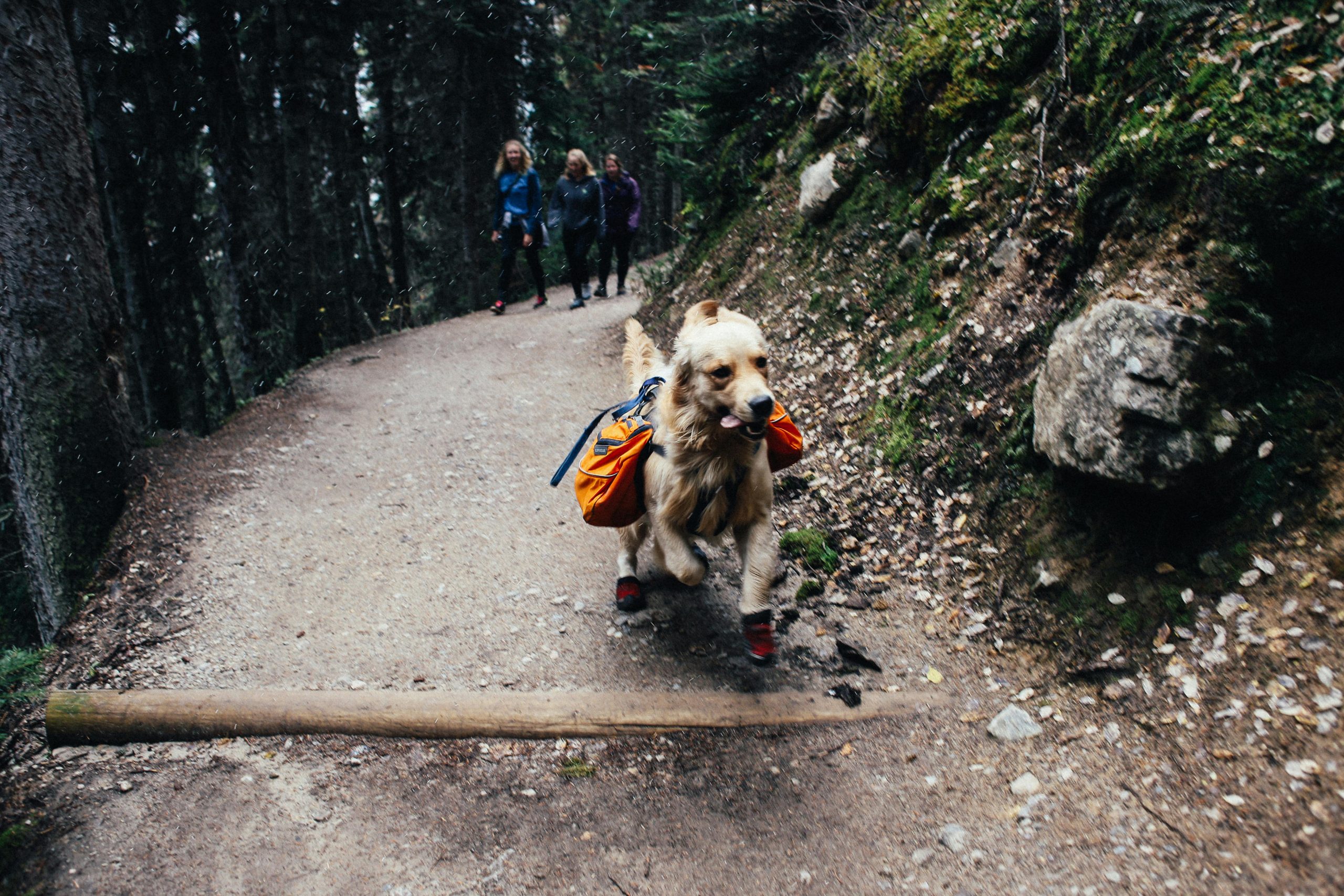
Children and pets dramatically alter the risk dynamic during outdoor activities in lion country. Their smaller size, erratic movement, and high-pitched sounds closely resemble natural prey. A child running ahead or a dog wandering on a loose leash can become a focal point for a watching lion. Many incidents begin with separation, just a few yards is enough. Once a lion locks onto a target, intervention becomes extremely difficult. Keeping children within arm’s reach and pets tightly leashed reduces confusion and prevents sudden movement that could trigger pursuit. Group cohesion sends a clear signal of strength and awareness, removing cues that invite a predator to assess the situation further.
Misreading Curiosity as Harmless Behavior
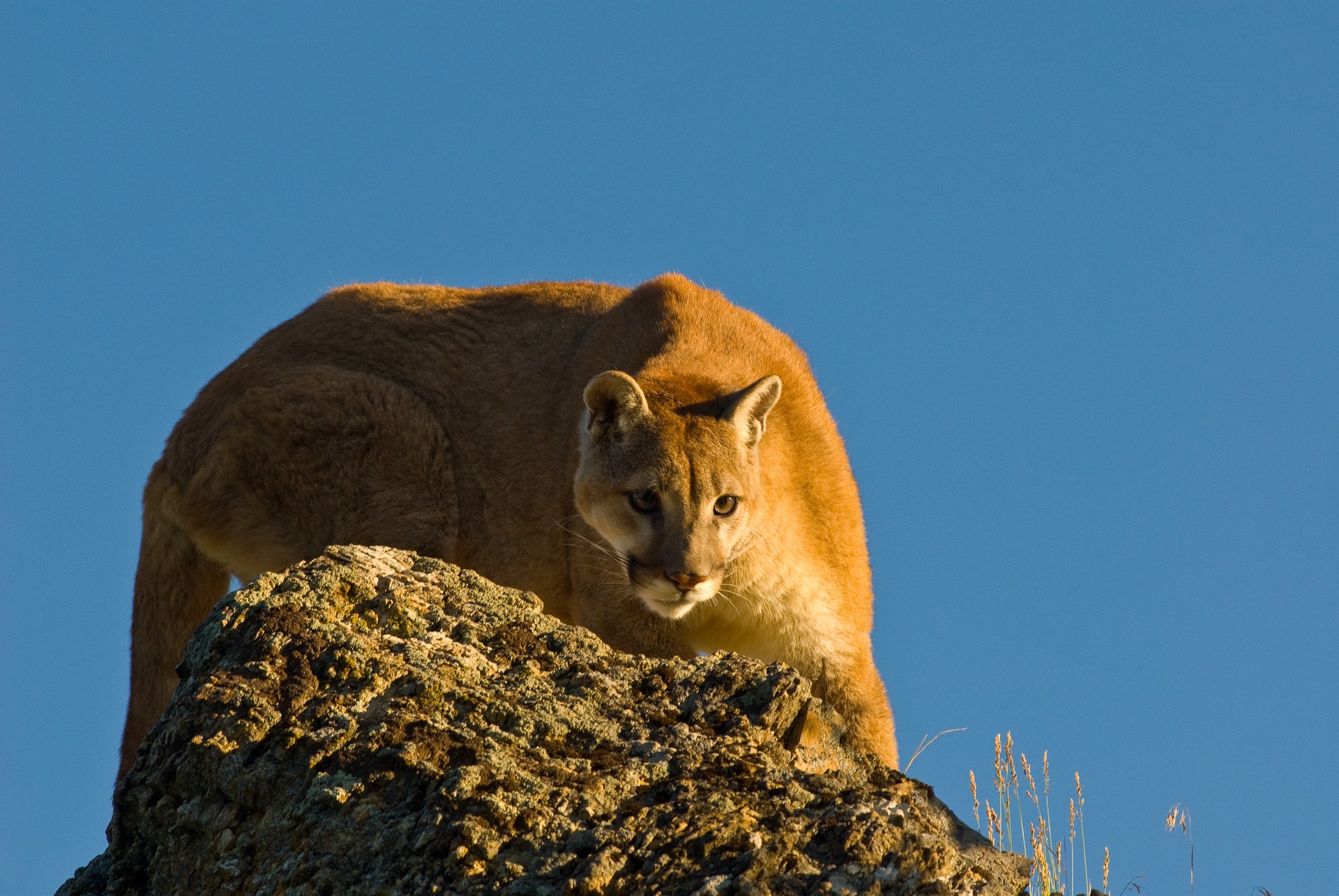
A mountain lion that lingers, circles, or watches silently is not behaving casually. These actions are part of the evaluation. People often mistake stillness for uncertainty, assuming the animal is hesitant or uninterested. In reality, the lion may be calculating distance, escape routes, and reaction speed. Subtle signs, such as stiff posture, focused gaze, and tail twitching, indicate intense attention. Moving too quickly, turning away, or panicking can heighten interest rather than reduce it. Understanding that apparent calm does not equal safety is essential. Misinterpreting assessment behavior as harmless curiosity is one of the most dangerous misunderstandings humans make during encounters.
Running Instead of Standing Your Ground
The instinct to run is powerful, but in mountain lion territory, it can be fatal. Running triggers an automatic chase response deeply embedded in a lion’s behavior. Even a short sprint can provoke pursuit. Lions possess explosive acceleration and can cover ground in seconds, making escape impossible. Many attacks begin the moment a person turns away. Standing your ground disrupts the predator’s expectations. Maintaining eye contact, raising your arms, and appearing larger signal confidence and awareness. Slow, controlled movement communicates strength rather than fear. Resisting the urge to flee requires discipline, but doing so often prevents the encounter from escalating into an attack.
Failing to Make Your Presence Known
Quiet movement may seem respectful in nature, but silence can be dangerous in predator habitat. Moving quietly increases the chance of surprising a mountain lion at close range, especially near bends, thick brush, or rocky outcrops. Startling a lion removes its ability to retreat and may provoke a defensive reaction. Talking, clapping, or making steady noise alerts wildlife early, allowing animals to move away unnoticed. Many encounters occur because humans unintentionally enter a lion’s space without warning. Consistent sound reduces surprise and lowers the likelihood of a sudden, high-stress confrontation.
Carrying No Defensive Tools or Knowledge
Entering mountain lion habitat without preparation removes critical options. Many people rely on hope rather than planning, unaware of effective deterrents or response techniques. Carrying bear spray, understanding how and when to deploy it, and practicing defensive posture significantly improve survival odds. Panic often stems from uncertainty. When people hesitate or fumble, valuable seconds are lost. Preparation builds confidence and muscle memory, reducing freeze responses. While tools alone don’t guarantee safety, lacking them leaves few alternatives. Knowledge empowers action, transforming a potentially helpless moment into one where the human can actively influence the outcome.
Ignoring Warning Signs in the Environment
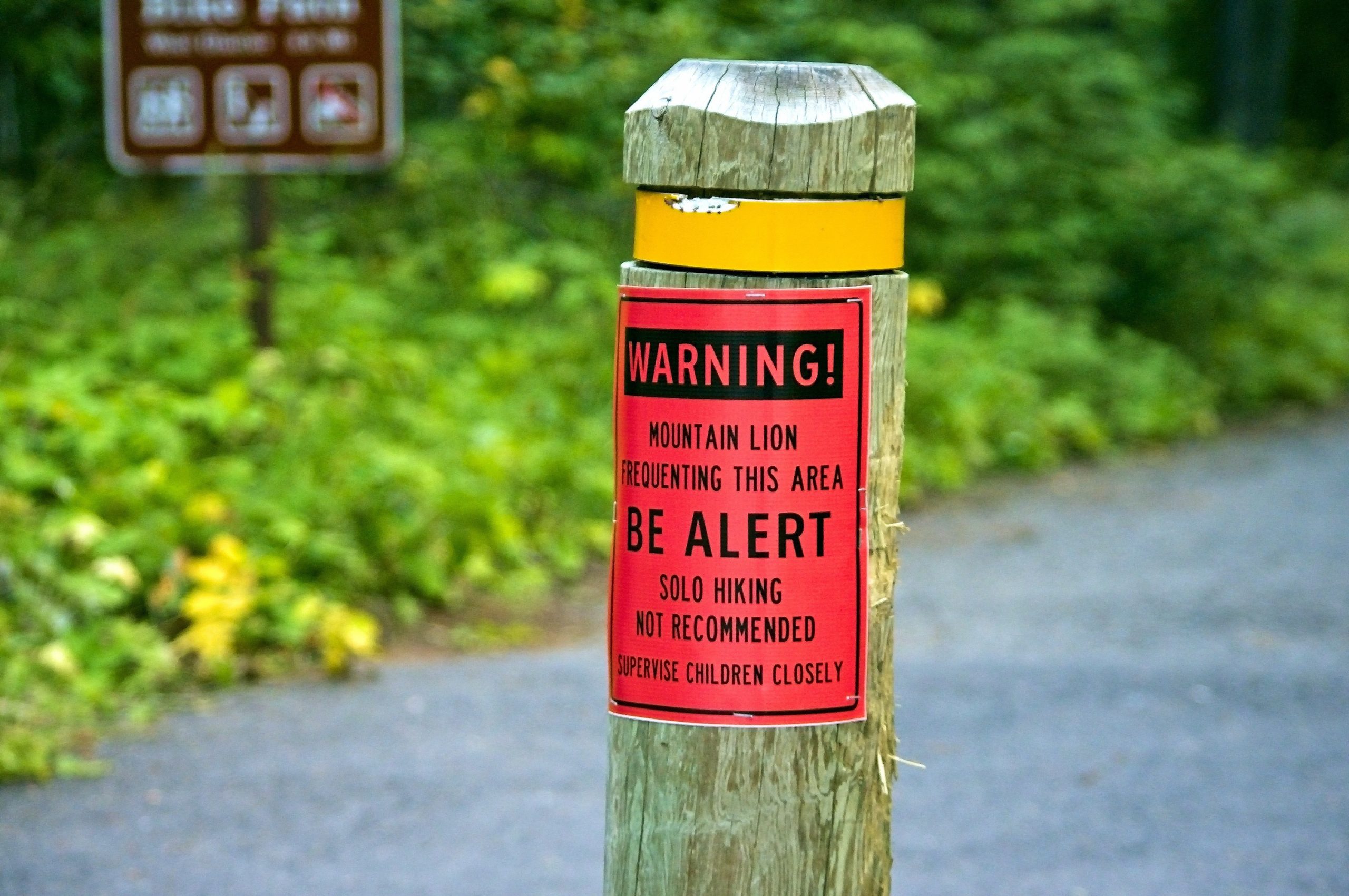
The landscape often provides clear warnings, yet many people fail to recognize them. Tracks, scat, claw marks, and partially buried carcasses all indicate recent mountain lion activity. Continuing forward despite these signs increases the likelihood of entering a hunting zone. Lions often remain near kills for days, defending territory aggressively. Ignoring these clues is similar to ignoring posted danger signs. Environmental awareness extends beyond what’s directly visible. Reading the terrain and responding early allows people to avoid encounters entirely. Overlooking these signals places individuals deeper into areas where lions feel confident and dominant.
Assuming Attacks Are Extremely Rare and Unlikely
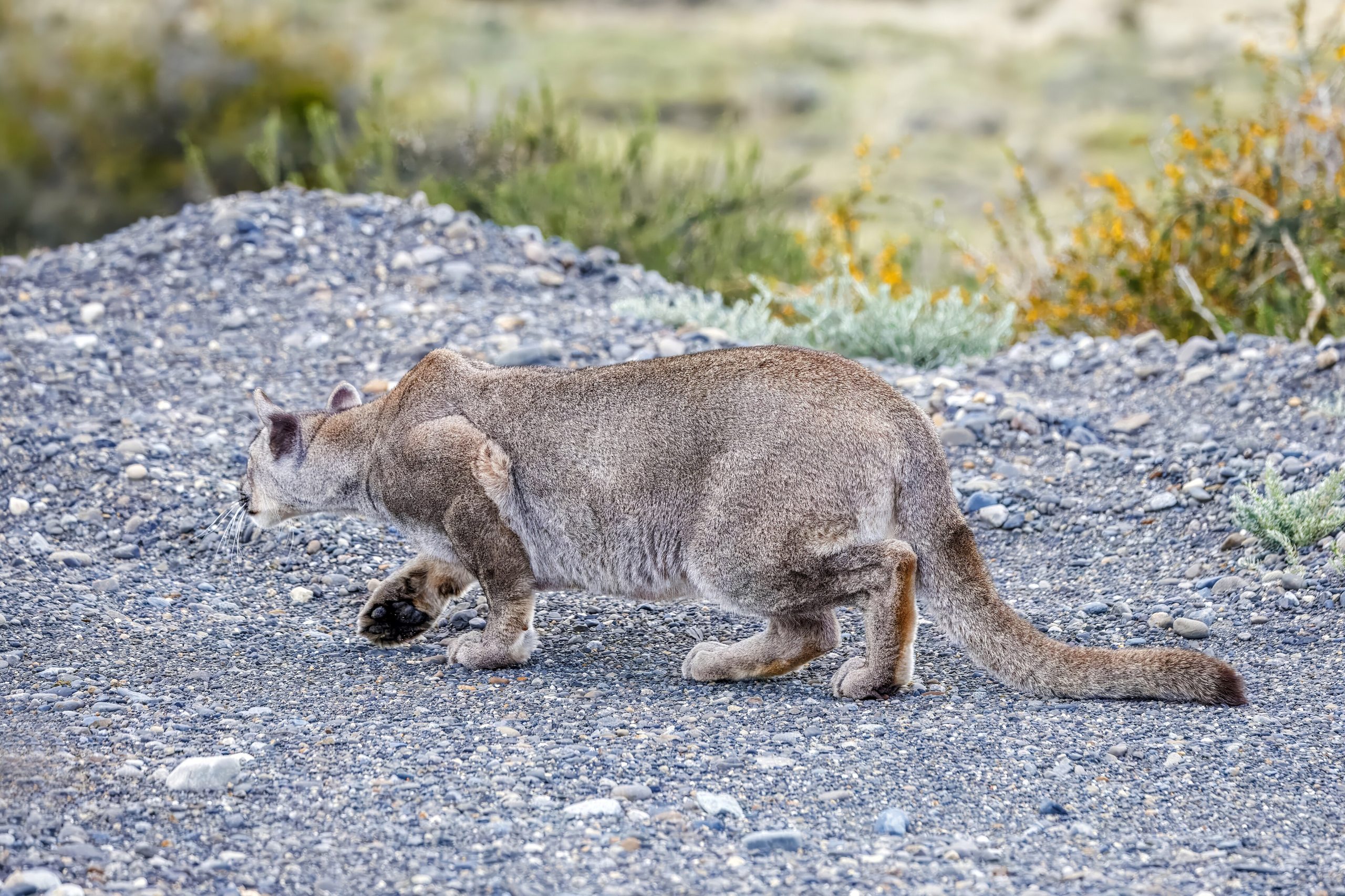
While mountain lion attacks are statistically uncommon, believing they cannot happen leads to complacency. Most victims never expected an encounter. Overconfidence reduces preparation, awareness, and respect for the animal’s abilities. Lions are adaptable, intelligent, and increasingly sharing space with humans due to expanding development. Treating encounters as impossible encourages risky behavior. Respecting the potential threat without panic promotes safer decisions. The most dangerous assumption is disbelief. Acknowledging the risk allows people to stay alert, prepared, and responsive, which is ultimately what prevents a rare encounter from becoming a deadly one.