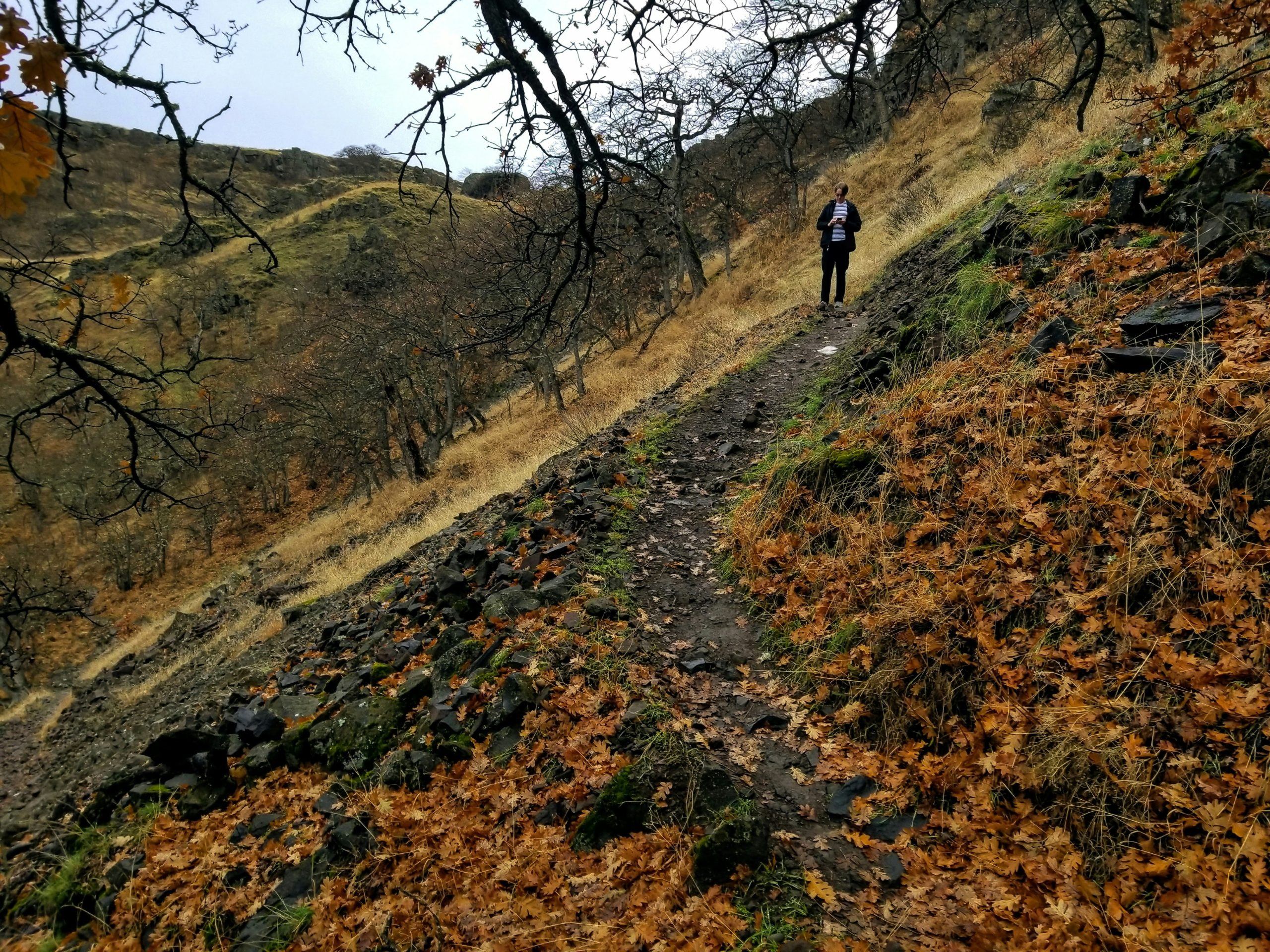
Regular hikers and campers often feel safest on trails and campsites they know well. A familiar route, repeated campsite, or frequently used backcountry area creates confidence and comfort. Unfortunately, that comfort can quietly increase danger. Familiarity encourages hikers to relax their awareness, rely on memory instead of observation, and underestimate how quickly outdoor conditions change. Weather, terrain, wildlife activity, and trail wear evolve constantly, even in places visited dozens of times. Many backcountry accidents happen not in remote, unknown terrain, but on “easy” or familiar routes. Understanding how familiarity reshapes decision-making is essential for survival, trekking safety, and responsible outdoor travel.
Trail Familiarity Breeds Overconfidence

Hiking the same trail repeatedly builds confidence, but that confidence often turns into overconfidence. Familiar hikers move faster, scan less, and assume nothing has changed since the last trip. This mindset reduces caution around steep sections, loose rock, stream crossings, or exposed ridgelines. Because the trail feels predictable, hikers underestimate risk and push limits they would avoid elsewhere. Overconfidence leads to skipped checks, rushed decisions, and reduced margin for error. In the backcountry, experience should sharpen awareness, not replace it. When confidence overrides vigilance, even well-known trails become dangerous.
Assumptions Replace Real-Time Trail Assessment

On familiar routes, hikers often assume trail conditions instead of assessing them. A bridge is assumed intact, a slopeis assumed stable, and a campsite is assumed safe. These assumptions can be deadly. Overnight storms, erosion, fallen trees, or wildlife activity can dramatically alter terrain. Snowmelt may change stream depth, and wind can destabilize trees. When hikers rely on memory instead of observation, they miss these changes. Backcountry safety depends on evaluating what is present now, not what was present last season or last weekend. Familiarity encourages mental shortcuts that increase exposure to unseen hazards.
Repetition Dulls Awareness of Environmental Warning Signs
Repeated exposure to the same outdoor environment dulls sensitivity to warning signs. The sound of cracking branches, shifting gravel, or rising wind may no longer trigger concern. Subtle signs of incoming weather or unstable terrain blend into background noise. Over time, hikers stop questioning these signals because nothing bad happened before. This desensitization is dangerous in the wilderness, where early warning signs often provide the only chance to avoid trouble. Familiar trails still communicate risk, but familiarity teaches the brain to ignore those messages until it is too late, especially during changing seasonal or weather conditions.
Comfort Leads to Cutting Safety Corners
Familiar campsites and trails often encourage relaxed behavior. Hikers skip trekking poles, avoid helmets in scramble zones, or camp closer to water than recommended. Food storage rules may be ignored because wildlife “has never been a problem before.” These shortcuts feel justified through experience, but each one increases risk. In backcountry survival, safety systems work because they are followed consistently. Familiarity turns exceptions into habits, slowly eroding protective behavior. Many outdoor accidents occur not from extreme mistakes, but from small rules repeatedly ignored in places that feel safe.
Autopilot Hiking Reduces Situational Awareness

On known trails, hikers often slip into autopilot. Navigation feels automatic, so attention drifts. Daydreaming increases, conversations distract, and focus shifts away from footing and surroundings. This reduced awareness makes it easier to miss trail markers, trip on roots, or overlook changing weather. In unfamiliar terrain, hikers stay alert by default. Familiarity removes that mental edge. When awareness drops, reaction time slows. Autopilot hiking turns simple terrain into a source of injury because the mind is no longer fully present in the environment or actively assessing risk and terrain conditions ahead.
Emotional Comfort Masks Backcountry Risk
Familiar trails feel emotionally safe. This comfort lowers perceived danger, even when objective risk remains unchanged. Known campsites feel secure, causing hikers to underestimate exposure to weather shifts, wildlife, or terrain hazards. Emotional comfort replaces caution, making warnings feel unnecessary or exaggerated. In wilderness travel, fear serves a purpose by sharpening decision-making. When familiarity removes that edge entirely, hikers become slower to react and less willing to adjust plans. Comfort does not reduce risk; it often hides it until conditions force awareness back suddenly and dangerously.
Memory Distorts Terrain and Condition Accuracy
Hikers frequently rely on memory when navigating familiar terrain. Slopes remembered as easy may erode, river crossings deepen, and trail tread deteriorates over time. Seasonal changes alter landmarks, visibility, and footing. Memory presents the environment as stable, while nature constantly reshapes it. This mismatch creates false confidence and poor judgment. When hikers move based on past experience instead of present conditions, they misjudge effort, timing, and safety. In backcountry survival, trusting memory over observation increases vulnerability to falls, exhaustion, and navigation errors.
Familiarity Slows Reaction to Sudden Backcountry Change
When an unexpected change occurs on a familiar trail, hikers often hesitate. The brain resists updating its internal map, delaying action. A collapsing trail edge, sudden weather shift, or aggressive wildlife encounter feels unreal because it conflicts with expectation. That hesitation costs time. In unfamiliar terrain, hikers expect surprises and stay adaptive. Familiarity creates disbelief before response. In the backcountry, delayed reaction can mean injury, exposure, or getting stranded far from help. Fast recognition and decisive response are critical, and familiarity weakens both when conditions shift rapidly.
Near Misses Become Normalized on Known Routes
On known trails, hikers often slip into autopilot. Navigation feels automatic, so attention drifts. Daydreaming increases, conversations distract, and focus shifts away from footing and surroundings. This reduced awareness makes it easier to miss trail markers, trip on roots, or overlook changing weather. In unfamiliar terrain, hikers stay alert by default. Familiarity removes that mental edge. When awareness drops, reaction time slows. Autopilot hiking turns simple terrain into a source of injury because the mind is no longer fully present in the environment or actively assessing risk and terrain conditions ahead.
Experience Creates a False Sense of Wilderness Control
Frequent hikers often believe experience gives control over outcomes. In reality, wilderness conditions remain unpredictable. Weather, terrain failure, and wildlife behavior are never fully controllable. Familiarity encourages hikers to push limits, underestimate exposure, and delay turning back. When events unfold beyond expectation, the shock is greater because confidence was misplaced. True backcountry safety comes from humility, adaptability, and respect for uncertainty. Familiar trails demand the same caution as new ones, because nature does not recognize experience; it only responds to conditions.