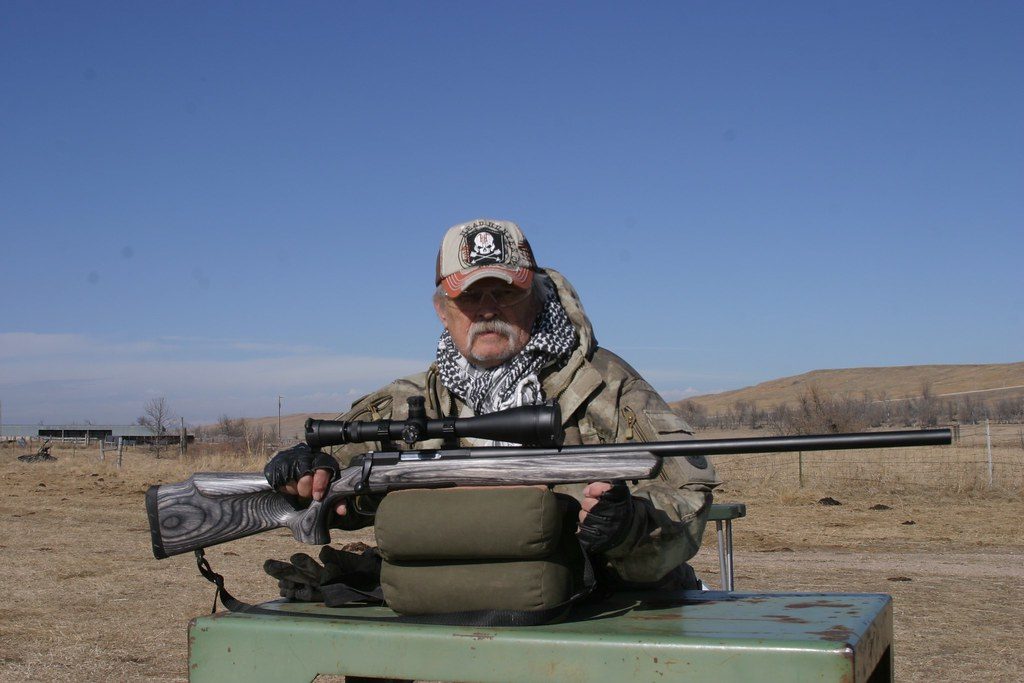
Understanding how bullet weight influences tracking distance helps hunters make informed decisions that support clean, efficient harvests. Bullet weight affects how a projectile behaves on impact, how deeply it penetrates, and how much energy it transfers into vital organs. These factors shape how far a deer may travel before collapsing, which directly affects tracking difficulty in varied terrain. Lighter bullets often move faster but may fragment sooner, while heavier bullets carry more momentum and deliver deeper penetration. The right choice depends on caliber, shooting distance, shot placement, and the size of the deer. This topic matters because ethical hunting centers on quick, humane outcomes. By exploring how weight interacts with real-world variables, hunters gain a clearer understanding of what influences tracking distance and why certain loads perform consistently across different environments and situations.
How Bullet Weight Influences Energy Transfer
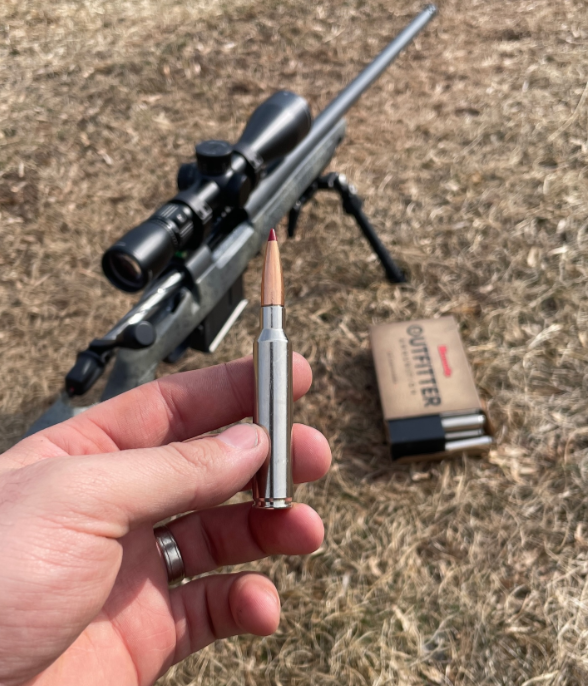
Bullet weight plays a major role in how much energy is transferred to a deer upon impact, ultimately affecting how quickly the animal collapses. Heavier bullets typically carry more momentum, allowing them to drive deeper into vital organs and create more disruptive wound channels. Lighter bullets may travel faster, but their reduced mass limits the energy they deliver once they meet resistance. When energy transfer is efficient, the deer experiences rapid physiological shutdown, shortening the distance it may run. In contrast, insufficient energy transfer often results in longer tracking scenarios. Variables such as bullet construction, impact velocity, and angle of entry all interact with weight to determine overall effectiveness during real hunting conditions.
The Relationship Between Penetration and Tracking Distance
Penetration remains one of the strongest predictors of tracking distance, and bullet weight directly influences this capability. Heavier projectiles typically maintain their momentum as they pass through hide, muscle, and bone, producing more reliable penetration even at longer ranges. This consistency increases the likelihood of reaching both lungs or other vital systems that contribute to rapid incapacitation. Lighter bullets may expand too quickly or lose mass during impact, reducing penetration depth and leading to prolonged runs before collapse. When a bullet fails to reach both lungs or major blood vessels, tracking distances increase significantly. Penetration therefore, stands as a key performance factor tied closely to the choice of bullet weight.
Expansion Behavior Varies by Weight

Expansion determines how a bullet widens upon entering a deer, and weight plays a crucial role in shaping this behavior. Heavier bullets often expand in a controlled manner, maintaining enough structure to penetrate deeply while still creating a substantial wound cavity. Lighter bullets may expand rapidly and shed material, which can reduce their ability to reach vital zones. Excessive fragmentation may also produce superficial trauma that slows the deer without immediately stopping it, leading to longer tracking efforts. Balanced expansion ensures both shock and penetration, and weight serves as a fundamental component in achieving this balance. Hunters who understand expansion characteristics often see more consistent results across varied shot angles.
Shot Placement Interacts With Bullet Weight
Shot placement always determines final outcomes, yet bullet weight influences how forgiving a shot may be in imperfect conditions. Heavier bullets provide more margin for error by maintaining momentum when encountering bone or thicker muscle, allowing them to continue toward vital structures even on less-than-ideal angles. Lighter bullets, although effective with perfect placement, may deflect, fragment, or lose energy when meeting resistance. This difference often becomes apparent when tracking distances stretch beyond expectations due to compromised penetration. Weight cannot compensate for poor placement, but it does add reliability when unforeseen variables, such as angling or minor brush deflection, enter the shot scenario during a hunt.
Distance to Target Changes Weight Performance
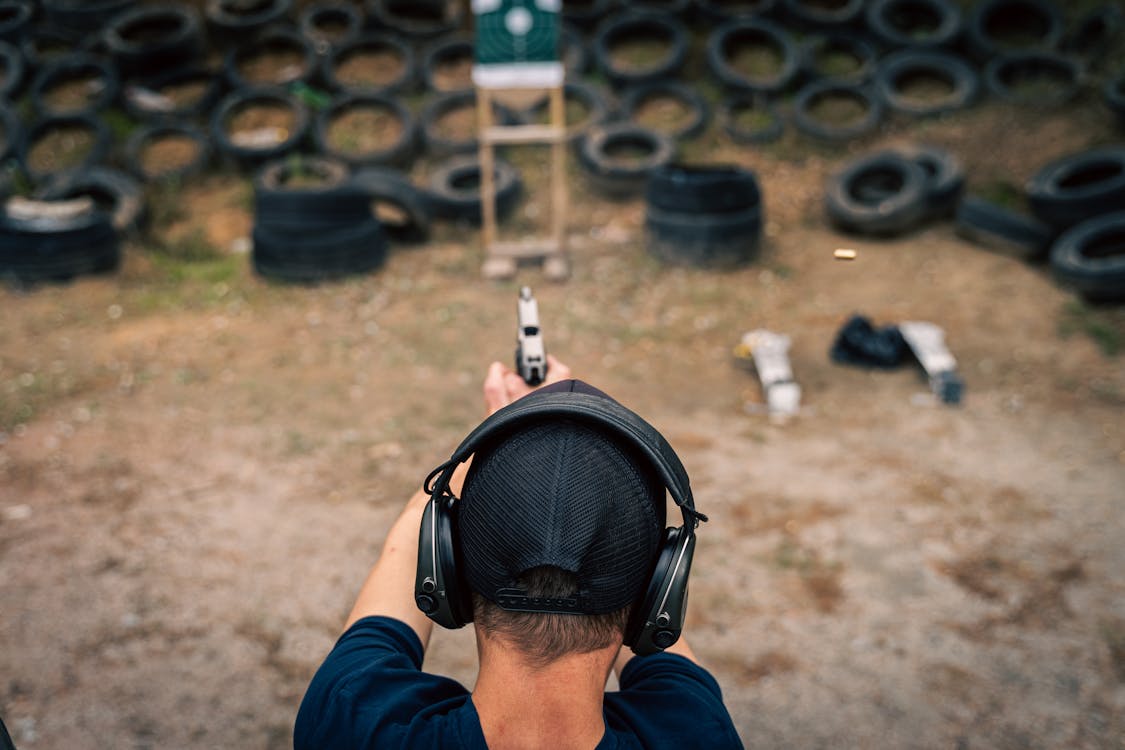
The range at which a hunter takes a shot significantly affects how the bullet weight performs on impact. Light, fast bullets excel at shorter distances where velocity remains high, and expansion occurs as intended. However, at extended ranges, lighter bullets lose energy more rapidly, which may reduce both penetration and expansion reliability. Heavier bullets retain energy over distance and maintain stable trajectories, making them effective for longer shots across open fields or mountainous terrain. This energy retention reduces tracking distance by preserving terminal performance. Understanding how weight interacts with distance helps hunters choose loads tailored to local landscapes and typical shooting scenarios encountered throughout the season.
Heavier Bullets Often Leave Better Blood Trails
Tracking becomes far easier when a deer leaves a clear blood trail, and bullet weight influences how visible that trail may be. Heavier bullets frequently create larger exit wounds due to their ability to penetrate deeply and maintain structural integrity. These exit wounds allow more blood to escape quickly, producing clearer trails that reduce time spent searching in thick brush or uneven terrain. Lighter bullets may fragment or remain inside the animal, resulting in smaller or nonexistent exit wounds that complicate tracking. While a clean pass-through depends on multiple variables, heavier projectiles offer a higher likelihood of producing the kind of blood trail hunters rely on for efficient recovery.
Recoil and Accuracy Influence Real Outcomes

While bullet weight affects terminal performance, recoil also affects how well a hunter can control the shot. Heavier bullets often generate more recoil, which may influence accuracy for those unaccustomed to the added force. Accurate shot placement directly determines tracking distance, so selecting a bullet weight that balances performance with manageable recoil becomes essential. Hunters who choose excessively heavy loads may inadvertently compromise accuracy, negating the benefits of deeper penetration. Conversely, lightweight bullets that improve accuracy may still underperform in certain terminal scenarios. A thoughtful balance ensures consistent hits on vital areas, reducing the likelihood of prolonged tracking situations in the field.
Deer Size and Anatomy Affect Weight Choice
Different regions of the United States contain deer populations of varying sizes, and bullet weight should reflect these anatomical differences. Larger-bodied deer, such as those found in northern states, often require heavier bullets to achieve reliable penetration through dense muscle and bone. Smaller deer, more common in southern regions, may drop quickly with lighter projectiles that expand rapidly. When the chosen bullet weight aligns with the animal’s size, tracking distances tend to shorten due to more effective energy transfer. Understanding regional deer anatomy allows hunters to match bullet weight to realistic field conditions rather than relying solely on generalized performance charts or anecdotal advice.
Experience Helps Interpret Weight Performance
Experience in the field allows hunters to understand how bullet weight performs across varying conditions and shot scenarios. After observing how different weights behave in real hunts, patterns emerge regarding penetration, blood trails, and tracking distances. This firsthand knowledge helps refine load selection each season, aligning performance with terrain, deer size, and shooting style. Personal observations often reveal surprising nuances, such as how certain moderate-weight bullets outperform heavier ones in specific calibers. Over time, experience informs better decisions that reduce tracking difficulty and support ethical outcomes, making bullet weight a practical consideration shaped by real-world results rather than theory alone.