
Preparing for a longer hike can feel intimidating, especially if you’re new to the trail or short on time. Fortunately, with a focused plan and the right mindset, even beginners can build enough strength and endurance to handle longer distances in just two weeks. This approach doesn’t require expensive gear or complicated routines, only consistency, smart pacing, and a willingness to push gently past comfort. The following sections break down simple steps to help you train safely, improve stamina, and feel confident before setting out on your adventure.
Start with Short, Steady Walks

Begin your training by taking short but steady walks that ease your body into daily movement without overwhelming your muscles. Aim for about thirty minutes at a comfortable pace, focusing on posture and breathing rather than speed. This early phase helps your joints loosen up and prepares your legs for more challenging sessions. Keeping the pace relaxed during the first few days prevents strain while building the foundation you’ll rely on for longer hikes. Consistency matters more than intensity at this stage.
Increase Daily Distance Gradually
As your body adapts, slowly increase the distance you cover each day to build endurance without risking injury. Add small increments like a quarter mile or ten extra minutes to avoid overwhelming your muscles. This steady progression teaches your legs to handle longer stretches while helping your lungs adjust to sustained effort. Pay attention to how your body responds and ease off if you feel sharp discomfort. The goal is to build momentum while maintaining healthy, manageable steps throughout the first week.
Add Hills to Build Strength

Incorporating hills into your routine strengthens essential muscles needed for longer hikes, especially the glutes and calves. Choose a route with gentle inclines so you can practice climbing without pushing too hard at first. Keeping a steady pace helps train your body to manage elevation changes more efficiently. Downhill sections also build ankle stability and balance. By introducing hills gradually, you create the muscle support required for tougher trails while avoiding unnecessary strain that could slow your progress.
Practice With a Light Backpack
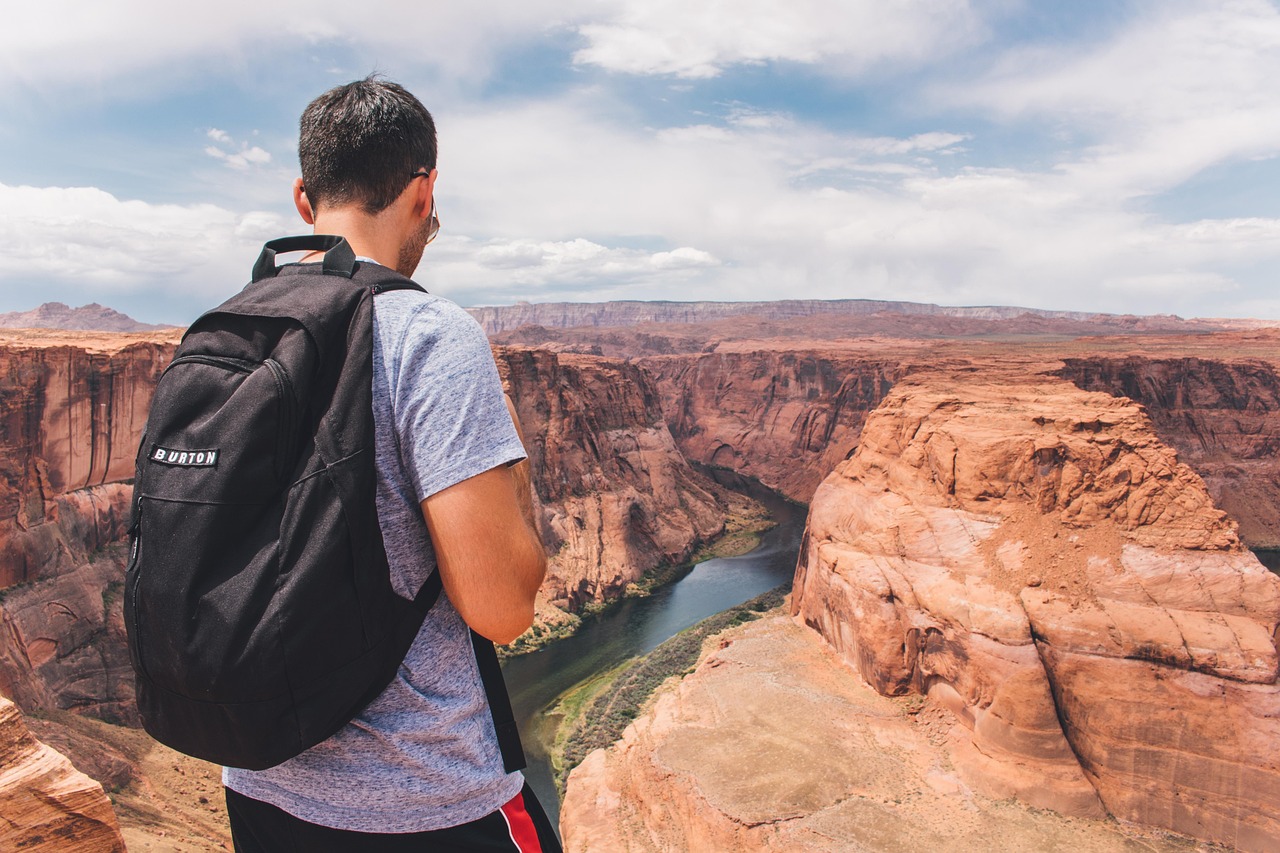
Carrying a light backpack helps simulate real hiking conditions and prepares your body for handling extra weight on the trail. Start with only a few pounds, like water, a snack, or spare clothes, so your shoulders and back can adjust comfortably. Keep the straps snug to distribute weight evenly and maintain balance. Walking with a pack improves posture and strengthens core muscles you’ll rely on during longer hikes. As the days pass, gradually add a little more weight to increase the difficulty safely.
Work on Breathing and Pacing
Learning how to control your breathing and pace helps prevent fatigue during extended hikes. Focus on steady, deep breaths that match your walking rhythm so your muscles get the oxygen they need. Resist the urge to rush, even on easier stretches, and aim for a consistent pace that feels sustainable. Practising mindful breathing also keeps your heart rate more stable on hills. Training your lungs and pacing early improves endurance and reduces burnout when you finally tackle longer trails.
Strength-Train Key Muscle Groups
A little strength training goes a long way in preparing your body for longer hikes. Focus on exercises like squats, lunges, and step-ups that mimic trail movements and increase leg power. Add core work, such as planks or simple twists, to improve balance and reduce the risk of falls. Keep your sessions short but consistent so you build strength without soreness that interrupts training. This added muscle support helps protect your joints and keeps your body steady during uneven or rocky terrain.
Improve Balance and Stability
Good balance reduces the risk of injury and helps you move confidently over uneven ground. Practice simple drills like standing on one leg, walking along a line, or using a balance cushion if you have one. These exercises strengthen stabiliser muscles that often go overlooked but are crucial for hiking. Even a few minutes each day enhances your ability to handle rocks, roots, and narrow paths. Better stability ensures you stay upright and steady throughout longer, more challenging hikes.
Hydrate and Fuel Properly
Proper hydration and nutrition are essential when training for longer hikes, especially during warm weather or longer sessions. Drink water throughout the day rather than only before or after walks, and include snacks that provide long-lasting energy, like nuts or fruit. Eating balanced meals supports muscle recovery and prevents fatigue. Staying fueled improves your endurance and makes your training sessions more productive. By taking hydration and nutrition seriously, you set yourself up for success on the trail.
Do a Test Hike Before the Real One
A test hike allows you to practice everything you’ve built over the two-week training period and reveal any adjustments you might need. Choose a route slightly shorter than your planned long hike so you can simulate real conditions without pushing too far. Pay close attention to how your legs, breathing, and backpack feel. This practice run helps identify issues like uncomfortable shoes or pacing missteps. Completing a test hike boosts confidence and fine-tunes your approach for the main event.
Rest and Recover the Right Way
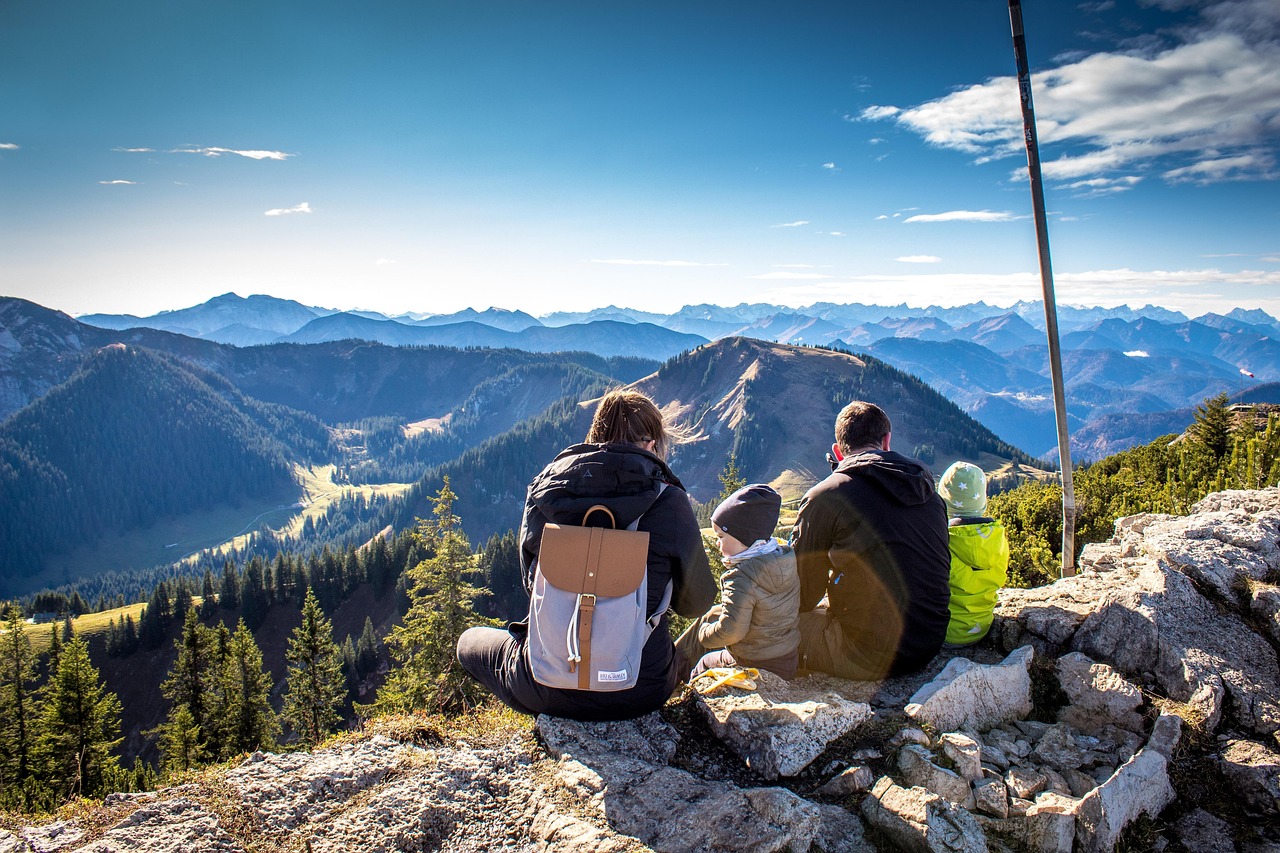
Proper rest is just as important as the training itself, especially when preparing on a tight schedule. Give your body time to repair by getting enough sleep and taking gentle rest days when needed. Simple stretches or light yoga can ease muscle tension without adding strain. Recovery helps prevent injuries that could derail your training at the last minute. By respecting your body’s limits, you ensure you’ll be refreshed, strong, and ready to enjoy your longer hike safely and confidently.